
 Caroline Sarah
REM sleep (Rapid Eye Movement) is a fascinating phase of our sleep cycle that plays a crucial role in our overall well-being. During this unique stage, our brains are highly active, often resembling wakefulness, while our bodies remain essentially paralyzed. This paradox allows for vivid dreaming and is essential for various physiological processes, including memory consolidation, emotional regulation, and even learning. Understanding REM sleep can unlock the secrets to improving our sleep quality and, consequently, our daily lives.
As we delve into the intricate workings of REM sleep, it’s important to explore its various dimensions, from the biochemical changes that occur in our brains to the lifestyle factors that can enhance or disrupt this vital phase of sleep. Each aspect provides insight into why REM sleep is not just a fascinating curiosity but a fundamental component of a healthy mind and body.
The physiological processes that occur during REM sleep should be thoroughly examined.
REM sleep, or Rapid Eye Movement sleep, is a unique and critical phase of the sleep cycle characterized by vivid dreaming and heightened brain activity. This stage occurs after the non-REM stages and plays a vital role in various physiological and psychological processes. Understanding the mechanics of REM sleep provides insight into its importance for overall health and well-being.
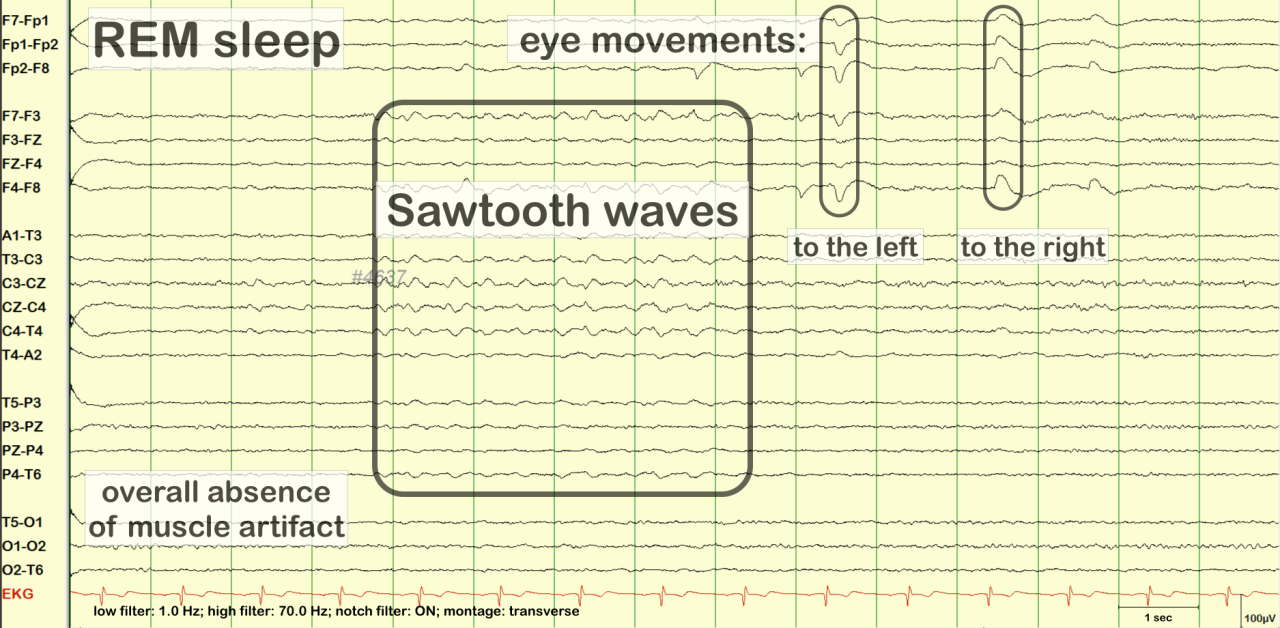
During REM sleep, the body undergoes several physiological processes that are distinct from other sleep stages. This phase is marked by rapid eye movements, increased heart rate, and irregular breathing patterns. The brain becomes highly active, resembling wakefulness, and dreams often occur during this time. The body experiences temporary muscle paralysis, which prevents individuals from physically acting out their dreams. This paradoxical state of high brain activity combined with muscle atonia plays a crucial role in the restorative functions associated with sleep.
Neurotransmitters and hormones during REM sleep
The regulation of REM sleep involves a complex interplay of neurotransmitters and hormones that facilitate its unique physiological characteristics. Key neurotransmitters, such as acetylcholine, play a significant role in initiating and maintaining REM sleep. The presence of acetylcholine in the brain stimulates the cortex, leading to increased brain activity reminiscent of wakefulness.
Conversely, levels of norepinephrine and serotonin are low during REM sleep, which is vital for the transition into this sleep phase. This low activity allows for the vivid dreams that characterize REM sleep, as the brain engages in memory consolidation and emotional processing. Additionally, the hormone melatonin, which regulates the sleep-wake cycle, remains elevated during REM sleep, further reinforcing its restorative properties.
The following neurotransmitters and hormones are crucial in the functioning of REM sleep:
- Acetylcholine: Essential for promoting REM sleep and stimulating brain activity.
- Norepinephrine: Reduced levels during REM facilitate dream activity.
- Serotonin: Low levels contribute to the unique characteristics of REM sleep.
- Melatonin: Maintains the sleep-wake cycle and supports restorative functions.
Brain activity in REM sleep
Brain activity during REM sleep shows significant differences compared to other sleep stages and waking hours. Functional MRI scans reveal that during REM sleep, the brain exhibits patterns of activity similar to those seen when awake, particularly in the visual and emotional centers. This hyperactivity in certain regions correlates with the vivid imagery experienced during dreams.
In contrast to non-REM stages, where brain activity slows down, REM sleep allows for a rapid exchange of information between various brain regions. This might enhance cognitive functions such as learning, problem-solving, and emotional regulation. During REM sleep, the hippocampus—responsible for memory formation—interacts with the neocortex, leading to the consolidation of memories and experiences.
Key differences in brain activity between REM sleep, non-REM sleep, and waking hours include:
- Increased activity in the visual cortex: Reflects the vivid visual components of dreams.
- Enhanced emotional processing: The amygdala exhibits heightened activity, influencing emotional memories.
- Parallel processing: Various brain regions communicate more actively, facilitating cognitive functions.
The significance of REM sleep in memory consolidation requires detailed exploration.
REM sleep, or Rapid Eye Movement sleep, plays a pivotal role in the brain’s ability to process and consolidate memories. During this unique stage of the sleep cycle, brain activity resembles that of wakefulness, which suggests that it is a critical time for cognitive processes. Research indicates that REM sleep facilitates the integration of new information with existing knowledge, enabling effective learning and memory retention.
The mechanisms underpinning the relationship between REM sleep and memory are primarily linked to neural plasticity, the brain’s ability to reorganize itself by forming new neural connections. During REM sleep, there is a surge of neurotransmitters such as acetylcholine, which are crucial for memory formation. This phase of sleep is thought to enhance the reactivation of memories, allowing the brain to strengthen synaptic connections associated with learned information.
Studies on the relationship between REM sleep and cognitive functions
Numerous studies have underscored the importance of REM sleep in cognitive functions, particularly in memory consolidation. For instance, a study published in the journal Science highlighted that participants who were deprived of REM sleep after learning tasks exhibited significantly poorer retention of those tasks compared to those who had uninterrupted sleep cycles.
Another notable example is research conducted at the University of California, which found that subjects who experienced more REM sleep after learning a new task demonstrated better performance on subsequent tests. This suggests a direct correlation between the amount of REM sleep and the ability to recall and apply learned information effectively.
“Memory consolidation during REM sleep involves the reactivation and integration of experiences, which strengthens neural pathways essential for learning.”
The implications of disrupted REM sleep on memory and learning processes are profound. Individuals who experience fragmented sleep patterns or insomnia often struggle with cognitive functions, particularly in recalling information, problem-solving, and creative thinking. Studies indicate that chronic REM sleep deprivation can lead to long-term deficits in both memory retention and emotional regulation, further impacting overall mental health.
Additionally, a report from the National Institutes of Health emphasizes that REM sleep disturbances are linked to various cognitive disorders, including Alzheimer’s disease, where memory loss is a prominent symptom. Thus, ensuring adequate REM sleep is crucial not only for healthy memory functioning but also for the preservation of cognitive abilities throughout life.
The connection between REM sleep and emotional regulation deserves a comprehensive discussion.
The intricate relationship between REM sleep and emotional regulation plays a crucial role in our overall mental well-being. During REM sleep, the brain is highly active, and this phase is essential for various cognitive processes, including emotional processing. Understanding how REM sleep influences our mood and emotional stability can shed light on its significant impact on mental health.
The influence of REM sleep on mood is profound, as it is during this phase that the brain consolidates emotional memories and processes daily experiences. Quality REM sleep helps regulate emotions by aiding in the integration of feelings and experiences, leading to improved mood and emotional resilience. Without adequate REM sleep, individuals may struggle with emotional dysregulation, leading to heightened sensitivity to stress and negative emotions.
Impact of Poor REM Sleep on Mental Health
The consequences of insufficient REM sleep extend beyond mere fatigue; they can significantly affect mental health, particularly in conditions such as anxiety and depression. Research has shown a compelling link between disrupted REM sleep and the exacerbation of these conditions.
For instance, individuals who experience chronic sleep deprivation often report increased levels of anxiety and depressive symptoms. The following points highlight the potential repercussions of poor REM sleep on mental health:
- Increased Anxiety Levels: Lack of REM sleep can heighten feelings of anxiety. The inability to process emotions effectively may result in a constant state of worry or fear.
- Worsening Depression: Studies suggest that disrupted REM sleep patterns can contribute to the persistence of depressive episodes, making recovery more challenging.
- Emotional Instability: Poor REM sleep is associated with mood swings and irritability, affecting interpersonal relationships and overall quality of life.
- Cognitive Impairment: Insufficient REM sleep can impair cognitive functions such as decision-making and problem-solving, further compounding emotional distress.
“Sleep is the best meditation.” – Dalai Lama
Role of REM Sleep in Processing Emotional Experiences
REM sleep plays a vital role in how we process emotional experiences and traumas. During this sleep phase, the brain engages in a unique pattern of activity that facilitates the integration of significant memories. It is believed that REM sleep aids in the reprocessing of emotional memories, allowing individuals to cope with trauma more effectively.
When we sleep, particularly during REM, the brain revisits emotional experiences and can help diminish the intensity of negative emotions associated with them. This mechanism allows for healing and adaptation, leading to better emotional resilience. Furthermore, a lack of REM sleep can hinder this processing capability, potentially leading to unresolved emotional issues and heightened trauma responses.
In summary, the connection between REM sleep and emotional regulation is not merely a matter of sleep quality; it intertwines with our mental health and emotional well-being. Prioritizing adequate REM sleep can significantly enhance emotional stability and support mental health, ultimately leading to a more balanced and fulfilling life.
The impact of lifestyle choices on REM sleep quality should be carefully analyzed.
Lifestyle choices play a crucial role in determining the quality and duration of REM sleep. Understanding how factors such as diet, exercise, and stress influence sleep patterns can empower individuals to make informed decisions that promote better sleep health. REM sleep is essential for cognitive functions, emotional regulation, and overall well-being, making it vital to analyze the impact of these lifestyle components.
Several lifestyle factors significantly impact the quality of REM sleep. Diet, for instance, can affect sleep cycles; consuming a heavy meal close to bedtime may lead to discomfort and disrupt the sleep process. Conversely, a balanced diet rich in essential nutrients promotes restful sleep. Exercise is another critical factor; regular physical activity has been shown to enhance sleep quality and duration, including REM sleep. On the other hand, high stress levels can hinder the ability to fall asleep and maintain REM sleep, impacting recovery phases during the night.
Diet and its influence on REM sleep quality
A well-rounded diet can be instrumental in enhancing REM sleep. Certain foods contain compounds that naturally promote relaxation and better sleep. For instance, foods rich in magnesium, such as nuts and leafy greens, may help relax muscles and ease the body’s transition into sleep. Additionally, incorporating sources of tryptophan, like turkey or dairy products, can boost serotonin and melatonin levels, thus promoting healthy sleep patterns.
- Limit caffeine and nicotine intake, especially in the hours leading up to bedtime, as they can disrupt sleep cycles.
- Opt for lighter meals in the evening that are high in fiber and low in sugar, allowing for better digestion during sleep.
- Stay hydrated but avoid excessive fluid intake right before bed to minimize disturbances throughout the night.
Exercise and sleep quality
Engaging in regular physical activity can improve REM sleep quality significantly. Exercise helps reduce anxiety and stress, both of which are detrimental to sleep. Moderate aerobic exercise has been linked with increased total sleep time and improved sleep efficiency.
- Incorporate at least 30 minutes of moderate exercise most days of the week, adjusting intensity and timing to suit individual preference and lifestyle.
- Avoid vigorous workouts close to bedtime, as they may lead to increased alertness and disrupt the onset of sleep.
Managing stress for improved REM sleep
Stress management is essential for enhancing sleep quality. High levels of stress can lead to insomnia and fragmented sleep, reducing the amount of time spent in REM sleep. Practicing relaxation techniques can significantly improve overall sleep hygiene.
- Incorporate mindfulness practices such as meditation or deep-breathing exercises into daily routines to lower stress levels.
- Establish a calming pre-sleep routine, such as reading or taking a warm bath, to signal the body that it’s time to wind down.
Creating a sleep-friendly environment
The sleep environment plays a significant role in the quality of REM sleep. A bedroom conducive to relaxation can help signal to the body that it is time to rest.
- Ensure the room is dark, quiet, and cool to create optimal sleeping conditions.
- Invest in comfortable bedding and pillows that support proper spinal alignment.
- Limit exposure to screens before bedtime to reduce blue light interference with melatonin production.
Best practices for maximizing REM sleep
Adopting specific best practices can enhance the likelihood of achieving healthy REM sleep.
- Maintain a consistent sleep schedule by going to bed and waking up at the same time every day, even on weekends.
- Limit naps during the day, especially in the late afternoon, to avoid disrupting the nighttime sleep cycle.
- Consider using relaxation techniques like yoga or gentle stretching before bed to promote a restful state.
“Investing in your sleep is investing in your health; prioritize lifestyle changes that enhance REM sleep quality.”
The evolutionary perspective on REM sleep is worth exploring in detail.

The evolutionary significance of REM sleep has intrigued scientists and researchers for decades. As a unique aspect of our sleep cycles, REM sleep presents both mysteries and potential advantages that have developed over time. Understanding these evolutionary roots can shed light on its essential role in human biology and behavior.
Theories surrounding the evolution of REM sleep propose several functions that may have contributed to its persistence in human sleep cycles. One prominent theory suggests that REM sleep plays a crucial role in memory consolidation. During this phase, the brain processes and organizes information gathered throughout the day, allowing for better retention and recall. Another theory posits that REM sleep enhances emotional regulation, helping individuals to process and mitigate emotional experiences from their waking lives. This emotional processing may lead to improved social interactions and decision-making skills, which are vital for successful community living and survival.
Comparative studies of REM sleep in different species
Comparative studies of REM sleep across various species provide valuable insights into its evolutionary purpose. Research shows that many mammals, birds, and even some reptiles experience REM sleep, indicating its deep-rooted position in the animal kingdom. An interesting aspect of these studies is the observation of REM sleep duration and patterns in different species, revealing crucial evolutionary adaptations. For instance, marine mammals like dolphins display unihemispheric sleep, where one hemisphere of the brain sleeps while the other remains awake. This adaptation allows them to maintain awareness of their environment and avoid predators while still benefiting from the restorative functions of REM sleep.
The implications of these findings underscore the notion that REM sleep may serve multiple survival-driven purposes. For instance, as animals evolved in more complex environments, the necessity for a well-functioning memory and emotional regulation could have made REM sleep increasingly advantageous. Birds that engage in complex social structures or migration patterns exhibit longer REM sleep durations, supporting the idea that this sleep phase is essential for cognitive and emotional functions that enhance survival rates.
Potential evolutionary advantages of REM sleep
The advantages of REM sleep for survival and adaptation are manifold. These benefits can be categorized into several key areas:
-
Memory consolidation:
REM sleep is believed to facilitate the processing of new memories, enhancing learning and decision-making capabilities.
-
Emotional regulation:
This sleep phase aids in managing emotional experiences, which can improve social cohesion and interpersonal relationships.
-
Creativity and problem-solving:
REM sleep fosters creative thinking and innovative problem-solving by allowing the brain to make new connections between existing ideas.
-
Adaptive responses to threats:
Enhanced dreaming during REM sleep may allow organisms to simulate and rehearse responses to potential dangers, improving survival strategies.
-
Restorative functions:
REM sleep contributes to overall health by promoting brain health and physical recovery, which is essential for longevity and reproductive success.
These evolutionary advantages highlight the importance of REM sleep not just as a biological necessity, but as a crucial component of thriving in complex environments. By understanding the evolutionary significance of REM sleep, we gain deeper insights into the intricate interplay between sleep, cognitive processes, and overall well-being.
The challenges related to REM sleep disorders must be addressed thoroughly.
REM sleep disorders pose significant challenges for individuals, often impacting their overall health and quality of life. These disorders can disrupt normal sleep patterns and lead to various psychological and physical issues. Understanding the types of REM sleep disorders, their symptoms, and available treatments is crucial for managing these conditions effectively.
Types of REM Sleep Disorders
REM sleep disorders can manifest in several forms, primarily including REM Sleep Behavior Disorder (RBD) and sleep paralysis. Each of these disorders presents unique symptoms and potential diagnoses.
-
REM Sleep Behavior Disorder (RBD): RBD involves an individual acting out their dreams, which can lead to violent movements during sleep. Symptoms may include:
- Vocalizations such as shouting or laughing
- Physical movements, including flailing arms or legs
- Injury to oneself or a bed partner
This condition typically occurs in older adults and is often associated with neurodegenerative diseases like Parkinson’s or Alzheimer’s.
-
Sleep Paralysis: Sleep paralysis occurs when a person is temporarily unable to move or speak while falling asleep or waking up. Symptoms include:
- A feeling of pressure on the chest
- Hallucinations, often accompanied by a feeling of dread
- Duration of paralysis lasting from a few seconds to a couple of minutes
Sleep paralysis can affect anyone but is more common in individuals with sleep deprivation, irregular sleep patterns, or narcolepsy.
Symptoms and Diagnosis
The symptoms of REM sleep disorders can often lead to misdiagnosis without proper evaluation. For RBD, healthcare providers typically look for a history of dream enactment behaviors and may employ a sleep study (polysomnography) to confirm diagnosis. In contrast, sleep paralysis may be diagnosed based on the patient’s description of the episodes and any associated sleep disorders.
“Proper diagnosis is essential for effective treatment and management of REM sleep disorders.”
Treatment Options and Lifestyle Adjustments
Addressing REM sleep disorders requires a multi-faceted approach, including both medical treatments and lifestyle modifications. Effective strategies may include:
-
Medications:
- For RBD, medications like clonazepam or melatonin may be prescribed to reduce symptoms.
- Sleep paralysis may not require medication, but if episodes are frequent, healthcare providers might consider SSRIs.
-
Lifestyle Adjustments:
- Establishing a regular sleep schedule to improve sleep quality.
- Avoiding caffeine and alcohol, especially close to bedtime.
- Creating a safe sleeping environment, particularly for those with RBD, to minimize injury risk.
- Practicing relaxation techniques, such as mindfulness or yoga, to reduce stress levels.
The research advancements in understanding REM sleep are essential to highlight.
Recent scientific findings have significantly enhanced our understanding of Rapid Eye Movement (REM) sleep, revealing its critical role in various physiological and psychological processes. Research has identified REM sleep as a period crucial for memory consolidation, emotional regulation, and brain development. The exploration of REM sleep has not only unraveled its importance in healthy functioning but also how disruptions can lead to various health issues.
Recent studies have utilized advanced neuroimaging techniques and electrophysiological recordings to investigate the complexities of REM sleep. For instance, researchers have discovered that REM sleep is instrumental in the processing of emotional experiences, with REM cycles allowing the brain to integrate and regulate emotions effectively. A key study published in *Nature Neuroscience* highlighted the role of REM sleep in enhancing memory retention, showing that subjects who experienced complete sleep cycles, including REM phases, recalled information more effectively than those who did not.
Key Researchers and Studies in REM Sleep
Several prominent researchers have made substantial contributions to the field of REM sleep. Their investigations provide insights into the mechanisms and implications of REM sleep.
- Matthew Walker: A leading neuroscientist, Walker’s work has focused on the relationship between sleep and memory. His book, “Why We Sleep,” details the importance of REM sleep in cognitive function and emotional stability.
- Allan Hobson: Hobson’s research has been pivotal in understanding the physiological processes during REM sleep, proposing the Activation-Synthesis Theory, which suggests that dreams are the brain’s way of making sense of random neural activity.
- Emilie P. P. Bourgin: Her recent studies shed light on how REM sleep is involved in the brain’s emotional processing, linking it to mental health disorders such as depression and anxiety.
Ongoing research in this field holds the promise of shaping future sleep science and treatment approaches. With the increasing recognition of the implications of sleep on overall health, future studies are likely to focus on developing targeted interventions for sleep disorders. For instance, understanding the neurochemical processes that occur during REM sleep may lead to pharmacological advancements aimed at enhancing REM sleep for individuals suffering from insomnia or PTSD.
In summary, advancements in research surrounding REM sleep have significantly contributed to our understanding of its essential functions. The continuous exploration of this sleep stage not only exemplifies its importance in health but also lays the groundwork for future scientific inquiries and therapeutic strategies.
Last Point
In summary, REM sleep (Rapid Eye Movement) stands out as a critical part of our sleep architecture, influencing everything from our memory and learning to our emotional health. By recognizing the importance of this sleep phase and adopting practices to enhance its quality, we can pave the way for improved mental clarity, emotional stability, and overall health. As research continues to evolve, the mysteries of REM sleep will likely reveal even more about how we can harness its benefits for a better life.
General Inquiries
What happens if I don’t get enough REM sleep?
Insufficient REM sleep can lead to memory issues, mood disturbances, and difficulties with emotional regulation.
Can medications affect REM sleep?
Yes, certain medications, especially antidepressants and sedatives, may suppress REM sleep.
How can I improve my REM sleep quality?
Improving sleep hygiene, managing stress, and maintaining a consistent sleep schedule can enhance REM sleep quality.
Is it normal to remember dreams from REM sleep?
Yes, vivid dreaming commonly occurs during REM sleep, and many people recall their dreams upon waking.
What is the best duration of REM sleep for adults?
Adults typically experience about 1.5 to 2 hours of REM sleep per night, which is essential for optimal functioning.