
 Caroline Sarah
Understanding Sound sleep is essential for anyone seeking a better quality of life. Sleep is not just a time for rest; it’s a complex biological process that plays a crucial role in our physical health, mental well-being, and cognitive function. As we delve into the many facets of sound sleep, we will uncover the science, the factors that influence our slumber, and the techniques we can use to enhance it.
From the physiological processes that unfold during deep sleep to the vital role of REM sleep, it becomes clear that achieving sound sleep is a cornerstone of overall health. This exploration will also delve into external factors affecting sleep quality, the significance of a conducive sleeping environment, and how our cultural perspectives on sleep shape our habits.
The Science Behind Sound Sleep
Sound sleep is vital for maintaining overall health and well-being, and understanding the science behind it can provide valuable insights into how we can improve our sleep quality. Sleep is not just a passive state; it involves active physiological processes that play a crucial role in our physical health, mental clarity, and emotional resilience.
During deep sleep, also known as slow-wave sleep (SWS), our bodies undergo essential restoration processes. This stage is characterized by slow brain waves, reduced heart rate, and decreased blood pressure, allowing for physical recovery and growth. The body focuses on repairing tissues, synthesizing proteins, and releasing growth hormones, which contribute to muscle development and immune function. Furthermore, deep sleep is important for memory consolidation, where the brain processes and stores information gathered during the day, enhancing learning and retention.
Role of REM Sleep
Rapid Eye Movement (REM) sleep is another critical phase of the sleep cycle that significantly impacts our health. Typically occurring after about 90 minutes of sleep, REM sleep is marked by increased brain activity, vivid dreams, and temporary muscle paralysis. This stage plays a crucial role in emotional regulation, as it allows for the processing of emotions and experiences, helping to reduce stress and anxiety levels.
Key aspects of REM sleep include:
- The promotion of neural connections: During REM sleep, the brain forms new pathways, which are essential for learning and creativity.
- The role in emotional health: It aids in the processing of complex emotional experiences, contributing to mental well-being and resilience.
- Memory enhancement: REM sleep strengthens the brain’s ability to store and retrieve information, improving overall cognitive function.
“REM sleep is fundamental for emotional and cognitive stability, acting as the brain’s overnight therapy session.”
Impact of Sleep Stages on Cognitive Function and Emotional Well-Being
The different stages of sleep work together to foster cognitive abilities and emotional health. Each cycle of sleep consists of multiple stages, including light sleep, deep sleep, and REM sleep, and the quality and duration spent in each stage are critical.
The benefits of a well-balanced sleep cycle include:
- Enhanced problem-solving skills: Adequate REM sleep improves critical thinking and problem-solving abilities by facilitating creative thought processes.
- Improved mood: Sufficient deep sleep contributes to emotional stability, reducing irritability and enhancing overall mood.
- Increased attention and focus: Quality sleep leads to better concentration and attention, essential for productivity and daily tasks.
“Sleep is the best meditation.” – Dalai Lama
Understanding the intricate processes of sleep can empower individuals to prioritize their sleep health, ultimately leading to a more vibrant and fulfilling life.
Factors That Affect Sleep Quality
The quality of sleep can significantly influence overall health and well-being. Various environmental elements, lifestyle habits, and nutritional choices play crucial roles in determining how well we sleep at night. Understanding these factors can help individuals create a more conducive atmosphere for restful slumber.
Environmental Elements
The environment in which one sleeps can either enhance or disrupt sleep quality. Several key factors can influence this:
- Light Levels: Exposure to bright light, especially blue light from screens, can interfere with the body’s natural sleep-wake cycle. Dimming lights before bedtime can promote relaxation.
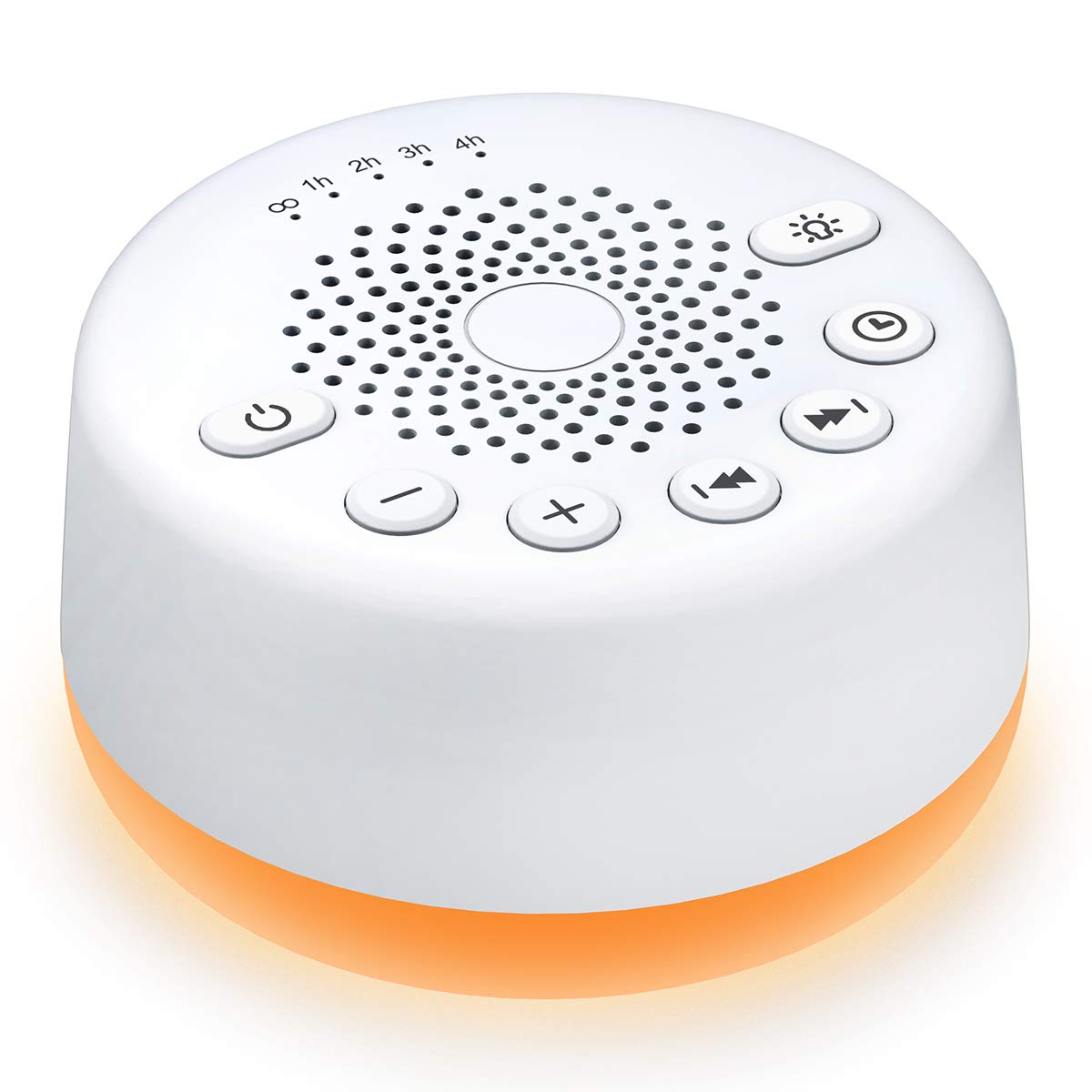
- Noise: Sudden loud noises or consistent background sounds can disrupt sleep. Using earplugs or white noise machines may help mitigate these disturbances.
- Temperature: A comfortable sleep environment typically ranges between 60-67°F (15-19°C). Too hot or too cold conditions can make it difficult to fall asleep or stay asleep.
- Comfort of Bedding: Quality mattresses and pillows that provide adequate support significantly affect sleep comfort. Investing in suitable bedding can improve sleep quality.
- Air Quality: Poor ventilation and allergens can lead to sleep disturbances. Ensuring fresh air circulation and reducing allergens in the bedroom can help enhance sleep quality.
Lifestyle Habits
Engaging in specific lifestyle habits can create a positive impact on sleep quality. These habits include:
- Consistent Sleep Schedule: Going to bed and waking up at the same time every day helps regulate the body’s internal clock, promoting better sleep.
- Physical Activity: Regular exercise can improve sleep quality. However, exercising too close to bedtime may have the opposite effect and disrupt sleep.
- Relaxation Techniques: Practices such as meditation, deep breathing, or yoga can help calm the mind and prepare the body for sleep.
- Limiting Caffeine and Alcohol: Consuming stimulants like caffeine or depressants like alcohol close to bedtime can negatively impact sleep quality.
- Avoiding Heavy Meals: Eating large meals or spicy foods before bedtime can lead to discomfort, making it difficult to fall asleep.
Nutrition’s Role
Nutrition can significantly influence sleeping patterns. Certain food choices can either promote restful sleep or lead to disruptions.
- Tryptophan-Rich Foods: Foods high in tryptophan, such as turkey and bananas, can promote sleep by increasing serotonin levels in the brain.
- Magnesium and Calcium: These minerals are known for their relaxing properties. Foods like leafy greens, nuts, and dairy can help support better sleep quality.
- Hydration: Staying hydrated throughout the day is essential, but excessive fluid intake right before bed can lead to nighttime awakenings.
- Avoiding Sugary Snacks: High sugar consumption, especially before bedtime, can lead to energy spikes and crashes that disrupt sleep.
- Small Evening Snacks: A light snack, such as a handful of nuts or a small piece of fruit, can prevent hunger without overloading the digestive system.
Creating a sleep-friendly environment and adopting healthy lifestyle habits can significantly enhance sleep quality.
Techniques for Achieving Sound Sleep
Achieving sound sleep is essential for overall health and well-being. Incorporating effective techniques into your bedtime routine can significantly improve the quality of your sleep. Below are some proven methods that can help create an optimal environment and mindset for restful nights.
Effective Bedtime Routines
Establishing a consistent bedtime routine signals to your body that it’s time to wind down. Here are some effective practices to consider:
- Limit screen time at least one hour before bed to reduce blue light exposure that can interfere with melatonin production.
- Engage in calming activities such as reading a book or practicing gentle yoga to transition into sleep mode.
- Set a consistent sleep and wake time, even on weekends, to regulate your body’s internal clock.
- Avoid heavy meals and caffeine in the hours leading up to bedtime, as they can disrupt your sleep cycle.
Relaxation Methods
Incorporating relaxation techniques into your nightly routine can enhance your ability to fall asleep. Two popular methods are meditation and deep breathing exercises.
“Relaxation is the key to a peaceful mind, which is essential for sound sleep.”
Meditation can be as simple as focusing on your breath or using guided sessions available through various apps. These practices help clear your mind and reduce stress, promoting a tranquil state conducive to sleep. Deep breathing exercises, such as the 4-7-8 technique, involve inhaling for four seconds, holding for seven, and exhaling for eight. This method calms the nervous system and prepares your body for rest.
Designing a Sleep-Friendly Environment
Creating an optimal sleeping environment is crucial for sound sleep. Factors such as room temperature and lighting play significant roles in your comfort levels.
- The ideal room temperature for sleep is generally between 60 to 67 degrees Fahrenheit (15-19 degrees Celsius), which promotes a natural drop in body temperature that aids sleep onset.
- Use blackout curtains or eye masks to block out light, as darkness signals to your body that it’s time to sleep.
- Consider using white noise machines or earplugs to minimize disruptive noises that can interrupt your sleep.
- Maintain a clutter-free and comfortable sleep space, ensuring your mattress and pillows support your sleeping posture.
The Connection Between Sleep and Mental Health

Sound sleep plays a crucial role in maintaining and enhancing mental health. The relationship between sleep and mental well-being is complex, as poor sleep can exacerbate existing mental health conditions while sound sleep can improve mood and cognitive function. Understanding this connection is vital for anyone looking to manage their mental health effectively.
Sleep has a profound impact on various mental health conditions, particularly anxiety and depression. Studies have shown that individuals who experience sound, restorative sleep are less likely to experience symptoms of anxiety and depression. Sleep helps regulate mood, and restorative sleep cycles contribute to emotional resilience. On the other hand, sleep deprivation can lead to increased irritability, heightened anxiety, and even depressive symptoms. The National Institute of Mental Health has linked insufficient sleep with the onset and persistence of mental health disorders, indicating that improving sleep quality may be an effective strategy for managing these conditions.
Effects of Sleep Deprivation on Mood and Cognitive Performance
The consequences of sleep deprivation extend beyond simple tiredness; they significantly affect mood and cognitive performance. Lack of sleep can impair attention, alertness, concentration, reasoning, and problem-solving abilities. This cognitive decline can lead to mistakes and accidents, exacerbating stress and anxiety levels.
The emotional impact of sleep deprivation is equally concerning. Research indicates that prolonged lack of sleep can lead to mood swings, heightened sensitivity to stress, and overall diminished emotional stability. A study published in the journal Sleep found that individuals with chronic sleep deprivation are more likely to report feelings of sadness and hopelessness, further complicating their mental health.
The following strategies can help improve sleep habits, thereby fostering better mental health:
- Establish a consistent sleep schedule by going to bed and waking up at the same time every day, even on weekends.
- Create a restful environment by keeping the bedroom dark, cool, and quiet to promote sound sleep.
- Limit exposure to screens and bright lights at least an hour before bedtime, as blue light can interfere with melatonin production.
- Incorporate relaxation techniques, such as deep breathing, meditation, or gentle stretching, into a pre-sleep routine to calm the mind.
- Avoid caffeine and heavy meals close to bedtime, as these can disrupt sleep patterns.
Improved sleep habits not only contribute to better mental health outcomes but also enhance overall quality of life. Recognizing the interplay between sleep and mental health is crucial for developing effective strategies for emotional and psychological well-being.
Sleep Disorders and Their Implications
Sleep disorders are prevalent conditions that can significantly impact an individual’s quality of life. These disorders can disrupt not only sleep patterns but also overall health and well-being. Understanding the various types of sleep disorders, their characteristics, and potential consequences is crucial for effective management and treatment options.
Sleep disorders encompass a range of conditions characterized by abnormalities in sleep patterns, such as difficulty falling asleep, staying asleep, or excessive sleepiness during the day. Some of the most common sleep disorders include insomnia, sleep apnea, restless legs syndrome (RLS), and narcolepsy. Each disorder has distinct features; for example, insomnia is defined by persistent difficulties in initiating or maintaining sleep, while sleep apnea is characterized by repeated interruptions in breathing during sleep, resulting in fragmented sleep and poor rest.
Common Sleep Disorders and Their Characteristics
Understanding the specific characteristics of common sleep disorders helps in identifying and addressing them. Below are some key disorders:
- Insomnia: Difficulty falling asleep or staying asleep, leading to daytime fatigue and irritability.
- Sleep Apnea: A serious condition where breathing repeatedly stops and starts during sleep, often accompanied by loud snoring.
- Restless Legs Syndrome (RLS): A condition characterized by an uncontrollable urge to move the legs, typically in the evenings or at night.
- Narcolepsy: A neurological disorder that affects the control of sleep and wakefulness, causing excessive daytime sleepiness and sudden sleep attacks.
The implications of untreated sleep disorders can be severe. Chronic sleep deprivation is linked to various long-term health issues, including cardiovascular diseases, diabetes, obesity, and impaired cognitive functioning. For instance, individuals with sleep apnea may experience a higher risk of hypertension and heart disease due to the stress on the cardiovascular system caused by frequent awakenings during sleep.
Long-term Health Consequences of Untreated Sleep Disorders
Untreated sleep disorders can lead to various adverse health outcomes, emphasizing the need for awareness and intervention.
Chronic sleep deprivation can significantly increase the risk of serious health conditions, including heart disease, diabetes, and stroke.
Long-term consequences include:
- Cardiovascular Issues: Increased risk of hypertension, heart attack, and stroke due to chronic stress on the heart and blood vessels.
- Mental Health Disorders: Conditions like anxiety and depression can be exacerbated by lack of sleep or poor-quality sleep.
- Metabolic Disorders: Disruption in hormonal balance can lead to obesity and diabetes, as sleep is crucial for metabolic regulation.
- Cognitive Impairment: Prolonged sleep deficiencies can result in memory issues, decreased attention, and impaired decision-making skills.
Treatment Options for Sleep Disorders
There are various treatment options available for sleep disorders, ranging from lifestyle changes to medical interventions. Each treatment plan is tailored to the individual’s specific condition and needs.
Effective treatment approaches include:
- Lifestyle Modifications: Implementing sleep hygiene practices, such as maintaining a regular sleep schedule, reducing screen time before bed, and creating a comfortable sleep environment.
- Cognitive Behavioral Therapy for Insomnia (CBT-I): A structured program that helps individuals address thoughts and behaviors that contribute to insomnia.
- Medications: Certain medications, such as sedatives or sleep aids, can be prescribed to manage sleep disorders, but they should be used with caution due to potential side effects.
- Continuous Positive Airway Pressure (CPAP): A common treatment for sleep apnea, involving a machine that delivers air through a mask to keep the airways open during sleep.
In conclusion, recognizing and addressing sleep disorders is vital for maintaining overall health and preventing long-term complications. Employing appropriate treatment options can lead to significant improvements in sleep quality and overall well-being.
The Role of Technology in Sleep Management
The influence of technology on sleep management has become an increasingly significant topic as our lives become more intertwined with digital devices. While technology can offer tools for improving sleep, it also presents challenges that can hinder sleep quality. Understanding these aspects is crucial for harnessing the benefits while minimizing the drawbacks.
Impact of Screen Time on Sleep Quality and Duration
Prolonged screen time, particularly before bedtime, can adversely affect sleep quality and duration. The blue light emitted from screens disrupts the production of melatonin, a hormone responsible for regulating sleep. Research indicates that individuals who engage in screen activities like browsing social media or watching videos late at night often experience delayed sleep onset and reduced total sleep time.
Moreover, a study published in the Journal of Clinical Sleep Medicine revealed that participants who used electronic devices before sleep reported lower sleep satisfaction and increased daytime sleepiness. It’s essential to consider these findings when managing screen time, especially in the evening.
Recommendations for Using Sleep Tracking Apps Responsibly
Sleep tracking apps can provide valuable insights into sleep patterns, but they should be used with caution to avoid potential pitfalls. Here are essential points to consider for responsible use:
– Understand App Limitations: Sleep apps use algorithms to estimate sleep quality, which may not always be accurate. Use them as a guide rather than a definitive measure.
– Set Realistic Goals: Establish attainable sleep goals based on the data provided by the app. Understand that perfection in sleep is not always achievable.
– Avoid Obsession: Regularly checking app data can lead to anxiety about sleep. Consider limiting checks to once a week to reduce pressure.
– Integrate with Other Healthy Habits: Use insights from the app to complement other sleep hygiene practices, such as maintaining a consistent sleep schedule and creating a relaxing bedtime routine.
Benefits and Drawbacks of Sleep-Related Gadgets and Devices
Several sleep-related gadgets and devices are designed to enhance sleep quality, but they come with both advantages and disadvantages. Below are key considerations:
The benefits include:
– Sleep Quality Improvement: Devices like white noise machines can help mask disruptive noises, promoting a more restful environment.
– Monitoring Sleep Patterns: Wearable technology can track sleep cycles, providing data that can inform lifestyle changes to improve sleep hygiene.
– Smart Lighting Solutions: Adjustable smart bulbs can mimic natural light patterns, helping to regulate circadian rhythms.
However, there are also drawbacks:
– Dependency on Devices: Relying too heavily on gadgets can lead to issues, such as difficulty sleeping without them.
– Potential Distractions: Notifications from devices can disrupt relaxation and sleep, counteracting their intended benefits.
– Cost Considerations: Many sleep gadgets can be expensive, and their effectiveness may vary from person to person, making them less accessible for everyone.
The balance between using technology as a tool for better sleep and avoiding its negative effects is crucial for optimal sleep health.
Cultural Attitudes Towards Sleep
Different cultures have varied perceptions and approaches to sleep, reflecting their unique values, lifestyles, and beliefs. While some societies prioritize sleep as a fundamental aspect of health and well-being, others may view it as a luxury that can be compromised for productivity. Understanding these cultural attitudes can shed light on how sleep is integrated into daily life across the globe.
In various cultures, sleep is not merely a biological necessity but is often intertwined with customs, rituals, and social norms. For instance, traditional practices in some regions emphasize the importance of sleep for physical and mental rejuvenation, leading to unique methods aimed at improving sleep quality. By comparing these practices with modern Western approaches, we can see a fascinating divergence in how sleep is prioritized and practiced.
Traditional Practices that Promote Sound Sleep
Many cultures have developed methods and rituals that enhance sleep quality, reflecting their deep connection to rest and recovery. These practices often involve natural elements, community involvement, or specific routines.
- Siestas in Spain: In Spain, the tradition of taking a midday nap, or siesta, is prevalent. This practice allows individuals to recharge during the hottest part of the day, aligning work schedules around this rest period.
- Ayurvedic practices in India: Ayurveda, the traditional Indian system of medicine, emphasizes establishing a consistent sleep schedule. It advises going to bed early, ideally by 10 PM, and waking up at sunrise, promoting synchronization with natural rhythms.
- Japanese Naps: In Japan, the practice of ‘inemuri’ allows people to take short naps at work or in public spaces, reflecting a cultural acceptance of rest as a necessary component of productivity.
- Bedtime rituals in Scandinavian countries: In Nordic cultures, bedtime rituals often involve a calming routine, such as reading or drinking herbal tea, to prepare the mind and body for restful sleep.
These practices highlight a cultural acknowledgment of sleep’s importance and showcase various methods for achieving enhanced rest.
Comparison of Western and Eastern Sleep Practices
Modern Western sleep practices often prioritize efficiency and productivity, potentially leading to sleep deprivation. In contrast, many Eastern traditions place greater emphasis on the holistic benefits of sleep, integrating it within broader health frameworks.
In Western cultures, the focus is frequently on sleep optimization through scientific approaches, such as the use of technology and sleep aids. For instance, sleep tracking devices have become popular in many households, helping individuals quantify their sleep patterns, often with the goal of improving performance and productivity.
Conversely, Eastern practices tend to emphasize the natural and spiritual aspects of sleep. For example, Traditional Chinese Medicine encourages maintaining balance within the body through practices like acupuncture, which can aid in achieving deeper sleep. Additionally, mindfulness and meditation—integral to many Eastern philosophies—are often employed to calm the mind before sleep, which has been shown to enhance sleep quality.
“Sleep is the golden chain that ties health and our bodies together.” – Thomas Dekker
This understanding of sleep reflects a broader cultural attitude toward rest, where it is seen as an essential part of a balanced and healthy lifestyle, rather than merely a means to an end.
The Importance of Napping for Overall Sleep Health
Napping often gets overlooked in discussions about sleep health, yet it plays a crucial role in enhancing overall sleep quality. Taking short naps can provide a significant boost to alertness and performance, particularly when nighttime sleep is insufficient. Understanding the benefits of napping can help individuals leverage this simple act to improve their day-to-day functioning.
Napping can positively impact your overall sleep health by providing restorative benefits that nighttime sleep may not fully deliver, especially if you experience sleep disturbances or insufficient sleep. Research has shown that even a brief nap can enhance mood, reduce stress, and increase cognitive performance. This restorative time allows the brain to recharge and helps maintain emotional regulation, making it a valuable tool for those with busy lifestyles. Naps also help to bridge the gap between fragmented nighttime sleep, ensuring that essential restorative processes continue throughout the day.
Ideal Nap Durations and Timing
To maximize the benefits of napping, understanding the best duration and timing is essential. The ideal nap length varies depending on individual needs and daily schedules. Here are some key points to consider:
- Short naps (10-20 minutes): These power naps are ideal for a quick boost in alertness and focus. They allow the body to rest without entering deep sleep, making it easier to wake up feeling refreshed.
- Moderate naps (30 minutes): Napping for around 30 minutes can provide deeper restorative benefits but may lead to sleep inertia, where grogginess occurs upon waking.
- Long naps (60-90 minutes): This duration allows for a complete sleep cycle, including REM sleep, which can significantly improve creativity and problem-solving skills. However, long naps should be timed carefully to avoid disrupting nighttime sleep.
Timing your naps also plays a vital role in their effectiveness. The best time to nap is generally between 1 PM and 3 PM, when the body’s natural circadian rhythm experiences a dip in energy. Napping too late in the day can interfere with nighttime sleep, making early afternoon the optimal window for most people.
Incorporating Naps into a Busy Lifestyle
Integrating naps into a hectic schedule can be challenging, but it’s feasible with a few strategic adjustments. Here are some practical tips for making napping a part of your daily routine:
- Schedule nap time: Treat napping like any other appointment by blocking out time in your calendar. This ensures that you prioritize rest amidst a busy day.
- Create a restful environment: Find a quiet, comfortable place free from distractions. Consider using eye masks and earplugs to enhance the napping experience.
- Listen to your body: Tune into your body’s signals. If you feel a drop in energy or focus, it’s a good indication that a nap could be beneficial.
- Limit caffeine intake: Avoid consuming caffeinated beverages close to your nap time, as this can interfere with your ability to fall asleep.
- Adjust to your needs: Everyone has different energy requirements. Experiment with different nap lengths and timings to determine what works best for you.
By embracing the benefits of napping and following these guidelines, individuals can enhance their overall sleep quality and boost their productivity during waking hours. Remember that napping is not a sign of laziness, but rather a smart strategy for maintaining optimal health and performance.
Final Review
In summary, sound sleep is not merely a luxury but a necessity that impacts every aspect of our lives. By understanding the science behind sleep, recognizing the factors that affect it, and implementing effective strategies, we can all strive for a better night’s rest. Ultimately, prioritizing sound sleep leads to improved mental clarity, emotional resilience, and overall well-being, allowing us to face our daily challenges with renewed vigor.
FAQ Insights
What are the signs of sound sleep?
Signs of sound sleep include feeling refreshed upon waking, maintaining a consistent sleep schedule, and having minimal disruptions throughout the night.
How long should an adult sleep each night?
Most adults should aim for 7 to 9 hours of sleep per night for optimal health and functioning.
Can sound sleep improve productivity?
Yes, sound sleep has been linked to better focus, improved memory, and enhanced problem-solving skills, all of which contribute to increased productivity.
Is it possible to catch up on sleep?
While occasional catch-up sleep can help alleviate sleep debt, it’s best to maintain a consistent sleep schedule for long-term health benefits.
What role do naps play in sound sleep?
Naps can enhance alertness and performance, but they should be kept short (20-30 minutes) and not too late in the day to avoid disrupting nighttime sleep.