
 Caroline Sarah
With Proper sleep at the forefront, many might overlook its profound impact on our daily lives. Sleep isn’t just a pause in our busy schedules; it’s a vital component that shapes our physical health, mental clarity, and emotional balance. As we navigate through life, understanding the nuances of sleep can lead us to a more energized and fulfilling existence.
Proper sleep fosters recovery and rejuvenation, influencing everything from immune function to cognitive capabilities. When we prioritize quality rest, we enhance our overall well-being, paving the way for better decision-making, heightened creativity, and improved interpersonal relationships. With a closer look at the significance of sleep, we can unlock the pathways to a healthier, happier life.
The Importance of Proper Sleep for Overall Health
Proper sleep is often overlooked in discussions about health and wellness, yet it is one of the most critical components of overall well-being. Sleep is not merely a time for the body to rest; it plays an active role in the maintenance and repair of both physical and mental health. Without adequate sleep, both physical systems and mental faculties can suffer, leading to a cascade of health issues that affect daily life and long-term wellness.
Sleep has a profound impact on physical health and well-being. During sleep, the body engages in repair processes that are vital for maintaining physical health. For example, the immune system relies on sleep to function effectively. When we sleep, our body produces cytokines, proteins that help combat infections and inflammation. Studies have shown that individuals who do not get enough sleep are more susceptible to illnesses like the common cold. Furthermore, sleep plays a critical role in regulating hormones, including those that control appetite. Lack of sleep can disrupt the balance of hunger hormones, leading to weight gain and obesity, which are risk factors for conditions like diabetes and heart disease. The relationship between sleep and cardiovascular health is also significant; a consistent lack of sleep has been linked to an increased risk of hypertension and heart disease. Overall, proper sleep supports various bodily functions, enabling people to maintain a healthier lifestyle.
The Role of Sleep in Mental Health and Emotional Stability
Sleep is equally vital for mental health and emotional stability, influencing mood regulation and cognitive functioning. A well-rested mind is better equipped to handle stress, make decisions, and maintain emotional balance. Chronic sleep deprivation can lead to heightened irritation, anxiety, and even depression. For instance, individuals experiencing insomnia often report increased feelings of sadness and a decreased ability to cope with everyday challenges. Research also indicates that there is a direct link between sleep and conditions like anxiety disorders. Poor sleep can exacerbate symptoms of anxiety, leading to a vicious cycle where anxiety prevents sleep, and lack of sleep intensifies anxiety.
Furthermore, sleep impacts cognitive functions such as memory and decision-making. During sleep, particularly during the REM (Rapid Eye Movement) phase, the brain processes and consolidates memories, helping to enhance learning and retention. For example, students who prioritize adequate sleep before exams tend to perform better than their sleep-deprived peers. This is because sleep plays a role in processing information and forming new connections in the brain. Additionally, emotional resilience is improved with sufficient sleep. When people are sleep-deprived, they may struggle to regulate their emotions, resulting in impulsive reactions and difficulty managing relationships.
In summary, the importance of sleep in both physical and mental health cannot be overstated. By prioritizing quality sleep, individuals can enhance their overall well-being, leading to a more balanced and fulfilling life. The connection between sleep, bodily function, and emotional stability is a reminder of how integral rest is to our daily lives.
Consequences of Sleep Deprivation
Sleep deprivation can significantly impact both physical and mental health. When individuals do not get adequate rest, they experience a range of short-term and long-term effects, which can disrupt daily life and overall well-being. This discussion will delve into the myriad consequences of insufficient sleep, highlighting how it affects cognitive functions, emotional stability, and physical health.
Short-term and Long-term Effects
Inadequate sleep can lead to a variety of immediate and long-term issues. In the short term, lack of sleep affects cognitive performance, causing decreased attention span, impaired judgment, and reduced problem-solving abilities. Individuals often report experiencing mood swings, irritability, and increased stress levels after just one night of poor sleep. Physically, sleep deprivation can result in fatigue, headaches, and compromised immune function.
Long-term consequences are even more concerning. Chronic sleep deprivation has been linked to severe health conditions, including obesity, diabetes, cardiovascular disease, and weakened immune response. It adversely affects mental health, increasing the risk of anxiety disorders, depression, and even neurodegenerative diseases like Alzheimer’s. The cumulative effects of insufficient sleep can significantly decrease life expectancy. A study from the Centers for Disease Control and Prevention (CDC) found that adults who reported getting less than seven hours of sleep per night were more likely to experience serious health issues.
“Sleep is essential for mental and physical health; deprivation can have serious, lasting implications.”
Statistics on Sleep Deprivation and Its Impact
The prevalence of sleep deprivation in modern society is alarming. According to the National Sleep Foundation, approximately 35% of adults report getting less than the recommended seven hours of sleep per night. This lack of rest not only impacts health but also affects daily productivity. A study by the Rand Corporation estimated that sleep deprivation costs the U.S. economy about $411 billion annually in lost productivity.
Moreover, sleep-deprived individuals are more prone to errors and accidents. The National Highway Traffic Safety Administration reported that drowsy driving is responsible for approximately 100,000 crashes each year, resulting in thousands of injuries and fatalities. These statistics highlight the critical need for better sleep hygiene and awareness of the consequences of sleep deprivation, both for personal health and societal safety.
Sleep Hygiene Practices for Better Sleep Quality
Establishing good sleep hygiene is essential for improving sleep quality and overall well-being. Sleep hygiene refers to the habits and practices that contribute to a healthy sleep environment and routine. By adopting effective sleep hygiene practices, individuals can enhance their ability to fall asleep, stay asleep, and feel refreshed upon waking.
A consistent sleep schedule is vital for regulating the body’s internal clock, which can lead to improved sleep quality and daytime alertness. Maintaining a regular bedtime and wake-up time reinforces the body’s circadian rhythm, making it easier to fall asleep and wake up naturally. To implement a consistent sleep schedule, aim to go to bed and wake up at the same times every day, even on weekends. This consistency enables the body to anticipate sleep, ultimately enhancing overall sleep patterns. Additionally, it can help decrease feelings of grogginess and fatigue, enabling a more effective start to the day.
Effective Sleep Hygiene Practices
Adopting specific sleep hygiene practices can significantly improve your sleep quality. Here are five effective strategies:
- Create a Comfortable Sleep Environment: Ensure your bedroom is dark, quiet, and cool. Use blackout curtains, earplugs, or a white noise machine to eliminate distractions.
- Limit Exposure to Screens: Reduce screen time from televisions, smartphones, and computers at least an hour before bed, as blue light can interfere with melatonin production.
- Avoid Caffeine and Heavy Meals: Limit caffeine intake in the afternoon and evening, and avoid large meals close to bedtime to prevent discomfort and sleep disruptions.
- Establish a Relaxing Pre-Sleep Routine: Engage in calming activities, such as reading, taking a warm bath, or practicing meditation, to signal to the body that it’s time to wind down.
- Be Physically Active: Regular physical activity can promote better sleep, but it’s best to avoid vigorous exercise in the hours leading up to bedtime.
Implementing these practices can foster an environment that supports restorative sleep, enhancing both physical and mental health.
The Role of Sleep Environment in Enhancing Sleep
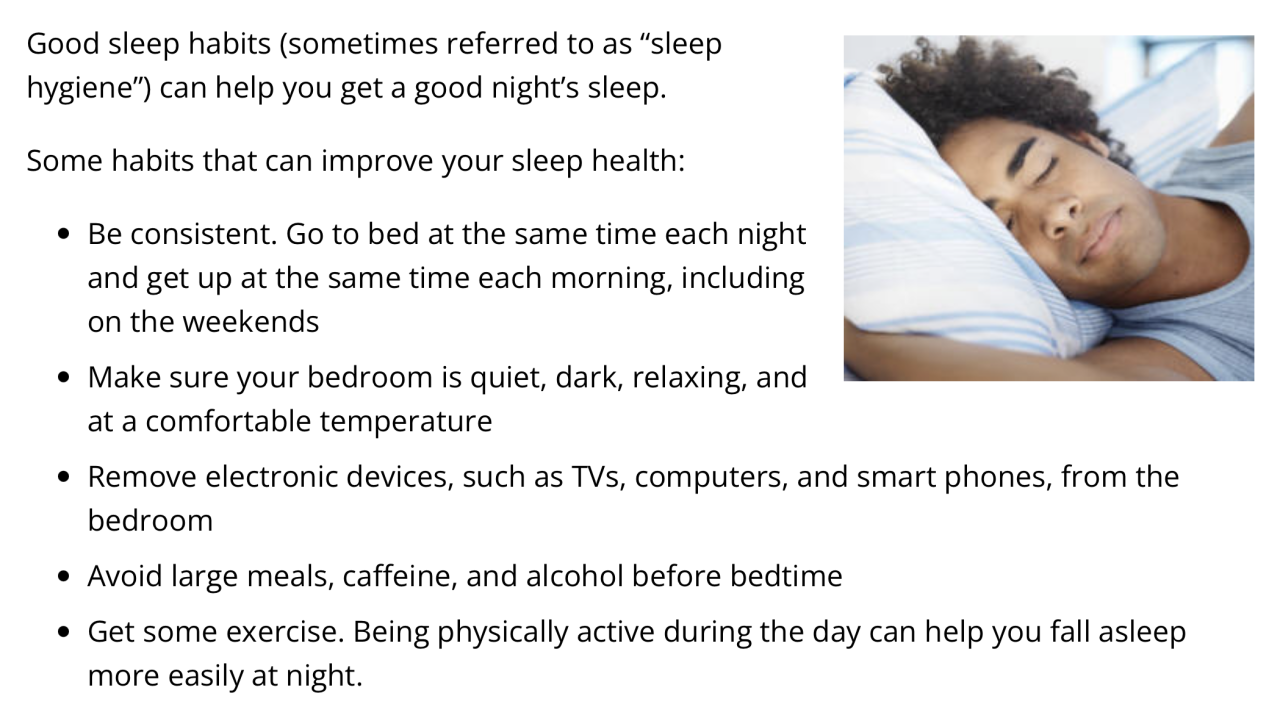
A conducive sleep environment is vital for achieving quality rest and overall well-being. Various factors in your sleep space can significantly impact how well you sleep, influencing both the duration and quality of rest. By optimizing your sleep environment, you can enhance your ability to fall asleep and stay asleep, ultimately leading to more restorative sleep.
One of the primary aspects of a sleep-friendly environment is the physical space itself. To create an ideal sleeping atmosphere, consider the following tips:
- Invest in quality bedding: A comfortable mattress and pillows suited to your sleeping position can drastically improve sleep comfort.
- Control room temperature: Keeping your bedroom cool, ideally between 60-67°F (15-20°C), promotes better sleep quality.
- Minimize noise: Consider using white noise machines or earplugs to block out disruptive sounds, ensuring a peaceful sleep environment.
- Dim the lights: Use blackout curtains or sleep masks to darken the room, as exposure to light can hinder the production of melatonin, the sleep hormone.
- Keep it tidy: A clutter-free space can lead to a more relaxing atmosphere, making it easier to unwind and drift off to sleep.
Factors Influencing Sleep Quality
Room temperature, noise levels, and light exposure play crucial roles in determining sleep quality. Each of these factors contributes to how effectively the body can transition into sleep and maintain restful slumber.
For instance, maintaining a comfortable room temperature can prevent overheating or chills that disrupt sleep cycles. Research indicates that 60-67°F is the optimal range for most people. Similarly, noise levels can greatly affect sleep quality; constant or abrupt sounds can lead to frequent awakenings. A study from the Journal of Clinical Sleep Medicine found that even low-level noise can interfere with sleep stages.
Light exposure is another significant factor. Exposure to natural light during the day helps regulate the body’s circadian rhythm, while artificial light at night can interfere with sleep. The blue light emitted by screens is particularly disruptive, signaling the brain to remain alert.
By creating a serene sleep environment, individuals can foster better sleep hygiene and improve overall health and wellness.
Understanding Sleep Disorders and Their Treatment
Sleep disorders are conditions that disrupt the natural sleep cycle, affecting the quality and duration of sleep. Understanding these disorders is crucial for improving overall health and well-being. Common issues such as insomnia and sleep apnea can lead to significant daytime fatigue, cognitive impairment, and various health problems if left untreated. This discussion will delve into common sleep disorders, their symptoms, and effective treatment options.
Common Sleep Disorders
Sleep disorders encompass a range of issues, with insomnia and sleep apnea being two of the most prevalent.
Insomnia is characterized by persistent difficulty in falling asleep or staying asleep, leading to non-restorative sleep. Symptoms include daytime sleepiness, difficulty concentrating, mood disturbances, and decreased performance at work or school. Chronic insomnia can stem from stress, anxiety, depression, or underlying medical conditions, making it essential to identify and address these factors.
Sleep apnea is a potentially serious disorder where breathing repeatedly stops and starts during sleep. Common symptoms include loud snoring, gasping or choking during sleep, excessive daytime sleepiness, and difficulty focusing. Obstructive sleep apnea, the most common type, occurs when throat muscles intermittently relax and block the airway during sleep. This can lead to serious health issues like cardiovascular problems if untreated.
Treatment Options and Lifestyle Changes
Managing sleep disorders often involves a combination of medical treatment and lifestyle changes. Below is a summary of effective methods for addressing these disorders:
| Treatment Method | Description | Benefits |
|---|---|---|
| Cognitive Behavioral Therapy for Insomnia (CBT-I) | A structured program that helps individuals identify and replace thoughts and behaviors that cause or worsen sleep problems. | Improves sleep quality, reduces sleeping medication dependency, and addresses underlying psychological factors. |
| Continuous Positive Airway Pressure (CPAP) | A machine that uses a hose connected to a CPAP mask to deliver constant and steady air pressure to help keep the airways open. | Reduces snoring, improves oxygen levels during sleep, and enhances overall sleep quality. |
| Lifestyle Modifications | Includes maintaining a regular sleep schedule, creating a bedtime routine, and avoiding stimulants like caffeine and nicotine close to bedtime. | Enhances sleep hygiene, promotes a more restful sleep, and can prevent the onset of sleep disorders. |
Healthy sleep habits and awareness of sleep disorders can greatly enhance life quality. Addressing these issues promptly with appropriate treatment and lifestyle changes is essential for long-term health.
The Connection Between Sleep and Nutrition
The relationship between sleep and nutrition is a significant area of interest, as what we eat can profoundly influence our ability to get restful sleep. A balanced diet not only provides essential nutrients for overall health but also plays a critical role in regulating sleep quality. Foods rich in certain vitamins and minerals can promote relaxation and help you fall asleep faster.
Certain foods are known to have sleep-promoting properties, aiding in restful nights. For instance, foods containing tryptophan, an amino acid that supports the production of serotonin and melatonin, can enhance sleep quality. Examples of such foods include turkey, nuts, seeds, and dairy products. Additionally, complex carbohydrates, like whole grains, can facilitate the absorption of tryptophan, further boosting serotonin levels.
Other sleep-friendly options include:
- Cherries: A natural source of melatonin, they can help regulate sleep cycles.
- Bananas: Rich in potassium and magnesium, they support muscle relaxation.
- Fatty Fish: High in omega-3 fatty acids and vitamin D, contributing to better sleep quality.
- Herbal Teas: Chamomile and valerian root are known for their calming effects.
Incorporating these foods into your diet can lead to improved sleep quality and overall well-being.
Meal Timing and Its Impact on Sleep Quality
The timing of meals plays a crucial role in the sleep process, as it directly influences the body’s circadian rhythm and digestion. Eating a large meal close to bedtime can disrupt sleep by causing discomfort or indigestion, making it harder to fall asleep. Ideally, consuming meals at least two to three hours before sleep allows the body to digest food properly, minimizing disruptions.
Late-night eating can lead to higher levels of insulin and glucose, which may inhibit the release of melatonin, delaying sleep onset. In contrast, an earlier dinner can promote a more restful night. Consistency in meal timing also helps regulate the body’s internal clock, supporting better quality sleep.
A study found that individuals who had irregular meal times were more likely to experience sleep disturbances compared to those who maintained consistent eating schedules. For optimal sleep, it’s recommended to focus on balanced meals throughout the day while avoiding heavy snacks or large meals in the evening. Keeping a food and sleep diary can also help in identifying which foods and timings lead to better sleep outcomes.
Technology and Its Influence on Sleep Patterns
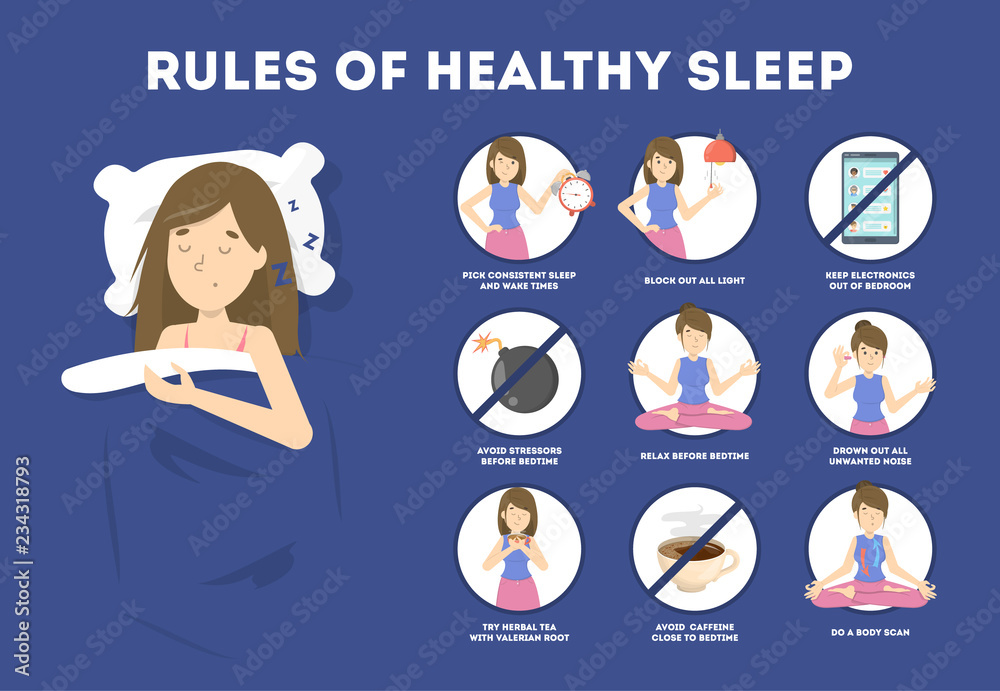
The pervasive presence of technology in our daily lives has transformed the way we live, work, and even sleep. Screens from smartphones, tablets, and computers emit blue light, which can interfere with our natural sleep-wake cycle. This disruption is increasingly concerning as more people report difficulty achieving restful sleep, leading to a growing awareness of how technology affects our sleep patterns. Understanding this impact is crucial for developing strategies to improve our sleep quality in a tech-saturated world.
The influence of screens on sleep is primarily due to blue light exposure, which inhibits the production of melatonin, the hormone responsible for regulating sleep. Studies suggest that individuals who use electronic devices before bedtime often experience delayed sleep onset and poorer sleep quality. To minimize these negative effects, it is recommended to establish a digital curfew by shutting off screens at least one hour before bed. Utilizing blue light filters or glasses designed to block blue light can also be beneficial. Moreover, creating a tech-free bedroom environment can significantly enhance sleep hygiene and promote better sleep quality.
Apps and Gadgets for Tracking and Improving Sleep Quality
Numerous tools are available today that help individuals monitor their sleep patterns and improve overall sleep quality. These apps and gadgets can provide insights into sleep habits, offering tailored suggestions for enhancement. Below are some notable options:
- Sleep Cycle: This app analyzes your sleep patterns and wakes you up during your lightest sleep phase, helping you feel more refreshed. It offers detailed graphs of your sleep activity and can even integrate with smart home devices to create optimal sleeping conditions.
- Pillow: A comprehensive sleep tracker that records and analyzes your sleep cycles while providing personalized insights. Pillow also features a smart alarm clock that wakes you up at the ideal time to avoid grogginess.
- Oura Ring: A smart ring that tracks sleep, activity, and readiness. It offers comprehensive insights into your sleep stages and recovery, making it a popular choice among health enthusiasts.
- Fitbit: Known for fitness tracking, Fitbit devices also provide sleep tracking features. They monitor your sleep stages and offer tips based on your activity levels, ensuring a holistic approach to health.
- Calm: While primarily a meditation app, Calm includes sleep stories and soundscapes designed to help users relax and fall asleep more easily. These auditory tools can create a soothing bedtime routine that promotes deeper sleep.
Using these technologies mindfully can lead to significant improvements in sleep quality. By leveraging the capabilities of these apps and devices, individuals can gain better insight into their sleep patterns and adopt healthier habits that support restorative sleep.
Sleep and Physical Activity
Engaging in regular physical activity has profound effects on sleep quality, contributing to both the length and depth of sleep. The relationship is well documented; individuals who exercise regularly often report falling asleep faster and experiencing more restorative sleep cycles. Exercise aids in the regulation of the body’s circadian rhythms and also reduces anxiety and stress, which are common culprits of sleep disturbances.
The timing of exercise can significantly influence its effects on sleep. While working out earlier in the day can enhance sleep quality, exercising too close to bedtime may have the opposite effect for some individuals by raising core body temperature and increasing adrenaline levels. Finding the balance is key, and most experts recommend completing workouts at least three hours before sleep to allow the body to wind down.
Exercises that Promote Better Sleep
Certain types of exercises have been shown to be particularly effective in promoting better sleep. The following activities not only enhance physical fitness but also improve sleep quality:
- Yoga: This practice promotes relaxation and mindfulness, reducing stress and enhancing sleep quality.
- Aerobic exercises: Activities like running or cycling increase heart rate and improve blood circulation, leading to deeper sleep.
- Strength training: Lifting weights can help regulate hormones related to sleep and enhance overall physical health.
- Walking: A simple daily walk can improve mood and reduce sleep onset latency, particularly when done during the daytime.
- Stretching: Gentle stretching before bed can help release tension and prepare the body for sleep.
Incorporating these exercises into your routine not only uplifts your physical wellness but also cultivates a peaceful state of mind conducive to restful nights. Regular physical activity is a simple yet powerful tool in achieving better sleep outcomes.
Conclusion
In conclusion, the importance of Proper sleep cannot be overstated; it is a cornerstone for both physical and mental health. By embracing effective sleep hygiene practices, creating an ideal sleep environment, and understanding the intricate relationship between sleep and other life factors, we empower ourselves to lead more productive and satisfying lives. Let’s commit to prioritizing our sleep, ensuring we wake up revitalized and ready to take on the day.
Common Queries
What are the signs that I need more sleep?
Common signs include persistent fatigue, difficulty concentrating, mood swings, and reliance on caffeine to stay awake.
How many hours of sleep do adults need?
Most adults require between 7 to 9 hours of quality sleep per night for optimal functioning.
Can napping help improve sleep quality?
Short naps (20-30 minutes) can enhance alertness and performance without interfering with nighttime sleep.
Is it normal to wake up during the night?
Yes, it is common to wake briefly during the night; however, difficulties returning to sleep may indicate an issue.
How does stress affect sleep?
Stress can lead to difficulties falling asleep and staying asleep, often due to racing thoughts or anxiety.