
 Caroline Sarah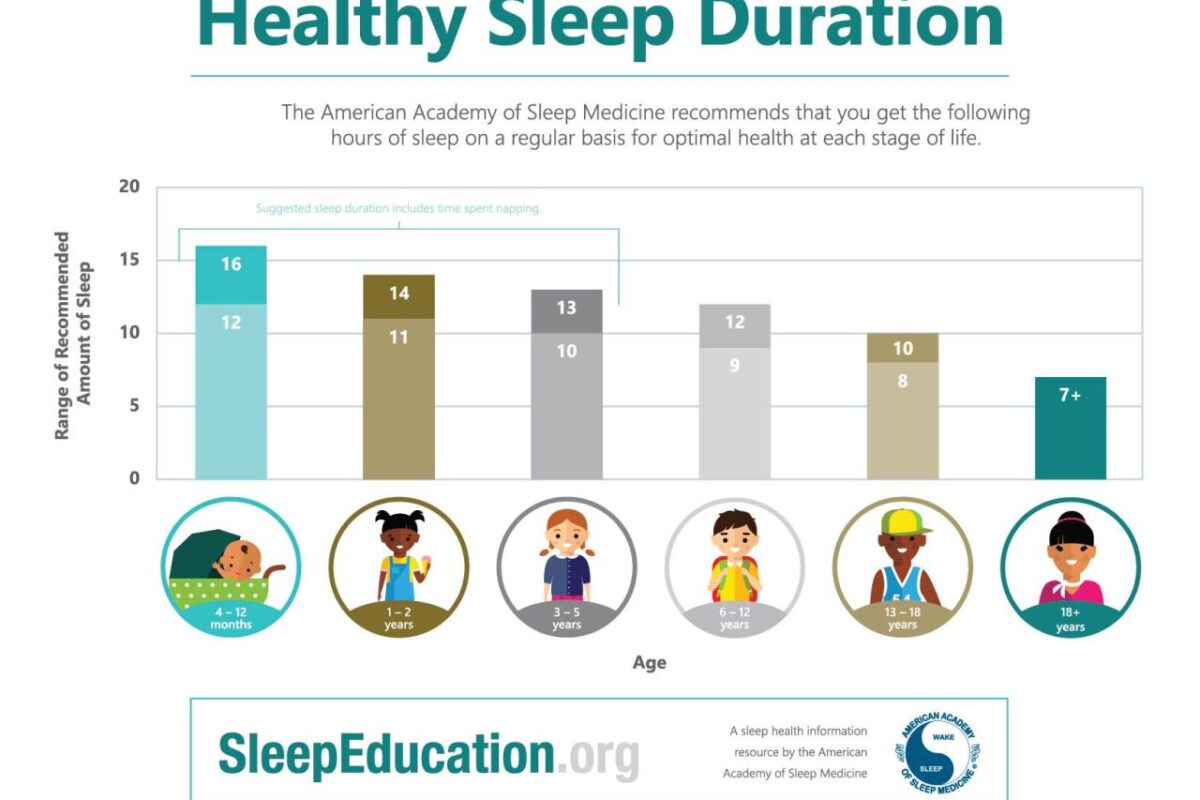
Sleep duration is a crucial aspect of our overall health that often gets overlooked amid our busy lives. Understanding the significance of how long we sleep can shed light on its profound effects on both our physical and mental well-being.
Research indicates that adequate sleep is not just a luxury but a necessity, influencing everything from our immune system to cognitive functions. Different age groups have varying sleep needs, making it essential to recognize what amount is optimal for each stage of life.
Understanding the Importance of Sleep Duration in Overall Health
Sleep is a fundamental aspect of human health that often gets overlooked in our fast-paced lifestyles. Adequate sleep duration is crucial not only for rejuvenating the body but also for maintaining overall well-being. Research has shown that both the quantity and quality of sleep can significantly influence various aspects of physical and mental health, making it essential to prioritize restful nights.
The relationship between sleep duration and physical health is well-documented in numerous studies. For instance, research published in the journal “Sleep” reveals that individuals who consistently sleep less than seven hours per night are at a higher risk for chronic health conditions such as obesity, diabetes, and cardiovascular diseases. The Centers for Disease Control and Prevention (CDC) reports that insufficient sleep is linked to an increased likelihood of hypertension and stroke. According to a study conducted by the National Sleep Foundation, adults who sleep less than the recommended duration of seven to nine hours are also more likely to experience a compromise in immune function, leading to greater susceptibility to infections.
Impact of Insufficient Sleep on Mental Health and Cognitive Functions
In addition to physical health, inadequate sleep has profound effects on mental health and cognitive performance. Research indicates that sleep deprivation can lead to mood disorders such as anxiety and depression. A study published in “JAMA Psychiatry” found that individuals who sleep less than six hours are at a significantly higher risk of developing these mental health issues. Furthermore, cognitive functions such as memory retention, problem-solving skills, and decision-making abilities are severely hampered by a lack of sleep. The American Psychological Association highlights that sleep deprivation can impair attention and result in lower productivity at work and school.
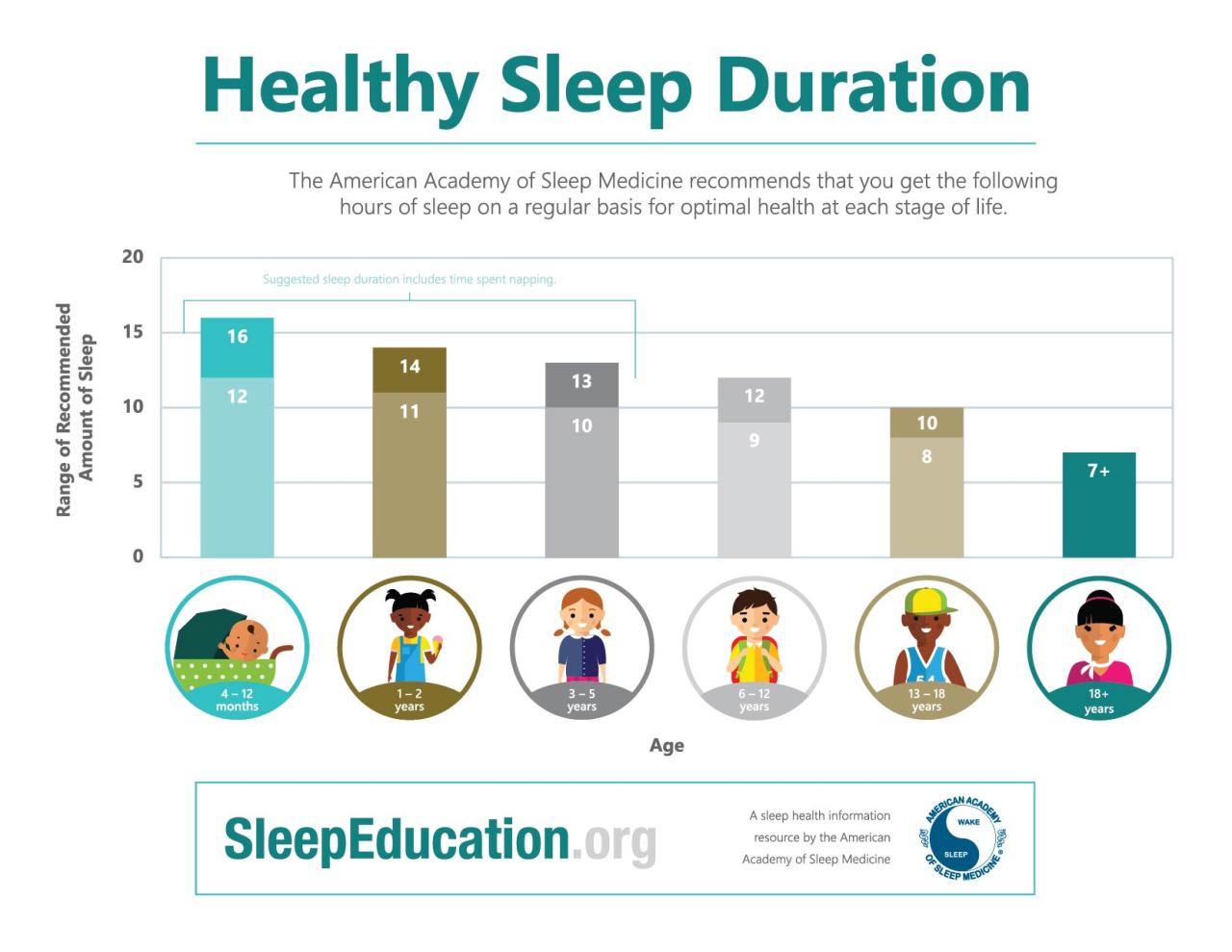
To illustrate the importance of sleep duration for different age groups, here are some recommended sleep durations according to the National Sleep Foundation:
- Newborns (0-3 months): 14-17 hours
- Infants (4-11 months): 12-15 hours
- Toddlers (1-2 years): 11-14 hours
- Preschoolers (3-5 years): 10-13 hours
- School-age children (6-13 years): 9-11 hours
- Teenagers (14-17 years): 8-10 hours
- Adults (18-64 years): 7-9 hours
- Older adults (65+ years): 7-8 hours
Understanding these recommendations can help individuals of all ages make better choices regarding their sleep habits. Prioritizing sleep according to age-specific needs can lead to significant improvements in both physical and mental health.
Factors Influencing Sleep Duration Among Different Demographics
Various elements can significantly influence the amount of sleep individuals get, varying across different demographics. Understanding these factors is crucial to addressing sleep issues and promoting healthier sleep habits. From lifestyle choices to environmental influences and cultural practices, the interplay of these elements shapes our sleep duration.
Lifestyle Choices Affecting Sleep Duration
Lifestyle choices play a critical role in determining how much sleep people obtain. Factors such as work schedules, social activities, and personal habits can drastically alter sleep patterns. For instance, individuals working night shifts often face challenges in obtaining adequate sleep due to their body’s natural circadian rhythm being disrupted.
Additionally, social engagements and recreational activities can lead to late nights and early mornings, further impacting sleep duration. It is essential to recognize how balancing work and social life can either promote or hinder sleep quality.
- Work schedules: Shift work and irregular hours are linked to shorter sleep duration.
- Social activities: Late-night outings can reduce sleep time and affect recovery.
- Technology use: Increased screen time before bed can interfere with sleep onset.
Environmental Factors Influencing Sleep Duration
The environment in which one sleeps can greatly influence sleep duration and quality. Common environmental factors include noise, light pollution, and temperature.
Excessive noise, whether from urban settings or household disturbances, can disrupt sleep cycles. Similarly, exposure to artificial light sources, particularly blue light from screens, can inhibit the production of melatonin, the hormone responsible for regulating sleep. A conducive sleep environment, including adequate sound insulation and darkness, is crucial for promoting longer sleep duration.
- Noise pollution: Sounds from traffic, neighbors, or nightlife can prevent uninterrupted sleep.
- Light pollution: Streetlights and screens can interfere with natural sleep signals.
- Temperature: Extreme temperatures can make it difficult to fall asleep or stay asleep.
Cultural Beliefs and Practices Shaping Sleep Patterns
Cultural beliefs and practices significantly impact sleep behaviors within various communities. Different cultures have unique traditions that dictate sleep patterns, including the timing of sleep and communal sleeping arrangements.
For example, in some cultures, napping during the day is a common practice, which can extend overall sleep duration. Conversely, in cultures that place a high value on work and productivity, individuals may sacrifice sleep in favor of longer working hours or social obligations.
- Napping traditions: Cultures encouraging midday rest may promote overall health and well-being.
- Community sleeping arrangements: Shared sleeping spaces can lead to varying sleep quality.
- Sleep rituals: Pre-sleep practices, such as meditation or family gatherings, can influence how individuals prepare for rest.
The Role of Technology in Shaping Sleep Duration
The advancement of technology has significantly influenced our daily lives, including the way we approach sleep. As more people integrate screens and digital devices into their nighttime routines, understanding the impact of technology on sleep duration and quality has become essential. This discussion explores how screen time before bed affects our sleep, the awareness brought by sleep tracking apps, and the innovations that may enhance sleep hygiene in the future.
Impact of Screen Time on Sleep Quality and Duration
Research consistently shows that excessive screen time before bed can disrupt the natural sleep-wake cycle, negatively affecting both sleep duration and quality. The blue light emitted from screens interferes with the production of melatonin, the hormone responsible for regulating sleep. A study published in the journal “Sleep Medicine Reviews” found that individuals who exposed themselves to screens for more than two hours before bedtime reported poorer sleep quality and shorter sleep duration.
“Limiting screen time in the evening can enhance sleep quality and duration, allowing for a more restorative rest.”
Additionally, the stimulating nature of content consumed on devices can lead to increased mental alertness, making it harder to unwind before sleep. As a result, many individuals experience challenges in falling asleep and achieving deep sleep phases that are crucial for overall health.
Influence of Sleep Tracking Apps on Sleep Awareness
The rise of sleep tracking apps has transformed how individuals monitor and understand their sleep habits. These applications provide users with insights into their sleep duration, quality, and patterns, promoting greater awareness of their sleep hygiene. This increased awareness often leads to behavioral changes aimed at improving sleep.
For instance, a survey conducted by the National Sleep Foundation revealed that individuals using sleep trackers were more likely to adopt healthier sleep practices, such as adhering to consistent sleep schedules or creating bedtime routines. The data collected through these apps can reveal trends that might not be obvious otherwise, such as the impact of caffeine intake or physical activity on sleep quality.
Future Innovations in Sleep Technology
Looking ahead, technology continues to evolve with the potential to significantly improve sleep hygiene and duration. Innovations in the realm of sleep technology are emerging, ranging from smart mattresses that adjust firmness based on sleep position to wearable devices that monitor vital signs and environmental factors like room temperature and light exposure.
One noteworthy example is the development of advanced sleep masks equipped with light therapy and noise-cancellation features that create an optimal sleeping environment. Companies are also exploring the use of artificial intelligence to provide personalized sleep recommendations based on individual sleep data patterns.
Furthermore, researchers are investigating the effectiveness of sound and vibration-based solutions to promote relaxation and enhance sleep onset. The integration of these technologies into daily routines holds promise for not only improving sleep duration but also for promoting overall sleep quality.
“The future of sleep technology lies in personalized solutions that cater to individual preferences and needs for restorative sleep.”
Strategies for Improving Sleep Duration
Improving sleep duration is crucial for overall health and well-being. By adopting effective strategies tailored to enhance sleep hygiene, dietary habits, and physical activity, individuals can significantly increase the quality and amount of sleep they receive each night.
Enhancing Sleep Hygiene
Establishing a solid sleep hygiene routine is essential for promoting better sleep duration. This involves creating a calming environment and adopting consistent practices that signal to your body it is time to wind down.
Some effective methods to enhance sleep hygiene include:
- Establishing a consistent sleep schedule by going to bed and waking up at the same time each day, even on weekends.
- Creating a relaxing bedtime routine, such as reading a book, taking a warm bath, or practicing mindfulness meditation.
- Reducing exposure to screens at least an hour before bedtime, as blue light emitted by devices can interfere with melatonin production.
- Keeping the bedroom dark, quiet, and cool, which creates an ideal sleep environment.
- Avoiding large meals, caffeine, and alcohol close to bedtime, as these can disrupt sleep patterns.
Dietary Recommendations for Better Sleep
Nutrition plays a significant role in sleep quality. Certain foods can promote relaxation and help maintain sleep duration. Integrating these into your diet can provide tangible benefits.
Consider the following dietary recommendations:
- Consuming magnesium-rich foods, such as leafy greens, nuts, and seeds, can help relax muscles and improve sleep quality.
- Incorporating tryptophan-containing foods, like turkey, eggs, and dairy products, which assist in serotonin and melatonin production.
- Drinking herbal teas, such as chamomile or valerian root tea, which are known for their calming properties.
- Limiting the intake of processed foods and sugars, as they can lead to energy spikes and crashes that disrupt sleep.
- Staying hydrated throughout the day, but reducing fluid intake before bedtime to minimize nighttime awakenings.
Physical Activity and Sleep Duration
Regular physical activity is linked to improved sleep duration and quality. Engaging in physical exercise can help reduce anxiety, stress, and depressive symptoms, all of which can interfere with sleep.
Specific exercise routines that optimize sleep include:
- Aerobic exercises, such as brisk walking, jogging, or cycling, performed for at least 150 minutes a week can enhance sleep quality.
- Strength training exercises, like weight lifting or resistance training, can help regulate sleep patterns and improve overall physical health.
- Yoga and stretching routines, especially when practiced in the evening, can promote relaxation and prepare the body for restful sleep.
- Incorporating activities like swimming or dancing can provide not only physical benefits but also a fun way to de-stress and unwind.
- Engaging in outdoor activities during daylight can help regulate the body’s internal clock, effectively improving sleep duration.
“A consistent routine of sleep hygiene, balanced nutrition, and regular physical activity can be transformative in achieving better sleep duration.”
The Consequences of Chronic Sleep Duration Issues
Chronic sleep duration issues have far-reaching effects that extend beyond mere tiredness. Sleep deprivation is not just a nightly nuisance; it can lead to serious long-term health risks, negatively impact interpersonal relationships, and result in significant economic costs. Understanding these consequences is crucial for recognizing the importance of adequate sleep in our lives.
Health Risks Associated with Chronic Sleep Deprivation
The long-term health risks associated with chronic sleep deprivation are well-documented in numerous medical studies. Research indicates that individuals who consistently get less than the recommended amount of sleep are at an increased risk for various health conditions.
- Cardiovascular Disease: Chronic sleep deprivation has been linked to an increased risk of hypertension, heart attack, and stroke. A study published in the journal *Circulation* found that those sleeping less than six hours per night were 20% more likely to die from heart disease.
- Obesity: Lack of sleep disrupts hormones that regulate hunger, leading to increased appetite and weight gain. The *American Journal of Clinical Nutrition* highlighted that those with insufficient sleep had a higher likelihood of obesity due to changes in metabolic processes.
- Mental Health Disorders: There is a strong connection between sleep deprivation and mental health issues such as anxiety and depression. According to a report in *The Journal of Clinical Psychiatry*, sleep problems can exacerbate these disorders.
- Diabetes: Chronic sleep deprivation can lead to insulin resistance, increasing the risk of type 2 diabetes. The *Diabetes Care* journal emphasizes that those who sleep poorly are at a significantly higher risk of developing this condition.
Effects on Social and Professional Relationships
Chronic sleep issues can severely affect social and professional relationships. Sleep deprivation impacts mood, cognition, and behavior, creating misunderstandings and conflicts in interactions with others.
- Increased Irritability: Individuals lacking sleep often exhibit heightened irritability, which can lead to conflicts with friends, family, and colleagues.
- Decreased Performance: Professional performance can suffer due to impaired concentration and decision-making skills, contributing to workplace conflicts and reduced productivity.
- Social Withdrawal: Tiredness can lead to social withdrawal, where individuals may avoid gatherings or fail to engage with others, straining relationships.
- Communication Difficulties: Sleep deprivation can hinder effective communication, leading to misinterpretations and strained interactions.
Economic Implications of Sleep-Related Problems
The economic impact of sleep-related issues is significant, affecting both productivity and healthcare costs. A lack of sleep not only hinders individual performance but also has broader implications for employers and society as a whole.
- Reduced Productivity: The Centers for Disease Control and Prevention (CDC) estimate that sleep deprivation costs around $411 billion annually in lost productivity in the U.S. due to absenteeism and decreased work output.
- Healthcare Costs: Chronic health issues stemming from poor sleep can lead to increased healthcare expenditures. The American Academy of Sleep Medicine reports that adults with sleep disorders have 1.5 times higher healthcare costs than those without.
- Workplace Accidents: Insufficient sleep can lead to a higher likelihood of workplace accidents. According to a study in *The Journal of Safety Research*, sleep-deprived workers are significantly more prone to errors and injuries, resulting in costly consequences for businesses.
- Impact on Insurance: Increased health issues and accidents related to sleep deprivation can lead to higher insurance premiums for both individuals and employers.
The consequences of chronic sleep deprivation extend beyond individual health, impacting social relationships and the economy.
Cultural Perspectives on Sleep Duration Across the Globe

Sleep duration is not merely a biological necessity; it is deeply woven into cultural practices and societal norms around the world. Different cultures have unique attitudes towards sleep, influenced by factors such as lifestyle, work schedules, and traditional beliefs. Understanding these perspectives reveals how diverse the approaches to rest and recuperation can be, and how they reflect broader societal values.
Comparison of Sleep Duration Norms by Culture
Cultural influences significantly shape sleep duration patterns across the globe. For instance, in countries like Spain and Italy, the tradition of the siesta promotes a midday nap, leading to a later bedtime and a longer overall sleep duration, often exceeding 8 hours in total. In contrast, many Scandinavian countries prioritize efficiency, resulting in shorter sleep durations, typically around 6 to 7 hours, as individuals strive for a healthy work-life balance while maximizing productivity.
In Japan, the concept of “inemuri” allows for brief sleeping during work or public settings, showcasing a different approach to rest that values alertness in social contexts. This cultural acceptance of napping contrasts sharply with norms in the United States, where long working hours often lead to chronic sleep deprivation, with many adults averaging only 6 hours of sleep per night.
- In Mediterranean cultures, evening meals are late, often followed by socializing, which impacts sleep schedules, leading to longer sleep duration.
- In contrast, Asian countries might embrace shorter sleep patterns, driven by societal expectations and work commitments, leading to an average of 6 to 7 hours of sleep.
- The global North places a high value on productivity, often sacrificing sleep duration for work, reflecting a cultural prioritization of career over rest.
Sleep Rituals and Their Significance
Sleep rituals are prevalent across various cultures, serving as a means of promoting relaxation and community bonding. In many Indigenous cultures, bedtime rituals may include storytelling or communal singing, creating a sense of belonging and emotional security. In contrast, Western cultures often emphasize individualistic rituals, such as reading or listening to music before bed, to foster personal relaxation.
In cultures like Mexico, the “noche buena” during Christmas includes festivities that extend late into the night, promoting a communal experience that might disrupt regular sleep patterns but strengthens familial bonds. Similarly, in cultures that observe Ramadan, Muslims adjust their sleep schedules around fasting, emphasizing the importance of spiritual practice over conventional sleep duration.
“Rituals surrounding sleep reflect the values and priorities of a culture, often balancing the need for rest with social obligations.”
Impact of Globalization on Local Sleep Practices
Globalization has led to the homogenization of sleep practices, as western norms spread across different regions. In urban settings, the introduction of 24-hour work schedules and the prevalence of technology have drastically altered traditional sleep patterns.
For example, the rise of remote work has blurred lines between personal time and professional obligations, causing sleep duration to decrease in many populations. Moreover, exposure to global media and entertainment has influenced local communities to adopt later bedtimes, especially among younger generations, resulting in a significant shift in traditional sleep customs.
- Globalization introduces technology that disrupts natural sleep cycles, as screens emit blue light that can interfere with melatonin production.
- In developing countries, the influence of global corporations encourages a work culture that may prioritize profit over employee well-being, negatively affecting sleep duration.
- Conversely, some cultures resist these changes, maintaining traditional values and practices around sleep as a form of cultural preservation.
End of Discussion
In summary, prioritizing sleep duration is vital for sustaining a healthy lifestyle and improving both mental and physical health. As we embrace strategies to enhance our sleep, we pave the way for improved productivity, better relationships, and overall well-being.
Query Resolution
How many hours of sleep do adults need?
Most adults need between 7 to 9 hours of sleep per night for optimal health.
Can sleep duration affect weight?
Yes, insufficient sleep can disrupt hormones that regulate appetite, potentially leading to weight gain.
Is it possible to make up for lost sleep?
While catching up on sleep can help, routinely missing sleep can still have lasting effects on health.
Does napping affect nighttime sleep duration?
Long or late naps can interfere with nighttime sleep, particularly if they exceed 30 minutes or are taken too close to bedtime.
What are some signs of sleep deprivation?
Common signs include fatigue, irritability, difficulty concentrating, and decreased motivation.