
 Caroline Sarah
The REM cycle, or Rapid Eye Movement sleep, is a fascinating and crucial aspect of our nightly rest. This stage of sleep not only contributes to the refreshing nature of our slumber but also plays a significant role in cognitive functions like memory consolidation and emotional well-being. Understanding the REM cycle can illuminate why we dream and how sleep affects our overall health.
Throughout our lives, the REM cycle evolves and adapts, influenced by various factors such as age, lifestyle choices, and even our environments. By delving into the stages of sleep, the impact of disorders, and techniques for enhancing REM sleep, we can gain a clearer picture of how vital this cycle is to our mental and physical health.
The significance of the REM cycle in sleep patterns
The REM (Rapid Eye Movement) cycle is a crucial component of sleep that significantly influences our overall health and well-being. It is during this phase that various biological processes occur, making it essential for restorative sleep. Understanding the significance of the REM cycle allows us to appreciate how it contributes to sleep quality, cognitive functions, and mental health.
The REM cycle plays a vital role in sleep quality by facilitating a range of physiological processes. During this stage, brain activity increases, resembling wakefulness, which is critical for various functions. The body also experiences atonia, a temporary paralysis of most muscle groups, to prevent acting out dreams. This unique phase is characterized by heightened brain activity, increased heart rate, and rapid eye movements. The duration and continuity of REM sleep are indicators of good sleep quality, as they allow for deeper restorative processes to take place.
Impact of the REM cycle on cognitive functions and memory consolidation
The REM cycle has a profound impact on cognitive functions, particularly in the realm of memory consolidation. During REM sleep, the brain processes and organizes information gathered throughout the day, playing a pivotal role in transforming short-term memories into long-term storage. This process is essential for learning and retaining new information, as it helps to solidify neural connections. The following points highlight the connection between REM sleep and cognitive functions:
- Memory retention: REM sleep enhances our ability to recall information learned during the day, making it essential for students and professionals alike.
- Problem-solving: Engaging in REM sleep can foster creative thinking and innovative problem-solving skills, allowing individuals to approach challenges more effectively.
- Emotional regulation: REM sleep aids in processing emotions, helping individuals manage feelings and respond to stressors in healthier ways.
- Cognitive flexibility: This phase of sleep improves our ability to switch between tasks and think critically, which is essential in both personal and professional environments.
The brain’s activity during REM sleep is associated with the release of neurotransmitters like acetylcholine, which are crucial for learning and memory. Furthermore, research suggests that lack of adequate REM sleep can lead to increased forgetfulness and difficulty concentrating, which can hinder day-to-day functioning.
Effects of disruptions in the REM cycle on mental health
Disruptions in the REM cycle can have detrimental effects on mental health, contributing to various psychological issues. Insufficient REM sleep is linked to conditions like anxiety, depression, and stress disorders. The following insights illustrate the potential consequences of interrupted REM sleep:
- Anxiety and stress: Inadequate REM sleep can exacerbate feelings of anxiety and stress, making it harder to manage everyday challenges.
- Depression: Research shows that individuals suffering from depression often experience disrupted REM patterns, which can worsen symptoms and hinder recovery.
- Attention deficits: A lack of REM sleep can impair attention and focus, leading to difficulties in work or academic settings.
- Increased irritability: Individuals may experience heightened irritability and mood swings due to insufficient REM sleep, affecting personal relationships and overall well-being.
“Quality sleep, particularly the REM cycle, is crucial for emotional balance and cognitive function.”
Understanding the importance of the REM cycle in sleep patterns emphasizes its role in overall health. Prioritizing good sleep hygiene and addressing factors that disrupt REM sleep can lead to improved mental health and cognitive functioning.
The stages of sleep and their relationship to the REM cycle
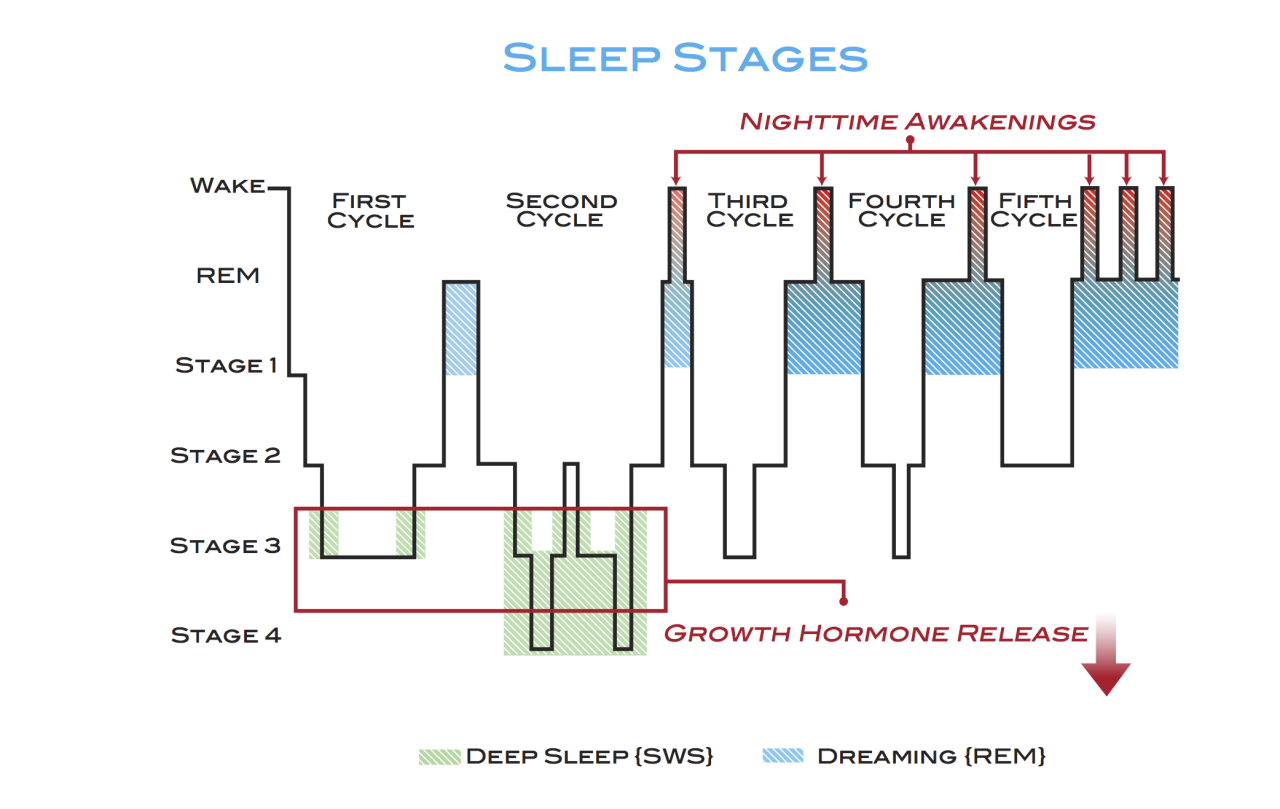
The human sleep cycle is a complex sequence, primarily categorized into two main types: REM (Rapid Eye Movement) sleep and non-REM sleep. Understanding these stages is crucial for grasping how sleep affects our overall health and well-being. Each stage of sleep serves specific functions, from physical restoration to cognitive processing, contributing to how we feel upon waking.
The sleep cycle consists of four non-REM stages followed by REM sleep, cycling through these stages multiple times throughout the night. The progression typically begins with light sleep and transitions to deep sleep, then back to light sleep before entering the REM phase. Each cycle lasts about 90-120 minutes, and we typically experience 4-6 complete cycles during a full night’s sleep.
The stages of non-REM and REM sleep
The stages of sleep can be categorized as follows:
- Stage 1 (NREM): This is the lightest stage of sleep, lasting a few minutes. Here, the body transitions from wakefulness to sleep, and muscle activity slows down. It accounts for about 5-10% of total sleep time.
- Stage 2 (NREM): This stage deepens the sleep process and lasts for approximately 20 minutes per cycle. Heart rate slows, and body temperature drops, making it harder to wake someone. It makes up about 50% of total sleep time.
- Stage 3 (NREM): Also known as deep sleep or slow-wave sleep, this stage is vital for physical recovery and growth. It typically lasts 20-40 minutes per cycle and is essential for restorative processes, constituting around 15-20% of total sleep time.
- Stage 4 (REM): REM sleep usually occurs about 90 minutes after falling asleep and is characterized by rapid eye movements, increased brain activity, and vivid dreaming. This stage can last from a few minutes to up to an hour in later cycles, making up about 20-25% of total sleep time.
The characteristics of REM sleep contrast sharply with those of non-REM sleep. During REM sleep, brain activity is similar to that of being awake, leading to heightened cognitive functions such as memory consolidation and emotional processing. In contrast, non-REM sleep is critical for physical restoration and energy replenishment, characterized by slower brain waves and minimal eye movement.
“On average, a person spends about 2 hours in REM sleep during a typical night.”
The time spent in each sleep stage varies throughout the night. As the night progresses, the duration of REM sleep increases, while deep sleep decreases. For instance, most deep sleep occurs in the earlier cycles, while REM sleep becomes more prominent in the latter half of the night. This cyclical pattern is essential for optimal sleep quality, highlighting the importance of uninterrupted sleep to complete multiple cycles.
Factors that influence the duration and quality of the REM cycle
The REM (Rapid Eye Movement) cycle is a critical component of sleep that significantly affects our mental and emotional well-being. Understanding the various factors that can enhance or detract from the quality and duration of REM sleep is essential for anyone looking to improve their overall sleep health. Several lifestyle choices, environmental conditions, and dietary habits play a pivotal role in shaping our REM sleep experience.
Lifestyle choices impacting REM sleep
Certain lifestyle habits can either promote or hinder the duration and quality of REM sleep. Engaging in regular physical exercise, for example, is known to enhance sleep quality. It not only helps in falling asleep faster but also increases the proportion of REM sleep. Conversely, excessive consumption of alcohol or caffeine, especially in the hours leading up to bedtime, can disrupt the REM cycle. Alcohol may initially induce sleep but can lead to a decrease in REM sleep later in the night, resulting in feelings of fatigue the next day.
Environmental factors affecting REM sleep
The environment in which one sleeps plays a significant role in the quality of REM sleep. Factors such as light exposure and noise levels can greatly impact sleep cycles. A dark and quiet bedroom is ideal for promoting uninterrupted REM sleep.
- Light: Exposure to bright light, especially blue light from screens, can interfere with melatonin production, making it difficult to fall asleep and reducing REM duration.
- Noise: Sudden noises or consistent background sounds can prevent the body from entering REM sleep or cause awakenings, disrupting the sleep cycle.
Creating a restful sleep environment, with minimal distractions and optimal lighting, can facilitate a deeper and more restorative REM cycle.
Effects of diet and exercise on REM sleep
Dietary choices and physical activity levels can significantly influence the quality of REM sleep. Consuming a balanced diet rich in vitamins and minerals supports overall sleep health.
- Carbohydrates: Including complex carbohydrates in the evening meal may help in falling asleep quicker and increasing REM sleep duration.
- Protein: Foods high in tryptophan, like turkey and nuts, can promote the production of serotonin and melatonin, leading to enhanced REM sleep.
- Exercise: Regular moderate exercise is linked to longer sleep duration and better sleep quality, which includes a more substantial REM phase.
Conversely, heavy meals close to bedtime can lead to discomfort and disrupt the sleep cycle, preventing the onset of REM sleep. Focusing on a nutritious diet and an exercise regimen can thus serve as effective strategies for improving REM sleep quality and duration.
The relationship between age and the REM cycle
The REM (Rapid Eye Movement) cycle is a crucial component of our sleep architecture that evolves significantly throughout our lifespan. From childhood through older age, the duration and quality of REM sleep undergo various changes that can affect overall health, cognitive function, and emotional well-being. Understanding these shifts is essential for grasping how our sleep needs alter as we age.
Research indicates that REM sleep duration and quality are highest during infancy and early childhood, gradually decreasing as individuals transition into adulthood and later, older age. In infants, REM sleep can account for up to 50% of total sleep time, which is essential for brain development. As children grow, the percentage of REM sleep decreases, stabilizing around 20-25% of total sleep in adulthood. However, studies show that this percentage continues to decline in older adults, often dropping to 15% or lower, which is indicative of a broader shift in sleep architecture.
Age-related changes in sleep architecture
The evolution of REM sleep throughout the aging process is marked by several noteworthy changes in sleep architecture. These changes can lead to a shorter duration of REM sleep, which can have significant implications for older adults. Understanding these changes is important for recognizing potential health impacts.
Key points regarding age-related changes in REM sleep include:
- Reduction in total sleep time: Older adults often experience a decrease in overall sleep duration, which may lead to less time spent in REM sleep.
- Fragmentation of sleep: As individuals age, sleep becomes more fragmented, resulting in fewer uninterrupted REM cycles and a reduction in the restorative aspects of sleep.
- Changes in sleep stages: The distribution of sleep stages can shift, with lighter sleep stages becoming more prevalent and disrupting the deeper REM phases.
- Influence of health conditions: Chronic health issues and medications commonly associated with aging can further diminish REM sleep duration and quality.
“Decreased REM sleep is prevalent in the aging population, influencing cognitive functions and emotional regulation.”
The decline in REM sleep duration among older adults is linked to various cognitive and emotional challenges. Research has shown that reductions in REM sleep may contribute to memory impairments, decreased problem-solving ability, and heightened emotional instability. Thus, maintaining healthy sleep patterns, including adequate REM sleep, becomes increasingly important in mitigating these effects as individuals age.
The role of dreaming during the REM cycle
Dreaming is a fascinating aspect of our sleep, particularly during the REM (Rapid Eye Movement) phase. This stage is characterized by increased brain activity, making it almost as active as when we are awake. The link between REM sleep and dreaming is well-established, as most vivid dreams occur during this phase. This connection raises intriguing questions about the purpose and significance of dreams in our lives, especially in relation to our emotions and daily experiences.
The intensity and frequency of dreaming are closely tied to REM sleep. As the night progresses, REM cycles become longer, resulting in more prolonged and often more vivid dreams during later stages of sleep. The brain’s heightened activity during REM leads to more complex narratives and emotional content in dreams. Psychological theories suggest that these dreams may serve various purposes, such as processing emotions, problem-solving, and consolidating memories. For instance, the activation-synthesis theory posits that dreams arise from the brain’s attempts to make sense of random neural activity, while the continuity hypothesis emphasizes how dreams reflect our waking life experiences and concerns.
Connection between dreams and daily experiences
Dreams can serve as a mirror of our daily lives, reflecting our thoughts, feelings, and experiences. The content of our dreams often includes elements from our waking hours, which can reveal insights into our subconscious. For example, someone who has had a stressful day at work may find themselves dreaming about being chased or overwhelmed, symbolizing their anxiety and pressures.
In addition to stress, dreams can also encompass positive emotions and experiences. A person who has recently fallen in love may experience dreams filled with joy and romantic imagery, highlighting the emotional state of their waking life. Moreover, recurring dreams may indicate unresolved issues or deep-seated emotions that require attention. A common example is the “falling” dream, which many individuals experience and often relates to feelings of insecurity or loss of control in their lives.
Dreams can also facilitate creative problem-solving. Some renowned figures, like Albert Einstein and Paul McCartney, reportedly found inspiration for their work through dreams, illustrating how subconscious thoughts can lead to innovative ideas. These examples underscore the multifaceted role that dreams play in reflecting and shaping our emotional landscape and cognitive processes.
The impact of sleep disorders on the REM cycle

Disruptions to the Rapid Eye Movement (REM) cycle can have profound effects on overall health, mood, and cognitive function. Sleep disorders are a significant factor in altering the natural progression of REM sleep, affecting both its quality and duration. Understanding these disorders is essential for those seeking to improve their sleep patterns and overall well-being.
Common sleep disorders such as sleep apnea and narcolepsy play a crucial role in disrupting REM sleep. Sleep apnea, characterized by repeated interruptions in breathing during sleep, often leads to fragmented sleep and reduced REM cycles. Individuals may experience hypoxia, which can inhibit the body’s ability to enter and maintain REM sleep. Narcolepsy, on the other hand, is a neurological disorder that affects the brain’s control of sleep-wake cycles. Those with narcolepsy often experience excessive daytime sleepiness and can enter REM sleep almost immediately upon falling asleep, disrupting the normal sleep architecture.
Common sleep disorders affecting REM sleep
It’s important to recognize the specific disorders that can interfere with REM sleep. Here are some of the most prevalent ones and their impacts:
- Sleep Apnea: This disorder causes breathing to repeatedly stop and start during sleep, often resulting in arousals that prevent the individual from reaching or maintaining REM sleep. Patients often report feeling unrested upon waking.
- Narcolepsy: Individuals with narcolepsy may experience sudden sleep attacks during the day and can enter REM sleep quickly, leading to disturbed sleep patterns that diminish the restorative nature of REM sleep.
- Insomnia: Chronic insomnia can lead to significant decreases in REM sleep, as individuals struggle to fall and stay asleep, often resulting in a lighter sleep state that lacks the necessary depth for REM cycles.
- Restless Legs Syndrome (RLS): This condition causes uncomfortable sensations in the legs, leading to an overwhelming urge to move, which can interfere with the ability to relax and transition into REM sleep.
Treatment options for restoring healthy REM sleep patterns
To restore healthy REM sleep patterns, various treatment options are available depending on the underlying disorder. It’s essential to tailor these treatments to individual needs for optimal efficacy. Here are some common approaches:
- Continuous Positive Airway Pressure (CPAP): For sleep apnea sufferers, CPAP therapy is a common treatment. It involves using a machine that delivers air to keep the airways open, significantly improving sleep quality and increasing REM duration.
- Medication: For narcolepsy, medications such as stimulants may be prescribed to help manage excessive daytime sleepiness, while other drugs may regulate REM sleep episodes.
- Cognitive Behavioral Therapy (CBT): CBT can be effective for insomnia, focusing on changing sleep habits and attitudes towards sleep to improve overall sleep quality and facilitate REM sleep.
- Leg exercises and stretching: Individuals with RLS may benefit from regular leg exercises, stretching, and lifestyle changes to alleviate symptoms and promote better sleep.
Personal stories and case studies
Personal anecdotes provide insight into the real-world implications of sleep disorders on REM sleep. For instance, a 32-year-old woman diagnosed with sleep apnea shared her experience of waking up exhausted despite having a full night’s sleep. After being fitted with a CPAP machine, she noticed a marked improvement in her energy levels and ability to engage in REM sleep, leading to enhanced mood and productivity at work.
Another case involves a 25-year-old man with narcolepsy who experienced overwhelming daytime sleepiness and sudden sleep attacks. He described the frustration of not being able to engage in activities without fear of falling asleep unexpectedly. With the help of medication and lifestyle adjustments, he reported a significant reduction in daytime sleep attacks, allowing him to achieve better nighttime sleep and more consistent REM cycles.
These stories highlight the importance of recognizing and addressing sleep disorders to improve quality of life and restore the essential benefits of REM sleep.
Techniques to enhance REM sleep for improved health
Achieving quality REM sleep is crucial for overall health, as it plays a vital role in memory consolidation, emotional regulation, and physical restoration. To enhance REM sleep, various techniques can be employed that align with good sleep hygiene practices and relaxation techniques. Here are some effective strategies that can promote better REM sleep.
Sleep Hygiene Practices
Maintaining good sleep hygiene is essential for improving the quality of REM sleep. These practices create a conducive environment for sleep and help regulate your body’s internal clock. The following points Artikel key strategies to implement:
- Consistent Sleep Schedule: Going to bed and waking up at the same time every day strengthens your body’s circadian rhythm.
- Comfortable Sleep Environment: Ensure your bedroom is dark, quiet, and at a comfortable temperature to facilitate deep sleep.
- Limit Screen Time: Reducing exposure to screens at least one hour before bedtime can help minimize blue light’s impact on melatonin production.
- Avoid Stimulants: Cutting back on caffeine and nicotine in the hours leading up to bedtime can prevent disruptions in your sleep cycle.
- Regular Exercise: Engaging in regular physical activity can promote deeper sleep and increase REM sleep duration, but avoid vigorous workouts close to bedtime.
Mindfulness and Relaxation Techniques
Incorporating mindfulness and relaxation techniques into your nightly routine can significantly enhance REM sleep by reducing stress and promoting a calm mental state. Here are some effective methods:
- Meditation: Practicing mindfulness meditation can lower anxiety levels, making it easier to enter REM sleep.
- Deep Breathing Exercises: Simple deep breathing techniques help relax the body and mind, preparing you for restorative sleep.
- Progressive Muscle Relaxation: This involves tensing and then relaxing each muscle group, which can effectively release physical tension accumulated throughout the day.
- Gentle Yoga or Stretching: Engaging in yoga or light stretching before bed can help ease physical tension, promoting relaxation.
- Guided Imagery: Visualizing peaceful and calming scenes may help distract the mind from stressors and facilitate a smoother transition into sleep.
Supplements and Herbal Remedies
Certain supplements and herbal remedies can support the quality of REM sleep. While individual responses may vary, these options have shown promise in promoting deeper sleep:
- Melatonin: A hormone that regulates sleep-wake cycles, melatonin supplements may help improve sleep quality and duration.
- Magnesium: Known for its calming properties, magnesium may aid in reducing insomnia and enhancing overall sleep quality.
- Valerian Root: This herbal remedy is often used for its sedative properties and may help improve sleep onset and quality.
- Lavender: Aromatherapy using lavender essential oil can promote relaxation and has been linked to better sleep outcomes.
- Chamomile: Often consumed as tea, chamomile is known for its calming effects, which can help prepare the body for sleep.
Cultural beliefs and myths surrounding the REM cycle
Throughout history, cultures worldwide have woven intricate beliefs and myths around the phenomena of dreaming and the REM cycle. These interpretations often reflect the values, fears, and aspirations of the societies from which they originate. Dreams have been viewed not only as a window into the subconscious but also as messages from the divine, insights into the future, or even as a means of connecting with the spirit world. The significance attributed to REM sleep and dreaming varies widely, shaping how different cultures understand and approach sleep itself.
Cultural beliefs about sleep and dreams have evolved over time, often influenced by advancements in understanding human physiology, psychology, and neuroscience. In ancient times, dreams were seen as prophetic, while modern interpretations lean more toward psychological explanations of the REM cycle. These shifting perspectives have impacted how societies perceive the importance of sleep and the nature of dreams, with many cultures still holding on to traditional beliefs that highlight the mystical aspects of dreaming.
Folklore and traditions highlighting dream significance
Many cultures have rich folklore and traditions that underscore the importance of dreams. These stories often serve to educate communities about the perceived meanings and functions of dreams in their daily lives. Some examples include:
- Native American traditions: Various tribes, such as the Lakota and Navajo, believe that dreams can provide guidance and messages from ancestors. Vision quests, which involve seeking dreams for insight and direction, are a hallmark of many Native American cultures.
- Ancient Egyptian beliefs: The Egyptians viewed dreams as a connection to the divine. They often consulted priests or dream interpreters to decode messages from the gods, believing that dreams could predict the future or offer warnings about impending dangers.
- Greek mythology: The Greeks personified dreams through the figure of Morpheus, the god of dreams. In their belief system, dreams were seen as a way for the gods to communicate with humans, revealing truths and guiding their actions.
- Islamic interpretations: In Islamic culture, dreams are significant for spiritual guidance. The Prophet Muhammad emphasized the importance of dreams, stating that true dreams are a form of prophecy, and many Muslims practice dream interpretation based on traditional teachings.
- Chinese beliefs: In ancient China, dreams were often viewed as reflections of one’s health and moral standing. Some believed that dreams could indicate imbalances in the body or psyche, illustrating the deep connection between physical well-being and sleep.
“Dreams are the royal road to the unconscious.” – Sigmund Freud
These examples reflect how different cultures have historically attributed profound significance to dreams, shaping individual behaviors and societal norms around sleep practices. As our understanding of the REM cycle continues to grow, the intersection of science and culture offers fascinating insights into why we dream and the roles our dreams play in our lives.
Conclusion
In conclusion, the REM cycle serves as a cornerstone of restorative sleep, intricately linked to our cognitive health and emotional balance. By prioritizing good sleep hygiene and understanding the factors that influence this vital stage, we can improve our overall sleep quality and, consequently, our daily lives. Embracing the significance of the REM cycle might just be the key to unlocking better health and well-being.
User Queries
What is the average duration of the REM cycle?
The average REM cycle lasts about 10 to 20 minutes, occurring several times throughout the night.
How many REM cycles do we typically experience in a night?
Most people experience 4 to 6 REM cycles during a typical 7-8 hour sleep period.
Can you have REM sleep without dreaming?
While REM sleep is closely associated with dreaming, not all REM sleep results in vivid dreams; some might be vague or forgotten.
How does alcohol affect the REM cycle?
Alcohol can significantly disrupt the REM cycle, leading to reduced REM sleep and overall poorer sleep quality.
Is it possible to train your body to enter REM sleep faster?
While you can’t directly train your body, establishing a regular sleep schedule and practicing good sleep hygiene can help improve your chances of entering REM sleep more efficiently.