
 Caroline Sarah
Sleep talking, or somniloquy, is a fascinating yet often misunderstood phenomenon that occurs during sleep. It can range from simple mumblings to complex dialogues, revealing intriguing insights into our subconscious minds. For many, it can be amusing and curious, while for others, it might signify underlying stress or sleep disorders. The exploration of sleep talking allows us to better understand its characteristics, causes, and potential effects on our lives and relationships.
This overview will delve into the various aspects of sleep talking, including its definition, common misconceptions, and the psychological and physiological factors that contribute to its occurrence. We’ll also explore the impact it may have on interpersonal relationships and the strategies available for managing this intriguing sleep behavior.
Sleep Talking
Sleep talking, also known as somniloquy, is a common sleep phenomenon that involves speaking during sleep without awareness of the act. This condition can occur at any stage of sleep, though it is most frequently associated with the lighter stages. The speech can vary widely, from simple sounds and gibberish to complete sentences and coherent conversations. While it often appears harmless, it can sometimes reflect underlying sleep disturbances or stress.
The characteristics of sleep talking include its unpredictability and variability. It can occur in brief episodes or last several minutes, and the content can range from nonsensical phrases to meaningful dialogue. Sleep talkers may be completely unaware of their actions, and often, those who witness it may find the experience surprising or humorous. The phenomenon can affect people of all ages, though it is particularly common in children. In adults, it may be linked to stress, sleep deprivation, or other sleep disorders.
Myths and Misconceptions
There are numerous myths surrounding sleep talking that contribute to misunderstandings about this behavior. One prevalent misconception is that sleep talkers are revealing their true feelings or secrets while sleeping. In reality, sleep talking often involves fragmented thoughts and does not necessarily correlate with the individual’s conscious thoughts or emotions. Another myth is that sleep talking is always a sign of a serious sleep disorder. While it can be associated with conditions like sleepwalking or REM sleep behavior disorder, many people experience sleep talking without any underlying health issues.
Also, some believe that sleep talking can be influenced by external factors like the content of dreams or environmental stimuli. However, research suggests that sleep talking is primarily a physiological occurrence rather than a direct response to the dream content.
Types of Sleep Talking
Understanding the different types of sleep talking can provide insight into its implications for sleep studies. The speech can generally be categorized into two types: monosyllabic utterances and complex sentences. Monosyllabic utterances may include single words or short phrases, often unintelligible, while complex sentences can be coherent and contextually relevant.
The significance of these types lies in their potential correlation with the individual’s sleep patterns and health. For instance, frequent episodes of coherent speech may suggest a more restless sleep state, while sporadic monosyllabic utterances might indicate a deeper, more restful sleep. Researchers note that monitoring sleep talking, among other sleep behaviors, can help identify sleep disorders or stress levels in individuals.
In summary, sleep talking is a fascinating and multifaceted phenomenon that not only piques curiosity but also serves as a valuable subject for scientific inquiry into sleep health and behavior.
The Causes of Sleep Talking and Its Triggers
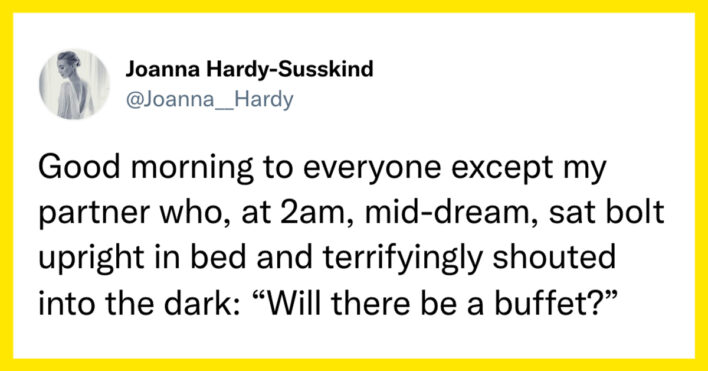
Sleep talking, or somniloquy, is a fascinating phenomenon that occurs during sleep and can be influenced by various factors. Understanding what triggers sleep talking is essential for individuals who experience this condition or live with someone who does. Sleep talking episodes can range from incoherent mumbling to full conversations, often occurring during the lighter stages of sleep. The causes of sleep talking are multifaceted, involving psychological, physical, and genetic components that work together in complex ways.
Stress and anxiety are significant contributors to sleep talking. When an individual experiences high levels of stress, either from personal or professional life, it can manifest in various ways during sleep. Stress activates the body’s fight-or-flight response, leading to increased brain activity during sleep. This heightened mental state can trigger sleep talking as the mind processes daily experiences and emotions. For instance, someone who is going through a particularly challenging period at work may find themselves talking in their sleep about tasks or worries related to their job.
In addition to stress, sleep deprivation plays a crucial role in the likelihood of sleep talking. When individuals do not get adequate rest, their sleep cycle is disrupted, leading to fragmented sleep. This disruption can increase the frequency of sleep talking episodes. People who are sleep deprived may experience more vivid dreams and heightened emotional responses during sleep, which can lead to more expressive vocalizations. An example of this is a college student who, due to late-night studying, finds themselves talking in their sleep more frequently and recounting stressful exam scenarios.
Genetics also has an influence on sleep talking. Research indicates that sleep talking can run in families, suggesting a hereditary component. Individuals with a family history of sleep disorders, including sleep talking, may have a higher likelihood of experiencing similar conditions. For example, if a parent has a history of sleep talking, their children might also be more prone to this behavior, highlighting the role of genetic predisposition in this sleep phenomenon.
In summary, the causes of sleep talking are varied and complex, involving a combination of psychological stressors, sleep deprivation, and genetic predisposition. These factors interact with each other, leading to the manifestation of sleep talking in different individuals. Understanding these triggers can help in managing and mitigating sleep talking episodes, improving overall sleep quality for those affected.
The Psychological and Physiological Aspects of Sleep Talking
Sleep talking, also known as somniloquy, is a fascinating phenomenon that often intrigues both researchers and casual observers. It occurs during sleep, typically manifesting as speech that can range from incoherent mumbling to clear, articulate dialogue. The psychological and physiological underpinnings of sleep talking are closely tied to various mental health disorders, sleep stages, and developmental age, making it a multi-faceted topic worth exploring.
The connection between sleep talking and mental health disorders is particularly noteworthy. Research indicates that sleep talking may be more prevalent in individuals who experience anxiety or stress-related conditions. For instance, studies suggest that people with post-traumatic stress disorder (PTSD) or other anxiety disorders tend to exhibit higher rates of sleep talking. Furthermore, sleep talking can also be associated with parasomnia disorders, such as REM Sleep Behavior Disorder (RBD), where individuals act out their dreams, sometimes leading to aggressive or erratic speech during episodes. This highlights the necessary link between mental health and sleep disturbances, illustrating how psychological states can manifest physically during sleep.
Sleep Stages and Their Relation to Sleep Talking
Understanding the sleep cycle is crucial in analyzing occurrences of sleep talking. Sleep consists of several stages, primarily divided into Non-Rapid Eye Movement (NREM) sleep and Rapid Eye Movement (REM) sleep. The majority of sleep talking episodes are reported to occur during REM sleep, a stage characterized by vivid dreaming and increased brain activity. During this phase, the body experiences temporary muscle paralysis, which prevents the individual from acting out dreams. However, in cases of sleep talking, the verbal expression remains intact, allowing for speech production despite the muscle atonia.
During NREM sleep, particularly in stages 1 and 2, light sleep occurs, and sleep talking can also happen, though less frequently. The alternation between the various sleep stages can lead to fragmented sleep patterns, which may contribute to the frequency and clarity of sleep talking episodes. For example, individuals who experience disrupted sleep patterns, such as those with sleep apnea or insomnia, may be more likely to engage in sleep talking due to the enhanced likelihood of transitioning between sleep stages.
Frequency of Sleep Talking in Adults Versus Children
The prevalence of sleep talking varies significantly between adults and children, serving as an indicator of developmental stages. Research indicates that sleep talking is considerably more common among children, with estimates suggesting that up to 50% of children may experience it at some point during their development. This high frequency in children is often attributed to the ongoing maturation of the brain and nervous system, which is still developing the ability to regulate sleep effectively.
In contrast, sleep talking tends to decrease in frequency as individuals age, with only about 5% of adults engaging in this behavior. This decline may reflect the neurodevelopmental processes that stabilize sleep patterns and the associated neurological maturation. However, it’s essential to note that if sleep talking persists into adulthood, it may indicate underlying issues such as stress or sleep disorders.
Overall, the interplay between sleep talking, mental health, sleep stages, and developmental age offers a rich area for further exploration, underscoring the complex nature of sleep-related phenomena. The understanding of these factors not only sheds light on the characteristics of sleep talking but also opens avenues for addressing mental health and sleep disorders more effectively.
Sleep Talking and Its Impact on Relationships
Sleep talking, often referred to as somniloquy, can bring a unique set of challenges and surprises to interpersonal relationships. For couples and roommates sharing a sleeping environment, the unpredictability of sleep talking can lead to both humorous and awkward situations. While it may seem harmless on the surface, sleep talking can sometimes trigger confusion or misunderstandings, affecting the dynamics of the relationship.
Understanding the impact of sleep talking is important for maintaining harmony within shared living spaces. It can cause discomfort or even distress for partners who may misinterpret the content of sleep talks. For instance, a person may wake up startled to hear their partner discussing a vivid dream involving an ex, which might spark jealousy or insecurity. On the other hand, sleep talking can also serve as a source of amusement. The unpredictability of what someone might say in their sleep can lead to playful banter and stories that both individuals cherish.
Strategies for Managing Sleep Talking
To ensure a peaceful night’s sleep for both parties, implementing strategies to manage sleep talking is vital. The following suggestions can help couples and roommates navigate this unique phenomenon:
- Communication: Discuss the occurrences of sleep talking openly. Understanding the context of what is said can alleviate potential misunderstandings.
- Maintain a Sleep Journal: Keeping a record of sleep talking incidents can help identify patterns or triggers and allow the sleep talker to reflect on their experiences.
- Reduce Stress: Practicing relaxation techniques before bedtime, such as meditation or gentle yoga, can minimize stress that may exacerbate sleep talking.
- Consult a Professional: If sleep talking becomes frequent or disruptive, it may be beneficial to seek advice from a sleep specialist or therapist.
Humorous incidents of sleep talking can also illustrate its unpredictability. For example, a woman once recounted how her husband, while deep in slumber, confidently exclaimed, “The giraffe wears a tutu to the party!” Such spontaneous declarations can evoke laughter and create light-hearted memories. Another amusing instance involved a man who, in the middle of the night, passionately argued with an imaginary character about the superiority of pineapple on pizza. These unpredictable moments often become cherished stories that highlight the quirky nature of sleep talking.
Methods to Record and Analyze Sleep Talking

Recording sleep talking can provide valuable insights into sleep patterns and behaviors. Various tools and technologies have become available, allowing individuals to effectively capture and analyze their nocturnal vocalizations. These methods can be beneficial not only for personal curiosity but also for diagnosing potential sleep disorders.
The significance of keeping a sleep diary alongside recording devices cannot be overstated. A sleep diary allows individuals to document their sleep patterns, feelings, and behaviors leading up to sleep. This information can provide context to the recorded samples, making it easier to identify triggers or patterns in sleep talking. By combining diary entries with audio recordings, one can create a more comprehensive understanding of their sleep habits, enhancing analysis accuracy.
Recording Tools and Technologies
There are several methods available for recording sleep talking that incorporate varying technologies and functionalities. Here are some commonly used tools:
- Smartphone Applications: Many apps are designed specifically for sleep tracking and recording sound. They typically activate when noise is detected, conserving battery life and storage. Examples include Sleep Cycle and SnoreLab.
- Voice Recorders: Portable digital voice recorders can be set near the bed to capture audio. They are a simple and effective choice, especially for those who prefer not to use a smartphone.
- Wearable Devices: Smartwatches and fitness trackers equipped with sleep monitoring features can track not only sleep duration but also vocalizations during the night.
- Microphone Systems: For a more advanced setup, external microphones can be connected to recording devices or computers, allowing for high-quality audio capture. This is useful for detailed analysis and research.
- Smart Home Devices: Devices like Amazon Echo or Google Nest can be programmed to listen for specific sounds during the night, though privacy considerations should be taken into account.
Analyzing Recorded Samples for Patterns
Analyzing sleep talking samples can yield important insights. Here’s a step-by-step guide to effectively analyze recorded samples for patterns:
1. Collect and Organize Recordings: Gather all audio recordings and label them by date and time for easy reference. This organization aids in identifying patterns over specific periods.
2. Review Audio Clips: Listen to each recording attentively. Take notes on what is said, the emotional tone, and any notable sleep disruptions.
3. Document Observations: Use a spreadsheet or journal to record your findings, including any patterns, triggers, or repetitive phrases that appear across multiple nights.
4. Correlate with Sleep Diary: Cross-reference your findings with entries in your sleep diary. Look for connections between what you experienced during the day and the content or frequency of sleep talking.
5. Identify Recurring Themes: Pay attention to any themes or topics that frequently arise in your sleep talking. This may provide insights into subconscious thoughts or stresses.
6. Share with Professionals: If sleep talking is causing concern or significantly affecting your sleep quality, consider sharing your findings with a sleep specialist for further analysis and recommendations.
By following this structured approach, individuals can gain a deeper understanding of their sleep talking habits and any underlying issues that may need addressing.
Treatment Options and Management Strategies for Sleep Talking
Sleep talking, while often harmless, can be distressing for both the person experiencing it and their sleep partner. For those dealing with severe cases, exploring effective treatment options and management strategies is essential in fostering better sleep quality and reducing occurrences of sleep talking.
In severe instances, various treatment options can be considered to help manage sleep talking. Consulting with a healthcare provider is paramount, as they can help identify any underlying conditions contributing to the issue. Here are several treatment strategies that may be employed:
Medical Treatment Options
Prescription medications are sometimes recommended for severe cases of sleep talking, particularly when it is linked to other sleep disorders like REM sleep behavior disorder or sleep apnea. Antidepressants or sedatives may be prescribed to help regulate sleep patterns and reduce incidents of sleep talking. Additionally, cognitive-behavioral therapy (CBT) has shown promise in addressing underlying anxiety or stress that may contribute to sleep disturbances.
Lifestyle Changes and Behavioral Modifications
Making certain lifestyle adjustments can play a significant role in minimizing sleep talking episodes. Here are some practical changes that can be implemented:
- Establishing a Consistent Sleep Schedule: Going to bed and waking up at the same time every day helps regulate the body’s internal clock.
- Creating a Relaxing Bedtime Routine: Activities such as reading, meditating, or taking a warm bath can promote relaxation before sleep.
- Avoiding Stimulants: Reducing intake of caffeine and nicotine, especially in the hours leading up to sleep, can enhance sleep quality.
- Managing Stress: Engaging in stress-reducing practices like yoga or mindfulness can lower anxiety levels, which may reduce sleep talking episodes.
- Limiting Alcohol Consumption: Alcohol can disrupt sleep patterns, so moderating intake or avoiding it altogether may help.
Case Studies Illustrating Successful Management
Several individuals have shared their experiences regarding the management of sleep talking. One case involved a 30-year-old woman who experienced frequent sleep talking episodes. After consulting a sleep specialist, she was diagnosed with mild sleep apnea. Following treatment with a CPAP machine, her sleep talking significantly decreased.
Another testimonial comes from a young man who integrated cognitive-behavioral techniques into his nightly routine. By focusing on relaxation strategies and stress management, he reported a noticeable reduction in sleep talking, stating,
“I never thought a simple bedtime routine could make such a difference!”
These examples underscore the importance of a multi-faceted approach to managing sleep talking through both medical and lifestyle interventions.
The Future of Sleep Talking Research and Exploration
The exploration of sleep talking has garnered interest from both the scientific community and the general public, leading to a burgeoning field of research that seeks to uncover the complexities of this intriguing phenomenon. As technology progresses and our understanding of sleep deepens, several emerging research areas promise to shed new light on sleep talking, with implications for sleep health and psychological well-being.
One of the most significant areas of emerging research related to sleep talking involves the impact of advanced sleep tracking technologies. Devices equipped with sophisticated sensors, such as wearable technology and smart home systems, are increasingly capable of monitoring not just sleep patterns but also vocalizations during sleep. Recent studies suggest that these technologies can provide insights into the frequency and context of sleep talking episodes, enabling researchers to correlate them with other sleep disorders such as REM sleep behavior disorder or insomnia. For instance, researchers now can analyze sleep talking occurrences in relation to sleep stages, offering a more comprehensive understanding of its triggers and manifestations.
Identifying Gaps and Future Research Questions
Despite the advancements in technology and interest in sleep talking, notable gaps persist in the current body of research. Many studies lack comprehensive data on the psychological and environmental factors that may influence sleep talking, such as stress levels, medication use, and sleep disorders. Additionally, there is a need for more longitudinal studies that explore how sleep talking evolves over time and its potential correlation with mental health conditions.
To address these gaps, future studies should consider the following aspects:
- Investigating the relationship between sleep talking and overall sleep quality, including the impact of sleep disorders.
- Exploring the genetic predisposition to sleep talking and its prevalence across different demographics.
- Examining the influence of lifestyle factors, such as diet and exercise, on the frequency and nature of sleep talking.
- Assessing the role of stress and emotional factors in triggering specific themes or content in sleep talking episodes.
- Utilizing advanced machine learning algorithms to analyze vast datasets collected from sleep tracking devices for patterns indicating sleep talking trends.
Significant future inquiries will enhance our understanding of sleep talking’s implications on health and well-being, leading to more effective interventions and improved sleep hygiene practices. Harnessing advanced sleep tracking technologies holds the potential to unravel the complexities of sleep talking, ultimately benefiting individuals and the broader field of sleep research.
Concluding Remarks
In conclusion, sleep talking is not merely a whimsical occurrence but a complex behavior that intertwines with our mental and physiological health. Understanding the nuances of sleep talking can lead to more effective management strategies and deeper insights into our sleep patterns. As research continues to evolve, it will undoubtedly shed more light on this captivating aspect of human behavior, paving the way for further exploration and understanding.
Popular Questions
Is sleep talking harmful?
No, sleep talking is generally harmless, but it can disrupt sleep for others.
Can sleep talking be treated?
While there is no specific treatment for sleep talking, managing stress and improving sleep hygiene can help reduce occurrences.
Do all sleep talkers remember what they said?
Most sleep talkers do not remember their conversations upon waking.
Is sleep talking hereditary?
Yes, there is evidence suggesting that sleep talking can run in families.
Can medications affect sleep talking?
Some medications, particularly those affecting the central nervous system, may influence sleep talking occurrences.