
 Caroline Sarah
Blackout curtains have come a long way from their historical roots, transforming into essential elements in modern homes and businesses. These specialized window treatments not only block out light but also offer various benefits related to comfort, aesthetics, and energy efficiency.
Understanding the evolution, functionality, and design considerations of blackout curtains can significantly enhance your daily living experience. Whether you’re seeking a peaceful night’s sleep or looking to regulate indoor temperatures, this guide explores everything you need to know about blackout curtains.
The Historical Evolution of Blackout Curtains
Blackout curtains have a rich history that reflects their practical applications and cultural significance throughout the ages. Initially designed for privacy and light control, these curtains have evolved remarkably over time. They have been utilized in various forms across different cultures, each adapting to their unique needs and technological advancements.
The origin of blackout curtains can be traced back to ancient civilizations, where heavy drapes were used to block out sunlight and provide privacy. In the Middle Ages, thick wool or linen fabrics were commonly used for this purpose, often adorned with intricate designs that showcased the home’s wealth. As societies progressed, the industrial revolution introduced new materials and manufacturing processes that significantly enhanced the effectiveness of window treatments.
Materials and Technologies in Blackout Curtains
Advancements in materials and technologies have played a crucial role in the development of blackout curtains. Early versions relied on thick, opaque fabrics that offered some level of light blockage. However, as textile technology improved, the introduction of specialized fabric blends allowed for better light control and insulation.
Key developments in blackout curtain technology include:
- Triple-weave fabrics: These fabrics consist of three layers, combining a dark yarn in the middle with lighter yarns on the outside, effectively blocking light while maintaining aesthetic appeal.
- Eco-friendly materials: The rise of sustainable living led to the development of blackout curtains made from recycled materials, appealing to environmentally conscious consumers.
- Thermal insulation technology: Modern blackout curtains often feature thermal lining, which helps regulate indoor temperatures, saving energy and enhancing comfort.
- Smart technology: The introduction of automated mechanisms allows homeowners to control light levels with ease, integrating blackout curtains into smart home systems.
Cultural shifts and societal changes have also influenced the design and functionality of blackout curtains. With the growing importance of sleep health in contemporary society, there has been an increasing demand for curtains that promote better sleep by ensuring complete darkness. This has led to innovative designs that cater to various aesthetics while maintaining high functionality.
“Blackout curtains not only enhance sleep quality but also contribute to energy efficiency and privacy.”
In summary, blackout curtains have transformed from simple fabric drapes to advanced window treatments that reflect technological innovation and societal needs. Their evolution highlights the interplay between culture, technology, and the desire for comfort in the modern home.
The Science Behind Light Blocking
Blackout curtains are designed to effectively block out external light, creating a dark and peaceful environment inside a room. This is particularly beneficial for people who work night shifts, have infants, or simply prefer a darker space for sleeping. Understanding the science behind how these curtains work can help consumers make informed choices about their window treatments.
The primary mechanism by which blackout curtains block light involves the principles of light absorption and reflection. Light can be absorbed or reflected depending on the material’s properties. Blackout curtains are typically made from thick, tightly woven fabrics that prevent light from passing through. The fabric absorbs a significant portion of the light that strikes its surface, while also reflecting some of it away. This dual action minimizes the amount of light entering a room, effectively creating a blackout effect.
Fabric Types and Properties
The effectiveness of blackout curtains largely relies on the type of fabric used. Different materials possess unique properties that influence their light-blocking capabilities. Common fabrics for blackout curtains include:
- Fiberglass: Known for its durability and excellent insulation properties, fiberglass blackout fabrics effectively block light while also providing thermal resistance.
- Polyester: This synthetic fabric is popular due to its affordability and versatility. It can be woven in various densities to enhance light-blocking effectiveness.
- Cotton blends: Combining cotton with synthetic materials can improve the light-blocking ability while retaining a softer feel and aesthetic appeal.
- Coated fabrics: Some blackout curtains have a special coating on the back, often made of a foam or vinyl material, further enhancing their ability to block light.
Each of these fabric types contributes to the overall effectiveness of blackout curtains through their specific properties, such as thickness, weave density, and surface coating.
Levels of Light Blockage
Different blackout curtains offer varying degrees of light blockage, catering to diverse needs and preferences. The levels of light blockage are generally categorized as follows:
- 100% blackout: Curtains labeled as 100% blackout are designed to block all incoming light, making them ideal for bedrooms or home theaters.
- Room darkening: These curtains allow some light to filter through but significantly reduce light levels. They are suitable for living rooms or spaces where complete darkness isn’t necessary.
- Light filtering: While not technically blackout curtains, these fabrics soften and diffuse natural light, creating a warm ambiance without completely obstructing it.
Understanding the different levels of light blockage helps consumers select the right type of curtains based on their individual needs, whether for complete darkness or a softer glow.
Choosing the right blackout curtain can significantly enhance comfort and sleep quality by controlling light levels in your environment.
Benefits of Using Blackout Curtains
Blackout curtains are more than just a decorative choice for your windows; they bring a multitude of advantages to both residential and commercial spaces. From enhancing your sleep quality to improving energy efficiency, these curtains serve both health and aesthetic purposes, making them a wise investment for any environment.
One of the primary benefits of blackout curtains is their ability to dramatically reduce light intrusion, which can significantly improve sleep quality. In a world where artificial light is constant, establishing a dark sleep environment is crucial. By blocking out external light sources, blackout curtains create an ideal setting for rest, allowing for deeper and more restorative sleep. Not only does this contribute to better overall health and well-being, but it also enhances daily energy levels. A well-rested individual is often more alert, productive, and able to focus throughout the day.
Improvement of Sleep Quality and Energy Levels
The relationship between light exposure and sleep is well-documented. When light enters your bedroom, it can disrupt the body’s natural circadian rhythm, leading to insomnia and poor sleep quality. Blackout curtains effectively eliminate this issue by creating a dark environment. The benefits include:
-
Enhanced melatonin production: Dark environments promote the production of melatonin, the hormone responsible for regulating sleep-wake cycles.
-
Decreased sleep disturbances: By minimizing light exposure, blackout curtains help reduce awakenings caused by outside factors such as streetlights or early morning sun.
-
Improved mood and cognitive function: Quality sleep leads to better mood regulation and cognitive performance, which is beneficial for both personal and professional settings.
Impact on Energy Efficiency and Temperature Regulation
Blackout curtains also play a significant role in enhancing energy efficiency in homes. By blocking sunlight, they reduce heat gain during warmer months and heat loss during colder months, creating a more stable indoor climate. This temperature regulation not only contributes to comfort but can also lead to significant savings on energy bills. Key points include:
-
Lower cooling costs: In summer, blackout curtains prevent heat from entering the home, reducing the need for air conditioning.
-
Energy savings in winter: In winter, these curtains help retain warmth by insulating windows, minimizing the reliance on heating systems.
-
Environmental impact: By reducing the energy consumption of HVAC systems, blackout curtains contribute to a smaller carbon footprint.
In commercial spaces, this temperature control can enhance employee comfort and productivity while reducing operational costs. Utilizing blackout curtains creates a win-win scenario, improving both the aesthetic appeal of a space and its functionality.
Design Considerations for Blackout Curtains
When it comes to selecting blackout curtains, several design considerations play a crucial role in enhancing both the aesthetics and functionality of your space. These curtains not only serve to block out light and provide privacy but also contribute to the overall design of a room. Key factors such as color, texture, and style need to be carefully evaluated to ensure a harmonious match with your existing interior decor.
Factors to Consider When Selecting Blackout Curtains
Choosing the right blackout curtains involves a thoughtful approach to various design elements. The following factors should be considered:
- Color: Opt for colors that complement your existing color palette. Darker shades can create a dramatic effect, while lighter hues can maintain an airy feel. For example, a deep navy blue may enhance a contemporary setting, whereas soft pastels work well in a more traditional room.
- Texture: The texture of the fabric can significantly impact the room’s ambiance. Smooth fabrics like polyester offer a sleek look, while textured materials such as linen or velvet add warmth and depth. Consider how the texture interacts with light and other elements in the space.
- Style: Blackout curtains come in various styles, from grommet to pleated. The chosen style should align with the overall theme of your decor. For instance, grommet curtains can provide a modern touch, while pleated styles may suit more classic interiors.
Guide for Measuring Windows Accurately
Accurate measurements are essential for ensuring that your blackout curtains fit perfectly. Follow these steps to measure your windows:
- Width: Measure the width of the window from one edge of the frame to the other, and add an additional 4 to 6 inches on each side for better light blocking and aesthetic appeal.
- Height: Measure from the top of the window frame to the desired length, which can be either just below the sill or all the way to the floor. Adding extra length can create a more elegant look.
- Consider Mounting Style: Decide whether you will mount the curtains inside or outside the window frame, as this will affect your measurements. Outside mounts generally require wider and taller panels.
Layering Blackout Curtains with Other Window Treatments
Layering blackout curtains with other window treatments can enhance both style and functionality. Combining different elements allows for creative expression and improved light control. Here are some tips for effective layering:
- Pair with Sheer Curtains: Layering sheer curtains behind blackout panels allows natural light to filter in while still providing privacy, creating a soft, diffused light effect.
- Use Valances or Cornices: Adding a valance or cornice above your blackout curtains can create visual interest and hide the curtain hardware, providing a polished look.
- Mix with Blinds: For added versatility, consider pairing blackout curtains with blinds. This combination allows for adjustable light control and privacy options throughout the day.
Installation and Maintenance of Blackout Curtains
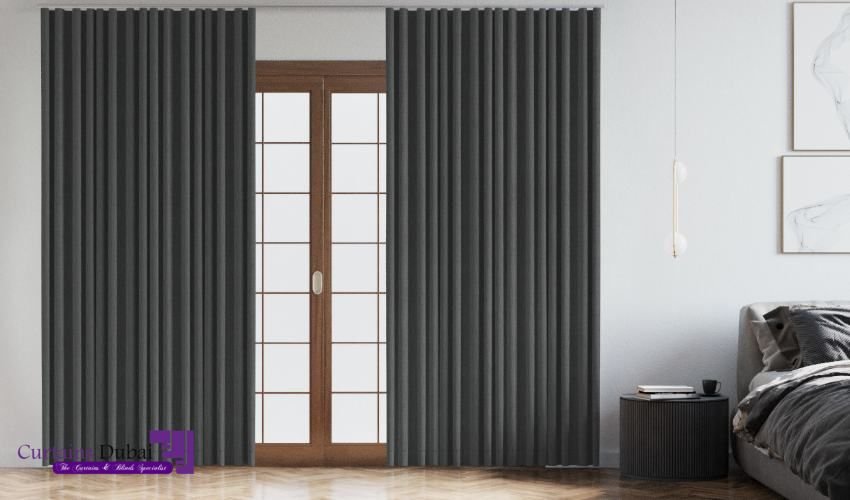
Blackout curtains are an excellent solution for blocking light, enhancing privacy, and improving energy efficiency in your home. Proper installation and maintenance are essential for maximizing their benefits and ensuring longevity. This guide will provide you with step-by-step instructions for installation and tips for keeping your curtains in great shape.
Installation Procedure for Blackout Curtains
Installing blackout curtains requires careful planning and the right tools. Here’s a step-by-step guide to assist you in the process:
1. Gather Necessary Tools and Materials: Ensure you have the following items before starting:
– Measuring tape
– Curtain rod or track
– Mounting brackets (if required)
– Drill and drill bits
– Screwdriver
– Level
– Pencil for marking
– Curtains
2. Measure the Window: Measure the width and height of your window. For maximum light blockage, it’s recommended to add extra width and length to your measurements. A general guideline is to extend the curtain rod about 4-6 inches beyond the window frame on each side and 3-4 inches above the window.
3. Mark the Bracket Locations: Using a pencil, mark the positions where the mounting brackets will go. Make sure they are level and at the appropriate height.
4. Drill Holes for the Brackets: Drill holes into the marked spots, ensuring they are deep enough for the anchors if you’re drilling into drywall. Insert anchors to provide better support for the brackets.
5. Attach the Brackets: Screw the mounting brackets into the drilled holes. Ensure they are secure and level before proceeding.
6. Hang the Curtain Rod: Place the curtain rod into the brackets. If your curtains have grommets or loops, slide them onto the rod. For pocket-style curtains, slide them from one end of the rod.
7. Adjust and Test: Adjust the curtains to ensure they hang evenly, and test them by opening and closing to confirm they function smoothly.
8. Final Touches: Trim any excess fabric if necessary, and make any final adjustments to ensure a perfect fit.
Maintenance and Care of Blackout Curtains
To keep your blackout curtains looking fresh and performing optimally, regular maintenance is essential. Here are some recommended care tips:
– Regular Dusting: Use a vacuum cleaner with a brush attachment or a lint roller to remove dust and debris. This should be done every few weeks to prevent buildup.
– Spot Cleaning: For small stains, use a damp cloth with mild detergent. Gently dab the area and avoid scrubbing, which could damage the fabric.
– Washing: Depending on the fabric, many blackout curtains can be machine-washed. Always check the care label for specific instructions, but generally, use cold water and a gentle cycle. Hang to dry or tumble dry on low heat.
– Ironing: If your curtains have wrinkles after washing, use a low heat setting on the iron. Place a clean cloth between the iron and the fabric to protect it.
– Preventing Fading: To avoid color fading due to sunlight exposure, consider rotating your curtains periodically or using additional window treatments like blinds or shades.
Troubleshooting Common Issues
Despite their effectiveness, blackout curtains may encounter some issues over time. Here are common problems and their solutions:
– Light Leakage: If there’s light seeping through the edges, ensure the curtain rod is extended far enough from the window frame. Consider adding a blackout liner for improved coverage.
– Curtains Not Hanging Properly: If the curtains are uneven, check the curtain rod for levelness and adjust the brackets as necessary. Ensure all fabric is properly distributed along the rod.
– Stains and Marks: Persistent stains may require deeper cleaning methods. If machine washing isn’t effective, consider taking the curtains to a professional cleaner specializing in drapery.
– Curtains Getting Stuck: If the curtains are difficult to move, check for obstructions on the rod and ensure it is properly installed without any misalignments.
By following these installation and maintenance tips, you can ensure your blackout curtains provide the benefits you desire while maintaining their appearance and functionality over time.
Eco-Friendly and Sustainable Options
As the demand for environmentally conscious products increases, eco-friendly blackout curtains have emerged as a sustainable alternative to traditional options. These curtains not only serve the purpose of blocking out light but also contribute positively to the environment and the health of your indoor spaces. Choosing fabrics made from natural and recycled materials can significantly lower your carbon footprint while dressing your windows stylishly.
Many traditional blackout curtains are made from synthetic materials that can emit harmful volatile organic compounds (VOCs) and contribute to indoor air pollution. On the other hand, sustainable alternatives often use organic cotton, linen, or recycled polyester, which are less harmful to both health and the environment. These eco-friendly fabrics can effectively reduce energy consumption by insulating against heat and cold, thus lowering heating and cooling costs. Furthermore, sustainable materials are often produced using eco-conscious manufacturing processes, minimizing waste and harmful chemical usage, ultimately benefiting the earth.
Availability of Eco-Friendly Materials
There are several eco-friendly materials available for the production of blackout curtains, which can significantly reduce their environmental impact. Understanding these materials can guide eco-conscious consumers in making informed choices.
- Organic Cotton: Grown without the use of synthetic pesticides or fertilizers, organic cotton is a biodegradable and renewable resource. Its production not only conserves water but also protects ecosystems, making it a popular choice for environmentally friendly curtains.
- Recycled Polyester: Made from recycled plastic bottles and other post-consumer waste, recycled polyester helps reduce landfill waste and minimizes the need for virgin polyester production, which is energy-intensive.
- Bamboo Fabric: Bamboo grows rapidly and requires minimal water and pesticides, making it a sustainable option. The fabric is naturally breathable and has anti-microbial properties, adding to its appeal for curtains.
- Hemp Fabric: Hemp is one of the most sustainable fabrics, requiring little water and no chemical fertilizers. It’s durable and has excellent insulating properties, which can aid in energy efficiency.
Choosing curtains made from these materials can lead to healthier indoor air quality and a reduced environmental footprint.
Comparative Impact on Health and Environment
When comparing traditional blackout curtains to sustainable alternatives, the differences in health and environmental impacts become clear. Traditional curtains often utilize synthetic materials that can release harmful chemicals into the air, potentially causing respiratory issues and other health concerns over time. In contrast, eco-friendly options are not only safer for indoor air quality, but they also contribute less to pollution during their production and disposal.
Moreover, sustainable curtains tend to have a longer lifespan due to their durability, reducing the frequency of replacements and waste. By investing in eco-friendly curtains, consumers can break the cycle of fast fashion and contribute to a more sustainable future.
Ethically Made Blackout Curtains
Finding ethically made blackout curtains is essential for eco-conscious consumers looking to make a positive impact. Several brands specialize in sustainable and ethically produced window treatments, catering to consumers who prioritize environmental stewardship.
- Eco Warrior: This brand offers a variety of blackout curtains made from organic materials, ensuring that no harmful substances are used in their production.
- Pottery Barn: Committed to sustainability, Pottery Barn provides a selection of blackout curtains crafted from recycled materials.
- West Elm: Known for their stylish designs, West Elm stocks ethically produced curtains, including options made from organic cotton and linen.
- Target: With their commitment to sustainability, Target features a collection of blackout curtains made from eco-friendly materials, appealing to a wide range of consumers.
These brands not only focus on sustainability but also ensure fair labor practices in their manufacturing processes. By choosing products from these sources, consumers can support ethical practices while enhancing their living spaces with beautiful blackout curtains.
Customization Trends in Blackout Curtains
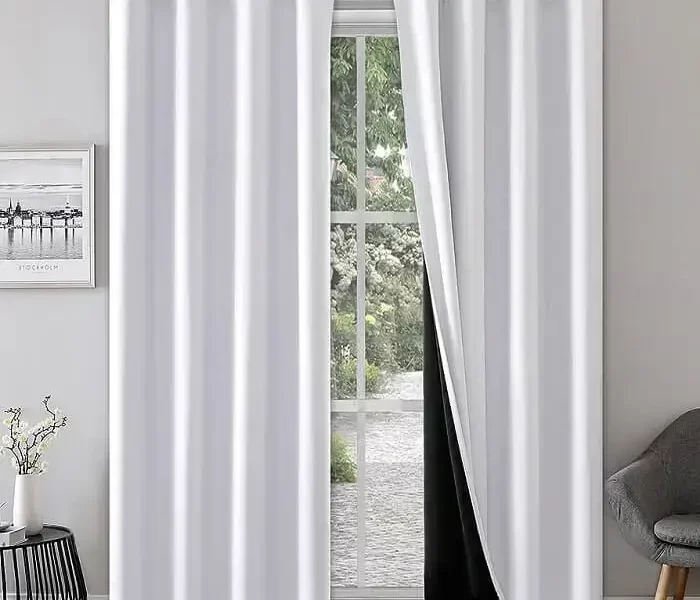
The demand for personalized home décor has led to a remarkable rise in the customization of blackout curtains. Consumers are increasingly seeking options that not only block out light but also reflect their unique style and preferences. With advancements in fabric technologies and printing methods, the possibilities for tailored designs have expanded significantly, making blackout curtains a canvas for creativity.
The process of ordering custom blackout curtains involves several key steps, beginning with selecting the fabric type, pattern, and color. Many companies offer online tools that allow customers to visualize their choices before making a purchase. The factors that influence the cost of custom curtains include the fabric quality, size, and complexity of the design. Turnaround time can vary based on the manufacturer’s workload, the intricacy of the order, and shipping logistics, typically ranging from a few weeks to several months.
Innovative Designs in Blackout Curtains
The market for blackout curtains has seen a surge in innovative designs that cater to niche consumers and specific styles. Homeowners are no longer limited to standard colors and patterns; instead, they can explore a wide spectrum of options that enhance their living spaces. Here are some examples of the latest trends:
- Eclectic Patterns: Unique geometric designs and artistic prints are becoming popular, allowing consumers to make bold statements in their interiors.
- Eco-Friendly Materials: Sustainable fabrics are gaining traction, appealing to environmentally conscious buyers who seek both style and a reduced carbon footprint.
- Smart Technology Integration: Blackout curtains with built-in smart technology allow for automated opening and closing, providing convenience along with style.
- Themed Collections: Some brands are launching collections inspired by specific themes, such as nature, art, or pop culture, which cater to diverse aesthetic preferences.
“Customization allows homeowners to transform a functional item into a personalized expression of their taste.”
As the trend of customization continues to grow, blackout curtains increasingly serve as a reflection of individual style and lifestyle needs, merging practicality with artistic expression.
Last Recap
In summary, blackout curtains serve as both a practical solution for light control and a stylish addition to any room. By exploring their history, benefits, and customization options, you can make informed choices that enhance your home’s comfort and appearance.
Answers to Common Questions
Do blackout curtains really block all light?
While most blackout curtains significantly reduce light, some light may still seep in from the edges depending on the fit and installation.
Can blackout curtains help with temperature regulation?
Yes, blackout curtains can help keep rooms cooler in summer and warmer in winter by providing an extra layer of insulation.
Are blackout curtains machine washable?
Many blackout curtains are machine washable, but it’s important to check the care instructions on the label for specific guidelines.
Can blackout curtains reduce noise?
While primarily designed for light blocking, blackout curtains can also help dampen noise to some extent, especially when made from heavier fabrics.
How do I choose the right color for my blackout curtains?
Consider your room’s color scheme and the mood you want to create; darker colors can make a room feel cozier, while lighter shades can keep it feeling airy.