
 Caroline Sarah
Sleep hygiene tips are essential for anyone looking to improve their overall well-being and enjoy restorative sleep. Poor sleep hygiene can lead to a range of health issues, including fatigue, decreased performance, and even chronic conditions. Understanding how our habits and environments impact our nightly rest is the first step toward achieving better sleep.
From the way we set up our bedrooms to our daily routines and choices, every aspect of our lifestyle contributes to how well we sleep. By recognizing the significance of sleep hygiene and implementing practical strategies, we can pave the way for a more restful night and a healthier life. Let’s delve into the various factors that can enhance your sleep routine!
Understanding the Importance of Sleep Hygiene
Sleep hygiene refers to a series of habits and practices that promote consistent, uninterrupted sleep. Establishing a solid sleep hygiene routine is crucial for overall health and well-being. Quality sleep is not simply about the number of hours spent in bed but the quality of sleep obtained during those hours. Good sleep hygiene can enhance cognitive function, emotional stability, and physical health, while poor sleep habits can lead to a myriad of health issues.
Poor sleep hygiene can have significant physiological and psychological impacts. Physiologically, inadequate sleep can weaken the immune system, making the body more susceptible to illnesses. It has been linked to chronic conditions such as obesity, diabetes, cardiovascular disease, and hypertension. On the psychological side, insufficient sleep can lead to heightened stress levels, anxiety, and depression. The cumulative effect of sleep deprivation can also impair cognitive functions like concentration, decision-making, and memory, affecting daily life and work performance.
Common Sleep Disorders Linked to Poor Sleep Hygiene
Neglecting sleep hygiene practices can give rise to various sleep disorders that affect millions of people. Understanding these disorders is vital in recognizing the importance of maintaining good sleep hygiene.
The following are some common sleep disorders associated with poor sleep habits:
- Insomnia: Characterized by difficulty falling or staying asleep, insomnia can lead to chronic fatigue and irritability. This disorder is often exacerbated by irregular sleep schedules and excessive screen time before bed.
- Sleep Apnea: This disorder involves repeated interruptions in breathing during sleep, often leading to fragmented sleep and excessive daytime drowsiness. Poor sleep hygiene practices, such as sleeping on one’s back or using alcohol as a sleep aid, can worsen symptoms.
- Restless Legs Syndrome (RLS): RLS induces uncomfortable sensations in the legs, creating an irresistible urge to move them, particularly at night. Factors like stress and caffeine consumption can exacerbate RLS, highlighting the need for good sleep hygiene.
- Delayed Sleep Phase Disorder: This condition is marked by a significant delay in sleep onset and waking times, commonly associated with inconsistent sleep patterns driven by lifestyle choices or work schedules.
Identifying Poor Sleep Hygiene Habits
Many people may not realize that their daily routines and habits can significantly impact their sleep quality. Poor sleep hygiene encompasses a variety of behaviors and lifestyle choices that hinder the ability to achieve restful and restorative sleep. Recognizing these habits is the first step toward improving overall sleep health. By identifying and addressing the factors that contribute to poor sleep hygiene, individuals can take actionable steps to enhance their sleep environment and routine.
Common habits that negatively affect sleep can range from lifestyle choices to the environment in which one sleeps. For instance, excessive consumption of caffeine, particularly in the afternoon and evening, can lead to difficulties in falling asleep. Similarly, heavy meals close to bedtime can lead to discomfort and disrupt the sleep cycle. The use of technology, such as smartphones and computers, right before bed can also contribute to sleep problems. The blue light emitted from screens interferes with the production of melatonin, the hormone responsible for regulating sleep-wake cycles.
Behaviors to Avoid Before Bedtime
Understanding which specific behaviors to avoid before bedtime is crucial for promoting better sleep hygiene. Here are several key practices that individuals should consider eliminating from their evening routines:
- Screen Time: Engaging with electronic devices, such as phones, tablets, or televisions, can trick the brain into staying alert and suppress melatonin production.
- Consuming Caffeine: Drinking coffee, tea, or energy drinks in the hours leading up to bedtime can lead to increased alertness and make it difficult to wind down.
- Heavy Eating: Consuming large or spicy meals close to bedtime can cause discomfort and indigestion, which can hinder the ability to fall asleep.
- Alcohol Consumption: While alcohol may initially induce drowsiness, it can disrupt the sleep cycle and lead to fragmented sleep during the night.
- Intense Exercise: Engaging in vigorous physical activity right before bed can increase adrenaline levels and make it harder to relax.
- Stressful Conversations: Engaging in emotionally charged discussions or stressful activities can elevate anxiety levels, making it challenging to unwind.
By being mindful of these habits, individuals can create a more conducive environment for sleep. Improving sleep hygiene not only leads to better sleep quality but also enhances overall well-being, enabling individuals to feel more rested and energized.
Creating an Optimal Sleep Environment
A restful night’s sleep is significantly influenced by the environment in which you sleep. To truly enhance the quality of your sleep, creating an optimal sleep environment is essential. This involves adjusting various physical elements of your bedroom to promote relaxation and comfort, which can lead to improved sleep quality and overall well-being.
A sleep-friendly environment encompasses several key elements, including light, noise, and temperature. Ensuring that these factors are conducive to sleep can make a remarkable difference in how quickly you fall asleep and how well you stay asleep throughout the night.
Checklist of Physical Aspects Enhancing Sleep Quality
To create a serene sleep space, it is vital to consider the following physical aspects:
- Light: Reducing exposure to bright artificial lights, particularly blue light from screens, is crucial. Opt for blackout curtains or eye masks to block out unwanted light.
- Noise: A quiet environment promotes better sleep. Consider using earplugs or a white noise machine to drown out disruptive sounds. Natural soundscapes, like gentle rain or ocean waves, can also be soothing.
- Temperature: The ideal room temperature for sleep is typically between 60-67°F (15-19°C). Keeping your bedroom cool can help lower your body temperature, signaling to your body that it’s time to sleep.
In addition to light, noise, and temperature, the choice of bedding, furniture, and overall room design plays a pivotal role in fostering an environment conducive to restful sleep. High-quality mattresses and pillows tailored to your sleeping style can greatly enhance comfort. For instance, a medium-firm mattress is often recommended for back sleepers, while side sleepers may benefit from a softer mattress that relieves pressure on the shoulders and hips.
Moreover, furniture placement and room design can contribute to a calming atmosphere. A clutter-free space with a minimalist aesthetic can reduce stress and promote relaxation. Soft, neutral colors on the walls and bedding can evoke tranquility, while natural elements, such as plants, can improve air quality and create a more serene ambiance.
Creating a serene sleep environment is not just about aesthetics; it’s about ensuring every element facilitates restful sleep.
Establishing a Consistent Sleep Schedule
A consistent sleep schedule is a cornerstone of good sleep hygiene. When you go to bed and wake up at the same times every day, it helps regulate your body’s internal clock. This regulation can enhance the quality of your sleep, leading to improved mood, cognitive function, and overall health. Here we will discuss effective strategies for developing a regular sleep timetable, the benefits of maintaining consistency, and methods for adjusting your schedule during disruptions.
Strategies for Developing a Regular Sleep Timetable
Creating a consistent sleep schedule begins with identifying your ideal sleep duration, which for most adults ranges from 7 to 9 hours. Here are practical strategies to help you establish a regular timetable:
1. Set a Fixed Sleep Time: Choose a time to go to bed and wake up that you can stick to every day, even on weekends. This helps reinforce your body’s natural sleep-wake cycle.
2. Create a Pre-Sleep Routine: Engage in relaxing activities before bed, such as reading or gentle stretching. Avoid stimulating activities like work or screen time at least an hour before sleep.
3. Limit Naps: If you find it hard to sleep at night, it may be useful to limit naps during the day. If necessary, restrict naps to 20-30 minutes in the early afternoon.
4. Monitor Your Sleep Environment: Ensure your bedroom is conducive to sleep; it should be dark, cool, and quiet. Consider using blackout curtains or a white noise machine if needed.
5. Utilize Technology: Sleep apps can help track your sleep patterns and remind you when it’s time to wind down.
Advantages of a Consistent Sleep Routine
Having a consistent sleep routine offers numerous benefits over irregular sleeping patterns. Regular sleep helps improve your overall energy levels, mood stability, and cognitive performance. When you sleep and wake at consistent times, your body knows when to release hormones like melatonin, which signals that it’s time to sleep. Conversely, irregular sleep patterns can lead to sleep deprivation, higher stress levels, and increased susceptibility to illnesses.
“Sleep is a crucial pillar of health, and consistency is key to maximizing its benefits.”
Methods to Adjust Sleep Schedules During Disruptions
Life can often throw unexpected challenges at your sleep schedule, such as travel or changes in work hours. Here are some ways to adapt:
1. Gradual Adjustments: When shifting your sleep time, do so gradually, changing your sleep and wake times by 15-30 minutes each day until you reach your goal.
2. Exposure to Natural Light: Spend time outside in natural light during the day to help reset your internal clock. Morning light exposure is particularly effective.
3. Limit Light Exposure at Night: Reduce exposure to bright lights, especially blue light from screens, in the evening. This helps signal to your body that it’s time to wind down.
4. Stay Active: Regular physical activity can help promote better sleep quality. However, avoid vigorous exercise too close to bedtime as it might interfere with your ability to fall asleep.
5. Stay Consistent in New Time Zones: If traveling, try to adapt to the new time zone as quickly as possible by following the local schedule for eating and sleeping.
With these strategies and methods, establishing and maintaining a consistent sleep schedule becomes manageable, leading to a healthier, more balanced lifestyle.
Implementing Relaxation Techniques Before Bedtime
Creating a peaceful and calming environment before bedtime is essential for quality sleep. Incorporating relaxation techniques into your nightly routine can significantly improve sleep hygiene and help reduce stress. Engaging in these practices prepares both the mind and body for rest, making it easier to drift off into a deep sleep. Below, we explore various relaxation techniques that can enhance your overall sleep experience.
Meditation
Meditation serves as an excellent way to ease the mind and release tension accumulated throughout the day. By focusing your thoughts and practicing mindfulness, you can create a serene mental state conducive to sleep. A simple meditation technique involves sitting comfortably, closing your eyes, and concentrating on your breath. As thoughts arise, acknowledge them without judgment and gently return your focus to your breathing. This practice can lead to improved sleep quality and increased feelings of calm.
Deep Breathing Exercises
Deep breathing exercises promote relaxation by activating the body’s natural relaxation response. Before bed, try inhaling deeply through your nose for a count of four, holding your breath for another four counts, and then exhaling slowly through your mouth for a count of six. Repeat this cycle several times, allowing your body to relax with each exhale. Deep breathing not only lowers heart rate and blood pressure but also helps reduce anxiety, creating a more peaceful state of mind before sleep.
Progressive Muscle Relaxation
Progressive muscle relaxation (PMR) is a technique that involves tensing and then relaxing each muscle group in the body. This method can help release physical tension and promote mental relaxation. Start at your toes, tensing the muscles for five seconds before releasing and allowing them to relax for 30 seconds. Gradually move up through each muscle group—feet, legs, abdomen, arms, and face. As you practice PMR, you will notice how much easier it becomes to unwind and prepare your body for restful sleep.
Incorporating these relaxation techniques into your nightly routine can lead to numerous benefits, such as improved sleep quality, reduced insomnia symptoms, and overall better sleep hygiene. By dedicating time to unwind each night, you can transform your bedtime into a peaceful ritual that promotes restorative sleep.
The Impact of Nutrition on Sleep Quality

Nutrition plays a significant role in determining sleep quality. The foods and drinks we consume can directly influence our sleep patterns, affecting everything from the time it takes to fall asleep to the depth of sleep experienced throughout the night. Understanding the connection between diet and sleep hygiene allows us to make informed choices that can enhance our overall well-being.
Dietary choices can either promote restful sleep or contribute to sleep disturbances. Foods high in sugar, caffeine, and unhealthy fats can lead to restless nights, while nutrient-rich foods can support better sleep hygiene. For instance, incorporating foods that are high in magnesium, such as spinach, almonds, and black beans, can help relax muscles and calm the nervous system, making it easier to fall asleep. Similarly, foods rich in tryptophan, like turkey and dairy products, may enhance the production of serotonin and melatonin, both of which are crucial for regulating sleep.
Foods and Beverages that Influence Sleep Quality
It’s essential to be mindful of the foods and drinks consumed in relation to sleep. Here’s a detailed overview of items that can either promote or hinder good sleep quality:
- Promote Sleep:
- Cherries: A natural source of melatonin, cherries can help regulate sleep-wake cycles.
- Fatty Fish: Rich in omega-3 fatty acids and vitamin D, fatty fish like salmon can improve sleep quality.
- Oatmeal: A complex carbohydrate that can boost serotonin levels and promote sleepiness.
- Nuts: Almonds and walnuts are excellent sources of magnesium, which is vital for sleep regulation.
- Hinder Sleep:
- Caffeine: Found in coffee, tea, and chocolate, caffeine can disrupt sleep patterns if consumed late in the day.
- Spicy Foods: They may cause digestive issues and discomfort, leading to poor sleep quality.
- Alcohol: While it may initially make you drowsy, it can disrupt the sleep cycle later in the night.
- High-Sugar Foods: These can cause spikes in energy and lead to difficulties in falling asleep.
In planning meals that support a healthy sleep routine, it’s important to focus on balanced nutrition throughout the day. Here’s a simple guide:
- Breakfast: Include whole grains like oatmeal or whole-grain toast paired with a protein source like yogurt or eggs.
- Lunch: Opt for a hearty salad with leafy greens, nuts, and lean proteins, drizzled with olive oil.
- Dinner: Choose a source of lean protein, like grilled chicken or fish, accompanied by whole grains and steamed vegetables.
- Snacks: Consider snacks like banana slices with almond butter or a small bowl of cherries.
By prioritizing nutrition and making mindful dietary choices, one can significantly improve sleep quality and overall health.
The Role of Physical Activity in Sleep Hygiene
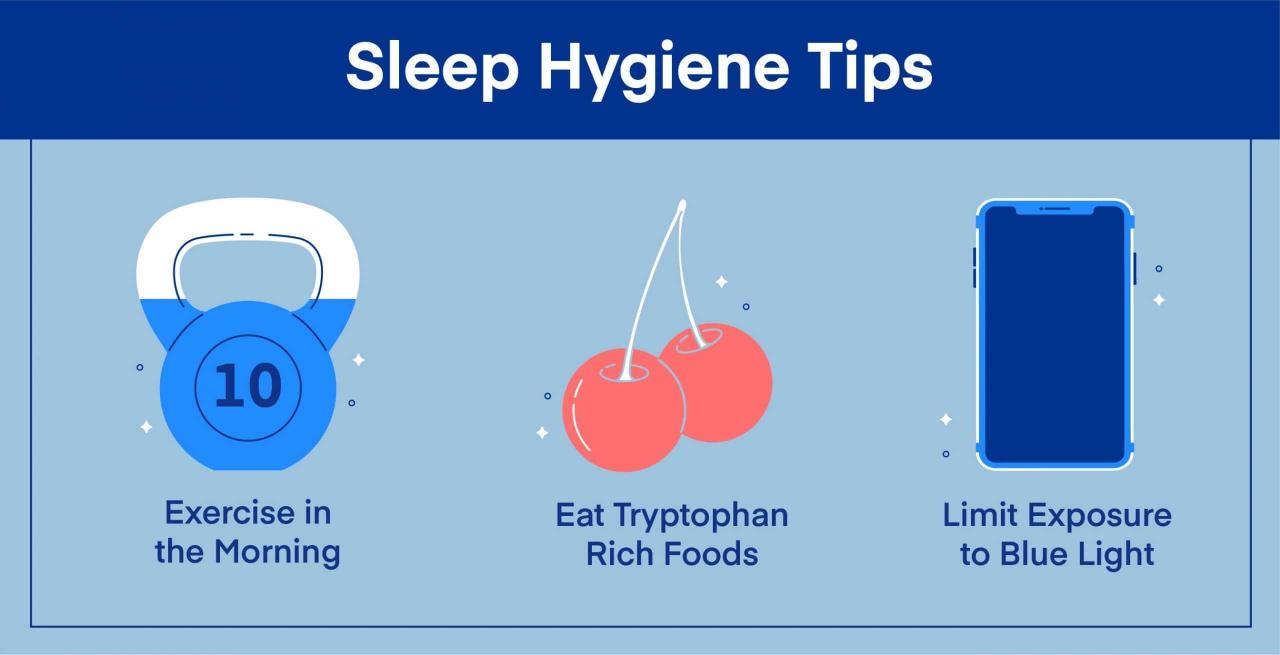
Engaging in regular physical activity is one of the key components of effective sleep hygiene. It not only helps in improving overall health but significantly contributes to better sleep quality. Research shows that individuals who incorporate physical activity into their routine tend to fall asleep faster, experience deeper sleep, and wake up feeling more refreshed. The relationship between physical activity and sleep is a synergistic one; as you enhance your physical fitness, your sleep patterns naturally improve, leading to a more restorative nightly rest.
Physical activity promotes better sleep by influencing several physiological and psychological factors. Exercise increases the production of endorphins, which can alleviate feelings of anxiety and depression, ultimately leading to a more relaxed state conducive to sleep. Furthermore, regular workouts help regulate the body’s circadian rhythms, making it easier to fall asleep at night and wake up in the morning. Additionally, engaging in physical activity raises body temperature; this increase is followed by a slight drop when the body cools down, signaling the brain that it’s time to sleep. A consistent exercise routine can lead to improved sleep latency and overall sleep efficiency.
Types of Exercises Beneficial for Sleep Quality
When it comes to exercises that enhance sleep quality, certain types stand out for their effectiveness. Here’s a closer look at some activities that can help:
- Aerobic Exercises: Activities like running, swimming, or cycling elevate heart rate and promote better sleep. Aim for at least 150 minutes of moderate aerobic activity weekly.
- Yoga: Practicing yoga focuses on breathwork and relaxation, which can significantly reduce stress levels and improve sleep quality. Incorporate sessions two to three times a week.
- Strength Training: Lifting weights or engaging in resistance exercises can enhance sleep by improving muscle recovery and overall well-being. A regimen of two to three sessions weekly is ideal.
- Stretching and Relaxation Exercises: Gentle stretching before bed can ease muscle tension and prepare the body for sleep. Spend 10-15 minutes each evening on these exercises.
To maximize the benefits of physical activity for sleep, consider the following schedule for incorporating exercise into your daily routine:
| Day | Activity | Duration |
|---|---|---|
| Monday | Aerobic Exercise (e.g., jogging) | 30 minutes |
| Tuesday | Yoga | 45 minutes |
| Wednesday | Strength Training | 30 minutes |
| Thursday | Rest Day or Gentle Stretching | 15 minutes |
| Friday | Aerobic Exercise (e.g., cycling) | 30 minutes |
| Saturday | Yoga or Group Exercise Class | 1 hour |
| Sunday | Rest Day or Light Walking | 30 minutes |
Incorporating this schedule into your life can enhance not only your physical fitness but also your sleep hygiene, leading to improved overall well-being.
Managing Stress and Anxiety for Better Sleep
Stress and anxiety are common culprits that can wreak havoc on our sleep patterns. When life becomes overwhelming, it often feels impossible to switch off, leading to restless nights and groggy days. Understanding how to manage these feelings is crucial in enhancing sleep hygiene and promoting a more restful night. Effective stress management techniques can make a significant difference, enabling individuals to drift off more easily and enjoy deeper sleep.
Recognizing the signs of stress and anxiety is the first step toward improving sleep quality. Common indicators include racing thoughts, elevated heart rates, and persistent worry. These symptoms can manifest physically, leading to muscle tension and restlessness that directly impact a person’s ability to fall and stay asleep. Additionally, emotional signs such as irritability, fatigue, and difficulty concentrating can create a cycle of sleep disruption.
To integrate stress reduction into daily life and enhance sleep quality, several actionable steps can be taken. Establishing a consistent routine is paramount; going to bed and waking up at the same time each day can help regulate the body’s internal clock. Additionally, developing a calming pre-sleep ritual can signal to the body that it’s time to wind down. This could include activities such as reading, practicing mindfulness, or enjoying a warm bath.
Incorporating physical activity into your daily routine is another effective stress management technique. Exercise is known to release endorphins, which can reduce stress levels and improve mood. Even a simple daily walk can help clear the mind and promote relaxation. Furthermore, learning and practicing relaxation techniques can be beneficial. Deep breathing exercises, progressive muscle relaxation, and guided imagery can lower anxiety levels and prepare the body for rest.
“Mindfulness and meditation can also play a vital role in managing stress and promoting better sleep. By focusing on the present moment and acknowledging thoughts without judgment, individuals can reduce the grip of anxiety.”
Maintaining a balanced diet is essential as well. Foods rich in antioxidants and omega-3 fatty acids can help mitigate stress responses in the body. Lastly, reaching out for support from friends, family, or professional counseling can be invaluable. Sometimes just talking about stressors can alleviate their intensity and make them easier to manage, leading to improved sleep quality.
The Use of Technology in Sleep Hygiene
In today’s digital age, the interplay between technology and sleep hygiene is becoming increasingly evident. While technology offers numerous conveniences, its impact on sleep quality is a double-edged sword. Smartphones, tablets, and other devices can both aid and disrupt our sleep patterns, making it essential to understand their effects and how to manage them effectively.
Technology, particularly smartphones, has transformed the way we approach sleep hygiene. On one hand, sleep tracking apps and devices can provide valuable insights into our sleep patterns, helping us identify issues and make informed adjustments. These tools often use sensors to monitor movement and heart rate, generating reports on sleep quality, duration, and even disturbances throughout the night. However, the constant notifications and blue light emitted by these devices can hinder our ability to fall asleep, as exposure to blue light before bedtime has been shown to interfere with the production of melatonin, the hormone responsible for regulating sleep.
Benefits and Drawbacks of Sleep Tracking Apps and Devices
When considering the use of sleep tracking technology, it is crucial to evaluate both its advantages and disadvantages. While these tools can be incredibly useful for improving sleep hygiene, they also come with potential downsides.
Benefits of sleep tracking apps and devices include:
- Increased Awareness: They provide insights into sleep habits, helping users recognize patterns that may contribute to poor sleep.
- Personalized Recommendations: Many apps offer tailored advice based on individual sleep data, assisting users in making targeted improvements.
- Goal Setting: Tracking progress over time can motivate users to adopt healthier sleep practices.
On the other hand, drawbacks may involve:
- Over-reliance on Technology: Users may become fixated on the data, leading to anxiety about their sleep quality.
- Distractions: Notifications from these devices can disrupt the pre-sleep routine and delay bedtime.
- Inaccuracy: Not all devices provide precise measurements, which can discourage users if they are misled by inaccurate data.
To mitigate the tech-related distractions that can adversely affect sleep, consider implementing the following strategies. Establish a digital curfew by setting a specific time to put away devices, ideally at least one hour before bedtime. This practice allows the mind to wind down and prepares the body for rest. Additionally, consider using features such as “Do Not Disturb” on smartphones during the night to minimize interruptions. Creating a calming bedtime routine that excludes screens, such as reading a book or practicing relaxation techniques, can further enhance sleep hygiene.
Ultimately, while technology can play a significant role in improving sleep hygiene, it’s essential to manage its use consciously to reap the benefits without compromising sleep quality.
Wrap-Up
In summary, prioritizing sleep hygiene is crucial for maintaining physical and mental health. By identifying poor habits, creating a conducive sleep environment, and incorporating relaxation techniques, anyone can enhance their sleep quality. Remember, the journey to better sleep isn’t just about counting hours; it’s about making mindful choices that support your well-being.
Popular Questions
What is sleep hygiene?
Sleep hygiene refers to a set of practices and habits that promote consistent, uninterrupted, and restorative sleep.
How does poor sleep hygiene affect health?
Poor sleep hygiene can lead to issues such as fatigue, mood disorders, weakened immune function, and increased risk of chronic diseases.
Can technology disrupt sleep?
Yes, excessive use of technology, especially before bed, can interfere with the body’s natural sleep-wake cycle and reduce sleep quality.
What are some foods to avoid before bedtime?
Foods high in caffeine, sugar, and heavy fats should be avoided as they can disrupt sleep patterns and make it difficult to fall asleep.
How much sleep do adults need?
Most adults require between 7 to 9 hours of sleep per night for optimal health and functioning.
Are napping and sleep hygiene related?
Yes, while short naps can be beneficial, excessive daytime napping can disrupt nighttime sleep patterns and should be managed carefully.