
 Caroline Sarah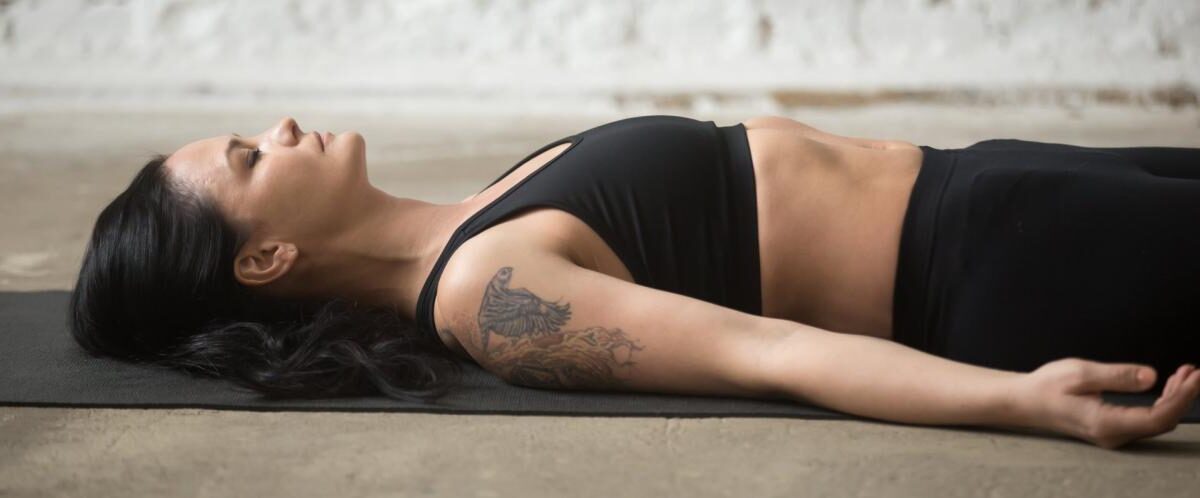
Delving into Yoga for sleep, this ancient practice offers a pathway to not just relaxation but also improved sleep quality. Yoga combines physical postures, breath control, and mindfulness, creating a holistic approach that addresses both the body and mind, ultimately guiding practitioners toward more restful nights.
As we explore the ways yoga can enhance sleep, we’ll uncover the physiological and psychological mechanisms at play, from relaxation techniques to specific poses that promote tranquility. The evidence is growing, and understanding this connection could be a game-changer for anyone struggling with sleep issues.
Understanding the relationship between yoga and sleep quality.
Yoga has been recognized for its multifaceted benefits, particularly in enhancing sleep quality. The intricate connection between yoga and sleep lies in both physiological and psychological mechanisms that promote relaxation and reduce stress. By practicing yoga, individuals can tap into a holistic approach that addresses the root causes of sleep disturbances, leading to a more restful experience at night.
Physiologically, yoga engages the body in gentle movements and stretches, which can help to lower cortisol levels—the hormone associated with stress. This reduction in stress hormones plays a crucial role in the body’s ability to transition into sleep. Additionally, yoga promotes the activation of the parasympathetic nervous system, which leads to a state of calmness and relaxation. This state is essential for the initiation of sleep, allowing the heart rate and respiratory rate to decrease. Furthermore, specific postures in yoga, such as forward bends and restorative poses, facilitate the release of muscular tension, promoting a deeper sense of relaxation that directly contributes to improved sleep quality.
Relaxation Techniques and Their Impact on Sleep Patterns
Relaxation techniques integrated into yoga, such as controlled breathing, meditation, and mindfulness, significantly influence sleep patterns. By fostering awareness and presence, these techniques help quiet the mind, which is often a barrier to restful sleep. When individuals engage in deep breathing exercises, they activate the body’s relaxation response, which can lower heart rate and blood pressure, making it easier to fall asleep.
Numerous studies have explored the correlation between yoga practices and enhanced sleep outcomes. For instance, a study published in the *Journal of Clinical Psychology* found that participants who practiced yoga regularly reported substantial improvements in sleep quality and duration over a 10-week period compared to a control group. Another significant research effort published in *Sleep Health* indicated that older adults who engaged in gentle yoga experienced fewer sleep disturbances and improved overall sleep satisfaction. These findings underscore yoga’s potential as a powerful tool for addressing sleep-related issues, particularly for those dealing with insomnia or stress-related sleep problems.
In summary, the combination of physiological benefits and relaxation techniques in yoga provides a comprehensive approach to enhancing sleep quality. It becomes evident that incorporating yoga into one’s wellness routine can significantly contribute to better sleep outcomes, promoting a healthier, more balanced lifestyle.
Exploring different yoga poses specifically designed for sleep enhancement.
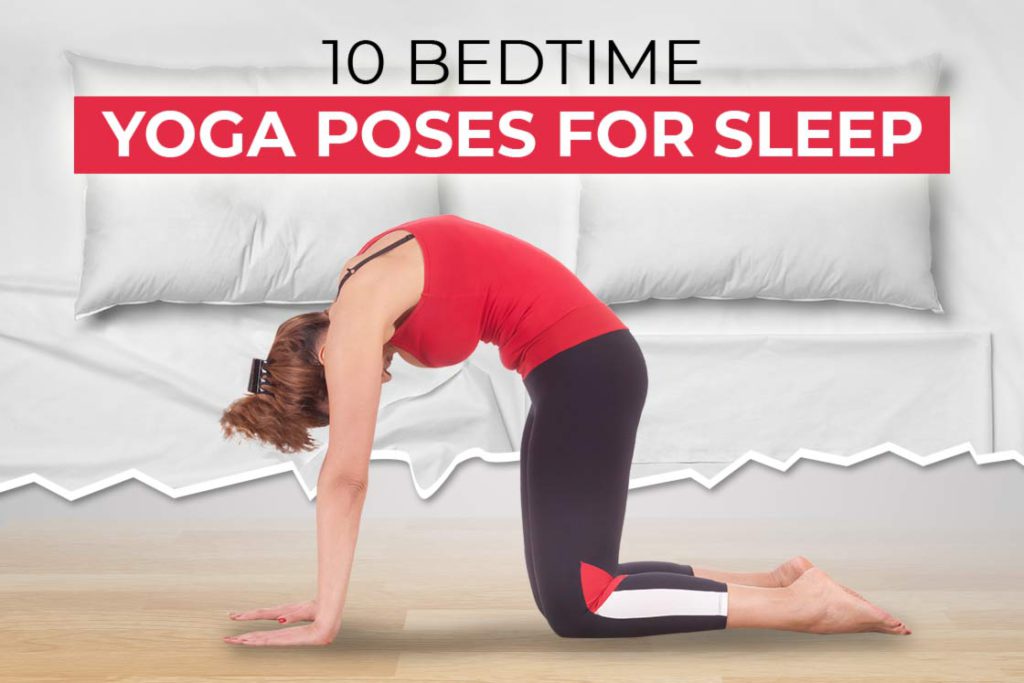
Practicing yoga can significantly enhance sleep quality by calming the mind and relaxing the body. Specific poses target tension release, promote deep breathing, and prepare the body for rest. This segment will delve into five effective yoga poses that are particularly beneficial for enhancing sleep, along with their individual effects on the body and practical tips for safe practice.
Yoga Poses for Sleep Enhancement
To maximize the benefits of yoga for sleep, it’s essential to understand how each pose affects the body and mind. The following poses can help facilitate relaxation and ease you into a restful night’s sleep.
| Yoga Pose | Physical Benefits | How to Perform Safely |
|---|---|---|
| Child’s Pose (Balasana) | Stretches the back, hips, and thighs; calms the mind; reduces stress. | Start on your knees, sit back on your heels, and stretch your arms forward on the mat. Keep your forehead on the ground and breathe deeply. |
| Legs-Up-The-Wall Pose (Viparita Karani) | Improves circulation; relieves tired legs; promotes relaxation. | Lie on your back and extend your legs up against a wall, forming a 90-degree angle. Keep your arms relaxed at your sides and close your eyes. |
| Cobra Pose (Bhujangasana) | Stretches the spine; opens the chest; alleviates fatigue. | Lie on your stomach, place your hands under your shoulders, and gently lift your chest while keeping your elbows slightly bent. Engage your core to protect your lower back. |
| Reclined Bound Angle Pose (Supta Baddha Konasana) | Opens the hips; encourages deep breathing; calms the nervous system. | Lie on your back, bring the soles of your feet together, and allow your knees to fall apart. Place your hands on your belly or at your sides, relaxing into the pose. |
| Forward Bend (Uttanasana) | Relieves tension in the back and neck; promotes a sense of grounding. | Stand with your feet hip-width apart, hinge forward from your hips, and let your upper body hang. Relax your neck and shoulders, and breathe deeply. |
“The alignment of the body is crucial in yoga; it enhances safety and encourages deeper relaxation.”
Maintaining proper alignment during these poses is essential not just for safety but also for maximizing the effectiveness of each posture. Pay attention to your breath as you move through each pose; deep, mindful breathing promotes relaxation and aids in releasing tension stored in the body. Aim to maintain a steady, calming breath, allowing the exhale to help you sink deeper into each stretch. By practicing these poses regularly, you can create a soothing bedtime routine that prepares your body and mind for restful sleep.
The importance of breathwork in yoga for improved sleep.
Breathwork, an integral part of yoga, plays a crucial role in promoting relaxation and enhancing sleep quality. The practice of mindful breathing helps calm the nervous system, reducing tension and anxiety, which are often barriers to a restful night’s sleep. By focusing on the breath, individuals can shift their awareness away from daily stressors and create a serene space conducive to sleep.
Breathing techniques utilized in yoga, such as diaphragmatic breathing, alternate nostril breathing, and the 4-7-8 method, are particularly effective for relaxation. These techniques not only help in clearing the mind but also in regulating heart rate and reducing cortisol levels. They can transform an anxious mindset into one of tranquility, allowing for a smoother transition into sleep.
Diaphragmatic Breathing Exercise for Bedtime
One effective breathwork exercise to incorporate into your nightly routine is diaphragmatic breathing, also known as abdominal breathing. This technique encourages deeper breaths, activating the body’s relaxation response.
To practice diaphragmatic breathing before bedtime, follow these steps:
1. Find a Comfortable Position: Lie down on your back in a quiet space, ensuring your body is supported and relaxed. You may also sit comfortably if lying down isn’t preferable.
2. Place Your Hands: Rest one hand on your chest and the other on your abdomen. This will help you feel the movement of your breath.
3. Inhale Deeply: Breathe in slowly through your nose for a count of four, allowing your abdomen to rise while keeping your chest relatively still. Imagine filling your lungs completely.
4. Hold the Breath: Pause for a count of four, allowing the breath to settle.
5. Exhale Slowly: Breathe out gently through your mouth for a count of six, feeling your abdomen lower. Visualize releasing any tension or stress.
6. Repeat: Continue this cycle for five to ten minutes or until you feel a sense of calm wash over you.
By incorporating this breathwork exercise into your nightly routine, you can experience significant improvements in sleep quality over time. Regular practice can reinforce the body’s natural relaxation response, making it easier to unwind at the end of the day. Consistent diaphragmatic breathing can also lead to lower levels of anxiety and stress, which are often the culprits of insomnia.
“Breath is the bridge which connects life to consciousness, which unites your body to your thoughts.” – Thich Nhat Hanh
As you engage in this practice regularly, many individuals find that they not only fall asleep faster but also enjoy deeper, more restorative sleep. In the long run, integrating breathwork into your bedtime routine can greatly enhance your overall sleep experience, leading to improved energy levels, mood stability, and cognitive function during the day.
Developing a holistic bedtime yoga routine for restful sleep.
Creating a bedtime yoga routine can significantly enhance the quality of your sleep by promoting relaxation and reducing tension in the body. By incorporating gentle movements and stretches, this holistic approach prepares both the mind and body for a restful night. The following sequence focuses on cultivating tranquility and releasing the day’s stresses through mindful practice.
When developing a bedtime yoga routine, it’s essential to include a variety of components to ensure a balanced practice. This includes a warm-up to ease into the session, main poses to target areas of tension, and a cool-down to prepare for sleep. The entire sequence typically lasts around 30 to 45 minutes, promoting optimal relaxation before bed. Consistency in practice is key, and adhering to a schedule can greatly benefit overall well-being.
Bedtime Yoga Sequence
Begin with a gentle warm-up to awaken your body and cultivate mindfulness. This may include simple stretches and breathwork. The following sequence can be practiced in a quiet, dimly lit space, free from distractions, to enhance relaxation.
Warm-Up (5-10 minutes)
Start with these warm-up exercises to release any tension:
– Seated Forward Bend: Sit with your legs extended and gently lean forward, feeling the stretch in your spine and hamstrings.
– Cat-Cow Stretch: On all fours, alternate between arching your back and dropping your belly, synchronized with your breath to encourage fluidity.
Main Poses (20-25 minutes)
These poses focus on opening the body, calming the mind, and preparing for sleep:
– Child’s Pose: Kneel on the floor, sit back on your heels, and stretch your arms forward, resting your forehead on the mat. This pose promotes deep relaxation.
– Legs Up the Wall: Lie on your back and extend your legs vertically against a wall. This inversion helps to reduce tension and promotes circulation.
– Reclined Bound Angle Pose: While lying on your back, bring the soles of your feet together and let your knees fall outward. This pose opens the hips and encourages relaxation.
– Supine Spinal Twist: Lying on your back, bring one knee across your body while keeping your shoulders grounded. This helps release tension in the back and aids in relaxation.
Cool-Down (5-10 minutes)
Finish your practice with gentle stretches to ease into sleep:
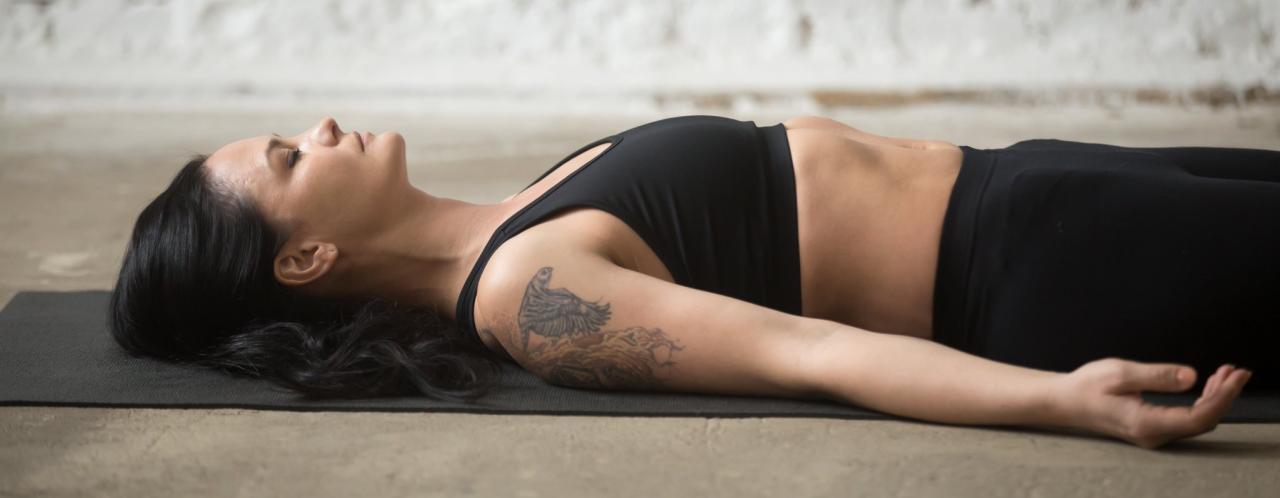
– Savasana (Corpse Pose): Lie flat on your back, arms by your sides, and close your eyes. Focus on your breath, allowing your body to fully relax.
– Seated Meditation: Sit comfortably, close your eyes, and focus on your breath for a few minutes. This helps quiet the mind and prepare for sleep.
To achieve optimal results, aim to practice this routine at least 4-5 times a week. Set a specific time each evening to signal to your body that it’s time to unwind. This consistency can create a calming ritual that enhances your sleep quality.
“Since incorporating bedtime yoga into my routine, I’ve noticed a significant improvement in my sleep quality. The poses help release the day’s stress, and I feel more relaxed and ready for a good night’s sleep.” – Sarah, avid yoga practitioner.
Creating a calming environment can also enhance your practice. Consider using soft lighting, calming scents like lavender, and comfortable clothing to facilitate relaxation. This holistic approach not only contributes to restful sleep but also promotes a sense of well-being and balance in daily life.
The role of mindfulness and meditation in yoga for sleep enhancement.
Integrating mindfulness and meditation into yoga practices offers profound benefits for enhancing sleep quality. As individuals seek natural solutions to sleep disturbances such as insomnia, the fusion of these disciplines provides a holistic approach that nurtures both the mind and body. The calming effects of mindfulness and meditation can significantly ease the transition into sleep, promoting a more restful night.
Mindfulness practices incorporated with yoga are known to improve sleep quality by reducing anxiety and stress. Engaging in mindfulness encourages individuals to focus on the present moment, reducing the worries that often keep them awake at night. By cultivating a state of awareness, practitioners can create a peaceful mental environment that fosters relaxation. The slow, deliberate movements of yoga combined with mindful breathing can lower cortisol levels, the hormone associated with stress, thus contributing to a more restful state conducive to sleep.
Specific meditative techniques for sleep
Several meditative techniques can be practiced alongside yoga to effectively calm the mind before sleep. These techniques create a serene mental space, making it easier to drift into slumber. The following techniques are particularly beneficial:
- Body Scan Meditation: This technique involves mentally scanning the body from head to toe, noticing areas of tension and consciously relaxing them. This practice helps in releasing physical stress and fosters a deep sense of relaxation.
- Breath Awareness: Focusing solely on the breath allows for a shift away from racing thoughts. Practitioners can count their breaths or simply observe them, which calms the mind and prepares the body for restful sleep.
- Guided Imagery: Listening to recordings that guide individuals through peaceful visualizations can lower anxiety levels. Imagining serene landscapes or calming scenes helps to distract from stressors and prepares the mind for sleep.
- Loving-Kindness Meditation: This involves sending goodwill and positive thoughts towards oneself and others. Cultivating feelings of compassion can reduce negative emotions and enhance feelings of relaxation, aiding the transition to sleep.
- Progressive Muscle Relaxation: By systematically tensing and then relaxing each muscle group, practitioners can release physical tension and promote a state of calm that is conducive to sleep.
Regular practice of mindfulness not only enhances immediate sleep quality but also contributes to long-term sleep health. The benefits of integrating mindfulness into a nightly routine are multifaceted, leading to improved overall sleep hygiene. These benefits include:
- Decreased sleep latency: Mindfulness practices have been shown to help individuals fall asleep more quickly by promoting relaxation and reducing racing thoughts.
- Improved sleep duration: Regular mindfulness can lead to longer periods of deep sleep, enhancing the overall quality of rest.
- Reduced insomnia symptoms: Individuals who practice mindfulness regularly report fewer insomnia symptoms and a greater sense of overall well-being.
- Greater emotional regulation: Mindfulness fosters better emotional control, helping individuals manage stress and anxiety that may disrupt sleep.
- Increased awareness of sleep patterns: Mindfulness encourages individuals to pay attention to their sleep habits, making it easier to identify and address issues that may lead to poor sleep.
Analyzing the impact of yoga on chronic sleep disorders.
Chronic sleep disorders, such as insomnia and sleep apnea, affect millions of individuals worldwide, leading to significant health issues and reduced quality of life. As alternative therapies gain recognition, yoga emerges as a potent tool to alleviate some of the symptoms associated with these disorders. Through a combination of physical postures, breathing techniques, and mindfulness, yoga can help regulate sleep patterns and promote relaxation.
Various types of yoga can be particularly beneficial for those suffering from sleep disorders. Restorative yoga, for instance, focuses on relaxation and deep restorative postures that can calm the nervous system and reduce stress levels. Hatha and Yin yoga also emphasize gentle movements and prolonged postures, which can assist in unwinding both the body and mind before bedtime.
Effects of Yoga on Insomnia and Sleep Apnea
Research has shown that yoga can have a positive impact on individuals suffering from insomnia and sleep apnea. A study published in the Journal of Clinical Psychology indicated that participants who practiced yoga for eight weeks reported significant improvements in sleep quality and reductions in insomnia symptoms. Another research conducted by the American Journal of Respiratory and Critical Care Medicine found that yoga training improved sleep quality and reduced episodes of sleep apnea in patients, highlighting its potential therapeutic role.
The following points summarize the benefits of yoga in managing chronic sleep disorders:
-
Reduction in Stress and Anxiety:
Regular yoga practice can lower cortisol levels, leading to decreased anxiety and improved relaxation, which are critical for quality sleep.
-
Improved Sleep Quality:
Participants in yoga studies have reported faster sleep onset and a deeper quality of sleep, making it easier to achieve restorative rest.
-
Enhanced Breathing Techniques:
Pranayama, or breath control, practiced in yoga, has been shown to alleviate symptoms of sleep apnea, promoting better airflow during sleep.
-
Mindfulness and Relaxation:
Yoga promotes mindfulness, which can help individuals detach from daily stresses, facilitating a smoother transition into sleep.
-
Increased Body Awareness:
Yoga encourages body awareness, allowing practitioners to recognize tension and stress points that may disrupt sleep.
Case studies provide compelling evidence for the efficacy of yoga in treating sleep disorders. For instance, a 2018 case study documented the experience of a 45-year-old woman with chronic insomnia. After a four-week yoga program focusing on restorative and Hatha techniques, she reported a significant decrease in the time taken to fall asleep and an increase in overall sleep satisfaction. Similarly, anecdotal reports from participants in yoga retreats emphasize the transformative experiences in their sleep patterns, often attributing these changes directly to their commitment to yoga practices.
When considering yoga as a therapeutic approach for chronic sleep disorders, it is essential to recognize contraindications. Individuals with severe sleep-related health issues, such as untreated sleep apnea or significant respiratory problems, should consult healthcare professionals before beginning a yoga regime. Certain poses may not be suitable for everyone, particularly those with chronic pain or mobility restrictions. Therefore, modifications and gentle practices should be prioritized to ensure safety and effectiveness.
By understanding the benefits and considerations of yoga for chronic sleep disorders, individuals can harness this practice to improve their sleep quality and overall well-being.
Final Summary
In summary, integrating yoga into your nightly routine can significantly improve sleep quality and overall well-being. The combination of mindful movement, breathwork, and relaxation techniques provides an effective strategy for cultivating better sleep patterns. By embracing these practices, you can unlock the potential for more restful nights and rejuvenated mornings.
FAQ Section
Can yoga really help with insomnia?
Yes, numerous studies indicate that regular yoga practice can significantly reduce insomnia symptoms and improve overall sleep quality.
How long should I practice yoga before bedtime?
A 20 to 30-minute yoga routine is usually sufficient to promote relaxation and prepare the body for sleep.
Are there specific poses that are best for sleep?
Certain poses like Child’s Pose, Legs-Up-The-Wall, and Cat-Cow are particularly beneficial for calming the nervous system and enhancing sleep.
Can I do yoga if I have chronic sleep disorders?
Yes, many individuals with chronic sleep disorders find relief through gentle yoga practices, but it’s advisable to consult with a healthcare professional first.
How does breathwork enhance sleep?
Breathwork helps activate the parasympathetic nervous system, promoting relaxation and easing the transition into sleep.