 Caroline Sarah
Relaxation techniques are essential tools for navigating the complexities of modern life, especially in an era where stress is a common companion. These techniques provide not just a momentary escape, but also contribute to our overall mental and physical well-being. By understanding how relaxation can shift our physiological state, we unlock the potential for a healthier, more balanced life.
From busy work schedules to personal responsibilities, our lifestyles often leave little room for rest. However, by integrating relaxation techniques into our daily routines, we can counteract the negative impacts of stress and foster resilience. This narrative will explore the science behind these techniques, the types available, and practical exercises to help you unwind and recharge.
Understanding the Necessity of Relaxation Techniques
In today’s fast-paced world, the importance of relaxation techniques cannot be overstated. As everyday pressures escalate, both our mental and physical health can deteriorate if we fail to carve out moments of tranquility. Incorporating relaxation techniques into our routines is not just beneficial; it is essential for maintaining a balance in our increasingly hectic lives.
Relaxation techniques contribute significantly to our overall well-being by reducing stress and promoting mental clarity. When we engage in relaxation practices, our bodies undergo several physiological changes that positively affect our health. For instance, during relaxation, the body’s production of stress hormones like cortisol decreases, while levels of neurotransmitters that promote happiness, such as serotonin, increase. This shift can lead to lowered heart rate, reduced blood pressure, and enhanced immune function. Additionally, relaxation encourages deep breathing, which increases oxygen flow throughout the body, further supporting physical health.
Modern lifestyles are rife with stressors that make the incorporation of relaxation techniques vital. Long working hours, constant connectivity through technology, and high expectations in both personal and professional spheres can lead to chronic stress. For instance, a typical day for many individuals might include early morning commutes, back-to-back meetings, and late-night work sessions, leaving little room for rest. These conditions create a perfect storm for anxiety and burnout, making it crucial to embrace relaxation techniques.
Examples of such techniques include mindfulness meditation, progressive muscle relaxation, and guided imagery. Mindfulness meditation allows individuals to center their thoughts and reduce anxiety through focused breathing. Progressive muscle relaxation involves systematically tensing and relaxing muscle groups, which can release physical tension accumulated during stressful days. Guided imagery uses visualization to promote calmness, helping individuals escape mentally from their daily pressures.
Implementing these techniques can create significant improvements in well-being. By taking time to relax, individuals not only enhance their mental clarity but also pave the way for a healthier lifestyle, ultimately leading to greater productivity and happiness.
The Science Behind Relaxation Techniques
Understanding the science behind relaxation techniques involves exploring the psychological theories that support their effectiveness, the physiological impact of stress on the human body, and the empirical evidence that highlights the success of these methods. Various psychological theories, including the relaxation response theory and cognitive-behavioral models, provide a solid framework for comprehending how relaxation techniques can mitigate stress and enhance mental well-being.
Stress has profound effects on the human body, triggering a cascade of physiological changes. This stress response, often referred to as the fight-or-flight response, releases hormones such as cortisol and adrenaline. Chronic stress can lead to a range of health issues, including cardiovascular disease, weakened immune function, and heightened anxiety. Researchers have found that relaxation techniques, such as deep breathing, progressive muscle relaxation, and mindfulness meditation, can counteract these stress-induced effects by activating the parasympathetic nervous system. This activation promotes a state of calm and facilitates recovery from stress.
Psychological Theories Supporting Relaxation Techniques
Several psychological theories provide a foundation for understanding how relaxation techniques work effectively. Notably, the relaxation response theory, developed by Dr. Herbert Benson, posits that relaxation techniques can induce a physiological state opposite to that of stress. This theory suggests that practices like meditation and deep breathing can lower heart rate and blood pressure, ultimately leading to improved health outcomes.
Cognitive-behavioral models also underscore the importance of relaxation techniques in managing stress. These models emphasize the role of thoughts in influencing emotions and behaviors. By practicing relaxation techniques, individuals can interrupt negative thought patterns that exacerbate stress. Such methods allow individuals to focus on the present moment, reducing anxiety and promoting a greater sense of control over their thoughts and feelings.
Studies have consistently highlighted the effectiveness of various relaxation methods in reducing stress. Research conducted by the American Psychological Association indicates that mindfulness meditation can significantly decrease symptoms of anxiety and depression, reinforcing the theory that relaxation techniques foster emotional well-being. Another study published in the Journal of Clinical Psychology found that progressive muscle relaxation effectively reduced stress levels in participants suffering from generalized anxiety disorders.
The comparative effectiveness of relaxation techniques shows that not all methods yield the same results for everyone. Some individuals may find more benefit in mindfulness practices, while others may respond better to physical relaxation methods such as yoga or tai chi. A meta-analysis of various studies suggests that while all relaxation techniques provide some level of benefit, mindfulness meditation often results in the most significant reduction in anxiety and an increase in overall mental clarity.
In summary, the psychological theories supporting relaxation techniques, alongside the established physiological benefits of these practices, underscore their importance in stress management and overall mental health. The empirical evidence from various studies further validates the effectiveness of these methods, providing individuals with valuable tools to navigate the challenges posed by modern life.
Types of Relaxation Techniques and Their Benefits
Relaxation techniques are essential tools for maintaining mental, physical, and emotional well-being in our fast-paced lives. By incorporating various relaxation methods into daily routines, individuals can effectively alleviate stress and enhance their overall quality of life. Below, we explore different types of relaxation techniques and their benefits, categorized into physical, mental, and emotional methods.
Physical Relaxation Techniques
Physical relaxation techniques focus on reducing muscle tension and promoting bodily relaxation. These methods can be particularly beneficial for those who experience physical symptoms of stress.
- Progressive Muscle Relaxation: This technique involves tensing and then relaxing different muscle groups. It helps identify areas of tension and promotes a deep state of relaxation.
- Yoga: Combining physical postures, breath control, and meditation, yoga enhances flexibility and reduces stress levels. It has been shown to lower cortisol, the stress hormone.
Mental Relaxation Techniques
Mental relaxation techniques aim to clear the mind and improve focus. They are effective in dealing with anxiety and racing thoughts.
- Meditation: A practice of focusing the mind, meditation often involves observing thoughts without judgment. Regular meditation can lead to improved emotional health and decreased anxiety.
- Visualization: This technique uses mental imagery to create a peaceful environment. It helps one escape from stressors, promoting a sense of calm and relaxation.
Emotional Relaxation Techniques
Emotional relaxation techniques help in managing emotions and enhancing feelings of well-being. They are vital for emotional resilience.
- Mindfulness: Practicing mindfulness encourages individuals to be present in the moment, reducing anxiety levels and improving emotional regulation.
- Journaling: Writing about thoughts and feelings can help process emotions. It serves as a therapeutic outlet, leading to greater clarity and emotional release.
| Technique | Benefits |
|---|---|
| Progressive Muscle Relaxation | Reduces muscle tension, enhances body awareness. |
| Yoga | Increases flexibility, lowers stress levels. |
| Meditation | Improves emotional health, decreases anxiety. |
| Visualization | Promotes calmness, reduces stress. |
| Mindfulness | Improves emotional regulation, reduces anxiety. |
| Journaling | Clarifies thoughts, provides emotional release. |
Practical Exercises for Daily Relaxation
In today’s fast-paced world, incorporating relaxation techniques into our daily routine can significantly improve mental and physical well-being. The following exercises are designed to provide a structured way to unwind and recharge, making it easier to integrate them into even the busiest schedules. By dedicating just a few minutes each day, you can cultivate a sense of calm and focus.
One effective approach to daily relaxation includes utilizing specific exercises that engage both the mind and body. These exercises not only alleviate stress but also enhance overall mood and productivity. Below are three practical exercises that can be seamlessly woven into your daily life.
Deep Breathing Exercise
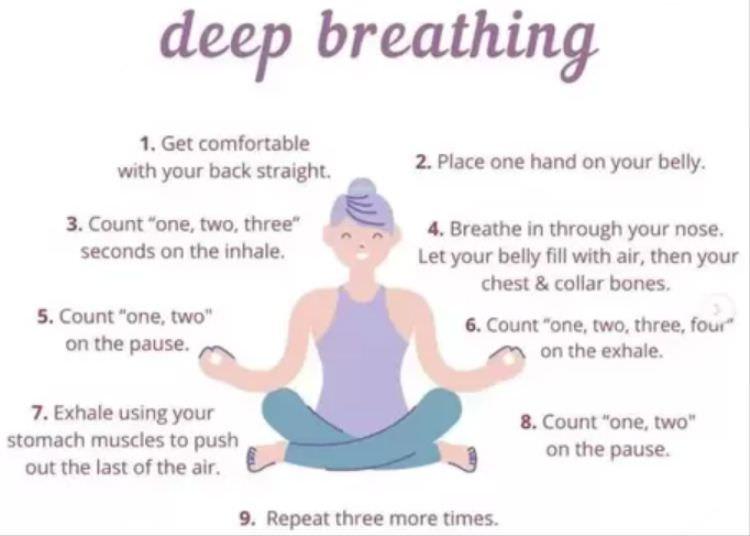
Deep breathing is a simple yet powerful relaxation technique that helps reduce anxiety and promote a sense of tranquility. This exercise can be performed in any quiet space, such as your home or a peaceful outdoor setting. Aim for a duration of 5 to 10 minutes.
1. Find a comfortable seated position, ensuring your back is straight.
2. Close your eyes and take a deep breath in through your nose, counting to four.
3. Hold your breath for a count of four.
4. Exhale slowly through your mouth for a count of four.
5. Repeat this cycle for the duration of the exercise.
Many individuals, like Sarah, a busy marketing executive, have found that incorporating deep breathing into her morning routine helps her start the day with clarity and focus. She reports feeling less overwhelmed and more centered after even just a few minutes of practice.
Progressive Muscle Relaxation
Progressive muscle relaxation (PMR) is an effective technique that involves tensing and then relaxing different muscle groups in the body. This practice can be done in a quiet area, perhaps before bedtime, for about 15 to 20 minutes.
1. Begin in a comfortable position, either sitting or lying down.
2. Start with your toes, tensing them for five seconds before releasing.
3. Gradually work your way up through each muscle group: calves, thighs, abdomen, arms, and face.
4. Focus on the contrast between tension and relaxation.
5. Finish with a few deep breaths to enhance the relaxation effect.
Jake, a college student, shares that practicing PMR before exams helps him manage stress and improves his performance. He finds that the physical release of tension translates into mental clarity.
Mindful Walking
Mindful walking is an excellent way to combine physical activity with relaxation. This can be done in any natural setting, such as a park or even your neighborhood, and should last around 10 to 20 minutes.
1. Begin by standing still and taking a few deep breaths to center yourself.
2. As you start walking, focus on the sensation of your feet touching the ground.
3. Pay attention to the rhythm of your breath, synchronizing it with your steps.
4. Notice the sights, sounds, and smells around you, staying present in the moment.
5. If your mind wanders, gently redirect your focus back to your breath and surroundings.
Emily, a high school teacher, incorporates mindful walking into her lunch break. She reports feeling refreshed and more productive for the remainder of her day after taking just a short, mindful stroll.
“Relaxation techniques like deep breathing, progressive muscle relaxation, and mindful walking have transformed my daily life, allowing me to navigate stress with ease.” – Personal testimonials
The Role of Mindfulness in Relaxation Techniques
Mindfulness is a mental practice that involves focusing one’s awareness on the present moment while calmly acknowledging and accepting one’s feelings, thoughts, and bodily sensations. This technique has gained popularity as an effective method to enhance relaxation. By fostering a non-judgmental awareness of the present, mindfulness can significantly elevate the effectiveness of various relaxation methods, allowing individuals to achieve a deeper sense of calm and tranquility.
The relationship between mindfulness and relaxation techniques lies in the ability of mindfulness to cultivate a state of awareness that promotes relaxation. When practicing mindfulness, individuals learn to observe their thoughts without getting caught up in them, which can help reduce anxiety and stress. This observation can be particularly beneficial when employed alongside traditional relaxation techniques such as deep breathing, progressive muscle relaxation, or guided imagery. By integrating mindfulness into these practices, individuals can enhance their ability to manage stress and promote a more profound state of relaxation. For instance, during deep breathing exercises, mindfulness encourages practitioners to focus on the sensations of their breath, anchoring them in the present and minimizing distractions that may arise.
Mindfulness Practices Enhancing Relaxation Methods
Incorporating mindfulness into relaxation techniques can lead to a multitude of benefits. Below are important aspects that highlight how mindfulness enhances relaxation practices:
– Increased Awareness: Mindfulness cultivates an enhanced awareness of both mental and physical states, enabling individuals to recognize stressors and respond more effectively.
– Heightened Focus: By training the mind to concentrate on the present moment, mindfulness reduces the tendency to ruminate on past events or worry about the future, which are common barriers to relaxation.
– Emotional Regulation: Mindfulness fosters a non-reactive approach to thoughts and feelings, helping individuals to manage emotional responses and achieve a calmer state.
– Better Stress Management: Regular mindfulness practice has been shown to reduce stress levels, making it easier for individuals to relax and unwind.
– Improved Sleep Quality: Mindfulness can lead to better sleep by reducing racing thoughts and promoting a state of calm, which is essential for relaxation.
In essence, these aspects demonstrate that mindfulness not only complements relaxation techniques but also amplifies their effects, leading to a more profound and lasting impact on overall well-being.
To illustrate the practical application of mindfulness alongside traditional relaxation techniques, a simple mindfulness exercise can be beneficial. This exercise can be done in conjunction with deep breathing:
1. Find a Comfortable Position: Sit or lie down in a quiet place where you won’t be disturbed.
2. Close Your Eyes: Gently close your eyes and take a deep breath in through your nose, allowing your abdomen to rise.
3. Focus on Your Breath: As you exhale slowly through your mouth, focus your attention on the sensation of your breath entering and leaving your body. If your mind starts to wander, gently bring your attention back to your breath.
4. Body Scan: After a few minutes of deep breathing, conduct a body scan. Starting from the top of your head, mentally note any sensations, areas of tension, or discomfort. Allow yourself to acknowledge these feelings without judgment.
5. Visualize Relaxation: Imagine a warm light spreading from the top of your head down to your toes, bringing relaxation to each part of your body as it goes.
6. Remain Present: Stay in this state of mindfulness for as long as you feel comfortable, then gradually bring your awareness back to your surroundings.
This exercise not only promotes relaxation but also integrates mindfulness, enhancing the overall experience and effectiveness of relaxation techniques.
Overcoming Barriers to Relaxation
Many individuals find it challenging to incorporate relaxation techniques into their daily lives due to various obstacles. Recognizing these barriers is the first step toward overcoming them and achieving a more relaxed state of being. Factors such as a busy schedule, distracting environments, and negative self-talk can hinder one’s ability to practice relaxation effectively. By identifying these barriers, individuals can develop strategies to minimize their impact and enhance their relaxation experience.
Common barriers to relaxation often stem from external and internal factors. External factors include a noisy environment, lack of privacy, or a cluttered space, which can disrupt the mind’s ability to unwind. Internal factors may involve stress, racing thoughts, or time constraints that create a mental block against relaxation. Addressing these barriers requires a multifaceted approach:
Strategies for Overcoming Barriers to Relaxation
Creating an effective relaxation routine involves recognizing these common challenges and implementing strategies to address them. Here are some useful tips:
- Set a Dedicated Time: Schedule specific times for relaxation in your day, treating it as a non-negotiable appointment. This can help establish a consistent routine and ensure that relaxation doesn’t take a backseat to other responsibilities.
- Create a Calm Environment: Designate a quiet, clutter-free space for relaxation. This area should be comfortable and inviting, potentially featuring soft lighting, calming scents, and minimal distractions.
- Limit Distractions: Turn off electronic devices or use apps that limit notifications during your relaxation time. This allows you to fully immerse yourself in the techniques without interruptions.
- Practice Mindfulness: Engage in mindfulness practices to help quiet the mind. Techniques such as deep breathing, meditation, or progressive muscle relaxation can help center your thoughts and promote tranquility.
- Challenge Negative Self-Talk: Counter any negative thoughts that may arise during relaxation attempts. Remind yourself that it’s okay to take time for self-care and that relaxation is a vital part of maintaining mental health.
Creating a supportive environment is crucial for relaxation. Surround yourself with positivity and remove elements that induce stress.
To further enhance relaxation experiences, fostering a supportive environment is key. This involves not only the physical space but also the emotional atmosphere created by the people around you. Engage with individuals who understand and respect your need for relaxation. Encourage family members or roommates to participate in quiet activities alongside you, creating a shared atmosphere of calm. Additionally, consider soft music or nature sounds to further drown out distractions and enrich the relaxation experience. By establishing both a conducive environment and a supportive network, the journey toward effective relaxation becomes significantly easier and more enjoyable.
Incorporating Technology into Relaxation Practices
Modern technology has opened up new avenues for enhancing relaxation techniques, making it easier for individuals to integrate these practices into their daily lives. The convenience and accessibility offered by various digital tools can help reduce stress and promote a greater sense of calm. By utilizing technology, individuals can tailor their relaxation experiences to their specific needs and preferences.
One of the most significant advantages of technology in relaxation practices is the availability of applications and devices designed specifically for this purpose. These tools often offer a range of features, including guided meditations, soothing soundscapes, and biofeedback mechanisms, which can enhance the effectiveness of traditional relaxation techniques. Below are three notable examples of how technology can aid in achieving a relaxed state.
Examples of Technology in Relaxation Practices
The following applications and devices demonstrate how technology can support relaxation efforts:
- Headspace: This app provides users with guided meditations and mindfulness exercises tailored to different needs, such as stress relief or sleep improvement. Users appreciate its user-friendly interface and structured programs, making meditation accessible for beginners and experienced practitioners alike.
- Calm: Calm offers a variety of features, including sleep stories, breathing exercises, and ambient sounds. Its extensive library targets various aspects of relaxation and mental well-being, appealing to a broad audience looking to manage stress effectively.
- Muse Headband: This innovative device uses EEG technology to provide real-time feedback on brain activity during meditation sessions. Users report that the immediate insights help them stay focused and deepen their practice, leading to more effective relaxation outcomes.
The effectiveness of these technologies varies based on user experiences and research findings. Studies indicate that guided meditation apps like Headspace and Calm significantly reduce stress levels and improve sleep quality. Users have reported achieving a greater sense of calm and mindfulness through consistent use of these applications.
On the other hand, devices like the Muse Headband have shown promise in enhancing meditation practices by giving users tangible feedback. Research suggests that individuals using Muse can enhance their meditation depth and awareness, which may lead to a more profound relaxation experience.
Effectiveness of technology in relaxation is often enhanced by user engagement and consistency in practice.
As technology continues to evolve, its role in relaxation practices will likely expand, providing even more personalized and efficient ways to manage stress and promote overall well-being.
The Long-term Effects of Regular Relaxation
Regularly practicing relaxation techniques can lead to remarkable long-term benefits for both psychological and physical health. As our lives become increasingly hectic, incorporating relaxation into our daily routines can be a game-changer. Over time, these techniques not only help in managing stress but also foster a healthier lifestyle that promotes overall well-being.
Long-term engagement in relaxation practices has been shown to yield substantial psychological benefits. Research indicates that individuals who regularly participate in activities such as meditation, yoga, or deep breathing exercises report lower levels of anxiety and depression. According to a study published in the journal *Psychosomatic Medicine*, individuals who engaged in mindfulness meditation for eight weeks exhibited an increase in positive mood states and a decrease in psychological stress. Furthermore, consistent relaxation can lead to improved cognitive function, enhancing memory retention and focus, as noted in findings from the *Journal of Cognitive Enhancement*.
On the physical health front, the benefits are equally compelling. Regular relaxation techniques can reduce the risk of stress-related ailments. A study conducted by the American Heart Association found that individuals who practice relaxation techniques, such as progressive muscle relaxation, show a significant reduction in blood pressure levels, which contributes to better cardiovascular health. Moreover, sustained relaxation practices can boost the immune system, improving overall bodily functions and resistance to illnesses. For instance, research from the University of California suggests that individuals practicing yoga regularly may experience a 20% increase in immune function compared to those who do not.
The evidence supporting these benefits is robust and compelling, illustrating the profound impact that a consistent relaxation routine can have on life quality over the long term. Here are several effective recommendations for maintaining a regular relaxation practice:
To maximize the benefits of relaxation, consider incorporating these strategies into your routine:
- Schedule consistent relaxation time: Set aside specific times in your week dedicated to relaxation practices to establish a routine.
- Explore different techniques: Experiment with various relaxation methods such as meditation, deep breathing, progressive muscle relaxation, or tai chi to find what resonates best with you.
- Join a group or class: Engaging with others can enhance motivation and provide support, making it easier to stay committed to your relaxation practice.
- Create a calming environment: Designate a quiet space in your home where you can practice relaxation techniques without distractions.
- Track your progress: Keep a journal of your experiences and how relaxation practices affect your mood and health, helping to reinforce the benefits.
- Use guided resources: Leverage apps, videos, or podcasts that provide guided relaxation sessions to enhance your practice.
- Stay flexible: Adapt your relaxation techniques as needed to fit your evolving lifestyle and ensure they remain enjoyable and beneficial.
Incorporating relaxation into your daily life not only reduces stress but enhances your overall health and well-being. The long-term effects are invaluable, making relaxation techniques an essential aspect of a healthy lifestyle.
Last Point
In conclusion, embracing relaxation techniques is not merely a choice but a necessity for enhancing our quality of life. By understanding the benefits and incorporating these practices into our daily routines, we can significantly improve our mental health and overall well-being. Let’s take charge of our stress and make relaxation a priority, paving the way for a healthier, happier future.
FAQ Explained
What are relaxation techniques?
Relaxation techniques are practices designed to reduce stress and promote a state of calm, involving methods like deep breathing, meditation, and progressive muscle relaxation.
How often should I practice relaxation techniques?
For best results, it’s recommended to practice relaxation techniques daily or several times a week, depending on personal needs and schedules.
Can relaxation techniques help with sleep issues?
Yes, relaxation techniques can significantly improve sleep quality by calming the mind and body, making it easier to fall and stay asleep.
Do I need special equipment to practice relaxation techniques?
No special equipment is required; most relaxation techniques can be practiced anywhere with just a quiet space and your body.
Can children benefit from relaxation techniques?
Absolutely! Children can benefit greatly from relaxation techniques, helping them manage stress and improve focus and emotional regulation.