
 Caroline Sarah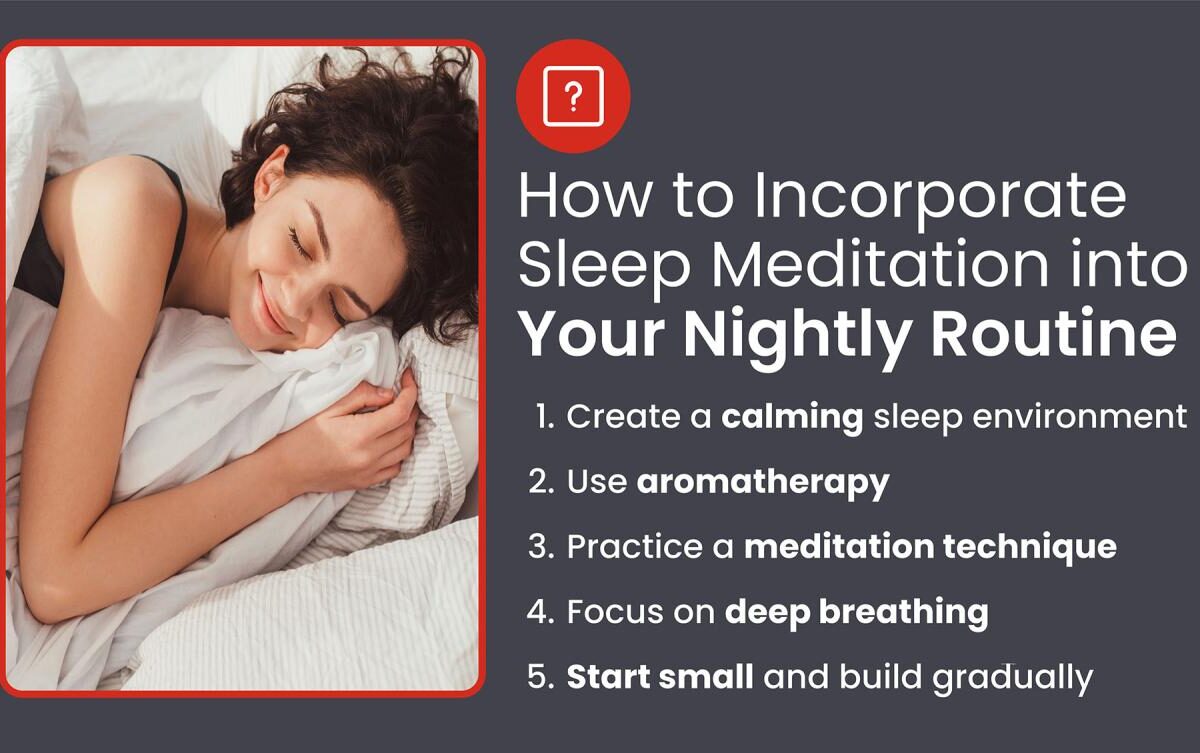
Sleep meditation is an inviting practice that not only promotes sound sleep but also enhances overall well-being. By blending relaxation techniques with mindfulness, it helps individuals unwind and prepare their minds for restorative slumber. This practice has deep roots in diverse cultures, evolving through time and adapting to modern lifestyles.
As we delve deeper, we will explore the science behind sleep meditation, highlighting its physical and mental health benefits. Whether you’re a beginner or have some experience, you’ll find techniques and strategies to incorporate this practice seamlessly into your daily routine.
Understanding the Concept of Sleep Meditation

Sleep meditation is a specialized practice designed to promote relaxation and facilitate a smoother transition into sleep. At its core, sleep meditation combines elements of mindfulness, breathing techniques, and visualization to help calm the mind and body, thus enhancing the overall quality of sleep. This practice encourages an awareness of one’s thoughts and feelings in a non-judgmental manner, allowing individuals to let go of the day’s stressors and embrace a state of tranquility. The goal is to create an optimal mental state that prepares the individual for restful sleep, making it easier to drift off and stay asleep.
Historically, sleep meditation can be traced back to ancient practices rooted in various spiritual and healing traditions. For instance, in Buddhism, meditation serves as a pathway to enlightenment and inner peace, emphasizing mindfulness as a key component. Over centuries, these practices have evolved and branched out into different cultures, integrating local beliefs and techniques. The adaptation of meditation to promote better sleep has gained traction in modern wellness movements, making it accessible to a broader audience looking to enhance their sleep quality.
Historical Origins and Cultural Practices
Various cultures throughout history have embraced meditation practices aimed at improving sleep quality, employing unique methods and philosophies. Here are some notable examples:
- Buddhism: In Buddhist tradition, meditation is central to spiritual practice. Techniques such as focused breathing and body scan help practitioners cultivate mindfulness, easing the mind into a restful state.
- Yoga: Originating in ancient India, yoga combines physical postures, breath control, and meditation. Specific practices like Yoga Nidra, or yogic sleep, guide individuals through deep relaxation, promoting restorative sleep.
- Native American Traditions: Many Native American tribes incorporate meditation and visualization into their rituals. Techniques involve guided imagery and connection with nature, fostering a serene mindset conducive to sleep.
- Chinese Medicine: Traditional Chinese Medicine advocates for balance and harmony within the body. Practices such as Qigong involve gentle movements and meditation that can help alleviate insomnia by reducing stress and promoting qi flow.
- Western Adaptations: In contemporary times, sleep meditation has been popularized in the West through mindfulness practices and apps that facilitate guided meditations specifically designed for improving sleep.
These cultural approaches highlight the diverse methods individuals can utilize to enhance their sleep through meditation. Each practice brings its unique flavor, allowing people to find the method that resonates best with them.
The Science Behind Sleep Meditation and Its Benefits
Sleep meditation has gained recognition as an effective technique for enhancing sleep quality and promoting overall well-being. This practice combines mindfulness and relaxation techniques, allowing individuals to enter a state of restful awareness that can significantly impact both the body and mind. Understanding the physiological processes that occur during sleep meditation sheds light on its numerous benefits, making it a valuable tool for those struggling with sleep-related issues.
During sleep meditation, the body undergoes various physiological changes that promote deep relaxation and restorative sleep. Research has shown that meditation activates the parasympathetic nervous system, which counteracts the stress response and leads to a decrease in heart rate and blood pressure. The brain also exhibits altered activity patterns, notably an increase in alpha and theta brainwave activity. These low-frequency waves are associated with deep relaxation and the early stages of sleep, facilitating a smooth transition into deeper sleep stages. A study published in the journal *Psychosomatic Medicine* found that individuals who practiced mindfulness meditation experienced improved sleep quality and reduced insomnia symptoms, highlighting the direct impact of these techniques on sleep architecture.
Mental Health Benefits of Sleep Meditation
Regular sleep meditation not only enhances sleep quality but also offers substantial mental health benefits. Engaging in this practice can lead to significant reductions in anxiety, depression, and stress levels. A systematic review in *JAMA Internal Medicine* indicated that mindfulness meditation programs can result in moderate improvements in anxiety and depression symptoms. Furthermore, participants reported increased emotional resilience and overall life satisfaction.
The benefits extend beyond just psychological well-being; sleep meditation also fosters a sense of self-awareness and emotional regulation. Regular practitioners often find themselves better equipped to manage stressors and respond calmly to challenging situations. This can be particularly advantageous in today’s fast-paced world, where mental health issues are increasingly prevalent.
Statistics reveal the effectiveness of sleep meditation in improving sleep quality. A meta-analysis conducted by the National Institutes of Health found that individuals who practiced meditation experienced a 50% reduction in insomnia symptoms and reported better overall sleep quality. Additionally, a study from the University of Massachusetts found that participants who engaged in sleep meditation reported longer sleep duration, greater sleep efficiency, and fewer awakenings during the night. These findings underscore the importance of incorporating sleep meditation into daily routines as a viable solution for those seeking to improve their sleep and mental health.
Different Techniques Used in Sleep Meditation
Sleep meditation encompasses a variety of techniques that are designed to promote relaxation and facilitate a restful night’s sleep. Each method offers unique benefits and may resonate differently with individuals based on their personal preferences and needs. Here we will explore several popular sleep meditation techniques, their applications, and how beginners can easily incorporate them into their nightly routines.
Comparison of Sleep Meditation Techniques
Understanding the different techniques can assist individuals in selecting the most suitable one for their sleep needs. Below is a comparison of three commonly used sleep meditation methods: guided imagery, progressive muscle relaxation, and mindfulness meditation.
| Technique | Pros | Cons |
|---|---|---|
| Guided Imagery |
|
|
| Progressive Muscle Relaxation |
|
|
| Mindfulness Meditation |
|
|
Steps for Practicing Progressive Muscle Relaxation
Progressive muscle relaxation is an effective technique for beginners, as it involves a simple, step-by-step process to help alleviate tension and promote a sense of calm. Here are the steps to practice this technique effectively:
1. Find a Comfortable Position: Choose a quiet space where you can lie down or sit comfortably without distractions.
2. Close Your Eyes: Gently close your eyes and take a few deep breaths to center yourself.
3. Focus on Each Muscle Group: Starting from your toes, tense the muscles in that area for 5 seconds while inhaling deeply.
4. Release the Tension: Exhale slowly and completely relax the muscles, noticing the difference between tension and relaxation.
5. Move Upward: Gradually work your way up through each muscle group—feet, legs, abdomen, arms, neck, and face—tensing and relaxing each area.
6. Maintain Awareness: Pay attention to your body’s sensations and focus on the feeling of relaxation as you progress.
7. Stay in the Relaxed State: Once you’ve relaxed all muscle groups, take a few moments to enjoy the sensation of relaxation before slowly returning to awareness.
By following these steps, anyone can effectively practice progressive muscle relaxation, gaining benefits that can enhance their sleep quality over time.
Creating an Ideal Environment for Sleep Meditation
Establishing the right environment for sleep meditation is crucial for fostering relaxation and achieving a restful state. The surrounding atmosphere can significantly influence how effectively one can slip into meditation, allowing for deeper introspection and better sleep quality. Let’s dive into the essential elements that contribute to creating an optimal sleep meditation setting.
An ideal sleep meditation environment should be quiet, dark, and comfortable. These elements help to minimize distractions and promote a sense of tranquility. Begin by reducing noise levels; consider using soft background sounds such as white noise or calming nature sounds to mask any disruptive noises. Darkness is another critical component; it signals to your body that it’s time to wind down and prepare for rest. Investing in blackout curtains can enhance the darkening of your space. Comfort is paramount, as well. A supportive mattress or meditation cushion, along with soft bedding, can significantly enhance your relaxation during meditation.
Tips for Eliminating Distractions and Enhancing Comfort
Creating a distraction-free space is integral to a fruitful sleep meditation experience. Here are some practical tips to enhance your comfort and minimize interruptions:
– Declutter the Space: A tidy environment encourages a clear mind. Remove any unnecessary items from your meditation area to create a peaceful atmosphere.
– Limit Technology Use: Avoid electronic devices that emit blue light, which can interfere with melatonin production. If possible, keep phones and screens out of the bedroom.
– Control Temperature: Keep the room at a comfortable temperature. Most people sleep best in a cooler environment, typically between 60 to 67 degrees Fahrenheit (15 to 19 degrees Celsius).
– Use Aromatherapy: Certain scents like lavender or chamomile can induce relaxation. Consider using essential oils or scented candles to enhance your meditation experience.
– Choose Comfortable Clothing: Wear loose, breathable clothing that helps your body relax and feel at ease.
To further assist in preparing your environment for sleep meditation, consider the following checklist:
Sleep Meditation Environment Checklist
Before starting your meditation, ensure you have prepared your space appropriately. Use this checklist to guide you:
- Room is quiet and free from external noise
- Lighting is dim or turned off
- Temperature is set to a comfortable level
- Comfortable bedding or meditation cushion is available
- Cleared space of any clutter or distractions
- Technology devices are turned off or out of reach
- Aromatherapy elements are set up (essential oils, candles)
- Worn comfortable, loose-fitting clothing
By following these guidelines and utilizing the checklist, you can create a serene environment that supports your sleep meditation practice, allowing for a more profound and rejuvenating experience.
Incorporating Sleep Meditation into Daily Routines
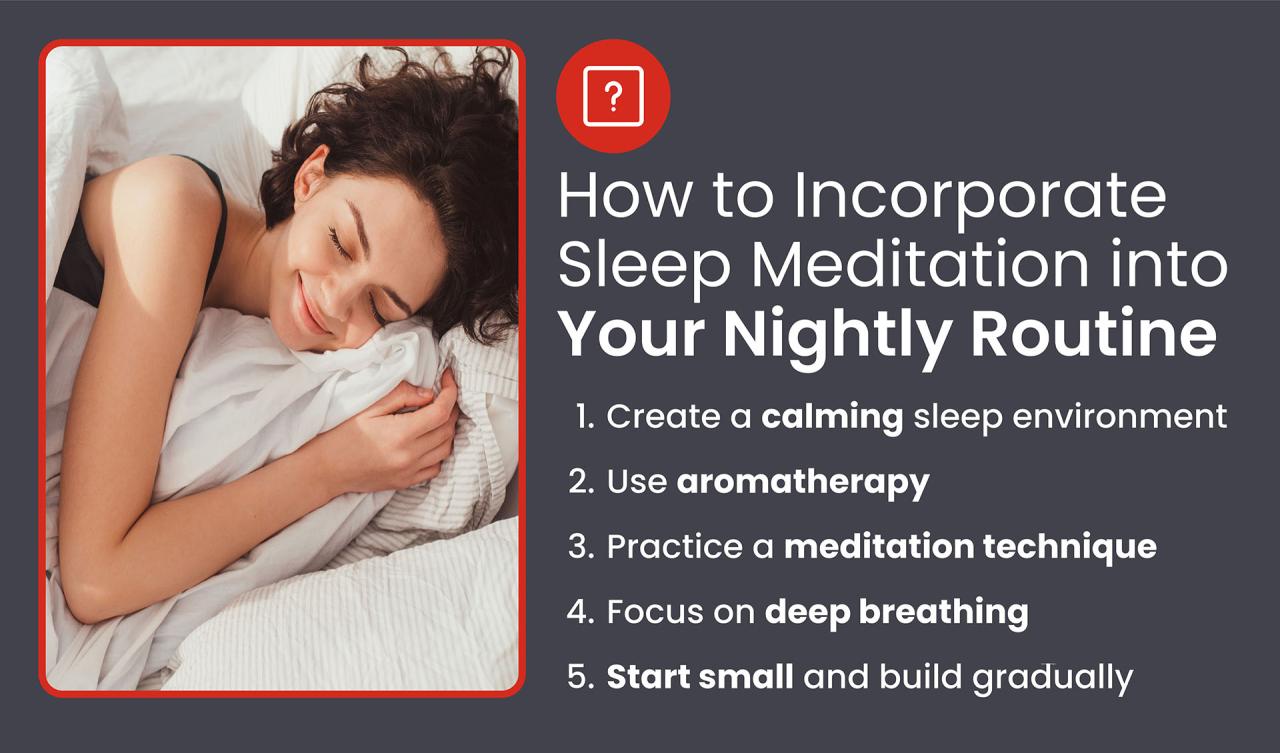
Integrating sleep meditation into a busy lifestyle can seem daunting, but with the right strategies, it can become a seamless part of your daily routine. The key lies in recognizing the importance of consistent practice and finding moments within your day where meditation can fit naturally. This way, you can enjoy the benefits of improved sleep without feeling overwhelmed by time constraints.
Establishing a daily meditation practice requires a thoughtful approach that aligns with your existing schedule. By identifying specific times for meditation, even in short bursts, you can cultivate a habit that enhances your overall well-being. Here are some strategies to help you incorporate sleep meditation into your daily life:
Strategies for Integration
Finding opportunities for meditation throughout the day can enhance its effectiveness. Consider these strategies:
- Morning Mindfulness: Start your day with a brief meditation session, even if it’s just 5 to 10 minutes. This sets a calm tone for the day.
- Scheduled Breaks: Use breaks at work or during your daily routine for short meditation sessions, helping to clear your mind and reduce stress.
- Pre-Bed Routine: Dedicate the last 10 to 15 minutes of your evening routine to sleep meditation. This helps signal your body that it’s time to wind down.
- Combine Activities: Incorporate meditation into other activities, like deep breathing during your commute or mindful stretching before bed.
Creating a sample schedule can illustrate how to effectively balance sleep meditation with other daily responsibilities. Here’s a simple daily Artikel:
| Time | Activity |
|---|---|
| 6:00 AM – 6:10 AM | Morning meditation (5-10 minutes) |
| 12:30 PM – 12:35 PM | Midday break meditation (5 minutes) |
| 8:30 PM – 8:45 PM | Evening activities (dinner, family time) |
| 9:00 PM – 9:15 PM | Pre-bed sleep meditation (15 minutes) |
| 10:00 PM | Sleep |
Implementing such a schedule doesn’t require major lifestyle changes but instead encourages mindful integration into existing habits.
“Consistency in sleep meditation is crucial. Regular practice enhances its effectiveness and leads to significant improvements in sleep quality.”
Establishing a consistent meditation practice can contribute to long-term benefits. Studies show that individuals who meditate regularly experience deeper sleep patterns and reduced insomnia symptoms. Over time, the brain adapts to these relaxation techniques, making it easier to enter a state of calmness when needed. This consistency not only supports better sleep but also enhances overall mental and emotional well-being, making it an invaluable component of a healthy lifestyle.
Common Challenges Faced During Sleep Meditation
Sleep meditation is a powerful tool for enhancing relaxation and promoting restful sleep, yet many individuals encounter various obstacles while trying to engage in this practice. Understanding these common challenges and how to address them can significantly enhance the effectiveness of sleep meditation sessions. This section will explore typical barriers, including distractions, restlessness, and psychological hurdles, along with practical solutions to overcome them.
Distractions and Restlessness
Distractions and feelings of restlessness can derail the meditation experience, making it challenging to achieve the desired state of relaxation. Various factors can contribute to these distractions, including ambient noise, an uncomfortable environment, or racing thoughts.
To address these challenges, consider the following strategies:
- Creating a peaceful environment: Ensure your meditation space is quiet and comfortable. Use blackout curtains, earplugs, or white noise machines to minimize disturbances.
- Establishing a calming pre-meditation routine: Engage in gentle stretching or deep breathing exercises before meditation to help calm your mind and body.
- Utilizing guided meditations: Listening to calming music or guided meditation recordings can help focus your mind and reduce the urge to fidget.
- Practicing mindfulness: When distractions arise, gently acknowledge the thoughts and redirect your focus back to your breath or mantra without judgment.
Psychological Barriers
Psychological barriers can significantly impact your ability to meditate effectively. These may include anxiety about the meditation process, fear of not achieving results, or self-criticism for perceived failures during practice. Recognizing and addressing these barriers is crucial for fostering a positive meditation experience.
To overcome psychological hurdles, consider implementing these techniques:
- Setting realistic expectations: Understand that sleep meditation is a skill that requires practice. Allow yourself to experience it without the pressure of immediate results.
- Embracing self-compassion: Treat yourself with kindness and patience throughout the meditation process. Acknowledge that it’s normal to have wandering thoughts and that they can be gently redirected.
- Journaling your thoughts: After each meditation session, take a moment to jot down your feelings and experiences. This can help identify patterns in your distractions and provide insight into your meditation journey.
- Seeking support: Joining a meditation group or seeking guidance from a meditation teacher can provide encouragement and tips for overcoming psychological barriers.
Personal Experiences and Testimonials about Sleep Meditation
Sleep meditation has become a vital practice for many individuals seeking better sleep and overall well-being. Through various techniques that promote relaxation and mindfulness, practitioners have shared their journeys of transformation, highlighting the profound impact sleep meditation has had on their lives. Their stories reveal not only the benefits but also the diversity of experiences, showcasing how this practice can cater to different needs and backgrounds.
Many individuals have reported significant changes in their sleep patterns and mental health after incorporating sleep meditation into their nightly routine. The practice has been linked to an array of positive outcomes, ranging from reduced anxiety to improved focus during the day. The transformative experiences shared by practitioners illustrate that while the benefits can vary, the underlying theme is a profound sense of peace and better sleep quality.
Real-life Testimonials of Improved Sleep
Several personal accounts emphasize the effectiveness of sleep meditation in addressing sleep-related issues. These stories highlight the common challenges faced by many and the solutions they found through meditation.
-
“After years of struggling with insomnia, I discovered sleep meditation. The guided sessions helped me to unwind and drift off easily. It’s like a warm hug for my mind.” – Sarah, 32
-
“I used to wake up multiple times during the night, feeling restless. Since starting sleep meditation, I sleep deeply through the night and wake up refreshed.” – Mike, 45
-
“Meditation has transformed my evenings. I now set aside time to meditate before bed, and it has completely changed my relationship with sleep.” – Jessica, 28
The above testimonials illustrate the personal transformations experienced by practitioners. These narratives showcase how consistent practice leads to improved sleep quality, which in turn enhances overall mental and physical health.
Key Factors for Successful Sleep Meditation
Personal stories reveal several key factors that contribute to the successful practice of sleep meditation. Understanding these elements can aid new practitioners in maximizing their meditation experience.
- Consistency: Many individuals emphasize the importance of making sleep meditation a regular part of their nightly routine. This consistency helps in conditioning the mind and body to associate meditation with sleep.
- Environment: A calming space conducive to meditation is vital. Practitioners often mention creating a serene atmosphere with dim lighting and comfortable bedding, which enhances the overall experience.
- Guided Meditations: Numerous testimonials highlight the use of guided sessions, which provide structure and help to maintain focus during meditation. This approach often leads to deeper relaxation.
- Mindfulness: Emphasizing mindfulness during the practice allows individuals to be present in the moment, reducing distractions and promoting relaxation.
These key factors, as shared by successful practitioners, underline the significance of creating a conducive environment and consistently practicing meditation for achieving better sleep and holistic wellness. The diversity of experiences in sleep meditation showcases its potential to cater to individual needs, making it a valuable tool for anyone seeking a restful night’s sleep.
Ultimate Conclusion
In summary, sleep meditation offers a holistic approach to improving sleep quality and mental health. By understanding its principles, benefits, and techniques, you can cultivate a practice that transforms your nights and enhances your days. Embracing sleep meditation not only paves the way for restful nights but also enriches your overall quality of life.
Top FAQs
What is sleep meditation?
Sleep meditation is a practice that combines mindfulness and relaxation techniques to promote better sleep quality.
Can sleep meditation help with insomnia?
Yes, many individuals find that sleep meditation can alleviate symptoms of insomnia by reducing anxiety and promoting relaxation.
How long should I meditate before sleeping?
Typically, a 10 to 30-minute session is effective, allowing you to unwind before bedtime.
Do I need any special equipment for sleep meditation?
No special equipment is necessary; a quiet space and a comfortable position are all you need.
Is it normal for my mind to wander during sleep meditation?
Yes, it’s common for thoughts to drift; the key is to gently bring your focus back to your breath or the meditation guide.
Can sleep meditation be practiced by anyone?
Absolutely! Sleep meditation is accessible to people of all ages and backgrounds.