
 Caroline Sarah
Evening routine sets the stage for a tranquil end to your day, helping you unwind as you transition from the hustle and bustle of daily life to a restful night. Establishing a consistent evening routine is not just about personal preference; it plays a significant role in enhancing mental clarity and physical health. By incorporating specific activities that promote relaxation and mindfulness, you can significantly improve your sleep quality and overall well-being.
A well-crafted evening routine encompasses a variety of elements that contribute to a calming atmosphere, allowing individuals to reflect on their day and prepare for the next. From reading a book to practicing meditation or light stretching, these practices not only help to reduce stress but also foster a sense of connection to both oneself and one’s surroundings. As we delve deeper into the components of an effective evening routine, you’ll discover how to personalize your approach to achieve the best outcomes for your lifestyle.
Understanding the Importance of an Evening Routine
An evening routine serves as a critical component of achieving overall mental and physical well-being. As the day winds down, establishing a structured set of activities can lead to improved relaxation, better sleep quality, and a sense of accomplishment. When individuals take the time to engage in a consistent evening routine, they not only create a transition from the busyness of the day to a calmer night but also cultivate habits that contribute to their health and productivity.
An effective evening routine plays a vital role in enhancing sleep quality. Engaging in calming activities before bed signals the body that it’s time to wind down, promoting a smoother transition into sleep. Research has indicated that people who follow a consistent nightly schedule tend to experience improved sleep patterns, allowing for deeper and more restorative sleep. This link between a structured evening routine and quality sleep can be attributed to the reduced mental clutter and stress that often accompany unstructured evenings.
Common Elements of an Effective Evening Routine
Several key elements are typically found within an effective evening routine, each contributing uniquely to mental and physical readiness for the night ahead. Understanding these components helps individuals tailor their routines to meet personal needs and preferences.
- Unplugging from Technology: Taking a break from screens at least an hour before bed can decrease exposure to blue light, which interferes with melatonin production, thereby promoting better sleep.
- Relaxation Techniques: Incorporating practices such as reading, meditation, or gentle yoga calms the mind and body, easing the transition to sleep.
- Creating a Sleep-Inducing Environment: Ensuring that the bedroom is conducive to sleep—dark, cool, and quiet—can enhance the quality of sleep, making it easier to fall and stay asleep.
- Establishing a Consistent Sleep Schedule: Going to bed and waking up at the same time each day helps regulate the body’s internal clock, leading to more consistent sleep patterns.
- Journaling or Reflection: Spending a few moments writing down thoughts or reflecting on the day can clear mental clutter, allowing for a peaceful mind before sleep.
Incorporating these elements into an evening routine not only fosters a sense of calm but also heightens overall mental clarity and emotional stability. Each component plays an essential role in preparing the mind and body for a restorative night’s sleep, ultimately enhancing the quality of life for individuals committed to their well-being.
Key Components of a Successful Evening Routine
Creating a successful evening routine can significantly enhance your overall well-being and prepare you for a restful night’s sleep. By incorporating essential activities into your evening, you set the stage for relaxation and mental clarity. The right evening routine can help transition your mind from the hustle of the day to the tranquility of night, ultimately improving your sleep quality and next-day productivity. Let’s delve into some key components that can elevate your evening time.
Essential Activities for an Evening Routine
An effective evening routine should encompass a blend of activities that promote relaxation and rejuvenation. Here are some activities that are commonly included:
1. Reading: Engaging in a good book not only entertains but also helps in unwinding from the day’s stress. It can stimulate your imagination and reduce screen time before bed, which is crucial for better sleep. Choose genres that you enjoy, whether it be fiction, biographies, or self-help literature.
2. Meditation: Meditation is a powerful tool that helps in calming the mind and reducing anxiety. Spending just 10-15 minutes in meditation can help clear your thoughts and promote a sense of peace. It can involve deep breathing exercises, guided imagery, or mindfulness practices that focus on the present moment.
3. Light Stretching: Gentle stretching can relieve muscle tension accumulated throughout the day. Activities such as yoga or simple stretching exercises help increase blood flow, promote relaxation, and prepare your body for sleep. Focus on stretches that target areas where you feel tightness, like the neck, shoulders, and back.
While all three activities serve the purpose of relaxation, they each offer unique benefits. Reading stimulates the mind and can be a wonderful escape, while meditation fosters emotional well-being and mental clarity. On the other hand, light stretching physically prepares the body for rest by alleviating tension. Depending on personal preferences, individuals might find one more beneficial than the others, or they may enjoy a combination of these activities.
To effectively organize your evening routine, consider the following tips:
– Personalize Your Routine: Tailor your evening activities based on what resonates with you. Experiment with different activities to see which ones help you unwind.
– Set a Time Limit: Allocate specific time slots for each activity to avoid spending too much time on one element. This ensures that you maintain balance and can engage in multiple activities.
– Create a Calm Environment: Dim the lights, reduce noise, and create a cozy atmosphere. Whether it’s through scented candles or soft music, make your space conducive to relaxation.
– Limit Screens: Try to minimize screen time at least an hour before bed. This can help improve your sleep quality by reducing exposure to blue light, which disrupts melatonin production.
– Be Consistent: Consistency is key in forming habits. Try to follow your routine at the same time each night to signal to your body that it’s time to wind down.
By thoughtfully incorporating these elements into your evening routine, you can create a personal sanctuary that promotes relaxation and prepares you for a restful night. Each activity, when integrated mindfully, contributes to a holistic approach to wellness.
Crafting a Personalized Evening Routine for Different Lifestyles
Creating an effective evening routine is essential, yet it often requires a personalized approach tailored to individual lifestyles. Busy professionals and stay-at-home parents have distinct demands, which influence how they can structure their evenings. A well-crafted routine not only helps in winding down but also enhances productivity for the next day. Understanding how to customize these routines can significantly improve overall well-being.
Tailoring Routines for Busy Professionals and Stay-at-Home Parents
Busy professionals often juggle high-pressure jobs with personal commitments, making time a precious commodity. For them, an evening routine should focus on relaxation and preparation for the next day. Key elements to consider include:
- Time Management: Allocate specific time slots for winding down. For example, professionals can set aside 30 minutes to review the tasks for the next day, helping to clear their minds and reduce anxiety.
- Wind Down Activities: Engage in activities such as reading or light stretching, which promote relaxation. These activities help transition the mind from work mode to personal time.
- Tech Detox: Establish a no-screen time policy an hour before bed. This helps in reducing blue light exposure, which can interfere with sleep quality.
Stay-at-home parents face a different set of challenges, often balancing childcare with household responsibilities. Here’s how they can design their evening routine:
- Family Engagement: Dedicate time to connect with children through activities like reading bedtime stories. This promotes bonding and establishes a sense of security for kids.
- Self-Care Moments: Carve out short periods for self-care, such as a warm bath or journaling. Even 10-15 minutes can make a significant difference in mental health.
- Planning Ahead: Use the evening to prep for the next day, whether that means laying out clothes or organizing meals. This reduces morning chaos and fosters a smoother start to the day.
Flexibility within an evening routine is crucial. Life can be unpredictable, and daily demands may vary. For instance, if a busy professional has an unexpected late meeting, they might need to adjust their routine to prioritize relaxation and sleep. Similarly, a stay-at-home parent may face a late playdate or family visit, requiring adaptations to their planned activities.
“Adaptability is key; the best evening routines are those that evolve with your circumstances.”
Incorporating family time into an evening routine is vital for both busy professionals and stay-at-home parents. It strengthens family bonds and fosters a supportive home environment. Here are some effective strategies:
- Shared Dinner Time: Make family dinners a priority, where all members can connect and share their day. This not only enhances communication but also builds traditions.
- Group Activities: Designate times for family games or movie nights, which create lasting memories and reinforce togetherness.
- Joint Wind Down: Engage in calming activities together, such as family meditation or storytelling, which can help everyone transition to a restful state.
By understanding the unique challenges each lifestyle presents, evening routines can be tailored effectively, leading to enriched personal lives and strengthened family connections.
The Role of Technology in Shaping Evening Routines
In today’s fast-paced world, technology plays a significant role in shaping our evening routines. With various apps and devices at our disposal, we can streamline and enhance our nightly habits, ultimately promoting relaxation and better sleep. However, the usage of technology before bedtime can have its downsides, making it essential to strike the right balance.
Using technology effectively can greatly enhance evening routines. From smart home devices that set the perfect ambiance to sleep tracking apps that monitor your rest, integrating technology can create a more relaxing environment. For instance, automated lighting systems can gradually dim the lights as bedtime approaches, signaling the brain that it’s time to wind down. Additionally, meditation and mindfulness apps can guide users through calming exercises that help to ease stress and prepare for sleep.
Potential Drawbacks of Technology Use Before Bedtime
While technology can be beneficial, it also poses potential drawbacks that may interfere with a good night’s sleep. The blue light emitted by screens can disrupt the circadian rhythm, making it harder to fall asleep. This light inhibits the production of melatonin, the hormone responsible for signaling sleep. Furthermore, engaging with stimulating content before bed can keep the mind active, making it challenging to relax.
To mitigate these issues, it’s advisable to establish a tech-free period before bedtime. Setting a specific cut-off time for screens, perhaps an hour before sleeping, allows the mind to unwind. Utilizing features such as ‘Night Shift’ on phones or ‘blue light filters’ can also be helpful. Lastly, replacing screen time with book reading or listening to calming music can create a more soothing pre-sleep environment.
To assist in establishing a calming evening routine, here’s a list of recommended apps that can enhance relaxation and promote restful sleep:
- Calm: A meditation and sleep app featuring guided meditations, sleep stories, and relaxing music.
- Pillow: A smart sleep tracking app that analyzes sleep patterns and provides personalized insights.
- Headspace: Offers a variety of mindfulness and meditation exercises designed to reduce stress and promote relaxation.
- F.lux: Adjusts your computer screen’s color temperature according to the time of day to reduce blue light exposure.
- Sleep Cycle: Tracks sleep patterns and wakes you up during your lightest sleep phase for a more refreshed morning.
Integrating these technologies into your routine can help create an atmosphere conducive to relaxation and restful sleep, leading to a more productive and energized tomorrow.
Overcoming Challenges in Maintaining an Evening Routine
Maintaining an evening routine can be incredibly beneficial for mental and physical well-being. However, several people encounter obstacles that hinder their ability to stick to it consistently. Understanding these challenges and finding effective solutions can help in creating a sustainable evening routine that promotes relaxation and prepares one for a productive next day.
Identifying common obstacles can facilitate better planning and adjustments in your routine. Some of the most frequently faced challenges include time constraints, distractions from technology, and fluctuating energy levels. Each of these issues can significantly impact one’s ability to maintain a consistent routine, but there are practical solutions available.
Common Obstacles and Solutions
Understanding the challenges that may disrupt your evening routine is crucial. Here are some common obstacles and their respective solutions:
- Time Constraints: Busy schedules can make it difficult to dedicate time to an evening routine. To combat this, consider prioritizing your activities and setting a specific time for your routine. Allocating at least 30 minutes to unwind and prepare for bed can make a significant difference.
- Distractions from Technology: The allure of screens can be a major distraction during the evening. To minimize this, establish a digital curfew by turning off devices an hour before bedtime. Use this time for more relaxing activities like reading or meditating.
- Fluctuating Energy Levels: Some days may leave you feeling too tired to follow through with your routine. On such occasions, allow yourself flexibility; adapt your routine to include lighter activities like gentle stretching or listening to soothing music.
Staying motivated to maintain an evening routine can be challenging over time. Implementing a few strategies can help keep your enthusiasm alive.
Strategies for Staying Motivated
Motivation can wane as the novelty of a new routine wears off. However, reinforcing your commitment can keep you on track. Here are some effective strategies for sustaining motivation:
- Set Clear Goals: Define what you wish to achieve with your evening routine. Whether it’s improved sleep quality or reduced stress, clear goals can provide direction and purpose.
- Create a Reward System: Treat yourself to small rewards for sticking to your routine. This can be something as simple as enjoying a favorite snack or a relaxing bath after a week of consistency.
- Track Your Progress: Keeping a journal or using an app to log your activities can provide visual motivation. Seeing how far you’ve come can inspire you to keep going.
Lifestyle changes can significantly impact the ability to maintain an established routine. It’s important to recognize how shifts in your life may require you to adjust your evening habits.
Impact of Lifestyle Changes
Changes in lifestyle, such as a new job, moving to a different area, or starting a family, can disrupt existing routines. Adaptability is key in these situations.
- Adjusting to New Schedules: If your work hours change, you may need to reevaluate your evening schedule. Aim to find a new time slot that allows you to maintain your routine without feeling rushed.
- Incorporating New Priorities: With the addition of new responsibilities, such as parenting or caring for a family member, consider modifying your routine to include these elements. For example, involving family in calming activities can create shared relaxation time.
- Creating New Habits: As life evolves, focus on establishing new habits that align with your current circumstances. This may involve finding new hobbies or incorporating different relaxation techniques that fit into your available time.
“Flexibility and adaptation are essential in maintaining an evening routine amid life’s changes.”
The Science Behind Evening Routines and Sleep Quality
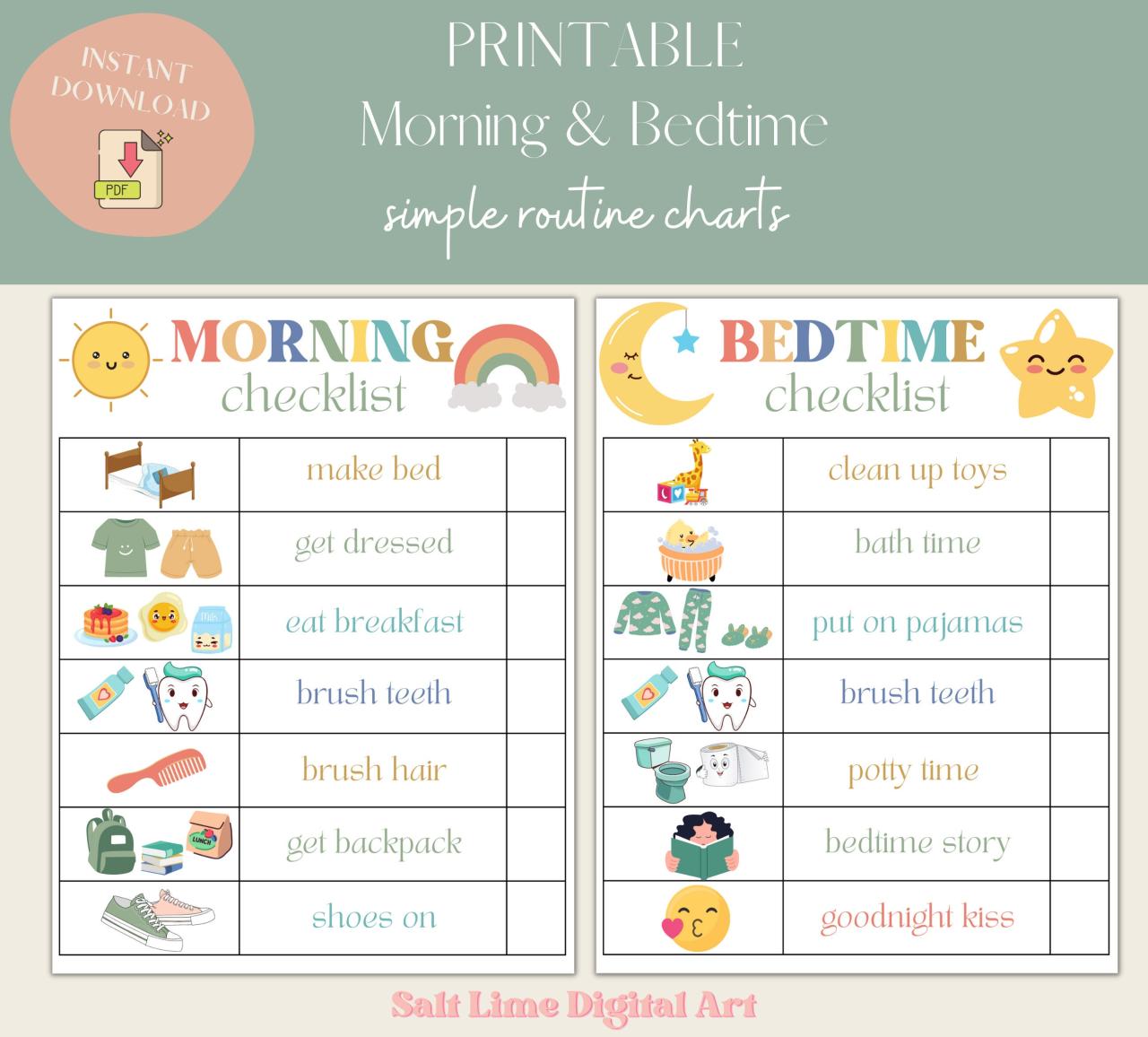
Establishing a consistent evening routine has been linked to improved sleep quality, and scientific research underscores the physiological mechanisms that contribute to this effect. An evening routine often involves a series of activities designed to help the body transition from the post-day hustle to a state of relaxation, promoting better sleep. Numerous studies highlight the correlation between evening habits and sleep architecture, shedding light on how specific actions can enhance overall restfulness.
Certain activities within an evening routine can significantly influence the body’s circadian rhythms, which are biological processes that follow a roughly 24-hour cycle. This internal clock regulates sleep-wake cycles, metabolism, and other bodily functions. For example, exposure to blue light from screens can disrupt melatonin production, delaying the onset of sleep. Conversely, engaging in calming activities such as reading or practicing mindfulness can signal the body to prepare for rest.
Impact of Specific Activities on Sleep Quality
Understanding the specific activities that contribute to enhanced sleep quality is essential in crafting an effective evening routine. Research indicates that certain behaviors can either support or hinder the body’s natural sleep patterns. Here are some key activities and their effects:
- Reading: Engaging in reading a physical book, especially fiction, allows the mind to unwind and detach from daily stressors. This activity reduces cognitive arousal and promotes relaxation, making it easier to fall asleep.
- Mindfulness and Meditation: Practicing mindfulness meditation can lower stress levels and improve emotional regulation. A study published in the journal JAMA Internal Medicine found that mindfulness meditation programs improve sleep quality and reduce insomnia symptoms.
- Limit Screen Time: Reducing exposure to screens at least an hour before bed can enhance melatonin levels. The Harvard Health Publishing points out that blue light exposure in the evening can shift circadian rhythms and delay sleep onset.
- Warm Bath or Shower: Taking a warm bath or shower can increase body temperature temporarily, but as the body cools afterward, it triggers feelings of sleepiness. Research from the journal Sleep Medicine Reviews supports this as an effective sleep aid.
Physical environments also play a critical role in sleep quality. Creating a conducive atmosphere for sleep can involve dimming lights and maintaining a cool, quiet room. Such settings align with the natural sleep-wake cycle and enhance the quality of sleep experienced.
“Consistent evening routines can help regulate circadian rhythms, leading to enhanced sleep architecture.”
In addition to specific activities, personalizing your evening routine based on individual preferences can yield varying impacts on sleep architecture. While some individuals may find a structured routine beneficial, others might thrive with flexibility. It is essential to experiment with different activities to determine what works best for one’s unique sleep needs.
For instance, research indicates that individuals who engage in regular evening exercise may experience improved sleep quality; however, the timing of this exercise is crucial. Engaging in vigorous physical activity too close to bedtime can have the opposite effect, potentially leading to sleep disturbances.
As a whole, the science linking evening routines to sleep quality emphasizes the importance of mindful practices and environmental considerations. By focusing on these elements, individuals can cultivate an evening routine tailored to promote optimal sleep, enhancing overall well-being.
Cultural Variations in Evening Routines Across the Globe
Evening routines vary significantly across cultures, shaped by historical, social, and environmental factors. These rituals not only reflect the lifestyle of different societies but also embody their values and beliefs. From family gatherings to personal reflection, each culture has unique ways of winding down after a busy day, offering insights into their priorities and traditions.
Understanding the cultural context behind evening routines helps clarify why certain practices are favored over others. In many Western cultures, where individualism is prominent, evening activities often focus on personal relaxation and entertainment, such as watching television or reading. In contrast, collectivist societies may emphasize family time, where multiple generations gather to share a meal or engage in conversation. The timing and nature of these routines are often influenced by work hours, climate, and social norms.
Comparative Evening Routines in Different Cultures
The following chart Artikels how evening routines differ across several countries, showcasing key practices and cultural influences. This comparison highlights not only the diversity of evening rituals but also the underlying cultural beliefs that shape them.
| Country | Key Practices | Cultural Influences |
|---|---|---|
| Japan | Relaxing in onsen (hot springs), family dinners, evening tea ceremony | Emphasis on mindfulness and respect for tradition |
| Spain | Late dinners, socializing with friends, enjoying tapas | Culture of community and social interaction |
| India | Family meals, evening prayers, storytelling | Importance of family bonds and spiritual practices |
| USA | Watching TV, online gaming, personal hobbies | Focus on individual leisure and personal space |
| Italy | Long dinners with family, enjoying wine, late-night walks | Appreciation for food and relationships |
| Brazil | Socializing in the streets, enjoying music, family gatherings | Celebration of life and community spirit |
These evening routines illustrate not just the activities themselves but also the beliefs that underpin them. For example, the Japanese practice of enjoying a bath in an onsen reflects a societal value placed on relaxation and rejuvenation, deeply rooted in their appreciation for nature. In Spain, the late dinners are a testament to the country’s strong emphasis on community and social relationships, reflecting the idea that time spent with loved ones is more valuable than adhering to strict schedules.
Another example is India, where evening prayers and family meals symbolize the importance of spirituality and familial connections. The integration of diverse activities within evening routines reveals how cultural beliefs shape our choices. As societies evolve, these routines may also change, reflecting shifts in values and lifestyle preferences while preserving the core elements that define them.
Incorporating Mindfulness and Relaxation Techniques into Evening Routines
Integrating mindfulness and relaxation techniques into your evening routine is essential for winding down and preparing both your body and mind for sleep. As the day comes to a close, creating a serene and peaceful environment not only helps in reducing stress but also enhances overall well-being. Mindfulness practices promote awareness and presence, allowing individuals to let go of the day’s worries, making it easier to transition into restful sleep.
Incorporating these practices can significantly improve sleep quality, enhance emotional regulation, and foster a deep sense of calm. By dedicating time to mindfulness and relaxation, you can effectively prepare your mind for rest, paving the way for a more productive and energized tomorrow.
Mindfulness Practices for Evening Calm
To effectively integrate mindfulness into your evening routine, consider the following practices that encourage a peaceful mindset and relaxation. These techniques can be easily adapted based on personal preferences and schedules, ensuring a smooth transition into the nighttime.
1. Deep Breathing: Take a few minutes to focus on your breath. Inhale deeply through your nose, hold for a moment, and exhale slowly through your mouth. This simple technique helps to lower heart rate and relieve tension.
2. Meditation: Spend 5 to 10 minutes sitting quietly, focusing on your breath or a calming mantra. Visualization techniques, such as imagining a serene landscape, can also enhance relaxation.
3. Progressive Muscle Relaxation: Gradually tense and then relax each muscle group, starting from your toes and working your way up to your head. This practice helps in relieving physical tension accumulated throughout the day.
4. Journaling: Writing down thoughts, feelings, or even a gratitude list can be a powerful way to clear your mind. Reflecting on positive experiences can foster a sense of closure for the day.
5. Gentle Yoga or Stretching: Engaging in light yoga or stretching can release tension in the body and promote relaxation. Focus on gentle movements that encourage deep stretching.
6. Guided Imagery: Listen to a guided imagery audio that takes you through relaxing scenarios. This method helps in detaching from stressors by immersing yourself in calming imagery.
7. Nature Sounds or Soothing Music: Playing soft music or nature sounds can create a tranquil atmosphere conducive to relaxation. Consider using playlists designed for winding down.
By establishing a routine that includes these mindfulness practices, you will create a personal sanctuary that promotes restfulness and prepares you for a good night’s sleep. Each technique can be tailored to fit your lifestyle, making it easier to maintain consistency in your evening routine.
Last Recap

In conclusion, integrating an evening routine into your daily life is a powerful way to enhance your mental and physical well-being while paving the path for a restful night’s sleep. By exploring various activities, navigating the role of technology, and adapting your routine to suit your personal circumstances, you can create a soothing end to your day. Remember, the key is consistency and mindfulness; embracing these practices will ultimately lead to a more fulfilling and enriching lifestyle.
FAQ Overview
What is an evening routine?
An evening routine is a set of activities performed before bedtime that helps to prepare the mind and body for sleep.
How long should an evening routine be?
An effective evening routine can range from 30 minutes to 2 hours, depending on personal preferences and schedules.
Can an evening routine help reduce stress?
Yes, a well-structured evening routine can help lower stress levels by promoting relaxation and mindfulness.
Is it necessary to follow the same routine every night?
While consistency is beneficial, it’s important to remain flexible and adapt your routine based on daily needs and activities.
What are some common activities to include in an evening routine?
Common activities include reading, meditation, journaling, light stretching, and disconnecting from electronic devices.