
 Caroline Sarah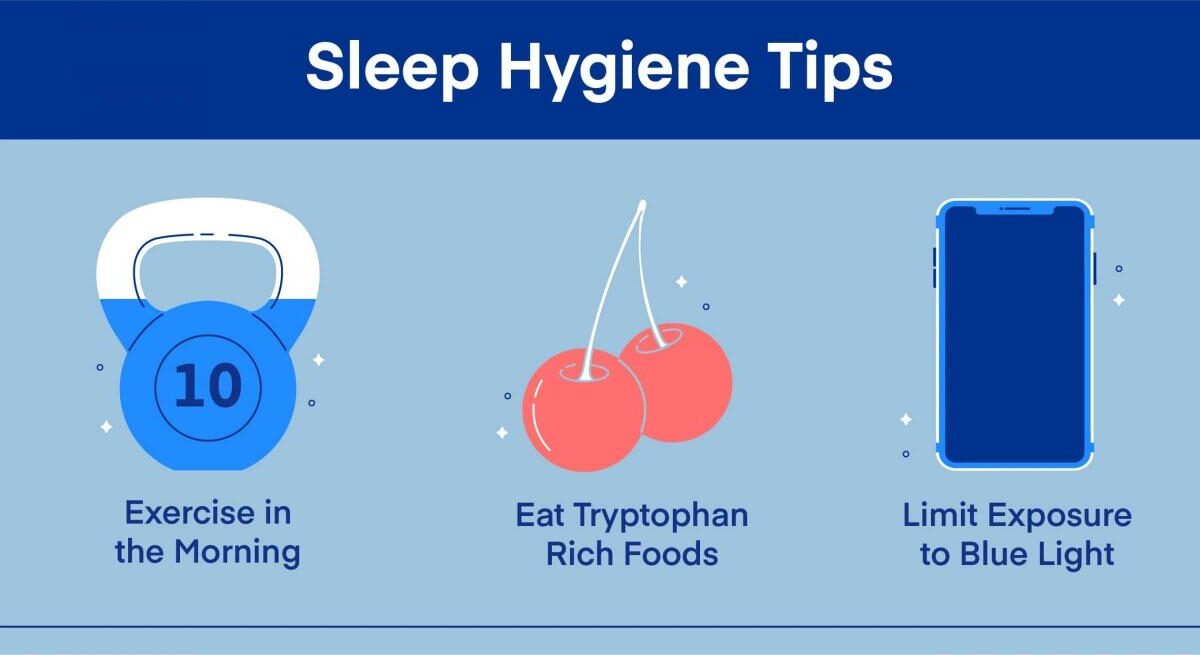
Sleep hygiene habits are crucial for maintaining not just physical health, but also mental clarity and emotional stability. Imagine waking up refreshed and ready to tackle the day, a feeling that many desire but few achieve without understanding the underlying principles of sleep. This overview invites you to explore the key elements that shape our sleep and to unveil some common misconceptions that might be holding you back from a restful night.
Healthy sleep practices can significantly impact your overall well-being, while poor habits can lead to a myriad of health issues, both physical and mental. By delving into effective strategies that optimize sleep quality, we can enhance our daily lives and foster better health. Join us as we uncover essential practices, the influence of diet and exercise, and the role technology plays in our nightly routines.
Understanding the Importance of Sleep Hygiene Habits

Maintaining good sleep hygiene is essential for achieving optimal health and well-being. Sleep hygiene refers to a series of practices that promote continuous, quality sleep and help in creating an ideal sleep environment. With the modern lifestyle constantly pulling us in various directions, prioritizing sleep has never been more crucial. Poor sleep hygiene can lead to a slew of health complications, impacting both physical and mental health.
The significance of sleep hygiene is profound, as it directly influences our overall health. Quality sleep plays a pivotal role in strengthening the immune system, regulating hormones, and maintaining cognitive function. Research has shown that individuals who establish good sleep hygiene habits experience better attention, improved mood, and enhanced cognitive performance. Conversely, poor sleep hygiene can lead to a range of issues, including chronic fatigue, impaired judgment, and increased susceptibility to illnesses. Furthermore, inadequate sleep has been linked to severe mental health conditions such as anxiety and depression, underscoring the necessity of focusing on sleep hygiene.
Common Misconceptions About Sleep Hygiene
There are several misconceptions surrounding sleep hygiene practices that can hinder individuals from achieving restful nights. Many believe that they can catch up on sleep over the weekend, but sleep debt accumulates and can disrupt the body’s natural circadian rhythms. Additionally, some think that alcohol helps them fall asleep when, in fact, it disrupts sleep cycles and decreases sleep quality.
Understanding the realities of sleep hygiene is vital for overcoming these misconceptions:
- Sleep Needs Vary: It’s important to recognize that sleep requirements differ from person to person. While the average adult may need 7-9 hours, some may function well on less or need more.
- Blue Light Exposure: The belief that you can use devices right before bed without consequence is misleading. Blue light emitted from screens interferes with melatonin production, making it difficult to fall asleep.
- Napping Effects: While naps can be beneficial, long or irregular napping can negatively impact nighttime sleep if done too late in the day.
- Sleep Environment Matters: It’s a common misconception that sleep quality is solely about duration. A dark, cool, and quiet environment is equally critical for restorative sleep.
By debunking these misconceptions, individuals can better understand and implement effective sleep hygiene habits, ultimately enhancing their health and well-being.
Essential Practices for Optimizing Sleep Quality
To achieve a restful night’s sleep, incorporating effective sleep hygiene practices is crucial. These habits not only enhance sleep quality but also contribute to overall well-being. By establishing a routine and creating a conducive sleep environment, you can significantly improve your sleep patterns.
Key Habits for Better Sleep
Adopting certain habits can greatly enhance your chances of achieving a quality sleep experience. Here are some essential practices to consider:
- Maintain a consistent sleep schedule by going to bed and waking up at the same time every day, even on weekends. This helps regulate your body’s internal clock.
- Create a bedtime routine that includes relaxing activities, such as reading or taking a warm bath, to signal to your body that it’s time to wind down.
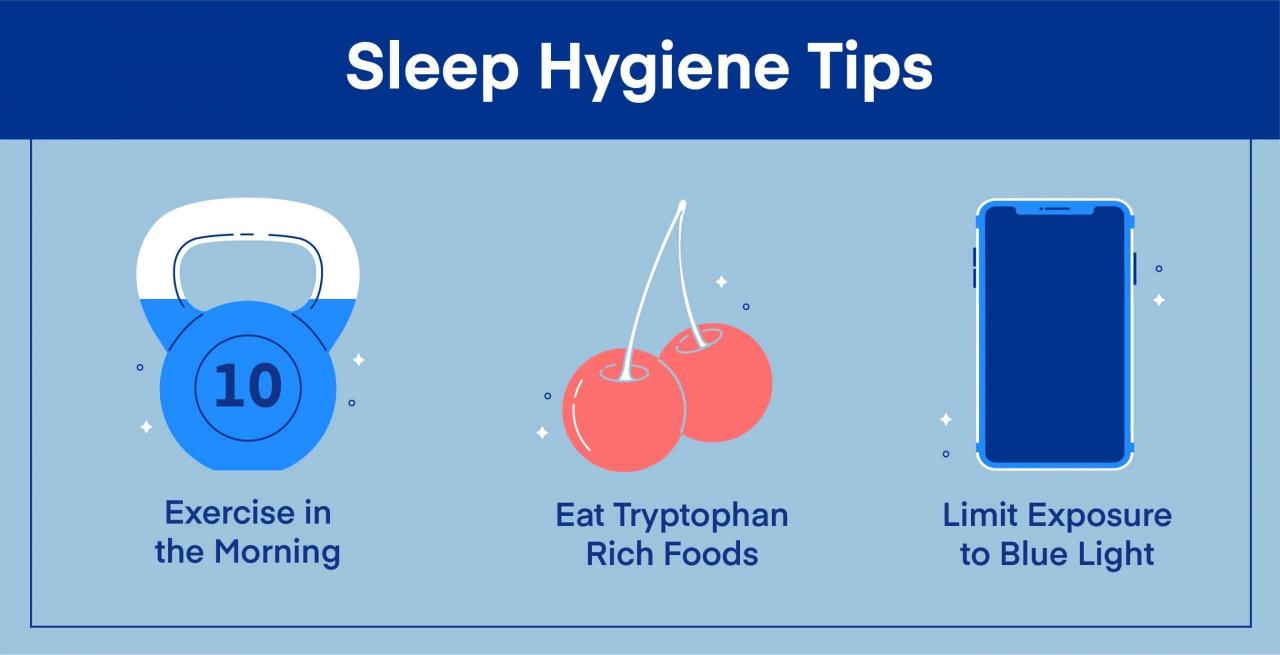
- Limit exposure to screens (phones, tablets, TVs) at least one hour before bedtime, as the blue light emitted can interfere with melatonin production.
- Engage in regular physical activity during the day, as even moderate exercise can promote better sleep, but avoid vigorous workouts close to bedtime.
Sleep Environment Elements
The sleep environment plays a pivotal role in facilitating restful sleep. A well-optimized bedroom can help you fall asleep faster and stay asleep longer. Key elements to consider include:
– Comfortable Mattress and Pillows: Ensure your mattress and pillows provide adequate support and comfort, tailored to your sleeping position (back, side, or stomach).
– Controlled Lighting: Keep the room dark by using blackout curtains or an eye mask; darkness helps signal to your body that it’s time to sleep.
– Temperature Regulation: Aim for a cool room temperature, typically between 60 to 67 degrees Fahrenheit, which can enhance sleep quality.
– Noise Reduction: Use earplugs, white noise machines, or calming sounds to mask disruptive noises that could interrupt sleep.
Creating an environment that encompasses these aspects can significantly enhance your ability to achieve restorative sleep.
Importance of a Consistent Sleep Schedule
Establishing and adhering to a consistent sleep schedule is essential for regulating your sleep cycles. A regular pattern reinforces your body’s natural circadian rhythm, improving your overall sleep quality. This practice has profound impacts on your mental and physical health, as sleep plays a vital role in processes such as memory consolidation, emotional regulation, and immune function.
Consistency in your sleep routine can lead to easier sleep onset, deeper sleep stages, and a more refreshing wake-up experience. Disruptions to your sleep schedule, such as those caused by irregular work hours or excessive weekend sleeping, can lead to sleep debt and decreased cognitive performance. By prioritizing a stable sleep schedule, you empower your body to enhance its natural sleep processes, paving the way for better health and increased productivity.
The Role of Diet and Exercise in Sleep Hygiene
A well-balanced diet and a regular exercise routine play vital roles in fostering better sleep hygiene. The food we consume and our physical activity levels significantly influence our sleep quality, making it essential to understand their impacts. This section delves into how specific dietary choices and exercise habits can either enhance or hinder sleep patterns.
Dietary Choices Influencing Sleep Patterns
Certain foods and beverages can have a profound effect on the quality of sleep. Consuming the right nutrients can promote relaxation and support healthy sleep cycles, whereas others may disrupt them. Here are three dietary choices that can influence sleep patterns:
- Complex Carbohydrates: Foods such as whole grains, oats, and legumes can increase serotonin levels, a neurotransmitter that promotes sleep. Including these in your evening meals can help you fall asleep faster and improve sleep quality.
- Magnesium-Rich Foods: Incorporating foods like leafy greens, nuts, seeds, and bananas can aid in muscle relaxation and reduce insomnia. Magnesium plays a crucial role in regulating sleep hormones, making it an important nutrient for a restful night.
- Lean Protein: Foods like turkey, chicken, and fish are high in tryptophan, an amino acid that the body converts into serotonin and melatonin. Including these proteins in your diet can help prepare your body for sleep.
Effects of Physical Activity on Sleep Quality
Regular physical activity is an essential component of good sleep hygiene. Exercise has been shown to reduce stress, anxiety, and depressive symptoms, all of which can interfere with sleep. Engaging in physical activity increases the amount of time spent in deep sleep, which is the most restorative stage of sleep.
Here are suitable exercises for enhancing sleep quality:
- Aerobic Exercise: Activities like jogging, swimming, or cycling can significantly improve sleep quality when performed regularly. Aim for at least 150 minutes of moderate aerobic activity each week.
- Yoga and Stretching: Practicing yoga or gentle stretching before bedtime can help reduce muscle tension and promote relaxation, making it easier to fall asleep.
- Strength Training: Incorporating moderate strength training into your weekly routine can also support better sleep. Focus on full-body workouts at least twice a week to reap the benefits.
Foods and Beverages to Avoid Before Bedtime
Certain foods and beverages can disrupt sleep and should be avoided in the hours leading up to bedtime. Understanding these can help you make better choices for a restful night.
Key items to steer clear of include:
- Caffeinated Beverages: Drinks like coffee, tea, and energy drinks contain caffeine, a stimulant that can lead to insomnia. It’s best to avoid these after the afternoon.
- Heavy or Spicy Foods: Eating large meals or spicy dishes right before bed can cause discomfort and indigestion, which disrupt sleep. Aim to finish eating at least two to three hours before bedtime.
- Alcohol: While alcohol may initially make you feel sleepy, it can disrupt sleep cycles and reduce sleep quality throughout the night. Limiting alcohol consumption, especially close to bedtime, is recommended.
Technology and Sleep Hygiene
In today’s digital age, the prevalence of technology in our daily lives significantly impacts our sleep quality. One of the primary concerns arises from the blue light emitted by screens, which can disrupt our natural sleep-wake cycles. Understanding these effects and managing our screen time is essential for promoting better sleep hygiene.
Effects of Blue Light on Sleep Quality
Blue light, which is emitted from smartphones, tablets, computers, and televisions, has been shown to interfere with the production of melatonin, the hormone responsible for regulating sleep. Exposure to blue light in the evening can trick the brain into thinking it’s still daytime, leading to difficulties in falling asleep and reduced sleep quality. The concerns extend beyond just falling asleep; long-term exposure has been linked to various sleep disorders.
To mitigate the impact of blue light on sleep, consider implementing the following strategies:
- Use Blue Light Filters: Many devices now offer settings to reduce blue light exposure in the evenings. Activating these filters can help lessen the effects of screens on sleep.
- Avoid Screens Before Bed: Aim to avoid screens for at least an hour before bedtime to allow your brain to prepare for sleep naturally.
- Invest in Blue Light Blocking Glasses: Wearing glasses that filter out blue light can be beneficial, especially if screen use in the evening is unavoidable.
Creating a Technology-Free Bedtime Routine
Establishing a technology-free bedtime routine is crucial for signaling to your body that it’s time to wind down. The following activities can be seamlessly integrated into your nightly routine to promote relaxation without the interference of screens:
- Reading a Physical Book: Engaging with a book can help divert your mind from daily stresses and ease you into sleep without the stimulation of screens.
- Meditation or Deep Breathing: Practices such as meditation or deep breathing can calm the mind, reduce anxiety, and promote a restful state before bed.
- Gentle Stretching or Yoga: Light physical activity, such as gentle stretching or yoga, can relax your body and prepare you for a restful night’s sleep.
Insights on Sleep Tracking Apps and Devices
Sleep tracking apps and devices have risen in popularity as tools to help individuals monitor and improve their sleep patterns. These technologies can offer valuable insights, such as sleep duration, sleep cycles, and disturbances throughout the night. Utilizing a sleep tracker can help you identify trends and make adjustments to your bedtime routine for better rest.
However, while sleep tracking can be beneficial, it also comes with limitations. For instance, many apps may not provide completely accurate data due to variances in how sleep is measured, potentially leading to misinterpretations of one’s sleep quality. Additionally, some users might become overly concerned with the data, which could paradoxically cause anxiety about sleep—counteracting the benefits these devices are designed to provide.
Incorporating technology mindfully into your sleep hygiene practices can enhance your overall well-being, providing you with the tools needed to foster better sleep habits while remaining aware of technology’s potential impacts.
Psychological Factors Influencing Sleep Hygiene
Sleep hygiene is not solely about physical practices; psychological factors play a crucial role in determining sleep quality. Understanding these aspects can help in developing effective strategies to enhance sleep hygiene. Stress management, mindfulness, and addressing mental health issues such as anxiety and depression are vital components that can significantly influence sleep patterns.
Connection Between Stress Management Techniques and Improved Sleep Quality
Stress is a major contributor to sleep disturbances. Effective stress management techniques can lead to improved sleep quality by promoting relaxation and reducing the physiological responses associated with stress. Here are some practical methods to manage stress for better sleep:
- Deep Breathing Exercises: Practicing deep breathing can calm the mind and reduce heart rate.
- Progressive Muscle Relaxation: This method involves tensing and then relaxing each muscle group, helping to alleviate tension.
- Time Management Strategies: Organizing tasks and setting priorities can help prevent feelings of being overwhelmed.
- Physical Activity: Regular exercise is a great way to manage stress and improve sleep quality.
- Journaling: Writing down thoughts can help clear the mind and reduce anxiety before bedtime.
Mindfulness and Relaxation Exercises Enhance Sleep Hygiene Practices
Mindfulness and relaxation exercises are effective tools for improving sleep hygiene. These practices not only promote relaxation but also foster a sense of awareness that can help individuals detach from daily stressors. Incorporating the following techniques can enhance sleep hygiene:
- Guided Imagery: This involves visualizing peaceful scenes to distract from racing thoughts and induce calmness.
- Meditation: Regular meditation can lead to reduced anxiety levels and improved overall sleep quality.
- Yoga: Yoga combines physical postures with breath control and meditation, which can significantly reduce stress and enhance sleep.
- Sound Therapy: Listening to calming music or nature sounds can create a conducive atmosphere for relaxation and sleep.
- Mindful Breathing: Focusing on the breath can serve as a powerful way to stay present and ease the mind into a relaxed state.
Effects of Anxiety and Depression on Sleep and Coping Strategies
Anxiety and depression are known to wreak havoc on sleep patterns. Individuals suffering from these conditions often experience difficulties falling asleep or staying asleep. Implementing coping strategies can be essential in mitigating these effects. The following strategies can support those dealing with anxiety and depression:
- Cognitive Behavioral Therapy (CBT): CBT specifically tailored for insomnia can help reframe negative thought patterns related to sleep.
- Sleep Hygiene Education: Understanding the principles of sleep hygiene can empower individuals to create healthier sleep environments.
- Medication Management: Consulting a healthcare provider about appropriate medication can help manage symptoms effectively.
- Support Groups: Engaging in support groups can provide emotional relief and shared experiences that promote coping.
- Routine Establishment: Establishing a consistent sleep schedule can help regulate the body’s internal clock.
“Addressing psychological factors is as important as physical practices in promoting healthy sleep hygiene.”
Sleep Hygiene for Different Age Groups
Sleep hygiene is an essential aspect of overall health and well-being, and its importance can vary significantly across different age groups. Understanding the distinct sleep needs and challenges faced by children, adults, and the elderly can help tailor effective sleep hygiene practices that promote better rest for each stage of life.
The sleep requirements and challenges of individuals change as they progress through different life stages. Children, adults, and the elderly experience varying amounts of deep sleep, total sleep time, and sleep disruptions. Recognizing these differences is crucial for implementing effective sleep hygiene strategies.
Sleep Hygiene for Children
Children require more sleep than adults, with newborns needing around 14-17 hours, and school-aged children needing 9-11 hours per night. Their sleep quality can be impacted by irregular bedtime routines and environmental distractions. Establishing a consistent sleep schedule is vital for children to develop healthy sleep patterns.
To support better sleep hygiene in children, consider the following tailored solutions:
- Consistent bedtime routine: A calming pre-sleep routine, such as reading or taking a warm bath, can signal to children that it’s time to wind down.
- Limit screen time: Reducing exposure to screens at least an hour before bed helps minimize blue light disruption that affects melatonin production.
- Create a sleep-friendly environment: Ensure the bedroom is cool, dark, and quiet. Nightlights should be used sparingly to avoid stimulating the child’s visual senses.
“Children thrive on routine, and a structured approach to bedtime can significantly enhance their sleep quality.”
Sleep Hygiene for Adults
Adults generally need 7-9 hours of sleep per night. Factors such as work schedules, stress, and lifestyle choices can lead to sleep deprivation. It’s essential for adults to prioritize sleep hygiene to combat these challenges.
Adults can adopt the following practices to improve their sleep hygiene:
- Prioritize sleep: Set a regular sleep schedule, aiming to go to bed and wake up at the same time every day, even on weekends.
- Mindfulness and relaxation techniques: Engage in activities like meditation or deep breathing exercises before bed to reduce anxiety and promote relaxation.
- Avoid stimulants: Limit caffeine and nicotine intake, especially in the hours leading up to bedtime, to enhance sleep onset and quality.
“Creating a sleep sanctuary, free from distractions and conducive to relaxation, is essential for optimal sleep in adults.”
Sleep Hygiene for the Elderly
The elderly often face unique sleep challenges, including changes in sleep architecture and increased prevalence of insomnia. They typically require 7-8 hours of sleep, but various factors can disrupt their rest.
To enhance sleep hygiene for the elderly, the following strategies are recommended:
- Daytime activity: Encourage regular physical activity during the day, which can help improve nighttime sleep quality.
- Limiting naps: Reduce the duration and frequency of daytime naps to avoid interfering with nighttime sleep.
- Regular check-ups: Consult healthcare providers about medications that may impact sleep and explore treatment options for underlying conditions like sleep apnea.
“Understanding the interplay between age and sleep can help develop strategies that enhance sleep quality for the elderly.”
In addition to these strategies, parenting practices significantly influence children’s sleep hygiene. A structured routine, coupled with supportive parenting, can instill positive sleep habits from an early age. Promoting a comfortable sleep environment and leading by example can further reinforce good sleep practices in children.
Final Summary
In summary, adopting good sleep hygiene habits is not just a luxury; it’s a necessity for a fulfilling and productive life. From understanding the importance of a conducive sleep environment to recognizing how our daily choices affect our rest, each aspect plays a pivotal role. By making informed decisions and adjustments in our lives, we can pave the way to rejuvenating sleep and improved well-being for ourselves and our families.
Popular Questions
What are sleep hygiene habits?
Sleep hygiene habits are practices that promote better sleep quality and overall health, such as maintaining a consistent sleep schedule and creating a restful environment.
How long should I sleep each night?
Most adults should aim for 7-9 hours of sleep per night for optimal health and functioning.
Can napping affect my sleep hygiene?
Yes, long or irregular napping can negatively impact your nighttime sleep, especially if taken late in the day.
Is it okay to use screens before bed?
It’s best to minimize screen time before bed as blue light can interfere with melatonin production and disrupt sleep quality.
How can I improve my sleep environment?
Creating a comfortable temperature, minimizing noise and light, and using comfortable bedding can significantly enhance your sleep environment.