
 Caroline Sarah
Sleep app has become an essential companion for many seeking to enhance their nightly rest. With the modern pace of life, quality sleep often takes a back seat, making these apps vital for anyone wanting to prioritize their sleep hygiene and overall well-being.
These applications offer a range of features, from sleep tracking and personalized plans to mindfulness exercises that cater to individual sleep needs. By integrating technology with sleep science, sleep apps are not just about tracking hours of sleep; they are about understanding patterns, improving routines, and fostering healthier habits for better rest.
The Role of Sleep Apps in Modern Sleep Hygiene
In today’s fast-paced world, maintaining good sleep hygiene is essential for overall health and well-being. Sleep apps have emerged as valuable tools in this regard, offering a range of features designed to help users establish better sleep habits. By leveraging technology, these apps play a significant role in promoting healthier sleep patterns and improving the quality of rest.
Sleep apps contribute to improved sleep hygiene through various functionalities that guide users in creating optimal sleep environments and routines. They often include features such as sleep tracking, guided relaxation exercises, and personalized sleep reports. By collecting data on users’ sleep patterns and behaviors, these apps help individuals identify factors that may be disrupting their sleep, allowing for targeted changes in habits.
Effective Features of Sleep Apps
The effectiveness of sleep apps is largely attributed to specific features that address common sleep-related challenges. These features are designed to provide insights and support for establishing better sleep hygiene. Below are some key functionalities offered by popular sleep apps:
- Sleep Tracking: Many sleep apps utilize advanced tracking technology to monitor users’ sleep cycles, duration, and quality. By analyzing this data, users receive personalized feedback that helps them understand their sleep patterns better.
- Relaxation Techniques: Apps often include guided meditations, soothing soundscapes, and breathing exercises that promote relaxation before bedtime. These techniques are essential for calming the mind and preparing the body for sleep.
- Customizable Sleep Schedules: Users can set personalized sleep goals and reminders to encourage consistency in their bedtime routines. This feature helps establish a regular sleep pattern, which is vital for good sleep hygiene.
- Smart Alarm Systems: Some apps feature smart alarms that wake users during light sleep stages, promoting a more refreshed awakening experience. This reduces grogginess and enhances overall daily functioning.
- Community Features: Many sleep apps offer forums or community support where users can share experiences, tips, and success stories, fostering a sense of accountability and motivation.
Popular sleep apps exemplify these features and more, catering to various needs. For instance, Sleep Cycle utilizes advanced algorithms to analyze sleep patterns and wake users up during their lightest sleep phase. Calm is well-known for its vast library of sleep stories and meditation sessions designed to ease users into slumber. Additionally, Pzizz combines soothing sounds, voiceovers, and music to create a unique audio experience that helps users fall asleep faster.
“The integration of technology into sleep hygiene practices signifies a shift towards more personalized and data-driven approaches to maintaining good sleep health.”
Exploring the Science Behind Sleep Tracking Technology
The rise of sleep tracking technology has revolutionized our understanding of sleep patterns and behaviors. These tools leverage advanced sensors and algorithms to provide insights that can significantly enhance sleep quality. By integrating various technologies, sleep tracking apps offer users personalized recommendations, making it easier to achieve restorative sleep.
The primary technology used in sleep tracking apps includes accelerometers, heart rate monitors, and algorithms that analyze sleep data. Accelerometers detect movements during the night to determine sleep stages, while heart rate monitors track physiological changes that occur at different sleep phases. By collecting data on sleep duration, quality, and patterns, these apps can provide valuable feedback.
Methodologies of Sleep Tracking
Several methodologies are employed in sleep tracking, each with unique advantages and applications. Understanding these methods can help users appreciate how their sleep data is collected and analyzed.
1. Actigraphy: This method involves wearing a device that monitors movement to infer sleep patterns. Actigraphy is particularly useful for long-term studies, as it allows continuous tracking over several days or weeks.
Actigraphy data is interpreted using algorithms that correlate movement patterns with sleep periods, providing insights into sleep efficiency and disturbances.
2. Sleep Stage Analysis: This technique utilizes data from multiple sensors to identify different sleep stages, including light, deep, and REM sleep. Advanced sleep trackers utilize electrocardiogram (ECG) and electroencephalogram (EEG) data to offer precise analysis.
Sleep stage analysis can reveal the quality of sleep, helping users understand their overall sleep health.
3. Self-Reporting: Many apps incorporate user input regarding sleep habits, lifestyle factors, and perceived sleep quality. This qualitative data complements quantitative measurements, enriching the overall analysis.
By utilizing these methodologies, sleep tracking technology enables users to gain insights into their sleep quality and make informed changes to improve their rest. For instance, an individual might discover that their sleep efficiency drops significantly on nights they consume caffeine late in the day, prompting them to adjust their habits for better sleep outcomes. The combination of real-time data analysis and personalized feedback empowers users to take actionable steps towards achieving healthier sleep patterns.
The Benefits of Customizable Sleep Plans Offered by Apps
Customizable sleep plans provided by sleep apps are becoming increasingly popular due to their ability to cater to individual sleep needs. Each person’s sleep experience is unique, influenced by factors such as lifestyle, health conditions, and personal preferences. This customization helps users tackle specific sleep issues effectively, enhancing their overall sleep quality.
The importance of personalization in sleep experiences cannot be overstated. Sleep apps that offer adjustable plans allow users to set specific goals and track their progress, leading to more meaningful improvements in their sleep patterns. By tailoring sleep strategies to individual requirements, users can address issues such as insomnia, restless leg syndrome, or irregular sleep schedules. These personalized approaches help in creating a conducive environment for restful sleep, ultimately promoting better physical and mental health.
Comparison of Different Sleep Plans Available in Various Apps
Numerous sleep apps provide a variety of customizable sleep plans tailored to meet different needs. Here is a comparison of some popular options:
- Sleep Cycle: This app focuses on analyzing users’ sleep patterns through the use of smart alarms, waking users during their lightest sleep phase. The customizable plan features sleep notes to help track factors affecting sleep quality.
- Calm: Calm offers a tailored sleep experience with guided meditations, soundscapes, and breathing exercises. Users can customize their plans based on their relaxation preferences and sleep goals.
- Pillow: Pillow utilizes advanced algorithms to provide personalized recommendations based on sleep analysis. Users can set specific sleep goals and receive insights to improve their overall sleep quality.
- Noisli: This app allows users to create their own sound environment by choosing from a variety of sounds. The customizable soundscapes can be adjusted to help users relax and sleep better.
The features provided by these apps illustrate the breadth of options available for individuals seeking to enhance their sleep experience. Personalization in sleep plans is key to addressing specific issues and achieving a more restful night.
“Customizable sleep plans empower users to take control of their sleep health by addressing their individual needs.”
Sleep Apps and Their Role in Mental Health Management
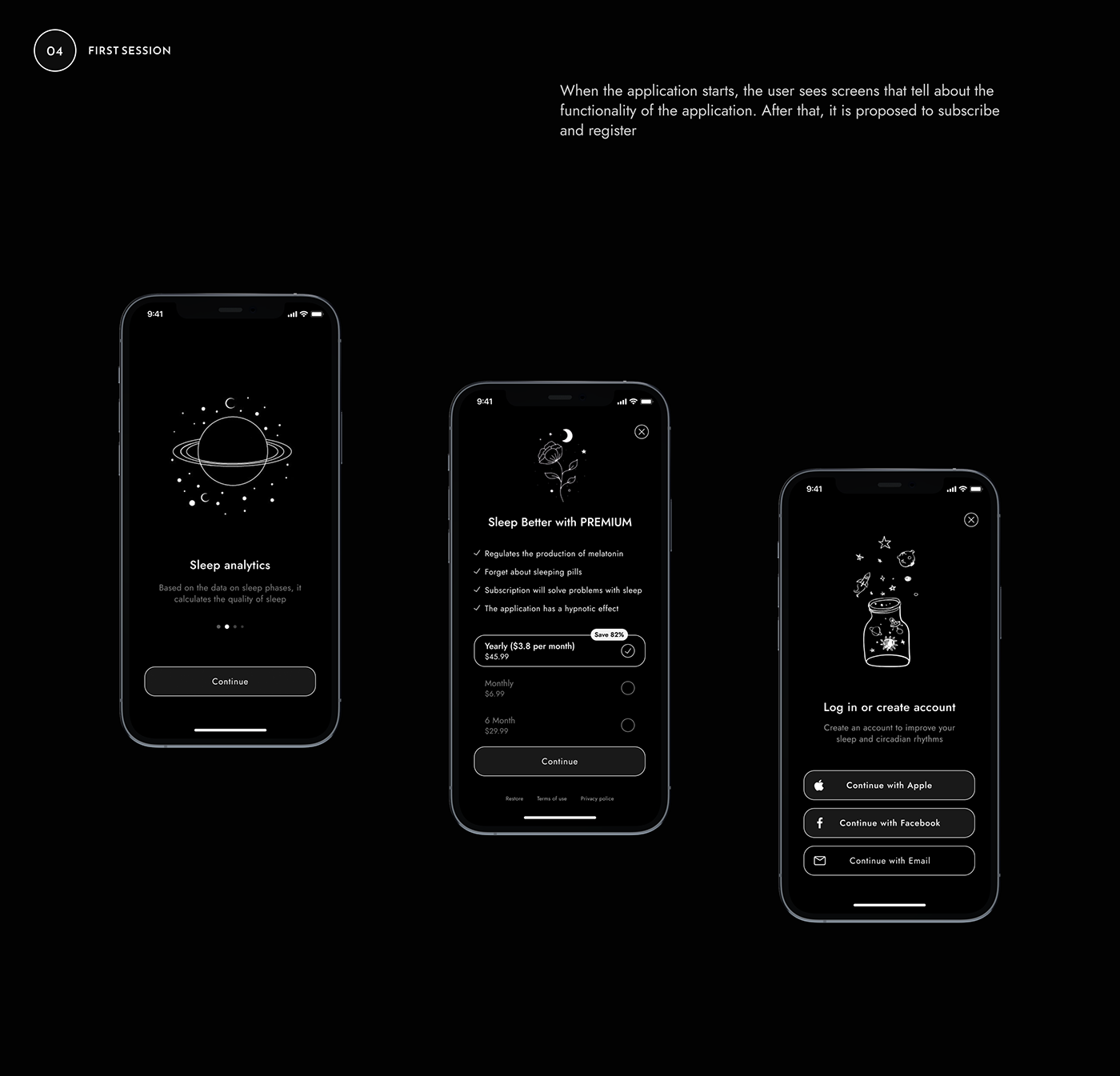
The connection between sleep quality and mental health wellness is increasingly recognized in today’s fast-paced world. With rising anxiety and insomnia rates, sleep apps have emerged as practical tools for individuals seeking to improve their overall mental well-being. These applications not only help monitor sleep patterns but also provide resources and guidance for better sleep hygiene, ultimately aiming to enhance users’ mental health.
Numerous studies indicate that poor sleep can lead to a decline in mental health, causing issues like anxiety, depression, and stress. Conversely, quality sleep is associated with improved mood, cognitive function, and emotional regulation. Sleep apps can play a pivotal role in addressing sleep-related issues by offering tailored strategies and support for users struggling with insomnia and anxiety.
Correlation between Sleep Quality and Mental Health Wellness
Research highlights a significant relationship between sleep quality and mental health. The following points shed light on this connection:
- Sleep Disturbances and Mood Disorders: Insufficient sleep can exacerbate conditions like depression and anxiety. Studies show that individuals with insomnia are more likely to experience mood disorders.
- Cognitive Function: Quality sleep is essential for optimal brain function, including memory consolidation and emotional processing. Sleep deprivation affects decision-making and increases irritability.
- Stress Management: Adequate sleep helps regulate stress hormones. Poor sleep patterns can lead to heightened stress, further impacting mental health.
Sleep Apps as Tools for Managing Insomnia and Anxiety
Sleep apps provide various features that support users in managing their sleep-related challenges. These features include:
- Sleep Tracking: Many sleep apps offer tracking features to monitor sleep duration and quality, helping users identify patterns and triggers of insomnia or anxiety.
- Guided Meditations: Apps often include relaxation techniques and guided meditations that reduce stress and promote better sleep.
- Sleep Hygiene Tips: Users receive personalized recommendations for improving sleep environments and habits, which can significantly impact sleep quality.
Testimonials and Case Studies on Positive Impact
The effectiveness of sleep apps in enhancing mental health is reflected in user testimonials and case studies. Many users report significant improvements in their sleep patterns and overall mental wellness after using these applications.
“After using the sleep app for a few weeks, I noticed a remarkable change in my anxiety levels. The sleep tracking helped me realize the importance of a consistent bedtime routine.” – Jessica, 29
“The guided meditations helped me unwind at night. I used to toss and turn for hours, but now I fall asleep much faster.” – Mark, 34
Additionally, a case study involving a group of individuals suffering from insomnia showed a 60% improvement in sleep quality after utilizing a popular sleep app for three months. These findings emphasize the potential of sleep apps as effective tools in the management of mental health issues related to sleep disturbances.
User Engagement and Retention Strategies in Sleep Apps
In today’s fast-paced world, achieving quality sleep is a growing concern for many individuals. Sleep apps have emerged as a valuable tool to help users improve their sleep patterns, but their success largely depends on engaging and retaining users. Understanding how user engagement is measured and the strategies employed to keep users coming back is essential for app developers and users alike.
User engagement in sleep apps can be measured through various quantitative and qualitative metrics. Key performance indicators (KPIs) typically include daily active users (DAU), session duration, frequency of app usage, and user retention rates. Additionally, feedback mechanisms such as user surveys and ratings provide insights into user satisfaction and app performance. These metrics offer a clear view of how users interact with the app, allowing developers to identify areas for improvement and enhancement.
Strategies for User Retention Over Time
To ensure users remain engaged with sleep apps over the long term, developers implement diverse retention strategies. Effective approaches include personalized content, regular updates, and community support. These strategies create a user experience that fosters loyalty and ongoing usage.
- Personalized Content: Tailoring recommendations based on individual sleep patterns and preferences increases relevance, making users feel understood and valued. For example, an app may suggest specific relaxation techniques or sleep sounds based on previous usage data.
- Regular Updates: Frequent updates not only enhance app functionality but also introduce fresh features that keep users intrigued. This could range from new sleep music playlists to innovative sleep tracking technologies.
- Community Support: Building a community within the app allows users to connect, share experiences, and support each other. Forums or social media groups can significantly contribute to a sense of belonging, motivating users to stay engaged.
The Role of Gamification and Rewards in User Interest
Incorporating gamification elements and rewards can be a powerful method to maintain user interest in sleep apps. These features create an engaging environment where users can track their progress and celebrate achievements.
Gamification strategies often include points, badges, and levels that users can earn by completing specific tasks, such as maintaining a consistent sleep schedule or logging their sleep details. This transformation of mundane tasks into fun challenges encourages user participation and commitment.
“Gamification not only motivates users but also instills a sense of accomplishment and motivation within them.”
Rewards can further enhance user engagement. Users may receive incentives such as premium content access, discounts on sleep-related products, or even partnerships with wellness brands when they reach certain milestones. These tangible benefits foster a sense of achievement and encourage continued app usage, thereby enhancing overall user retention.
In summary, measuring user engagement and implementing effective retention strategies are crucial for the success of sleep apps. By leveraging personalized experiences, community support, and gamification, these apps can cultivate a loyal user base that values their contribution to improved sleep health.
The Future of Sleep Technology and App Development
As we look ahead, the realm of sleep technology is undergoing a transformation driven by innovation and research. The advancements in artificial intelligence, wearable devices, and smart home integration are paving the way for new applications designed to enhance sleep quality and overall health. With these emerging trends, sleep apps are set to evolve significantly, incorporating features that cater to individual needs more effectively than ever before.
One prominent trend shaping the future of sleep technology is the integration of artificial intelligence. AI-driven algorithms can analyze vast amounts of data collected from users’ sleep patterns, providing personalized insights and recommendations. This could lead to features that automatically adjust room conditions, such as temperature and lighting, based on an individual’s sleep stage. Such innovations have the potential to create an optimal sleep environment tailored specifically to the user’s preferences.
Emerging Trends Influencing App Development
The interplay between technology and sleep health is constantly evolving, with several key trends likely to impact app development in the coming years. Understanding these trends can help developers create more effective and user-friendly applications.
- Wearable Devices: The rise of wearable technology, such as sleep trackers and smartwatches, is providing users with real-time data on their sleep quality and duration. This information can be synced with sleep apps to generate tailored sleep improvement plans.
- Sleep Coaching: Incorporating virtual coaching features within apps can guide users through personalized routines based on their sleep data, helping to instill better sleep habits.
- Smart Home Integration: Future apps may seamlessly integrate with smart home devices, allowing users to control environmental factors like noise and light levels to enhance sleep quality.
- Biometric Feedback: Innovations in biometric feedback, such as heart rate variability and breathing patterns, can provide deeper insights into users’ physiological states and how they affect sleep.
These trends signal a shift towards more interactive and customized experiences for users, addressing the unique aspects of their sleep challenges.
“The next wave of sleep technology will be defined by its ability to provide users with actionable insights tailored to their personal sleep needs.”
User feedback will play a crucial role in shaping future app features. As developers gather insights from user experiences, they can implement changes that directly reflect the needs and preferences of their audience. Features like customizable notifications, social sharing options for sleep successes, and community support forums can enhance user engagement and satisfaction.
By actively involving users in the development process, companies can ensure that their sleep apps remain relevant and effective in promoting better sleep health. For example, a sleep app that incorporates user feedback on soundscapes could develop new calming options based on what users find most effective in aiding their sleep.
In summary, the future of sleep technology and app development is bright, driven by emerging trends and a focus on user-centric features. As technology continues to advance, sleep applications will likely become indispensable tools for improving sleep quality and overall well-being.
Ethical Considerations and Data Privacy in Sleep Apps

The integration of sleep apps into daily life has brought about considerable advancements in how individuals monitor and improve their sleep patterns. However, the collection and storage of sensitive personal data raise significant ethical concerns. Understanding the importance of data privacy in health-related applications is essential for both app developers and users.
The use of personal sleep data poses ethical considerations that must be addressed to maintain user trust and uphold privacy standards. Sleep apps often gather detailed information about users’ sleep habits, health conditions, and lifestyle choices. This data, if mishandled, can lead to potential misuse or breaches of privacy. Ensuring the ethical use of this data involves transparent communication regarding how data is collected, used, and stored, as well as the implementation of robust security measures to protect sensitive information.
Importance of Data Privacy in Health-Related Applications
Data privacy is paramount in health-related applications due to the sensitive nature of the information being collected. Users rely on these apps to provide insights into their well-being, making it vital for developers to prioritize user confidentiality. Some crucial aspects include:
- Trust Building: Users are more likely to engage with an app that demonstrates a commitment to protecting their personal information.
- Compliance with Regulations: Adhering to data protection laws, such as the General Data Protection Regulation (GDPR), is essential for legal compliance.
- Preventing Data Breaches: Strong data privacy measures reduce the risk of breaches that could expose user information to malicious actors.
Recommendations for Users to Safeguard Their Data
Users can take proactive steps to protect their data when using sleep apps. Here are some strategies to enhance data security:
- Review Privacy Settings: Familiarize yourself with the app’s privacy settings and adjust them according to your comfort level.
- Limit Data Sharing: Only provide the minimum amount of personal information required for the app to function properly.
- Choose Trusted Apps: Opt for sleep apps from reputable developers who prioritize data privacy and have clear policies on data usage.
- Regularly Update the App: Ensure that you keep the app updated to benefit from the latest security features and fixes.
- Read User Agreements: Take the time to read the user agreements to understand how your data will be used and stored.
Prioritizing data privacy is not just a legal necessity; it is fundamental to cultivating trust between users and developers.
Last Point
In summary, sleep apps are transforming the way we approach sleep hygiene and mental well-being. With their innovative technology and personalized features, they offer valuable insights and strategies to help users achieve restful nights. As we continue to embrace these digital solutions, the future of sleep technology promises exciting advancements that can further enhance our sleep quality.
Questions Often Asked
What features should I look for in a sleep app?
Look for features like sleep tracking, customizable sleep plans, relaxation techniques, and user-friendly interfaces to enhance your experience.
Can sleep apps really improve my sleep quality?
Yes, by providing insights and personalized recommendations, sleep apps can help you identify patterns and make informed adjustments to your sleep habits.
Are sleep apps safe to use regarding data privacy?
While many reputable apps prioritize data privacy, it’s essential to review their privacy policies and use features that allow you to control your data.
How often should I use a sleep app?
Using a sleep app regularly can help you track progress and adjust your sleep habits, but it’s best to follow your comfort level and needs.
Can sleep apps help with sleep disorders?
While sleep apps can provide helpful tools and resources, they should not replace professional medical advice for diagnosed sleep disorders.