
 Caroline Sarah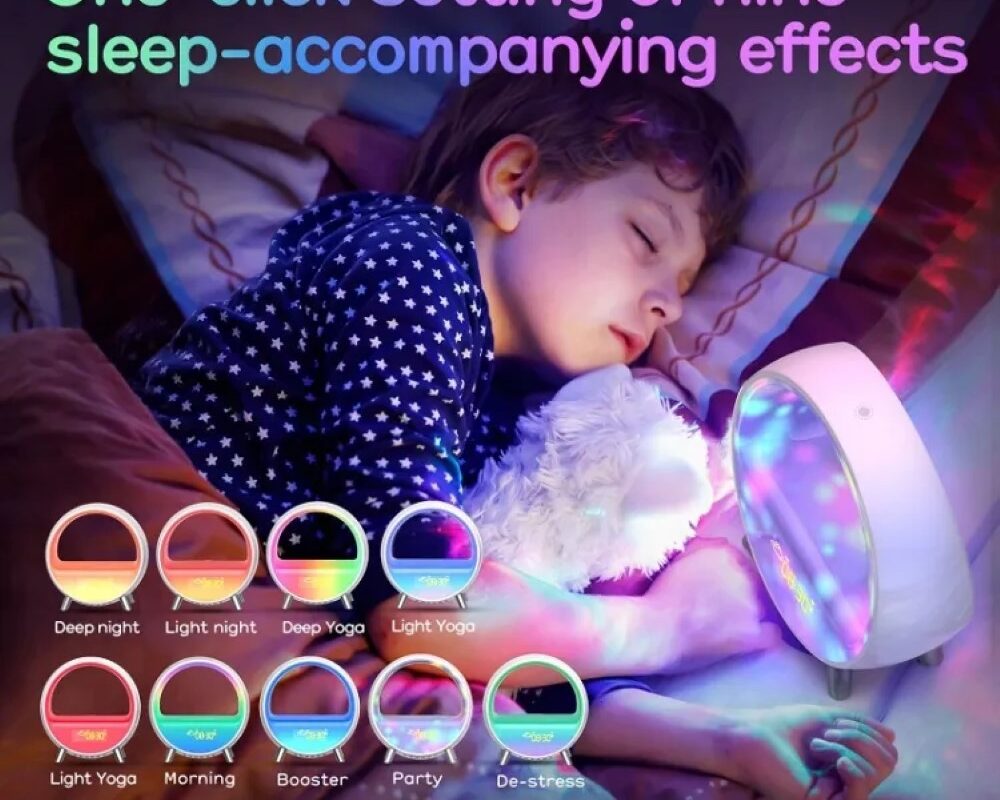
Smart alarm clock is the dawn of a new era in personal wake-up technology, blending innovation with user-centered design to transform how we start our day. Gone are the days of simplistic beeping clocks; these modern devices offer tailored experiences that cater to individual preferences and improve overall well-being.
By leveraging advanced features like connectivity, voice control, and sleep tracking, smart alarm clocks elevate the daily ritual of waking up by promoting better sleep quality and facilitating seamless integration into smart home ecosystems, making mornings smoother and more productive.
The Evolution of Alarm Clocks and the Rise of Smart Technology
The journey of alarm clocks has been nothing short of fascinating. From the early mechanical devices that rang bells to today’s highly sophisticated smart alarm clocks, the evolution reflects significant advancements in technology and changes in user needs. This transformation showcases how we engage with time management, enhancing our daily routines through innovative features.
Traditional alarm clocks have undergone a remarkable transformation over the years. Initially, alarm clocks were simple mechanical devices that required manual winding and were often limited to a single function: waking their owners at a set time. As technology advanced, electronic alarm clocks became popular, featuring digital displays and the ability to set multiple alarms. The introduction of battery-operated devices also meant that users were no longer tethered to power outlets, increasing mobility. The real game-changer, however, came with the advent of smart technology, driven by the rapid growth of the internet and mobile devices.
Technological Advancements Leading to Smart Alarm Clocks
The rise of smart alarm clocks can be attributed to several technological advancements that have significantly enhanced their functionality and usability. Key innovations include:
- Connectivity: Smart alarm clocks integrate Wi-Fi and Bluetooth capabilities, allowing users to connect with their smartphones and smart home devices. This connectivity enables users to control alarms remotely and access various features through mobile apps.
- Voice Activation: Many smart alarm clocks now support voice commands through integration with virtual assistants like Amazon Alexa or Google Assistant. This allows for hands-free operation, making it more convenient to set alarms or ask for the weather.
- Customization: Users can personalize their wake-up experience with customizable alarm tones, vibration settings, and even gentle light simulations that mimic sunrise, providing a more natural waking experience.
- Health Monitoring: Some smart alarm clocks come equipped with sleep tracking and health monitoring features. They analyze sleep patterns and provide insights to improve sleep quality, making them an essential tool for health-conscious individuals.
- Multi-Functionality: Beyond simply waking users up, smart alarm clocks often integrate additional features such as built-in speakers for playing music, the capability to display weather updates, and integration with smart home systems for a cohesive smart living experience.
“Smart alarm clocks not only wake you up but also help you manage your day better with intuitive features.”
The differentiation between smart alarm clocks and traditional counterparts lies in these advanced features, making them not just tools for waking up but comprehensive devices that enhance overall user experience and efficiency. Traditional alarm clocks, while reliable, lack the interactive capabilities and health tracking functions that modern smart technology brings to the table.
Understanding the Key Features of Smart Alarm Clocks
Smart alarm clocks are revolutionizing the way we wake up, blending functionality with modern technology to enhance user experience. These devices are equipped with various features that cater to the needs of today’s users, making mornings less stressful and more enjoyable.
One of the standout aspects of smart alarm clocks is their advanced connectivity options. Most models offer compatibility with Wi-Fi and Bluetooth, allowing users to connect their devices seamlessly. This connectivity means users can integrate their alarm clocks with smart home systems, enabling them to control lights, thermostats, and other connected devices right from their bedside. For instance, a user could program their smart alarm clock to gradually brighten the bedroom lights as the alarm goes off, simulating a natural sunrise that encourages a more gentle wake-up experience.
Voice Control Capabilities
Voice control is another significant feature that enhances user interaction with smart alarm clocks. Many devices come equipped with virtual assistants like Google Assistant or Amazon Alexa, enabling users to set alarms, play music, or check the weather simply by speaking.
The convenience of voice control means hands-free operation, which is particularly useful during busy mornings. For example, a user can say, “Hey Google, set my alarm for 7 AM,” without needing to fumble with buttons or screens, allowing for a more streamlined morning routine. This feature is especially beneficial for individuals with disabilities or those who may find traditional alarm clocks cumbersome to operate.
Customization Options for Individual Preferences
Customization plays a vital role in the appeal of smart alarm clocks. These devices often allow users to adjust settings to reflect personal preferences, leading to a more tailored experience.
Users can choose from various alarm sounds, ranging from soothing nature sounds to upbeat tunes, ensuring they wake up in a way that suits their mood. Additionally, many smart alarm clocks offer features such as sleep tracking and wake-up routines that adapt to the user’s sleeping patterns.
For instance, a user who struggles with waking up in the morning might configure their alarm clock to gradually increase the volume of their chosen wake-up sound over a period of ten minutes, making for a less jarring start to the day. Furthermore, some models include sleep cycle analysis, providing insights into sleep quality and duration, which can help individuals make necessary adjustments for better rest.
Smart alarm clocks not only act as timekeepers but also as personal assistants that enhance the quality of life by promoting better sleep and wakefulness.
In summary, smart alarm clocks are equipped with features like connectivity, voice control, and customization options that significantly enhance the user experience. These attributes allow users to create a waking environment that is not only functional but also considerate of their individual lifestyles and preferences.
The Impact of Smart Alarm Clocks on Sleep Quality
Smart alarm clocks have transformed the way we approach sleep and wakefulness. By leveraging advanced technology, these devices offer features that help optimize our sleeping patterns and contribute to overall better sleep quality. With built-in sleep tracking and analysis capabilities, smart alarm clocks can significantly influence how rested we feel each day.
Utilization of Sleep Tracking and Analysis
Smart alarm clocks come equipped with sleep tracking technology that monitors various parameters, such as sleep cycles, duration, and disturbances. This data is crucial for understanding personal sleep habits and identifying areas for improvement. Many smart alarm clocks use sensors to detect movements, heart rate, and even environmental factors like room temperature. By analyzing this data, these devices can provide insights into sleep quality and suggest adjustments to promote better rest. For instance, a smart alarm clock may recommend adjustments in bedtime or sleeping environment based on observed patterns.
“Sleep tracking can reveal valuable information about your sleep cycles, helping you make informed changes to enhance your sleep quality.”
Role of Gentle Wake-Up Sounds and Light
The gentle wake-up sounds and lighting features of smart alarm clocks play a pivotal role in establishing a more pleasant morning routine. Unlike traditional alarm clocks that emit loud, jarring noises, smart clocks often use soft melodies, nature sounds, or gradual light increases to wake users gently. This approach helps to ease the transition from sleep to wakefulness, reducing morning grogginess and enhancing mood. The gradual increase in light mimics a natural sunrise, triggering the body’s biological clock and encouraging the release of wakefulness hormones.
“Gentle wake-up sounds and light can significantly reduce sleep inertia, helping individuals feel more alert upon waking.”
Research Supporting Smart Alarm Clocks’ Effectiveness
Numerous studies highlight the effectiveness of smart alarm clocks in regulating sleep patterns. Research indicates that individuals using these devices report improved sleep quality and overall well-being. For example, one study found that participants using sleep tracking features experienced a 20% increase in sleep satisfaction over a month. Furthermore, another study suggested that individuals who woke up using gradual light exposure reported feeling more energetic and less stressed throughout the day.
“Regular use of smart alarm clocks can lead to healthier sleep patterns and improved daytime functioning.”
The integration of technology in smart alarm clocks continues to evolve, further enhancing their ability to positively impact sleep quality.
Comparing Popular Brands of Smart Alarm Clocks
Smart alarm clocks have become essential gadgets for many individuals, combining functionality with modern technology. With a plethora of options available in the market, it’s essential to compare the leading brands to understand their unique offerings and overall customer satisfaction.
The smart alarm clock market features a range of brands, each with distinct specifications and unique selling points. Below is a comparison table highlighting key specifications from popular brands such as Amazon Echo, Google Nest, Philips, and Lenovo.
| Brand | Display | Voice Assistant | Sleep Features | Smart Home Integration | Price Range |
|---|---|---|---|---|---|
| Amazon Echo Spot | 2.5″ circular display | Alexa | Gentle wake-up lights | Compatible with Alexa devices | $130 – $150 |
| Google Nest Hub | 7″ touchscreen | Google Assistant | Sleep tracking | Integrates with Google Home devices | $90 – $130 |
| Philips Wake-Up Light | Sunrise simulation | No | Sunset and sunrise simulation | Basic smart home compatibility | $70 – $110 |
| Lenovo Smart Clock | 4″ touchscreen | Google Assistant | Sleep sounds feature | Compatible with Google Home | $80 – $100 |
The unique selling points of each brand contribute significantly to customer preferences. Amazon’s Echo Spot stands out with its integration of Alexa, allowing users to control various smart home devices effortlessly. The Google Nest Hub excels with its user-friendly interface and sleep tracking capabilities, appealing to those focused on wellness. Philips’ Wake-Up Light is tailored for users who prefer a natural waking experience, while Lenovo’s Smart Clock offers a compact design with essential features, perfect for bedside use.
Customer reviews provide insight into user satisfaction for these smart alarm clocks. Many users appreciate the intuitive controls and seamless integration with other smart home devices. For instance, Amazon Echo Spot users often highlight its sound quality and voice recognition, enabling a hands-free experience. Meanwhile, Google Nest Hub users frequently express satisfaction with the sleep tracking feature, describing it as a valuable tool for improving sleep patterns.
“With the Google Nest Hub, I’ve finally managed to wake up feeling more refreshed thanks to its sleep tracking and smart features!” – Verified Buyer
In contrast, some users note that while Philips Wake-Up Light is excellent for simulating dawn, it lacks smart assistant capabilities, limiting its functionality for those wanting a more integrated experience. Overall, customer feedback indicates that while preferences vary, the smart alarm clock market continues to evolve, catering to diverse needs and enhancing user experience.
Integrating Smart Alarm Clocks into Smart Home Systems
Smart alarm clocks are more than just devices to wake you up; they serve as central hubs in smart home ecosystems. With the ability to communicate and coordinate with various smart devices, these clocks enhance convenience, efficiency, and comfort in daily routines. By integrating smart alarm clocks into your smart home system, you can create a seamless living environment that adapts to your lifestyle, making mornings less hectic and evenings more relaxing.
Advantages of Integration with Smart Lights and Thermostats
Integrating smart alarm clocks with smart lights and thermostats offers numerous benefits that contribute to a more comfortable and energy-efficient home. When these devices work together, they can significantly improve your daily routine by automating various tasks based on your preferences and schedule. Here are some key advantages:
- Automated Lighting Control: Smart alarm clocks can be programmed to gradually turn on your smart lights in the morning, simulating a natural sunrise. This gentle wake-up method can help improve your mood and energy levels as you start your day.
- Temperature Adjustment: Integrated smart thermostats can adjust the temperature in your home automatically based on your wake-up time. For example, your thermostat can begin warming or cooling your home before you rise, ensuring that you wake up to a comfortable environment.
- Enhanced Sleep Quality: By linking your alarm clock with smart lights that have a blue light filter, you can reduce light exposure in the evening. This promotes better sleep hygiene, ensuring you wake up refreshed and ready for the day.
Example Scenario of a Fully Integrated Smart Home Setup
Consider a typical weekday morning in a fully integrated smart home where a smart alarm clock takes center stage. As the alarm goes off at 7:00 AM, the following sequence unfolds:
“The future of mornings just got smarter.”
– 7:00 AM: The smart alarm clock gently wakes you up with a soft melody while simultaneously triggering the smart lights to gradually brighten.
– 7:05 AM: As you step out of bed, the smart thermostat begins to adjust the temperature to your preferred setting, ensuring a cozy atmosphere.
– 7:10 AM: The coffee maker, also connected to the smart home system, starts brewing your morning coffee, filling the air with a delightful aroma.
– 7:15 AM: You receive a gentle reminder on the alarm clock displaying your daily agenda, while the smart speaker starts reading out the news headlines or weather forecast for the day.
This coordinated approach not only enhances your waking experience but also sets a positive tone for the rest of your day. The integration of smart alarm clocks with other devices creates a harmonious environment that caters to your needs, making your home truly intelligent and responsive.
Smart Alarm Clocks and Their Role in Daily Routines
Smart alarm clocks are not just for waking up; they play a critical role in shaping our daily routines. By integrating technology and personal preferences, these devices can enhance productivity and foster a more organized lifestyle. With a variety of features tailored for individual needs, smart alarm clocks can significantly impact how we start and manage our day.
Establishing a Productive Morning Routine
Creating a productive morning routine is essential for setting the tone for the rest of the day. Smart alarm clocks contribute by allowing users to customize wake-up experiences that align with their preferences. Features such as gradual light simulation, nature sounds, and personalized playlists can help ease the transition from sleep to wakefulness.
- Gradual Light Simulation: This feature mimics a natural sunrise, slowly brightening the room to gently wake users. Studies have shown that waking up in a light-filled environment can improve mood and energy levels.
- Customizable Sounds: Users can choose from a variety of soothing sounds or their favorite tunes, which can enhance the overall wake-up experience and increase motivation to get out of bed.
- Smart Snooze Options: Some models offer intelligent snooze functions that analyze sleep patterns and determine the best time to wake users, helping them avoid grogginess.
Managing Reminders and Schedules Throughout the Day
Smart alarm clocks can effectively manage reminders and schedules, acting as a central hub for daily organization. Integrating with calendars and to-do lists, they can send alerts for meetings, deadlines, or important tasks, ensuring nothing slips through the cracks.
- Calendar Integration: Users can sync their smart alarm clocks with their digital calendars, receiving notifications for appointments and events directly on their devices.
- Voice Commands: Many smart alarm clocks come equipped with voice assistant technology, allowing users to set reminders or ask for their day’s agenda hands-free.
- Custom Alerts: Setting specific alarms for different tasks helps create a structured day. For instance, an alarm can be set for a hydration reminder every hour, promoting wellness throughout the workday.
Personalized Wake-Up Settings for Focus and Motivation
Personalization is key to enhancing focus and motivation in the morning. Smart alarm clocks allow users to tailor their wake-up experience, which can lead to improved productivity throughout the day.
- Personalized Wake-Up Routines: Users can program their alarm clocks to start the day with motivational quotes, affirmations, or specific types of music that resonate with their goals.
- Smart Home Integration: Linking smart alarm clocks with other home devices, such as lights and coffee makers, can create a seamless morning routine, transforming the wake-up process into an invigorating experience.
- Sleep Tracking Features: Many smart alarm clocks monitor sleep quality using built-in sensors, providing users with insights on their sleep patterns. This feedback can guide adjustments to bedtime and morning routines for better overall health.
The Future of Smart Alarm Clocks in a Technologically Advanced World
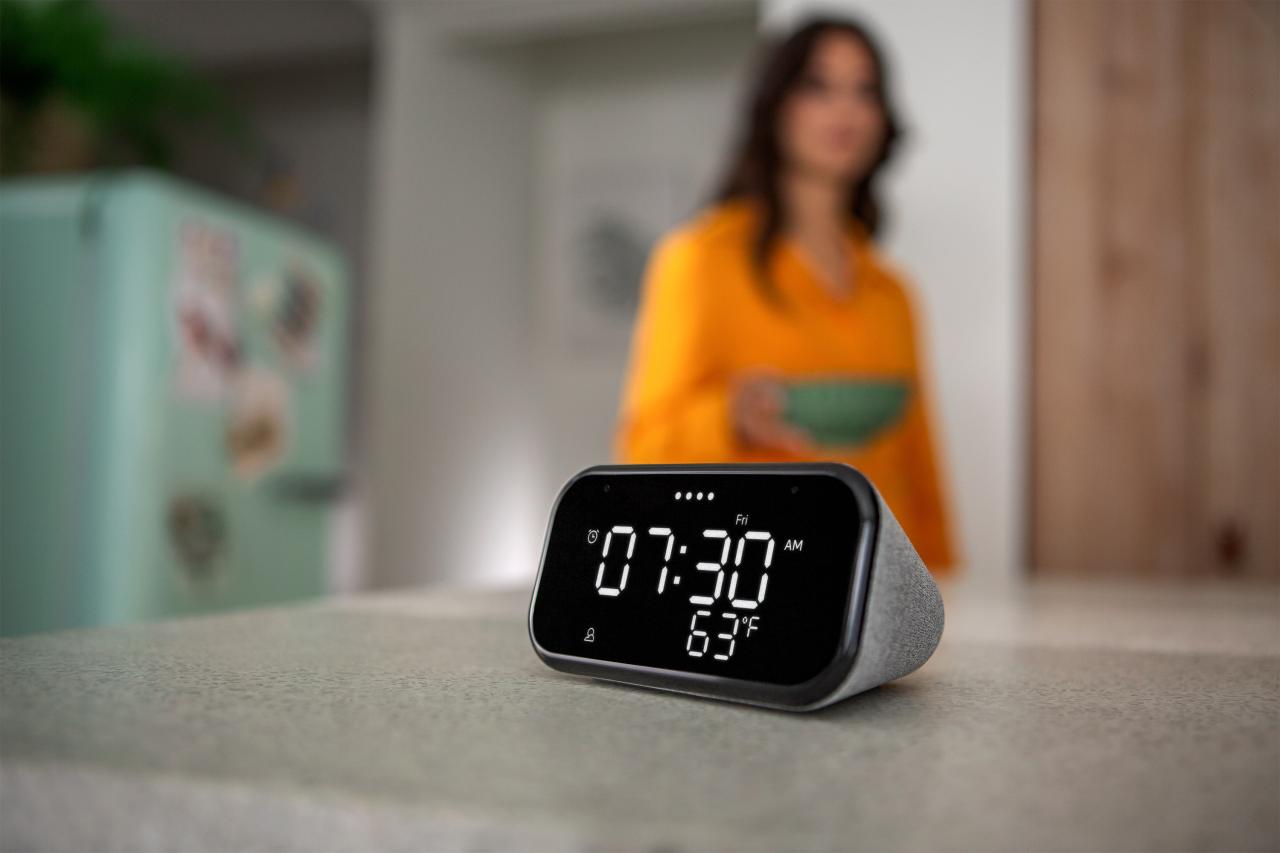
As we venture deeper into the digital age, smart alarm clocks are poised to evolve in ways that blend seamlessly with our tech-driven lifestyles. With advancements in artificial intelligence, IoT connectivity, and personalized user experiences, these devices are becoming more than just tools for waking up; they are becoming integral parts of our daily routines.
The integration of cutting-edge technologies into smart alarm clocks promises a future where these devices will not only wake us up but also enhance our quality of life. Innovations such as voice recognition, sleep tracking, and smart home connectivity are just the tip of the iceberg. As manufacturers compete in this rapidly changing industry, they will need to navigate various challenges while keeping consumer preferences at the forefront.
Upcoming Trends and Innovations in Smart Alarm Clock Technology
The landscape of smart alarm clocks is continuously changing, with several emerging trends that could redefine their role in our homes. These innovations include:
- AI-Powered Personalization: Future smart alarm clocks will likely leverage sophisticated algorithms to learn user behavior, optimizing wake-up times and even suggesting bedtime based on individual sleep patterns.
- Integration with Smart Home Systems: As homes become smarter, alarm clocks will increasingly connect with other devices, such as smart lights, thermostats, and even coffee makers, creating a synchronized morning routine.
- Health Monitoring Features: Advancements in biometric technology may allow smart alarm clocks to monitor heart rates and sleep quality, providing insights into users’ overall well-being.
- Augmented Reality Interfaces: Future designs may incorporate AR, allowing users to interact with their alarm clocks in a more immersive way, perhaps visualizing their schedule or reminders in their environment.
Challenges Manufacturers May Face in Evolving Smart Alarm Clocks
While the future appears promising, manufacturers must address several challenges to successfully innovate in the smart alarm clock market:
- Data Privacy Concerns: As these devices collect more personal data, ensuring user privacy and security will be paramount, necessitating stringent data protection measures.
- Market Saturation: With many players entering the smart home market, differentiating products through unique features and value propositions will be crucial to standing out.
- Consumer Education: Developing user-friendly interfaces and ensuring consumers understand how to utilize advanced features will be essential for widespread adoption.
- Battery and Power Management: As devices become more feature-rich, finding efficient power solutions that maintain battery life without sacrificing performance will remain a significant challenge.
Consumer Preferences Shaping Future Design and Functionality
Consumer preferences will play a pivotal role in determining the direction of smart alarm clock design and functionality. Key aspects that are likely to influence this evolution include:
- Simplified User Experience: Consumers prefer intuitive designs that allow easy navigation and setup, leading to a demand for streamlined user interfaces.
- Eco-Friendly Materials: As sustainability becomes a priority, manufacturers will need to consider eco-friendly materials and energy-efficient components in their products.
- Customizability: With varying lifestyles, consumers will seek customizable options that allow them to tailor the device’s features to their specific needs, such as customizable sound profiles and display settings.
- Multi-Functional Devices: There is a growing inclination towards devices that serve multiple purposes, meaning future smart alarm clocks may also function as speakers, ambient light sources, or health monitors.
Epilogue
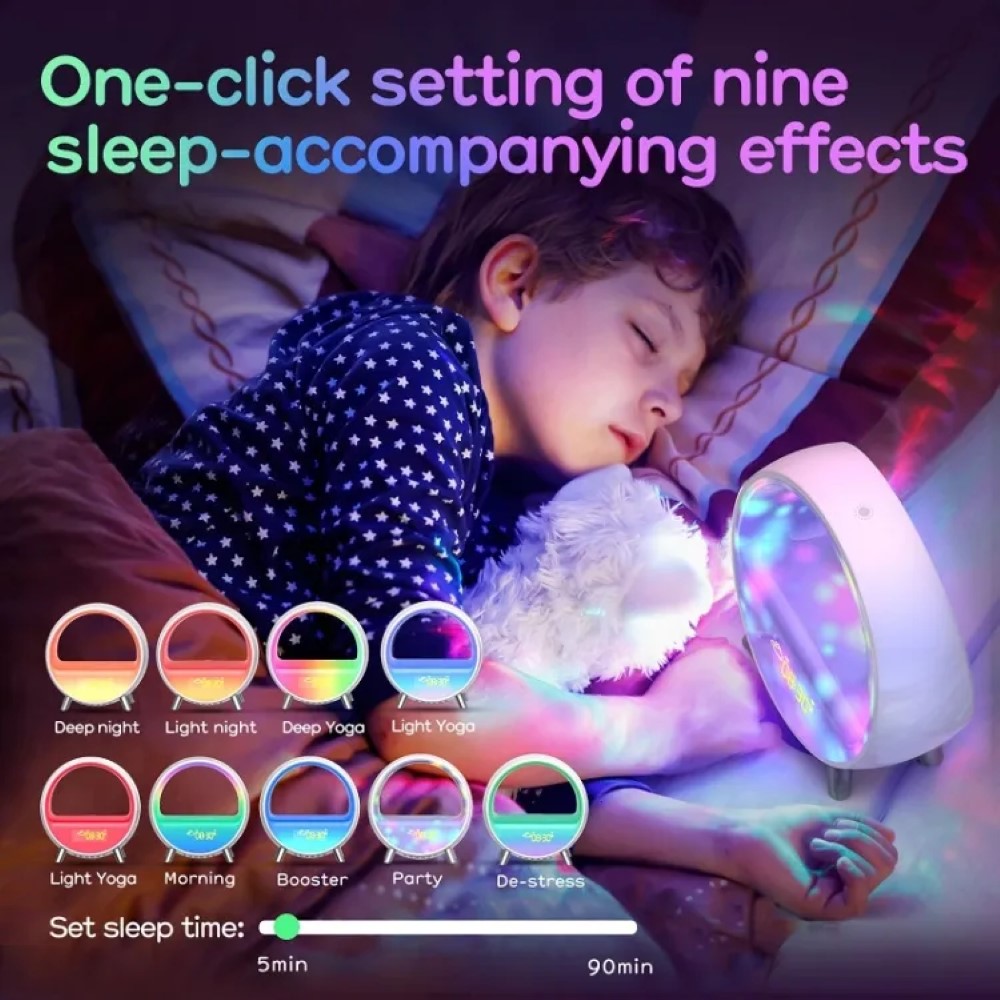
In summary, smart alarm clocks represent a significant leap from traditional models, marrying functionality with cutting-edge technology to enhance our daily routines. As we look to the future, these devices are poised to evolve further, adapting to our needs and preferences while helping us embrace healthier sleep habits and more organized mornings.
Questions Often Asked
What is a smart alarm clock?
A smart alarm clock is a modern timepiece that integrates advanced features like connectivity, voice control, and sleep tracking to enhance the user experience.
Can smart alarm clocks help improve sleep quality?
Yes, many smart alarm clocks utilize features such as sleep tracking and gentle wake-up sounds to help regulate sleep patterns and improve overall sleep quality.
Do smart alarm clocks work with smart home devices?
Absolutely! Smart alarm clocks can easily integrate with other smart home devices, allowing for a cohesive and automated home environment.
Are there customization options available?
Yes, smart alarm clocks often offer various customization options to tailor wake-up settings, sounds, and routines according to individual preferences.
What features should I look for in a smart alarm clock?
Look for features like sleep tracking, voice control, connectivity options, and compatibility with smart home systems to ensure you get the most out of your smart alarm clock.