 Caroline Sarah
Exploring the world of the White noise machine opens up a realm where peaceful sleep and relaxation are just a sound away. These clever devices play a crucial role in enhancing sleep quality by creating a soothing audio backdrop that helps mask disruptive noises in our environment. As we delve deeper, we will uncover the fascinating science behind how white noise impacts our sleep patterns and the various types of machines available that cater to diverse needs.
From understanding the different sound frequencies produced by these machines to exploring their effectiveness in sleep therapy, this discussion will equip you with valuable knowledge on how to choose and use a white noise machine effectively. Whether you are a light sleeper or simply looking to improve your rest, this guide will illuminate the various facets of white noise technology.
Understanding the Science Behind White Noise Machines
White noise machines have gained popularity as effective tools for enhancing sleep quality and creating a soothing environment. The science behind these devices is rooted in their ability to produce a consistent sound that can significantly impact both physiological and psychological responses. By generating a seamless auditory experience, white noise machines help individuals achieve better sleep patterns and improve overall well-being.
The physiological effects of white noise on sleep patterns stem from its ability to create a sound barrier that can block out disruptive environmental noises. This masking effect is crucial for individuals living in noisy environments, such as urban areas or near high-traffic zones. When outside disturbances are minimized, the brain can enter deeper sleep stages, which are essential for restorative processes. Psychologically, the steady sound of white noise promotes relaxation and can reduce anxiety, creating a tranquil sleeping atmosphere that encourages the mind to disengage from daily stresses.
Types of Sound Frequencies Produced by White Noise Machines
White noise machines generate a variety of sound frequencies, each contributing to their effectiveness in promoting sleep and relaxation. Understanding the different types of frequencies and their characteristics is essential for selecting the right machine for individual needs.
White noise primarily consists of a blend of various frequencies, often spanning the full audible spectrum from 20 Hz to 20 kHz. By producing equal intensity across these frequencies, white noise effectively masks other sounds, making it easier for users to fall asleep and maintain a restful state.
The following types of sound frequencies are typically produced by white noise machines:
- White Noise: This is the most common type, characterized by its uniform distribution of sound energy across frequencies. It creates a steady, consistent sound that is effective in masking sudden noises.
- Pink Noise: Unlike white noise, pink noise has more energy at lower frequencies. It is often described as softer and more soothing, similar to the sound of gentle rain or rustling leaves, making it an appealing choice for sleep.
- Brown Noise: This type contains even more emphasis on lower frequencies than pink noise, creating a deeper sound akin to distant thunder or a waterfall. It can be particularly comforting for those who prefer lower tones.
- Blue Noise: Blue noise has more energy at higher frequencies and is perceived as sharper and more intense. While it’s less common for sleep, it may benefit some users seeking a more stimulating background noise.
White noise machines can often be customized to produce different types of noise, allowing users to choose the sound spectrum that best suits their preferences and needs. For instance, those who find pink noise more soothing may opt for machines that emphasize this frequency over others.
“The effectiveness of white noise is not just in its sound but in its ability to create an environment conducive to sleep.”
The Different Types of White Noise Machines Available on the Market
White noise machines have gained immense popularity for their ability to create soothing sounds that mask disruptive noises. These devices help with relaxation, focus, and sleep, making them essential for many households. With a variety of models available on the market, it’s vital to understand the features and functionalities that differentiate them. This overview explores the different types of white noise machines, focusing on their models, portability, and adjustable volume settings.
Overview of Various Models and Their Features
When selecting a white noise machine, it’s important to consider the various models and their unique features. Here’s a comprehensive rundown of some popular categories:
- Basic White Noise Machines: These typically produce a consistent white noise sound without additional features. They’re often compact and user-friendly, making them suitable for simple use.
- Sound Machine with Nature Sounds: These models include a variety of nature sounds alongside white noise, such as ocean waves, rain, or forest sounds. This variety can enhance relaxation.
- Smart White Noise Machines: Integrated with Wi-Fi or Bluetooth, these devices allow users to customize sounds and control settings through mobile apps.
- Multi-functional Devices: Some white noise machines also serve as alarm clocks or night lights, providing added value for users looking for a versatile device.
Comparison of Portable vs. Stationary White Noise Machines
The choice between portable and stationary white noise machines can affect their usability in different environments. Here are some key differences:
- Portability: Portable machines are lightweight and designed for travel, making them ideal for use in hotels or during commutes. Stationary machines, however, are better suited for home use as they typically have more features and larger sound range.
- Power Source: Portable models often run on batteries or USB charging, while stationary machines usually require an AC outlet, offering more power and sound options.
- Sound Quality: Stationary machines often provide higher sound fidelity, with more customized features compared to portable units, which may sacrifice sound quality for convenience.
Importance of Adjustable Volume Settings in White Noise Machines
Adjustable volume settings are a crucial feature in white noise machines, allowing users to tailor the sound to their preferences and environment. Here are the key reasons why this feature is significant:
- Personal Comfort: Everyone has different sensitivities to noise; adjustable volume ensures users can find their optimal sound level without discomfort.
- Environmental Adaptation: Different spaces have varying sound levels. Being able to adjust the volume allows for effective masking of background noise, whether in a quiet room or a noisy environment.
- Enhanced Sleep Quality: A machine with customizable volume can cater to the user’s sleep patterns, creating a comfortable auditory environment conducive to better sleep.
The Role of White Noise Machines in Sleep Therapy
White noise machines have gained recognition as effective tools in sleep therapy, particularly for individuals struggling with sleep disturbances. These devices create a consistent auditory backdrop that masks disruptive sounds, helping individuals to relax and drift into deeper sleep. The therapeutic application of white noise extends beyond mere comfort; it is increasingly integrated into clinical settings for rehabilitation and sleep therapy.
In sleep therapy, white noise machines are employed to facilitate restful sleep by providing a steady, soothing sound that can drown out environmental noises. In therapeutic settings, such as hospitals and clinics, the machines help patients who may be experiencing anxiety, pain, or other discomforts that interfere with sleep. By promoting a calm atmosphere, white noise can significantly enhance the quality of sleep, leading to improved recovery and overall well-being.
Population Groups Benefiting from White Noise Therapy
Various population groups can experience significant benefits from white noise therapy, particularly those with specific sleep-related challenges. The following groups are among those most likely to benefit:
- Individuals with Insomnia: Many people suffering from insomnia find that white noise helps to create a conducive sleep environment, allowing them to fall asleep faster and stay asleep longer.
- Patients in Hospitals: Hospitalized patients often face interruptions due to medical equipment and staff activity. White noise machines can mask these sounds, providing a more restful environment conducive to healing.
- Parents of Infants: Parents often use white noise to help their babies sleep, as the consistent sound can mimic the environment of the womb, promoting better sleep patterns.
- Individuals with Noise Sensitivity: Those who are sensitive to environmental noise, such as urban dwellers, often find white noise machines helpful in creating a peaceful sleeping environment.
Case studies and testimonials highlight the effectiveness of white noise machines in enhancing sleep quality. For instance, a clinical study conducted in a sleep clinic found that patients using white noise machines reported up to a 30% improvement in their sleep quality. Testimonials from users also reflect these findings; one user reported, “After using a white noise machine, I no longer wake up due to street noise. I feel more rested and ready for the day.”
“White noise serves as a blanket of sound, smoothing out the peaks and valleys of noisy interruptions, allowing for deeper and more restorative sleep.”
Another example comes from a rehabilitation facility where patients recovering from surgery found that white noise machines helped reduce anxiety and promoted better sleep. Staff noted that patients who utilized these machines experienced less discomfort and an improved healing process. These outcomes not only validate the efficacy of white noise machines in sleep therapy but also underscore their beneficial role in various therapeutic contexts.
Practical Tips for Using White Noise Machines Effectively
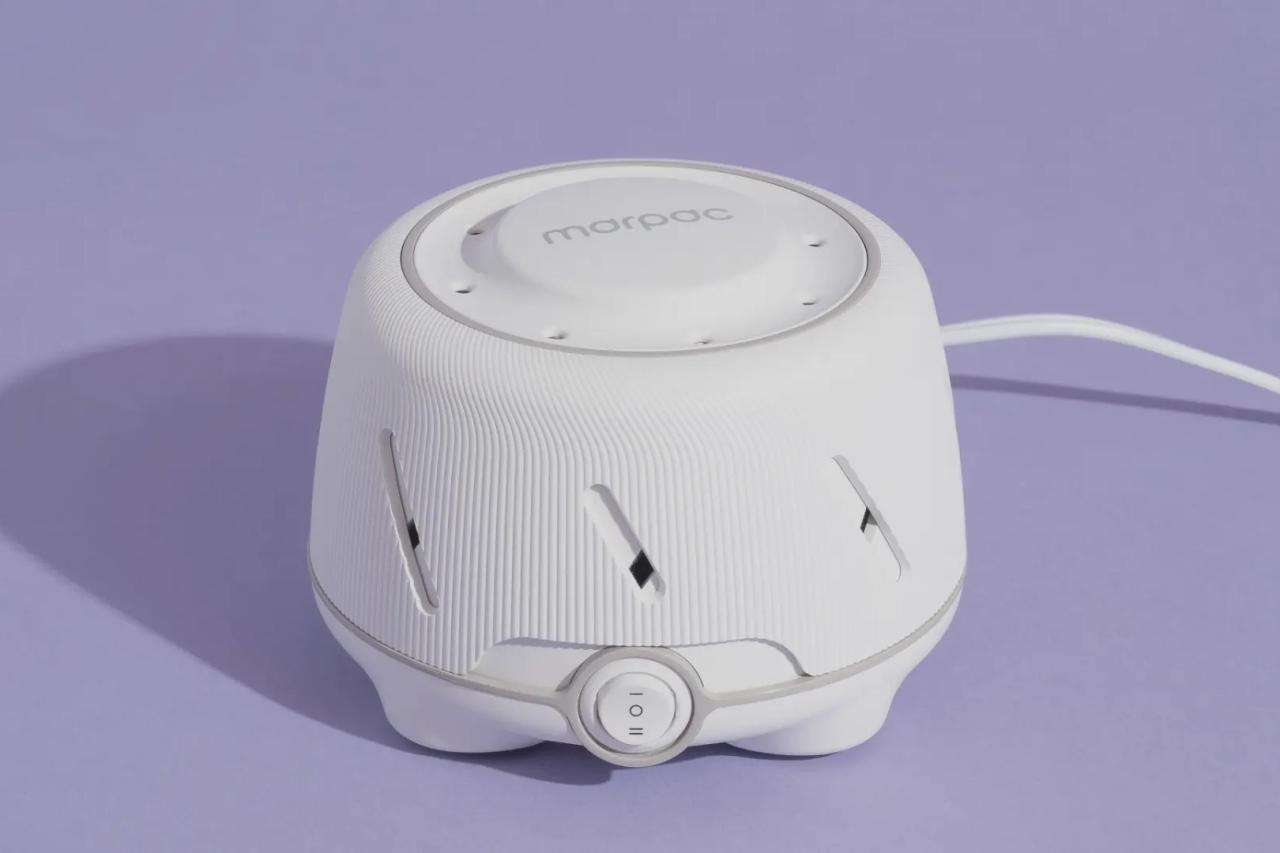
White noise machines can be a game-changer when it comes to enhancing sleep quality and creating a peaceful environment. However, to reap the full benefits, it’s essential to use these devices effectively. This guide provides practical tips on optimal placement, sound settings, and potential downsides of improper use, allowing you to make the most of your white noise machine.
Optimal Placement of White Noise Machines
The placement of your white noise machine can significantly impact its effectiveness. For best results, consider the following recommendations for positioning:
- Distance from the Bed: Place the machine at least a few feet away from the bed. This distance helps create a balanced sound environment without overwhelming your ears.
- Height Matters: Position the machine on a nightstand or shelf, as sounds tend to travel better when they are elevated.
- Avoid Direct Sound: Point the speaker away from your bed. This configuration allows the sound to disperse throughout the room rather than creating a focused noise that might be too loud.
- Room Size Consideration: In larger rooms, you may need multiple machines to ensure the sound reaches all corners effectively.
Best Practices for Volume and Sound Type
Finding the right volume and sound type is crucial for maximizing the benefits of a white noise machine. Here are some best practices to consider:
- Start Low: Begin with a lower volume and gradually increase it until you find a comfortable level. The sound should be just loud enough to mask intrusive noises without being jarring.
- Sound Variety: Experiment with different sound types, such as fan sounds, rainfall, or ocean waves. Each individual may respond differently, so finding what works best for you is key.
- Maintain Consistency: Use the same sound type and volume consistently for the best results. Your body will begin to associate that specific sound with sleep.
Potential Downsides of Incorrect Usage
While white noise machines can aid in sleep, they can also pose challenges if not used properly. Understanding these potential downsides is important for effective use.
Using a white noise machine at excessively high volumes can lead to hearing damage over time. According to the World Health Organization, exposure to sounds above 85 decibels for extended periods can be harmful. Therefore, it is crucial to monitor the volume to ensure it remains within a safe range.
In addition, relying solely on a white noise machine may create a dependency that makes it challenging to sleep in quieter environments. For instance, if you become accustomed to the sound, sleeping without it might feel impossible, potentially affecting your sleep quality in different settings.
Moreover, different sounds can have varied effects on individuals. Some may find certain noises soothing, while others might find them distracting. It’s essential to pay attention to how different sounds impact your relaxation and adjust accordingly.
Lastly, using a white noise machine in a quiet room might not yield significant benefits. If the room is already peaceful, the addition of white noise may not enhance your sleep experience and could even become an unwanted distraction.
By following these practical tips and being mindful of potential downsides, you can harness the power of white noise machines to create a harmonious sleeping environment that promotes restful sleep.
The Future of White Noise Technology in Sleep Aids
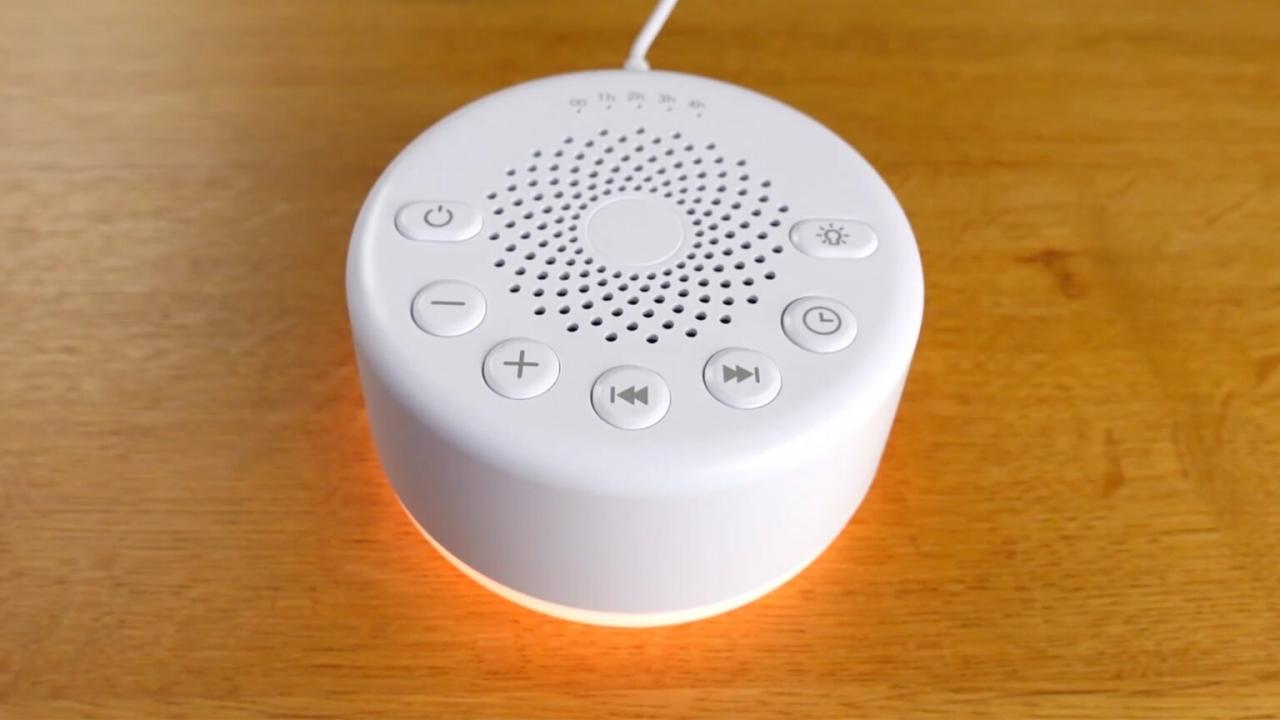
As technology continues to evolve, white noise machines are becoming more sophisticated, offering improved sleep aid solutions for individuals facing sleep disturbances. The future of these devices hinges on emerging technologies that enhance sound quality and personalization, promising to reshape our sleep environment.
Innovative features in the latest white noise machines are set to significantly impact sleep quality. With advancements in sound engineering and user interface design, these machines are not only producing high-fidelity soundscapes but also integrating smart technology for enhanced usability. Some of the most noteworthy features include:
Emerging Technologies in Sound Machines
The integration of smart technology in sound machines paves the way for more adaptive sleep aids. This section highlights key innovations that will shape the future of white noise machines, focusing on how they improve user experience:
- Voice Activation: Many new models come equipped with voice assistants, allowing users to control settings hands-free, which is especially useful for those who may be in bed or not wanting to disrupt their comfort.
- Personalized Sound Profiles: Advanced white noise machines can now learn from user preferences, adjusting sound types and volumes based on individual sleep patterns, making each experience unique.
- App Integration: These machines can connect to smartphones via Bluetooth, enabling users to customize their sound environment and track sleep quality through dedicated applications.
- Multi-functional Use: Newer models often include features beyond white noise, such as nature sounds or meditative music, catering to a broader range of relaxation needs.
Comparison of Traditional and App-based Alternatives
The distinction between traditional white noise machines and app-based alternatives is becoming increasingly pronounced as technology advances. While traditional machines have long been appreciated for their simplicity and reliability, app-based options present unique advantages:
- Accessibility: Mobile applications provide a plethora of sound options at the fingertips of users, eliminating the need to purchase multiple devices for varied soundscapes.
- Cost-effectiveness: Many apps are available for free or at a lower cost compared to traditional machines, making them an attractive choice for budget-conscious individuals.
- Customization: App users can often manipulate sound parameters in real-time, creating personalized mixes that can cater to their specific sleep needs.
- Regular Updates: App developers frequently release updates, adding new sounds and features, which can keep the sleep experience fresh and tailored over time.
In summary, the advancements in white noise technology indicate a promising future for sleep aids. From smart technology and personalized sound profiles to the rich functionality of app-based alternatives, the landscape of sleep support is on the verge of transformation. As these innovations continue to develop, users can expect enhanced sleep quality that is tailored specifically to their needs.
The Impact of White Noise on Infants and Children
White noise machines have gained popularity among parents as a tool for soothing infants and children. The consistent sound they produce can create a comforting environment that mimics the sounds of the womb, which may help babies sleep better and feel more secure. This section explores how white noise can benefit young children and addresses important considerations for safe usage.
Research indicates that white noise can effectively soothe infants by masking more disruptive sounds in their surroundings, which can be particularly helpful during sleep times. The gentle, consistent hum of a white noise machine may help infants fall asleep faster and stay asleep longer. Many parents report that their babies are less fussy when exposed to white noise, as it can create a calming atmosphere that promotes relaxation and sleep.
Parental Considerations for Safe Use of White Noise Machines
When using white noise for infants, safety is a priority. Parents should be mindful of the following guidelines to ensure a safe sleeping environment:
- Maintain a safe distance: Position the white noise machine at least 7 feet away from the baby’s crib to minimize the risk of hearing damage.
- Choose appropriate sound levels: The volume should not exceed 50 decibels, which is comparable to a quiet conversation. Keeping the volume lower helps protect sensitive hearing.
- Limit continuous use: Using white noise for short periods, especially during nap times or at bedtime, can be beneficial. Continuous use throughout the day may create dependency or lessen its effectiveness at night.
- Utilize a timer: Many white noise machines come with a timer function, which allows parents to set the duration of use, helping to prevent prolonged exposure.
The optimal use of white noise machines can contribute to a more comfortable sleep experience for infants and children. Establishing a calming bedtime routine that includes white noise can encourage better sleep habits and promote a soothing sleep environment.
Guidelines for Sound Levels and Durations
Parents should adhere to specific guidelines regarding sound levels and durations to ensure the safe use of white noise for children.
- Sound levels should be kept between 50-60 decibels, which is similar to the sound level of a quiet room.
- Limit white noise use to 30 minutes to 1 hour at a time, especially when the child is falling asleep or during naps.
- Monitor the child’s response to white noise; if they seem disturbed or more awake, it may be beneficial to adjust the volume or duration.
By following these guidelines, parents can safely incorporate white noise machines into their children’s sleep routines, promoting a restful environment that aids in their overall well-being.
“Safe sleep practices are essential for infants, and white noise can be a helpful tool when used responsibly.”
Comparing White Noise to Other Sound Machines and Sleep Aids
When it comes to enhancing sleep quality and promoting relaxation, various sound machines and aids are available in the market. Among these, white noise machines have gained popularity for their effectiveness in masking disruptive sounds. However, it’s essential to understand how white noise stacks up against other options like nature sounds, ambient soundscapes, and sleep music to determine the best fit for individual preferences and needs.
Differences between white noise, nature sounds, and other background noises are crucial in shaping how users experience sleep enhancement. White noise produces a consistent sound that combines all audible frequencies, making it excellent for drowning out sudden sounds. In contrast, nature sounds, such as rainfall or ocean waves, often have a more variable rhythm and tone, which can evoke a tranquil environment but may not be as effective for individuals seeking complete sound masking. Other background noises, such as brown noise or pink noise, vary in frequency and energy distribution, providing different auditory experiences that might be better suited for certain people.
Effectiveness of White Noise Compared to Sleep Music and Ambient Soundscapes
White noise has distinct characteristics that make it uniquely effective in various scenarios, particularly when compared to sleep music or ambient soundscapes. While calming music can promote relaxation, it may also lead to an emotional response that some individuals find distracting. The rhythmic and melodic elements in sleep music can provoke thoughts or memories, potentially hindering one’s ability to fall asleep.
In contrast, white noise’s constant hum creates a sound environment that minimizes external disturbances, making it easier for individuals to drift off without being jolted awake by sudden noises.
- White noise is particularly beneficial in urban environments where sirens, traffic, and other intrusive sounds can disrupt sleep.
- Individuals with insomnia may find white noise more effective, as it helps create a consistent auditory backdrop that promotes deeper sleep cycles.
- Parents often use white noise machines to soothe babies, as the sound mimics the noises they heard in the womb, promoting a sense of security and calm.
In various scenarios, white noise can prove to be the better choice compared to other alternatives. For example, during a loud thunderstorm, while nature sounds can be soothing, they may not provide enough sound coverage to mask the intense booms of thunder. White noise, with its continuous sound profile, would effectively cover such interruptions. Moreover, for those who work in noisy environments or share living spaces, white noise can help create a private acoustic space, allowing for better concentration and relaxation.
Overall, while nature sounds and ambient music have their place, the consistent and effective sound masking quality of white noise often makes it the preferred choice for individuals seeking uninterrupted sleep and relaxation.
Personalizing Your White Noise Experience
Personalizing your white noise experience can significantly enhance its effectiveness and your overall comfort. Each individual has unique preferences when it comes to sound, and tailoring these settings can lead to better sleep quality, reduced anxiety, and improved focus. This section explores how you can customize your white noise settings, the psychological components behind sound selection, and the importance of maintaining consistency in using these sounds.
Methods for Customizing White Noise Settings
Creating a personalized white noise experience involves selecting the right sound profiles and adjusting their volume levels to suit your needs. Here are several methods to consider:
- Sound Selection: Choose from a variety of sound profiles such as traditional white noise, nature sounds, or ambient music. Some people prefer the steady hum of a fan, while others may find ocean waves or rain more soothing.
- Volume Adjustment: Finding the right volume level is crucial. It should be loud enough to mask disturbing noises but soft enough to be non-intrusive. Test different volumes to see what helps you drift off to sleep most comfortably.
- Timer Settings: Many white noise machines allow you to set a timer for the sound to play. This can be useful if you prefer the sound to run for a specific duration, helping you fall asleep without it running all night.
Psychological Aspects of Sound Selection
The sounds we choose for white noise machines can influence our psychological state and emotional well-being. Different sounds can evoke various feelings, which is crucial for creating a calming environment. Consider these insights:
- Associative Memories: Sounds can trigger memories or emotions. For instance, someone who grew up near the ocean may find ocean waves comforting, while another may prefer the sound of a gentle rain, reminiscent of cozy evenings.
- Relaxation Response: Soft and rhythmic sounds, like rain or a heartbeat, can activate the body’s relaxation response, reducing anxiety and promoting sleep. These sounds help to signal to the brain that it is time to unwind and rest.
- Preference Variability: Everyone reacts differently to sounds. Some may find white noise too harsh and prefer softer pink or brown noise, which has a deeper frequency that can feel more soothing.
Importance of Consistency in Sound Usage
Using white noise consistently can lead to better sleep outcomes and overall health benefits. Establishing a routine with your chosen sounds contributes to a more effective sleep environment. The following points highlight its importance:
- Sleep Associations: Regularly using the same sound as you fall asleep creates a strong association in your brain, signaling that it’s time to sleep. Over time, this can help you fall asleep faster.
- Sleep Quality Improvement: Consistent exposure to familiar sounds can improve sleep quality by reducing nighttime awakenings and enhancing overall restfulness.
- Habit Formation: Just like any other routine, incorporating white noise into your nightly habits can establish a reliable sleep schedule, enhancing your circadian rhythms and overall sleep hygiene.
Personalizing your white noise experience is not just about comfort; it’s a strategic approach to improving sleep and relaxation.
Final Summary
In summary, the White noise machine serves as a powerful ally for those seeking better sleep or a serene environment for work and relaxation. With various models available and innovative features emerging, it’s clear that this technology will continue to evolve, catering to the unique preferences of users. By understanding the benefits and practical usage tips, you can create an optimal sound environment that enhances your overall well-being.
Essential FAQs
What is white noise?
White noise is a consistent sound that contains all audible frequencies, creating a calming effect that helps mask disruptive background noises.
Can white noise machines help with anxiety?
Yes, white noise machines can help reduce anxiety by providing a consistent auditory environment that promotes relaxation and focus.
Are white noise machines safe for babies?
When used correctly, white noise machines can be safe for babies, but it’s important to follow guidelines on volume and duration to protect their hearing.
How loud should a white noise machine be?
Generally, the volume should be set at a level that masks external noises without being disruptive, often around 50-60 decibels.
Can I use a white noise machine while traveling?
Absolutely! Many portable white noise machines are designed for travel, making it easy to maintain a consistent sleep environment on the go.