 Caroline Sarah
Sleep masks serve as the unsung heroes of restful nights, offering a simple yet effective solution to light-related sleep disturbances. With the hustle and bustle of modern life, achieving quality sleep can be challenging, making these masks indispensable tools for those seeking tranquility. Whether you’re at home or on the go, a sleep mask can help create a serene environment, ensuring you wake up refreshed and ready to tackle the day.
From contoured designs that mold to your face to light-blocking materials that shield your eyes from distractions, the variety in sleep masks caters to every individual’s unique preferences and needs. Understanding their benefits and how to select the right one can significantly enhance your overall sleep quality.
The Different Types of Sleep Masks Available in the Market
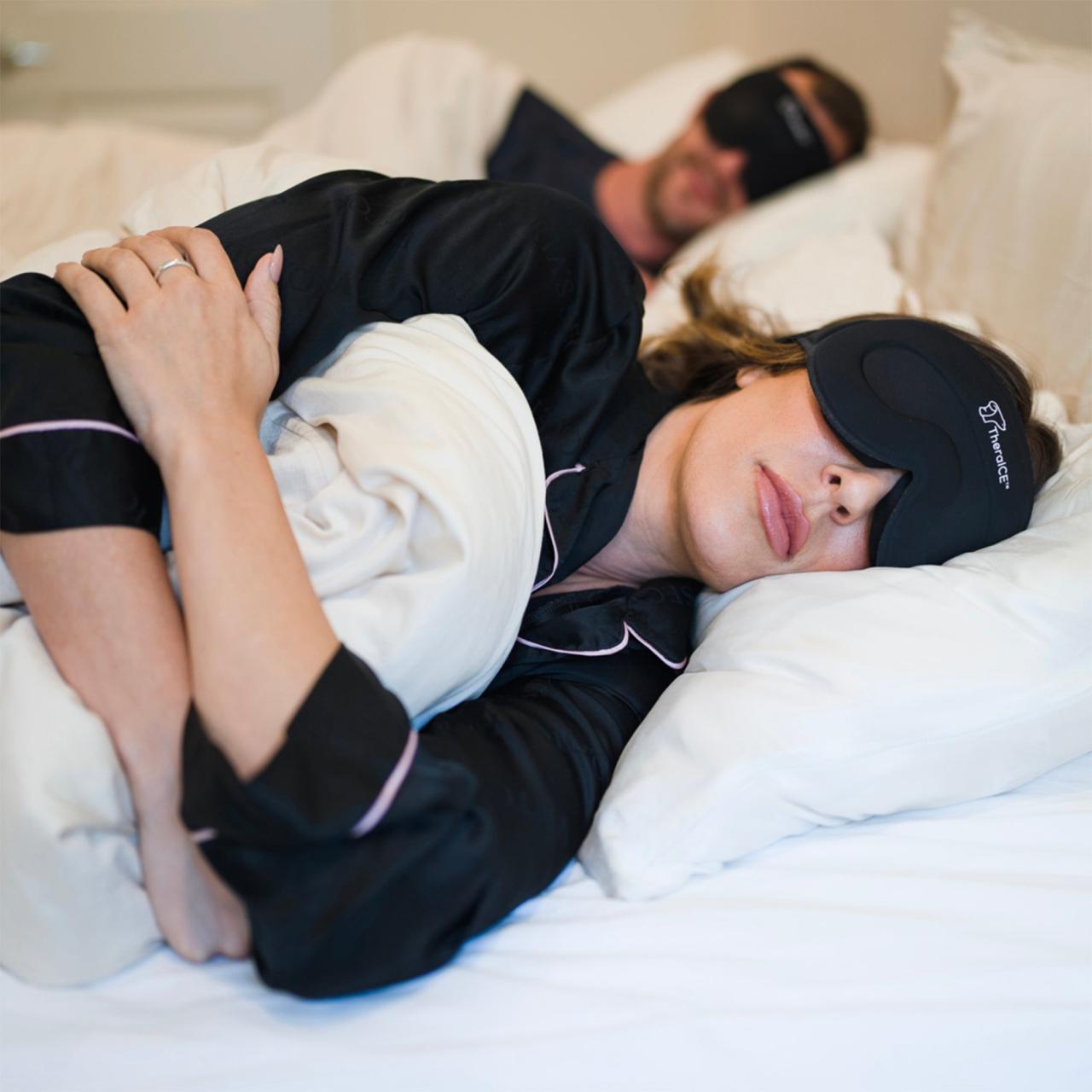
Sleep masks are essential tools for enhancing sleep quality, especially in environments where light can disrupt rest. With a diverse range of options available, individuals can choose sleep masks that best meet their personal preferences and comfort needs. Understanding the various types of sleep masks can help in making an informed choice for a better sleep experience.
Types of Sleep Masks
There are several categories of sleep masks, each designed with specific features that cater to various user requirements. Below are the primary types of sleep masks prevalent in the market today:
- Contoured Sleep Masks: These masks are designed with a unique shape that allows for more space around the eyes, preventing pressure on eyelashes and eyelids. They are perfect for side sleepers as they reduce the risk of smudging makeup while providing comfort. Often made with soft materials like memory foam or silk, the contouring enhances the overall sleep experience.
- Padded Sleep Masks: Offering extra cushioning, padded sleep masks are ideal for those who prefer a plush fit. The padding can come in various thickness levels, allowing users to select their desired comfort. Typically constructed from materials such as cotton or plush velour, these masks provide a gentle touch against the skin, promoting relaxation during sleep.
- Light-Blocking Masks: Specifically engineered to block out light, these masks are crucial for individuals who require complete darkness for sleep. Light-blocking masks often feature a snug fit and may include additional materials like blackout fabric. The effectiveness in preventing light penetration contributes greatly to enhancing sleep quality in bright environments.
- Cooling Sleep Masks: Designed to help regulate temperature, cooling masks often incorporate gel inserts or cooling fabrics that provide a refreshing sensation. These masks are particularly beneficial during warmer months or for individuals who tend to overheat during sleep. The combination of cooling technology and comfort materials aids in promoting a restful night.
The materials used in sleep masks significantly impact comfort and effectiveness. Common materials include cotton, silk, and synthetic blends, each offering unique qualities. Cotton is breathable and easy to wash, making it a popular choice for everyday use. Silk, on the other hand, is gentle on the skin and helps reduce friction against hair, which is ideal for preventing tangling and breakage. Synthetic blends are often designed for durability and moisture-wicking properties, catering to those who may perspire during sleep.
Each type of sleep mask has its unique benefits, enabling users to select a product tailored to their specific sleeping habits and environmental conditions. As a result, choosing the right sleep mask can lead to significant improvements in sleep quality and overall well-being.
The Benefits of Using Sleep Masks for Better Sleep Quality
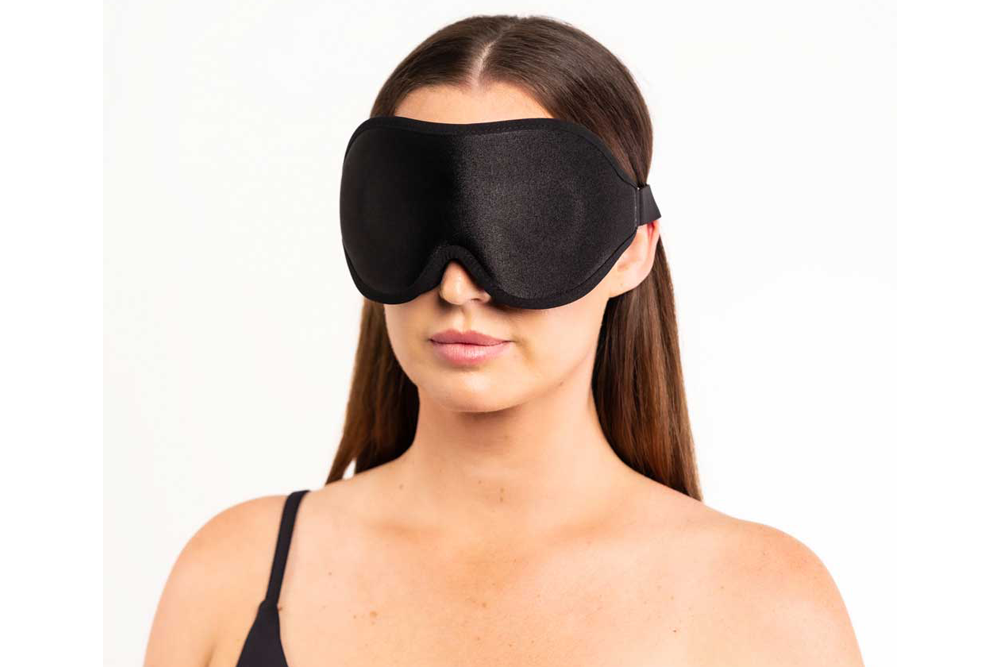
Sleep masks are often seen as simple accessories, but they offer significant benefits for those struggling with sleep. These masks create a tranquil environment that can enhance sleep quality, making them a valuable tool for improving overall well-being. By blocking out light and distractions, sleep masks contribute to more restful and uninterrupted sleep.
One of the key advantages of sleep masks is their ability to block out ambient light, which can be a major disruptor of sleep. In environments where light pollution from street lamps or electronic devices is prevalent, sleep masks can help create a darker atmosphere conducive to sleep. Additionally, sleep masks can signal to the body that it is time to wind down, promoting relaxation and enhancing the onset of sleep.
Improvement of Sleep Hygiene
Incorporating sleep masks into your nightly routine can significantly improve sleep hygiene, which is essential for maintaining overall health. Sleep hygiene refers to a set of practices that contribute to consistent and uninterrupted sleep. Here are some notable ways sleep masks enhance sleep hygiene:
- Light Blockage: By blocking out external light sources, sleep masks encourage a more natural sleep cycle, allowing the body to produce melatonin more effectively.
- Comfort and Relaxation: Many sleep masks are designed with soft materials that provide comfort, further promoting relaxation and making it easier to drift off to sleep.
- Consistency in Sleep Environment: Using a sleep mask each night creates a consistent cue for the body, reinforcing a routine that signals it’s time for sleep.
Research indicates that the use of sleep masks can positively affect sleep patterns. A study published in the journal “Sleep Medicine Reviews” highlighted that participants who used sleep masks experienced a notable improvement in sleep quality and duration. According to the study, individuals reported falling asleep faster and experiencing less nighttime awakenings. Furthermore, data from the National Sleep Foundation suggests that about 60% of adults experience sleep difficulties, and implementing tools like sleep masks could help mitigate these issues.
“Sleep masks can lead to a 25% increase in total sleep time, contributing to greater overall health and well-being.”
In summary, sleep masks not only improve sleep quality by blocking out light but also enhance sleep hygiene through comfort and routine. With supporting research and statistics, it’s evident that incorporating sleep masks into your nightly ritual can lead to significant improvements in sleep patterns and overall health.
How to Choose the Right Sleep Mask Based on Individual Needs
Choosing the right sleep mask is essential for enhancing your sleep quality. With various options available, selecting a mask that aligns with your personal comfort and needs can significantly impact your rest. Consider factors such as your face shape, sensitivity to materials, and the features that can improve your overall sleeping experience.
When selecting a sleep mask, understanding your unique preferences and requirements can lead to a more restful night. Factors like face shape and sensitivity play a crucial role in ensuring comfort. For instance, a person with a broader face may need a mask that offers a wider fit, while someone with sensitive skin should opt for hypoallergenic materials. The fit and fabric of the mask greatly influence how well it blocks out light and maintains comfort throughout the night.
Considerations for Selecting a Sleep Mask
Taking a closer look at the various factors involved in choosing the right sleep mask can help you make an informed decision. Below are key points to consider:
- Face Shape: Different masks cater to different face shapes. Masks designed for an oval shape may not fit snugly on a square face. It’s important to choose a mask that contours well to your features.
- Sensitivity to Materials: If you have sensitive skin, consider masks made from natural materials like cotton or bamboo. These fabrics are less likely to cause irritation compared to synthetic options.
- Adjustable Straps: Masks with adjustable straps ensure a custom fit, preventing slipping off during the night and allowing comfort for various head sizes.
- Light Blockage: Look for masks with a contoured shape or side wings that effectively block out light, especially if you sleep in bright environments.
- Breathability: A breathable fabric keeps you cool throughout the night, which is especially important for those who tend to overheat while sleeping.
Understanding the impact of these features can help you select a mask that not only fits well but also enhances your sleeping experience.
Comparison of Popular Sleep Mask Brands
There are numerous brands offering sleep masks across various price ranges, each with unique features. Here’s a breakdown of some popular options:
- Sleep Master: Known for their contoured design and adjustable straps, Sleep Master masks are made from soft, breathable fabric. They typically range from $15 to $25, making them affordable yet effective.
- Tempur-Pedic: This brand offers high-end masks that use memory foam for ultimate comfort and light blockage. Prices generally hover around $40 to $60, but users praise them for their durability and comfort.
- Mavogel: Renowned for its unique design that sits comfortably on the nose and allows for airflow, Mavogel masks are typically priced between $20 and $30. They are a great middle-ground option for those seeking comfort without breaking the bank.
- Bucky: The Bucky 40 Blinks mask is filled with buckwheat hulls, which conform to your face for customized support. Priced around $25, it offers both comfort and adaptability.
“Selecting the right sleep mask is not just about blocking light; it’s about ensuring comfort tailored to your specific needs.”
Exploring different brands and their offerings can help you find the ideal mask that will enhance your sleep experience while catering to your personal preferences.
The Role of Sleep Masks in Enhancing Travel Comfort
Traveling can be an exhilarating experience, but it often comes with its own set of challenges, especially when it comes to getting quality rest. Long flights, layovers, and unfamiliar environments can disrupt your sleep cycle and leave you feeling fatigued. Sleep masks serve as a simple yet effective solution to enhance travel comfort by providing a darkened environment conducive to rest. Whether you’re catching a few Z’s on a plane or trying to snooze in a hotel room with bright lights, a sleep mask can make a significant difference in your overall travel experience.
The importance of blocking light in unfamiliar environments cannot be overstated. Bright cabin lights or streetlights streaming through hotel windows can hinder your ability to fall and stay asleep. Sleep masks effectively eliminate these distractions, allowing you to relax and recharge. With a good quality mask, you can create a personal sleeping sanctuary that shields you from the disorienting effects of artificial light, enabling deeper, more restorative sleep.
Travel-Friendly Sleep Masks and Their Features
When selecting a sleep mask for travel, consider features that enhance comfort and portability. Here are some travel-friendly sleep masks that stand out for their design and usability:
- Contoured Sleep Mask: Designed to fit the contours of your face, this mask prevents pressure on your eyelids, making it ideal for long flights.
- Cooling Gel Sleep Mask: This variant incorporates cooling gel technology, providing soothing relief while blocking out light, perfect for hot environments.
- Adjustable Sleep Mask: Featuring adjustable straps, this mask ensures a secure fit for all head sizes, keeping it in place during movement.
- Lightweight and Compact Mask: Made from breathable materials, these masks are easy to pack and carry, ensuring that they don’t take up much space in your luggage.
- Memory Foam Sleep Mask: Offering plush comfort, these masks mold to your face shape, providing a customized fit that enhances light blocking.
In choosing a sleep mask, look for features that cater specifically to your travel habits and comfort preferences. A well-chosen sleep mask not only improves your chances of restful sleep but also enhances your overall travel experience, allowing you to arrive at your destination refreshed and ready to explore.
DIY Sleep Mask Designs and Customization Ideas
Creating a personalized sleep mask is not only a fun project but also a way to enhance your sleep experience. Whether you’re looking to block out light more effectively or simply express your unique style, crafting your own sleep mask allows for creativity and customization. This guide will explore various materials, designs, and the steps involved in making a DIY sleep mask, along with the benefits of personalizing your sleep accessory.
Materials for Personalized Sleep Masks
When crafting a DIY sleep mask, the choice of materials can significantly impact both comfort and aesthetics. Here are some popular materials to consider:
- Soft Fabrics: Cotton, silk, and satin are excellent choices for the main fabric due to their softness and comfort against the skin.
- Padding: Foam or a soft fleece lining can be added for extra comfort and to help in blocking out light effectively.
- Elastic Bands: A comfortable elastic band is crucial for keeping the mask securely in place during sleep.
- Decorative Elements: Use fabric paint, appliqués, or embroidery to personalize the mask with designs or names.
- Light-Blocking Materials: Consider using blackout fabric for the inner layer to ensure maximum light blockage.
Steps to Craft a DIY Sleep Mask
Creating your own sleep mask involves a few simple steps. Here’s how you can craft one from scratch:
- Gather Your Supplies: Collect all the necessary materials, including fabrics, padding, an elastic band, scissors, a sewing machine (or needle and thread), and any decorative items.
- Cut the Fabric: Cut two pieces of fabric into your desired mask shape, typically resembling a wide oval. Add an extra inch around the edges for seam allowance.
- Add Padding: Cut a piece of padding based on the fabric shape and place it between the two fabric pieces, aligning the edges.
- Sew the Edges: Sew around the edges of the mask, leaving a small opening for flipping it right side out. Turn the mask inside out and tuck the padding in.
- Insert the Elastic Band: Measure and cut a length of elastic band to fit comfortably around your head. Attach it to the sides of the mask, ensuring it’s secure.
- Decorate: Use fabric paint, markers, or sewing techniques to customize your mask with designs or personal touches.
Benefits of Customization
Customizing a sleep mask not only makes it unique but also allows you to select materials that enhance comfort and aesthetics. Here are some benefits to consider:
- Enhanced Comfort: Choosing soft, breathable fabrics can significantly improve your sleep quality.
- Personal Expression: A customized design reflects personal style and can be a conversation starter.
- Perfect Fit: Tailoring the size and elastic ensures the mask fits comfortably without causing pressure on the head.
- Unique Gift: A personalized sleep mask makes for a thoughtful and unique gift for friends or family.
“Customization transforms a simple sleep mask into a unique expression of individual style and comfort.”
Common Myths and Misconceptions About Sleep Masks
Despite their growing popularity, sleep masks remain shrouded in myths and misconceptions that can prevent people from reaping their benefits. Understanding the truths behind these myths is essential for anyone considering incorporating a sleep mask into their nightly routine. This section will clarify common misunderstandings surrounding sleep masks and shed light on their actual benefits.
Misconception: Sleep Masks Are Uncomfortable to Wear
Many people believe that sleep masks are uncomfortable, often picturing bulky or suffocating materials. In reality, modern sleep masks are designed with comfort in mind, utilizing soft fabrics like cotton or silk. These materials not only provide a gentle touch against the skin but also help regulate temperature, making them suitable for year-round use.
Misconception: Sleep Masks Are Only for Light Sensitivity
Another common myth is that sleep masks are only necessary for those who are particularly sensitive to light. However, sleep masks can benefit anyone seeking a better night’s sleep. Blocking out ambient light helps signal to the brain that it’s time for rest, which can enhance the quality of sleep even for those who do not have specific light sensitivity issues.
Misconception: Sleep Masks Are Ineffective for Improving Sleep Quality
Some individuals doubt the effectiveness of sleep masks in enhancing sleep quality. Contrary to this belief, studies indicate that reducing light exposure can significantly improve sleep quality. The National Sleep Foundation suggests that sleep masks, by providing a dark environment, can help individuals fall asleep faster and increase the duration of deep sleep.
Misconception: Sleep Masks Can Damage Your Skin
Concerns about skin damage from sleep masks are prevalent, with many worrying that prolonged use may lead to irritation or breakouts. On the contrary, using a high-quality mask made from breathable materials can actually protect your skin by minimizing exposure to dust and allergens. Additionally, silk masks are known for their hypoallergenic properties and can promote healthier skin during sleep.
Misconception: All Sleep Masks Are the Same
It’s a common misconception that all sleep masks are interchangeable. In reality, they vary widely in terms of size, shape, and material. Some masks are contoured to fit the face better, while others may include features like adjustable straps or added padding for comfort. Selecting a mask that suits your specific needs can greatly enhance your sleeping experience.
“Choosing a sleep mask tailored to your preferences can significantly improve both comfort and sleep quality.”
Misconception: Sleep Masks Are Only for Travelers
While sleep masks are often associated with travel, their benefits extend well beyond that context. They are perfect for anyone needing to create an ideal sleep environment at home, particularly in urban settings where streetlights and other sources of light can interfere with sleep.
Evidence from sleep experts indicates that creating a dark sleep space is crucial for optimal sleep hygiene, making sleep masks a practical tool for enhancing sleep for individuals in various environments.
How to Properly Care for and Maintain Your Sleep Mask
Taking care of your sleep mask is essential for ensuring its longevity and maintaining a comfortable sleep environment. A well-maintained sleep mask not only enhances your sleep experience but also helps to keep allergens and odors at bay. Below are some practical tips for cleaning and storing your sleep mask effectively.
Cleaning and Storing Sleep Masks
Routine cleaning and proper storage can significantly extend the life of your sleep mask. Different materials require specific care, so it’s crucial to understand how best to clean your mask based on its composition.
- Machine Washing: If your sleep mask is made of cotton or polyester, it is often machine washable. Use a gentle cycle with cold water, and consider placing it in a mesh laundry bag to protect it from snagging.
- Hand Washing: For delicate materials like silk or satin, opt for hand washing. Use a mild detergent and lukewarm water, gently agitating the mask before rinsing thoroughly to remove all soap.
- Drying: Air drying is the best method for all types of sleep masks. Lay it flat on a clean towel, away from direct sunlight, to prevent any potential fading or damage.
- Storing: When not in use, store your sleep mask in a cool, dry place. Consider using a dedicated pouch to keep it clean and free from dust.
Choosing Appropriate Cleaning Agents
Selecting the right cleaning agents is crucial for maintaining the integrity of your sleep mask. Harsh chemicals can degrade fabrics and irritate the skin.
- Mild Detergent: Use a gentle detergent free from bleach and fragrances. This helps to avoid skin irritation and keeps the mask in good condition.
- Natural Cleaners: Opt for natural cleaning solutions like vinegar or baking soda for an eco-friendly approach. These substances can effectively remove odors without damaging fabrics.
- Avoid Fabric Softeners: Fabric softeners can leave residues that may lead to skin irritations and reduce the mask’s effectiveness.
Maintaining Hygiene and Preventing Allergens
Maintaining hygiene is essential not just for comfort but also for health. Regular cleaning and care can help prevent allergens and odors from accumulating in your sleep mask.
- Regular Cleaning Schedule: Aim to wash your sleep mask at least once a week, especially if you wear makeup or have oily skin, as these can transfer to the mask.
- Use of Essential Oils: Consider adding a few drops of lavender or tea tree oil to your washing routine for an extra layer of freshness, known for their antimicrobial properties.
- Avoid Shared Use: Sharing your sleep mask can lead to cross-contamination. It’s best to have a personal mask to maintain hygiene.
Regular maintenance of your sleep mask not only enhances comfort but also protects your skin and overall health.
Ultimate Conclusion
In conclusion, sleep masks are more than mere accessories; they are gateways to better sleep and improved health. By exploring different types, understanding their benefits, and learning how to choose the right mask, you can elevate your sleep experience. Whether you’re customizing your own or picking from top brands, investing in a quality sleep mask could be your first step towards a peaceful night’s rest.
FAQ Insights
How do sleep masks help with insomnia?
Sleep masks block light, creating a dark environment conducive to sleep, which can help reduce insomnia symptoms.
Are sleep masks suitable for all face shapes?
Many sleep masks come in adjustable designs to accommodate different face shapes and sizes for optimal comfort.
Can I wash my sleep mask?
Yes, most sleep masks can be washed; however, it’s essential to follow the care instructions based on the material used.
Do sleep masks help with eye strain?
Yes, using a sleep mask can help reduce eye strain by blocking light, which allows your eyes to relax and recover.
Can children use sleep masks?
Yes, many sleep masks are designed for children, but ensure they fit properly and are comfortable for younger users.