
 Caroline Sarah
Blue light blocking glasses have emerged as a crucial accessory in our tech-driven world, where screens dominate our daily lives. With increasing awareness about the effects of blue light on eye health, these glasses are gaining popularity among various demographics, from gamers to office workers. This article dives deep into the origins, science, and benefits of blue light blocking glasses, making a case for their place in your daily routine.
From their historical development in the optical industry to the advancements in lens technology, blue light blocking glasses have evolved significantly. They are designed not just to protect your eyes from strain but also to improve sleep quality and overall well-being, making them a valuable investment for anyone regularly exposed to screens.
The origin and development of blue light blocking glasses in the optical industry
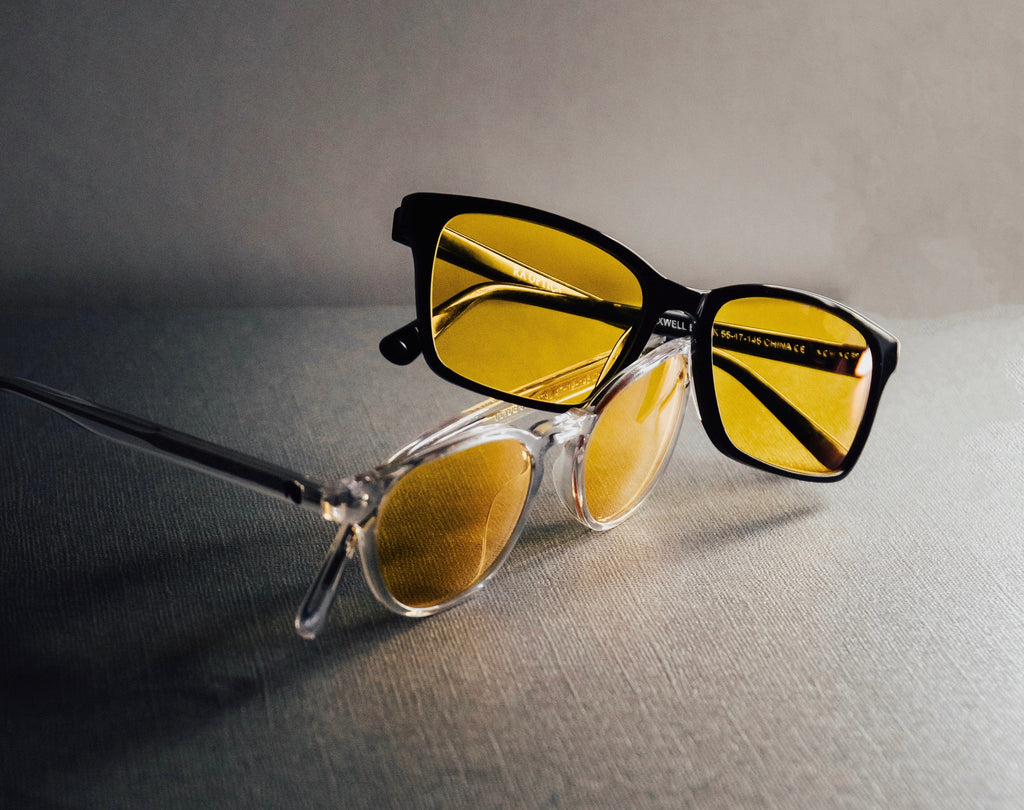
The journey of blue light blocking glasses is a tale of innovation and adaptation within the optical industry. These specialized lenses have evolved from a basic understanding of light wavelengths to becoming a critical tool for those who spend significant time in front of screens. This evolution reflects a growing awareness of the impacts of digital devices on eye health.
The concept of blue light blocking glasses emerged in the late 20th century, coinciding with the rise of computer usage. Initial studies identified that blue light, a high-energy visible light emitted by digital screens, could contribute to eye strain and discomfort. As research progressed, the understanding of blue light’s effects expanded, paving the way for technological advancements in lens manufacturing. Over the years, various iterations of blue light blocking technology have been developed, enhancing our ability to filter out harmful wavelengths effectively.
Historical timeline of blue light blocking glasses
The development of blue light blocking glasses can be traced through several key milestones:
- 1980s: Preliminary research begins on the effects of blue light exposure on human health, focusing on its potential role in digital eye strain.
- 1990s: The introduction of anti-reflective coatings marks the first significant advancement in lens technology, paving the way for the development of blue light filtering lenses.
- 2000: The first commercially available blue light filtering glasses emerge, targeting users of computers and other digital devices.
- 2010s: Increased awareness of digital eye strain leads to a surge in popularity for blue light blocking glasses, with various brands introducing innovative designs and enhanced filtering technologies.
- 2020: Significant research studies link prolonged blue light exposure to potential retinal damage, prompting further technological advancements and regulatory interest.
Technological advancements in lens manufacturing have played a pivotal role in the evolution of blue light blocking glasses. Early models relied on tinted lenses to reduce blue light exposure, but the introduction of advanced coatings and specialized materials has dramatically improved effectiveness and aesthetics. Modern blue light blocking lenses often incorporate multilayer coatings that selectively filter specific wavelengths, enhancing user comfort without distorting color perception.
Significant research surrounding blue light exposure has also contributed to the ongoing evolution of these glasses. Studies have indicated that excessive blue light exposure can disrupt sleep patterns by affecting melatonin production, leading to increased interest in blue light blocking solutions not just for eye health, but overall well-being. As our understanding of blue light’s effects continues to grow, the optical industry will likely see even more innovations in blue light filtering technologies and designs aimed at enhancing visual comfort in our increasingly digital world.
The science behind blue light and its potential impact on eye health
Blue light is a segment of the visible light spectrum, characterized by short wavelengths and high energy. This type of light is emitted by various sources, including sunlight, artificial lighting, and digital screens. Understanding the nature of blue light and its unique properties is essential in assessing its impact on eye health. Unlike other wavelengths of light, blue light has a shorter wavelength (approximately 380 to 495 nanometers) and is known for its potential to disrupt biological rhythms and cause discomfort.
The increase in blue light exposure in our daily lives stems from the ubiquitous use of digital devices. Research suggests that excessive exposure to blue light can lead to a range of ocular issues, including digital eye strain and potential long-term damage. Studies indicate that blue light penetrates deeper into the eye compared to other wavelengths, reaching the retina. This heightened intensity can result in oxidative stress and damage to retinal cells, which may contribute to conditions such as age-related macular degeneration (AMD).
Effects of prolonged blue light exposure
Prolonged exposure to blue light can significantly impact biological systems, especially those related to visual health. Eye strain, discomfort, and reduced visual acuity are common immediate effects experienced by individuals who spend extended periods in front of screens. This phenomenon, often referred to as digital eye strain, encompasses symptoms like dryness, irritation, and blurred vision.
The potential long-term effects of blue light exposure warrant attention. Research compiled from various studies indicates that chronic exposure could lead to:
-
Increased risk of age-related macular degeneration (AMD)
– Continuous damage to retinal cells over time may accelerate the onset of AMD, a leading cause of vision loss in older adults.
-
Disruption of circadian rhythms
– Blue light exposure, especially in the evening, interferes with melatonin production, affecting sleep quality and overall health.
-
Phototoxic effects on retinal cells
– The high energy emitted by blue light may increase the likelihood of photochemical damage to the retina, leading to cell death and visual impairment.
Understanding these effects underscores the importance of protecting eye health through various measures, such as the use of blue light blocking glasses, particularly for individuals who frequently engage with digital devices. Implementing protective strategies can mitigate the risks associated with blue light exposure and foster better visual well-being.
Identifying the target audience for blue light blocking glasses
As digital technology continues to advance, more individuals find themselves spending extended hours in front of screens. This shift in daily habits has brought increased awareness regarding the potential risks associated with prolonged blue light exposure. Understanding who stands to benefit the most from blue light blocking glasses is crucial for both consumers and marketers alike.
Certain demographics are particularly vulnerable to the effects of blue light. Individuals aged 18 to 35, especially those in urban settings, are among the primary users of digital devices. This age group typically engages heavily in activities such as gaming, social media, and online work, making them significant candidates for blue light blocking glasses. Additionally, older adults may also experience discomfort due to blue light exposure, particularly those with existing vision problems.
Professions and lifestyle choices leading to increased blue light exposure
Numerous professions and lifestyles contribute to elevated blue light exposure. Understanding these can help identify who needs blue light blocking glasses the most.
– Office Workers: Employees who spend long hours in front of computers are at risk of digital eye strain and fatigue. This includes professionals across sectors like IT, finance, and marketing.
– Gamers: With an increasing number of individuals engaging in video gaming as a hobby or profession, gamers often spend extended periods focused on screens, necessitating eye protection.
– Students: Students, particularly those in higher education, routinely use computers for studying, researching, and completing assignments, making them prime candidates for blue light filtering solutions.
– Content Creators: Individuals working in fields such as video editing, graphic design, and social media management often face prolonged blue light exposure during their creative processes.
– Night-time Users: People who use devices late into the evening, whether for work or entertainment, may be adversely affected by blue light exposure, impacting their sleep routines.
Understanding the specific needs of these groups allows for more effective marketing and tailored solutions for blue light blocking glasses.
Different needs of consumers
Different consumer segments have varying needs when it comes to blue light blocking glasses. Each group may prioritize features based on their lifestyle and usage patterns.
– Gamers: For gamers, comfort and design are essential, as they often wear glasses for hours. Lightweight frames and anti-reflective coatings enhance their gaming experience and reduce eye strain.
– Office Workers: These users may prefer blue light glasses that blend seamlessly with their professional attire, prioritizing style without compromising on functionality.
– Night-time Users: Individuals who use screens before bedtime might focus on glasses that not only block blue light but also come with a softer tint to promote relaxation and minimize disturbance of their sleep cycle.
By understanding these varied needs, brands can tailor their offerings to meet the expectations of different consumer segments, ensuring that blue light blocking glasses become an essential part of their daily lives.
Evaluating the different types and styles of blue light blocking glasses available
In today’s digital age, blue light blocking glasses have emerged as essential accessories for many, helping to alleviate eye strain caused by prolonged exposure to screens. However, with a variety of styles and types on the market, choosing the right pair can be overwhelming. This discussion evaluates the different styles available, key features to consider, and the fashion aspects that influence consumer choices.
Comparison of Styles: Full-Frame, Half-Frame, and Clip-On
When selecting blue light blocking glasses, understanding the differences between styles can aid in making an informed decision. Each style has its own advantages and disadvantages, which can cater to specific needs and preferences.
- Full-Frame Glasses: These glasses cover the entire lens area and often provide the most comprehensive blue light protection. They come in various designs, allowing for a blend of functionality and fashion. Ideal for those who spend long hours in front of screens, full-frame options can be stylish yet practical.
- Half-Frame Glasses: Offering a lighter and more minimalistic option, half-frame glasses provide a good balance of style and comfort. They are suitable for users who prefer a less bulky feel while still benefiting from blue light filtering technology.
- Clip-On Models: These models can easily be attached to existing prescription glasses, making them a versatile choice. Clip-ons are often favored by users who do not want to invest in a separate pair of glasses. They can be easily removed when not needed, blending convenience with effectiveness.
Key Features to Consider When Choosing Blue Light Blocking Glasses
When shopping for blue light blocking glasses, it is essential to consider various features that can enhance their effectiveness and usability. These features can significantly impact the performance of the glasses in filtering harmful blue light.
- Lens Technology: Look for lenses specifically designed to block blue light. Many brands use advanced coatings or specialized tinting to create lenses that reduce glare and improve visual comfort.
- Coatings: Anti-reflective coatings can improve visual clarity by minimizing reflections on the lens surface. Additionally, scratch-resistant coatings are preferable for durability and longevity.
- Comfort and Fit: Proper fit is crucial for comfort, especially during extended use. Ensure that the frames fit well without pinching or causing discomfort across the nose and ears.
Diversity in Fashion Styles and Consumer Choices
Fashion plays a significant role in the selection of blue light blocking glasses, as consumers are increasingly looking for products that not only serve a functional purpose but also reflect their personal style. The diversity in design options includes various frame shapes, colors, and materials, appealing to a broad audience.
- Frame Shapes: From classic rectangular shapes to trendy oversized frames, the shape of the glasses can enhance facial features and resonate with individual tastes.
- Color Options: Frames are available in an array of colors, allowing consumers to choose options that align with their wardrobe or personal branding.
- Material Choices: Materials such as plastic, metal, and eco-friendly options cater to different preferences, with each material offering unique aesthetics and comfort levels.
Fashion-forward designs in blue light blocking glasses encourage more people to prioritize eye health while expressing their individuality.
The role of blue light blocking glasses in improving sleep quality
The modern lifestyle often involves prolonged exposure to screens, from smartphones to computers, which emits significant amounts of blue light. Research has increasingly shown that this exposure can disrupt sleep patterns by interfering with the body’s natural circadian rhythms. The detrimental effects of blue light on melatonin production have raised concerns about sleep quality in individuals regularly using digital devices, especially before bedtime.
Studies have demonstrated a clear relationship between blue light exposure and sleep disruption. For instance, a study published in the journal *Chronobiology International* found that participants exposed to blue light before sleep experienced delayed sleep onset and reduced sleep quality. This disruption arises because blue light inhibits melatonin secretion, which is crucial for signaling sleep in the body. With blue light blocking glasses, individuals can effectively mitigate these adverse effects, leading to improved sleep quality.
Mechanism of blue light blocking glasses
Blue light blocking glasses work by filtering out a portion of the blue light emitted from screens, which reduces its impact on the eyes and the brain’s ability to produce melatonin. By wearing these glasses in the evening, individuals can protect themselves from the blue light that interferes with their natural sleep cycle. This proactive measure can result in several advantages:
- Improved sleep duration: Wearing blue light blocking glasses has been associated with longer sleep duration, as individuals can fall asleep more easily and stay asleep longer.
- Enhanced sleep quality: Users report experiencing deeper and more restorative sleep, which is crucial for cognitive functioning and emotional well-being.
- Better mood regulation: Quality sleep contributes to better mood and reduced anxiety levels, leading to a more stable emotional state during the day.
- Increased alertness: A full night’s sleep enhances overall alertness and productivity, providing individuals with the energy needed to tackle daily tasks effectively.
- Long-term health benefits: Consistent quality sleep is linked to numerous health benefits, including a lower risk of chronic illnesses, improved immune function, and better weight management.
“Quality sleep is essential for cognitive function, emotional well-being, and overall health.”
Research consistently supports the notion that better sleep leads to improved productivity and health outcomes. For example, a study published in *Sleep* indicated that individuals who prioritize sleep tend to have better performance at work and experience fewer health issues. By incorporating blue light blocking glasses into their nighttime routine, individuals can take significant steps toward enhancing their sleep quality and, consequently, their overall health and productivity.
Consumer perceptions and misconceptions surrounding blue light blocking glasses
Consumer perceptions of blue light blocking glasses are shaped by a mix of marketing messages, personal experiences, and prevailing myths. While these glasses have gained popularity for their touted benefits, misconceptions continue to cloud their effectiveness and purpose. This discussion aims to clarify these myths and provide insight into consumer attitudes across various demographics.
Understanding common myths about blue light blocking glasses is essential for informed decision-making. One prevalent misconception is that these glasses completely eliminate blue light exposure. In reality, they reduce blue light transmission but do not block it entirely. Another myth suggests that everyone needs blue light blocking glasses; while they may benefit those who spend prolonged hours in front of screens, individuals with minimal screen time may not experience significant effects. To clarify these points, consider the following common myths and their factual corrections:
Common myths and factual corrections
- Myth: Blue light blocking glasses prevent all eye strain.
Reality: While they can help reduce discomfort associated with prolonged screen exposure, they do not eliminate eye strain entirely.
- Myth: These glasses are only for people who work on computers.
Reality: Anyone exposed to artificial light sources, including smartphones and tablets, can benefit from blue light blocking glasses.
- Myth: They are ineffective at night.
Reality: Wearing these glasses in the evening can actually improve sleep quality by reducing blue light exposure before bedtime.
Consumer attitudes towards the effectiveness of blue light blocking glasses vary significantly, often influenced by age, lifestyle, and personal beliefs. Younger consumers, particularly digital natives, are generally more inclined to adopt these products, associating them with lifestyle enhancements and a proactive approach to eye care. In contrast, older consumers may be more skeptical, often viewing them as a marketing gimmick rather than a necessary accessory.
Interestingly, studies show that older adults are more likely to have experienced the adverse effects of blue light exposure, such as sleep disturbances or eye discomfort, yet they may not connect these symptoms with the need for blue light blocking glasses. This generational divide highlights the importance of education and awareness in promoting the benefits of these glasses.
Age group perceptions and adoption rates
The willingness to adopt blue light blocking glasses varies among different age groups, reflecting not only lifestyle choices but also perceptions of necessity.
- Gen Z and Millennials: This group often prioritizes tech-related products and is more likely to purchase blue light blocking glasses, viewing them as essential for digital health.
- Generation X: Generally aware of the potential negative effects, they show interest but often weigh cost versus perceived benefit before making a purchase.
- Baby Boomers: Less likely to adopt these glasses compared to younger generations, as they often rely on traditional methods for eye care and may be less engaged with digital marketing.
Understanding these perceptions can help brands tailor their messaging to meet the needs and concerns of each demographic, ultimately fostering a wider acceptance of blue light blocking glasses among consumers. As awareness grows, so too may the demand for these innovative products designed to support visual well-being in an increasingly digital world.
The future of blue light blocking technology in eyewear
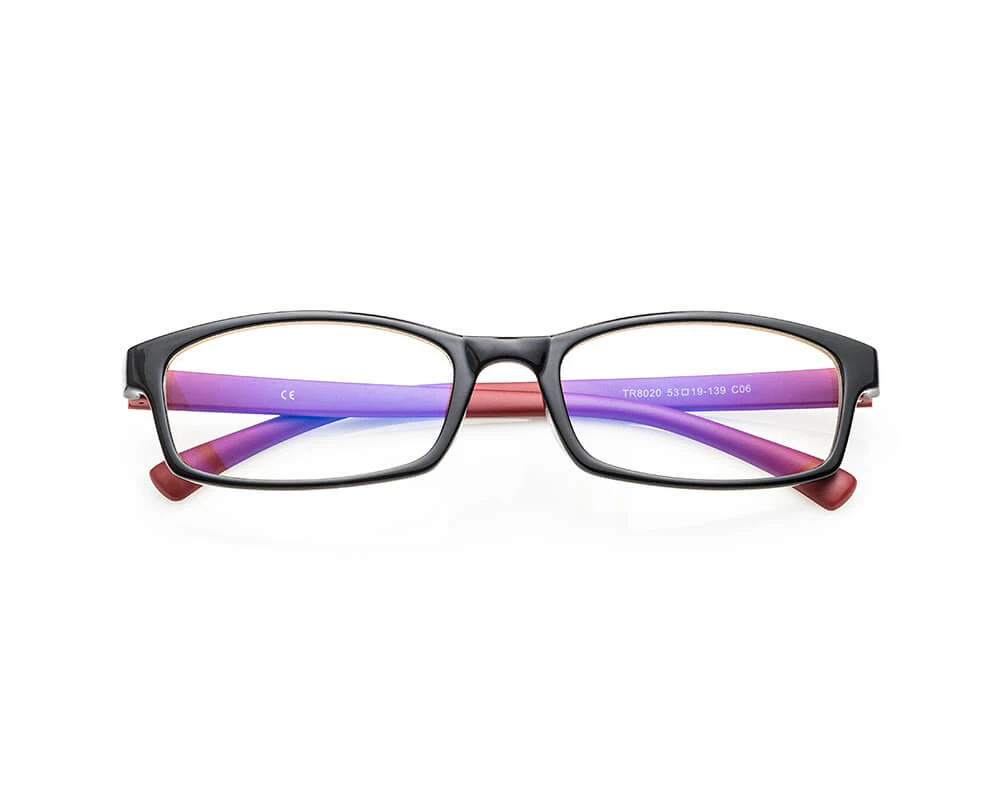
As we look ahead, the landscape of blue light blocking technology in eyewear is poised for significant transformation. With increasing screen time and heightened awareness of the potential effects of blue light on eye health, consumers are becoming more discerning about their eyewear choices. This presents a ripe opportunity for advancements in both technology and design to enhance user experience while effectively mitigating blue light exposure.
Innovations in blue light blocking glasses are expected to center around two main themes: enhanced functionality and improved aesthetics. As research continues to unveil the nuances of blue light exposure, eyewear manufacturers are likely to develop lenses that offer not only basic blue light filtering but also adaptive features. These features may include photochromic lenses that adjust to varying light conditions or coatings that enhance contrast and reduce glare.
Upcoming trends in technology and design
The future of blue light blocking eyewear is characterized by a few key trends that reflect changing consumer needs and technological advancements.
- Smart Glasses Integration: The emergence of smart glasses that incorporate blue light blocking technology is on the rise. These eyewear devices may include augmented reality features that allow users to interact with digital environments while protecting against blue light.
- Customized Lens Coatings: Companies are beginning to offer personalized lens coatings tailored to individual needs, such as varying levels of blue light filtration based on the user’s daily activities or screen usage patterns.
- Eco-Friendly Materials: Sustainability is becoming a priority in eyewear manufacturing. Expect to see blue light blocking glasses made from biodegradable or recyclable materials, appealing to environmentally conscious consumers.
- Fashion-Forward Designs: As style remains a significant factor in eyewear choice, designers are integrating blue light blocking technology into trendy and fashionable frames that appeal to a younger demographic, making protective eyewear more attractive.
The growing awareness of blue light exposure is likely to drive increased demand for such advanced eyewear solutions. As consumers become more educated about the potential risks associated with prolonged screen use, they will seek products that not only provide protection but also enhance their overall visual experience.
The market for blue light blocking glasses is projected to expand significantly, with research suggesting a compound annual growth rate (CAGR) of over 6% in the coming years.
In terms of user experience, we can anticipate innovations such as built-in blue light monitors that alert users when they are exposed to excessive blue light, further encouraging proactive eye health management. Enhanced user interfaces and app integration may also feature, allowing users to track their screen time and adjust their eyewear settings accordingly.
Overall, the future of blue light blocking technology in eyewear promises to be a blend of advanced science and stylish design, ensuring that consumers can protect their eyes without compromising on aesthetics or functionality.
Analyzing the cost vs. value of investing in blue light blocking glasses
Investing in blue light blocking glasses involves weighing the initial costs against their potential long-term benefits. With various brands and models available, understanding the financial implications can help consumers make informed decisions about their eye health and overall well-being.
When evaluating the cost of blue light blocking glasses, it’s essential to consider the price range across different brands and models. High-quality glasses can vary significantly in price based on materials, design, and added features such as anti-reflective coatings. The following breakdown Artikels a range of options available in the market:
Cost Breakdown of Blue Light Blocking Glasses
The cost of blue light blocking glasses can be categorized into budget-friendly and premium options. Below is a detailed overview of what consumers can expect:
| Brand/Model | Price Range | Features | Quality Rating |
|---|---|---|---|
| Budget Brand A | $15 – $30 | Basic blue light filtering, plastic frames | 3/5 |
| Mid-Range Brand B | $30 – $70 | Enhanced blue light blocking, anti-reflective coating, metal frames | 4/5 |
| Premium Brand C | $70 – $150 | High-performance blue light filtering, customizable frames, UV protection | 5/5 |
The data indicates a clear distinction between budget-friendly and premium offerings, with premium models often providing superior quality, durability, and aesthetic appeal. While the initial investment in more expensive glasses can be substantial, the potential long-term benefits may outweigh the costs.
Long-Term Benefits of Blue Light Blocking Glasses
Investing in quality blue light blocking glasses can lead to several long-term benefits. These glasses help reduce eye strain and fatigue, which are increasingly common in our screen-centric world. The potential advantages include:
- Improved sleep quality: By minimizing blue light exposure, especially before bedtime, users may experience better sleep patterns and overall health.
- Reduced risk of digital eye strain: Consistent use can alleviate symptoms such as dryness and discomfort associated with prolonged screen time.
- Enhanced productivity: With less eye fatigue, individuals may find they can work longer hours without discomfort, leading to increased efficiency.
- Long-term eye health: Some studies suggest that blue light exposure may contribute to retinal damage over time; thus, protective eyewear can play a crucial role in safeguarding vision.
“The investment in blue light blocking glasses can lead to significant improvements in quality of life, particularly for those who spend extensive time in front of screens.”
When comparing budget-friendly options to premium offerings, it’s clear that while lower-priced glasses can provide basic protection, the performance and durability of higher-end models often justify the higher price tag. Users looking for longevity and enhanced features will likely find greater value in premium brands, whereas casual users might be satisfied with more affordable choices.
Ultimately, the decision hinges on individual usage patterns and preferences, making it essential for consumers to assess their needs before making a purchase.
Gathering testimonials and case studies from users of blue light blocking glasses
With the growing awareness of the effects of blue light exposure, many users have turned to blue light blocking glasses as a solution. Their experiences often reveal significant improvements in various aspects of daily life. By collecting real-life stories, we can uncover the tangible benefits that these glasses provide and how they contribute to enhanced productivity and overall well-being.
User testimonials can offer valuable insights into the real-world impact of blue light blocking glasses. These stories not only highlight individual experiences but also reflect broader trends in user satisfaction and lifestyle changes. Below are diverse testimonials that illustrate the positive differences users have experienced:
User Experiences with Blue Light Blocking Glasses
Testimonials have come from a range of individuals, showcasing the various ways blue light blocking glasses have influenced their daily routines and health. Each account highlights the unique circumstances and outcomes of users.
-
“Since I started wearing blue light blocking glasses while working on my computer, my eye strain has significantly decreased. I can now work longer hours without feeling fatigued.”
– Sarah, Graphic Designer
-
“I noticed that I sleep better at night after using these glasses. The hours I spend on screens before bed no longer disturb my sleep cycle.”
– Mike, Software Developer
-
“My productivity has improved immensely. I feel less distracted and more focused during my work hours, thanks to the clarity I get from wearing these glasses.”
– Emily, Project Manager
-
“After using these glasses while gaming, I experienced less discomfort and more enjoyment during long sessions.”
– Ryan, Gamer
-
“I’m more aware of how blue light affects my mood. Since I started using blue light blocking glasses, I feel less anxious and more at ease in my daily life.”
– Jessica, Freelance Writer
These testimonials underscore the varied impacts that blue light blocking glasses can have on individuals’ routines. Users have reported enhancements in productivity, improvement in sleep quality, and a reduction in eye discomfort. Collecting these experiences helps to paint a clearer picture of the potential benefits these glasses offer across different lifestyles and professions. By organizing these narratives, we can appreciate the diverse outcomes that come from simply incorporating blue light blocking glasses into daily life.
Exploring alternative solutions for reducing blue light exposure without glasses
As blue light exposure becomes a growing concern due to the increasing prevalence of digital devices, finding alternatives to blue light blocking glasses can be beneficial. Whether for work or leisure, there are various lifestyle changes, technological adaptations, and environmental adjustments that can help minimize blue light exposure effectively.
Lifestyle changes to minimize screen time
Reducing screen time is one of the most effective ways to lower blue light exposure. Making small adjustments in daily habits can significantly impact overall eye health.
- Implement the 20-20-20 rule: Every 20 minutes of screen time, look at something 20 feet away for at least 20 seconds. This helps reduce eye strain and gives your eyes a chance to rest.
- Set specific times for device usage, ensuring breaks are incorporated. Designating tech-free zones, especially in the evening, can encourage more offline activities, reducing overall screen exposure.
- Engage in hobbies that do not involve screens, such as reading a physical book, gardening, or exercising outdoors. These activities not only limit blue light exposure but also promote mental wellbeing.
Using technology to filter blue light
There are numerous apps and settings available that can help filter blue light emitted from digital screens. Leveraging these tools can be an effective way to protect your eyes while maintaining screen use.
- Blue light filtering apps: Applications like f.lux and Twilight adjust the color temperature of your display based on the time of day, reducing blue light output during evening hours.
- Device settings: Most smartphones and computers come with built-in features, such as Night Shift for Apple devices and Night Light for Windows, which can be enabled to automatically reduce blue light emission.
- Screen protectors: Physical screen filters can also be applied to devices, providing an additional layer of protection against blue light.
Environmental adjustments for eye comfort
Creating a comfortable environment is essential for minimizing blue light exposure. Simple changes to your surroundings can enhance overall eye comfort throughout the day.
- Adjust indoor lighting: Opt for softer, warm-colored light bulbs instead of harsh fluorescent lighting. Soft white or yellow light bulbs can reduce glare and overall eye strain.
- Use natural light: Position workspaces near windows to take advantage of natural daylight, which is less likely to cause eye fatigue compared to artificial lighting.
- Incorporate plants: Adding greenery to your workspace can enhance the atmosphere and help reduce overall stress levels, indirectly contributing to better eye health.
Epilogue
In conclusion, blue light blocking glasses represent more than just a trendy accessory; they are a proactive solution to modern challenges posed by our digital lifestyle. As we continue to embrace technology, understanding the importance of protecting our eyes becomes ever more critical. With various styles and options available, investing in a pair of these glasses could enhance your daily comfort and health.
FAQ Guide
Do blue light blocking glasses really work?
Yes, numerous studies suggest that these glasses can help reduce eye strain and improve sleep quality by filtering out harmful blue light.
Can I wear blue light blocking glasses all day?
Absolutely! They are safe to wear throughout the day, especially if you spend long hours in front of screens.
Are blue light blocking glasses different from regular sunglasses?
Yes, while sunglasses block ultraviolet (UV) light, blue light blocking glasses specifically filter out blue light wavelengths, making them suitable for indoor use as well.
Is there a specific lens color for blue light blocking glasses?
Many blue light blocking glasses have a slight yellow tint, which is effective in filtering blue light, but there are also clear lens options available.
How do I know if I need blue light blocking glasses?
If you experience eye strain, headaches, or trouble sleeping after prolonged screen use, you might benefit from wearing blue light blocking glasses.