
 Caroline Sarah
As Smart bed takes center stage, it represents a fascinating intersection of technology and sleep science, designed to enhance our nightly rest. In a world where sleep is increasingly recognized as crucial to overall health, smart beds emerge as pivotal players in transforming our sleep experience. With features that monitor our sleep patterns, adjust to our comfort needs, and provide insights into our health, these beds are not just furniture; they are gateways to improved well-being.
The evolution of sleep technology has been remarkable, from the humble beginnings of basic mattresses to the sophisticated smart beds of today. Early sleep aids like waterbeds and memory foam have paved the way for innovations that incorporate sensors and connectivity, aiming for an optimized sleep experience. Understanding how these advancements work can help us appreciate the profound impact they have on our lives.
The Evolution of Sleep Technology and the Role of Smart Beds
Sleep technology has come a long way since the days of rudimentary sleep aids. As society has progressed, so too have our understanding and approach to sleep. The evolution of sleep technology reflects advancements in science, design, and consumer needs, leading to the proliferation of smart beds that merge comfort with functionality. These innovative sleep solutions have redefined how we engage with our sleep environment, promising better rest through technology-enhanced features designed to cater to individual preferences.
In the past, sleep aids were primarily simplistic, often relying on materials and methods that offered limited support and comfort. Early examples of sleep aids include straw-filled mattresses and wooden bed frames, which provided basic support but lacked any ergonomic consideration. Fast forward to modern times, the introduction of smart beds has significantly transformed the landscape of sleep technology. Smart beds are equipped with features such as adjustable firmness, temperature control, sleep tracking, and even integration with smart home systems, greatly enhancing the user experience. For instance, brands like Sleep Number and Tempur-Pedic offer beds that can automatically adjust firmness levels based on the sleeper’s position, while others may monitor heart rate and breathing patterns, providing valuable feedback on sleep quality.
Innovations in Materials and Technology
The evolution of sleep technology has been significantly influenced by innovations in materials and technology, leading to the sophisticated designs of smart beds. Traditional mattresses made from cotton, wool, and other natural fibers have been supplanted by advanced materials such as memory foam, latex, and gel-infused fabrics that offer superior comfort and support.
These modern materials not only enhance comfort but also improve durability and temperature regulation, addressing common complaints about overheating during sleep. Furthermore, the integration of sensors and automated systems in smart beds has created an interactive sleeping experience. These features allow users to customize their sleep environment effectively, from adjusting the incline of the bed to setting sleep goals based on data analysis.
Important technological advancements that have influenced smart bed development include:
- Sleep Tracking Technology: Using sensors to monitor sleep patterns, heart rate, and movement, providing insights into sleep quality.
- Voice Control and Smart Home Integration: Enabling users to control bed features via voice commands or smart home apps, enhancing convenience.
- Temperature Regulation Systems: Allowing users to set their preferred temperature for optimal comfort throughout the night.
- Adjustable Bases: Enabling personalized positioning of the mattress to alleviate discomfort or accommodate different sleeping styles.
Through these innovations, smart beds stand as a testament to how technology can improve fundamental aspects of our lives, like sleep. The ongoing development in this field not only caters to our need for comfort but also acknowledges the critical role that quality sleep plays in our overall health and well-being.
Understanding the Features of Smart Beds and Their Benefits
Smart beds are revolutionizing the way we approach sleep by integrating advanced technology into traditional mattress designs. These beds offer a suite of features that enhance sleep quality, support overall health, and adapt to the individual needs of users. This innovative approach not only promotes better sleep but also caters to varied preferences, providing a holistic solution for sleep-related issues.
One of the key features of smart beds is adjustable firmness. This allows users to personalize their sleeping surface by modifying the mattress’s firmness level according to their preferences. Adjustable firmness is particularly beneficial for couples who may have different comfort levels. By being able to customize their side of the bed, both individuals can enjoy a restful night’s sleep without compromise. Additionally, this feature can help reduce pressure points, which in turn minimizes tossing and turning throughout the night.
Another significant aspect is sleep tracking technology. Many smart beds are equipped with sensors that monitor various sleep metrics, including heart rate, breathing patterns, and movement. This data is invaluable as it provides insights into sleep quality, enabling users to make informed decisions about their nighttime routines. For instance, if data suggests that a user is frequently waking up, they can adjust their sleeping environment or habits to improve their rest. The sleep tracking feature can also sync with health apps, allowing for a comprehensive view of one’s overall health.
Temperature control is another standout feature of smart beds. Advanced models include built-in climate control systems that allow users to adjust the bed’s temperature for optimal comfort. This is particularly useful for individuals who experience temperature fluctuations during the night. Being able to maintain a consistent and comfortable sleeping temperature can lead to deeper sleep cycles and ultimately, better rest.
Moreover, many smart beds incorporate smart home integrations. This allows users to connect their beds with other smart devices, such as lights, thermostats, and even sleep aids. For example, a user can set their smart bed to gradually raise the head of the mattress in the morning, simulating a natural sunrise and helping them wake up more gently. This seamless integration not only enhances the sleeping experience but also contributes to a more comprehensive smart home ecosystem.
Comparison of Smart Bed Brands and Their Functionalities
The smart bed market is characterized by a variety of brands, each offering unique functionalities and features. Below is a comparative look at several leading smart bed brands, showcasing the diversity of options available to consumers.
| Brand | Adjustable Firmness | Sleep Tracking | Temperature Control |
|---|---|---|---|
| Sleep Number | Yes | Yes | Yes |
| Purple | No (but offers different models) | Yes | No |
| Tempur-Pedic | Yes | Yes | Yes (in select models) |
| Eight Sleep | Yes | Yes | Yes |
This table illustrates that brands like Sleep Number and Eight Sleep offer comprehensive features that include adjustable firmness, sleep tracking, and temperature control. In contrast, Purple focuses more on sleep tracking without adjustable firmness, and Tempur-Pedic offers a blend of both, though temperature control may only be present in certain models. Such variability means consumers can choose a smart bed that best fits their sleeping habits and lifestyle preferences.
In summary, smart beds combine cutting-edge technology with user-centric features designed to enhance the sleeping experience. By understanding these functionalities, consumers can make informed choices that lead to improved sleep quality and overall well-being.
The Science Behind Smart Beds and Sleep Optimization
Smart beds represent a convergence of technology and health science, designed to enhance sleep quality through advanced monitoring and personalized adjustments. Utilizing a variety of sensors, these beds analyze user data, such as heart rate, breathing patterns, and movement, to create an optimal sleeping environment. This integration of technology into the realm of sleep is rooted in a scientific understanding of how our bodies function during rest.
The core technology behind smart beds involves multiple sensors that track various physiological indicators. These sensors collect data which is then processed using sophisticated algorithms. This data analysis helps create a sleep profile for users, enabling the bed to make real-time adjustments. For instance, if the sensors detect restlessness, the bed may alter its position or temperature to promote a more comfortable sleeping posture. Research indicates that these adjustments can significantly enhance sleep quality, leading to improved overall health.
Monitoring Sleep Patterns and Health Implications
Smart beds continuously monitor sleep patterns, providing insights that are crucial for health and wellness. They can identify sleep cycles, such as deep sleep and REM, and give feedback on how long users spend in each stage. Understanding these cycles is important because different stages of sleep serve various physiological functions, from memory consolidation to muscle repair.
The implications of sleep quality on health are profound. Poor sleep has been linked to numerous health issues including obesity, diabetes, and cardiovascular diseases. According to the Centers for Disease Control and Prevention (CDC), approximately one in three adults do not get enough sleep, which raises the risk for chronic health problems. A study published in the Journal of Clinical Sleep Medicine found that improving sleep quality through sleep hygiene and monitoring can lead to better mental health outcomes.
For those utilizing smart bed technology, the relationship between sleep quality and overall health becomes more apparent. By providing tailored feedback and adjustments, smart beds not only promote better sleep but also empower users to take charge of their health. This holistic approach to sleep optimization can lead to a healthier, more energetic lifestyle, highlighting the vital role that sleep plays in our overall well-being.
Smart Bed Maintenance and Troubleshooting Tips
Maintaining a smart bed properly not only enhances its functionality but also extends its lifespan significantly. Regular upkeep is essential to keep everything from the adjustable features to the tech components working smoothly. Here’s a comprehensive guide on best maintenance practices and troubleshooting tips for common issues associated with smart beds.
Maintenance Practices for Smart Beds
To ensure your smart bed continues to function optimally, consider the following maintenance practices. Consistency in these tasks can prevent potential issues and prolong the life of your investment.
- Regular Cleaning: Dust and debris can accumulate in and around your smart bed. Use a soft cloth and mild cleaner to wipe down surfaces, and vacuum the mattress and surrounding areas weekly.
- Check Electrical Connections: Periodically inspect the electrical connections and cords for signs of wear or damage. Loose connections can lead to operational failures.
- Software Updates: Keep the smart bed’s firmware updated by regularly checking for updates through the manufacturer’s app or website. This ensures you have the latest features and bug fixes.
- Inspect Moving Parts: If your bed has adjustable bases, check for smooth operation. Lubricate any moving components as recommended by the manufacturer to avoid any mechanical issues.
- Use a Mattress Protector: A waterproof mattress protector can shield the mattress from spills and stains, which helps maintain hygiene and prolongs the mattress life.
- Rotate the Mattress: Depending on the type of mattress, rotating it every few months can prevent uneven wear and support longevity.
Common Issues and Troubleshooting Steps
Smart beds can occasionally experience issues that might disrupt their functionality. Here are some common problems users encounter along with troubleshooting steps to resolve them.
- Bed Not Adjusting: If the bed fails to adjust, check the power supply and ensure the remote is functioning. Replace the batteries if necessary. If the problem persists, refer to the user manual for resetting instructions.
- No Connectivity to the App: If the smart bed does not connect to the app, verify the Wi-Fi settings and ensure the bed is within range of your router. Restart both the bed and your smartphone to refresh the connection.
- Unresponsive Remote: If the remote control is unresponsive, check the batteries or try syncing it again with the bed. Often, re-pairing resolves the issue.
- Uneven Mattress Firmness: If one side of the mattress feels different, check the air chambers (if applicable) and ensure they are inflated equally. Consult the manual for specific adjustment guidelines.
“Regular maintenance and prompt troubleshooting can significantly enhance the longevity and performance of your smart bed, ensuring optimal comfort for years to come.”
The Future of Smart Beds and Emerging Trends
As technology continues to evolve, the landscape of smart beds is undergoing significant transformation. The future of smart beds is not only about enhancing sleep quality but also about integrating various health-monitoring systems and smart home features. Advancements in artificial intelligence, sensor technology, and connectivity are expected to play pivotal roles in shaping the next generation of these innovative sleeping solutions. With more consumers seeking personalized experiences and improved well-being, smart beds are rapidly becoming a centerpiece in the quest for optimal rest.
The emerging trends in smart bed technology indicate a trajectory towards greater automation and personalization. Recent developments suggest that smart beds may soon feature enhanced sleep tracking capabilities that go beyond basic metrics. For instance, future products might include advanced algorithms that analyze sleep patterns and environmental conditions, allowing the bed to adjust firmness, temperature, and even ambient lighting to create an ideal sleeping environment. Additionally, smart beds are likely to incorporate sleep coaching features, offering personalized advice based on users’ sleep history and lifestyle.
Comparison of Current Market Leaders and Startups
The market for smart beds is currently dominated by established brands such as Tempur-Pedic and Sleep Number, which offer a range of features tailored to varying levels of sleep comfort and adjustment. These companies have made significant investments in research and development, leading to highly functional mattresses equipped with advanced technology. However, there are numerous startups that are disrupting the industry with innovative approaches and unique features. For example, companies like Eight Sleep and OOLER have introduced beds that not only track sleep but also control temperature zones, enabling a more customized experience for users.
What sets these startups apart is their focus on holistic well-being and integration with other smart home devices. Many startups emphasize a user-friendly experience through intuitive apps that allow for seamless connectivity and control, a feature that may be less emphasized by traditional manufacturers. This shift signifies a growing demand for health-centric designs, driving both market leaders and new entrants to innovate continuously.
Potential Future Features of Smart Beds
Looking toward the next decade, the evolution of smart beds will likely bring a plethora of new features, enhancing functionality and user experience. The following table summarizes potential advancements that may emerge:
| Feature | Description |
|---|---|
| AI Sleep Coaching | Personalized advice and recommendations based on sleep data analysis, including lifestyle adjustments. |
| Adaptive Temperature Control | Advanced systems that adjust the mattress temperature based on the user’s body temperature and external conditions. |
| Integrated Health Monitoring | Functions that track vital signs like heart rate and respiration, providing insights into overall health during sleep. |
| Smart Home Integration | Compatibility with other smart devices, enabling control of lighting, noise, and even air quality based on sleep preferences. |
| Sleep Environment Customization | Features that allow users to modify the bed’s firmness, adjust head/foot elevation, and even incorporate aromatherapy options. |
The combination of these features represents a shift toward highly personalized sleep environments that cater to individual needs, promoting better sleep hygiene and overall health. As consumer expectations evolve, the smart bed industry is poised to respond with innovations that redefine what a bed can do.
The Impact of Smart Beds on Sleep Wellness and Lifestyle Changes

The integration of smart beds into daily life has revolutionized how individuals approach sleep and wellness. These innovative sleeping solutions offer a unique blend of technology and comfort that not only enhance the sleep experience but also promote healthier lifestyle choices. As more people become aware of their sleep patterns, the potential for significant lifestyle changes increases, leading to improved overall wellness.
Smart beds come equipped with various features such as sleep tracking, adjustable firmness levels, and temperature regulation. These functionalities allow users to tailor their sleep environment to their specific needs, resulting in deeper and more restorative sleep. The data collected by these beds provides insights into sleep patterns, helping individuals identify areas for improvement. For instance, a user may discover that adjusting the mattress firmness improves their sleep quality, leading them to prioritize better sleep hygiene overall.
User Experiences with Smart Beds
Real-life testimonials highlight the positive changes experienced by users of smart beds. Individuals report significant enhancements in their sleep quality, which in turn has transformed their daily lives.
-
“Since I started using my smart bed, I wake up feeling refreshed and energized. I never realized how much my previous mattress was affecting my sleep!” – Sarah, 32
-
“My smart bed tracks my sleep cycles, and I’ve learned to adjust my bedtime routine accordingly. Now, I can fall asleep faster and enjoy deeper rest.” – Mark, 45
-
“I was skeptical at first, but the temperature control feature has made a world of difference. I sleep more soundly without waking up too hot or too cold.” – Jenna, 29
The role of smart beds extends beyond just tracking sleep; they also promote mindfulness and relaxation techniques before bedtime. Many models come with built-in features that encourage users to engage in calming activities. This may include guided breathing exercises, soothing sounds, or even smart lighting that mimics the natural sunset, helping users wind down effectively.
By integrating these relaxation techniques into the sleep routine, individuals can cultivate a more mindful approach to their pre-sleep habits, ultimately enhancing their overall well-being. The transition to a more health-conscious lifestyle becomes evident as users embrace the positive changes brought on by the capabilities of their smart beds, leading to not only better sleep but also improved daily functioning and mental clarity.
Cost vs. Value
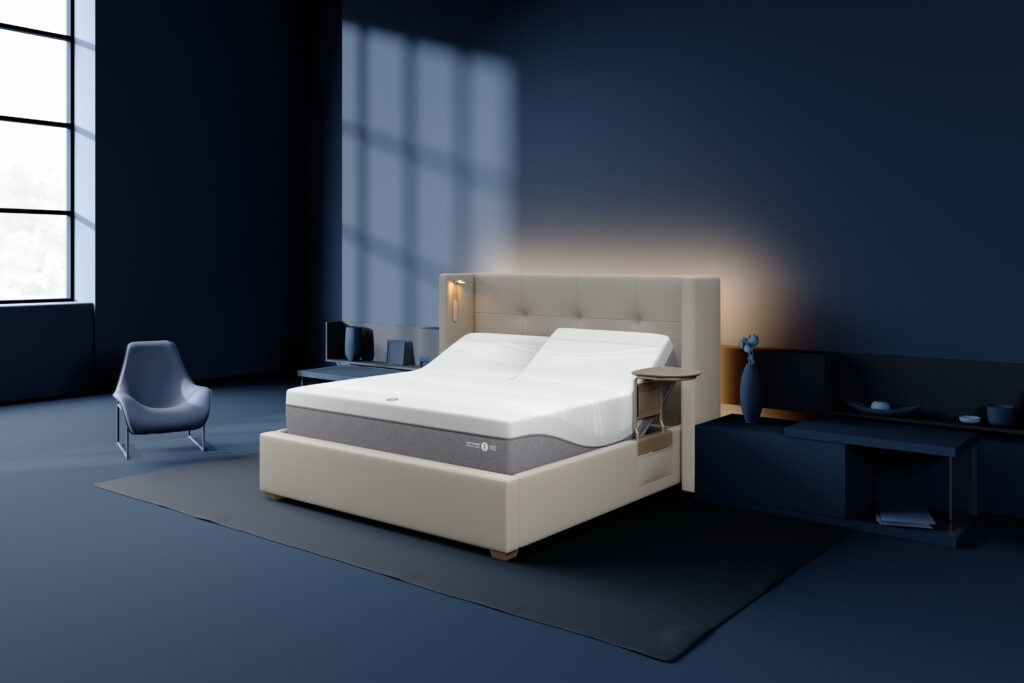
Investing in a smart bed can provoke a strong debate surrounding its cost versus the value it delivers. The price tag attached to a smart bed often far exceeds that of traditional beds. However, it’s essential to analyze these costs in conjunction with the long-term benefits that come with owning a smart bed. By considering health improvements, sleep quality, and convenience, you can assess whether the initial investment is justified.
Smart beds typically range from $1,000 to $5,000, depending on their features, technology, and brand. Traditional mattresses, on the other hand, can be acquired for as little as $300 to $1,500. At first glance, this may seem like a considerable difference in cost. However, the features of a smart bed, such as adjustable firmness, sleep tracking, temperature control, and integrated sleep therapy, contribute significantly to the overall value proposition.
Comparative Cost and Benefits Analysis
To illustrate the financial implications and potential benefits, consider the following table that compares the costs and advantages of a smart bed against traditional sleeping solutions:
| Factor | Smart Bed | Traditional Bed |
|---|---|---|
| Initial Cost | $1,000 – $5,000 | $300 – $1,500 |
| Sleep Tracking | Yes | No |
| Adjustable Features | Yes | No |
| Temperature Control | Yes | No |
| Potential Health Benefits | Improved Sleep Quality, Reduced Pain | Standard Sleep Quality |
| Lifespan | 10-15 years | 5-10 years |
The long-term value of a smart bed can manifest in various ways. Enhanced sleep quality can lead to improved mental and physical health, which may ultimately result in reduced healthcare costs. For instance, studies indicate that better sleep can decrease the risk of chronic conditions such as obesity, diabetes, and heart disease. Additionally, the investment in a smart bed may lead to fewer missed workdays and improved productivity, positively impacting your financial well-being.
Investing in a smart bed is not just about the upfront cost; it’s about the potential long-term savings in health and wellness.
In summary, while the initial cost of a smart bed may seem daunting compared to traditional alternatives, the health benefits and improved sleep quality can justify the investment for many individuals, making it a valuable addition to modern living.
Conclusive Thoughts
In summary, smart beds are reshaping how we approach sleep and wellness, offering features that cater to our individual needs while promoting healthier sleep habits. As we look to the future, the potential advancements in smart bed technology could further revolutionize our sleep experience and contribute to our overall lifestyle changes. Investing in a smart bed could very well be a step towards a more restful night and a more energetic day.
General Inquiries
What is a smart bed?
A smart bed is a technologically advanced bed that incorporates features like sleep tracking, adjustable firmness, and temperature control to improve sleep quality.
How do smart beds track sleep?
Smart beds use sensors to gather data on sleep patterns, including duration, quality, and movements during the night, which can then be analyzed for insights.
Are smart beds worth the investment?
While the initial cost may be higher than traditional beds, the potential health benefits and improved sleep quality can justify the investment over time.
Can I use a smart bed with existing bedding?
Yes, most smart beds are compatible with standard bedding; however, some features may work best with specific types of sheets or mattress protectors.
Do smart beds require special maintenance?
Smart beds typically need minimal maintenance, such as occasional updates for software and ensuring sensors are clean and functioning properly.