
 Caroline Sarah
How to stop snoring is a common concern for many people, impacting both the snorer and their partners. Snoring can disrupt sleep quality and lead to relationship tensions, making it essential to address this issue effectively. Understanding the underlying causes and exploring various solutions can pave the way for a more peaceful night’s sleep.
This guide will delve into the physiological reasons behind snoring, lifestyle modifications, and practical remedies, as well as more serious medical options if needed. By tackling this topic comprehensively, we aim to provide you with the knowledge and tools necessary to combat snoring and improve your overall sleep experience.
The physiological causes of snoring and how they can be addressed.
Snoring is a common phenomenon that occurs when airflow is obstructed during sleep, leading to the vibration of the throat tissues. Understanding the physiological underpinnings of snoring is crucial for identifying effective remedies and lifestyle changes. This exploration will delve into the biological processes, anatomical features, and factors like weight and body position that contribute to this often disruptive condition.
The primary biological process involved in snoring relates to the narrowing of the airway. During sleep, the muscles in the throat relax, which can cause the surrounding tissues to collapse inward. This collapse leads to a partial obstruction of the airway, resulting in turbulence and the characteristic sounds of snoring. Key anatomical features such as a thickened uvula, enlarged tonsils, or a deviated septum can exacerbate these conditions. For instance, individuals with a larger than average uvula may experience more significant vibrations, increasing snoring severity. Similarly, those with enlarged tonsils may find their airway significantly restricted, leading to more frequent or louder snoring episodes.
Anatomical features contributing to snoring
Several anatomical features can significantly impact the likelihood and severity of snoring. Understanding these can provide insights into potential interventions.
- Thickened Uvula: A larger uvula can obstruct airflow and increase the vibrations that cause snoring.
- Elongated Soft Palate: This can narrow the airway and lead to snoring as air passes through a tighter space.
- Enlarged Tonsils: These can block the airway, especially in children, contributing to episodes of snoring.
- Deviated Septum: A misaligned nasal septum can obstruct airflow through one or both nostrils, increasing the likelihood of snoring.
Weight and body position also play critical roles in the physiology of snoring. Excess body weight can lead to fatty deposits around the neck, which may further constrict the airway. In fact, studies have shown that losing weight can significantly reduce the severity of snoring. Additionally, sleeping on one’s back can exacerbate snoring due to gravity pulling the tongue and soft tissues towards the back of the throat.
“Changing sleep positions and losing weight are often effective strategies to mitigate snoring.”
Understanding these physiological factors is essential for anyone seeking to reduce or eliminate snoring, as targeted interventions can lead to substantial improvements in sleep quality for both the snorer and their partner.
Lifestyle changes that can effectively reduce or eliminate snoring.
Making some simple yet impactful lifestyle changes can significantly reduce or even eliminate snoring. Many factors contribute to snoring, and by addressing these through daily habits and routines, individuals can improve their sleep quality and overall health. Below, we explore various adjustments that can be made to reduce snoring effectively.
Habits to modify for reducing snoring
Several daily habits can be adjusted to help minimize snoring. Implementing these changes can create a more conducive environment for restful sleep. The following list highlights key habits to consider:
- Maintain a healthy weight: Excess weight, particularly around the neck, can put pressure on the airway, leading to snoring. Losing even a small amount of weight can often reduce or eliminate snoring.
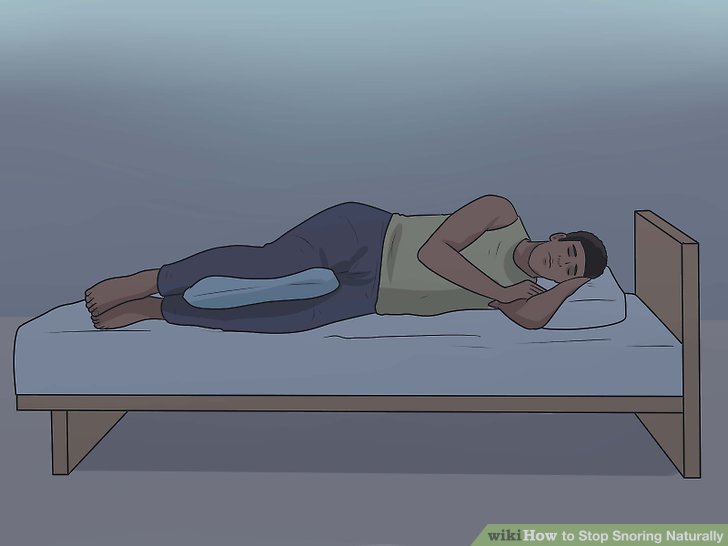
- Sleep position adjustment: Sleeping on the back can cause the tongue to fall backward into the throat, which obstructs airflow. Sleeping on the side can help keep the airway open.
- Establish a sleep routine: Going to bed and waking up at the same time every day can help regulate sleep patterns and reduce snoring.
- Stay hydrated: Dehydration can lead to thicker mucus in the throat. Drinking enough fluids throughout the day helps keep mucus thin, promoting better airflow during sleep.
- Use a humidifier: Dry air can irritate the airways. Using a humidifier can add moisture to the air, which may help to reduce snoring.
Impact of alcohol consumption and smoking on snoring
Both alcohol consumption and smoking have a detrimental effect on snoring and overall sleep quality. Understanding their impact is crucial for anyone looking to reduce snoring.
“Alcohol relaxes the muscles in the throat, increasing the likelihood of airway obstruction and snoring.”
Consuming alcohol, especially in the hours leading up to sleep, can relax the throat muscles, which may exacerbate snoring. This relaxation can lead to a more significant narrowing of the airway, increasing the vibration of tissues and resulting in louder snoring.
Similarly, smoking can irritate the tissues of the throat and nasal airways, leading to inflammation and increased mucus production. This further obstructs airflow, making snoring more likely. Quitting smoking can significantly improve snoring and overall respiratory health.
Daily routine for better sleep and reduced snoring
Establishing a balanced daily routine can foster better sleep hygiene and minimize snoring. Here are some effective practices to incorporate into your daily life:
- Exercise regularly: Engaging in physical activity helps maintain a healthy weight and can improve muscle tone in the throat, reducing the likelihood of snoring.
- Avoid heavy meals before bed: Eating large meals close to bedtime can lead to discomfort and disrupt sleep, potentially causing snoring.
- Limit caffeine intake: Consuming caffeine, particularly in the afternoon and evening, can interfere with sleep quality and lead to snoring.
- Practice nasal breathing: Encouraging nasal breathing rather than mouth breathing can help keep the airway open and reduce snoring.
- Invest in a supportive pillow: A good-quality pillow can help position the neck and head to keep airflow unobstructed during sleep.
The role of sleep position in the prevention of snoring.
Sleep position plays a significant role in how and why snoring occurs. The position you choose at night can either exacerbate or help mitigate the sounds that disrupt others’ sleep. Understanding the relationship between sleep posture and snoring can empower individuals to make simple adjustments that could lead to quieter nights.
When it comes to snoring, the position you sleep in can directly influence airflow through the throat. Different positions can either relax the throat muscles or keep them in a position that narrows the airway, which may lead to snoring. Specifically, back sleeping tends to increase the likelihood of snoring compared to side sleeping, as it allows the tongue and soft tissues of the throat to collapse backward, obstructing airflow.
Comparison of side sleeping and back sleeping for snorers
Side sleeping is generally regarded as the best position for reducing snoring. This position keeps the airway open, allowing for better airflow and reducing the vibrations that cause snoring sounds. Conversely, back sleeping can lead to a more significant incidence of snoring, as gravity pulls the tongue and soft palate toward the back of the throat, narrowing the airway.
Consider the following factors when evaluating the effectiveness of these positions:
- Airway space: Side sleeping maximizes the space in the airway, while back sleeping diminishes it.
- Gravity’s effect: Gravity works against back sleepers by enhancing the likelihood of airway obstruction.
- Comfort and strain: Side sleeping can be more comfortable for some, reducing neck strain and improving overall sleep quality.
Switching to a side sleeping position may not only decrease snoring but also enhance sleep quality. Many individuals who snore have found success by simply training themselves to sleep on their sides.
Specialized pillows for snoring reduction
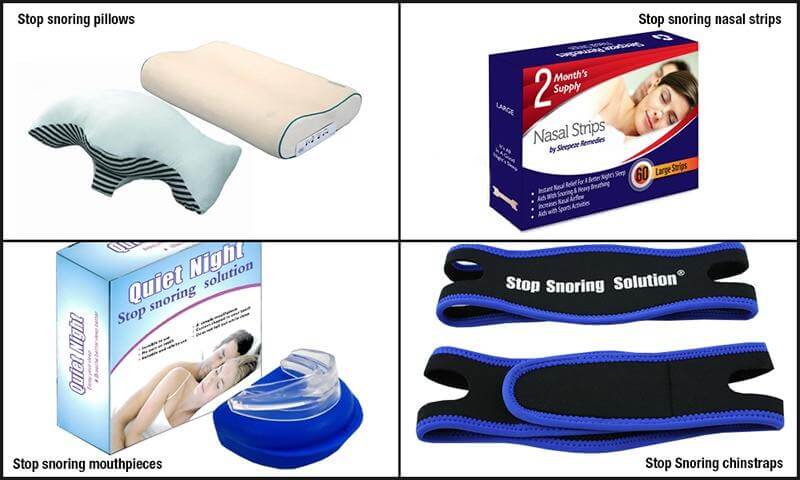
Specialized pillows are designed to support the neck and head in a way that promotes optimal airway alignment, further assisting in snoring reduction. These pillows often feature unique designs and materials that cater to the needs of snorers.
The following features can be found in pillows intended for snorers:
- Contour shapes: Many specialized pillows are contoured to cradle the neck and support the head, maintaining proper alignment.
- Elevation: Some pillows are designed to elevate the head, which can help prevent airway blockage.
- Memory foam: This material often conforms to the shape of the sleeper’s head and neck, offering personalized support and reducing pressure points.
Using these specialized pillows can lead to noticeable reductions in snoring, helping the person as well as their sleep partner enjoy more restful nights. The right pillow can make a significant difference in airflow, enhancing overall sleep quality and reducing the frequency of disruptive snoring sounds.
Home remedies and natural treatments to combat snoring.
Snoring can be a frustrating issue that affects not only the snorer but also their partner. Many people seek solutions beyond traditional treatments, often finding relief through home remedies and natural treatments. These approaches can be effective in reducing snoring by addressing its underlying causes, such as nasal congestion, throat irritation, and even lifestyle factors. Below, we delve into various herbal remedies, essential oils, and homemade treatments that may help in combatting snoring.
Herbal remedies for snoring
Herbal remedies have been used for centuries to address various health issues, including snoring. Certain herbs can help reduce inflammation, clear nasal passages, and promote relaxation, all of which are beneficial for snorers. Here are some notable herbal remedies you might consider:
- Peppermint: Known for its anti-inflammatory properties, peppermint can help soothe the throat and open nasal passages. Drinking peppermint tea before bed may promote clearer airflow.
- Ginger: Ginger has natural anti-inflammatory effects that can alleviate congestion. Consider consuming ginger tea or incorporating fresh ginger into your meals regularly.
- Thyme: Thyme is a powerful herb that acts as a natural expectorant, aiding in the expulsion of mucus. You can brew thyme tea or inhale thyme steam to enjoy its benefits.
- Eucalyptus: This herb is well-known for its ability to relieve nasal congestion. Using eucalyptus oil in a diffuser or as a steam inhalation can assist in clearing the airways.
Essential oils for snoring relief
Essential oils are concentrated extracts from plants that can provide numerous health benefits, including alleviating snoring. Here are some essential oils that may help:
– Lavender oil: Known for its calming effects, lavender oil promotes relaxation and can improve sleep quality. Diffusing lavender oil in your bedroom can create a soothing atmosphere.
– Pine oil: Pine oil helps clear nasal passages and can improve airflow during sleep. A few drops in a diffuser or mixed with a carrier oil for chest rub can be effective.
– Tea tree oil: With its antibacterial properties, tea tree oil can help reduce throat irritation. Diluting it with a carrier oil and applying it to the throat can provide relief.
– Frankincense: This oil is known for its anti-inflammatory properties. Using frankincense in a diffuser can help to open airways and promote deeper breathing.
Homemade throat sprays and nasal strips
Creating homemade throat sprays or nasal strips can be a simple and effective way to combat snoring caused by throat irritation or nasal congestion.
To prepare a homemade throat spray, mix distilled water with a few drops of peppermint or eucalyptus oil. Pour the mixture into a small spray bottle, and use it before bedtime to soothe your throat and open your airways.
For nasal strips, you can create a simple adhesive strip by cutting a piece of flexible adhesive bandage. Place it over your nostrils to help open nasal passages while you sleep. This can provide a temporary but effective solution for alleviating snoring.
Incorporating these herbal remedies, essential oils, and homemade treatments into your nightly routine may significantly reduce snoring, leading to a more restful sleep for both you and your partner.
Medical interventions available for persistent snoring.
Persistent snoring can be more than just a nuisance; it can significantly impact quality of life and health. For individuals who find that lifestyle changes and home remedies do not provide relief, medical interventions may be necessary. This section explores surgical options, non-invasive treatments, and the critical role of consulting healthcare professionals for ongoing snoring issues.
Surgical options for severe snoring cases
For those experiencing severe snoring, surgical intervention may be considered when other treatments fail. Surgical options typically aim to remove or reduce the tissue that causes airflow obstruction, improving breathing during sleep. The effectiveness of these procedures can vary based on the individual’s anatomy and the underlying causes of their snoring.
Common surgical options include:
- Uvulopalatopharyngoplasty (UPPP): This procedure involves removing excess tissue from the throat, including parts of the uvula and soft palate, to widen the airway.
- Genioglossus advancement (GA): This technique repositions the tongue muscle attachment to prevent it from collapsing backward and obstructing the throat during sleep.
- Radiofrequency tissue ablation (RFA): This minimally invasive procedure uses radiofrequency energy to shrink enlarged tissues in the throat, thereby improving airflow.
“Surgical interventions can offer lasting relief for persistent snoring when other methods have proven ineffective.”
Non-invasive treatments such as CPAP machines
Non-invasive treatments are often the first line of defense in managing snoring, particularly when it is associated with sleep apnea. Continuous Positive Airway Pressure (CPAP) machines deliver air pressure through a mask to keep the airways open during sleep.
Key aspects of using CPAP machines include:
- Mask fit and comfort: It’s crucial that the mask fits properly to ensure effective treatment and comfort throughout the night.
- Pressure settings: Healthcare professionals will adjust the air pressure settings according to the patient’s needs, which can vary based on the severity of the snoring or sleep apnea.
- Usage consistency: Regular use is essential for maximizing benefits, as consistency leads to improved sleep quality and reduction in snoring.
“CPAP therapy can significantly reduce snoring and improve sleep quality, particularly for those who suffer from obstructive sleep apnea.”
Consulting healthcare professionals for snoring concerns
Consulting a healthcare professional is vital for understanding the underlying causes of snoring and evaluating the most appropriate treatment options. Healthcare providers can conduct sleep studies to diagnose conditions such as obstructive sleep apnea and recommend suitable interventions based on individual health profiles.
Important points about professional consultation include:
- Personalized assessment: A thorough examination and medical history review can identify specific factors contributing to snoring, such as obesity, nasal obstruction, or anatomical anomalies.
- Referral to specialists: If necessary, healthcare providers may refer patients to sleep specialists or ENT (Ear, Nose, and Throat) doctors for further evaluation and treatment options.
- Follow-up care: Ongoing communication with healthcare professionals can help monitor treatment effectiveness and make adjustments as needed.
“Addressing snoring with professional guidance not only improves sleep but also contributes to overall health and well-being.”
The psychological impact of snoring on relationships and social interactions.
Snoring, though often dismissed as a mere nuisance, can significantly influence personal relationships and social dynamics. The sound of snoring, especially if loud and persistent, can lead to frustration, sleep deprivation, and even resentment between partners. Over time, these issues accumulate, potentially causing a rift in intimacy and communication, which can strain relationships beyond the bedroom.
The impact of snoring extends beyond the individual who snores; it affects the partner as well. Partners may experience disrupted sleep, leading to irritability and fatigue during the day. This lack of sleep can diminish overall relationship satisfaction and increase tension. Additionally, snoring can affect social interactions, as individuals might feel embarrassed about their partner’s snoring or be reluctant to spend the night at friends’ houses or in public settings.
Communication strategies for couples
Effective communication is essential for addressing the issue of snoring within relationships. Here are some strategies that couples can employ to discuss snoring respectfully and constructively:
– Choose the right time: Discuss snoring when both partners are relaxed and not overly tired. This helps to create a positive environment for dialogue.
– Use “I” statements: Frame concerns using “I” statements, such as “I feel tired when I don’t get enough sleep because of the snoring” rather than “You snore too loudly.” This approach avoids blaming and focuses on personal feelings.
– Be specific and gentle: Instead of making general statements, provide specific examples of how the snoring affects daily life, but do so gently to prevent defensiveness.
– Listen actively: Encourage open dialogue by actively listening to your partner’s perspective and showing empathy towards their feelings and concerns.
Mutual support in addressing snoring issues
Mutual support is crucial when tackling snoring problems, as it fosters teamwork and understanding between partners. Here are ways couples can support each other in this matter:
– Explore solutions together: Engage in discussions about potential remedies or changes, such as lifestyle adjustments, sleep positions, or seeking medical advice if necessary.
– Encourage medical consultation: If snoring is severe or linked to health issues like sleep apnea, both partners should encourage a visit to a healthcare provider, reinforcing that addressing the issue is a joint effort.
– Create a sleep-friendly environment: Work together to optimize the bedroom for better sleep, such as using white noise machines, adjusting the thermostat, or utilizing comfortable pillows that promote better sleep positions.
– Share responsibilities: If one partner experiences disruptions regularly due to snoring, perhaps consider alternating sleep arrangements for a while, allowing both partners to get sufficient rest.
“Open and respectful communication, along with mutual support, can turn the challenge of snoring into an opportunity for growth in relationships.”
The importance of sleep hygiene in reducing snoring.
Maintaining good sleep hygiene is crucial for not only achieving quality rest but also for minimizing snoring. Poor sleep habits can lead to restful sleep disruptions, increasing the likelihood of snoring. By implementing effective sleep hygiene practices, individuals can enhance their overall sleep quality, which can directly impact snoring frequency and intensity.
Quality sleep is closely related to the frequency of snoring. When the body is deprived of restful sleep due to poor sleep hygiene, the muscles in the throat may relax excessively, leading to blockages in the airway and, consequently, snoring. Ensuring a good sleep environment and routine promotes deeper sleep, which can reduce the risk of snoring.
Checklist of sleep hygiene practices
Establishing a solid sleep hygiene routine involves various practices that enhance sleep quality and help mitigate snoring. Below is a detailed checklist of these essential practices:
- Maintain a consistent sleep schedule by going to bed and waking up at the same time each day, even on weekends.
- Create a calming bedtime routine that helps signal to your body that it’s time to wind down, such as reading or taking a warm bath.
- Ensure your sleeping environment is conducive to rest by keeping the bedroom dark, quiet, and cool.
- Invest in a comfortable mattress and pillows that support your sleeping position.
- Avoid caffeine and large meals at least a few hours before bedtime to minimize disturbances during the night.
- Limit alcohol consumption, as it can relax the throat muscles and exacerbate snoring.
- Stay hydrated throughout the day, but limit fluid intake closer to bedtime to reduce nighttime awakenings.
- Exercise regularly, as physical activity can promote better sleep, but avoid vigorous workouts right before bed.
- Consider using a humidifier if the air in your bedroom is dry, as moist air can help prevent nasal congestion.
- Evaluate your sleeping position; sleeping on your side may help reduce snoring compared to sleeping on your back.
Creating an optimal sleep environment
An optimal sleep environment is key to achieving restful sleep and reducing the likelihood of snoring. Here are some tips for designing a sleep-friendly space:
The bedroom should be a peaceful sanctuary that promotes relaxation. Start by eliminating noise disruptions. If external noise is unavoidable, consider using white noise machines or soft music.
Lighting plays a vital role in sleep quality. Use blackout curtains to block excess light and maintain a dark environment, which is essential for the production of melatonin, the sleep hormone.
Temperature is another important factor; a cool room temperature, generally around 60-67°F (15-19°C), is recommended for optimal sleep.
For comfort, invest in high-quality bedding. A supportive mattress and pillows designed for your preferred sleeping position can significantly enhance sleep quality.
Lastly, keep the bedroom organized and clutter-free, as a tidy environment can help reduce stress and promote better sleep hygiene.
“Quality sleep is foundational to health, affecting everything from mood to snoring.”
The connection between allergies and snoring.
Allergies are more than just a seasonal inconvenience; they can also have a significant impact on sleep quality. Many people don’t realize that their nighttime snoring could be exacerbated by allergic reactions. When allergens are introduced into the body, they trigger an immune response that can lead to inflammation and congestion, which in turn can obstruct the airway during sleep, leading to snoring.
Allergen exposure can significantly contribute to increased snoring due to the blockages they create in the nasal passages and throat. For example, when a person breathes in dust mites, pet dander, or pollen, their body produces histamines that cause swelling and mucus production. As air struggles to pass through these narrowed passages, the sounds of snoring can arise. In addition, individuals who suffer from chronic allergies may experience more prolonged symptoms leading to a heightened risk of not only snoring but also disrupted sleep patterns.
Common allergens and avoidance strategies
To effectively manage allergy-related snoring, it is essential to identify and mitigate exposure to common allergens. The following allergens are often culprits:
- Dust Mites: These microscopic creatures thrive in bedding and upholstered furniture. To reduce exposure, regularly wash bedding in hot water, vacuum carpets, and consider using dust-proof covers on pillows and mattresses.
- Pollen: Seasonal pollen can trigger sneezing and nasal congestion. Keep windows closed during high pollen seasons and shower after spending time outdoors to remove pollen from hair and skin.
- Pet Dander: For pet owners, dander can be a significant allergen. Regular grooming, using air purifiers, and keeping pets out of the bedroom can help minimize exposure.
- Mold: Mold spores can exacerbate allergic reactions. It’s crucial to keep areas like bathrooms and basements dry and well-ventilated.
Over-the-counter medications can play a crucial role in managing allergy symptoms that lead to snoring. Antihistamines can help reduce nasal congestion and swelling, allowing for easier breathing during sleep. Decongestants also provide relief by shrinking swollen nasal tissues. However, users should be cautious with sedating antihistamines, as they may cause drowsiness but can sometimes lead to dryness in the throat, potentially worsening snoring. Consulting with a healthcare professional can ensure the right medication is chosen for individual needs and circumstances.
Exploring the link between snoring and sleep apnea.
Snoring is often dismissed as a mere annoyance, but it can be a significant indicator of a more serious condition known as sleep apnea. This disorder, characterized by repeated interruptions in breathing during sleep, can have profound implications on overall health and well-being. Understanding the relationship between snoring and sleep apnea is crucial for recognizing potential health risks associated with this condition.
Sleep apnea presents several symptoms that can overlap with snoring, making it essential for individuals to be aware of its signs. Common symptoms include excessive daytime sleepiness, loud snoring, gasping or choking during sleep, restless sleep, and morning headaches. These symptoms can lead to severe consequences if left untreated, such as cardiovascular issues, metabolic syndrome, and impaired cognitive function. The relationship between snoring and sleep apnea lies in the fact that not all snorers have sleep apnea, but many people suffering from sleep apnea do snore.
Symptoms and consequences of sleep apnea
Sleep apnea can lead to a plethora of health complications. The symptoms often extend beyond just snoring, affecting daily life and overall health. It’s critical to understand these symptoms to seek appropriate medical advice. The main symptoms include:
- Daytime fatigue and drowsiness, which can impair work performance and increase the risk of accidents.
- Headaches upon waking, often due to disrupted sleep cycles.
- Difficulty concentrating and memory problems, attributed to poor sleep quality.
- Increased irritability and mood swings, which can strain relationships.
Each of these symptoms can significantly impact an individual’s quality of life, emphasizing the importance of addressing sleep apnea as a serious health concern.
Diagnostic methods for sleep apnea
For individuals who snore, several diagnostic methods can help determine the presence of sleep apnea. Healthcare providers typically begin with a thorough medical history and a physical examination. Here are the primary diagnostic methods:
- Polysomnography (PSG): This overnight sleep study records brain activity, breathing patterns, and heart rate to diagnose sleep apnea accurately.
- Home sleep apnea testing (HSAT): A less comprehensive option that involves monitoring breathing and oxygen levels at home, making it a convenient alternative for some patients.
- Clinical evaluation: A healthcare provider may assess symptoms and risk factors, utilizing the Epworth Sleepiness Scale to gauge daytime sleepiness.
Utilizing these diagnostic tools allows for a clearer understanding of sleep apnea severity and assists in determining the best treatment approach.
Treatment options for sleep apnea
There are several treatment options available for managing sleep apnea, especially for those who experience snoring. These treatments can vary in effectiveness based on the individual and the severity of their condition. Common treatment methods include:
- Continuous Positive Airway Pressure (CPAP) therapy: This is the most common treatment, which involves wearing a mask connected to a machine that delivers a steady stream of air, keeping the airway open during sleep.
- Oral appliances: Dental devices can be custom-fitted to reposition the jaw and tongue, helping to maintain an open airway.
- Lifestyle changes: Weight loss, avoiding alcohol, and smoking cessation can significantly reduce symptoms for many individuals.
- Surgical options: In severe cases, surgical interventions may be necessary to remove tissue or correct structural abnormalities contributing to obstructive sleep apnea.
Each treatment varies in effectiveness. CPAP is widely recognized as the most effective method, while lifestyle changes can have a large impact for mild to moderate cases. Individual responses to treatment may differ, making it essential to consult with a healthcare provider to find the best approach tailored to each person’s needs.
Last Word
In conclusion, addressing snoring requires a multifaceted approach, considering both lifestyle changes and potential medical interventions. From altering sleep positions to utilizing home remedies, there are numerous strategies to explore. Ultimately, prioritizing good sleep hygiene and seeking professional help when necessary can lead to significant improvements, ensuring restful nights for everyone involved.
Essential FAQs
What are the main causes of snoring?
Snoring is primarily caused by the vibration of throat tissues, often due to factors like nasal congestion, obesity, or anatomical differences.
Can losing weight help reduce snoring?
Yes, losing weight can significantly reduce snoring by decreasing fatty tissue around the neck, which helps to open the airway.
Are there specific pillows designed to stop snoring?
Yes, specialized pillows are designed to support better sleep positions and keep the airway open, effectively reducing snoring.
Do nasal strips actually work for snoring?
Nasal strips can be effective for those whose snoring is caused by nasal congestion, as they help to open the nasal passages.
How can I create a better sleep environment to reduce snoring?
To improve your sleep environment, keep your bedroom dark, quiet, and cool, and invest in comfortable bedding to enhance sleep quality.
Is snoring a sign of a serious health issue?
In some cases, snoring can indicate underlying health issues like sleep apnea, which may require medical evaluation and treatment.