
 Caroline Sarah
Benefits of REM sleep are often underestimated, yet this unique sleep phase plays a crucial role in our overall well-being. Imagine a time when your brain is most active during sleep, processing emotions and consolidating memories, much like an artist refining their masterpiece. Understanding REM sleep unveils not just its importance but also the intricate dance of our biological systems that occurs while we rest.
In essence, REM sleep, characterized by rapid eye movement and vivid dreaming, is integral to several vital functions. It forms part of the sleep cycle, nestled between deep sleep and lighter phases, and is where the magic of memory consolidation and emotional regulation happens. Additionally, physiological changes, such as increased brain activity and muscle atonia, highlight how unique this stage truly is.
Understanding REM Sleep and Its Importance
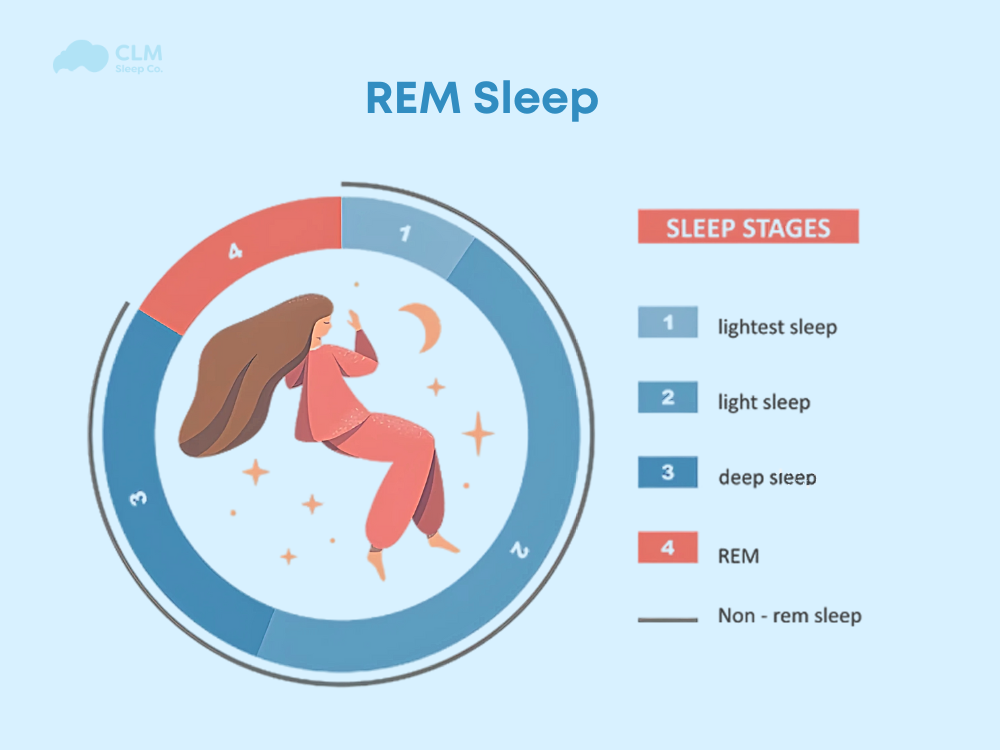
Rapid Eye Movement (REM) sleep is a unique stage of sleep characterized by quick, random movements of the eyes and increased brain activity. This phase plays a critical role in numerous aspects of our mental and emotional well-being, making it an essential component of our overall sleep cycle. During REM sleep, the brain processes memories, emotions, and information from the day, consolidating experiences and enabling learning. As we delve into the intricacies of REM sleep, we will explore its definition, distinct features, and the physiological changes that occur during this fascinating sleep stage.
The sleep cycle consists of multiple stages, which can be broadly categorized into two types: Non-REM (NREM) sleep and REM sleep. NREM sleep includes three stages: N1, N2, and N3, starting from light sleep to deep sleep. Typically, after progressing through these stages, the body enters REM sleep, which usually occurs about 90 minutes after falling asleep. This cycle of sleep stages repeats several times throughout the night, with REM periods becoming longer as the night progresses.
During REM sleep, the body undergoes various physiological changes that distinguish it from other sleep phases. The brain becomes highly active, exhibiting brain wave patterns similar to those observed during wakefulness. Heart rate and breathing become irregular, fluctuating in response to dreams that often occur during this stage. Additionally, the body experiences atonia, a temporary paralysis of most voluntary muscles, which prevents individuals from acting out their dreams. This combination of heightened brain activity, irregular heart rate, and muscle atonia emphasizes the uniqueness of REM sleep and its crucial role in maintaining cognitive functions.
In summary, REM sleep is not just a fascinating aspect of our sleep architecture; it is a vital period for memory consolidation, emotional regulation, and overall brain health. Understanding how REM sleep fits within the broader context of our sleep cycles is essential for appreciating its importance in our daily lives.
The Role of REM Sleep in Memory Consolidation
During sleep, our brain engages in vital processes that shape our ability to learn and retain information. Among the various stages of sleep, REM (Rapid Eye Movement) sleep plays a particularly crucial role in the consolidation of memories. This phase of sleep is unique and is characterized by increased brain activity, vivid dreaming, and essential physiological changes. Understanding how REM sleep contributes to memory processing reveals its indispensable role in our cognitive functions.
Research has shown that REM sleep is closely intertwined with the brain’s memory consolidation mechanisms, which help transform short-term memories into long-lasting ones. This process occurs primarily during REM sleep, as the brain replays experiences and information gathered throughout the day. During this time, synaptic connections are strengthened, enhancing our ability to recall learned information later. A notable study conducted by researchers at Harvard University found that participants who had REM sleep after learning a task performed significantly better on memory tests compared to those who did not enter REM sleep. This finding underscores the critical nature of REM sleep in bolstering memory formation.
Impact of REM Sleep Disruption on Memory Retention
Disruptions in REM sleep can lead to significant impairments in memory retention. Lack of sufficient REM sleep can result from various factors, including stress, sleep disorders, or lifestyle choices. When REM sleep is interrupted, the brain misses out on essential opportunities to process and store memories properly.
Several studies have explored the implications of disrupted REM sleep on memory. For instance, a study by researchers at the University of California found that individuals deprived of REM sleep showed marked declines in their ability to learn new information. In another experiment, participants who experienced fragmented sleep, leading to reduced REM phases, exhibited difficulties in recalling learned material a week later, compared to those who enjoyed uninterrupted REM sleep.
The detrimental effects of REM sleep disruption extend beyond mere forgetfulness. Research indicates that long-term deprivation of REM sleep may lead to chronic memory deficits and cognitive decline. This is particularly concerning for individuals who consistently struggle to achieve quality sleep. A common observation is that students or professionals who pull all-nighters may find their retention of information suffering, which can be attributed to inadequate REM sleep during such periods.
In summary, REM sleep plays an indispensable role in the consolidation of memories, ensuring that what we learn is stored effectively for future retrieval. Disruptions in this vital sleep phase can have profound negative effects on our ability to retain information, highlighting the importance of prioritizing restful and uninterrupted sleep for optimal cognitive functioning. Ensuring that we allow time for REM sleep is essential for anyone looking to enhance their learning capabilities and memory retention.
REM Sleep’s Impact on Emotional Well-Being

The significance of REM sleep extends beyond mere rest; it is a crucial phase for emotional processing and regulation. During this sleep stage, the brain is highly active, engaging in various cognitive functions that enhance our ability to cope with stress and regulate emotions. This unique sleep state is integral to maintaining a balanced emotional state and can help us navigate the complexities of our daily lives more effectively.
REM sleep plays a vital role in emotional regulation, primarily through the consolidation of emotional memories and experiences. It allows individuals to process and integrate emotional responses, leading to improved coping mechanisms and resilience against negative experiences. Research has shown that during REM sleep, the brain reactivates emotional memories, enabling a form of ’emotional rehearsal.’ This means that people can better understand their feelings and reactions when they awaken, leading to enhanced emotional stability and clarity. In contrast, a lack of REM sleep can lead to increased emotional reactivity, anxiety, and difficulty in managing stress.
Relationship Between REM Sleep and Mental Health Disorders
The connection between REM sleep and mental health is well-documented, with various studies indicating that disrupted REM sleep patterns can exacerbate mental health disorders, such as depression, anxiety, and PTSD. Individuals suffering from these conditions often experience alterations in their REM sleep architecture, which can lead to a vicious cycle of emotional dysregulation and impaired mental health. For example, people with depression may have reduced REM sleep or experience an early onset of this stage, which correlates with an increase in depressive symptoms.
Emotional disturbances can arise from insufficient REM sleep, as it hampers the brain’s ability to process negative emotions effectively. Furthermore, individuals with PTSD often experience nightmares during REM sleep, making it difficult for them to achieve restorative rest. Addressing REM sleep quality is therefore crucial in managing these disorders and improving overall emotional health.
To enhance REM sleep for better emotional stability, individuals can adopt several strategies. Prioritizing sleep hygiene is essential; this includes maintaining a consistent sleep schedule, creating a comfortable sleep environment, and reducing exposure to screens before bed. Additionally, engaging in relaxation techniques such as mindfulness meditation or deep breathing exercises can help calm the mind and prepare it for restful sleep.
Regular physical exercise also contributes positively to REM sleep quality. Studies suggest that moderate exercise can increase the duration of REM sleep, thereby improving emotional processing. Finally, avoiding stimulants like caffeine and nicotine close to bedtime can also enhance the likelihood of achieving a restful night’s sleep rich in REM.
By understanding the profound impact of REM sleep on emotional well-being and taking proactive steps to enhance its quality, individuals can foster greater emotional resilience and improve their mental health.
The Connection Between REM Sleep and Creativity
The relationship between REM sleep and creativity is a fascinating area of study that underscores the importance of quality sleep for cognitive functions. Rapid Eye Movement (REM) sleep is characterized by heightened brain activity and vivid dreaming, making it a crucial stage for creative thinking and problem-solving. This stage of sleep has been shown to facilitate the integration of new ideas and experiences, which is essential for creative processes.
During REM sleep, the brain engages in complex processing that enhances associative thinking. This is where connections between seemingly unrelated concepts can be formed, leading to innovative solutions and artistic inspirations. Research indicates that individuals who experience ample REM sleep tend to perform better in tasks requiring creative thinking. For instance, studies have demonstrated that participants who were deprived of REM sleep struggled with creative problem-solving tasks compared to those who were allowed uninterrupted REM periods. This highlights the unique cognitive advantages that REM provides over other sleep stages.
Comparison of REM Sleep Effects on Creativity Versus Other Sleep Stages
Understanding how REM sleep specifically fosters creativity compared to other sleep stages reveals its distinct role in our cognitive functioning. Non-REM sleep, particularly the deep sleep stages, is crucial for physical restoration and memory consolidation. While deep sleep helps solidify factual memories, REM sleep enhances the ability to utilize those memories creatively.
During non-REM sleep, the brain primarily focuses on cleaning up and organizing information without the same level of associative processing that occurs in REM. In contrast, during REM sleep, the brain exhibits activity patterns similar to wakefulness, allowing for greater mental flexibility and free thought. This difference can be likened to two distinct phases of a creative endeavor: one phase is about gathering materials and tools (non-REM), while the other phase is about creating and crafting (REM).
To further enhance creativity through REM sleep, engaging in certain activities may promote better REM cycles. These activities help create the ideal environment for achieving deeper and more restorative sleep:
- Maintaining a consistent sleep schedule to regulate the body’s internal clock.
- Incorporating relaxation techniques such as meditation or deep breathing exercises before bedtime.
- Limiting screen time from electronic devices at least an hour before sleeping to reduce blue light exposure.
- Creating a comfortable sleep environment that is dark, quiet, and cool.
- Engaging in physical exercise during the day to promote deeper sleep at night.
- Exploring creative outlets such as journaling or sketching before sleep to trigger imaginative thinking.
By fostering an environment conducive to REM sleep, individuals can unlock their creative potential and improve their problem-solving abilities.
REM Sleep’s Role in Physical Health and Recovery
REM sleep, or Rapid Eye Movement sleep, is essential for overall physical health and recovery. This unique sleep phase typically occurs about 90 minutes after falling asleep and recurs multiple times throughout the night. During REM sleep, the body engages in vital restorative processes, making it crucial for various aspects of physical health, including tissue repair, muscle recovery, and hormonal regulation.
Studies show that REM sleep plays a significant role in physical restoration and healing by promoting cellular repair and regeneration. This phase of sleep is characterized by increased brain activity, which is thought to facilitate the processing and consolidation of information, including physical experiences. The body uses this time to undergo essential maintenance through several mechanisms such as protein synthesis and the release of growth hormones.
Influence on Hormonal Balance and Immune Function
The relationship between REM sleep and hormonal balance is intricate. During REM sleep, several hormones are released that are critical for physical health. For instance, cortisol, known as the stress hormone, is regulated during this phase. Adequate REM sleep helps maintain optimal cortisol levels, which in turn can aid in stress management and overall health.
Moreover, REM sleep contributes significantly to immune function. It has been observed that during this sleep stage, the body increases the production of cytokines, proteins that play a key role in immune responses. This heightened immune activity can enhance the body’s ability to fend off infections and recover from illnesses.
For example, athletes are particularly dependent on REM sleep for their performance and recovery. When athletes engage in intense training, their bodies require additional recovery time to repair muscle fibers and replenish energy stores. A study highlighted that athletes who consistently achieve sufficient REM sleep report enhanced performance outcomes, lower injury rates, and faster recovery times.
In addition, the synthesis of testosterone, a hormone critical for muscle growth and repair, is significantly influenced by sleep patterns. Athletes who experience disrupted REM sleep may find themselves at a disadvantage, facing challenges such as decreased strength, endurance, and poor overall performance.
In summary, the importance of REM sleep for physical health and recovery is profound; it influences hormonal balance, immune function, and directly impacts athletic performance. Ensuring adequate REM sleep is crucial for anyone aiming to maintain optimal physical health and facilitate recovery, particularly those engaged in high-intensity physical activities.
Techniques to Improve REM Sleep Duration and Quality
Achieving restful REM sleep is crucial for overall health and well-being. While many people focus on general sleep hygiene, there are specific techniques that can significantly enhance the duration and quality of REM sleep. These strategies encompass lifestyle changes, optimizing the sleep environment, and establishing effective routines that promote sound sleep.
Lifestyle Changes for Enhancing REM Sleep
Making purposeful changes to daily habits can lead to improved REM sleep. Here are several strategies that can help:
- Regular Sleep Schedule: Going to bed and waking up at the same time every day helps regulate your body clock, facilitating easier entry into REM sleep.
- Physical Activity: Engaging in regular exercise, particularly aerobic activities, can improve sleep quality. Aim for at least 30 minutes of moderate exercise most days, but avoid vigorous workouts close to bedtime.
- Limit Stimulants: Reducing caffeine and nicotine intake, especially in the hours leading up to bedtime, can help prevent disturbances in sleep cycles, allowing more time in REM sleep.
- Nutrition: Consuming a balanced diet that includes foods rich in vitamins and minerals can positively influence sleep quality. Foods high in magnesium, like leafy greens and nuts, and those containing tryptophan, like turkey and bananas, can promote better sleep.
- Hydration: Staying well-hydrated, but limiting fluid intake close to bedtime, can help to minimize nighttime awakenings that disrupt REM sleep.
Optimizing the Sleep Environment
Creating a conducive sleep environment is essential for achieving quality REM sleep. Consider the following environmental factors:
- Darkness: Ensure your sleeping area is dark. Use blackout curtains or eye masks to block out light, as darkness promotes the production of melatonin, a hormone that regulates sleep.
- Noise Reduction: Minimize noise disturbances that can interrupt sleep. Consider using earplugs or white noise machines to create a soothing background sound that masks disruptive noises.
- Comfortable Bedding: Invest in quality mattresses and pillows that provide adequate support and comfort. A comfortable sleeping arrangement can reduce discomfort and allow uninterrupted REM phases.
- Temperature Control: The ideal sleeping temperature is generally between 60-67°F (15-19°C). Keeping your bedroom cool can facilitate better sleep quality and longer REM periods.
- Electronics-Free Zone: Avoid using electronic devices before bed. The blue light emitted by screens can interfere with melatonin production. Consider creating a tech-free environment in the hour leading up to bedtime.
Establishing Effective Sleep Routines
Implementing a calming bedtime routine can signal your body that it is time to wind down, promoting a smoother transition into REM sleep. These practices can help:
- Relaxation Techniques: Incorporate relaxation methods such as deep breathing exercises, meditation, or gentle yoga stretches to reduce stress and anxiety before bed.
- Consistent Wind-Down Period: Set aside 30-60 minutes each night for calming activities such as reading a book, taking a warm bath, or listening to soothing music.
- Limit Naps: If you need to nap during the day, keep it short (20-30 minutes) and avoid late afternoon naps that can interfere with nighttime sleep.
- Aromatherapy: Utilizing essential oils like lavender or chamomile in your sleep space can enhance relaxation and potentially improve REM sleep quality.
REM Sleep Disorders and Their Consequences
REM sleep disorders can significantly disrupt the overall sleep cycle and lead to various health complications. Recognizing these disorders is crucial for ensuring a restorative sleep experience. Common REM sleep disorders include REM Sleep Behavior Disorder (RBD), narcolepsy, and sleep paralysis, each presenting unique symptoms and challenges. Understanding their causes and managing their effects can promote better health and well-being.
REM Sleep Behavior Disorder (RBD) is characterized by the loss of muscle atonia, which normally occurs during REM sleep. People with RBD may act out their dreams physically, leading to potential injury to themselves or their sleeping partners. Symptoms may include shouting, flailing limbs, or even jumping out of bed. Narcolepsy, another serious condition, involves excessive daytime sleepiness and sudden sleep attacks that can occur during the day. Sleep paralysis, often occurring when falling asleep or waking up, involves temporary muscle inability that can be frightening, often accompanied by vivid hallucinations.
The potential causes of these disorders range from neurological issues and genetic predispositions to environmental factors such as stress or substance abuse. For instance, RBD is often linked to neurodegenerative diseases like Parkinson’s, while narcolepsy has strong genetic components. Long-term effects of untreated REM sleep disorders can be severe, impacting mental health, cognitive functioning, and overall quality of life. Chronic sleep deprivation can also heighten risks for conditions such as cardiovascular diseases, obesity, and diabetes.
Managing REM sleep disorders typically involves a combination of medical treatments and lifestyle adjustments. For RBD, medications such as clonazepam or melatonin are often prescribed to promote better sleep safety and minimize physical acting out. In the case of narcolepsy, stimulants like modafinil may be used to combat daytime sleepiness, while behavioral strategies can help manage sleep attacks. Lifestyle adjustments are equally vital; these may include:
- Establishing a regular sleep schedule to reinforce circadian rhythms.
- Avoiding caffeine, nicotine, and alcohol, especially close to bedtime.
- Creating a comfortable sleep environment that is dark and quiet.
- Incorporating relaxation techniques such as meditation or deep-breathing exercises before sleep.
- Engaging in regular physical activity to enhance sleep quality.
In summary, recognizing the symptoms associated with REM sleep disorders and understanding their potential causes is essential. By exploring effective treatment options and embracing lifestyle changes, individuals can manage these disorders and improve their overall sleep health.
Final Summary
In summary, the benefits of REM sleep extend far beyond mere dreams. From enhancing our memory and creativity to bolstering emotional well-being and physical recovery, the impact of this sleep phase is profound. Recognizing its significance encourages us to prioritize REM sleep in our lives, opening the door to healthier, more balanced living.
FAQ Corner
What is REM sleep?
REM sleep, or Rapid Eye Movement sleep, is a unique phase of sleep characterized by rapid movement of the eyes, increased brain activity, and vivid dreaming.
How can I improve my REM sleep?
Improving REM sleep can be achieved through lifestyle changes such as maintaining a consistent sleep schedule, creating a comfortable sleep environment, and managing stress levels.
Does age affect REM sleep?
Yes, as people age, the amount of REM sleep may decrease, which can impact memory and emotional regulation.
Can naps include REM sleep?
Yes, short naps can lead to REM sleep, especially if they last longer than 90 minutes or if a person is sleep-deprived.
What are the signs of REM sleep disorders?
Signs of REM sleep disorders include vivid nightmares, acting out dreams, and disrupted sleep patterns, which can lead to daytime fatigue and emotional disturbances.