
 Caroline Sarah
How to overcome jet lag is a challenge many travelers face, especially when crossing multiple time zones. Jet lag can disrupt sleep, energy levels, and overall wellbeing, making it essential to understand its causes and effects. By exploring the science behind jet lag and effective prevention and recovery strategies, travelers can minimize its impact and enjoy their journeys to the fullest.
This article delves into the physiological changes induced by long-distance travel, the role of circadian rhythms, and practical approaches to mitigate the symptoms of jet lag. From dietary adjustments and hydration tips to mindfulness techniques, we will cover everything you need to know to make your next trip as enjoyable as possible.
Understanding the Science Behind Jet Lag
Jet lag is a common experience for travelers who cross multiple time zones, often resulting in fatigue, disorientation, and difficulty sleeping. To effectively manage jet lag, it’s important to understand the physiological changes that occur in the body during long-distance travel. This knowledge can empower travelers to take proactive steps in minimizing the impact of jet lag on their journeys.
When traveling across time zones, the body’s internal clock, or circadian rhythm, becomes misaligned with the new local time. Circadian rhythms are 24-hour cycles that regulate various physiological processes, including the sleep-wake cycle, hormone release, and body temperature. The disruption of these rhythms leads to symptoms such as insomnia, lethargy, and irritability. Additionally, the body’s production of melatonin, a hormone that promotes sleep, may be affected as it struggles to adjust to the new time zone. The physiological changes involved include alterations in sleep architecture and hormonal fluctuations, which can exacerbate the feelings of discomfort associated with jet lag.
Circadian Rhythms and Travel
Circadian rhythms play a crucial role in determining our sleep patterns and alertness throughout the day. Understanding how these rhythms function in relation to travel can help in acclimatizing to new time zones. The following key points illustrate the importance of circadian rhythms during travel:
-
The human body has a natural circadian rhythm that typically follows a 24-hour cycle, influenced by environmental cues such as light and darkness.
- Exposure to natural light at specific times can help reset the body’s internal clock more quickly in a new time zone.
- Time zone changes generally result in a lag of the circadian rhythm, leading to misalignment between physical and social time.
- People traveling east usually experience more severe jet lag symptoms compared to those traveling west, as the body has a harder time advancing the circadian rhythm than delaying it.
The body adapts to new time zones at varying rates, influenced by several factors such as age, travel direction, and individual variability. Younger individuals tend to adjust more quickly than older adults. Stress levels, sleep quality before travel, and overall health can also significantly impact how fast a person can realign their circadian rhythms. For instance, frequent travelers, like business professionals or airline crews, often develop strategies for quicker adaptation, such as pre-adjusting their sleep schedules or using light therapy devices.
In summary, understanding the science behind jet lag—especially the role of circadian rhythms—can help travelers develop effective strategies to minimize its effects, allowing for a more pleasant experience when exploring new destinations.
Practical Strategies for Preventing Jet Lag
Jet lag can be a significant hurdle when traveling across multiple time zones, affecting your energy levels and overall travel experience. Luckily, there are steps you can take before your journey to minimize its impact. Implementing these strategies will help your body adjust more smoothly to the new time zone, allowing you to enjoy your trip right from the start.
One of the most effective ways to combat jet lag is to gradually adjust your sleep schedule prior to departure. By shifting your bedtime and wake-up time in small increments—ideally one hour per day—you can help your body adapt to the new time zone. This preparation allows your internal clock to align with your destination’s local time more effectively.
Adjusting Sleep Schedules and Diet
Modifying your daily routine is crucial in reducing the effects of jet lag. Here are some practical methods to implement:
- Begin adjusting your sleep schedule a few days before departure by going to bed and waking up an hour earlier or later, depending on your destination.
- Change your eating habits by aligning meals with the local time of your destination. This helps cue your body for the time change.
- Avoid heavy meals close to bedtime, as they can disrupt sleep quality. Opt for lighter options that will aid digestion.
Maintaining good hydration is essential while flying, as it can significantly influence jet lag recovery. The dry air in airplane cabins can lead to dehydration, which exacerbates feelings of fatigue and discomfort upon arrival. Staying hydrated supports your body’s natural recovery processes and can help you feel more alert upon landing.
Importance of Hydration
Hydration plays a key role in mitigating the effects of jet lag. Consider the following points about how hydration impacts your travel experience:
- Drink plenty of water before, during, and after your flight. Aim for at least 8 ounces of water for every hour of flying time.
- Limit caffeine and alcohol, as these substances can lead to dehydration and interfere with your sleep quality.
- Incorporate hydrating foods such as fruits and vegetables into your diet before and after your flight to boost hydration levels.
Light exposure is another powerful tool for realigning your internal clock and combating jet lag. By strategically utilizing light, you can encourage your body to adapt to the new time zone more quickly.
Utilizing Light Exposure
Effective use of natural light can help reset your circadian rhythm. Here are some strategies to consider:
- Upon arrival at your destination, spend time outdoors in natural sunlight, especially during the morning, to signal to your body that it’s time to be awake.
- In the days leading up to your trip, expose yourself to bright light in the evening if you’re traveling east or in the morning if traveling west.
- Consider using light therapy boxes, which can provide the necessary brightness to help adjust your internal clock when natural light is limited.
By incorporating these practical strategies—adjusting your sleep schedule and diet, maintaining hydration, and utilizing light exposure—you can significantly reduce the chances of experiencing jet lag and enhance your travel experiences.
Techniques for Adjusting Sleep Patterns After Traveling
Adjusting to a new time zone can be challenging, particularly after long flights that disrupt your natural sleep-wake cycle. The key to overcoming jet lag lies in implementing effective strategies that help reset your internal clock and promote restorative sleep. This section will delve into various techniques that can facilitate a smoother transition and ensure you feel refreshed and ready to tackle your new environment.
Sleep Techniques for Quick Adaptation
Several techniques can be employed to help manage and adapt your sleep patterns after traveling. These methods focus on gradually adjusting your body to the new time zone and enhancing overall sleep quality.
- Gradual Adjustment: A few days before your departure, start adjusting your sleep schedule by going to bed and waking up an hour earlier or later, depending on your destination. This gradual shift can ease the transition.
- Light Exposure: Utilize natural light to your advantage. Spend time outside during the day to help your body recognize when it’s time to be awake. In the evening, dim the lights to signal your body that it’s time to wind down.
- Consistent Sleep Schedule: Once you arrive, aim to go to bed and wake up at the same time every day, even on weekends. Consistency reinforces your new sleep pattern, making it easier for your body to adapt.
Strategic Napping Techniques
Napping can be a useful tool in combating sleep deprivation from travel, but it must be done thoughtfully to avoid interfering with nighttime sleep.
- Short Duration: Limit naps to 20-30 minutes. This duration is sufficient to boost alertness without causing grogginess or affecting your ability to fall asleep at night.
- Timing is Key: Schedule naps in the early afternoon. Napping too late in the day can confuse your body’s internal clock and hinder nighttime sleep.
- Environment Matters: Create a conducive napping environment. Make it dark, quiet, and comfortable to maximize the benefits of your short rest.
Common Sleep Aids and Their Effectiveness
In some cases, the use of sleep aids may be beneficial for managing post-travel fatigue. However, it is essential to understand the various options and their effectiveness.
- Melatonin: This natural hormone helps regulate sleep-wake cycles. Taking melatonin supplements can be effective, especially when traveling across multiple time zones. It’s recommended to take it about 30 minutes before bedtime in the new time zone.
- Herbal Remedies: Herbal teas, such as chamomile or valerian root, can promote relaxation and improve sleep quality. These are generally considered safe and can be a good alternative to pharmaceuticals.
- Over-the-Counter Sleep Aids: Medications like diphenhydramine can be effective for occasional use but should not be relied upon for long-term sleep issues, as they can lead to next-day drowsiness.
Utilizing effective sleep techniques, strategic napping, and understanding sleep aids can significantly enhance your ability to overcome jet lag and adjust to new time zones successfully.
The Role of Nutrition and Hydration in Combating Jet Lag
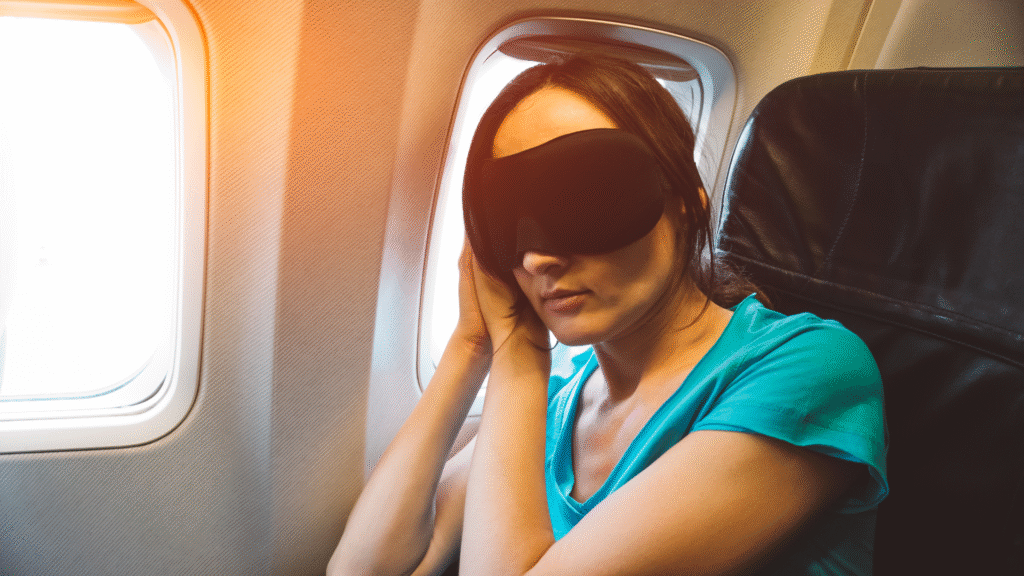
Nutrition and hydration play pivotal roles in how well travelers adapt to new time zones. Proper food choices and staying hydrated can significantly influence energy levels and sleep quality during travel. By understanding which foods can either promote restful sleep or disrupt it, travelers can better prepare for their journeys and mitigate the effects of jet lag.
Certain foods can enhance energy levels and improve sleep quality, while others may lead to restlessness and fatigue. Focusing on nutrient-rich options can help maintain energy throughout the day and promote better sleep at night. Below is a table that Artikels foods that are beneficial for sleep versus those that can disrupt it, along with explanations for each category.
| Food Category | Examples | Effects |
|---|---|---|
| Foods that Promote Sleep |
|
|
| Foods that Disrupt Sleep |
|
|
In addition to food choices, maintaining electrolyte balance and proper hydration is crucial for managing jet lag effectively. Dehydration can exacerbate symptoms of jet lag, leading to increased fatigue and decreased cognitive function. Strategies for staying hydrated include drinking plenty of water before, during, and after travel, as well as consuming electrolyte-rich beverages, particularly if flying at high altitudes where cabin pressure can increase dehydration risk.
Before embarking on a trip, hydrate with water and consider drinks that contain electrolytes to prepare your body. During the flight, aim to drink water regularly and minimize consumption of dehydrating beverages like alcohol and caffeine. After arrival, continue to focus on hydration, as this will help combat the effects of travel and assist your body in adjusting to the new time zone.
Mindfulness and Relaxation Techniques to Alleviate Jet Lag
Traveling across time zones can wreak havoc on our bodies and minds, leading to feelings of fatigue, disorientation, and irritability. Mindfulness and relaxation techniques can help ease these symptoms of jet lag, facilitating a smoother transition to the new time zone. By embracing practices that foster awareness and calm, travelers can enhance their recovery process and enjoy their time abroad more fully.
Mindfulness Practices
Engaging in mindfulness can significantly alleviate the stress and disorientation associated with jet lag. Simple meditation and breathing exercises help ground travelers in the present moment, reducing anxiety and promoting relaxation. Mindfulness practices enhance self-awareness and can be easily integrated into your travel routine.
To get started with mindfulness, consider the following practices:
– Meditation: Spend 5-10 minutes focusing on your breath. Find a quiet space, close your eyes, and simply observe your breath as it flows in and out. This can be done at your destination or even during layovers.
– Breathing Exercises: Practice deep, slow breathing to calm your nervous system. Inhale deeply through your nose for a count of four, hold for four, and exhale slowly through your mouth for a count of four. Repeat several times to help reduce stress levels.
Physical Activity
Physical activity is essential for counteracting the effects of jet lag. It stimulates blood flow, boosts energy levels, and helps regulate your sleep-wake cycle. Engaging in light exercises after traveling can significantly improve your mood and overall well-being.
Consider these ideal types of exercises post-travel:
– Walking: A simple walk around your new environment can help you acclimate and encourage circulation. Aim for at least 20-30 minutes to reap the benefits.
– Stretching: Gentle stretching can alleviate tension and stiffness from long flights. Focus on areas that may be tight, such as the back, neck, and shoulders.
– Yoga: Engaging in yoga poses that emphasize relaxation and stretching can be particularly beneficial. Poses like Child’s Pose or Legs-Up-the-Wall can help reduce fatigue while promoting serenity.
Relaxation Techniques During Flights
Implementing relaxation techniques during flights can be invaluable for maintaining calmness and reducing the impact of jet lag. Being proactive about your mental state can set the tone for your journey and your arrival.
Here are some relaxation techniques to consider during your flight:
– Progressive Muscle Relaxation: Tense and then relax each muscle group, starting from your toes and working up to your head. This practice helps release physical tension and promote relaxation.
– Visualization: Imagine a peaceful scene, such as a beach or forest. Close your eyes and visualize every detail, engaging your senses to enhance the experience.
– Soothing Music or Podcasts: Bring along calming music or guided meditation podcasts to listen to during the flight. This can create a serene atmosphere and distract from any travel-related stress.
– Hydration: Keep hydrated by drinking water regularly. Staying hydrated can help alleviate fatigue and discomfort during and after the flight.
– Avoiding Screens Before Sleep: Reducing screen time as you prepare to sleep on the plane can help your body adjust to your destination’s time zone more naturally. Instead, opt for reading a book or practicing relaxation techniques.
By incorporating these mindfulness and relaxation practices into your travel routine, you can significantly reduce the symptoms of jet lag, allowing for a more enjoyable and fulfilling trip.
Exploring the Impact of Age on Jet Lag Experience
Jet lag can affect travelers of all ages, but the experience and coping mechanisms vary significantly across different age groups, including children, adults, and the elderly. Understanding how age influences the severity and management of jet lag symptoms is crucial for developing effective strategies tailored to each demographic. This exploration delves into the unique challenges faced by each group and offers insights into how their sleep patterns and biological changes can impact jet lag experiences.
Comparative Analysis of Jet Lag in Different Age Groups
Children, adults, and the elderly manifest distinct responses to the disruptions caused by jet lag. Children often adapt more swiftly to time changes, largely due to their more flexible circadian rhythms. However, they may struggle with irritability and fatigue as their bodies adjust. Adults generally experience a moderate level of jet lag, with symptoms ranging from fatigue to cognitive impairment; typically, they cope through behavioral adjustments or over-the-counter remedies.
The elderly, on the other hand, often encounter more severe and prolonged symptoms of jet lag. Age-related changes in sleep architecture, such as reduced deep sleep and more fragmented sleep patterns, can exacerbate the discomfort associated with time zone changes. As a result, they may find it more challenging to recover from jet lag, making it essential to adopt specific strategies suited to their needs.
Sleep Pattern Changes with Age
As individuals age, their sleep patterns evolve, which can significantly affect the experience of jet lag. Notably, older adults tend to experience:
- Decreased Sleep Duration: Seniors often require less sleep, averaging about 6-7 hours per night compared to younger adults who may need 7-9 hours. This reduction can lead to more pronounced feelings of fatigue following long-distance travel.
- Fragmented Sleep: Aging often brings about interruptions in sleep cycles, leading to more frequent awakenings during the night. This fragmentation can amplify the disorientation felt during jet lag.
- Altered Circadian Rhythms: The elderly may experience shifts in their internal body clocks, making it harder to adapt to new time zones. This alteration can delay the timing of sleep and wakefulness.
These changes highlight the necessity for age-specific coping mechanisms to alleviate jet lag symptoms effectively.
Tailored Coping Strategies for Each Age Group
Implementing targeted strategies can significantly ease the impact of jet lag across different age groups. Here are some effective approaches applicable to children, adults, and the elderly:
- Children: Establishing a pre-travel sleep schedule that gradually shifts bedtimes closer to the destination time can help. Engaging in physical activities during the day can also improve sleep quality.
- Adults: Utilizing light therapy can assist in resetting circadian rhythms. Additionally, staying hydrated and avoiding alcohol and caffeine close to bedtime can promote better sleep.
- Elderly: Maintaining a consistent sleep environment, using relaxation techniques before bed, and considering melatonin supplements can help manage sleep disturbances associated with jet lag.
By understanding the distinct experiences of jet lag across age groups and implementing these tailored strategies, travelers can mitigate the adverse effects of long-distance journeys, ensuring a smoother transition to new time zones.
Evaluation of Over-the-Counter Remedies for Jet Lag
Jet lag can significantly affect travelers, leading to fatigue, irritability, and difficulty concentrating. Many individuals turn to over-the-counter remedies to alleviate these symptoms, seeking quick relief from the disruption of their circadian rhythms. This section evaluates the effectiveness and safety of various supplements commonly marketed for jet lag relief.
Over-the-counter supplements can vary widely in their ingredients and claims. Some focus on promoting better sleep, while others aim to enhance alertness or reduce fatigue. Understanding the components of these products can help travelers make informed decisions based on their individual needs and health considerations.
Comparison of Popular Remedies
The following table summarizes various over-the-counter remedies for jet lag, including their ingredients, claimed benefits, effectiveness, and potential side effects.
| Remedy | Ingredients | Claims | Effectiveness | Potential Side Effects |
|---|---|---|---|---|
| Melatonin | Melatonin hormone | Regulates sleep-wake cycles | Generally effective in aiding sleep, especially for adjusting to new time zones. | Drowsiness, headache, dizziness. |
| Valerian Root | Valerian extract | Promotes relaxation and improves sleep quality | Mixed results; some users report better sleep quality, while research is inconclusive. | Drowsiness, stomach upset, headache. |
| Ginseng | Panax ginseng extract | Boosts energy and reduces fatigue | Some evidence supports its use for enhancing alertness; effectiveness varies. | Insomnia, headache, gastrointestinal issues. |
| 5-HTP | 5-Hydroxytryptophan | Supports serotonin production for better mood and sleep | May help reduce sleep disturbances; more research needed. | Nausea, diarrhea, drowsiness. |
When considering the use of these remedies, it is essential to assess personal health conditions and travel needs. For example, individuals taking medications or with pre-existing health conditions should consult with a healthcare professional before starting any supplement.
“Always prioritize safety by ensuring that any over-the-counter remedy aligns with your health profile and travel requirements.”
For optimal use, travelers are encouraged to take melatonin 30 minutes before their desired bedtime at the destination. Valerian root may be beneficial for those who experience difficulty falling asleep after arriving in a new timezone. Ginseng can be a good pick for those seeking to boost daytime alertness, particularly after long-haul flights. Each individual’s response may vary, emphasizing the importance of personal experimentation and moderation.
Last Recap
In conclusion, effectively overcoming jet lag is achievable with the right strategies and understanding. By implementing practical techniques before, during, and after travel, you can significantly reduce the disruption caused by jet lag. Remember, it’s about making small adjustments that can lead to a smoother transition into your new time zone, allowing you to fully embrace your travel experience.
Expert Answers
What is jet lag?
Jet lag is a temporary sleep disorder that occurs when your body’s internal clock is out of sync with the time zone you are in, often resulting in fatigue, insomnia, and irritability.
How long does jet lag last?
The duration of jet lag can vary, but it typically lasts a few days, with most people adjusting at a rate of one day for each time zone crossed.
Can I take melatonin to help with jet lag?
Yes, melatonin can help regulate sleep patterns and may reduce the symptoms of jet lag; however, it’s best to consult a healthcare professional before use.
Is it better to adjust my sleep schedule before traveling?
Yes, gradually adjusting your sleep schedule to align with your destination’s time zone a few days before departure can help your body adapt more easily.
Does caffeine help or worsen jet lag?
Caffeine can temporarily boost alertness, but it may also disrupt sleep patterns, so it’s best to limit intake, especially close to bedtime.