
 Caroline Sarah
How to sleep on a plane is a common dilemma for travelers facing long-haul flights. As you ascend into the skies, the challenges of cabin pressure, altitude, and constant movement can create a less-than-ideal sleeping environment. However, with a few strategic adjustments, you can transform your experience and catch some much-needed Zs above the clouds.
From understanding how jet lag affects your body to choosing the best seat and utilizing sleep aids, this guide will provide you with practical tips and insights. We’ll explore the physiological hurdles that make it difficult to rest, as well as the best practices for crafting a comfortable sleeping space on an airplane. With the right approach, you can arrive at your destination feeling refreshed and ready for your adventures.
Discuss the physiological challenges of sleeping on a plane
Sleeping on a plane can be a formidable challenge due to various physiological factors that affect the body’s ability to rest and recuperate. The confined space, combined with environmental conditions, can significantly impede sleep quality and overall comfort during air travel. Understanding these challenges can help travelers better prepare for their journey and find ways to improve their sleep on flights.
The cabin pressure and altitude inside an aircraft have a profound impact on sleep quality. When flying, the cabin pressure is typically maintained at a level equivalent to being at 6,000 to 8,000 feet above sea level. This reduced pressure can lead to lower oxygen availability in the bloodstream, resulting in hypoxia—a condition where the body does not receive enough oxygen. This lack of oxygen can disrupt the sleep cycle and lead to feelings of fatigue or drowsiness during the flight. Furthermore, studies indicate that sleep quality diminishes in lower oxygen environments, as the body struggles to enter deeper stages of sleep, which are crucial for restorative rest.
Influence of cabin environment on circadian rhythms
The absence of natural light during flights plays a critical role in disrupting the body’s circadian rhythm, which regulates sleep-wake cycles. In normal conditions, exposure to natural light signals the body to stay awake during the day and prepare for sleep at night. However, during long-haul flights, passengers often find themselves in artificially lit cabins that do not correspond to their local time. This mismatch can lead to confusion in the body’s internal clock, resulting in difficulty falling asleep or staying asleep. Travelers may experience jet lag as their circadian rhythms struggle to adjust to new time zones, making it even harder to achieve restful sleep.
Additionally, turbulence and movement within the aircraft can significantly disrupt sleep. Even minor turbulence can create uneasy sensations, jolting passengers awake or making it difficult to drift off. In more pronounced cases, sudden dips or rises can cause alarm and anxiety, further interrupting sleep. For instance, a flight experiencing turbulence may rock side to side, causing discomfort and restlessness among those trying to rest. The nature of airplane seats, which often lack the ergonomic support of a bed, compounds these challenges, making it difficult to find a comfortable position for sleep. Thus, environmental factors, both physiological and psychological, play a crucial role in the overall sleeping experience on planes.
Identify the best practices for creating a comfortable sleeping environment on an airplane
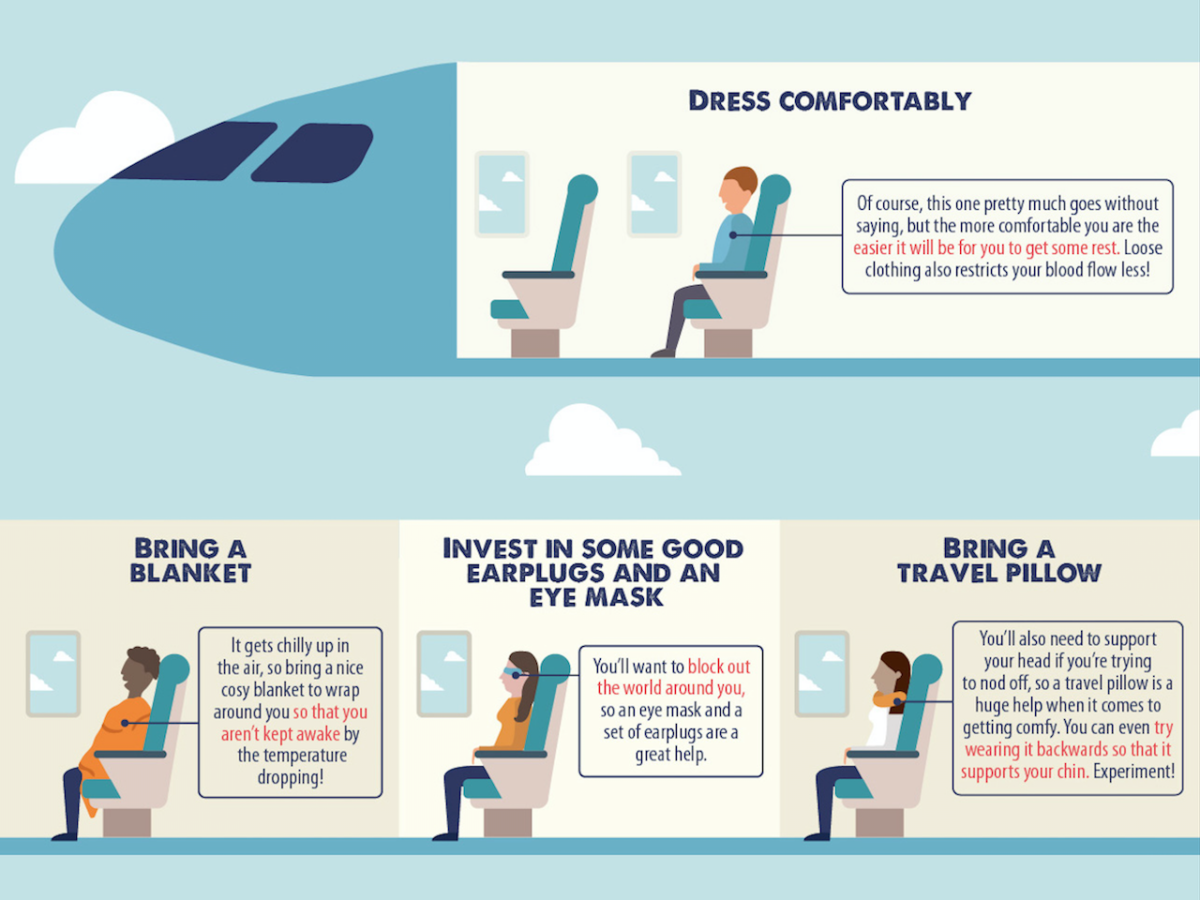
Creating a comfortable sleeping environment on an airplane can significantly enhance your travel experience, especially on long-haul flights. By focusing on various factors such as seat choice, clothing, and personal space adjustments, travelers can maximize their chances of falling asleep and staying rested during their journey.
Choosing the right seat for optimal sleep
Selecting the right seat is crucial when aiming for a good night’s sleep in the sky. Generally, window seats are favored by many passengers for sleep. This is because they provide a solid surface to lean against, allowing travelers to rest their heads comfortably without the risk of being disturbed by fellow passengers getting up. However, it’s essential to consider the specific plane layout. Some window seats are located near the wings, where turbulence is less felt, contributing to a more stable sleeping environment.
On the other hand, aisle seats offer the advantage of easy access to the restroom and the ability to stretch your legs. However, they can be less conducive to sleep because passengers may need to get up frequently during the flight. A good compromise may be to choose an aisle seat in a row that is less frequently occupied or in a section of the plane where passengers get up less often.
When booking your flight, look for seats with extra legroom, especially in exit rows or premium economy sections. Tools like seat selection apps can also help identify the best options available based on your preferences.
Importance of wearing comfortable clothing and using travel accessories
Dressing appropriately for air travel can dramatically affect your comfort level while sleeping. Opt for loose-fitting clothing made from breathable materials like cotton or moisture-wicking fabrics. Avoid tight jeans or formal attire that can restrict movement and create discomfort during the flight.
In addition to clothing, consider using travel accessories such as neck pillows and eye masks. A neck pillow supports your head and neck, reducing the risk of stiffness upon waking. Eye masks block out ambient light, creating a darker environment conducive to sleep. Furthermore, noise-canceling headphones or earplugs can help minimize disruptive cabin noise, allowing for a more peaceful experience.
Adjusting your personal space
Making adjustments to your immediate surroundings can enhance your comfort level during the flight. Airlines typically provide blankets, but bringing your own lightweight travel blanket can offer a sense of familiarity and warmth. Additionally, consider using sleep-friendly earplugs or noise-canceling headphones to block out sounds from the cabin and fellow passengers.
When seated, positioning your personal items close at hand can reduce the need to reach or bend, contributing to relaxation. Organizing your space thoughtfully can make a significant difference in your overall experience.
In summary, by thoughtfully selecting your seat, dressing comfortably, utilizing travel accessories, and adjusting your personal space, you can create an optimal sleeping environment that makes air travel more enjoyable and restful.
Compare the effectiveness of various sleep aids available for travelers
Traveling, especially by plane, can disrupt your sleep patterns, leading to fatigue and irritability. To combat this, various sleep aids are available, each with distinct advantages and disadvantages. Understanding these options can help you make informed choices to enhance your travel experience and ensure you arrive at your destination well-rested.
Natural sleep aids
Natural sleep aids, such as melatonin, are popular among travelers seeking a non-pharmaceutical approach to managing sleep during flights. Melatonin is a hormone naturally produced by the body that regulates the sleep-wake cycle. It is often recommended for adjusting to new time zones, making it especially useful for long-haul flights.
- Benefits of Melatonin:
– Helps regulate circadian rhythms, making it easier to fall asleep at the desired time.
– Generally safe for short-term use with few side effects.
– Available over-the-counter, making it accessible for travelers. - Potential Drawbacks:
– May cause drowsiness upon waking if not timed properly.
– Effectiveness can vary based on individual differences in metabolism and sensitivity.
– Not recommended for long-term use without medical supervision.
Over-the-counter sleep medications
Over-the-counter (OTC) sleep medications can provide immediate relief for travelers struggling to sleep on flights. These medications often contain antihistamines, which induce drowsiness. However, their use varies depending on age and individual health considerations.
- Appropriateness for Different Age Groups:
– Adults: Many OTC sleep aids are suitable, but caution is advised regarding long-term use.
– Older adults: They may be more sensitive to side effects like dizziness and confusion, making non-pharmaceutical options preferable.
– Children: Consult a pediatrician before administering OTC sleep aids, as some may not be safe for younger travelers.
Non-pharmaceutical methods
Non-pharmaceutical methods offer excellent alternatives for travelers seeking to enhance their sleep without medication. Techniques such as meditation and breathing exercises can be highly effective in promoting relaxation and sleepiness.
- Meditation:
– Find a comfortable seated position on the plane.
– Close your eyes and take a deep breath, focusing on your inhalation and exhalation.
– Allow your thoughts to drift away without judgment, bringing your focus back to your breath if your mind wanders.
– Continue for 5-15 minutes to achieve a calm state conducive to sleep. - Breathing Exercises:
– Inhale deeply through your nose for a count of four.
– Hold your breath for a count of four.
– Exhale slowly through your mouth for a count of four.
– Repeat this cycle several times to induce a state of relaxation and make falling asleep easier.
Share strategies for adapting your sleep schedule before and during travel
Adapting your sleep schedule before and during travel is crucial for reducing the effects of jet lag and ensuring that you arrive at your destination feeling refreshed. With the right strategies, you can align your body’s internal clock with your travel schedule, making the transition smoother. Here are key considerations and tips to help you adjust effectively.
Pre-flight sleep adjustments and their importance
Pre-flight sleep adjustments involve gradually shifting your sleep schedule in the days leading up to your flight. This process is important as it helps your body acclimatize to a new time zone, minimizing disruptions caused by jet lag. If you’re traveling east, try going to bed and waking up an hour earlier each day for a few days before your trip. Conversely, if you’re heading west, stay up and wake up later. This gradual shift allows your circadian rhythms to adapt more comfortably.
Another important factor is your sleep environment. Ensure your sleeping area is conducive to rest. Keep the room dark, quiet, and cool. Using sleep masks and earplugs can also aid in this adjustment while you’re training your body to adapt. In addition to altering your sleep schedule, reducing caffeine and alcohol consumption in the days leading up to your flight can enhance the quality of your sleep.
Role of hydration and nutrition
Hydration and nutrition play a pivotal role in maintaining energy levels and facilitating better sleep, particularly on long-haul flights. Dehydration can lead to fatigue and discomfort, making it harder to relax. Drink plenty of water before and during your flight to keep your body well-hydrated. Aim for at least 8 ounces of water every couple of hours while traveling.
Nutrition also impacts your ability to sleep well. Eating light meals that are rich in complex carbohydrates and lean proteins can help maintain your energy levels. Avoid heavy or spicy foods close to your intended sleep time, as they can lead to discomfort. Including foods like bananas, nuts, and whole grains can support a good night’s sleep.
Using in-flight entertainment effectively
In-flight entertainment can serve as a relaxing tool that prepares you for sleep. However, managing screen time is essential. Start by selecting content that is calming, such as documentaries or gentle comedies, rather than action-packed films that may keep you alert.
Limit your screen time to about 30 minutes before you plan to sleep. This allows your mind to unwind, making the transition to sleep smoother. Consider using features like “do not disturb” on your device to minimize notifications during your rest period. Additionally, using noise-canceling headphones can help drown out cabin noises, contributing to a more restful experience.
Detail the role of mindfulness and relaxation techniques in achieving sleep on a plane
Traveling by plane can often be a challenging experience, especially when it comes to getting restful sleep. The confined space, noise, and general discomfort can make it difficult for passengers to relax. Mindfulness and relaxation techniques can play a significant role in helping travelers achieve a better sleep experience while in transit. By incorporating these practices, passengers can reduce anxiety, promote relaxation, and create a conducive environment for sleep, even at 30,000 feet.
Mindfulness meditation and relaxation techniques allow individuals to focus their attention and calm their minds, making it easier to drift off to sleep. Practicing mindfulness involves paying attention to the present moment, acknowledging thoughts and feelings without judgment. This practice can significantly decrease pre-flight anxiety and the stress that often accompanies air travel. Below are detailed strategies to utilize these techniques effectively while flying.
Mindfulness meditation for air travel
Engaging in mindfulness meditation during a flight can help center your thoughts and promote relaxation. Here’s a comprehensive guide on how to practice it effectively:
1. Find a Comfortable Position: Sit back in your seat and adjust your posture. Make sure you are comfortable, with your feet flat on the floor and hands resting on your lap or armrest.
2. Focus on Your Breath: Close your eyes and take deep breaths, inhaling through your nose and exhaling through your mouth. Concentrate on the rhythm of your breathing, noticing how your chest rises and falls.
3. Acknowledge Distractions: As thoughts or distractions arise – whether it’s the noise of the plane or your to-do list – acknowledge them without judgment and gently redirect your focus back to your breath.
4. Use a Guided Meditation App: Download a few mindfulness meditation apps before your flight, such as Headspace or Calm. Choose a short guided session designed for relaxation or sleep to help you stay engaged.
5. Visualize a Peaceful Place: Picture a serene environment, like a beach or a quiet forest. Imagine the details and sounds of this place, allowing it to evoke a sense of peace and tranquility.
This mindfulness practice not only helps to calm the mind but also prepares the body for restful sleep, making it easier to drift off as the flight progresses.
Relaxation techniques for sleep on a plane
Various relaxation methods can further enhance your ability to sleep comfortably on a plane. Consider incorporating the following techniques:
1. Progressive Muscle Relaxation: This technique involves tensing and then relaxing different muscle groups to release physical tension. Start with your toes, squeeze for a few seconds, then release. Gradually move up through your body—feet, legs, abdomen, arms, and face—repeating the tensing and relaxing process.
2. Visualization: Similar to mindfulness, this method involves creating a mental image of a calming scenario. Imagine yourself lying in a hammock, swaying gently with the breeze, or floating in a warm pool. Focus on the details to enhance the feeling of relaxation.
3. Deep Breathing Exercises: Engage in deep breathing by inhaling slowly for a count of four, holding for a count of four, and exhaling for a count of six. This can help calm your nervous system and induce a state of relaxation.
4. Listening to Soothing Music or Sounds: Create a playlist of soothing sounds or calming music. Nature sounds, like ocean waves or rain, can promote relaxation and help mask the background noise of the airplane.
5. Establishing a Pre-Sleep Routine: Create a personalized routine that signals your body it’s time to relax. This could include putting on an eye mask, using noise-canceling headphones, or stretching gently in your seat.
Incorporating these relaxation techniques into your travel routine can help create a peaceful and comfortable environment conducive to sleep.
Creating a personal relaxation routine for flights
Establishing a personal relaxation routine is crucial for maximizing your chances of getting sleep on a plane. Consider the following steps to develop a routine that fits your preferences:
1. Choose Your Relaxation Tools: Select items that help you feel comfortable, such as a travel pillow, blanket, or compression socks. These can enhance your physical comfort and signal to your body that it’s time to rest.
2. Plan Your Timing: Consider when you’ll engage in mindfulness or relaxation techniques. Try to start your routine about an hour into the flight, when the cabin lights dim, and it’s easier to relax.
3. Limit Stimulation: Avoid screens and bright lights at least 30 minutes before your sleep period. Instead, dedicate this time to your relaxation techniques or simply close your eyes and breathe deeply.
4. Set Reminders: If you’re easily distracted, set reminders for yourself to practice your breathing exercises or listen to your calming playlist. This can help you stay consistent with your routines.
5. Practice Before Your Trip: Familiarize yourself with your chosen techniques before your flight. Regular practice ensures that you can easily engage in your routine when it’s time to sleep.
By tailoring these techniques to fit your travel style, you can create a reliable routine that promotes restful sleep on your next flight.
Ending Remarks
In summary, learning how to sleep on a plane not only enhances your travel experience but also helps you cope with the challenges of air travel. By creating a comfortable environment, using effective sleep aids, and employing mindfulness techniques, you can significantly improve your in-flight rest. So, the next time you board a plane, remember these strategies and enjoy a more peaceful journey, arriving revitalized and eager to explore.
Key Questions Answered
What are the best seats for sleeping on a plane?
The best seats for sleeping are typically window seats, as they provide a wall to lean against and reduce disruptions from other passengers.
Should I take sleep medications before flying?
Consult a healthcare professional before taking sleep medications, as they can interact with other medications and may not be suitable for everyone.
Can I use my own pillow on the plane?
Yes, bringing your own travel pillow can enhance comfort and help you sleep better during the flight.
How can I avoid jet lag when traveling?
Adjust your sleep schedule before departure, stay hydrated, and expose yourself to natural light upon arrival to minimize jet lag.
Is it okay to wear earplugs and an eye mask while flying?
Absolutely! Earplugs and eye masks can help block out noise and light, making it easier to fall asleep.