
 Caroline Sarah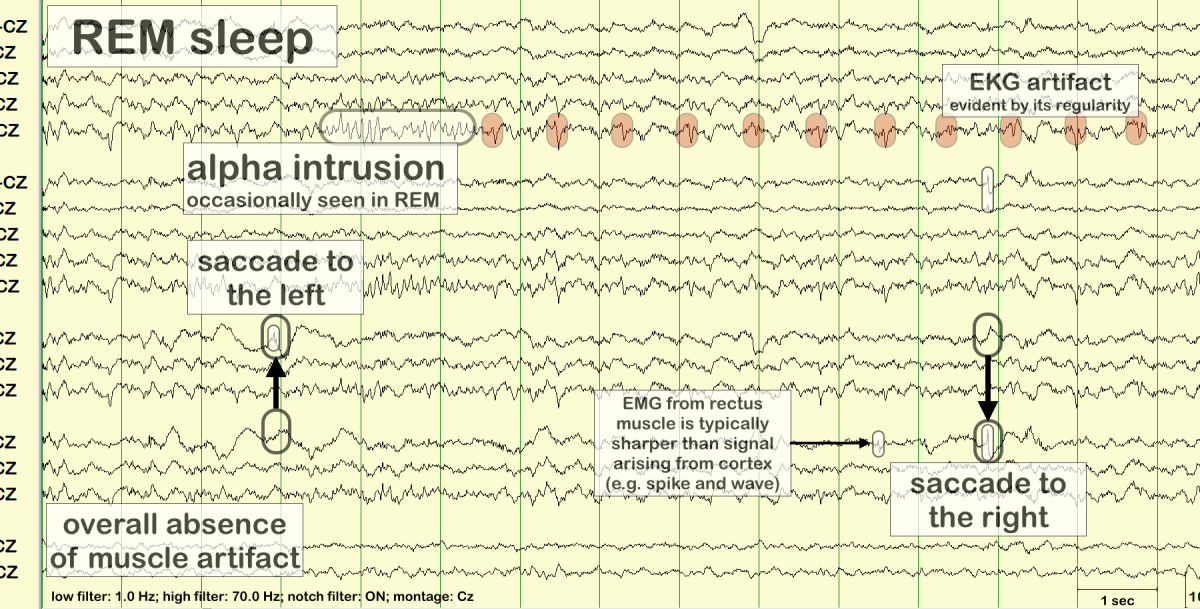
REM sleep is a fascinating phase of our sleep cycle that brings with it a multitude of physiological changes and benefits. During this stage, our brains become highly active, leading to vivid dreams and critical processes that are fundamental to our overall well-being. Understanding REM sleep not only sheds light on how our bodies function overnight but also highlights its crucial role in memory, emotional health, and creativity.
As we delve deeper into the mechanics of REM sleep, we will explore its stages, the impact of lifestyle choices on its quality, and practical strategies to enhance it. This journey through the world of REM sleep promises to reveal insights that can improve not just our sleep but our daily lives as well. So, let’s embark on this exploration of a vital yet often overlooked aspect of our nightly rest.
Understanding the Basics of REM Sleep
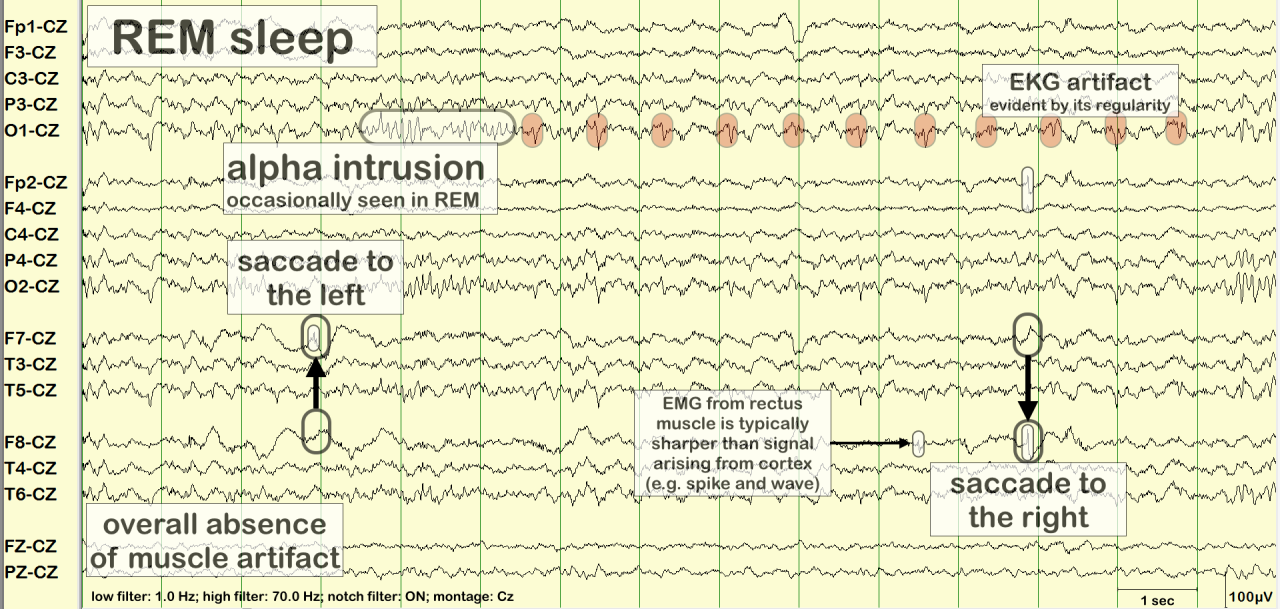
REM (Rapid Eye Movement) sleep is a crucial phase of the sleep cycle, characterized by rapid movements of the eyes, increased brain activity, and vivid dreaming. It accounts for approximately 20-25% of an adult’s sleep time and plays a vital role in cognitive functions such as memory consolidation, emotional regulation, and creativity. Understanding the physiological processes that occur during REM sleep can enhance our appreciation of its importance.
During REM sleep, several physiological changes take place. The brain exhibits heightened activity akin to wakefulness, which can be observed through brain wave patterns. This phase is marked by increased heart rate, irregular breathing, and the temporary paralysis of major muscle groups, preventing the sleeper from acting out dreams. The body experiences a drop in core temperature and changes in hormonal levels, including surges in neurotransmitters like acetylcholine, which promote dreaming. REM sleep typically occurs after about 90 minutes of sleep and recurs multiple times throughout the night, lasting longer with each successive cycle.
Stages of the Sleep Cycle and the Role of REM Sleep
Understanding the stages of the sleep cycle reveals how REM sleep fits into the broader context of overall sleep health. The sleep cycle consists of two primary types of sleep: Non-REM (NREM) and REM sleep, which alternate throughout the night.
The NREM sleep phase is further divided into three stages:
- Stage 1: This initial stage lasts a few minutes as one drifts into sleep, marked by light sleep and reduced muscle activity.
- Stage 2: Lasting about 20 minutes, this stage includes periods of deeper sleep with slower brain waves and the absence of eye movement.
- Stage 3: Also known as deep sleep, this stage is critical for physical recovery and energy restoration, with brain waves significantly slowing down.
Following these stages, REM sleep emerges, typically occurring about 90 minutes after falling asleep. The duration of REM sleep increases with each cycle, starting at around 10 minutes in the first cycle and extending to up to 30 minutes in later cycles. Throughout an average night, an adult may experience four to six cycles of sleep, with the final cycles heavily dominated by REM sleep.
“REM sleep is essential for cognitive functions, emotional health, and overall well-being.”
The Importance of REM Sleep for Brain Function
REM sleep, or Rapid Eye Movement sleep, is a crucial phase of the sleep cycle that significantly impacts brain function. During this time, the brain is highly active, and many essential processes occur that contribute to our overall cognitive health. Understanding the importance of REM sleep can help highlight how it influences memory consolidation, emotional regulation, and even creativity.
Effects on Memory Consolidation and Learning
REM sleep plays a vital role in the consolidation of memories and the enhancement of learning processes. This phase of sleep is when the brain processes and organizes information acquired throughout the day. Research shows that during REM sleep, the brain reactivates experiences and information, strengthening neural connections, which aids in retention.
For example, students who sleep adequately after studying exhibit better recall and understanding of the material. Studies indicate that participants who had sufficient REM sleep after learning tasks performed significantly better in memory tasks compared to those who were deprived of REM. The effects of REM sleep on memory can be summarized as follows:
- Memory Consolidation: REM sleep aids in the transformation of short-term memories into long-term storage.
- Skill Acquisition: Learning motor skills and complex tasks is enhanced with adequate REM sleep, as it helps in refining and reinforcing learned skills.
- Problem Solving: REM sleep is linked with the ability to integrate new information and solve problems creatively.
Contribution to Emotional Regulation and Mental Health
The significance of REM sleep extends beyond cognitive functions; it is also crucial for emotional regulation and overall mental health. During REM sleep, the brain processes emotions and experiences, which is essential for maintaining emotional balance. A lack of REM sleep can lead to heightened emotional reactivity and mental health issues.
Studies have shown that individuals who experience REM sleep deprivation are more prone to anxiety and depression. This connection emphasizes the role of REM sleep in:
- Emotional Processing: REM sleep allows individuals to process emotional experiences, helping to stabilize mood.
- Stress Resilience: A well-functioning REM cycle can improve resilience to stress, aiding recovery from emotional distress.
- Risk of Mental Disorders: Chronic REM sleep deprivation is associated with an increased risk of mood disorders, such as anxiety and depression.
Impact on Creativity and Problem-Solving Abilities
REM sleep is not only essential for memory and emotional health but also significantly influences creativity and problem-solving capabilities. The brain’s enhanced activity during this phase allows for greater connections between seemingly unrelated ideas, fostering creativity.
Research has demonstrated that REM sleep can help unlock creative potential. For instance, famous figures such as Salvador Dalí reportedly used naps to enhance their creative process. The benefits of REM sleep in creativity and problem-solving can be highlighted through the following aspects:
- Enhanced Divergent Thinking: REM sleep improves the ability to generate multiple solutions to a problem, a key component of creativity.
- Novel Connections: During REM sleep, the brain makes unique associations that can lead to innovative ideas and solutions.
- Insightful Problem Solving: REM sleep is linked to the eureka moments that often occur after periods of rest, facilitating breakthroughs in complex problem-solving tasks.
In summary, the importance of REM sleep for brain function is immense, influencing memory consolidation, emotional health, and creative thinking. Prioritizing good sleep hygiene can significantly enhance these aspects of cognitive function, leading to improved overall well-being.
Factors Affecting REM Sleep Quality
REM sleep, or Rapid Eye Movement sleep, is an essential phase of the sleep cycle where the brain is highly active, and vivid dreaming occurs. It plays a crucial role in emotional regulation, memory consolidation, and overall cognitive function. Several factors can influence the quality of REM sleep, ranging from lifestyle choices to medical conditions. Understanding these factors is vital for enhancing sleep quality and overall well-being.
Lifestyle Choices Impacting REM Sleep
Certain lifestyle choices can significantly hinder the quality of REM sleep. Engaging in habits that disrupt the natural sleep cycle can lead to a decrease in the duration and quality of REM sleep. Some of these choices include:
- Inefficient Sleep Schedule: Irregular sleep patterns, such as going to bed and waking up at different times each day, can interfere with the body’s internal clock, making it harder to achieve restorative sleep.
- Excessive Screen Time: Exposure to blue light emitted by screens before bedtime can suppress melatonin production, making it difficult to fall asleep and reducing REM sleep.
- Lack of Physical Activity: Sedentary lifestyles can contribute to poor sleep quality. Regular exercise helps regulate sleep patterns and promotes deeper REM sleep.
- High-Stress Levels: Chronic stress can lead to anxiety and restlessness, which are detrimental to achieving quality REM sleep. Persistent stress keeps the mind alert, hindering the ability to transition into the REM stage.
Effects of Sleep Disorders on REM Sleep Duration
Sleep disorders, such as insomnia and sleep apnea, can severely impact the duration of REM sleep. Insomnia is characterized by difficulty falling or staying asleep, which can lead to reduced overall sleep time and fewer REM periods. This can manifest in irritability, cognitive impairment, and emotional instability.
Sleep apnea, on the other hand, involves repeated interruptions in breathing during sleep, causing frequent awakenings. This fragmentation can significantly diminish the amount of REM sleep achieved throughout the night. People with sleep apnea often experience excessive daytime sleepiness, as their sleep cycles are disrupted, preventing them from reaching the deeper, restorative phases of sleep.
Impact of Medications and Substances on REM Sleep Quality
Medications and substances can also alter the quality of REM sleep. For example, certain medications, particularly antidepressants and sedatives, can suppress REM sleep, affecting emotional regulation and cognitive function.
Substances like alcohol and caffeine have well-documented effects. Alcohol might initially promote sleep onset, but it disrupts the latter half of the sleep cycle, reducing REM sleep duration and leading to fragmented sleep. Caffeine, a stimulant found in coffee and many soft drinks, can keep individuals awake and alert, thereby delaying the onset of sleep and potentially reducing overall REM sleep duration.
Understanding these factors is key to optimizing REM sleep quality for better health and well-being.
Strategies to Enhance REM Sleep
Creating an optimal environment for REM sleep is crucial for overall well-being and cognitive function. REM (Rapid Eye Movement) sleep is the stage of sleep where dreaming occurs, and it plays a vital role in emotional regulation, memory consolidation, and brain health. By implementing specific strategies, individuals can significantly enhance their REM sleep quality.
Optimal Sleep Environment for REM Sleep
To foster an environment conducive to REM sleep, consider the following practical tips:
– Maintain a Comfortable Temperature: The ideal bedroom temperature is typically between 60-67°F (15-19°C). Cooler temperatures help lower the body’s core temperature, signaling that it’s time to sleep.
– Minimize Noise and Light: Use blackout curtains to block out external light and consider white noise machines or earplugs to drown out disruptive sounds. A dark and quiet environment promotes deeper sleep cycles.
– Choose the Right Bedding: Invest in quality mattresses and pillows that provide adequate support. The right bedding can enhance comfort and minimize disturbances during sleep.
– Limit Electronic Exposure: Reduce screen time at least an hour before bed. The blue light emitted by devices like phones, tablets, and computers can interfere with melatonin production, hindering REM sleep onset.
– Embrace Aromatherapy: Essential oils like lavender and chamomile can create a calming atmosphere. Diffusing these scents in the bedroom can facilitate relaxation and enhance sleep quality.
Bedtime Routine for Better REM Sleep
Establishing a consistent bedtime routine can signal your body that it’s time to wind down. Incorporate the following practices:
1. Wind Down at Least 30 Minutes Before Bed: Engage in calming activities such as reading, meditating, or gentle stretching. This helps transition from the busyness of the day to a restful state.
2. Practice Relaxation Techniques: Techniques like deep breathing, progressive muscle relaxation, or guided imagery can reduce anxiety and prepare your mind for sleep.
3. Limit Stimulants: Avoid caffeine and nicotine in the hours leading up to bedtime. These substances can disrupt sleep patterns, including REM sleep.
4. Keep a Sleep Journal: Tracking sleep patterns and how you feel can reveal insights into what promotes or hinders quality REM sleep.
Diet and Exercise for Improved REM Sleep
The choices made regarding diet and exercise can significantly influence REM sleep patterns. Consider the following insights:
– Balanced Diet: Include foods rich in tryptophan, magnesium, and vitamins. Foods like turkey, nuts, seeds, and leafy greens promote serotonin production, which aids in sleep regulation.
– Avoid Heavy Meals Before Bed: Consuming large meals can lead to discomfort and indigestion, disrupting sleep. Aim to finish eating at least 2-3 hours before bedtime.
– Regular Exercise: Engaging in physical activity during the day promotes better sleep quality. Aim for at least 30 minutes of moderate exercise, but try to avoid vigorous workouts close to bedtime.
– Hydration: Stay hydrated throughout the day, but limit fluid intake in the hour before bed to avoid nighttime awakenings.
By focusing on these strategies, individuals can enhance their overall sleep quality, specifically maximizing the benefits of REM sleep for better mental and physical health.
Myths and Misconceptions About REM Sleep
Many people hold misconceptions regarding REM sleep, often due to cultural beliefs, anecdotal insights, or incomplete scientific understanding. REM sleep, or Rapid Eye Movement sleep, is a crucial stage of the sleep cycle where vivid dreams occur, and it plays an essential role in cognitive function and emotional well-being. This discussion delves into common myths surrounding REM sleep, clarifies its significance, and contrasts it with other sleep stages.
Debunking Myths About REM Sleep
One prevalent myth is that REM sleep is the only stage where dreaming occurs. While REM sleep is indeed associated with the most vivid dreams, other sleep stages can also produce dream-like experiences. Research indicates that dreams can occur during non-REM stages, but they tend to be less vivid and more fragmented.
Another misconception is that the duration of REM sleep is static. In reality, the amount of REM sleep varies throughout the night. As sleep cycles progress, the duration of REM sleep typically increases, peaking in the early morning hours. Thus, one might experience longer REM periods after several hours of sleep.
People often believe that waking up during REM sleep can lead to immediate confusion or disorientation. While it’s true that waking from REM sleep may cause a brief feeling of grogginess, this effect is not unique to REM; awakening from any sleep stage can lead to similar feelings, especially if the sleep cycle is interrupted.
Some also assume that individuals who remember their dreams are having more REM sleep than those who do not. Dream recall is more about the individual’s sleep patterns and their ability to wake during or shortly after REM episodes rather than the quantity of REM sleep itself.
Cultural Attitudes Towards Dreams in REM Sleep
Different cultures place varying significance on dreams experienced during REM sleep. In many indigenous cultures, dreams are considered a vital communication tool between the spiritual and physical worlds. For instance, the Aboriginal peoples of Australia view dreams as a way to connect with ancestors and gain insight into personal and communal matters, often interpreting dreams to glean wisdom.
In ancient Egyptian culture, dreams were seen as prophetic messages from the gods. Dream interpreters held esteemed positions, tasked with deciphering the significance of dreams to guide individuals in their waking lives. Conversely, in some Western contexts, dreams are often dismissed as mere byproducts of a busy mind rather than meaningful experiences.
Differences Between REM Sleep and Other Sleep Stages
Understanding the differences between REM sleep and other sleep stages is essential for dispelling myths. Sleep is classified into two main categories: REM and non-REM sleep, the latter of which has three stages—N1, N2, and N3.
1. N1 (Light Sleep): This initial stage occurs as one transitions from wakefulness to sleep. It lasts a few minutes and is characterized by light sleep where muscle activity slows down.
2. N2 (Moderate Sleep): This stage accounts for about 50% of total sleep time. Heart rate slows, and body temperature decreases, preparing the body for deeper sleep.
3. N3 (Deep Sleep): Known as slow-wave sleep, N3 is crucial for physical restoration, growth, and immune function. It’s during this stage that the body repairs tissues and strengthens the immune system.
In contrast, REM sleep is marked by increased brain activity, rapid eye movements, and vivid dreaming. This stage is essential for cognitive functions such as memory consolidation, problem-solving, and emotional regulation, which differentiates it significantly from the restorative processes occurring during non-REM sleep stages.
Understanding the distinct roles of REM and non-REM sleep stages can enhance our approach to achieving better sleep quality.
The Relationship Between REM Sleep and Health Outcomes
Rapid Eye Movement (REM) sleep plays a crucial role in maintaining both mental and physical health. This unique sleep stage is characterized by increased brain activity, vivid dreaming, and muscle atonia. Research has shown that adequate REM sleep is essential for various physiological processes, including memory consolidation, emotional regulation, and overall well-being. Understanding the connection between REM sleep and health outcomes can shed light on the serious implications of sleep deprivation on chronic diseases and life expectancy.
The relationship between REM sleep and physical health conditions is multifaceted. Studies have demonstrated that individuals who regularly experience adequate REM sleep tend to have better cardiovascular health, improved immune function, and lower levels of inflammation. For instance, a study published in the journal *Circulation* indicated that individuals with sufficient REM sleep exhibited lower rates of hypertension and heart disease. Furthermore, REM sleep is linked to the regulation of hormones that control appetite and stress, such as cortisol and leptin. Disruption of these hormonal balances can lead to obesity and metabolic disorders.
Health implications of REM sleep deprivation are notably concerning. Chronic lack of REM sleep can result in various health issues, including heightened stress levels, impaired cognitive function, and increased susceptibility to chronic diseases such as diabetes and cardiovascular illnesses. According to a study in *Diabetes Care*, individuals with reduced REM sleep experienced greater insulin resistance, placing them at a higher risk for Type 2 diabetes. Moreover, a lack of REM sleep has been associated with mental health disorders, including anxiety and depression, which can further exacerbate physical health problems.
The contrast between adequate and inadequate REM sleep significantly impacts life expectancy and quality of life. Adequate REM sleep fosters resilience against stress and promotes emotional stability, while insufficient REM sleep is linked to a decline in mental and physical health. Research has shown that individuals who consistently receive adequate REM sleep have a notably higher life expectancy compared to those with chronic sleep deprivation. A notable finding from the *American Journal of Epidemiology* revealed that individuals lacking sufficient REM sleep had a 50% increased risk of mortality over a 14-year period.
In summary, maintaining a healthy REM sleep cycle is paramount for optimal health outcomes, influencing both longevity and overall quality of life. Prioritizing sleep hygiene and seeking ways to enhance REM sleep can have profound effects on health, paving the way for a healthier future.
Future Research Directions in REM Sleep Studies
As our understanding of sleep continues to evolve, the significance of REM sleep has come into sharper focus. Emerging technologies and methodologies are enabling researchers to delve deeper into the complexities of REM sleep, unraveling its mysteries and highlighting its critical role in various aspects of health and well-being. Enhanced insights into REM sleep can significantly impact sleep medicine and therapeutic practices, paving the way for innovative solutions to sleep-related disorders.
Emerging Technologies and Methods in REM Sleep Research
Recent advancements in neuroimaging techniques, such as functional MRI (fMRI) and polysomnography, have transformed REM sleep studies. These methods allow for the real-time observation of brain activity during different sleep stages, revealing vital information about the neural mechanisms underlying REM sleep. Additionally, wearable technology has become a valuable asset, providing data on sleep patterns and quality in naturalistic settings.
The integration of machine learning and artificial intelligence (AI) into sleep research is also noteworthy. By analyzing large datasets, AI algorithms can identify patterns and correlations that human researchers might overlook. For example, researchers have used machine learning to predict sleep disorders, enhancing the early detection and treatment of these conditions.
- Wearable Sleep Trackers: Devices like smartwatches and fitness trackers monitor sleep stages and quality, providing accessible data for both individuals and researchers.
- Genomic Approaches: Investigating genetic factors that influence REM sleep can uncover biological predispositions to sleep disorders, leading to personalized treatment strategies.
- Optogenetics: This method allows scientists to manipulate specific neurons in the brain during REM sleep, offering insights into the functions of different neural circuits.
Understanding REM sleep is essential in numerous fields, including psychology, psychiatry, and neuroscience. The relationship between REM sleep and emotional regulation is particularly significant. Research has indicated that REM sleep plays a role in processing emotions, which could lead to advancements in treating mood disorders such as depression and anxiety.
Moreover, REM sleep is pivotal in memory consolidation and learning. Studies suggest that during REM sleep, the brain processes and integrates information acquired during the day, which can enhance cognitive performance. This insight emphasizes the potential benefits of optimizing REM sleep in educational contexts and cognitive therapies.
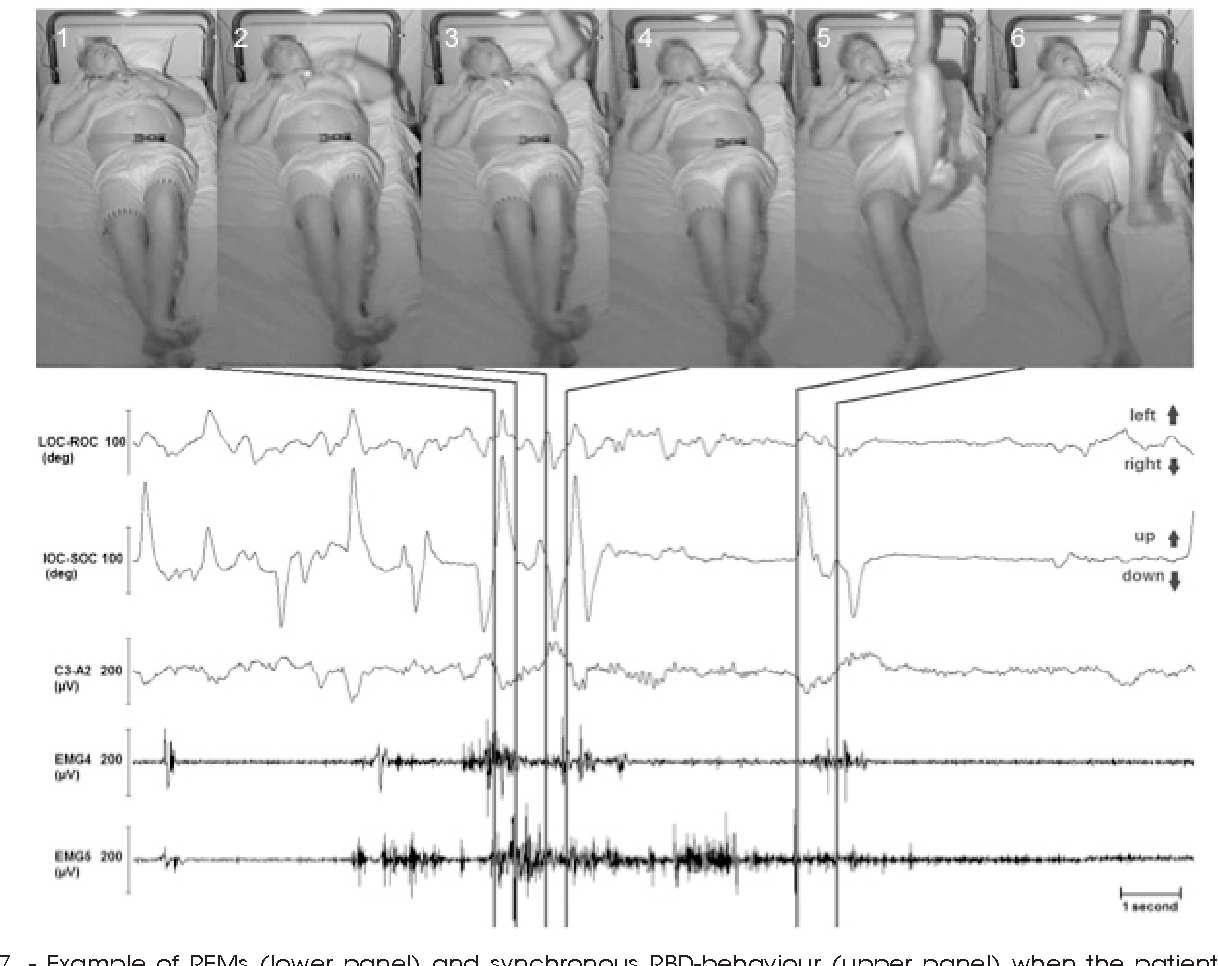
In sleep medicine, a greater understanding of REM sleep can lead to novel therapies for disorders like REM Sleep Behavior Disorder (RBD) and narcolepsy. For instance, targeted interventions, such as pharmacological treatments that enhance REM sleep, could improve the quality of life for individuals affected by these conditions.
“Investigating the nuances of REM sleep could transform our approach to mental health and cognitive enhancement.”
Outcome Summary
In summary, REM sleep is not just a phase of our sleep cycle; it is a cornerstone of our mental and physical health. Its influence extends from memory consolidation and emotional regulation to creativity and overall well-being. By understanding the factors that affect the quality of REM sleep and implementing strategies to enhance it, we can significantly improve our sleep experience and, consequently, our lives. As research continues to unfold the complexities of REM sleep, we are reminded of its indispensable role in our health and happiness.
Essential Questionnaire
What is the average duration of REM sleep?
On average, REM sleep lasts about 20-25% of a typical sleep cycle, amounting to approximately 90-120 minutes per night for adults.
Can you dream in non-REM sleep?
While most vivid dreams occur during REM sleep, it is possible to experience dreams in non-REM sleep, but they are usually less intense and memorable.
How does age affect REM sleep?
As people age, the duration and quality of REM sleep tend to decrease, which can impact cognitive functions and emotional health.
Can naps include REM sleep?
Yes, short naps of around 90 minutes can allow for a complete sleep cycle, including REM sleep, especially if taken during the day.
Is REM sleep essential for everyone?
Yes, REM sleep is crucial for everyone, as it plays a significant role in cognitive functions, emotional stability, and overall health.