
 Caroline Sarah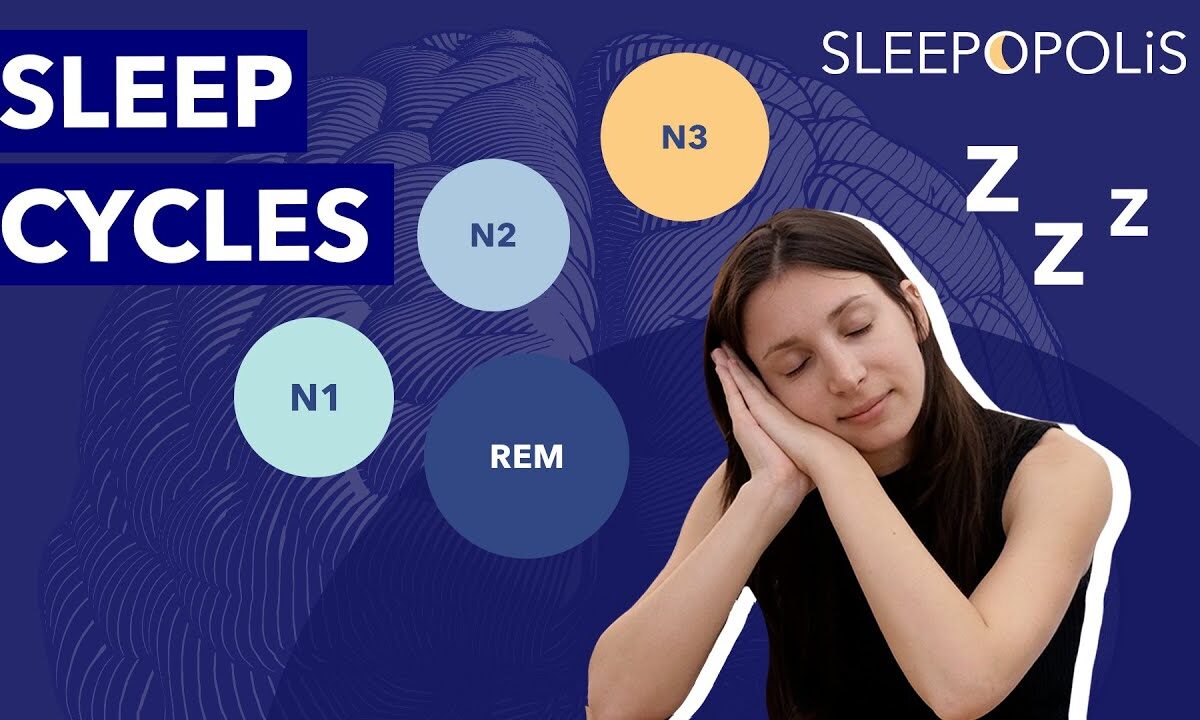
Sleep cycles are crucial to understanding how our bodies rest and rejuvenate. They consist of various stages that play distinct roles in our overall sleep quality, impacting both our physical and mental health. By delving into the different phases of sleep, we can uncover how they function and why they matter for our well-being.
From the restorative benefits of non-REM sleep to the vivid dreams embedded in REM cycles, each stage is vital. Understanding these components not only enhances our sleep habits but also encourages healthier lifestyles, leading to improved overall health.
Understanding the basic stages of sleep cycles can enhance overall sleep quality.

The human sleep cycle is a complex process that includes multiple stages, each playing a vital role in overall health and well-being. By understanding these stages, individuals can improve their sleep quality and, consequently, their waking life. Sleep is not merely a passive state; it is an active process essential for physical recovery, mental clarity, and emotional regulation.
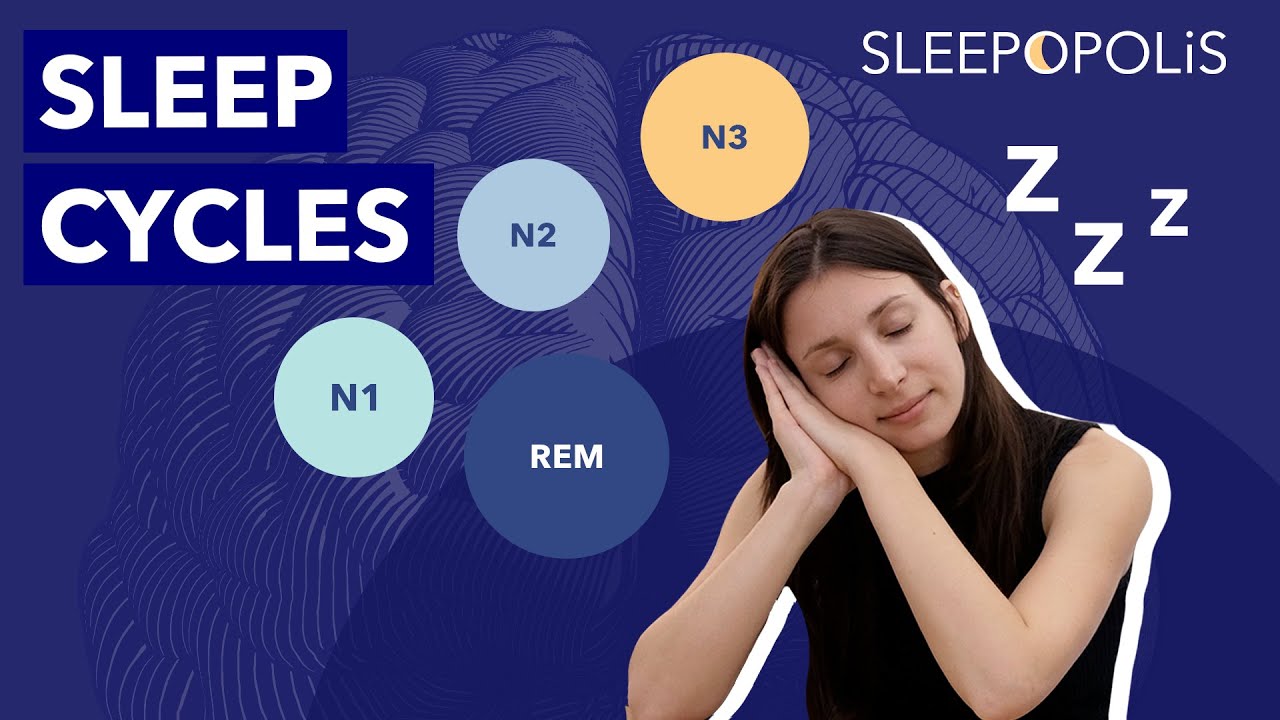
The sleep cycle consists of two main types of sleep: non-REM (Rapid Eye Movement) sleep and REM sleep. Non-REM sleep is further divided into three stages, each with unique characteristics. The stages progress in a cycle that typically lasts about 90 minutes, and understanding these can significantly improve sleep habits and nightly routines.
Stages of Sleep and Their Characteristics
The sleep cycle consists of distinct stages that contribute to various aspects of health. Here’s a breakdown of these stages:
1. Stage 1 (N1 Non-REM Sleep):
– This is the lightest stage of sleep, lasting just a few minutes.
– The body begins to relax; brain activity slows, and a person can be easily awakened.
– It is characterized by drifting in and out of sleep.
2. Stage 2 (N2 Non-REM Sleep):
– Lasting about 20 minutes, this stage accounts for approximately 50% of total sleep time.
– Heart rate slows, body temperature decreases, and sleep spindles (sudden bursts of brain activity) occur.
– It is a deeper sleep than Stage 1 but still relatively light.
3. Stage 3 (N3 Non-REM Sleep):
– Known as deep sleep or slow-wave sleep, this stage is crucial for physical restoration and growth.
– The body repairs tissues, builds bone and muscle, and strengthens the immune system.
– It is hard to awaken someone in this stage, and it is when sleepwalking and other parasomnias can occur.
4. REM Sleep:
– Occurring after about 90 minutes of sleep, REM sleep is characterized by rapid eye movements, increased brain activity, and vivid dreams.
– This stage is essential for cognitive functions such as memory consolidation, learning, and emotional processing.
– The body experiences temporary muscle paralysis, preventing one from acting out dreams.
Understanding the sleep cycle allows individuals to recognize how sleep impacts physical health and mental clarity.
Recognizing the importance of these stages encourages better sleep habits. For instance, individuals can aim for a consistent sleep schedule that allows them to experience multiple complete cycles, maximizing restorative sleep. Moreover, by understanding the balance between REM and non-REM sleep, people can create ideal sleeping environments, such as minimizing noise and light, to enhance their sleep quality.
In conclusion, enhancing awareness of sleep stages can lead to improved overall health and daily functioning.
Exploring the effects of sleep cycles on physical and mental health is essential for well-being.
Disrupted sleep cycles can have significant consequences for both mental and physical health. The human body relies on structured sleep patterns to maintain optimal functionality, and any irregularities can lead to a cascade of health issues. Understanding these effects is crucial for fostering overall well-being.
Irregular sleep patterns are frequently linked to various mental health conditions. Sleep deprivation or disturbances can exacerbate anxiety, depression, and mood swings. For instance, studies have shown that individuals experiencing chronic insomnia are at a higher risk for developing anxiety disorders, as the lack of restorative sleep affects emotional regulation. Furthermore, sleep disruptions can also lead to impaired cognitive functions, including memory lapses and decreased concentration, significantly impacting daily life.
Physical ailments linked to irregular sleep patterns
Maintaining consistent sleep cycles is not just important for mental health; it is also crucial for physical well-being. Numerous physical ailments have been associated with disrupted sleep patterns, showcasing the profound impact of sleep on overall health.
Regular sleep is essential for bodily repair and maintenance. When sleep is compromised, the risk of developing various health issues increases. Some of the ailments linked to irregular sleep include:
- Cardiovascular diseases: Research indicates that individuals with poor sleep quality are more likely to experience heart-related issues, such as hypertension and heart attacks, due to increased stress hormones and inflammation.
- Obesity: Disrupted sleep affects the hormones that regulate hunger, leading to increased appetite and weight gain. Studies suggest that those who sleep less than six hours a night are significantly more likely to be obese.
- Diabetes: Irregular sleep patterns can cause insulin resistance, raising the risk of type 2 diabetes. A study published in the journal Diabetes Care highlighted that individuals with poor sleep quality had a higher risk of developing this condition.
- Weakened immune system: Insufficient sleep can compromise immune function, making individuals more susceptible to illnesses and infections. A study found that people who sleep less than seven hours a night are three times more likely to catch a cold.
Understanding the relationship between sleep cycles and these physical ailments underscores the importance of prioritizing sleep for better health outcomes.
Maintaining a regular sleep cycle not only enhances mental clarity and emotional stability but also plays a pivotal role in preventing physical health issues. By establishing consistent sleep habits, individuals can boost their overall health, leading to improved energy levels, better mood regulation, and reduced risk of chronic diseases. As such, promoting healthy sleep practices should be a priority for anyone looking to enhance their quality of life.
Factors influencing sleep cycles can vary widely among individuals.
Sleep is a complex process influenced by numerous factors that can differ greatly from person to person. Understanding these variables can help individuals optimize their sleep quality and overall health. The interplay of external environments, lifestyle choices, and biological differences plays a significant role in shaping sleep patterns.
External factors that disrupt sleep cycles
Numerous external elements can significantly affect sleep quality and disrupt natural sleep cycles. These factors create disturbances that can lead to difficulties in falling asleep or staying asleep. Some common external factors include:
- Light: Exposure to light, especially blue light from screens, can interfere with the production of melatonin, a hormone essential for sleep. Dim lighting and the use of blackout curtains can enhance sleep quality.
- Noise: Environmental sounds, such as traffic, loud neighbors, or barking dogs, can lead to frequent awakenings during the night. Using earplugs or white noise machines can help mask these disturbances.
- Temperature: A room that is too hot or too cold can make it difficult to fall asleep. The ideal temperature for sleep is around 60-67°F (15-19°C), promoting comfort and deep sleep.
Impact of lifestyle choices on sleep quality
Lifestyle decisions play a crucial role in determining sleep quality. Certain habits and routines can either promote restorative sleep or lead to disturbances. Key lifestyle factors include:
- Diet: Consuming heavy meals or caffeine close to bedtime can disrupt sleep. Foods rich in tryptophan, like turkey, may promote better sleep when consumed earlier in the evening.
- Exercise: Regular physical activity is associated with improved sleep quality. However, exercising too close to bedtime can be stimulating and may hinder falling asleep.
- Sleep hygiene: Establishing a regular sleep schedule, creating a calming pre-sleep routine, and limiting naps can significantly enhance sleep quality.
Age and gender effects on sleep cycles
Age and gender can have a profound influence on sleep patterns, leading to variations in the sleep cycles observed in different demographics. For instance, newborns require around 16-18 hours of sleep daily, while adults typically need 7-9 hours.
- Age: As people age, sleep patterns often change, resulting in a lighter sleep and increased awakenings. Older adults may experience more fragmented sleep due to health issues or medications.
- Gender: Research suggests that women may experience more sleep disturbances than men, particularly due to hormonal fluctuations during menstrual cycles and menopause. For example, insomnia is reported more frequently among women, particularly in postmenopausal years.
Understanding the interplay of these factors can empower individuals to make informed lifestyle changes for better sleep health.
Techniques to improve sleep cycles can lead to a more restful night.
Establishing a healthy sleep cycle is essential for overall well-being and productivity. By incorporating various techniques into your daily routine, you can enhance the quality of your sleep and wake up feeling refreshed. The following sections Artikel methods to create a consistent sleep schedule, relaxation techniques for better sleep, and the significance of optimizing your sleep environment.
Methods to establish a consistent sleep schedule
A consistent sleep schedule plays a crucial role in regulating your body’s internal clock, promoting more restful sleep. Here are some effective methods to help you stick to a regular sleep routine:
- Maintain a consistent bedtime and wake-up time, even on weekends, to reinforce your body’s natural rhythm.
- Gradually adjust your sleep schedule by 15-30 minutes each day to reach your desired sleep time.
- Avoid long naps during the day; if needed, limit them to 20-30 minutes, ideally in the early afternoon.
- Create a pre-sleep routine that signals your body it’s time to wind down, such as reading or listening to calming music.
- Limit screen time from devices like phones and computers at least an hour before bed to reduce blue light exposure.
Relaxation techniques for better sleep
Incorporating relaxation techniques into your nightly routine can greatly enhance your ability to fall asleep and achieve deeper sleep stages. These techniques help reduce stress and prepare your mind and body for a restful night:
- Practice deep breathing exercises, where you inhale deeply through your nose, hold for a moment, and exhale slowly through your mouth.
- Engage in progressive muscle relaxation by tensing and then relaxing each muscle group, starting from your toes and working up to your head.
- Try meditation or mindfulness exercises, focusing on your breath or a specific mantra to calm your mind.
- Incorporate gentle yoga or stretching routines to ease tension and promote relaxation before bed.
- Utilize aromatherapy with calming essential oils, such as lavender or chamomile, which can create a soothing atmosphere for sleep.
Importance of sleep environments and optimization
The environment in which you sleep can significantly impact your sleep quality. Creating an optimal sleep environment involves several factors that contribute to a peaceful night:
- Ensure your bedroom is dark, cool, and quiet. Consider blackout curtains, earplugs, or white noise machines to block out disturbances.
- Invest in a comfortable mattress and pillows that provide adequate support, tailored to your sleeping position.
- Keep electronic devices out of the bedroom to minimize distractions and reduce blue light exposure.
- Maintain a clean and tidy sleeping space to create a calming atmosphere that promotes relaxation.
- Use soft bedding and comfortable sleepwear that enhance your overall comfort during the night.
The science behind sleep cycles reveals fascinating insights into human behavior.
Understanding the intricacies of sleep cycles offers profound insights into how our biological processes shape our daily lives and behaviors. At the core of these cycles lie circadian rhythms, which govern not only our sleep patterns but also influence a wide array of physiological functions and cognitive capabilities.
Circadian rhythms and their influence on sleep
Circadian rhythms are roughly 24-hour cycles that are primarily influenced by environmental cues such as light and temperature. These biological clocks play a crucial role in determining sleep-wake cycles, hormone release, and even body temperature regulation. The suprachiasmatic nucleus (SCN), located in the hypothalamus, is pivotal in regulating these rhythms by responding to light signals that dictate when we should be awake and when we should sleep.
- Circadian rhythms influence melatonin production, the hormone that promotes sleep in response to darkness. This cycle typically begins to activate in the evening, promoting drowsiness, and peaks during the night to facilitate deeper sleep.
- Disruptions in circadian rhythms, such as shift work or irregular sleep schedules, can lead to sleep disorders and a decline in overall health.
- Research has shown that individuals who align their activities with their natural circadian rhythms often experience better mood, cognitive function, and physical health.
Effects of sleep cycles on cognitive function and daily performance
The stages of sleep—ranging from light sleep to deep sleep and REM sleep—play significant roles in cognitive restoration and memory consolidation. When sleep cycles are adequately completed, individuals demonstrate improved focus, decision-making, and problem-solving skills.
- Deep sleep (slow-wave sleep) is vital for physical restoration, allowing the body to repair itself and consolidate memories.
- REM sleep, characterized by vivid dreams, is crucial for emotional regulation and creative thinking, showcasing how sleep fundamentally affects our mental health and performance.
- Studies indicate that sleep deprivation can impair attention, alertness, and the ability to learn, akin to the cognitive deficits observed in alcohol intoxication.
Theories of sleep cycle regulation and implications for sleep research
Various theories have emerged regarding the regulation of sleep cycles, each contributing unique perspectives to ongoing research in the field.
- The two-process model of sleep regulation suggests that sleep is regulated by two processes: a homeostatic sleep drive that increases with wakefulness and a circadian rhythm that signals the timing of sleep and wakefulness.
- The adaptive theory posits that sleep patterns evolved to conserve energy and reduce risks during vulnerable periods, emphasizing the evolutionary basis of sleep cycles.
- Another emerging theory involves the role of sleep in brain detoxification, particularly during deep sleep, where the glymphatic system clears waste products from the brain, highlighting the importance of sleep for long-term cognitive health.
“Sleep is not merely rest; it’s an intricate process that rejuvenates the mind and body, intricately linked to our circadian rhythms.”
The role of technology in monitoring and improving sleep cycles is growing rapidly.
The integration of technology into our daily lives has revolutionized various aspects, including how we monitor and manage our sleep. As awareness about the importance of sleep for overall health and wellness grows, the use of technology to track and enhance sleep cycles has become increasingly popular. Modern devices and applications offer valuable insights that can lead to better sleep quality and overall health improvements.
Functionality of Sleep Tracking Devices
Sleep tracking devices, such as wearables and smart mattresses, utilize various sensors to monitor sleep patterns and provide insightful data. These devices often track metrics such as duration, quality, and even stages of sleep. They accomplish this through the following methods:
- Heart Rate Monitoring: Many devices use photoplethysmography (PPG) sensors to measure heart rate variability, which can indicate different sleep stages.
- Movement Detection: Accelerometers track movement throughout the night, allowing devices to detect sleep disturbances or restlessness.
- Environmental Sensors: Some advanced devices monitor ambient conditions such as temperature and noise levels, which can affect sleep quality.
The effectiveness of these devices has been supported by research, which shows that accurate tracking can lead to improved sleep habits. For instance, a study published in the Journal of Clinical Sleep Medicine found that individuals who used sleep tracking technology reported enhanced sleep quality and were more likely to adhere to recommended sleep hygiene practices.
Features of Sleep Management Apps
Numerous sleep management apps complement tracking devices, providing users with personalized insights and recommendations for improving their sleep cycles. These apps often include features such as:
- Sleep Diaries: Users can log their sleep patterns and feelings, helping them identify trends and triggers related to sleep quality.
- Relaxation Techniques: Many apps offer guided meditations, breathing exercises, or soothing sounds to help users wind down.
- Smart Alarms: These apps can wake users up during the lightest phase of sleep, making mornings feel less groggy.
Such applications not only help users track their sleep but also provide actionable insights based on data collected over time. For example, the app Sleep Cycle analyzes sleep data and offers tailored recommendations for sleep improvement, enhancing the user’s overall sleep experience.
Potential Downsides of Technology in Sleep Management
While technology can significantly aid in sleep management, there are potential downsides to consider. Relying heavily on devices and apps can lead to:
- Over-analysis of Sleep: Constant tracking can create anxiety about sleep quality, leading to a paradox where the pressure to achieve “perfect” sleep results in poorer sleep.
- Distraction by Devices: The presence of screens and notifications can disrupt wind-down routines, making it harder to transition to sleep.
- Data Privacy Concerns: Users must be mindful of how their sleep data is stored and shared, as sensitive health information might be vulnerable.
The balance between using technology effectively and avoiding its pitfalls is crucial. Users are encouraged to integrate technology into their sleep routine thoughtfully, ensuring it serves to enhance rather than complicate their sleep health.
Cultural perceptions of sleep cycles can vary significantly across societies.
Various cultures exhibit distinct attitudes toward sleep, reflecting their values, lifestyles, and social structures. Understanding these differences is crucial as they can shape individual sleep behaviors and societal expectations. Sleep is perceived not just as a biological necessity but also as a cultural ritual, with its importance varying from one society to another.
Importance of Sleep in Different Cultures
Cultural perspectives on sleep significantly influence the way societies prioritize and engage with this essential activity. In many cultures, sleep is seen as a vital component of health and wellness, while in others, it may be undervalued or disrupted by modern lifestyles.
- In Japan, the practice of “inemuri,” or “sleeping while present,” highlights the cultural acceptance of napping in public as a sign of hard work and dedication. This reflects a societal emphasis on productivity, where even rest is integrated into the daily grind.
- Conversely, in Mexico, the tradition of the “siesta” emphasizes the importance of midday rest, often leading to a communal break during the hottest part of the day. This practice underscores a cultural value placed on family and relaxation.
- Western countries often view sleep through a lens of efficiency and time management. The pursuit of productivity can lead to sleep deprivation, indicating a societal norm that often prioritizes work over rest.
Traditional Practices Surrounding Sleep
Various cultures have developed unique rituals and practices surrounding sleep that highlight its significance. These traditions often reflect the values and beliefs of the society, showcasing their approach to health and well-being.
- In Scandinavian countries, there is a tradition of using “hygge” principles to create a cozy and restful sleep environment, emphasizing warmth and comfort as essential elements for quality sleep.
- In some Indigenous cultures, sleep is often viewed as a spiritual experience, where dreams are considered to hold significant meaning and are integrated into cultural storytelling and healing practices.
- Traditional Asian cultures often incorporate practices like acupuncture and herbal medicine to enhance sleep quality, demonstrating a deep understanding of the mind-body connection.
Societal Norms and Individual Sleep Patterns
Societal expectations and norms can greatly influence personal sleep habits, leading to variations in sleep duration and quality across different cultures.
- In countries like South Korea, where there is immense pressure to succeed academically and professionally, many individuals often sacrifice sleep for study or work, leading to widespread sleep deprivation.
- In contrast, cultures that prioritize work-life balance, such as those in Spain or Italy, may foster more balanced sleep patterns through cultural practices that allow for extended breaks during the day.
- In many cultures, the stigma surrounding sleeping in public or taking naps can discourage individuals from resting when they need it, reflecting societal attitudes that equate busyness with value.
“Sleep is not a luxury; it is a necessity, and its perception varies greatly across the globe.”
Outcome Summary
In conclusion, exploring sleep cycles reveals not just the mechanics of rest but also their profound implications on our lives. By recognizing how these cycles influence our health and well-being, we can adopt better sleep practices. Embracing the science of sleep can empower us to achieve more restful nights and vibrant days ahead.
Top FAQs
What are the different stages of sleep?
The different stages of sleep include light sleep, deep sleep, and REM sleep, each playing a unique role in the sleep cycle.
How many sleep cycles do we experience in a night?
On average, adults go through 4 to 6 sleep cycles per night, each lasting about 90 minutes.
Can napping affect sleep cycles?
Yes, napping can influence sleep cycles by disrupting nighttime sleep if done too close to bedtime.
What role does melatonin play in sleep cycles?
Melatonin is a hormone that helps regulate sleep-wake cycles, signaling the body when it’s time to sleep.
How can I reset my sleep cycle?
Resetting your sleep cycle can be achieved through consistent sleep schedules, limiting light exposure at night, and relaxing before bed.
Are sleep cycles the same for everyone?
No, sleep cycles can vary by age, lifestyle, and individual health, leading to unique patterns for each person.