
 Caroline Sarah
Back pain is a common ailment that affects millions of people worldwide, often leaving them searching for relief and answers. This complex issue involves various anatomical, psychological, and lifestyle factors, making it essential to understand the intricacies surrounding it. By delving into the anatomy of the spine, common causes across different age groups, and effective treatment methods, we can better equip ourselves to handle this widespread discomfort.
Whether it’s the result of poor posture, aging, or emotional stress, back pain can have a profound impact on an individual’s life. By exploring the various elements contributing to back pain and discussing preventive measures, we aim to shed light on how to navigate this challenge and enhance overall spinal health.
Understanding the Anatomy of Back Pain

Back pain is a common ailment that can significantly affect daily life, and understanding its anatomical foundations is crucial in addressing it. The spine, a complex structure composed of bones, muscles, ligaments, and nerves, plays a primary role in back pain. Each part of the spine has specific functions and vulnerabilities that can contribute to discomfort and pain.
The spine is divided into several regions: the cervical (neck), thoracic (mid-back), lumbar (lower back), sacral (base of the spine), and coccygeal (tailbone) areas. Each of these regions consists of individual vertebrae stacked on top of each other, cushioned by intervertebral discs. The lumbar region is particularly significant in back pain, as it bears much of the body’s weight and is involved in many movements. When the intervertebral discs become herniated or degenerated, they can press on nearby nerves, leading to pain, numbness, or weakness in the back and legs.
Muscles and ligaments also play a vital role in maintaining spinal health, providing support and stability. The muscles surrounding the spine, including the erector spinae, multifidus, and abdominal muscles, work together to support the vertebral column and enable movement. Strong, flexible muscles can help prevent injuries and alleviate pain, while weak or tight muscles can lead to misalignment and strain. Ligaments, such as the anterior and posterior longitudinal ligaments, help stabilize the spine by connecting vertebrae and limiting excessive motion.
Common anatomical conditions contributing to back pain include herniated discs, where the soft inner material pushes through the tougher exterior, causing nerve compression. Scoliosis, a sideways curvature of the spine, can lead to uneven pressure on the back muscles and ligaments, resulting in pain. Other conditions such as spinal stenosis, where the spaces within the spine narrow, can also lead to discomfort.
Understanding these anatomical aspects is essential for effective treatment and prevention strategies. By focusing on strengthening the muscles that support the spine, maintaining flexibility, and addressing any structural issues, individuals can significantly reduce their risk of experiencing back pain.
Effective spinal health requires a harmonious balance between bone, muscle, and ligament function.
Common Causes of Back Pain in Different Age Groups
Back pain can affect individuals across all age groups, and understanding the specific causes based on age is crucial for effective management and prevention. Each age group experiences unique challenges that contribute to back pain, whether it be due to physical development, lifestyle choices, or the natural aging process. This segment will explore the common causes of back pain from childhood to senior years, providing insights into how age-related factors influence back health.
Back Pain in Children and Adolescents
Children and adolescents may experience back pain for various reasons, often linked to their developing bodies and active lifestyles. One of the primary contributors to back pain in this age group is poor posture, especially with the increased use of technology and prolonged sitting in school or during recreational activities. For example, slouching in front of computers or looking down at mobile devices can strain the back muscles and spine. Additionally, engaging in high-impact sports without proper warm-up and conditioning can lead to injuries. Heavy backpacks, often overloaded with school supplies, can also cause discomfort and strain in younger individuals. It’s important for parents and educators to promote good posture, encourage regular physical activity, and educate young people about safe lifting techniques to mitigate these risks.
Impact of Aging on Back Pain
As individuals age, their bodies undergo significant changes that can lead to an increase in back pain. One of the most notable impacts of aging is the degeneration of spinal structures, which includes the intervertebral discs and joints. Over time, these discs lose hydration and elasticity, making them less effective at absorbing shock and leading to conditions such as osteoarthritis. This degeneration often results in chronic pain, stiffness, and reduced mobility. Furthermore, age-related diseases, such as osteoporosis, can increase the risk of vertebral fractures, which can cause acute pain and long-term complications. The prevalence of conditions like spinal stenosis, where the spinal canal narrows and puts pressure on the spinal cord, also rises with age. For seniors, maintaining a healthy lifestyle through regular physical activity, proper nutrition, and weight management can help alleviate some of these issues, ultimately promoting better spinal health.
Lifestyle Factors Contributing to Back Pain in Adults and Seniors
Various lifestyle factors significantly contribute to back pain among adults and seniors. Understanding these factors can pave the way for effective prevention strategies. Sedentary behavior, often exacerbated by desk jobs and limited physical activity, weakens the core muscles that support the spine. Additionally, obesity is a major risk factor, as excess weight puts additional strain on the spine and surrounding muscles. Smoking has been identified as a contributor to back pain due to its negative effect on blood flow and the healing process. Stress and poor mental health can also manifest as tension in the back muscles, leading to discomfort.
- Prolonged Sitting: Sitting for long periods can lead to muscle imbalances and spinal strain.
- Lack of Exercise: Insufficient physical activity can weaken supporting muscles, increasing the likelihood of injury.
- Obesity: Extra weight can lead to increased pressure on the spine, exacerbating existing issues.
- Inadequate Ergonomics: Poorly designed workspaces can result in awkward postures, leading to chronic pain.
- Stress: Heightened stress levels can cause tension in the muscles, contributing to back discomfort.
Psychological Factors Influencing Back Pain
The relationship between psychological states and physical discomfort is complex yet significant, particularly in the context of back pain. Mental health conditions such as stress, anxiety, and depression can exacerbate the perception of pain and hinder recovery. Understanding this psychological dimension is crucial for a holistic approach to back pain management and recovery.
Stress influences the body in various ways, one of which is the manifestation of physical symptoms such as back pain. When an individual experiences stress, the body enters a fight-or-flight response, which can lead to muscle tension and discomfort. Chronic stress can result in persistent muscle tightness, particularly in the back, exacerbating pain. Furthermore, emotions like frustration or hopelessness can intensify the perception of pain, creating a cycle where pain leads to further mental distress, which in turn magnifies the pain experience.
Role of Anxiety and Depression in Back Pain Management
Anxiety and depression play vital roles in how individuals perceive and manage back pain. Studies have shown that individuals suffering from anxiety or depression often report higher levels of pain than those without these conditions. This heightened sensitivity can be attributed to several factors, including a decreased threshold for pain and a negative thought pattern that influences the way pain is perceived.
The following points highlight the specific ways in which anxiety and depression affect back pain:
- Increased Sensitivity to Pain: People with anxiety may have heightened pain sensitivity, causing them to feel pain more intensely. This can lead to a feedback loop where pain exacerbates anxiety, and anxiety increases pain perception.
- Negative Thought Patterns: Depressive thoughts can lead to a sense of helplessness in managing pain, which can worsen the experience. Individuals may ruminate on their pain, creating a cycle of negativity that intensifies their suffering.
- Reduced Physical Activity: Anxiety and depression can lead to avoidance behaviors, where individuals limit their physical activity due to fear of pain. This lack of movement can lead to muscle weakness and stiffness, perpetuating back pain.
- Impaired Coping Mechanisms: Emotional distress can reduce individuals’ ability to cope with pain effectively, making it more challenging to adhere to treatment plans or engage in beneficial activities that could alleviate pain.
Addressing the psychological aspects of back pain is essential for effective recovery. Methods such as cognitive-behavioral therapy (CBT) can be beneficial, helping individuals reframe negative thoughts about pain and develop healthier coping strategies. Mindfulness and relaxation techniques, such as meditation or yoga, can also reduce stress and anxiety, providing relief from physical symptoms. These approaches can empower individuals to regain control over their pain management, fostering a more positive outlook and enhancing overall recovery.
Incorporating these psychological management strategies alongside physical treatments can lead to significant improvements in the way back pain is experienced and managed.
Effective Home Treatments for Back Pain Relief
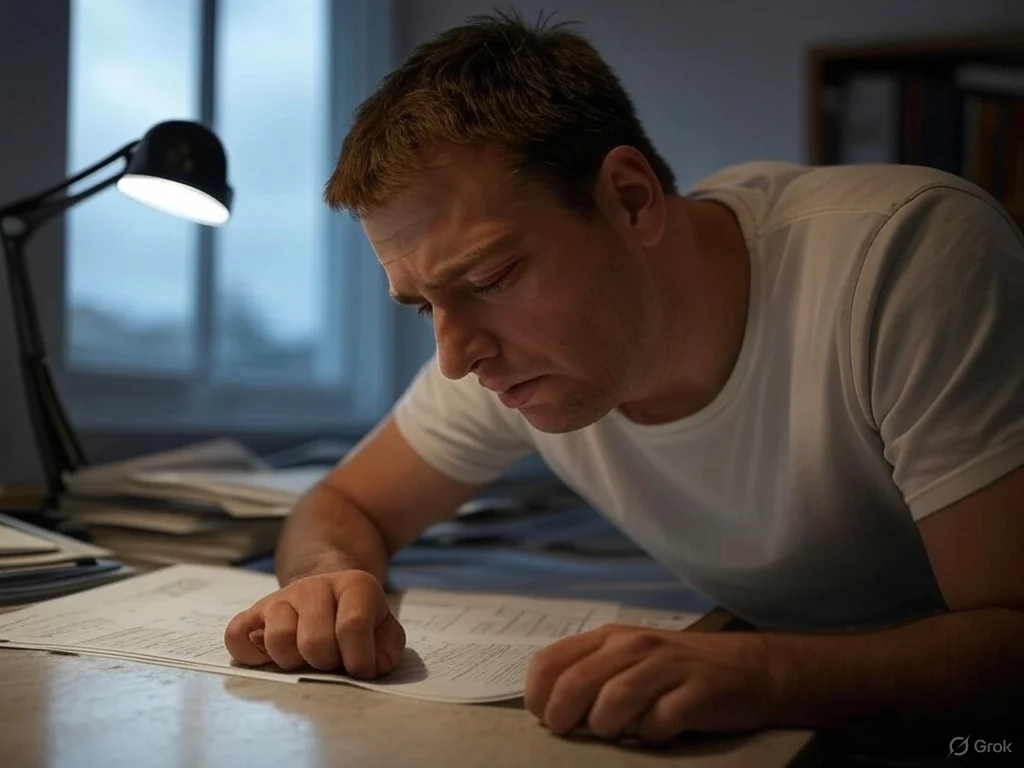
Back pain is a common ailment that can affect anyone at any age. While some may seek professional treatment, many effective home remedies exist to alleviate discomfort. Utilizing these home treatments not only makes pain management accessible but also empowers individuals to take control of their recovery process. Here are some effective home remedies that can bring relief from back pain.
Home Remedies for Back Pain Relief
Implementing a variety of home remedies can help reduce back pain symptoms. Here’s a detailed list of effective treatments:
- Heat Therapy: Applying a heating pad or hot water bottle to the affected area can relax tight muscles and improve blood circulation, leading to pain relief.
- Cold Therapy: Using ice packs for 15-20 minutes can reduce inflammation and numb sharp pain. It’s particularly effective within the first 48 hours of an injury.
- Stretching Exercises: Gentle stretches can improve flexibility and strengthen the back muscles, reducing the likelihood of further injury.
- Massage: Massaging the affected area can alleviate tension and promote relaxation, offering both physical and psychological relief.
- Good Posture: Maintaining proper posture, especially while sitting or standing, is crucial in preventing and alleviating back pain.
- Sleep Position: Adjusting your sleep posture by using supportive pillows can help reduce strain on the back during rest.
- Turmeric and Ginger: Consuming these anti-inflammatory spices can help reduce pain and inflammation when added to meals or taken as supplements.
- Yoga and Pilates: Engaging in these practices can promote core strength, enhance flexibility, and improve overall body mechanics.
- Hydration: Staying well-hydrated helps maintain healthy discs in the spine, which is essential for overall spinal health.
Importance of Stretching and Exercises for Back Pain Relief
Incorporating stretching and exercise into a daily routine is vital for those suffering from back pain. Regular physical activity enhances flexibility, strength, and endurance, which are key elements in reducing discomfort and preventing future injuries. Stretching helps alleviate tightness in muscles, particularly in the back, hips, and legs, leading to improved mobility.
Research suggests that individuals who engage in consistent stretching and strengthening exercises may experience less back pain compared to those who remain sedentary. For instance, simple exercises like the cat-cow stretch, child’s pose, and pelvic tilts can significantly enhance spinal alignment and flexibility.
Moreover, strengthening core muscles is particularly beneficial, as a strong core provides better support for the spine. This can be achieved through exercises such as planks, bridges, and abdominal workouts that target the muscles surrounding the back.
Engaging in such practices not only helps in relieving immediate pain but also fosters long-term resilience against back-related issues. Adopting a routine that includes stretching and strengthening can ultimately promote a healthier lifestyle, reduce stress on the back, and enhance overall well-being.
Considerations for Over-the-Counter Medications
Over-the-counter (OTC) medications can be effective for managing back pain when home remedies do not provide sufficient relief. Common choices include nonsteroidal anti-inflammatory drugs (NSAIDs) like ibuprofen and naproxen, which help reduce inflammation and alleviate pain. Acetaminophen is another alternative for pain relief, particularly for individuals who may not tolerate NSAIDs.
It’s important to adhere to the recommended dosage and consult a healthcare provider if pain persists beyond a few days or if there are any underlying health concerns. While OTC medications can provide temporary relief, they should not be viewed as a permanent solution. A combined approach, utilizing both home remedies and medications, can yield the best outcome in managing back pain effectively.
The Role of Physical Therapy in Back Pain Management
Physical therapy plays a critical role in managing back pain, offering a range of techniques that empower individuals to regain functionality and improve their quality of life. Often, back pain can be debilitating, affecting daily activities and overall health. Physical therapists are trained to assess and treat back pain through various methods, tailored to individual needs, promoting recovery and preventing future issues.
Physical therapy employs several key techniques, including manual therapy and exercise. Manual therapy involves hands-on techniques, where the therapist manipulates the muscles and joints to alleviate pain and improve mobility. This can include spinal mobilization, soft tissue massage, and stretching, aimed at reducing tension and enhancing movement. Exercise therapy, on the other hand, focuses on strengthening the muscles that support the spine. This includes core stabilization exercises, flexibility training, and aerobic conditioning, which collectively work to relieve pain and restore function.
Benefits of Personalized Physical Therapy Programs
Personalized physical therapy programs offer numerous advantages for those suffering from back pain. Each program is designed after a comprehensive assessment of the individual’s condition, lifestyle, and specific needs. This tailored approach ensures that the treatment is effective and relevant. The importance of personalized care can be summarized as follows:
- Targeted Treatment: Personalization allows therapists to target specific weaknesses or imbalances contributing to back pain. For example, a program may focus on strengthening the core muscles for an individual with lower back pain due to weak abdominal muscles.
- Flexible Scheduling: Customized programs can fit into the patient’s schedule, making it easier to commit to therapy sessions, which is crucial for consistent progress.
- Enhanced Motivation: When patients see that the program is designed specifically for them, they are often more motivated to adhere to their treatment plans, leading to better outcomes.
- Progress Tracking: Personalized programs enable therapists to monitor progress closely and make necessary adjustments, ensuring that the treatment remains effective throughout the recovery process.
The effectiveness of physical therapy in treating back pain is supported by numerous success stories and statistics. Research has shown that individuals who undergo physical therapy for back pain often experience significant reductions in pain levels and improved functional abilities. For instance, a study conducted by the American Physical Therapy Association (APTA) revealed that patients who received physical therapy first for back pain had fewer surgeries and lower healthcare costs compared to those who did not pursue physical therapy.
Moreover, a 2017 study published in the Journal of the American Medical Association indicated that patients who engaged in physical therapy reported an average improvement in pain levels by 30% after just six visits. Many patients have shared their success stories, highlighting how personalized physical therapy allowed them to return to their daily routines and activities they loved, such as playing sports or lifting their children without discomfort.
In summary, physical therapy offers a valuable approach to managing back pain through tailored techniques that address individual needs. The combination of targeted manual therapy and exercise, along with the personal commitment fostered in a customized program, contributes to the overall effectiveness of treatment, leading to successful outcomes and improved health for many individuals.
Exploring Alternative Treatments for Back Pain
Alternative treatments for back pain are gaining popularity as more individuals seek methods beyond conventional medicine. Options such as acupuncture, chiropractic adjustments, and massage therapy offer unique approaches to pain management. These therapies can serve as complementary treatments, potentially enhancing overall effectiveness when used alongside traditional medical interventions. Understanding these alternatives is crucial for those suffering from chronic back pain, as they may provide relief when conventional methods fall short.
Overview of Alternative Treatments
Acupuncture, chiropractic adjustments, and massage therapy represent three prominent alternative treatments for back pain. Each of these therapies employs different methodologies, focusing on alleviating pain and promoting healing through distinct mechanisms.
Acupuncture involves the insertion of thin needles into specific points on the body, which is believed to stimulate the nervous system and help release pain-relieving chemicals. This ancient practice, rooted in Traditional Chinese Medicine, aims to restore balance and improve energy flow, or “Qi,” throughout the body. Many patients report significant pain relief and improved mobility after a series of acupuncture sessions.
Chiropractic adjustments focus on the alignment of the spine and musculoskeletal system. Chiropractors use their hands to manipulate the spine, aiming to restore proper function and reduce pain. This method is particularly well-regarded for treating mechanical back pain and can often result in immediate relief. Unlike the approach of traditional medicine, which may rely heavily on medication, chiropractic care emphasizes physical adjustments to enhance overall health.
Massage therapy involves the manipulation of soft tissues to relieve tension and pain. Various techniques, such as deep tissue, Swedish, or sports massage, target specific areas of discomfort. The physiological effects include increased blood flow, reduced muscle tension, and improved flexibility. Massage not only alleviates pain but also promotes relaxation and well-being, contributing to a holistic approach to back pain management.
Before embarking on any of these alternative therapies, it is essential to consult healthcare professionals. Having a comprehensive understanding of one’s back pain, including potential underlying conditions, is crucial. Healthcare providers can help determine which alternative treatments may complement conventional therapies, ensuring a safe and effective overall approach. They can also provide guidance on qualified practitioners, helping patients avoid any potential risks associated with unregulated or improperly administered treatments.
In summary, while alternative treatments for back pain can offer significant benefits, they should be approached thoughtfully and in conjunction with professional medical advice to optimize results and ensure safety.
Preventative Measures to Avoid Back Pain
Back pain can often be a debilitating condition, but many instances can be prevented through proper practices. This guide focuses on ergonomic techniques and healthy lifestyle choices to mitigate back pain effectively. Understanding how to maintain a healthy back not only improves quality of life but also enhances productivity in both home and workplace environments.
Ergonomic Practices for Home and Workplace Settings
Creating an ergonomic environment is crucial in preventing back pain. Ergonomics is the science of designing the workspace to fit the user, which helps reduce strain on the body. Whether working from home or in an office, implementing ergonomic practices can make a significant difference in back health.
1. Chair Selection and Adjustment
– Choose a chair that supports the natural curve of the spine.
– Adjust seat height so that feet rest flat on the floor, with knees at or slightly below hip level.
– Use a small cushion to support the lower back if necessary.
2. Desk Setup
– Ensure your desk is at elbow height, allowing your arms to relax comfortably by your sides.
– Place your computer monitor at eye level to avoid neck strain; the top of the screen should be at or just below eye level.
– Keep frequently used items within arm’s reach to minimize twisting and stretching.
3. Posture Awareness
– Maintain a neutral spine position while sitting, standing, and moving. Your shoulders should be relaxed, and your elbows should be close to your body.
– Practice standing up straight, with your weight balanced evenly on both feet. Avoid locking your knees.
4. Movement and Breaks
– Take breaks every 30 minutes to stand, stretch, or walk around. This helps relieve muscle tension and promotes circulation.
– Incorporate simple stretching exercises into your routine to promote flexibility and strength in the back.
Significance of Maintaining a Healthy Weight
Maintaining a healthy weight plays a crucial role in back health. Excess body weight increases the strain on the spine and surrounding muscles, which can exacerbate pain and discomfort. Studies have shown that individuals who are overweight are more likely to experience chronic back pain due to the added pressure on the vertebrae and discs.
– The Impact of Weight on Back Health
– Higher body weight can lead to inflammation and metabolic changes, contributing to pain and stiffness.
– Each extra pound adds significant pressure on the spine. For example, losing just 10 pounds can relieve approximately 40 pounds of pressure on the knees and back during daily activities.
Incorporating regular exercise, such as strength training and cardio, not only helps in weight management but also strengthens the muscles that support the spine. Eating a balanced diet rich in nutrients supports overall health and helps maintain an ideal weight.
Incorporating Back-Friendly Habits into Daily Routines
Adopting back-friendly habits is essential for long-term prevention of back pain. Simple adjustments to daily routines can foster a healthier back.
– Mindful Lifting Techniques
– Always bend at the knees and keep the object close to your body while lifting.
– Avoid twisting your body while lifting; instead, pivot your feet to change direction.
– Daily Stretching Routine
– Spend a few minutes each morning stretching major muscle groups, especially the lower back, hamstrings, and hip flexors.
– Incorporate yoga or Pilates into your weekly routine, as these exercises promote flexibility and core strength.
– Regular Physical Activity
– Aim for at least 30 minutes of moderate activity most days of the week to keep the body agile and reduce fatigue.
– Engage in activities such as swimming, walking, or biking that are low-impact and easy on the back.
By implementing these ergonomic practices, understanding the importance of weight management, and incorporating back-friendly habits, individuals can significantly reduce their risk of developing back pain and enhance their overall well-being.
The Importance of Seeking Professional Help for Back Pain
Back pain is a common issue that affects many individuals at some point in their lives. While some discomfort may resolve on its own, there are specific indicators that suggest it’s time to seek professional help. Understanding when to consult a medical expert can make a significant difference in achieving a proper diagnosis and effective treatment plan.
Many people experience back pain that can range from mild discomfort to severe, incapacitating pain. If you notice symptoms such as persistent pain lasting more than a few weeks, pain that radiates down your leg, numbness or tingling in your extremities, or weakness, it is essential to consult a medical professional. Such symptoms could indicate serious underlying conditions like herniated discs, spinal stenosis, or other structural issues that require timely intervention. Additionally, if the pain follows a traumatic injury or is accompanied by unexplained weight loss, fevers, or bowel and bladder issues, seeking immediate medical advice is crucial.
Medical Professionals Involved in Back Pain Treatment
A multidisciplinary approach is often necessary for effective back pain treatment. Various healthcare providers play a role in diagnosing and treating back issues, each bringing unique expertise to the table. These professionals include:
- Primary Care Physicians: Often the first point of contact, they assess your condition, provide initial treatment, and refer you to specialists as needed.
- Orthopedic Surgeons: Specializing in the musculoskeletal system, they address structural problems and may recommend surgery for severe cases.
- Neurologists: Focus on nerve-related issues, they evaluate if your pain is related to nerve compression or damage.
- Physiatrists: These rehabilitation specialists develop comprehensive treatment plans focusing on restoring function and alleviating pain without surgery.
- Chiropractors: They provide manual adjustments and manipulations to improve spinal alignment and relieve pressure on nerves.
- Physical Therapists: Working closely with patients, they create exercise regimens to strengthen back muscles and improve mobility.
- Massage Therapists: They offer therapeutic massage techniques that can reduce muscle tension and improve blood circulation in the affected areas.
- Pain Management Specialists: These doctors focus on alleviating chronic pain through various methods, including medications, injections, and pain management therapies.
During a medical evaluation for back pain, you can expect several key components. Initially, the physician will take a thorough medical history and ask questions about your symptoms, lifestyle, and any previous injuries. A physical examination will follow, where they may assess your range of motion, reflexes, and muscle strength. Diagnostic imaging, such as X-rays, MRI, or CT scans, may also be utilized to visualize the spine and determine the cause of the pain.
The entire process is designed to provide a comprehensive understanding of your condition, enabling the healthcare provider to formulate an effective treatment approach tailored to your specific needs. The aim is not just to alleviate pain but to ensure a sustainable recovery and improve your overall quality of life.
Impact of Back Pain on Daily Life and Activities
Living with chronic back pain can significantly alter an individual’s daily life, affecting everything from work performance to social interactions and overall well-being. Many individuals find that activities they once enjoyed become challenging or even impossible due to persistent discomfort. This pervasive issue can lead to feelings of frustration, isolation, and hopelessness, making it essential to understand its impact on different aspects of life.
Chronic back pain not only hampers physical activities but can also create emotional and psychological burdens. The emotional toll of living with back pain often manifests in various ways, including anxiety and depression. According to studies, individuals suffering from chronic pain conditions experience higher rates of depression compared to the general population. This emotional distress can lead to decreased motivation, withdrawal from social settings, and a decline in overall quality of life. For instance, a person who once loved hiking may find themselves avoiding outdoor activities altogether, resulting in strained relationships with friends or family who continue to enjoy those pursuits. The constant worry about managing pain can overshadow daily activities, leading to a cycle of negativity that can be hard to break.
Emotional and Psychological Effects
The emotional impact of chronic back pain is profound and can affect one’s mental health. Here are some key points outlining this influence:
- Increased Anxiety: Individuals may become anxious about engaging in activities that could exacerbate their pain, leading to a cycle of avoidance and fear.
- Feelings of Isolation: Chronic pain can lead to withdrawing from social gatherings, causing feelings of loneliness and disconnection from friends and family.
- Frustration and Irritability: The persistent nature of the pain can result in mood swings, affecting personal relationships and workplace dynamics.
- Depression: Prolonged suffering can lead to clinical depression, impacting motivation and the ability to enjoy life.
Coping with chronic back pain requires a multi-faceted approach that includes both physical and emotional strategies. Here are several effective coping mechanisms:
- Physical Activity: Engaging in low-impact exercises, like swimming or yoga, can improve flexibility and reduce pain levels while promoting mental well-being.
- Mindfulness and Meditation: Practices that focus on mindfulness can help individuals manage pain by promoting relaxation and reducing stress.
- Seeking Support: Joining support groups or talking with friends and family about challenges can alleviate feelings of isolation and provide comfort.
- Professional Help: Consulting healthcare providers, such as physical therapists or psychologists, can offer tailored strategies to manage pain and its emotional consequences.
“Managing chronic back pain requires a holistic approach that encompasses both physical and emotional health.”
Outcome Summary
In conclusion, back pain is not merely a physical affliction but a multifaceted issue that intertwines with psychological, social, and lifestyle elements. Understanding its causes and exploring both conventional and alternative treatment options can lead to effective management and improved quality of life. By prioritizing spinal health and seeking timely professional advice, individuals can take proactive steps towards overcoming back pain and reclaiming their daily activities.
Questions and Answers
What are some common symptoms of back pain?
Common symptoms include dull aches, sharp pain, stiffness, and difficulty moving.
Can back pain be prevented?
Yes, by maintaining good posture, exercising regularly, and using ergonomic furniture.
Is surgery necessary for back pain?
Surgery is rarely the first option and is usually considered if other treatments fail.
How long does back pain typically last?
It can last from a few days to several weeks, depending on the cause and treatment.
Are there exercises that can help relieve back pain?
Yes, stretching and strengthening exercises specifically designed for the back can be beneficial.
When should I see a doctor for back pain?
If the pain persists for more than a few weeks or is accompanied by other concerning symptoms.
Can stress contribute to back pain?
Yes, stress can lead to muscle tension and exacerbate back pain.