
 Caroline Sarah
Body aches can be a common yet frustrating experience that many of us encounter at different points in our lives. Whether it’s a dull ache after a long day or sharp pains that hinder our daily activities, understanding the underlying causes and potential solutions is essential. From lifestyle factors to stress levels, several elements contribute to these aches, offering a complex web of interactions that can impact our overall health.
By exploring the various causes of body aches, including medical conditions, lifestyle choices, and environmental factors, we can better equip ourselves to manage and alleviate discomfort. Furthermore, recognizing the difference between acute and chronic pain is crucial, as it can guide us in seeking timely care or trying natural remedies that may provide relief.
Understanding the Causes of Body Aches
Body aches can often feel overwhelming, and understanding their causes is crucial for effective management. Numerous factors contribute to these widespread pains, ranging from medical conditions to lifestyle choices. By identifying the underlying reasons for body aches, individuals can take proactive steps to alleviate discomfort and improve their overall well-being.
Common causes of body aches encompass a wide range of medical conditions. These include viral infections like the flu, where muscle aches are a hallmark symptom, as well as chronic conditions such as fibromyalgia and arthritis, which can lead to persistent pain. Other medical issues like autoimmune disorders, including lupus, also manifest through widespread body aches. Hormonal changes, particularly during menstruation or menopause, can further contribute to discomfort. Sometimes, even the side effects of certain medications can result in achy sensations throughout the body.
Lifestyle Factors Influencing Body Aches
Lifestyle choices play a significant role in the prevalence and intensity of body aches. Factors such as diet and exercise can either exacerbate or alleviate pain. For instance, a diet high in processed foods and sugars can lead to inflammation, which is frequently linked to increased body pain. On the other hand, a balanced diet rich in fruits, vegetables, and omega-3 fatty acids can reduce inflammation and promote healing.
Physical inactivity can lead to muscular stiffness and weakness, contributing to body aches. Regular exercise, even in moderate amounts, can enhance strength and flexibility, thereby reducing the likelihood of pain. Incorporating activities such as yoga or stretching into daily routines can significantly relieve tension and promote better body alignment.
Environmental factors also play a crucial role in body aches. Changes in weather, such as increased humidity or barometric pressure shifts, may exacerbate discomfort, particularly for those with chronic pain conditions. Additionally, poor ergonomics at work or home, like improper seating or computer placement, can lead to muscle strain and body aches.
“Maintaining a healthy lifestyle not only improves physical well-being but can also significantly impact the level of body discomfort experienced.”
These intertwined factors highlight the importance of a holistic approach to manage body aches effectively.
Differentiating Between Acute and Chronic Body Aches
Understanding the differences between acute and chronic body aches is essential for effective diagnosis and treatment. These two types of pain can arise from various factors, and recognizing their characteristics can help in managing them appropriately. This discussion focuses on their duration, intensity, and underlying health implications.
Acute body aches are typically sudden in onset and short-lived, often resulting from identifiable injuries or illnesses. In contrast, chronic body aches persist over a longer duration, often lasting more than three months. This distinction is crucial for determining the underlying cause and the appropriate intervention required for relief. Here’s a closer look at the specifics of each type.
Characteristics of Acute Body Aches
Acute body aches are generally intense but temporary. They may arise from a wide range of scenarios, including physical injuries, infections, or acute medical conditions. The duration of these aches typically lasts from a few hours to several days.
Examples of situations that could lead to acute pain include:
- A sprained ankle from an athletic activity, where pain manifests immediately.
- A sudden illness, such as the flu, leading to body aches that last for the duration of the infection.
- A fall resulting in bruising or muscle strain, causing acute discomfort that resolves as healing occurs.
Acute pain serves as a vital signal for the body to address an underlying issue.
Characteristics of Chronic Body Aches
Chronic body aches, on the other hand, are less intense but can be persistent and debilitating. This type of pain often indicates a long-term health condition or may develop as a result of repeated acute episodes. Chronic pain can arise from conditions like arthritis, fibromyalgia, or chronic fatigue syndrome.
Notably, chronic body aches can last for months or even years, significantly affecting one’s quality of life. Common examples include:
- Osteoarthritis, where joint pain can gradually worsen over time.
- Fibromyalgia, characterized by widespread muscle pain that lasts indefinitely.
- Chronic back pain resulting from poor posture or previous injuries that have not healed properly.
Chronic pain often requires comprehensive management strategies, as it may not resolve on its own.
Implications of Acute vs. Chronic Body Aches
The underlying health issues associated with acute and chronic body aches can vary significantly. Acute pain often points to immediate physical damage or an infection that needs prompt attention. In contrast, chronic pain may suggest ongoing medical conditions that require long-term management or lifestyle modifications.
Recognizing the type of body ache a person is experiencing can lead to better-targeted treatments, whether it’s a short-term intervention for acute pain or a multidisciplinary approach for chronic pain management. Understanding these differences is vital for healthcare providers and patients alike in navigating effective treatment plans.
Natural Remedies for Alleviating Body Aches
Body aches can be quite bothersome and can significantly affect daily activities. Fortunately, there are several natural remedies that can effectively help relieve these discomforts without the use of pharmaceuticals. Incorporating these remedies into your daily life can promote overall well-being and enhance your quality of life.
Natural remedies often utilize readily available ingredients and techniques that can provide relief from body aches. These methods are not only effective but also carry minimal side effects compared to conventional medications. Below are some natural remedies that can help alleviate body aches, along with details on how to implement them in your routine.
Essential Oils for Pain Relief
Essential oils have been used for centuries to soothe physical discomfort. Oils like lavender, eucalyptus, and peppermint can be particularly beneficial in reducing body aches.
– To implement essential oils in your routine, you can dilute a few drops of your chosen oil in a carrier oil, such as coconut or almond oil, and massage it into the affected area.
– Alternatively, you can add a few drops to a warm bath for a soothing soak.
Turmeric and Ginger
Turmeric and ginger are renowned for their anti-inflammatory properties, making them effective natural remedies for body aches.
– One way to use turmeric is to prepare a warm drink by mixing a teaspoon of turmeric powder with honey and warm milk. This blend can be consumed daily.
– Ginger can be consumed in the form of ginger tea, made by steeping fresh ginger slices in hot water for about 10 minutes.
Heat Therapy
Applying heat to sore muscles helps to increase blood flow and relax tight areas.
– You can use a hot water bottle or a heating pad on the areas experiencing pain for about 15-20 minutes.
– A warm bath or shower can also serve as a great way to incorporate heat therapy into your routine.
Magnesium-Rich Foods
Magnesium plays a crucial role in muscle function and can help alleviate body aches. Foods high in magnesium include nuts, seeds, leafy greens, and whole grains.
– To incorporate more magnesium into your diet, consider adding a handful of nuts to your breakfast or snack time, or include a side of spinach in your meals.
To summarize the effectiveness and precautions of these natural remedies, the table below provides a comparison:
| Remedy | Effectiveness | Duration of Relief | Precautions |
|---|---|---|---|
| Essential Oils | Moderate to High | 2-6 hours | May cause skin irritation; dilute properly. |
| Turmeric and Ginger | High | 4-8 hours | Excessive consumption may lead to digestive issues. |
| Heat Therapy | High | 1-3 hours | Avoid using on open wounds or if you have certain skin conditions. |
| Magnesium-Rich Foods | Moderate | Varies | Excessive intake can lead to diarrhea; balance is key. |
The Impact of Stress on Body Aches
Stress is a common experience in modern life, often manifesting in various forms, including physical symptoms. One of the most prevalent ways stress shows itself is through body aches and tension. When an individual is under stress, the body reacts with a “fight or flight” response, leading to heightened muscle tension. This tension, over time, can contribute to discomfort and pain in different areas of the body, such as the neck, shoulders, and back. The relationship between stress and body aches is complex, involving both psychological and physiological factors.
Stress not only increases muscle tightness but also alters the body’s pain perception. Chronic stress can lead to a heightened sensitivity to pain, resulting in a vicious cycle where body aches amplify feelings of stress, which in turn escalates the pain. Moreover, stress can affect sleep patterns, leading to fatigue and further exacerbating the experience of pain. Stress hormones like cortisol can cause inflammation, contributing to discomfort and pain in various body regions.
Stress Management Techniques to Alleviate Physical Discomfort
Implementing effective stress management techniques can significantly mitigate the impact of stress on body aches. These techniques not only provide immediate relief but can also create long-term changes in how the body responds to stress. Here are several methods that can help alleviate physical discomfort caused by stress:
- Mindfulness and Meditation: Engaging in mindfulness practices can help ground individuals in the present moment, reducing anxiety and muscle tension. Simple meditation techniques can activate relaxation responses, counteracting stress-induced tension.
- Physical Activity: Regular exercise, such as walking, yoga, or swimming, promotes the release of endorphins, which are natural painkillers. Physical activity also helps reduce muscle tension and improve overall mood.
- Deep Breathing Exercises: Focusing on deep, controlled breaths can help calm the nervous system and reduce stress levels, which in turn helps to release built-up tension in the body.
- Therapeutic Massage: Massage therapy can significantly decrease muscle tension and improve circulation. This can lead to a reduction in pain and discomfort associated with stress.
- Sleep Hygiene: Ensuring adequate and quality sleep can help manage stress levels. Establishing a relaxing bedtime routine and creating a comfortable sleep environment can improve sleep quality.
Implementing these techniques not only helps in managing stress but also enhances overall physical well-being. Regular practice can lead to lasting changes in how the body copes with stress-related discomfort.
When to Seek Medical Attention for Body Aches
Body aches can be a common experience, often caused by various factors ranging from mild exertion to more serious underlying health issues. However, there are specific scenarios where these aches may indicate a need for medical attention. Recognizing when to seek help is crucial for ensuring timely intervention and proper care.
It is important to evaluate the severity and context of body aches, especially when they are persistent or accompanied by other concerning symptoms. If you experience any of the following situations, it is advised to consult a healthcare professional promptly.
Criteria for Medical Evaluation
Certain criteria can help individuals decide when to seek medical help for body aches. Pay attention to the following points, as they can signify more serious health issues:
-
Persistent pain lasting more than a few days.
If body aches do not improve with rest and self-care, a medical evaluation may be necessary.
-
Severe pain that disrupts daily activities.
Intense discomfort that affects the ability to perform regular tasks warrants a doctor’s visit.
-
Change in pain character.
If the nature of the pain changes, such as becoming sharper or more localized, this may indicate an underlying condition.
-
Fever or chills.
The presence of fever alongside body aches can suggest infections that require immediate medical attention.
-
Unexplained weight loss.
Significant weight loss without trying can be a red flag indicating potential systemic issues.
Accompanying Symptoms Requiring Immediate Attention
Certain symptoms that occur alongside body aches may necessitate an immediate consultation with a healthcare provider. These symptoms can provide critical insight into your overall health status:
-
Shortness of breath.
Difficulty breathing can indicate serious complications and requires urgent evaluation.
-
Chest pain.
Any discomfort in the chest area, especially if accompanied by other symptoms, should be treated as a medical emergency.
-
Persistent headache.
If headaches are severe or do not respond to standard treatment, they may warrant further investigation.
-
Confusion or inability to concentrate.
Cognitive changes can be signs of serious health concerns and should not be ignored.
-
Rash or skin changes.
New or worsening rashes, particularly those accompanied by other symptoms, may indicate allergic reactions or infections.
Symptom Evaluation Checklist
To assist in determining the necessity of medical intervention, you can use this structured checklist to evaluate your symptoms:
-
Duration of symptoms.
Have the body aches persisted for more than 3 days?
-
Pain severity.
On a scale of 1 to 10, how would you rate your pain?
-
Rest and self-care effectiveness.
Have home remedies provided any relief?
-
Presence of other symptoms.
Are there additional symptoms, such as fever or fatigue, that you are experiencing?
-
Impact on daily life.
Is the pain affecting your ability to work or engage in normal activities?
Exercises to Relieve Body Aches
Engaging in specific exercises can significantly alleviate body aches by promoting blood circulation, enhancing flexibility, and strengthening muscles. These exercises target various areas of the body commonly affected by aches, helping to ease discomfort and improve overall well-being.
Incorporating a regular exercise routine tailored to address body aches can make a substantial difference. Below are several exercises that are particularly effective, along with a detailed guide on how to perform them correctly for maximum benefit.
Effective Exercises for Body Aches
Understanding the mechanics behind each exercise helps in realizing their benefits. Here’s a comprehensive list of exercises that effectively relieve body aches, along with step-by-step instructions on how to perform them.
-
Gentle Stretching: This helps improve flexibility and reduce muscle tension.
- Stand or sit comfortably.
- Slowly stretch your arms overhead, reaching for the ceiling.
- Hold the stretch for 15-30 seconds and breathe deeply.
- Repeat 2-3 times.
-
Cat-Cow Stretch: This dynamic stretch helps to alleviate stiffness in the spine.
- Start on all fours with hands under shoulders and knees under hips.
- Inhale as you arch your back, dropping your belly (Cow Pose).
- Exhale as you round your back, tucking your chin to your chest (Cat Pose).
- Repeat for 5-10 cycles.
-
Child’s Pose: A restorative stretch that calms the body and eases tension.
- Kneel on the floor and sit back on your heels.
- Lean forward, extending your arms in front of you on the floor.
- Rest your forehead on the ground and breathe deeply.
- Hold this position for up to 1 minute.
-
Foam Rolling: This technique releases muscle tightness and improves blood flow.
- Place a foam roller on the floor and sit in front of it.
- Roll your muscles over the foam roller, focusing on tight areas.
- Spend 1-2 minutes on each muscle group.
Exercise Modifications and Schedule
Creating an effective exercise routine involves considering individual fitness levels and making necessary modifications. Below is a table that Artikels suggested durations, frequencies, and modifications for different fitness levels:
| Exercise | Duration | Frequency | Beginner Modifications | Advanced Modifications |
|---|---|---|---|---|
| Gentle Stretching | 15-30 seconds | 2-3 times daily | Sit while stretching | Increase stretch duration to 60 seconds |
| Cat-Cow Stretch | 5-10 cycles | Daily | Perform seated if on all fours is difficult | Hold each position for longer |
| Child’s Pose | Up to 1 minute | As needed | Place a cushion under knees for support | Extend arms further for deeper stretch |
| Foam Rolling | 1-2 minutes per muscle group | 3-4 times a week | Use a softer foam roller | Focus on specific tight spots longer |
Regular engagement in these exercises can significantly reduce body aches and improve your quality of life.
The Role of Hydration in Preventing Body Aches
Maintaining proper hydration levels is essential not just for overall health, but specifically for preventing and alleviating body aches. Water plays a vital role in numerous physiological processes that keep our bodies functioning smoothly. When we are adequately hydrated, our muscles and joints remain lubricated, nutrients are effectively transported to cells, and waste products are efficiently eliminated from the body. Inadequate hydration can lead to a cascade of problems, one of which is increased susceptibility to body aches.
Proper hydration can prevent muscle cramps and joint pain by ensuring that the tissues are sufficiently hydrated and elastic. When the body is dehydrated, it struggles to regulate temperature and maintain blood volume, which can lead to fatigue and increased sensitivity to pain. It’s important to understand that dehydration impairs the body’s ability to repair itself, leading to prolonged discomfort and aches. By drinking enough water, we support the physiological processes that keep our muscles and joints functioning optimally.
Daily Water Intake Recommendations
Understanding daily water intake and how to monitor hydration levels is crucial for preventing body aches. The amount of water needed can vary based on factors such as age, weight, activity level, and environmental conditions. Generally, it’s recommended that adults consume about 2 to 3 liters (or roughly 8 to 12 cups) of water daily. However, individual needs may differ, and it’s essential to listen to your body’s signals.
To effectively monitor hydration levels, consider these methods:
- Urine Color: Light yellow urine typically indicates good hydration, while dark yellow or amber suggests dehydration.
- Thirst Signals: Regularly feeling thirsty is a clear sign that your body needs more fluids.
- Daily Fluid Intake Tracking: Keeping a record of your daily water intake can help ensure you meet your hydration goals.
- Physical Activity: Increase water intake during and after exercise or in hot weather to compensate for fluid loss.
Signs of Dehydration Leading to Body Aches
Recognizing the signs of dehydration is critical to preventing body aches. Dehydration can manifest in various ways, and being aware of these symptoms can help you act promptly. Common signs include:
- Dry Mouth and Throat: A persistent dry sensation can indicate that you need to drink more fluids.
- Fatigue and Weakness: Feeling unusually tired can be a sign that your body is not getting enough water.
- Muscle Cramps: Dehydration can lead to involuntary muscle contractions, contributing to discomfort and pain.
- Headaches: A common symptom of dehydration, headaches can often be alleviated with proper hydration.
By being attentive to these indicators, you can take proactive steps to maintain hydration and minimize the risk of body aches. Remember, staying well-hydrated is an easy and effective way to support your overall health and comfort.
Last Word
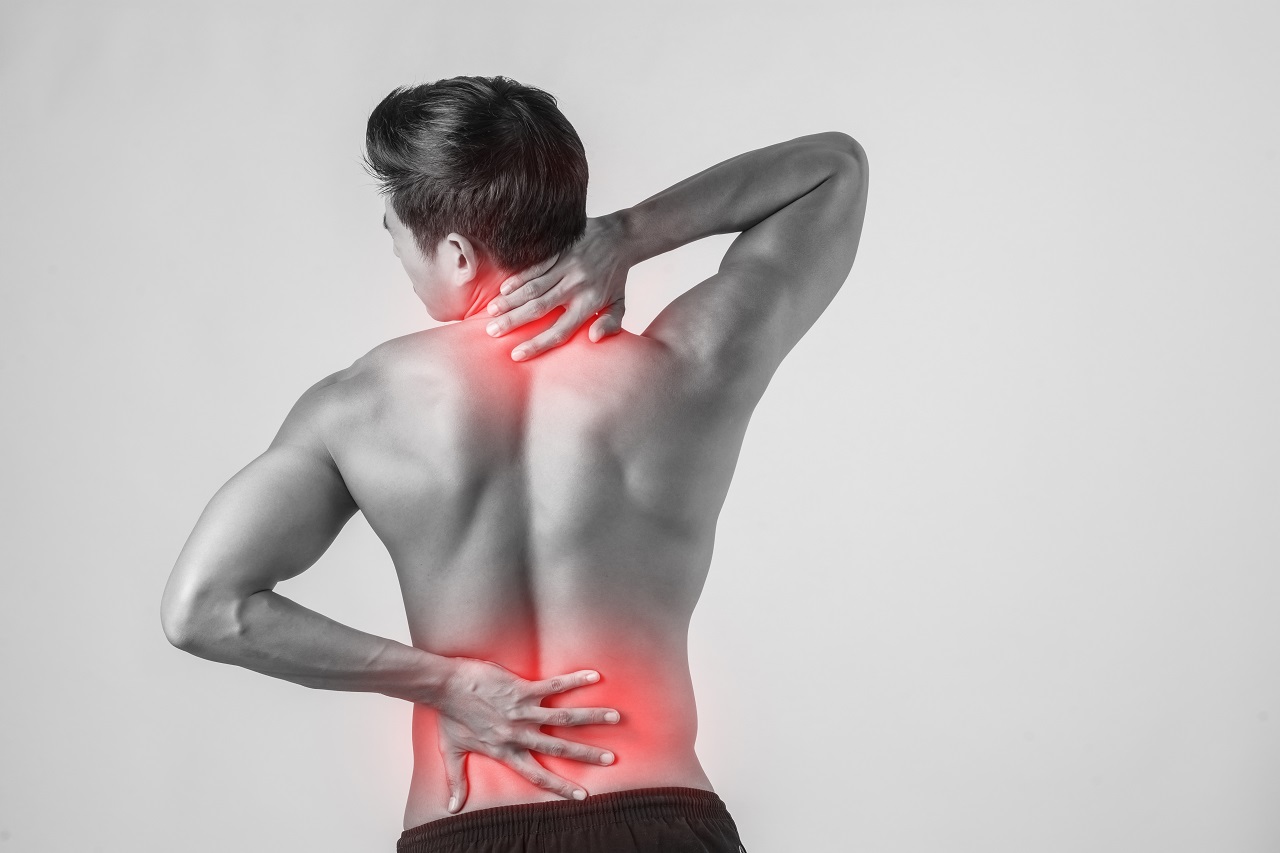
In conclusion, body aches, while often common, should not be overlooked. By understanding the causes, differentiating between types of pain, and utilizing natural remedies, we can take proactive steps toward managing our discomfort. Ultimately, maintaining a balanced lifestyle, staying hydrated, and recognizing when to seek medical attention can significantly enhance our quality of life and help us tackle those pesky body aches head-on.
Quick FAQs
What are some common causes of body aches?
Common causes include stress, poor posture, lack of exercise, illness, and nutritional deficiencies.
How can hydration affect body aches?
Proper hydration helps maintain muscle function and reduces the risk of cramps and discomfort.
When should I see a doctor for body aches?
If body aches persist for more than a few days or are accompanied by severe symptoms, seek medical attention.
Are there specific exercises that can help with body aches?
Yes, gentle stretching, yoga, and low-impact exercises can be effective in relieving body aches.
Can diet influence body aches?
Absolutely, a diet rich in anti-inflammatory foods can help reduce body aches.