
 Caroline Sarah
Deep slumber is an essential part of our lives, often overlooked yet crucial for both physical and mental health. It serves as a restorative phase where our bodies heal, memories solidify, and our minds find balance. Understanding deep slumber allows us to appreciate its impact on our daily functioning and overall quality of life.
This stage of sleep is not merely a passive state; it’s a dynamic period filled with physiological processes that significantly contribute to our health. From enhancing immune function to regulating mood, deep slumber plays a vital role in ensuring we wake up refreshed and ready to tackle the day ahead.
Understanding the concept of deep slumber and its importance in daily life
Deep slumber, often referred to as slow-wave sleep or deep sleep, is a crucial phase of the sleep cycle that plays a significant role in overall health. This stage is characterized by the body’s lowest levels of activity, where the brainwaves slow down significantly, leading to restorative processes essential for physical and mental well-being. Achieving adequate deep slumber is vital for a variety of reasons, including improved cognitive function, emotional regulation, and physical recovery.
The importance of deep slumber in daily life cannot be overstated. It contributes to physical health by facilitating the body’s repair and recovery processes. During this stage, the body releases growth hormone, which aids in tissue growth and muscle repair, making it essential for athletes and those recovering from illness. Furthermore, deep slumber plays a critical role in memory consolidation, helping to transfer information learned during the day into long-term memory. This process is vital not just for students but for anyone looking to maintain cognitive sharpness and focus throughout their day-to-day activities.
Physiological processes during deep slumber
During deep slumber, several key physiological processes occur that are critical for maintaining health. The body undergoes a series of restorative functions that can be categorized as follows:
- Brain Activity: Slow-wave sleep is marked by delta brainwaves, which are crucial for restorative sleep. This activity is essential for cognitive processes like memory retention and learning.
- Hormonal Regulation: The release of growth hormone peaks during deep slumber, promoting tissue repair and muscle growth. Other hormones, such as cortisol and insulin, are also regulated during this phase, affecting stress levels and metabolism.
- Immune Function: Deep sleep enhances the immune system by promoting the production of cytokines, proteins that help combat infection and inflammation.
- Metabolic Health: Blood sugar levels are better regulated during deep sleep, helping to reduce the risk of developing metabolic disorders like diabetes.
The distinction between deep slumber and other sleep stages, such as REM (rapid eye movement) and light sleep, is critical for understanding its unique impact. While light sleep serves as a transition between wakefulness and deeper sleep stages, REM sleep is associated with vivid dreaming and emotional processing. In contrast, deep slumber is where the body engages in restorative processes.
“Deep slumber is essential for physical recovery and cognitive function, underpinning the quality of life.”
Understanding these differences highlights the necessity of achieving a balance among all sleep stages to ensure optimal health. Deep slumber, thus, is not merely a phase of rest; it is a cornerstone of health that fuels the mind and body for the challenges of daily life.
The science behind deep slumber and its impact on mental health
Deep slumber, often referred to as slow-wave sleep, is a crucial phase in the sleep cycle that plays a vital role in physical and mental well-being. During this stage, the body undergoes significant restorative processes, including tissue repair, muscle growth, and immune system strengthening. Additionally, deep sleep profoundly impacts our mood and cognitive functions, acting as a foundation for optimal mental health.
The relationship between deep sleep and mental health is multifaceted. When we engage in deep slumber, our brains process emotions and consolidate memories, which is essential for emotional regulation and cognitive clarity. Studies have shown that individuals who consistently achieve adequate amounts of deep sleep exhibit better mood stability and improved cognitive performance. A well-rested mind is more adept at managing stress, making decisions, and maintaining focus throughout the day. Conversely, a lack of deep sleep can lead to irritability, anxiety, and impaired judgment, demonstrating how integral this phase of sleep is for mental resilience.
Connections between lack of deep slumber and mental health disorders
Chronic sleep deprivation, particularly the deficiency of deep sleep, has been closely linked to various mental health disorders, including depression, anxiety, and bipolar disorder. This connection underscores the importance of prioritizing restorative sleep in mental health care.
Multiple studies have examined these correlations, highlighting the adverse effects of insufficient deep sleep. For instance, research from the University of California, Berkeley, found that sleep deprivation can significantly heighten emotional reactivity. Participants who had shorter durations of deep sleep displayed increased sensitivity to negative stimuli, leading to heightened feelings of sadness and anxiety. Additionally, the National Institute of Mental Health conducted a longitudinal study showing that individuals with persistent sleep disturbances were more likely to develop depression over time.
Furthermore, a study published in the journal Sleep revealed that insomniacs frequently report experiencing symptoms of anxiety and depression, indicating a bidirectional relationship between sleep quality and mental health. Another notable example is the research conducted by the World Health Organization, which reported that sleep disorders are prevalent in patients with mood disorders, emphasizing the need for integrated treatment approaches that address both sleep and mental health.
In conclusion, understanding the science behind deep slumber and its profound impact on mental health is essential for promoting overall well-being. Prioritizing quality sleep can lead to improved mood, cognitive function, and a reduced risk of mental health issues, making deep sleep a fundamental element of a healthy lifestyle.
Techniques to enhance deep slumber for improved sleep quality
Creating a restful environment and incorporating effective techniques can significantly enhance deep slumber, leading to better sleep quality overall. By implementing a few lifestyle changes and strategies, individuals can optimize their sleep experience and wake up feeling refreshed and rejuvenated.
Establishing a conducive sleep environment and routine is essential for fostering deep slumber. This involves more than just a comfortable mattress; it encompasses multiple factors that can either promote or hinder quality sleep. Below are several techniques that can be easily integrated into daily life to enhance deep slumber.
Techniques for Promoting Deep Slumber
The following techniques can be beneficial in promoting deep slumber. Each method has its unique advantages and potential drawbacks, which should be considered when implementing them.
| Technique | Benefits | Potential Drawbacks |
|---|---|---|
| Consistent Sleep Schedule | Regulates the body’s internal clock, improving overall sleep quality. | May be difficult to maintain on weekends or during travel. |
| Relaxation Techniques | Reduces stress and anxiety, which can lead to easier sleep onset. | Requires practice; may take time to find the right method. |
| Optimal Sleep Environment | A quiet, dark, and cool room promotes deeper sleep stages. | Environmental changes (like noise) can disrupt sleep if not controlled. |
| Limiting Screen Time | Reduces blue light exposure that interferes with melatonin production. | Social or professional obligations may make this challenging. |
| Mindful Eating and Drinking | Aids digestion and reduces the likelihood of insomnia caused by heavy meals. | Requires discipline to avoid late-night snacking or caffeine. |
The role of the sleep environment in fostering deep slumber cannot be overstated. Elements such as noise levels, light exposure, and temperature all contribute significantly to the quality of sleep. For instance, a clutter-free, comfortable bedroom with controlled lighting and sound can create an ideal atmosphere for relaxation.
Additionally, establishing a pre-sleep routine can signal the body that it’s time to wind down. Activities like reading, meditating, or taking a warm bath can help transition the mind and body into a state conducive to deep slumber. By paying attention to both the environment and the routine, individuals can cultivate a more restful sleep experience.
The role of diet and lifestyle in achieving deep slumber
Diet and lifestyle play a crucial role in the quality and duration of deep sleep. The foods we consume and our daily activities can significantly impact our ability to fall asleep and stay asleep. Understanding the connection between what we eat and how we sleep can lead to better sleep hygiene and overall well-being.
Specific foods and beverages have been shown to influence sleep quality. For instance, complex carbohydrates, such as whole grains, can help increase serotonin levels, promoting relaxation and sleepiness. Foods rich in magnesium, like spinach and almonds, can also enhance sleep quality by relaxing muscles and calming the nervous system. On the other hand, caffeine and sugar-laden snacks can disrupt sleep patterns, making it harder to achieve the restorative deep sleep that is essential for health. Alcohol, though it may initially make one feel drowsy, often leads to fragmented sleep, hindering the deep slumber necessary for optimal recovery.
Lifestyle changes for better deep slumber
Incorporating specific lifestyle changes can significantly improve sleep quality. The following adjustments may help facilitate deeper and more restful sleep:
- Establish a consistent sleep schedule by going to bed and waking up at the same time each day.
- Create a relaxing bedtime routine, such as reading or taking a warm bath, to signal to your body that it’s time to wind down.
- Limit screen time before bed, as blue light emitted from devices can interfere with melatonin production.
- Ensure your sleep environment is optimal; this includes a comfortable mattress, a cool room temperature, and minimal noise.
- Avoid large meals and excessive fluid intake close to bedtime to prevent disturbances during the night.
- Reduce stress through mindfulness practices like meditation or yoga, which can enhance relaxation before sleep.
Exercise frequency has a notable correlation with deep sleep duration. Regular physical activity, especially aerobic exercise, can promote deeper sleep cycles. Studies have shown that individuals who engage in moderate exercise for at least 150 minutes a week report longer and more restorative sleep. Activities such as walking, jogging, or swimming not only help to alleviate stress and anxiety but also increase the amount of time spent in deep sleep stages, which are crucial for physical health and cognitive function. Engaging in exercise earlier in the day is often more beneficial than close to bedtime, as it allows the body to wind down naturally.
Regular physical activity can enhance sleep quality and duration, leading to better overall health.
Cultural perceptions and practices surrounding deep slumber across different societies
Deep slumber, often viewed as a vital aspect of health and well-being, is perceived and practiced differently across cultures. While some societies regard sleep as a time for rejuvenation and connection to the spiritual realm, others treat it as a mere necessity for daily functioning. The significance of deep slumber transcends mere rest, intertwining with cultural beliefs, rituals, and the overall lifestyle of various communities around the world.
In many cultures, sleep is not just an individual experience but a communal one, reflective of societal values and beliefs. For example, in Japan, the practice of ‘inemuri’ allows individuals to sleep in public spaces such as trains or workplaces, symbolizing a culture that values hard work and the importance of rest as part of productivity. Conversely, in some Indigenous cultures, dreams are seen as messages from ancestors, leading to unique rituals surrounding sleep and dream interpretation.
Unique rituals and traditions related to deep slumber
Understanding the rituals and practices surrounding deep slumber reveals how different societies honor this essential part of life. Below are several notable traditions:
- Siesta in Spain: The tradition of taking a midday nap, or siesta, reflects the Spanish lifestyle that prioritizes rest and family time. This practice not only enhances productivity but also fosters strong community ties.
- Dream Catchers in Native American Culture: In many Native American tribes, dream catchers are hung over sleeping areas to filter out negative dreams and allow only positive thoughts to pass through. This belief underscores the significance of sleep quality and spiritual well-being.
- Bedtime Stories in Western Cultures: Reading bedtime stories to children is a widespread practice in many Western societies. This ritual not only promotes bonding between parents and children but also aids in developing language skills and fostering imagination before slumber.
The impact of these practices on sleep quality varies greatly. For instance, the siesta allows individuals to recharge, leading to improved mood and functionality during the later part of the day. In contrast, the use of dream catchers may create a sense of security for individuals, potentially leading to more restful sleep.
“Sleep is that golden chain that ties health and our bodies together.”
Moreover, the communal aspect of sleep rituals, like sharing stories or taking naps in public, can enhance emotional well-being, thereby affecting overall sleep quality. These cultural practices illustrate the profound relationship between societal values and the quality of deep slumber experienced by individuals within those societies. Through understanding these diverse perspectives, we can appreciate the varied importance assigned to deep slumber across the globe.
Understanding sleep disorders related to deep slumber
Sleep is a vital component of overall health, and disruptions in this essential activity can lead to significant consequences. Deep slumber, or slow-wave sleep, plays a crucial role in physical restoration, memory consolidation, and emotional regulation. Understanding the sleep disorders that affect this critical phase is essential for maintaining optimal health. Various conditions can impair deep sleep, leading to a cascade of negative effects on daily functioning and well-being.
Common sleep disorders affecting deep slumber
Several sleep disorders can hinder the ability to achieve deep slumber, each with its distinct symptoms and implications. It is important to recognize these disorders early to mitigate their impact on health. The following are common disorders:
- Insomnia: This disorder is characterized by difficulty falling asleep or staying asleep, leading to insufficient total sleep duration. Symptoms include fatigue, irritability, and difficulty concentrating.
- Obstructive Sleep Apnea (OSA): OSA involves repeated episodes of partial or complete obstruction of the airway during sleep. Symptoms may include loud snoring, gasping for air during sleep, and excessive daytime sleepiness.
- Restless Legs Syndrome (RLS): RLS causes uncomfortable sensations in the legs, prompting an irresistible urge to move them, particularly at night. This can disrupt deep sleep and lead to significant fatigue.
- Parasomnias: This group includes abnormal behaviors during sleep, such as sleepwalking or night terrors. These episodes can fragment sleep and prevent the individual from entering deep sleep stages.
- Narcolepsy: Narcolepsy is characterized by excessive daytime sleepiness and sudden sleep attacks. Individuals with narcolepsy may struggle to maintain a normal sleep pattern, including deep sleep.
The potential long-term effects of untreated sleep disorders on overall health can be profound. Chronic sleep deprivation is linked to a variety of health issues, including cardiovascular diseases, obesity, diabetes, and weakened immune function. Mental health can also suffer, with increased risks of anxiety and depression. Studies show that individuals with untreated sleep disorders may experience cognitive decline and memory issues, significantly impacting quality of life.
Diagnostic processes and treatments for sleep disorders
Diagnosing sleep disorders typically involves a comprehensive evaluation that includes sleep history, physical examinations, and possibly sleep studies. Polysomnography, a type of sleep study, records various body functions while sleeping, providing valuable information for diagnosis. Home sleep apnea tests may also be utilized for convenience and efficiency.
Treatment options vary depending on the disorder. For insomnia, cognitive-behavioral therapy for insomnia (CBT-I) is often recommended, focusing on changing behaviors and thought patterns that affect sleep. Continuous positive airway pressure (CPAP) therapy is a common treatment for OSA, helping to keep airways open during sleep. Medications may be prescribed for conditions like RLS or narcolepsy to help manage symptoms effectively. Lifestyle modifications, such as maintaining a regular sleep schedule, reducing caffeine intake, and creating a comfortable sleep environment, are also beneficial across various disorders.
In summary, understanding sleep disorders that impact deep slumber is crucial for enhancing sleep quality and overall health. Early recognition and appropriate treatment can lead to significant improvements in life quality and well-being.
The technology and innovations aimed at improving deep slumber
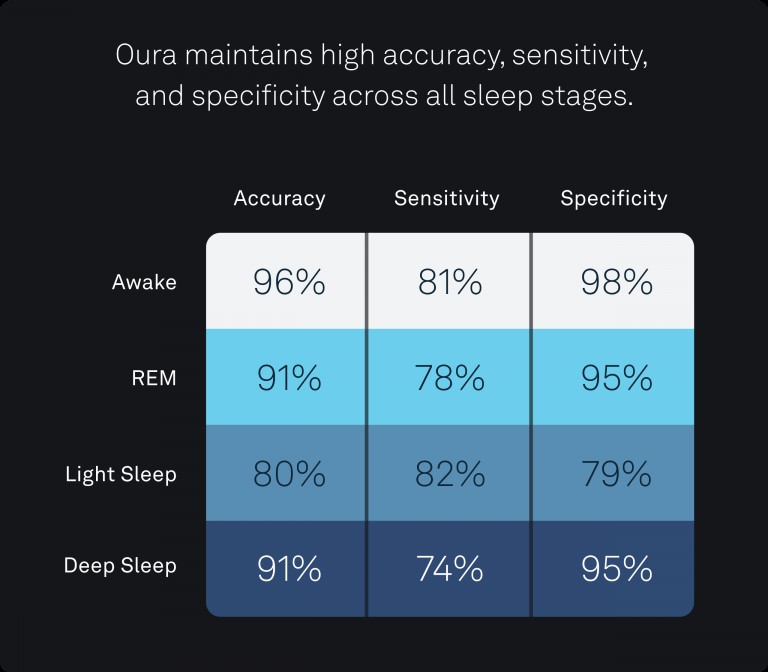
As the understanding of sleep deepens, modern technology has risen to the challenge of enhancing deep slumber. Innovations ranging from wearable devices to smartphone applications aim to provide insights into sleep patterns, promote relaxation, and ultimately help individuals achieve more restful nights. The integration of science and technology has paved the way for tools that not only monitor sleep but also improve its quality.
A variety of devices and applications have emerged, each with unique functionalities designed to assist users in achieving deeper slumber. These innovations leverage data analytics, sound therapy, and personalized recommendations to optimize sleep environments and routines. Recent studies have shown that consistent use of these technologies can lead to significant improvements in sleep quality, demonstrating their effectiveness in addressing sleep-related issues.
Popular technologies for enhancing deep slumber
Several notable technologies have made waves in the market, providing users with the tools they need to enhance their sleep experience. Understanding their functionalities helps in appreciating their role in improving deep slumber quality.
- Wearable Sleep Trackers: Devices like Fitbit and Oura Ring monitor sleep stages, heart rate, and restlessness, providing insights that can help users adjust their sleep habits.
- Smart Mattresses: Brands like Sleep Number offer mattresses that can adjust firmness based on individual preferences and monitor sleep quality through integrated sensors.
- White Noise Machines: Devices such as the Marpac Dohm create consistent ambient sounds that mask disruptive noises, promoting an uninterrupted sleep environment.
- Sleep Apps: Applications like Calm and Sleep Cycle provide guided meditations, soothing sounds, and alarms that wake users during light sleep, optimizing the wake-up experience.
- Light Therapy Lamps: Products like the Philips Wake-up Light gradually increase light intensity to simulate a natural sunrise, promoting better sleep-wake cycles.
- Smart Home Integration: Systems such as Google Home or Amazon Echo can control room temperatures and lighting, creating an ideal sleep environment through automation.
Scientific research supports these innovations, highlighting their contributions to improved sleep health. A study published in the Journal of Clinical Sleep Medicine found that participants using sleep-tracking devices reported increased awareness of their sleep patterns, leading to behavioral changes that improved sleep quality. Furthermore, research conducted by the National Sleep Foundation indicated that using sound machines significantly reduced sleep onset latency, making it easier for users to fall asleep. These findings underscore the positive impact of technology in addressing the challenges associated with achieving deep slumber.
Outcome Summary

In summary, deep slumber is more than just a nightly escape; it is a cornerstone of our health and well-being. By prioritizing this vital sleep stage, we can enhance our physical health, boost our mental clarity, and improve our overall quality of life. Recognizing its importance can lead us to make better lifestyle choices that promote restful nights and energized days.
Key Questions Answered
What is deep slumber?
Deep slumber, or deep sleep, is a restorative sleep stage characterized by slow brain waves, reduced muscle activity, and a decrease in heart rate and breathing.
How many hours of deep sleep do we need?
Most adults should aim for about 1.5 to 2 hours of deep sleep per night, which typically occurs in cycles throughout the night.
Can deep slumber affect my mood?
Yes, deep slumber is crucial for emotional regulation; insufficient deep sleep can lead to irritability and mood swings.
Are there specific foods that promote deep slumber?
Foods rich in magnesium, tryptophan, and melatonin, such as almonds, turkey, and cherries, can promote deeper sleep.
What are the signs of deep sleep deprivation?
Signs include excessive daytime sleepiness, difficulty concentrating, mood disturbances, and increased stress levels.