
 Caroline Sarah
Non-REM sleep is an intriguing realm of rest that plays a critical role in our overall health and well-being. Comprising various stages, it not only rejuvenates the body but also enhances cognitive functions such as memory consolidation. Understanding its dynamics can provide valuable insights into improving sleep quality and, consequently, our daily lives.
This fascinating aspect of sleep encompasses physiological changes, mental health connections, and the impact of lifestyle choices. By exploring the stages of Non-REM sleep, we can appreciate its significance in facilitating restorative processes that contribute to both physical and emotional wellness.
Non-REM sleep stages and their significance in the sleep cycle
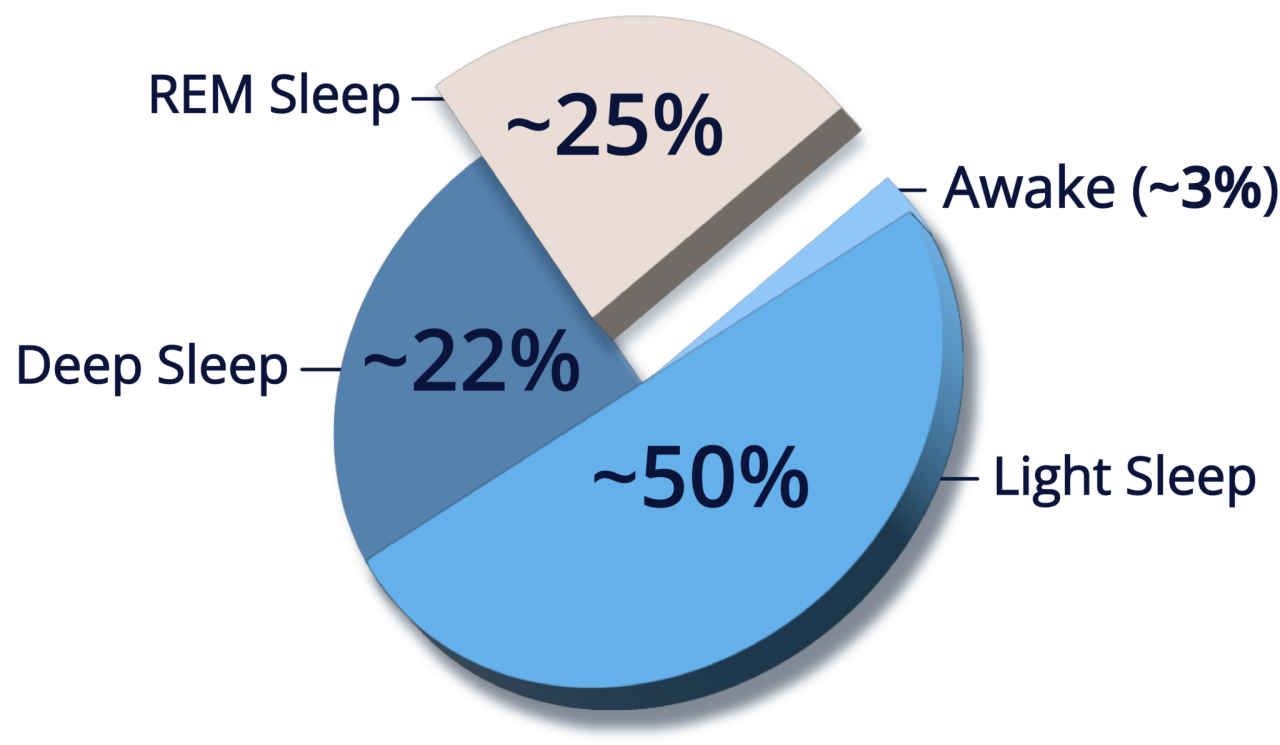
Non-Rapid Eye Movement (Non-REM) sleep is a crucial component of the sleep cycle, comprising approximately 75-80% of total sleep time in adults. This phase is divided into three distinct stages, each playing a pivotal role in physical and mental restoration. Understanding these stages helps us appreciate their significance in maintaining overall health and well-being.
The stages of Non-REM sleep are characterized by distinct physiological changes that contribute to the restorative processes of the body. This includes changes in brain wave activity, muscle tone, and even metabolic processes. Collectively, these stages facilitate recovery, memory consolidation, and overall physiological balance.
Stages of Non-REM Sleep
Non-REM sleep is categorized into three stages: N1 (Stage 1), N2 (Stage 2), and N3 (Stage 3), each with unique characteristics and functions.
- Stage 1 (N1): This is the lightest stage of sleep, marking the transition from wakefulness to sleep. During this stage, the body experiences a decrease in muscle activity and brain wave frequency. It lasts only a few minutes and is characterized by the following:
- Light sleep where the sleeper can be easily awakened.
- Relaxation of muscle tone and slowing of heart rate.
- Presence of theta waves in the brain, indicating the onset of sleep.
- Stage 2 (N2): This stage accounts for about 50% of total sleep time and is deeper than Stage 1. It is characterized by further physiological changes, including:
- Release of sleep spindles and K-complexes, which are thought to protect sleep and aid in memory consolidation.
- Decreased body temperature and heart rate, contributing to energy conservation.
- Brain activity shows a mix of theta waves and sleep spindles, indicating deeper sleep.
- Stage 3 (N3): Also known as slow-wave sleep (SWS), this is the deepest stage of Non-REM sleep, crucial for recovery and restoration. Key features include:
- Dominance of delta waves in brain activity, indicating deep sleep.
- Greatest physiological restoration occurs, including tissue growth and repair.
- Significant release of growth hormone, which is vital for physical health.
The deep sleep of Stage 3 is essential for physical recovery and cognitive function, making it indispensable for overall health.
Each of these stages plays a unique role in supporting health. For example, Stage 1 prepares the body for deeper sleep; Stage 2 consolidates memories and protects against disruptions; and Stage 3 facilitates physical restoration, metabolic regulation, and immune function. By cycling through these stages multiple times throughout the night, the body is equipped to rejuvenate itself effectively.
The role of Non-REM sleep in memory consolidation
Non-REM sleep plays a vital role in the processes of memory consolidation, where newly acquired information is stabilized and integrated into existing knowledge structures. During this phase of sleep, the brain transitions through various stages that promote the retention of memories, enhancing learning and cognitive performance. Non-REM sleep is characterized by deep sleep stages, which allow for restorative functions and the processing of experiences from the day.
Studies have shown a significant correlation between Non-REM sleep and memory retention. For instance, a well-known study by Rasch et al. (2007) demonstrated that participants who underwent Non-REM sleep after learning a task were able to recall the information better compared to those who remained awake. Another notable research conducted by Walker and Stickgold (2006) indicated that sleep, particularly Non-REM sleep, is crucial for the consolidation of both declarative memories (like facts and information) and procedural memories (such as skills and tasks).
Mechanisms of memory consolidation during Non-REM sleep
The mechanisms through which memory consolidation occurs during Non-REM sleep are multifaceted, involving several key processes and brain activities. These processes can be Artikeld as follows:
- Synaptic Homeostasis: Non-REM sleep facilitates synaptic downscaling, where the synaptic weights of unused connections are reduced. This process helps in maintaining optimal brain function and prepares the brain for new learning the next day.
- Memory Replay: During Non-REM sleep, particularly in the slow-wave sleep (SWS) stage, the brain exhibits patterns of activity reminiscent of those during learning. This phenomenon, known as memory replay, aids in consolidating memories by reactivating neural circuits associated with the learned information.
- Hippocampal and Cortical Interaction: The hippocampus, which is critical for the formation of new memories, communicates with the neocortex during Non-REM sleep. This interaction is essential for transferring information from short-term memory storage in the hippocampus to long-term storage in the cortical areas.
- Increase in Growth Hormones: Non-REM sleep triggers the release of growth hormones, which are believed to play a role in neural repair and regeneration. This not only supports memory consolidation but also overall cognitive function.
- Neurotransmitter Modulation: The balance of neurotransmitters such as acetylcholine and norepinephrine changes during Non-REM sleep, creating an environment conducive to memory formation and retention.
“Non-REM sleep is not just a passive state but an active period essential for the processing and consolidation of memories.”
Understanding these mechanisms underscores the importance of sufficient Non-REM sleep for optimal cognitive performance and memory retention, highlighting its role as a critical period for memory processing.
Factors affecting Non-REM sleep quality and duration
Non-REM sleep is a crucial phase of the sleep cycle that plays an essential role in physical restoration and cognitive function. Its quality and duration can be influenced by a range of factors, from individual lifestyle choices to environmental conditions. Understanding these factors can help individuals optimize their sleep for better overall health and performance.
Multiple elements can influence the quality and length of Non-REM sleep. These include physiological conditions, psychological factors, lifestyle habits, and external environmental influences. By recognizing and adjusting these factors, individuals can significantly enhance their sleep experience.
Common factors influencing Non-REM sleep
Several common factors can disrupt or enhance the quality of Non-REM sleep. These include:
- Stress and Anxiety: Elevated stress levels release cortisol, a hormone that can prevent deep sleep and lead to fragmented sleep cycles.
- Diet and Nutrition: Diets high in sugar or caffeine can hinder sleep quality, while a balanced diet rich in vitamins and minerals supports restful sleep.
- Exercise: Regular physical activity promotes deeper sleep by reducing stress and anxiety, but exercising too close to bedtime can have the opposite effect.
- Sleep Environment: A comfortable sleep environment, including a cool, dark, and quiet room, fosters better Non-REM sleep. Factors like noise, light, and uncomfortable bedding can disrupt this phase.
- Sleep Disorders: Conditions such as sleep apnea or restless leg syndrome can severely impact the duration and quality of Non-REM sleep.
Lifestyle choices and environmental conditions
Lifestyle choices significantly impact sleep quality. Engaging in healthy habits can lead to improved Non-REM sleep, while poor choices can disrupt it.
- Alcohol Consumption: While alcohol might help some people fall asleep faster, it often disrupts Non-REM sleep later in the night, causing fragmented sleep.
- Screen Time: Exposure to blue light from screens before bedtime can hinder the production of melatonin, a hormone essential for sleep onset and maintenance.
- Consistency in Sleep Schedule: Going to bed and waking up at the same time each day can enhance the regularity of sleep cycles, promoting better Non-REM sleep.
Practical tips for improving Non-REM sleep
Adopting certain strategies can enhance the quality and duration of Non-REM sleep. The following tips, backed by scientific findings, can lead to better sleep experiences:
- Maintain a stable sleep schedule by going to bed and waking up at the same times every day.
- Create a bedtime routine that promotes relaxation, such as reading or taking a warm bath.
- Limit caffeine and nicotine intake, especially in the hours leading up to bedtime.
- Optimize the sleep environment: keep the bedroom dark, cool, and free from noise.
- Incorporate relaxation techniques, such as meditation or deep breathing exercises, to reduce stress before sleep.
- Be mindful of food consumption: avoid heavy meals close to bedtime, and consider snacks that promote sleep, like bananas or almonds.
The impact of Non-REM sleep on physical health
Non-REM sleep, a crucial phase of the sleep cycle characterized by deep sleep, plays a significant role in maintaining overall physical health. This stage is essential for various physiological processes that repair and rejuvenate the body. Adequate Non-REM sleep can lead to improved physical performance, better immune function, and a reduced risk of chronic health issues.
The relationship between Non-REM sleep and physical health outcomes is profound. This sleep phase is associated with several restorative functions, including tissue growth and repair, protein synthesis, and the release of growth hormones. A consistent lack of Non-REM sleep can lead to negative health consequences, such as increased susceptibility to infections, impaired metabolic function, and a higher risk of cardiovascular diseases.
Health issues related to inadequate Non-REM sleep
Inadequate Non-REM sleep can significantly elevate the risk of several health issues. Understanding these consequences can highlight the importance of prioritizing quality sleep. The following points illustrate specific health ramifications linked to poor Non-REM sleep:
- Weakened Immune System: Insufficient Non-REM sleep can reduce the production of cytokines, proteins essential for fighting infections. Consequently, individuals may experience increased illness and longer recovery times.
- Weight Gain and Obesity: Lack of Non-REM sleep can disrupt hormones that regulate appetite, contributing to weight gain and obesity. Inadequate sleep is often associated with an increase in cravings for high-calorie foods.
- Cardiovascular Problems: Chronic sleep deprivation, particularly the lack of Non-REM sleep, is linked to higher blood pressure and an increased risk of heart disease and stroke.
- Diabetes Risk: Non-REM sleep affects insulin sensitivity. Poor sleep can lead to insulin resistance, significantly increasing the likelihood of developing type 2 diabetes.
Interventions to promote better Non-REM sleep
Improving Non-REM sleep is vital for enhancing physical health. Several strategies can help individuals achieve better sleep quality and duration. The following interventions can be effective:
- Establish a Consistent Sleep Schedule: Going to bed and waking up at the same time every day helps regulate the body’s internal clock, promoting deeper sleep cycles.
- Optimize Sleep Environment: Creating a comfortable, dark, and quiet sleeping environment can enhance the quality of Non-REM sleep. Consider using blackout curtains and white noise machines if necessary.
- Limit Stimulants and Alcohol: Reducing caffeine and alcohol intake, especially in the hours leading up to bedtime, can improve sleep quality and support deeper Non-REM stages.
- Incorporate Relaxation Techniques: Practices like meditation, deep breathing, or gentle yoga before bed can calm the mind and prepare the body for restful sleep.
The connection between Non-REM sleep and mental health
Non-REM sleep, comprising the majority of our sleep cycle, plays a crucial role in maintaining mental health and emotional stability. It is during this phase that the brain undergoes vital restorative processes, influencing memory consolidation and emotional regulation. Understanding how Non-REM sleep affects our mental well-being can provide insights into the importance of quality sleep in everyday life.
Disruptions in Non-REM sleep can lead to significant consequences for mental health. Research indicates that inadequate Non-REM sleep is linked to increased levels of anxiety and depression. For instance, a study published in the journal *Sleep* found that individuals experiencing chronic sleep deprivation exhibit higher rates of mood disorders. These conditions often arise because Non-REM sleep is essential for processing emotions and memories. Without sufficient time in this restorative phase, the brain struggles to effectively manage stressors, leading to emotional dysregulation.
Consequences of disrupted Non-REM sleep on mental well-being
The impact of disrupted Non-REM sleep can be profound, affecting various aspects of mental health. The following points highlight the significant consequences of insufficient Non-REM sleep:
- Increased risk of anxiety disorders: Studies show that inadequate Non-REM sleep can heighten anxiety, as the brain fails to regulate fear responses effectively.
- Worsened depressive symptoms: A lack of restorative sleep has been correlated with exacerbated symptoms of depression, impacting overall mood and outlook on life.
- Impaired cognitive function: Disrupted Non-REM sleep can lead to difficulties in concentration, decision-making, and problem-solving abilities, which are critical for daily functioning.
- Emotional instability: A reduction in Non-REM sleep affects emotional regulation, making it challenging to manage stress and mood swings.
“Non-REM sleep is crucial for emotional stability and mental clarity.”
Strategies to enhance Non-REM sleep to support mental health
Improving the quality of Non-REM sleep can significantly benefit mental health. Here are effective strategies to enhance Non-REM sleep:
- Maintain a consistent sleep schedule: Going to bed and waking up at the same time each day helps regulate your body’s internal clock.
- Create a restful environment: A dark, quiet, and cool room promotes better sleep quality, allowing for longer Non-REM sleep phases.
- Limit screen time before bed: Reducing exposure to blue light from devices can help facilitate the natural onset of sleep.
- Practice relaxation techniques: Activities such as meditation, deep breathing, or gentle yoga can help calm the mind and prepare the body for sleep.
- Be mindful of diet: Avoiding caffeine and heavy meals close to bedtime can improve sleep patterns and enhance Non-REM sleep duration.
“A good night’s sleep is a cornerstone of mental health, enabling better emotional regulation and cognitive function.”
Differences between Non-REM and REM sleep and their respective functions

Understanding the distinctions between Non-REM (NREM) and REM (Rapid Eye Movement) sleep is essential for appreciating how sleep impacts our overall health and well-being. Each type of sleep contributes unique characteristics and functions that play critical roles in our physical and mental restoration. By exploring these differences, we can grasp the importance of experiencing both types of sleep for optimal health.
NREM sleep consists of three stages, each with varying depths of sleep, while REM sleep is characterized by rapid eye movements and heightened brain activity. NREM primarily focuses on physical restoration, promoting tissue growth and repair, and is crucial for maintaining bodily functions. In contrast, REM sleep is essential for cognitive restoration, facilitating memory consolidation, emotional regulation, and creativity.
Characteristics of Non-REM and REM Sleep
The distinct characteristics of Non-REM and REM sleep reveal their unique contributions to health. Below is a comparison of their features:
- Non-REM Sleep:
- Divided into three stages: light sleep (N1), moderate sleep (N2), and deep sleep (N3).
- Decreased heart rate and blood pressure, promoting physical relaxation.
- Increased blood flow to muscles, aiding in repair and growth.
- Release of growth hormone, which is vital for tissue development.
- REM Sleep:
- Occurs approximately 90 minutes after falling asleep, lasting longer with each cycle.
- Brain activity resembles that of wakefulness, with vivid dreams occurring.
- Enhanced brain function related to learning, memory, and emotional processing.
- Temporary paralysis of major muscle groups, preventing acting out dreams.
Each type of sleep serves vital functions that reinforce overall sleep architecture.
Functions and Benefits of Non-REM and REM Sleep
Both Non-REM and REM sleep are crucial for various physiological and psychological benefits. Below are the core functions and advantages of each type:
- Functions of Non-REM Sleep:
- Facilitates physical recovery and restoration.
- Supports immune function and metabolic health.
- Contributes to learning and memory consolidation through synaptic pruning.
- Regulates hormones that affect stress and appetite.
- Benefits of REM Sleep:
- Enhances creativity and problem-solving capabilities.
- Processes emotions and helps with emotional resilience.
- Strengthens memory retention and recall by organizing information.
- Promotes brain plasticity, essential for adapting to new experiences.
“Both Non-REM and REM sleep are integral to maintaining a healthy sleep cycle, ensuring that our bodies and minds are rejuvenated for daily challenges.”
Experiencing both types of sleep is vital for holistic health, emphasizing the importance of adequate sleep duration and quality. Striking a balance between NREM and REM sleep is fundamental for achieving optimal restorative benefits.
Non-REM sleep across different age groups
Non-REM sleep plays a critical role in our overall health and well-being, influencing everything from cognitive functions to emotional stability. Understanding how Non-REM sleep varies across different age groups can provide insights into the biological changes that occur as we grow. As we transition from childhood through adulthood and into older age, the patterns of Non-REM sleep undergo significant transformations, impacting both its quality and quantity.
The patterns of Non-REM sleep evolve considerably over a person’s lifespan. Children typically experience longer durations of Non-REM sleep, which is essential for growth and development. As individuals enter adolescence and adulthood, the amount of Non-REM sleep tends to decrease. In older age, the architecture of sleep further changes, often leading to sleep disturbances and reduced sleep quality. These changes influence how restorative Non-REM sleep is, affecting daily functioning and overall health.
Changes in Non-REM Sleep Patterns by Age
The following table summarizes the expected characteristics of Non-REM sleep across various age groups, highlighting key differences in duration, quality, and overall sleep architecture.
| Age Group | Average Non-REM Sleep Duration | Quality of Non-REM Sleep | Key Characteristics |
|---|---|---|---|
| Infants (0-1 year) | 14-16 hours | High | Frequent cycles, deep sleep, essential for brain development. |
| Children (1-12 years) | 10-12 hours | High | Longer periods of deep sleep, crucial for physical growth. |
| Adolescents (13-19 years) | 8-10 hours | Moderate | Changes in sleep timing; a shift towards eveningness. |
| Adults (20-64 years) | 7-9 hours | Variable | More fragmented sleep, increased likelihood of insomnia. |
| Seniors (65+ years) | 5-7 hours | Lower | Decreased deep sleep, increased wakefulness during the night. |
The quality and duration of Non-REM sleep are pivotal for maintaining cognitive function, emotional regulation, and physical health throughout the different stages of life.
As individuals age, they often experience a decline in the quality of Non-REM sleep, characterized by less time spent in deep sleep stages (N3). This decline can lead to various health issues, including cognitive decline, mood disorders, and increased susceptibility to chronic conditions. Understanding these patterns can help in tailoring sleep hygiene practices suitable for different age groups, ensuring better health outcomes across the lifespan.
Concluding Remarks
In conclusion, Non-REM sleep is more than just a passive state; it is a vital component of our sleep architecture that impacts various facets of our lives. From enhancing memory retention to promoting physical health, its importance cannot be overstated. By prioritizing quality Non-REM sleep, we can unlock a healthier and more balanced existence, paving the way for greater well-being in all aspects of life.
Q&A
What are the different stages of Non-REM sleep?
Non-REM sleep consists of three stages: N1 (light sleep), N2 (moderate sleep), and N3 (deep sleep), each with distinct characteristics and functions.
How does Non-REM sleep affect memory?
Non-REM sleep plays a crucial role in memory consolidation, allowing the brain to process and store information acquired during wakefulness.
What factors can disrupt Non-REM sleep?
Common factors include stress, poor sleep environment, lifestyle choices like caffeine intake, and medical conditions that affect sleep.
Can older adults experience changes in Non-REM sleep?
Yes, as individuals age, patterns of Non-REM sleep can change, often resulting in lighter sleep and reduced deep sleep stages.
How can I improve my Non-REM sleep quality?
Improving Non-REM sleep can be achieved through a consistent sleep schedule, creating a comfortable sleep environment, and practicing relaxation techniques before bed.