
 Caroline Sarah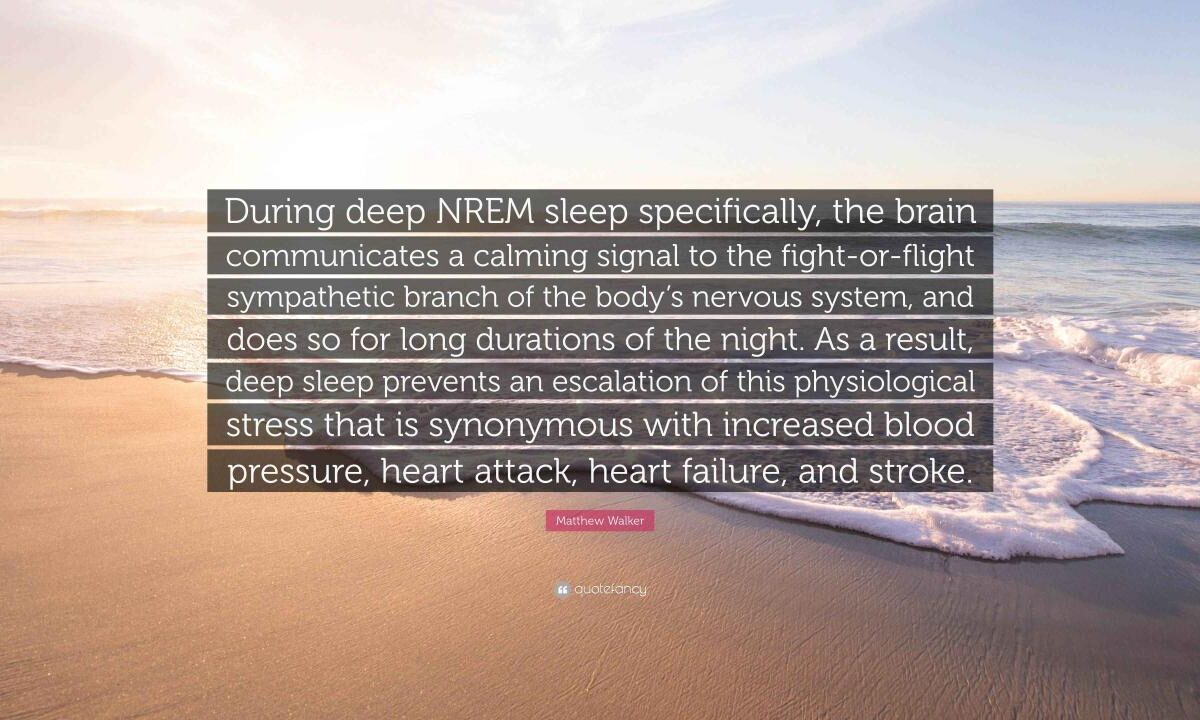
Deep NREM sleep is a crucial component of our nightly rest, serving as the foundation for both mental and physical well-being. It is during this stage that our bodies engage in vital processes like memory consolidation, muscle repair, and recovery from daily stresses. As we dive deeper into understanding Deep NREM, we uncover its significant influence on our overall health and the various factors that can enhance or disrupt this essential sleep stage.
Not only does Deep NREM sleep play a pivotal role in rejuvenating our bodies, but it also significantly impacts our cognitive functions and emotional health. By exploring the stages of NREM sleep, the physiological characteristics of Deep NREM, and its effects on recovery and healing, we can gain insights into why prioritizing this sleep stage is essential for maintaining a balanced and healthy lifestyle.
Understanding the Importance of Deep NREM Sleep in Overall Health
Deep Non-Rapid Eye Movement (NREM) sleep is a critical phase of our sleep cycle that plays a pivotal role in maintaining both physical and mental well-being. This stage of sleep is characterized by slower brain waves, decreased heart rate, and a significant drop in overall body activity. The importance of Deep NREM sleep cannot be overstated; it is during this time that the body focuses on restorative processes that are essential for optimal functioning.
Deep NREM sleep is particularly vital for memory consolidation, a process that involves the stabilization and integration of information acquired throughout the day. During this phase, the brain fortifies neural connections, allowing for the effective storage of memories. Research has shown that when individuals enter Deep NREM sleep, particularly during the first few cycles of sleep, there is a marked increase in the growth hormone secretion, which facilitates physical repair and regeneration. This restorative function is crucial not just for consolidating facts and skills but also for processing emotional memories, enabling individuals to better understand and cope with life experiences.
Impact of Lack of Deep NREM Sleep on Bodily Functions
The absence of adequate Deep NREM sleep can wreak havoc on numerous bodily functions and overall health. Chronic deprivation of this critical sleep phase can lead to a variety of detrimental effects, ranging from cognitive impairments to physical health issues. Here are some key areas affected by insufficient Deep NREM sleep:
- Cognitive Decline: Lack of Deep NREM sleep impairs learning and memory consolidation, making it difficult to retain information and learn new tasks.
- Emotional Instability: Insufficient Deep NREM sleep is linked to increased anxiety and mood disorders, as the brain struggles to process emotional experiences effectively.
- Weakened Immune Response: Deep NREM sleep plays a crucial role in immune function. Without it, the body becomes more susceptible to infections and illnesses.
- Metabolic Disruption: A lack of Deep NREM sleep can lead to an imbalance in hormones that regulate appetite, potentially resulting in weight gain or obesity.
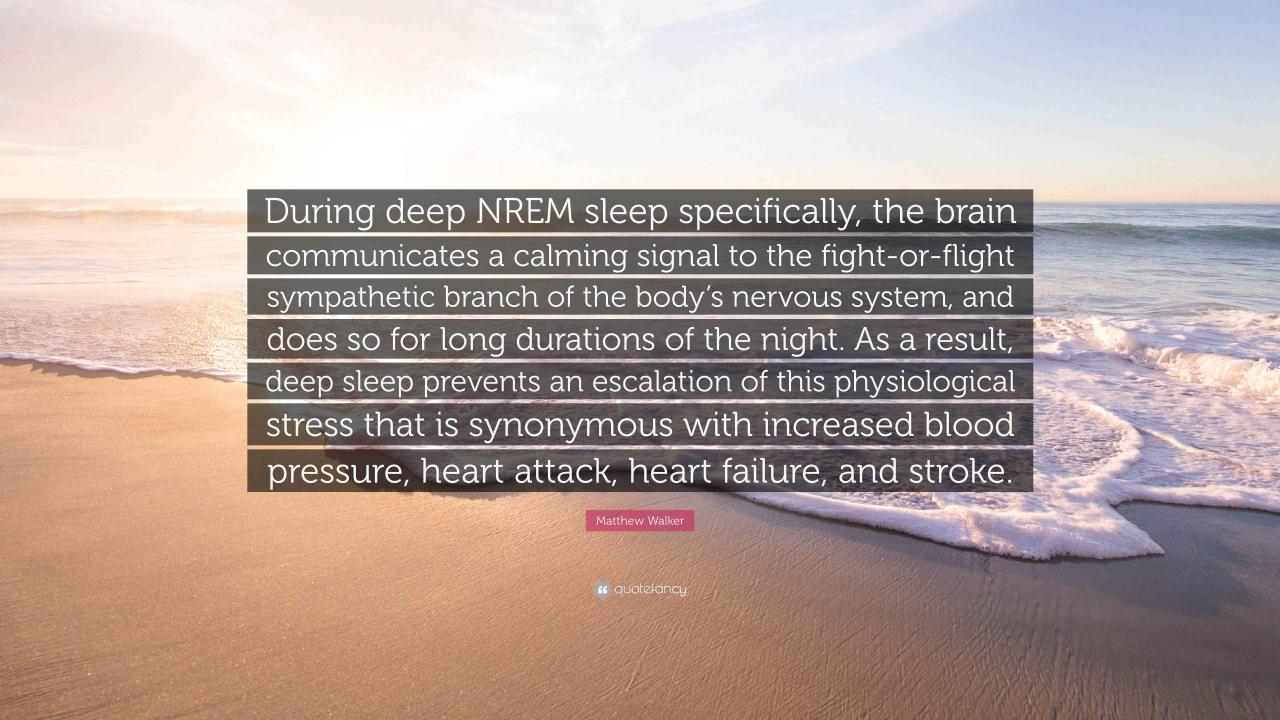
- Cardiovascular Issues: Studies indicate that inadequate Deep NREM sleep is associated with increased risks of hypertension and cardiovascular diseases, as it affects the body’s ability to regulate blood pressure.
In sum, Deep NREM sleep is not merely a passive state of rest but rather a critical component of health that impacts numerous bodily functions. From enhancing memory and emotional processing to supporting physical repair and immune function, this stage of sleep is integral to our overall well-being. The consequences of not obtaining enough Deep NREM sleep underscore the necessity of prioritizing sleep hygiene to foster a healthier lifestyle.
Exploring the Stages of NREM Sleep and the Characteristics of Deep NREM
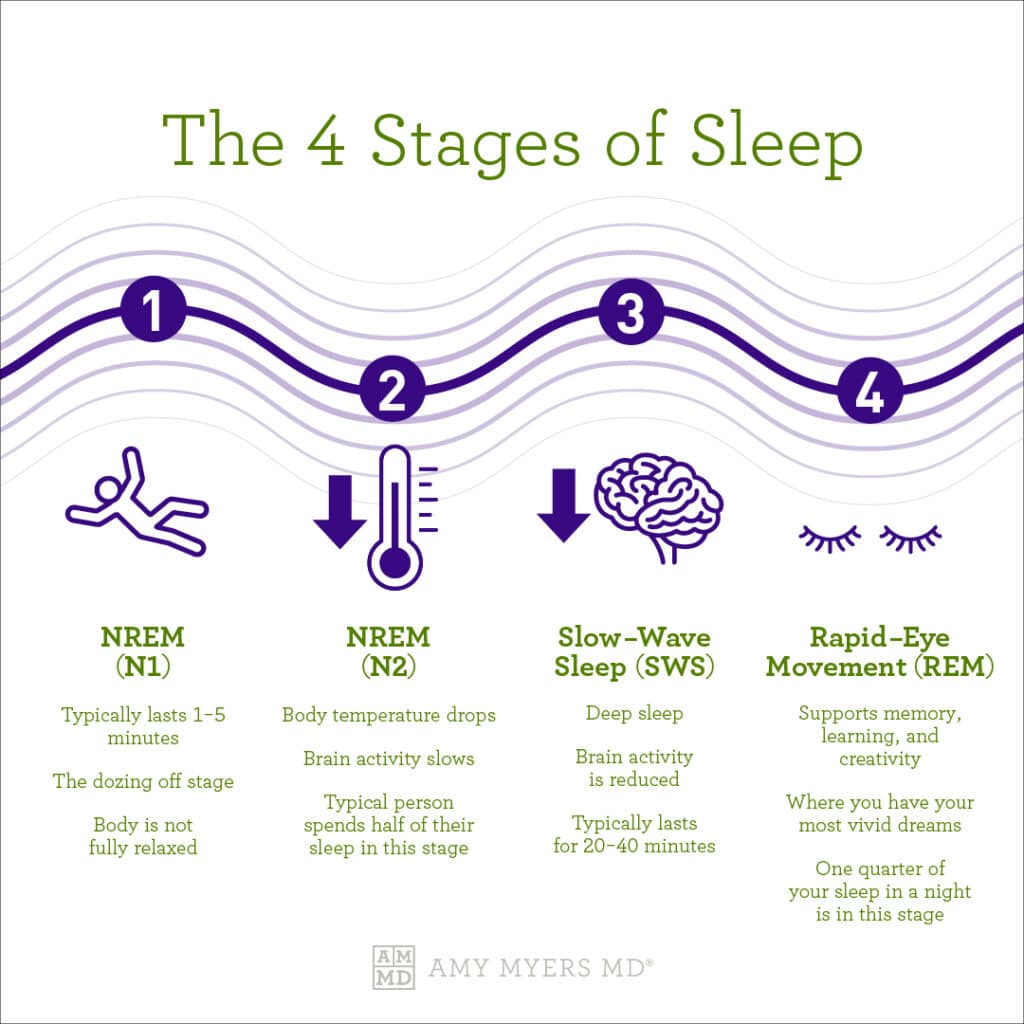
Non-Rapid Eye Movement (NREM) sleep is a crucial phase of the sleep cycle, encompassing several distinct stages that play essential roles in physical and mental health. NREM sleep is generally divided into three stages: N1, N2, and N3, with Deep NREM, or N3, being the most restorative. Understanding these stages helps shed light on their physiological characteristics and the importance of deep sleep for overall well-being.
Stages of NREM Sleep and Their Physiological Characteristics
NREM sleep can be characterized by three stages, each with unique physiological features:
1. Stage N1 (Light Sleep): This is the transition phase between wakefulness and sleep, lasting just a few minutes. It is marked by reduced muscle activity, slow eye movements, and a decrease in brain wave activity. The brain exhibits alpha waves transitioning into theta waves as one drifts into sleep.
2. Stage N2 (Moderate Sleep): Stage N2 accounts for about 50% of total sleep time. During this stage, heart rate and body temperature drop, and the brain begins to show sleep spindles and K-complexes on an EEG. These brain wave patterns play a role in memory consolidation and are indicative of deeper relaxation.
3. Stage N3 (Deep NREM Sleep): This is the most profound sleep stage, often referred to as slow-wave sleep (SWS). Brain activity slows significantly, with delta waves dominating the EEG. Physiologically, this stage is characterized by decreased heart rate, lower blood pressure, and reduced breathing rate. It is during this stage that the body engages in critical repair and growth processes, enhancing immune function and promoting recovery from daily wear and tear.
Comparative Characteristics of Deep NREM Sleep
Deep NREM sleep stands out distinctly when compared to other sleep stages. Unlike the lighter stages of NREM sleep, deep sleep is harder to awaken from, and it is during this phase that the body undergoes vital restorative processes. A significant difference is observed in brain activity as well. In lighter sleep stages, brain activity is more erratic and can include mixed frequencies; however, during Deep NREM sleep, the brain predominantly produces large, slow delta waves, indicating a state of deep unconsciousness.
Deep NREM sleep is essential for cognitive functioning, memory consolidation, and physical health.
Brain Activity During Deep NREM Sleep
During Deep NREM sleep, brain activity is characterized by synchronous delta waves, which are crucial for restorative functions. This slow-wave pattern is indicative of a deep state where there is minimal responsiveness to external stimuli, signifying profound relaxation. The cerebral blood flow decreases, allowing the brain to shift resources towards repair and maintenance tasks.
The benefits of Deep NREM sleep extend to physical health, where growth hormone is secreted, contributing to tissue growth and muscle repair. Furthermore, studies have shown that this stage is vital for memory processing and emotional regulation. For instance, research indicates that individuals who experience adequate Deep NREM sleep perform better on memory tasks the following day, as this stage is closely linked to the consolidation of declarative memories.
In summary, the stages of NREM sleep, particularly Deep NREM, showcase a complex interplay of physiological changes and brain activity that are essential for maintaining health and well-being. Understanding these stages can help emphasize the importance of good sleep hygiene and sufficient sleep duration to ensure the body and mind function optimally.
The Role of Deep NREM Sleep in Recovery and Healing Processes
Deep NREM (Non-Rapid Eye Movement) sleep plays a vital role in the body’s recovery and healing processes, particularly after physical exertion or during periods of illness. This stage of sleep is characterized by slow brain waves and is essential for both physical and mental restoration. As we delve into the specifics of how Deep NREM sleep contributes to recovery, we will explore its impact on hormonal changes, physical rehabilitation, and muscle repair and growth.
Physical Recovery After Exercise or Illness
Deep NREM sleep is critical for physical recovery following exercise or illness. During this stage, the body enters a state of repair, where various biological processes kick in to heal and rejuvenate tissues. This deep restorative phase is where the body focuses on recovery at a cellular level, allowing for the repair of muscle fibers that may have been damaged during workouts or by illness.
The physiological changes that occur during Deep NREM sleep include increased blood flow to the muscles, which aids in delivering necessary nutrients and oxygen required for healing. Additionally, the production of growth hormone spikes during this phase, facilitating tissue growth and regeneration.
A few key points illustrating the importance of Deep NREM sleep in recovery include:
-
Enhanced Muscle Recovery: Deep NREM sleep allows for the repair of micro-tears in muscles, which are common after intense physical activity.
-
Reduction of Inflammation: The body shows decreased levels of inflammatory markers during Deep NREM sleep, aiding in faster recovery from injuries.
-
Improved Immune Function: The immune system becomes more effective during this sleep phase, helping to combat illness more efficiently.
Hormonal Changes During Deep NREM Sleep
A notable aspect of Deep NREM sleep is the hormonal changes that occur, significantly influencing recovery and repair processes. The most prominent hormone released during this stage is growth hormone (GH), which plays a fundamental role in tissue growth, muscle recovery, and overall well-being.
In addition to GH, other hormones such as cortisol, insulin, and testosterone are regulated during Deep NREM sleep. These hormonal shifts help to manage stress, maintain energy balance, and promote muscle synthesis.
The following points highlight the hormonal influences of Deep NREM sleep:
-
Growth Hormone Release: This hormone peaks during Deep NREM, promoting tissue repair and muscle growth.
-
Reduction in Cortisol Levels: Lower cortisol during Deep NREM helps mitigate stress and supports recovery from physical exertion.
-
Stabilization of Insulin Sensitivity: This aids in nutrient uptake by cells, providing energy and resources for recovery.
Significance for Muscle Repair and Growth
Deep NREM sleep is crucial for muscle repair and growth, making it an essential component of any training regimen. Not only does this stage support the physical repair of muscle fibers, but it also encourages muscle hypertrophy, the process through which muscles grow in size and strength.
During Deep NREM sleep, the body synthesizes proteins more effectively, which is necessary for muscle repair and growth. The increased protein synthesis coupled with the hormonal environment supports the transformation of muscle performance and strength.
The significance of Deep NREM sleep for muscle repair and growth can be summarized by the following points:
-
Increased Protein Synthesis: Enhanced ability to build proteins necessary for muscle repair and growth occurs during Deep NREM sleep.
-
Muscle Recovery Acceleration: The restorative processes during Deep NREM shorten recovery time after rigorous workouts.
-
Enhanced Performance: Better muscle recovery directly contributes to improved athletic performance in subsequent training sessions.
Factors Influencing the Quality of Deep NREM Sleep
Many aspects of our daily lives can significantly impact the quality of Deep NREM sleep, which is essential for physical health, cognitive function, and emotional balance. Lifestyle choices, environmental conditions, and mental state play crucial roles in determining how well we achieve this restorative phase of sleep. By understanding these factors, individuals can make informed decisions to enhance their sleep quality and overall well-being.
Lifestyle Factors Impacting Deep NREM Sleep
Several lifestyle factors can either enhance or disrupt the quality of Deep NREM sleep. By recognizing these elements, individuals can adopt healthier habits to support better sleep quality.
- Diet: A balanced diet, rich in nutrients, can promote better sleep. Foods rich in magnesium, such as nuts and leafy greens, may help enhance Deep NREM sleep. Conversely, large meals or excessive caffeine intake close to bedtime can disrupt sleep patterns.
- Physical Activity: Regular exercise has been linked to improved sleep quality. Engaging in physical activities during the day can help regulate the sleep-wake cycle and promote deeper sleep stages, including NREM sleep. However, intense workouts right before bed may have the opposite effect.
- Sleep Schedule: Maintaining a consistent sleep routine by going to bed and waking up at the same time every day can reinforce the body’s natural circadian rhythm, leading to better Deep NREM sleep.
- Substance Use: Limiting alcohol and nicotine is crucial, as both can interfere with sleep architecture. While alcohol may initially induce sleep, it disrupts the later stages of sleep, reducing Deep NREM duration.
Effects of Stress and Anxiety on Deep NREM Sleep
The impact of stress and anxiety on Deep NREM sleep is profound and often detrimental. High levels of stress can lead to a cascade of physiological changes that hinder the ability to enter and maintain deep sleep stages. When an individual is under stress, the body produces cortisol, a hormone that prepares the body for a ‘fight or flight’ response. Elevated cortisol levels can significantly reduce the overall quality and duration of Deep NREM sleep.
Stress and anxiety can trigger hyperarousal, making it difficult to relax and fall into the necessary deep sleep stages.
Chronic stress can lead to a vicious cycle where poor sleep exacerbates feelings of anxiety, making it even harder to achieve restorative sleep. Nighttime worries and racing thoughts can keep the mind active when it should be winding down, preventing the transition into Deep NREM sleep. Studies have shown that individuals with anxiety disorders often report disruptions in their sleep, particularly in the NREM stages, which are critical for memory consolidation and emotional regulation.
Additionally, stress-related sleep disturbances may manifest as frequent awakenings or a lighter sleep state, further hindering the restorative processes that occur during Deep NREM sleep. Addressing stress through relaxation techniques such as mindfulness meditation, yoga, or deep breathing exercises can be beneficial. Engaging in regular physical activity and developing healthy coping strategies are also effective in mitigating the effects of stress on sleep.
Environmental Conditions Promoting Better Deep NREM Sleep
Creating an optimal sleep environment is key to promoting better Deep NREM sleep. Several environmental factors contribute to a conducive sleep atmosphere.
- Darkness: A dark room encourages the production of melatonin, a hormone that regulates sleep. Using blackout curtains or sleep masks can help block out light.
- Noise Control: Minimizing noise through earplugs or white noise machines can prevent disruptions during sleep, allowing for uninterrupted deep sleep cycles.
- Temperature: Maintaining a cool bedroom temperature (between 60-67°F or 15-19°C) is ideal, as cooler environments can facilitate deeper sleep.
- Comfortable Bedding: Investing in a comfortable mattress and pillows that support individual sleep positions can enhance sleep quality and promote deeper NREM stages.
Techniques to Enhance Deep NREM Sleep for Better Restorative Outcomes
Deep NREM (Non-Rapid Eye Movement) sleep is crucial for restorative processes in the body and mind. It is during this phase that the body repairs tissues, builds bone and muscle, and strengthens the immune system. To maximize the benefits of this essential sleep stage, several techniques can be employed to enhance and encourage deeper sleep cycles.
The interplay of diet and nutrition plays a significant role in promoting deeper stages of sleep. Certain foods can either facilitate or hinder sleep quality, thus impacting the amount of time spent in deep NREM sleep. It’s important to consider the nutritional aspects that contribute to a better sleep pattern.
Practices and Habits to Improve Deep NREM Sleep
Establishing a conducive sleep environment coupled with healthy habits can significantly enhance deep NREM sleep. Incorporating the following practices into your nightly routine will encourage better sleep quality:
- Maintain a consistent sleep schedule, going to bed and waking up at the same time every day.
- Create a relaxing bedtime routine to signal to your body that it’s time to wind down.
- Optimize your sleep environment with a comfortable mattress, appropriate bedding, and minimal light or noise disturbances.
- Avoid caffeine and nicotine in the hours leading up to bedtime.
- Limit screen time before bed, as blue light can interfere with melatonin production.
Role of Diet and Nutrition in Facilitating Deeper Stages of Sleep
Nutrition directly affects sleep quality, especially the deep NREM stages. Certain nutrients and food choices can enhance melatonin production and promote relaxation, which is essential for deep sleep.
- Incorporate magnesium-rich foods such as leafy greens, nuts, and seeds. Magnesium helps relax muscles and calm the nervous system.
- Consume foods high in tryptophan, like turkey, dairy, and bananas, which promote the production of serotonin and melatonin.
- Stay hydrated throughout the day, but minimize fluid intake close to bedtime to avoid nighttime awakenings.
- Limit heavy meals and spicy foods before sleeping, as these can cause discomfort and disrupt sleep.
Methods for Relaxation and Mindfulness that Support Deep NREM Sleep
Practicing relaxation techniques and mindfulness can significantly lower stress levels and prepare the mind and body for deep NREM sleep. Engaging in the following methods can cultivate an atmosphere conducive to restful sleep.
- Practice deep breathing exercises to calm the mind and reduce anxiety before bed.
- Engage in progressive muscle relaxation, systematically tensing and relaxing different muscle groups.
- Implement mindfulness meditation, focusing on your breath and clearing your mind of distractions.
- Consider gentle yoga or stretching exercises in the evening to release tension.
- Incorporate aromatherapy with calming essential oils, such as lavender or chamomile, to promote relaxation.
The Impact of Technology on Deep NREM Sleep Patterns
The influence of technology on sleep has become a crucial area of study, particularly regarding Deep NREM (Non-Rapid Eye Movement) sleep. As our lifestyles increasingly intertwine with digital devices, understanding how these tools affect sleep quality is essential for optimizing rest and recovery. This section delves into the effects of screen time, blue light exposure, and the role of sleep tracking devices, as well as exploring various technological solutions designed to improve Deep NREM sleep.
Effects of Screen Time and Blue Light Exposure
Excessive screen time and exposure to blue light from devices such as smartphones, tablets, and computers have been shown to significantly disrupt sleep patterns, particularly Deep NREM sleep. The blue light emitted by screens interferes with the production of melatonin, the hormone responsible for regulating sleep-wake cycles. This disruption can lead to difficulties in falling asleep and reduced sleep quality during the night.
Studies indicate that individuals who engage in screen time before bed experience a delay in the onset of Deep NREM sleep. This phase is vital for physical restoration and cognitive function. Research has demonstrated that even just one hour of screen exposure prior to sleep can result in a noticeable decrease in the duration and quality of Deep NREM sleep.
To combat these effects, many experts recommend strategies such as:
- Limiting screen time at least one hour before bedtime
- Using blue light blocking glasses during evening hours
- Employing apps or settings on devices that reduce blue light emissions during the night
Role of Sleep Tracking Devices
Sleep tracking devices have gained popularity as tools for understanding individual sleep patterns, including the nuances of Deep NREM sleep. These devices, which include wearables and smartphone applications, monitor various physiological parameters such as heart rate, movement, and sleep duration. They provide users with insights into their sleep stages, allowing for a more informed approach to improving sleep quality.
By analyzing data collected over time, users can identify trends in their Deep NREM sleep, such as the average duration and any disturbances that may occur. This information can be beneficial for making lifestyle adjustments aimed at enhancing sleep quality. For instance, if a user notices a pattern of reduced Deep NREM sleep on nights with late exercise, they might choose to adjust their workout schedule.
Sleep trackers can also offer personalized recommendations based on the collected data, helping individuals optimize their sleep environment and habits.
Technological Solutions for Improving Deep NREM Sleep Quality
Several technological advancements have emerged to enhance Deep NREM sleep quality, focusing on both environmental adjustments and behavioral modifications. These solutions aim to create an optimal sleep environment conducive to restorative sleep.
Some notable technologies include:
- Smart Lighting Systems: These systems adjust the color and intensity of light based on the time of day, simulating natural light patterns that promote melatonin production.
- White Noise Machines: These devices mask disruptive sounds, providing a consistent auditory backdrop that can help individuals fall asleep faster and remain asleep longer.
- Sleep Apps: Many applications offer guided meditation, relaxation techniques, and sleep sounds to aid in achieving deeper sleep stages.
- Temperature Regulation Devices: Smart mattresses and bedding that regulate temperature can help maintain a comfortable sleep environment, which is crucial for Deep NREM sleep.
Incorporating these technologies can lead to significant improvements in sleep quality, allowing individuals to enjoy the benefits of restorative Deep NREM sleep and enhance overall well-being.
The Relationship Between Deep NREM Sleep and Mental Health
Deep Non-Rapid Eye Movement (NREM) sleep plays a critical role in maintaining mental health and emotional well-being. While much attention has been given to the overall importance of sleep, the significance of deep NREM sleep is often overlooked. This specific sleep stage is essential for various cognitive functions, and emerging research underscores its vital connection to mental health, particularly in the context of mood disorders.
Studies have shown that deep NREM sleep is integral in regulating mood and emotional responses. Lack of sufficient deep sleep can lead to increased vulnerability to mental health disorders, including depression and anxiety. A notable study published in the journal *Sleep* indicated that individuals experiencing disruptions in deep NREM sleep exhibited higher levels of anxiety and depressive symptoms. The research highlights that deep sleep contributes to emotional stability by facilitating neural processes that support memory consolidation and emotional regulation.
Impact of Sleep Disorders on Deep NREM Sleep
Sleep disorders can severely impair the quality and quantity of deep NREM sleep, which consequently affects mental health. Conditions such as insomnia, sleep apnea, and restless leg syndrome disrupt the natural sleep cycle, leading to diminished deep sleep phases. The implications of these disorders extend beyond mere fatigue; they can exacerbate or even trigger mental health issues.
The relationship between various sleep disorders and the effects on deep NREM sleep manifests in several ways:
- Insomnia: Individuals suffering from insomnia often report reduced deep sleep, which correlates with increased levels of stress and anxiety.
- Sleep Apnea: This condition interrupts breathing during sleep, leading to fragmented sleep patterns and decreased deep sleep. Research has linked untreated sleep apnea with a heightened risk of mood disorders.
- Restless Leg Syndrome: The uncomfortable sensations associated with this disorder can disrupt deep sleep, leading to increased irritability and emotional distress.
“Improving the quality of deep NREM sleep could serve as a therapeutic target for alleviating symptoms of mood disorders.”
Moreover, the ramifications of impaired deep NREM sleep extend beyond the immediate effects on mood; they also influence cognition and overall psychological resilience. Addressing sleep disorders can enhance deep NREM sleep, thereby promoting better mental health outcomes. Given the established link between sleep and mental health, prioritizing restorative deep sleep can be a crucial component of mental health strategies.
Cultural Perceptions and Historical Views on Deep NREM Sleep
Deep NREM sleep, a critical phase in the sleep cycle, has been historically viewed and interpreted through various cultural lenses. Different societies have attributed unique meanings and values to this state, shaping their understanding of health, well-being, and the significance of rest. These beliefs often intersect with historical myths and narratives that illustrate how ancient civilizations perceived the mysteries of sleep and its various stages.
Throughout history, various cultures have established their understanding of sleep stages, including Deep NREM sleep, through folklore, literature, and scientific observations. In many traditional societies, sleep was often seen as a bridge between the physical and spiritual realms. For instance, ancient Egyptians associated sleep with the afterlife, believing that the soul could travel and gain insights during this state. Similarly, indigenous cultures often viewed dreams and sleep as essential for guidance and personal growth, a notion that aligns with the restorative functions attributed to Deep NREM sleep.
Cultural Interpretations of Sleep Stages
Different societies have developed varying interpretations of the stages of sleep, reflecting their cultural beliefs and practices. Understanding these interpretations can shed light on the significance attributed to Deep NREM sleep across cultures.
- In Japan, there is a cultural emphasis on the value of napping, or “inemuri,” where brief moments of sleep are accepted in public settings, highlighting a societal acknowledgment of the importance of rest.
- In some Mediterranean cultures, the concept of the “afternoon siesta” emphasizes the integration of sleep into daily life, showcasing a cultural adaptation to climate and lifestyle that values periods of rest, including Deep NREM sleep.
- In Hinduism, sleep is classified into various stages, with Deep NREM sleep regarded as a necessary phase for achieving “sattva,” or purity, which is essential for spiritual practices and overall well-being.
Historical beliefs surrounding sleep often framed it as a mystical experience. Ancient Greek philosophers like Aristotle discussed sleep as a state that allowed for the rejuvenation of the body and the mind, while also being a time when the human soul could engage with divine ideas. This philosophical context laid the groundwork for modern understandings of sleep, including the recognition of Deep NREM sleep as a restorative phase that supports physical health and cognitive function.
Comparison of Modern Understandings with Traditional Views
Modern science provides a clearer understanding of the physiological and psychological functions of Deep NREM sleep compared to traditional views. While ancient beliefs often focused on the metaphysical aspects of sleep, contemporary research emphasizes its biological importance.
“Deep NREM sleep is crucial for memory consolidation, cellular repair, and hormonal regulation.”
The following points illustrate the differences between modern scientific insights and historical interpretations of Deep NREM sleep:
- Modern neuroscience identifies Deep NREM sleep as essential for brain function, specifically in memory processing, while historical views might see it as merely a spiritual or mystical experience.
- Technological advancements have enabled sleep studies, revealing the intricate stages of sleep, contrasting with traditional narratives that lacked empirical evidence.
- Current health guidelines advocate for sufficient Deep NREM sleep as vital for physical and mental health, whereas historical practices may have prioritized sleep as a time for spiritual journeys or reflections.
As societies evolve, so too do their perceptions of sleep and its significance, with modern understandings increasingly integrating historical insights and cultural perspectives.
Last Word
In summary, Deep NREM sleep is much more than just a phase of our nightly rest; it is a vital process that supports our physical health, mental clarity, and emotional stability. By understanding the factors that influence its quality and the techniques that can enhance it, we can take meaningful steps toward improving our overall sleep experience. Embracing the insights shared about Deep NREM can empower us to cultivate healthier sleep habits, ultimately leading to a more vibrant and fulfilling life.
FAQ Compilation
What is Deep NREM sleep?
Deep NREM sleep is a stage of non-rapid eye movement sleep characterized by slow brain waves, and it plays a key role in restorative processes for both the body and mind.
How can I improve my Deep NREM sleep?
Improving Deep NREM sleep can be achieved through practices like maintaining a consistent sleep schedule, reducing stress, and creating a relaxing bedtime routine.
How long does Deep NREM sleep last?
The duration of Deep NREM sleep varies by individual but typically occurs in longer periods during the first half of the night, accounting for about 20-25% of total sleep time.
Can technology affect my Deep NREM sleep?
Yes, excessive screen time and exposure to blue light before bed can interfere with the quality of Deep NREM sleep by disrupting the body’s natural sleep-wake cycle.
Is Deep NREM sleep important for mental health?
Absolutely; Deep NREM sleep is essential for emotional regulation and has been linked to improved mood and cognitive functions, making it vital for mental health.