
 Caroline Sarah
Toss and turn is a phrase many can relate to as we struggle to find peace during the night. The nightly battle with restless sleep affects not just our mood, but also our overall health, making it a significant concern in today’s fast-paced world.
This article delves into the psychological and physiological aspects of tossing and turning, explores how our sleep environment influences our movements, and offers practical strategies to promote better sleep. By understanding these factors, you can take control of your sleep patterns and enhance your overall well-being.
Understanding the Concept of Tossing and Turning During Sleep
Tossing and turning during sleep is a common experience that many people encounter, often leading to disrupted rest and fatigue upon waking. Understanding the underlying psychological and physiological factors can provide insight into why this phenomenon occurs and how it impacts overall health. An exploration of these factors reveals the complexity of sleep disturbances and their implications for well-being.
The act of tossing and turning can be influenced by various psychological factors such as anxiety, stress, and an overactive mind. Physiologically, discomfort, temperature fluctuations, and sleep disorders play significant roles. When individuals are unable to find a comfortable sleeping position or experience disturbances in their environment, they may shift positions frequently. This constant movement disrupts the natural sleep cycle, preventing individuals from achieving deeper, restorative sleep.
Psychological and Physiological Factors
Several factors contribute to tossing and turning during sleep, affecting both mental and physical well-being. Key factors include:
- Anxiety and Stress: High levels of stress can lead to increased restlessness. Individuals may find it difficult to relax, resulting in constant movement as they try to find a comfortable position.
- Physical Discomfort: Conditions like back pain, arthritis, or uncomfortable mattresses can hinder restful sleep, prompting frequent changes in position.
- Temperature Regulation: An inability to manage body temperature can lead to tossing and turning. Overheating or feeling too cold may cause individuals to shift positions to seek comfort.
- Sleep Disorders: Disorders such as insomnia, restless leg syndrome, and sleep apnea can significantly increase restlessness during sleep. These conditions disrupt normal sleep patterns, making it harder for individuals to settle down.
Tossing and turning not only affects the quality of sleep but also has broader health implications. Lack of restorative sleep can lead to increased fatigue, diminished cognitive function, and weakened immune response. Chronic sleep disturbances are associated with various health risks, including cardiovascular disease and mental health disorders.
Impact on Sleep Quality and Overall Health
The impact of tossing and turning extends beyond mere sleep disruption, affecting overall health and well-being. Notable consequences include:
- Reduced Sleep Quality: Frequent movement interrupts the sleep cycle, preventing the body from entering deeper sleep stages, which are essential for physical recovery and mental clarity.
- Fatigue and Daytime Sleepiness: Poor sleep quality often results in excessive daytime sleepiness, affecting productivity and mood.
- Cognitive Impairment: Lack of restorative sleep can impair memory, decision-making, and overall cognitive function, making daily tasks more challenging.
- Physical Health Risks: Chronic sleep issues can contribute to long-term health problems, such as obesity, diabetes, and cardiovascular conditions.
Studies indicate that individuals who experience frequent tossing and turning may also be at higher risk for developing chronic conditions. It is crucial to address the factors leading to this phenomenon to enhance sleep quality and overall health.
The Relationship Between Tossing and Turning and Sleep Environments
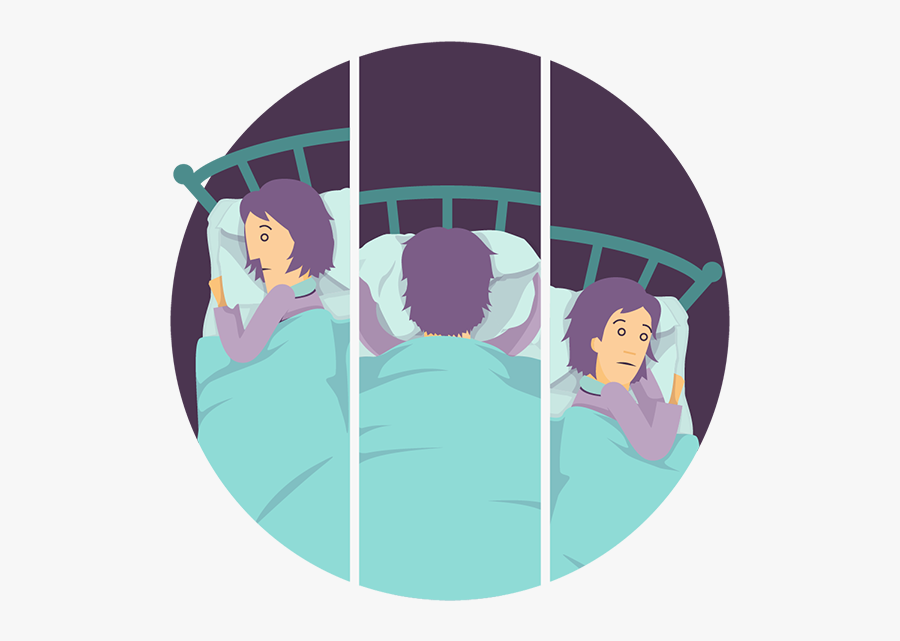
The quality of your sleep is significantly influenced by your sleep environment. Factors such as temperature, noise, and bedding choices play crucial roles in how well you can settle into a restful night’s sleep. Understanding the intertwining relationship between these elements and the tendency to toss and turn can help individuals create a sanctuary for sleep, ultimately enhancing their overall health and well-being.
A comfortable and conducive bedroom environment can significantly reduce the frequency of tossing and turning during the night. For instance, a cooler room temperature can promote better sleep quality because the body naturally lowers its temperature during sleep. Additionally, minimizing external noise through soundproofing or white noise machines can help maintain uninterrupted sleep cycles. The choice of mattress and pillow is equally important; these elements provide the necessary support and comfort to align the spine and reduce movement during the night.
Significance of Mattress Type and Pillow Selection
The type of mattress you choose can have a profound impact on your sleep quality. A mattress that is too firm or too soft can cause discomfort, leading to frequent repositioning throughout the night. It is essential to select a mattress that offers adequate support while conforming to your body’s natural curves. Memory foam mattresses, for example, are known for their ability to distribute body weight evenly, reducing pressure points and helping to minimize movement.
Pillow selection also plays a vital role in achieving restful sleep. The right pillow provides support for the neck and head, ensuring proper spinal alignment. A pillow that is too high or too low can lead to discomfort, causing you to toss and turn in an attempt to find a more comfortable position.
To optimize your sleep environment and minimize movement during the night, consider the following tips:
- Choose a mattress that fits your sleeping style, whether it’s back, side, or stomach sleeping, to ensure proper support.
- Select pillows based on your preferred sleeping position for optimal neck support.
- Maintain a cool room temperature between 60-67°F (15-19°C) for optimal sleep conditions.
- Incorporate blackout curtains to eliminate light disturbances, promoting deeper sleep.
- Use soft, breathable bedding materials that wick away moisture to enhance comfort.
Implementing these suggestions can create a more serene sleep environment, significantly reducing the tendency to toss and turn throughout the night. Remember, a well-organized bedroom with the appropriate bedding can transform your sleep quality into a more restorative experience.
“Creating the ideal sleep environment is essential for minimizing movement and promoting restful sleep.”
Strategies to Reduce Tossing and Turning for Better Sleep

Achieving restful sleep often feels elusive, especially when tossing and turning interrupts our nightly rest. However, incorporating effective strategies into your bedtime routine can significantly decrease restlessness. This guide explores essential sleep hygiene practices, relaxation techniques, and a structured bedtime routine to enhance your overall sleep quality.
Sleep Hygiene Practices
Proper sleep hygiene is fundamental to creating a conducive sleep environment. It consists of habits and practices that promote consistent, uninterrupted sleep. The importance of these practices cannot be overstated; they lay the groundwork for a peaceful night’s rest. Here are key sleep hygiene practices to incorporate:
- Maintain a consistent sleep schedule by going to bed and waking up at the same time every day, even on weekends.
- Create a comfortable sleep environment that is dark, quiet, and cool, using blackout curtains or white noise machines as needed.
- Avoid stimulants such as caffeine and nicotine in the hours leading up to bedtime, as they can significantly disrupt your ability to fall asleep.
- Limit screen time from phones, tablets, and TVs for at least an hour before bed to reduce blue light exposure, which can hinder melatonin production.
- Be mindful of food and drink before sleeping; heavy meals and excessive fluids can lead to discomfort and frequent trips to the bathroom at night.
Relaxation Techniques
Implementing relaxation techniques can help quiet the mind and prepare the body for sleep. These methods create a calming mental space, reducing the urge to toss and turn. Meditation and deep breathing are two highly effective techniques:
- Meditation can be practiced in various forms, such as guided imagery or mindfulness, where you focus on your breath or visualize calming scenes. Even just a few minutes can lower anxiety and promote relaxation.
- Deep breathing exercises involve inhaling slowly through the nose and exhaling through the mouth, helping to slow the heart rate and encourage a sense of calm. Techniques like the 4-7-8 method can be especially effective: inhale for 4 counts, hold for 7 counts, and exhale for 8 counts.
- Progressive muscle relaxation is another technique where you tense and then relax each muscle group, starting from your toes and moving to your head, fostering a deeper sense of relaxation.
Bedtime Routine Design
Establishing a consistent bedtime routine is essential for signaling to your body that it’s time to wind down. This routine should focus on calming activities that promote a smoother transition into sleep. Here’s how to structure your bedtime routine:
- Start your routine 30 to 60 minutes before bed, incorporating relaxing activities such as reading a book or taking a warm bath to prepare your body for sleep.
- Consider gentle stretches or yoga poses that can reduce muscle tension and promote relaxation.
- Use aromatherapy, such as lavender essential oil, which is known for its soothing properties and can help signal your body to prepare for sleep.
- Limit engaging or stimulating activities before bed, and opt for quiet, low-stimulation options that promote relaxation.
Creating a sleep environment that prioritizes relaxation can lead to significant improvements in nightly restfulness.
Exploring the Connection Between Tossing and Turning and Mental Health
Tossing and turning during sleep is often dismissed as a mere nuisance, but it can reveal deeper issues related to mental health. Numerous studies indicate that increased physical movement during sleep is frequently linked to anxiety and stress levels. Understanding this connection can provide valuable insights into the emotional factors that disrupt restful sleep.
Research suggests that anxiety and stress can trigger an increase in physical movement during sleep, resulting in a more restless night. When individuals experience heightened emotional distress, their bodies may respond by becoming more active, leading to tossing and turning. This physical manifestation is not just a sign of discomfort; it can also indicate underlying emotional turmoil that needs to be addressed for improved sleep quality.
Signs Linking Tossing and Turning to Emotional Issues
Identifying the correlation between restless sleep and emotional health is imperative for fostering better sleep hygiene. Recognizing certain signs can help in understanding whether tossing and turning is a symptom of deeper issues. Key indicators include:
- Consistent Nightly Restlessness: Regularly waking up in the same position as you fell asleep may point toward anxiety or stress.
- Frequent Nightmares: Vivid, distressing dreams can lead to increased movement and disturbance during sleep.
- Difficulty Calming Down: If it takes a long time to fall asleep due to racing thoughts or worries, this may result in physical restlessness.
- Daytime Fatigue: Persistent tiredness during the day despite adequate hours of sleep may indicate poor sleep quality linked to emotional distress.
Understanding these signs is critical in creating a pathway towards healthier sleep patterns. Addressing the emotional issues behind tossing and turning can lead to significant improvements in both mental health and sleep quality.
Coping Strategies for Mental Health and Improved Sleep
To enhance mental health and mitigate the tossing and turning associated with it, implementing effective coping strategies is vital. These strategies not only address emotional concerns but also contribute to more restful nights. Consider incorporating the following practices:
- Mindfulness and Meditation: Engaging in mindfulness techniques can help calm racing thoughts and reduce anxiety, making it easier to fall asleep.
- Establishing a Sleep Routine: Consistent bedtimes and wake-up times signal the body when to relax, leading to improved sleep quality.
- Physical Activity: Regular exercise can reduce stress and anxiety levels, promoting better sleep patterns.
- Adequate Sleep Environment: Creating a comfortable, dark, and quiet sleep space can minimize disturbances and encourage restful sleep.
- Seeking Professional Help: Consulting a mental health professional can provide tailored strategies for addressing underlying issues affecting sleep.
By employing these strategies, individuals can work towards improving their mental health, which in turn can lead to a reduction in tossing and turning during sleep. Maintaining emotional well-being is essential not only for restful nights but also for overall health and quality of life.
The Role of Diet and Exercise in Managing Tossing and Turning
Diet and exercise play significant roles in sleep quality, particularly for those who experience tossing and turning at night. Making mindful food choices and incorporating effective exercise routines can profoundly influence how well we sleep. Understanding these factors can empower individuals to take control of their sleep disturbances, leading to a more restful night.
Influence of Food Choices and Meal Timing on Sleep
The foods we consume and when we eat them can greatly affect our sleep patterns. Certain foods can either promote restful sleep or contribute to disturbances.
– Heavy meals before bedtime can lead to discomfort and indigestion, making it harder to fall asleep peacefully. It’s advisable to have the last meal at least 2-3 hours before sleeping.
– Foods rich in magnesium, such as spinach, nuts, and whole grains, can help relax muscles and improve sleep quality.
– Carbohydrates may help increase the availability of tryptophan, an amino acid that promotes sleep. Foods like oatmeal or a small serving of complex carbs before bed can be beneficial.
– Rich sources of melatonin, including cherries, grapes, and tomatoes, can help regulate sleep cycles.
These dietary considerations can make a significant difference in managing tossing and turning at night.
Exercise Routines to Reduce Nighttime Restlessness
A consistent exercise routine can be highly effective in minimizing restlessness during sleep. Physical activity helps reduce stress and anxiety, promoting better sleep.
– Aerobic exercises like jogging, swimming, or cycling can increase sleep duration and quality. Aim for at least 30 minutes of moderate aerobic exercise most days of the week.
– Yoga and stretching before bed can promote relaxation and prepare the body for sleep. Gentle yoga poses such as Child’s Pose or the Legs-Up-The-Wall pose can be particularly soothing.
– Strength training exercises performed earlier in the day can also enhance overall sleep quality. Lifting weights or engaging in bodyweight exercises can improve physical fitness and encourage better rest.
Implementing these routines can foster a calming environment conducive to a good night’s sleep.
Effects of Caffeine and Alcohol on Sleep Quality
Caffeine and alcohol have well-documented effects on sleep quality, particularly for individuals who face tossing and turning. Understanding their impact is crucial for managing sleep disturbances.
– Caffeine, found in coffee, tea, and many soft drinks, can lead to increased alertness and prolonged wakefulness if consumed later in the day. It is advisable to limit caffeine intake to the morning hours to avoid restless nights.
– Alcohol may initially seem to promote sleep by acting as a sedative; however, it disrupts sleep cycles and often leads to fragmented sleep. Consuming alcohol close to bedtime can result in increased middle-of-the-night awakenings.
By consciously managing these substances, individuals can enhance their overall sleep quality and reduce the likelihood of tossing and turning throughout the night.
Identifying When Tossing and Turning Becomes a Concern
Frequent tossing and turning during sleep can often be overlooked as a minor inconvenience. However, persistent disturbances in sleep patterns may indicate deeper health issues that require attention. Understanding the signs that suggest tossing and turning has become a concern is crucial for maintaining overall well-being and restful sleep.
Certain signs may indicate that your tossing and turning is no longer just a nuisance, but a potential health concern. If you find yourself unable to settle into a comfortable position for extended periods, or if your sleep is frequently interrupted by movements that leave you feeling unrested, it might be time to take action. Pay attention to the frequency of your sleep disturbances, the duration of time spent awake during the night, and how these factors impact your daily life.
Signs Indicating the Need for Medical Attention
Recognizing the signs that your sleep disturbances may warrant professional help can lead to timely interventions. Here are important indicators to monitor:
- Consistent difficulty falling asleep or staying asleep for more than a few nights.
- Daytime fatigue or sleepiness that interferes with daily activities.
- Physical discomfort or pain upon waking that disrupts sleep.
- Presence of stress, anxiety, or other emotional factors that seem to exacerbate sleep issues.
- Reports from family members or partners about your sleep behaviors, such as snoring or restlessness.
Keeping track of your sleep patterns can be highly beneficial. A sleep diary is a useful tool for identifying trends and changes in your sleep behaviors. This checklist can help you monitor your sleep quality and movements:
Sleep Pattern Tracking Checklist
Consider documenting the following aspects in your sleep diary:
- Date and time you go to bed and wake up.
- Total hours of sleep.
- Number of times you woke up during the night.
- Duration of time spent awake after waking up.
- Physical discomfort or stress levels before bedtime.
- Use of caffeine, alcohol, or sleep medications prior to sleeping.
This systematic approach allows you to present clear information to healthcare professionals, improving the chances of receiving appropriate advice or treatment for chronic sleep issues.
Consulting a healthcare professional when sleep disturbances persist is crucial. Chronic sleep issues can lead to a variety of health problems, including depression, anxiety, and cardiovascular diseases. By seeking help, you are taking a proactive step towards better sleep hygiene and overall health. A healthcare provider can assess your symptoms, suggest potential therapies, and, if necessary, conduct further evaluations to rule out sleep disorders such as sleep apnea or restless leg syndrome.
“Sleep is essential for good health, and recognizing the signs of sleep disturbances is the first step toward recovery.”
Summary
In conclusion, mastering the art of tossing and turning involves understanding the underlying causes and making conscious changes to our environments and habits. By incorporating relaxation techniques, optimizing your sleep space, and paying attention to your mental health and lifestyle choices, you can improve your sleep quality and enjoy more restful nights.
FAQ Guide
Why do I toss and turn at night?
Tossing and turning can be caused by various factors including stress, anxiety, uncomfortable sleeping conditions, or underlying health issues.
How can I improve my sleep environment?
To enhance your sleep environment, ensure your mattress is comfortable, use pillows that support your neck properly, and keep the bedroom dark, quiet, and cool.
What are some relaxation techniques I can try?
Techniques such as deep breathing, meditation, or gentle yoga before bedtime can help calm your mind and body for a more restful night.
When should I see a doctor about my sleep issues?
If tossing and turning disrupts your daily life or you experience other symptoms like excessive daytime sleepiness, it may be time to consult a healthcare professional.
Can diet really affect my sleep quality?
Yes, certain foods and beverages, especially those high in caffeine or alcohol, can disrupt sleep patterns and lead to more tossing and turning.