 Caroline Sarah
Night owl is a term that resonates with many, painting a vivid picture of those who thrive under the moonlight. These individuals often find themselves most active and productive during the late hours, a phenomenon rooted in biology, culture, and modern technology. This unique lifestyle brings both blessings and challenges, shaping the way night owls interact with the world around them.
With a biological framework that distinguishes them from early risers, night owls often experience differing sleep patterns influenced by genetic and hormonal factors. Cultures across the globe hold diverse views on this nocturnal nature, sometimes celebrating the creativity and vibrancy it fosters while at other times stigmatizing the lifestyle. As technology evolves, night owls find both support and strain in their habits, navigating through social media and streaming content that caters to their unconventional schedules. Understanding the multifaceted nature of being a night owl reveals more than just a sleep preference; it opens up a dialogue about health, productivity, and psychological well-being.
The biological significance of being a night owl
The distinction between night owls and morning people is rooted deeply in biological mechanisms. This variation is not just a matter of personal preference but stems from genetic and hormonal factors that influence our circadian rhythms, sleep patterns, and overall health.
Night owls tend to have a delayed circadian rhythm, which is the internal clock that regulates the sleep-wake cycle. This delay often results from a combination of genetic predispositions and hormonal fluctuations. Studies have shown that the clock gene, known as *CLOCK*, plays a crucial role in these differences. Variations in this gene can lead to differences in sleep timing and duration, making some individuals naturally inclined to stay awake late into the night and sleep in later in the morning.
Genetic and hormonal influences on sleep patterns
Research has identified specific genes associated with being a night owl. One study, published in the journal *Nature*, examined the genetic basis of sleep patterns and found that certain polymorphisms in the *PER2* gene were linked to eveningness. This gene is involved in regulating circadian rhythms and sleep-wake cycles. Additionally, hormonal influences such as melatonin levels also play a significant role. Melatonin, the hormone responsible for signaling the body to prepare for sleep, typically rises in the evening and falls in the morning. Night owls often experience a delayed rise in melatonin, contributing to their tendency to stay awake at night.
The implications of being a night owl extend beyond mere preference for late-night activities. Research indicates that night owls may face several health challenges. For instance, a study published in the journal *Sleep* found that individuals with evening-oriented sleep patterns are at a higher risk for metabolic disorders and cardiovascular diseases. This is believed to be related to their misalignment with societal norms, which can lead to chronic sleep deprivation.
Moreover, night owls often report lower levels of overall well-being. They may experience heightened levels of stress and anxiety, primarily due to the societal pressures to conform to a morning-oriented schedule. This mismatch can lead to decreased productivity and increased mental health issues, as found in various studies conducted by sleep research centers.
In addition to these health risks, being a night owl impacts workplace performance and social interactions. The typical 9-to-5 work schedule can pose challenges for night owls, who may struggle to maintain focus and energy levels during early hours. This misalignment can result in reduced job satisfaction and hinder career advancement opportunities. Understanding the biological significance of being a night owl is essential for developing strategies to support this population and mitigate potential health risks.
The cultural perception of night owls across different societies
Throughout history, the perception of night owls has varied significantly across cultures, influenced by both social norms and practical lifestyles. While some societies celebrate the creativity and productivity often associated with late-night activities, others view night owls as counterproductive or even socially deviant. This duality in perception can be observed across different regions, with cultural traditions shaping how night owls are celebrated or criticized.
In many Western cultures, particularly in modern contexts, night owls are often associated with artistic and intellectual pursuits. Figures like Vincent van Gogh and Edgar Allan Poe, both known for their nocturnal habits, are frequently romanticized in literature and folklore. The quintessential image of the tortured artist working through the night has become a staple in Western storytelling. People often link these late-night hours with inspiration and a break from the conventional routines of the daytime world. However, contrary to this romantic perspective, night owls in corporate and educational settings often face stigmatization, being perceived as unproductive or lazy, as societal structures heavily favor the early risers.
Social activities during the night in different cultures
Nighttime in various cultures is often rich with activities that hold significant social, economic, and cultural value. Understanding these nocturnal traditions gives insight into how different societies embrace or resist the night owl lifestyle. The following points highlight key nighttime activities across various cultures:
- Night markets in Asia: In countries like Thailand and Taiwan, bustling night markets serve as cultural hubs where people gather to eat, shop, and socialize. These markets not only offer local delicacies but also promote community interaction, showcasing the vibrant culture of nighttime economy in Asia.
- Spanish tapas bars: In Spain, the practice of dining late, often past 10 PM, reflects the cultural significance of socializing during the evening. The tapas culture encourages sharing small dishes, making it a communal experience that enhances social bonds.
- Festivals and rituals: In many cultures, nighttime is reserved for significant festivals and rituals. For example, the Diwali festival in India often features nighttime celebrations with fireworks and lanterns, symbolizing the victory of light over darkness.
- Nightclubs and entertainment venues: The nightlife scene in urban areas worldwide thrives on nightclubs and entertainment venues, providing spaces for socialization and relaxation. These venues often reflect the local culture, from the jazz clubs of New Orleans to the vibrant dance halls of Berlin.
The significance of these nighttime activities goes beyond mere entertainment, illustrating how cultures adapt to and embrace the night, allowing night owls to flourish. Nighttime social practices often foster community identity and resilience, emphasizing the inherent value of those who thrive once the sun sets.
The impact of technology on the lifestyle of night owls
The lifestyle of night owls has dramatically transformed with the advancement of technology. As individuals who thrive during the late hours, night owls often find themselves well-suited to take advantage of the digital age, which offers a myriad of opportunities for engagement, entertainment, and productivity. Technology has not only catered to their natural proclivity for nighttime activities but also shaped their social interactions and consumption habits.
Facilitation of Nighttime Activities
Technology plays a crucial role in enabling night owls to engage in various activities during the late hours. The internet, accessible from virtually any device, allows them to pursue hobbies, work, or simply unwind with entertainment options that are available around the clock. Streaming platforms such as Netflix and Hulu cater specifically to this audience, offering a vast library of movies and series that can be indulged in at any hour. Such platforms have shifted viewing habits, with many people opting for binge-watching sessions well into the night, providing an escape from daily stressors.
Mobile applications also enhance this experience, as they allow night owls to access social media platforms, gaming, and online shopping conveniently. The rise of social media has resulted in vibrant nocturnal communities where night owls connect, share, and engage in conversations late into the night. This connectivity fosters a sense of belonging and validation, which can be particularly appealing for those who may feel out of place during traditional daytime hours.
However, this reliance on technology for nighttime activities brings with it some adverse effects, particularly concerning sleep quality. The blue light emitted from screens can interfere with melatonin production, a hormone that regulates sleep. Night owls who scroll through their phones or watch TV right before bed may find it increasingly difficult to fall asleep or experience restful sleep. Research has shown that excessive screen time, especially before bedtime, can lead to various sleep disorders and diminished cognitive function the following day. As night owls embrace their lifestyle, it is essential to recognize the balance between enjoying technology and maintaining healthy sleep habits to support overall well-being.
“Excessive screen time, especially before bedtime, can lead to various sleep disorders and diminished cognitive function the following day.”
Strategies for managing the challenges faced by night owls
For those who thrive during the late hours of the night, balancing a lifestyle that aligns with societal expectations can be quite a challenge. Night owls often face difficulties in adapting to traditional schedules, which can lead to feelings of frustration and fatigue. However, by adopting practical strategies, night owls can effectively manage their unique circumstances while maintaining productivity and focus.
Practical strategies for night owls
Implementing effective strategies is essential for night owls to navigate the challenges that come with their natural sleeping patterns. Here are five practical strategies that can help achieve a better balance:
- Establish a consistent sleep schedule: Aim to go to bed and wake up at the same time every day, even on weekends. This helps regulate your body’s internal clock, making it easier to function during your preferred hours.
- Create a dedicated workspace: Set up a comfortable and organized workspace that is conducive to productivity during your working hours. This should be free from distractions and equipped with all the necessary tools you need to stay focused.
- Utilize technology: Use apps and tools that help manage time effectively. For instance, productivity apps can assist in breaking down tasks into manageable segments, allowing you to maintain focus even when working late.
- Communicate with others: Share your working hours and preferences with friends, family, and colleagues. This helps set expectations and can foster understanding, making it easier for others to support your lifestyle.
- Practice self-care: Engage in activities that promote relaxation and stress relief. Meditation, light exercise, and hobbies can help maintain mental health and provide rejuvenation throughout the night.
Maintaining productivity and focus during unconventional hours
Maximizing productivity during late hours requires a tailored approach. Night owls can enhance their focus through various strategies that specifically cater to their peak performance times.
Incorporate the Pomodoro Technique, which involves working in sprints of 25 minutes followed by 5-minute breaks. This method can enhance concentration and reduce feelings of burnout. Additionally, consider using ambient lighting to create a calming environment that minimizes eye strain and fosters a sense of alertness.
The importance of sleep hygiene for night owls
Sleep hygiene plays a pivotal role in ensuring that night owls maintain their well-being and performance. Establishing healthy sleep habits is crucial for optimizing rest despite a non-traditional schedule.
Ensure a dark, cool, and quiet sleep environment to promote better quality sleep. Limiting screen time before bed can significantly enhance sleep quality, as the blue light emitted by devices can interfere with the body’s natural sleep-wake cycle.
Prioritizing sleep hygiene is essential for night owls; it can drastically improve their overall health and daily performance.
By incorporating these strategies, night owls can navigate their unique challenges while thriving in their chosen lifestyles.
The psychological aspects of identifying as a night owl
Many individuals identify as night owls, a term used to describe those who are more active and alert during the evening hours. This phenomenon goes beyond mere sleep patterns; it delves into deeper emotional and psychological traits. Night owls often exhibit unique characteristics that influence their behavior, social interactions, and overall well-being. Understanding these traits sheds light on the complexities associated with a nocturnal lifestyle.
Night owls tend to possess certain emotional traits that distinguish them from early risers. They are often more creative and open to new experiences, possibly due to the quiet and solitude that nighttime provides, allowing for focused thought and reflection. However, this lifestyle can lead to feelings of isolation, especially when societal norms favor early morning activity. Research has shown that night owls may experience higher rates of anxiety and depression, as the mismatch between their natural rhythms and societal expectations creates stress. This emotional dichotomy can lead to a sense of inadequacy or frustration when trying to conform to a world designed for morning people.
Influence on social life and relationships
The night owl lifestyle significantly impacts social interactions and personal relationships. Many social activities, such as work events, family gatherings, and community engagements, occur during the day or early evening, which can create a disconnect for night owls. The following points illustrate how this lifestyle can shape social dynamics:
- Scheduling Conflicts: Night owls may struggle to attend social events scheduled during the day, leading to potential feelings of exclusion.
- Relationship Strain: Partners with differing sleep schedules may experience tension, as one may feel neglected while the other is asleep.
- Creative Collaborations: Night owls often find camaraderie with other late-night individuals, fostering unique social networks centered around shared interests, such as art or music.
- Workplace Challenges: Night owls may feel pressured to conform to the traditional 9-to-5 work schedule, leading to fatigue and decreased productivity during morning hours.
These aspects highlight the necessity of understanding and accommodating the distinctive needs of night owls within social contexts.
The identification as a night owl brings both benefits and drawbacks. On one hand, night owls often enjoy heightened creativity and problem-solving abilities during the evening, which can be advantageous in fields that thrive on innovation. Additionally, the tranquility of nighttime can provide a peaceful setting for introspection and personal projects. On the other hand, the challenges of aligning with societal norms can result in chronic sleep deprivation, which negatively impacts mental and physical health. Night owls may also face judgment or misunderstandings from others, exacerbating feelings of isolation.
Identifying as a night owl is not merely a preference; it reflects deeper psychological traits and influences that shape one’s life experiences.
The influence of night owls on creative industries
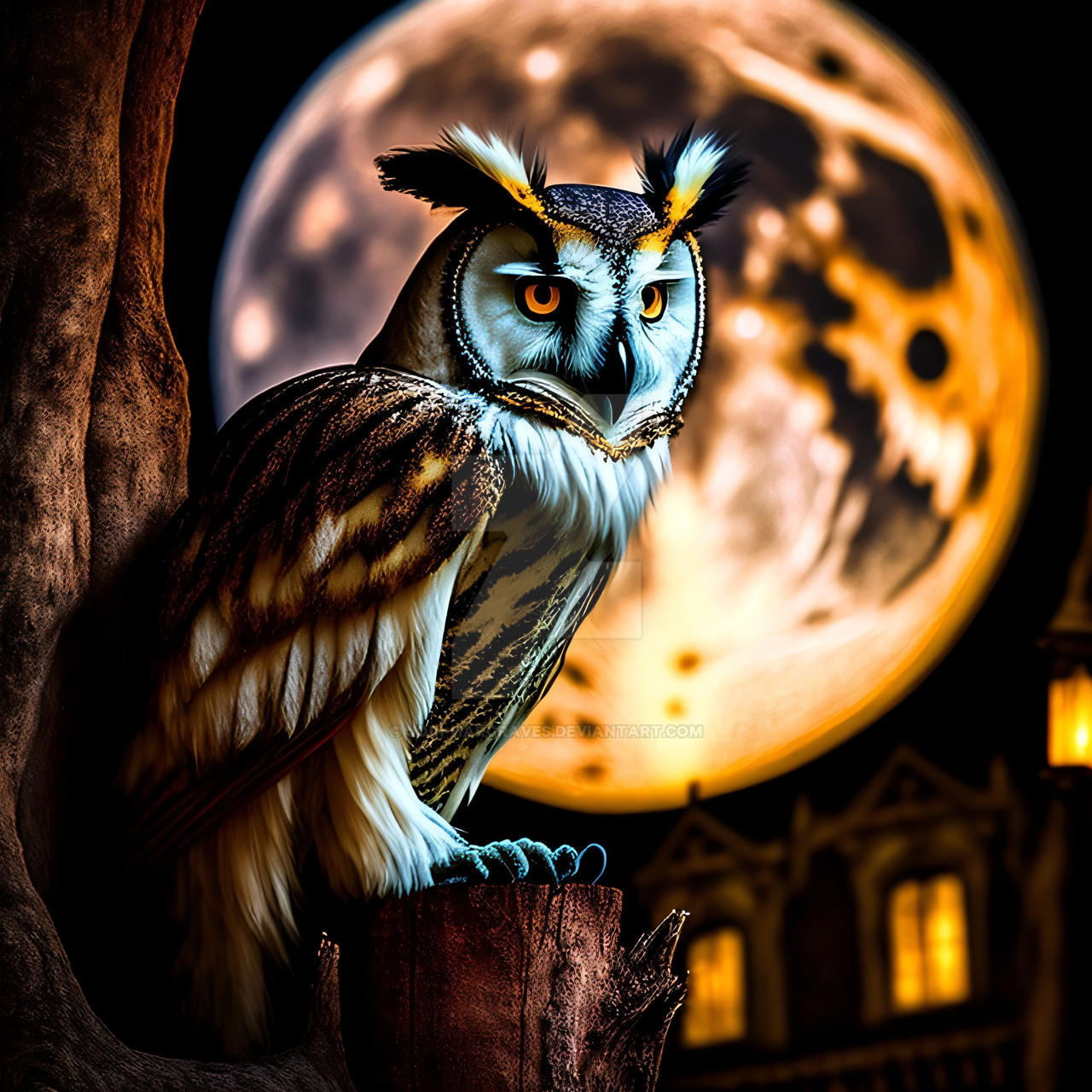
Night owls, those who thrive during the late hours of the night, have long been recognized for their unique approach to creativity. This lifestyle can significantly benefit various creative fields such as art, music, and writing. The nocturnal hours often provide an uninterrupted environment, allowing for deep focus and an innovative mindset that daytime distractions may hinder. Many renowned creative individuals have embraced this lifestyle, illustrating how late-night inspiration can lead to remarkable artistic achievements.
The night owl lifestyle offers several advantages for creative processes, often allowing individuals to tap into their most imaginative selves. The quiet of the night fosters an atmosphere where thoughts can flow freely without the interruptions typical of daytime activities. This phenomenon can lead to a state of heightened creativity, where ideas can develop and flourish without the constraints of structured environments.
Benefits of the Night Owl Lifestyle in Creative Fields
Numerous artists, musicians, and writers have embraced their night owl tendencies, demonstrating the potential of this lifestyle in enhancing creative output. Here are notable examples:
-
Vincent van Gogh, a prolific painter, famously worked at night, often stating that the moonlit landscape inspired his creativity.
His nocturnal paintings, such as “Starry Night,” reveal a unique perspective that only nighttime could offer, showcasing vibrant colors and swirling skies that others may have overlooked during the day.
-
Musician Frank Ocean is known for his late-night recording sessions, which have resulted in emotionally charged albums.
His ability to harness the solitude of night has led to the creation of some of the most introspective and innovative music in contemporary R&B.
-
Stephen King, a master storyteller, often writes late into the night, allowing his imagination to run wild without interruption.
His practice exemplifies how the peace of night can yield rich narratives and complex characters that readers find captivating.
These anecdotes illustrate that the night owl lifestyle may align perfectly with the creative processes inherent in various artistic fields. However, it’s essential to acknowledge that while night owls thrive creatively, they can face challenges in structured work environments.
Traditional workplace norms often favor early risers, which can create tension for night owls who may not perform optimally during standard business hours. This misalignment can lead to issues such as fatigue, decreased productivity, and the pressure to conform to a schedule that doesn’t accommodate their natural rhythms. In a world that often champions the early bird, night owls may feel undervalued, leading to a struggle for balance between their creative pursuits and the demands of conventional work environments. The challenge lies in finding a way to harness their late-night energy while navigating the expectations of society and professional settings.
The relationship between night owls and mental health
Many individuals identify as night owls, thriving during nocturnal hours while struggling with conventional daytime routines. This unique lifestyle has garnered attention regarding its correlation with mental health issues. Research suggests that night owls may experience heightened vulnerability to mental health challenges, particularly due to the misalignment between their natural sleep patterns and societal expectations. Such misalignment can lead to increased stress, anxiety, and depressive symptoms, creating a complex web of interrelated factors that affect their overall well-being.
Studies indicate a significant prevalence of sleep disorders among night owls, including insomnia and delayed sleep phase disorder. These sleep disorders can exacerbate existing mental health issues or contribute to the development of new ones. For instance, a study published in the journal *Sleep Health* found that individuals who identify as night owls have a higher incidence of anxiety and mood disorders compared to early risers. The inconsistency in sleep-wake cycles can disrupt the body’s internal clock, resulting in hormonal imbalances and a subsequent decline in mental health.
Prevalence of sleep disorders in night owls
The association between night owl tendencies and various sleep disorders is an alarming area of concern for both researchers and medical professionals. Understanding this relationship is crucial for developing effective coping mechanisms. Below are some key findings regarding the prevalence of sleep disorders in night owls:
- Insomnia rates are approximately 50% higher in night owls, leading to difficulties in both falling and staying asleep.
- Delayed Sleep Phase Disorder (DSPD) is often diagnosed in night owls, characterized by an inability to fall asleep until late at night and difficulty waking up in the morning.
- Increased levels of stress hormones such as cortisol have been observed in night owls, further worsening sleep quality and mental health.
- Night owls often report experiencing excessive daytime sleepiness, affecting their performance in daily activities and increasing irritability.
Coping mechanisms are vital for night owls struggling with mental health challenges. Individuals can benefit from implementing structured sleep schedules, limiting caffeine intake, and creating a sleep-conducive environment. Additionally, therapy and support groups can provide essential guidance and community for those facing difficulties. Resources like mindfulness apps or cognitive-behavioral therapy can also offer strategies tailored to improving sleep hygiene and mental health for night owls.
“Aligning sleep patterns with one’s natural tendencies can significantly enhance overall well-being and mental health.”
Closing Notes
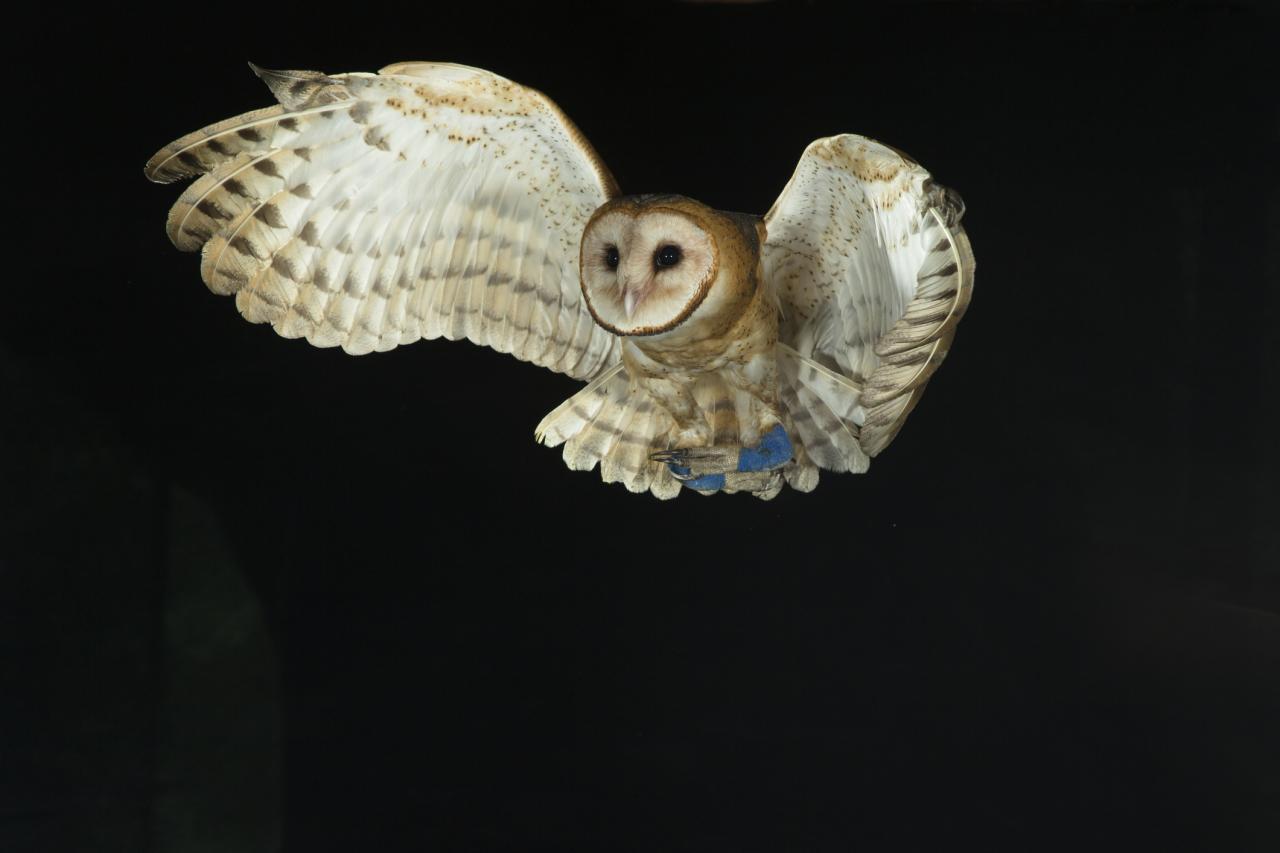
In summary, the life of a night owl is a rich tapestry woven from biological, cultural, and psychological threads. While embracing this nocturnal identity offers avenues for creativity and unique social experiences, it also presents challenges that require thoughtful strategies and self-awareness. By fostering a positive environment and understanding the implications of their lifestyle, night owls can thrive in both their personal and professional lives, ultimately leading to more fulfilling experiences under the stars.
Q&A
What are night owls more prone to regarding health?
Night owls may be more susceptible to sleep disorders, mental health issues, and chronic health conditions due to irregular sleep patterns.
Can night owls change their sleep patterns?
While it is possible for night owls to adjust their sleep schedules, it often requires significant effort and is not always sustainable without external influences.
Are night owls more creative than early risers?
Many studies suggest that night owls may possess unique creative advantages, particularly during nighttime hours when they feel most energized and inspired.
How can night owls improve their sleep hygiene?
Night owls can improve sleep hygiene by creating a consistent bedtime routine, limiting screen time before bed, and ensuring a comfortable sleep environment.
Do night owls face social stigma?
Yes, night owls often face social stigma in cultures that prioritize early rising, which can lead to feelings of isolation or misunderstanding.