
 Caroline Sarah
Snoring is a common yet often overlooked phenomenon that affects millions of people worldwide. It occurs when the airflow through the mouth and nose is partially obstructed during sleep, causing vibrations of the throat tissues that produce sound. Understanding the intricacies of snoring can empower individuals to address the issue effectively, whether for themselves or for their partners. With various physiological factors at play, including anatomy, body positioning, and lifestyle choices, it’s essential to delve deeper into what causes snoring and how it can be managed.
From culture-driven misconceptions to the severity of snoring patterns, the narrative surrounding this condition is multifaceted. Snoring not only disrupts sleep but can also indicate potential health issues, such as obstructive sleep apnea. By exploring the myths, identifying contributing factors, and evaluating treatment options, we can break down the stigma associated with snoring and promote a better understanding of its impact on overall health and relationships.
Understanding the physiological causes of snoring is essential for addressing the issue effectively.
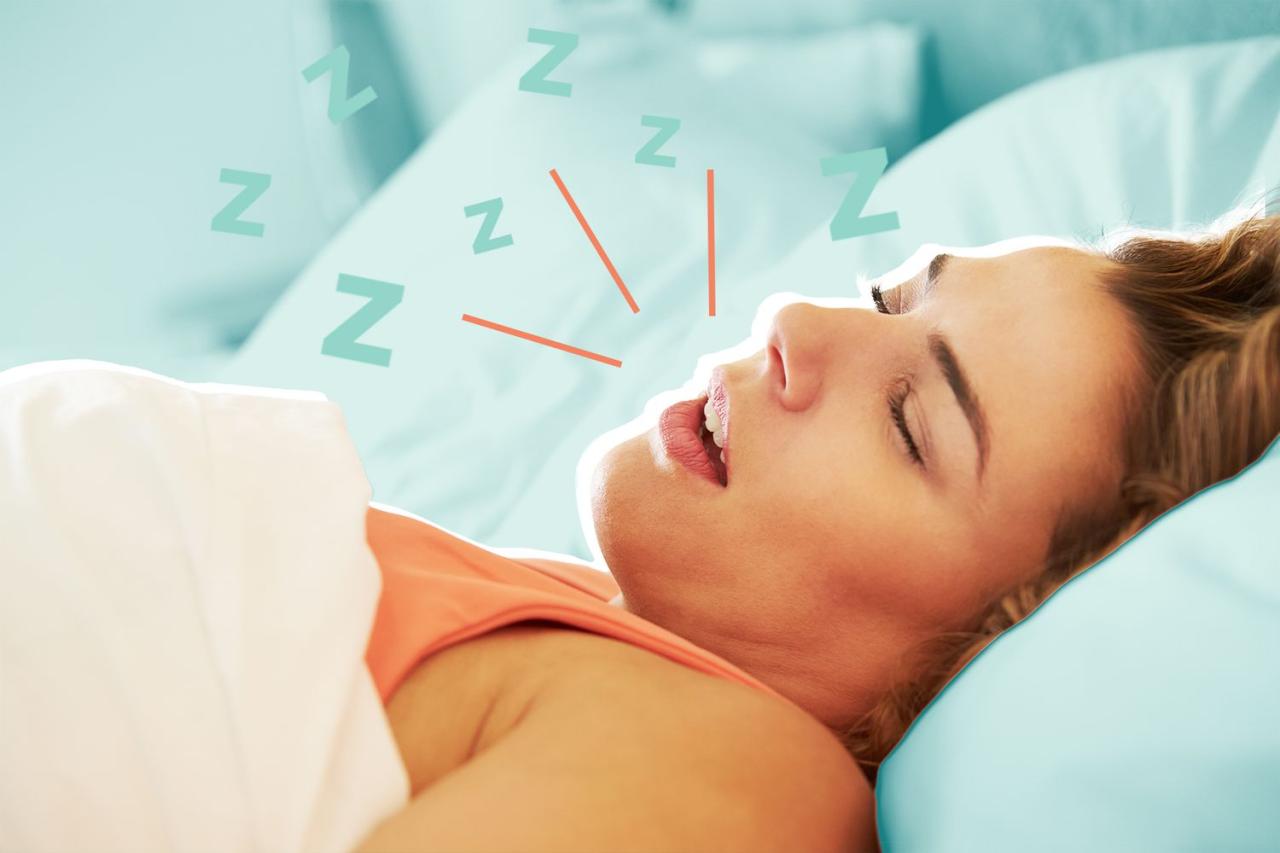
Snoring is a common condition that can disrupt both the snorer’s and their partner’s sleep. Understanding the physiological mechanisms behind snoring can help individuals address the issue more effectively. The sound of snoring is produced during sleep when airflow through the upper airway is partially obstructed. This obstruction leads to vibrations of the soft tissues in the throat, resulting in the characteristic sound.
One of the key anatomical structures involved in snoring includes the soft palate, which is located at the back of the roof of the mouth. When we sleep, especially in certain positions, this soft tissue can relax and sag, partially blocking the airway. Other structures that contribute to snoring include the uvula, which hangs down from the soft palate, and the tonsils, which can become enlarged and further obstruct airflow. The tongue also plays a significant role; when it relaxes during sleep, it may fall back into the throat, exacerbating airway blockage and leading to more pronounced snoring sounds.
Anatomy and Airway Obstruction
Airway obstruction is a significant factor in determining the severity and pattern of snoring. Various conditions can lead to or worsen airway obstruction, including obesity, allergies, and nasal congestion. When the airway becomes obstructed, it can lead to different patterns of snoring:
– Regular snoring: Often a result of simple airway collapse due to relaxed throat muscles, typically occurring when lying on the back.
– Intermittent snoring: This may occur when there are fluctuations in body position or during different sleep stages.
– Loud snoring: This indicates a more significant obstruction and is often associated with sleep apnea, a serious condition where breathing stops temporarily during sleep.
Understanding how airway obstruction impacts snoring patterns is essential for identifying potential treatments. For instance, individuals suffering from nasal congestion due to allergies might benefit from antihistamines, while those with significant obesity may need lifestyle changes or interventions to manage their weight.
Body positioning during sleep also greatly influences the severity and frequency of snoring. Certain positions can exacerbate airway obstruction, especially sleeping on the back, which allows the tongue and palate to collapse into the throat more easily. In contrast, side sleeping often results in less airway compression, reducing the likelihood of snoring. The following points highlight the importance of body positioning:
– Back sleeping: This position often increases snoring severity as the structures in the throat can collapse, hindering airflow.
– Side sleeping: This position tends to keep the airway open and reduce snoring, making it a recommended position for snorers.
– Elevated sleeping: Sleeping with the head elevated can also help minimize snoring by promoting better airflow through the nasal passages.
By understanding these physiological factors, individuals can take practical steps to manage and potentially reduce their snoring, leading to improved sleep quality for themselves and their partners.
Exploring common myths and misconceptions surrounding snoring can help in better understanding the condition.
Snoring is often regarded as a benign annoyance, yet it can signify underlying health issues. Understanding and debunking common myths surrounding snoring is essential for those affected by it, as well as for their partners and families. This exploration will highlight prevalent myths, the influence of cultural perceptions, and the differences between occasional and chronic snoring in health implications.
Common myths about snoring
Numerous myths exist regarding snoring, leading to misinformation and misunderstandings. Here are three prevalent myths, along with factual information to debunk them:
- Myth 1: Snoring is harmless and doesn’t require attention. Contrary to popular belief, snoring can be a symptom of obstructive sleep apnea, a serious condition that can lead to cardiovascular problems, hypertension, and other health issues. Seeking medical advice for frequent snoring is crucial.
- Myth 2: Only overweight individuals snore. While obesity is a significant risk factor for snoring, many thin individuals also snore due to other causes such as nasal congestion, sleep position, or anatomical differences in the throat. Genetics plays a vital role in snoring susceptibility.
- Myth 3: Snoring is purely a nighttime issue. Snoring can occur during the day, especially when an individual is tired or if they have allergies affecting their nasal passages. Daytime snoring might indicate that the underlying issue is not being addressed adequately.
Cultural perceptions of snoring and treatment willingness
Cultural attitudes toward snoring can significantly influence people’s willingness to seek treatment. In some cultures, snoring is viewed as a natural part of life, often treated humorously. This perception can lead individuals to dismiss it as a minor inconvenience rather than a potentially serious health concern. Moreover, societal norms regarding masculinity or femininity may affect how individuals respond to snoring, with some men feeling embarrassed to seek help, viewing it as a sign of weakness. Understanding these cultural perceptions is essential in promoting awareness and encouraging individuals to address their snoring issues proactively.
Differences between occasional snoring and chronic snoring
The implications of snoring can vary significantly between occasional and chronic cases. Occasionally, snoring may not pose any health risks. It can be triggered by temporary factors such as fatigue, alcohol consumption, or seasonal allergies. However, chronic snoring, defined as snoring occurring on most nights, can indicate more severe health problems.
Chronic snoring is commonly associated with:
- Obstructive sleep apnea, leading to fragmented sleep and a higher risk of cardiovascular disease.
- Increased daytime sleepiness, which can affect work performance and increase the risk of accidents.
- Potential strain on relationships due to disruptive sleep patterns experienced by partners.
Understanding the difference between occasional and chronic snoring is vital for individuals to recognize when it is time to consult a healthcare professional for further evaluation and treatment options.
Investigating the relationship between snoring and sleep disorders reveals critical health insights.
Snoring is often viewed as a mere nuisance, but its connection to underlying sleep disorders, particularly obstructive sleep apnea (OSA), is critical for understanding overall health. Investigating this relationship uncovers significant health implications that extend beyond disrupted sleep.
The connection between snoring and obstructive sleep apnea is marked by the repeated obstruction of the airway during sleep, leading to intermittent breathing pauses. Individuals with OSA often experience loud snoring accompanied by choking or gasping sounds. Other symptoms include excessive daytime sleepiness, difficulty concentrating, and irritability. This condition poses serious health risks such as cardiovascular disease, hypertension, diabetes, and increased risk of accidents due to daytime fatigue.
Common Sleep Disorders Related to Snoring
Understanding the various sleep disorders associated with snoring is essential for identifying effective treatments. The following table Artikels these disorders, their signs, and treatment options:
| Sleep Disorder | Signs | Treatment Options |
|---|---|---|
| Obstructive Sleep Apnea (OSA) | Loud snoring, gasping for air, daytime fatigue | CPAP therapy, lifestyle changes, surgery |
| Central Sleep Apnea | Pauses in breathing with no effort to breathe | Adaptive servo-ventilation, oxygen therapy |
| Complex Sleep Apnea Syndrome | Combo of OSA and central sleep apnea | Similar treatments as OSA & central apnea |
| Parasomnias (e.g., sleepwalking) | Unusual behavior during sleep, sleep talking | Medications, sleep hygiene practices |
Statistics reveal that snoring affects sleep quality significantly, with studies indicating that up to 45% of adults experience habitual snoring. In those with OSA, the disruption of sleep leads to decreased oxygen levels in the blood, which can result in long-term health issues. A report from the American Academy of Sleep Medicine suggests that untreated sleep apnea is associated with a threefold increase in the risk of mortality, alongside increased healthcare costs due to complications arising from poor sleep quality.
Addressing snoring not only improves sleep quality but also mitigates serious health risks associated with sleep disorders.
Identifying lifestyle factors that contribute to snoring can guide individuals toward effective prevention strategies.
Understanding the lifestyle factors that lead to snoring is essential for individuals seeking effective prevention strategies. Snoring often stems from a combination of physical and environmental influences, and by recognizing these factors, individuals can take actionable steps to reduce their snoring and enhance their overall sleep quality.
Five lifestyle changes to reduce snoring
Making intentional lifestyle changes can significantly impact snoring habits. Here are five changes that can help reduce snoring and improve sleep quality:
- Adjusting Sleep Position: Sleeping on your back can exacerbate snoring due to the position of the tongue and soft palate. Training yourself to sleep on your side can alleviate this issue.
- Avoiding Alcohol and Sedatives: Alcohol and sedative medications relax the throat muscles, increasing the likelihood of snoring. Limiting consumption, particularly before bedtime, can help reduce snoring.
- Establishing a Regular Sleep Schedule: Maintaining a consistent sleep routine can improve sleep quality and reduce the chances of snoring. Aim for 7-9 hours of sleep each night.
- Practicing Good Sleep Hygiene: Creating a favorable sleep environment, such as a cool, dark, and quiet room, can greatly enhance sleep quality and reduce disturbances, including snoring.
- Staying Hydrated: Dehydration can lead to thicker mucus in the throat, which may worsen snoring. Drinking sufficient water throughout the day can help keep mucus thin and manageable.
Dietary recommendations to mitigate snoring issues
Diet plays a crucial role in managing snoring. Certain foods can help mitigate snoring by promoting better respiratory health and reducing inflammation. Consider the following dietary recommendations:
- Fruits and Vegetables: Incorporate a variety of fruits and vegetables, particularly those high in antioxidants like berries, leafy greens, and citrus fruits.
- Whole Grains: Choose whole grains such as brown rice, quinoa, and oats, which can help maintain a healthy weight.
- Omega-3 Fatty Acids: Foods rich in omega-3s, such as salmon, walnuts, and flaxseeds, may help reduce inflammation in the airways.
- Lean Proteins: Include sources of lean proteins, such as chicken, turkey, and legumes, which are less likely to contribute to weight gain compared to fatty meats.
- Avoiding Dairy and Heavy Meals Before Sleep: Heavy, rich foods and dairy products can increase mucus production, worsening snoring. Aim for lighter meals in the evening.
Weight management and its influence on snoring patterns
Weight management is a significant factor in reducing snoring patterns and improving overall health. Excess weight, particularly around the neck, can constrict the airways, leading to increased snoring. Maintaining a healthy weight not only helps reduce snoring but also lowers the risk of developing sleep apnea, a more serious condition.
It’s important to adopt a balanced diet and regular exercise regime as part of weight management. For instance, even a modest weight loss of 5-10% of body weight can lead to significant improvements in snoring and sleep quality. In some cases, individuals may find that losing weight leads to a reduction or even elimination of their snoring. This approach highlights the interconnectedness of lifestyle choices, weight, and sleep health.
Evaluating various treatment options for snoring will empower individuals to make informed choices.
Snoring can disrupt sleep quality and affect relationships, making it essential to explore effective treatment options. Understanding both home remedies and medical interventions equips individuals with the knowledge needed to choose the best approach for their specific situation. This evaluation not only addresses the effectiveness of different treatments but also highlights various devices and the potential benefits of surgical versus non-surgical methods.
Effectiveness of Home Remedies versus Medical Treatments for Snoring Relief
Home remedies for snoring, such as changing sleep positions, maintaining a healthy weight, and using humidifiers, are often the first line of defense. These methods can be effective for mild snorers and are appealing due to their accessibility and low cost. However, their success may vary based on the underlying causes of snoring.
On the other hand, medical treatments can offer more definitive solutions, especially for individuals with underlying health issues like sleep apnea. Treatments such as continuous positive airway pressure (CPAP) therapy and oral appliances are designed to keep the airway open during sleep. While home remedies can be beneficial, medical treatments often provide more substantial relief for those with moderate to severe snoring.
Popular Devices Designed to Alleviate Snoring
Several devices are specifically designed to combat snoring by addressing the factors that contribute to it. Here are three popular options:
- CPAP Machine: This device delivers a continuous stream of air, keeping the airway open during sleep. CPAP is particularly effective for individuals with obstructive sleep apnea and has been shown to reduce snoring significantly.
- Mandibular Advancement Devices (MADs): These custom-fitted oral devices reposition the jaw to keep the airway open. MADs can be effective for individuals who snore due to tongue or jaw positioning.
- Nasal Strips: These adhesive strips are placed on the outside of the nose to widen the nostrils, allowing for better airflow. They are a simple, non-invasive solution for those whose snoring is primarily caused by nasal congestion.
Comparison of Surgical and Non-Surgical Options for Addressing Snoring
When considering treatment options for snoring, it’s crucial to weigh the benefits and drawbacks of surgical versus non-surgical interventions. Below is a chart summarizing the pros and cons of each approach:
| Option | Pros | Cons |
|---|---|---|
| Surgical Options |
|
|
| Non-Surgical Options |
|
|
In summary, evaluating treatment options for snoring empowers individuals to make informed choices based on their needs and circumstances. By understanding the effectiveness of home remedies versus medical treatments, exploring various devices, and considering the pros and cons of surgical and non-surgical options, individuals can take proactive steps towards achieving better sleep and improved quality of life.
The psychological impact of dealing with snoring should not be overlooked, as it affects relationships and mental health.

Snoring can be more than just a nuisance; it can have significant psychological ramifications for both the snorer and their partner. The sound of snoring, especially when loud and persistent, can disrupt the peace needed for restorative sleep, leading to a cascade of emotional distress and relationship strain. Over time, this can foster frustration, resentment, and even conflict between partners, as one person may feel helpless in finding a solution while the other may be unaware of the impact their snoring has on their loved one.
The emotional toll of snoring extends into various dimensions of a relationship, often leading to misunderstandings and feelings of isolation. Partners may feel neglected or unappreciated if they are unable to get a good night’s sleep. This sleep deprivation can lead to irritability and a lack of patience, further exacerbating relationship challenges. Addressing snoring is not merely about finding a cure; it’s about fostering a supportive environment where both partners feel heard and valued.
Strategies for coping with a partner’s snoring
Communication is key in navigating the challenges posed by snoring. By openly discussing the issue, couples can build a stronger understanding and find ways to support each other. Here are some effective coping strategies:
- Open dialogue: Encourage honest conversations about how snoring affects sleep and overall well-being. Express feelings without assigning blame, focusing on the shared goal of improving sleep quality.
- Explore solutions together: Research potential remedies, such as sleeping positions, nasal strips, or lifestyle changes. Collaborating on solutions can increase feelings of partnership and mutual support.
- Establish a sleep routine: Creating a consistent bedtime routine can promote better sleep for both partners. This includes winding down together and creating a calming environment free of distractions.
- Consider separate sleeping arrangements: If snoring is particularly disruptive, sleeping in separate rooms may be a viable option. This can provide each partner with the rest they need while still maintaining a close relationship.
- Seek professional help: If snoring persists, consulting a healthcare provider can help identify underlying causes and treatments, reinforcing the idea that both partners are committed to resolving the issue.
Implementing these strategies can significantly enhance emotional well-being. Partners who address the snoring issue together may find that their relationship strengthens as they navigate challenges collaboratively. A focus on improving sleep quality can also lead to better mental health outcomes, resulting in heightened mood and reduced anxiety levels.
In summary, addressing snoring thoughtfully can not only alleviate the immediate issues of sleep disruption but also foster a healthier emotional landscape for both partners, paving the way for improved mutual understanding and stronger relationships.
Conclusive Thoughts
In conclusion, snoring is more than just a nuisance; it can be a significant indicator of underlying health concerns and relationship strains. By addressing the physiological causes and lifestyle factors that contribute to snoring, individuals can take proactive steps toward improving their sleep quality and overall well-being. Embracing effective treatment options and debunking myths surrounding snoring not only aids in personal health but also enhances the quality of life for couples impacted by this common issue.
Detailed FAQs
What are the main causes of snoring?
Snoring can be caused by factors such as nasal congestion, obesity, sleep position, and the anatomy of the mouth and throat.
Can snoring indicate serious health problems?
Yes, chronic snoring can be a sign of obstructive sleep apnea, which can pose serious health risks if left untreated.
Are there lifestyle changes that can help reduce snoring?
Yes, lifestyle changes such as losing weight, avoiding alcohol, and changing sleep positions can help reduce snoring.
Do sleep aids affect snoring?
Some sleep aids can relax the throat muscles and potentially increase the likelihood of snoring, so it’s important to consult a doctor.
Is snoring common in children?
Yes, snoring is also common in children, and it can be related to allergies or enlarged tonsils, so it’s best to consult a pediatrician if concerned.