
 Caroline Sarah
Jet lag is more than just a travel inconvenience; it’s a physiological challenge that many travelers face. As we journey across time zones, our internal body clock struggles to adapt, leading to a myriad of effects on our health and well-being. Understanding jet lag is crucial for frequent flyers, as it can disrupt sleep patterns, energy levels, and overall mood, transforming the excitement of travel into a daunting experience.
This phenomenon occurs when the body’s circadian rhythms, which govern our sleep-wake cycles, become misaligned with the local time at our destination. The resulting symptoms can range from fatigue to irritability, and their severity often depends on factors like flight duration and individual differences. By grasping the intricacies of jet lag, travelers can better equip themselves with strategies to minimize its impacts and enhance their travel experiences.
Understanding the physiological effects of jet lag
Jet lag is a common experience for travelers who cross multiple time zones, leading to a range of physical and mental challenges. It primarily affects the body’s internal clock, also known as the circadian rhythm, resulting in various physiological responses that can be disruptive and uncomfortable. Understanding these effects is essential for managing and mitigating the symptoms associated with jet lag.
Jet lag occurs when there is a mismatch between an individual’s internal biological clock and the external environment, particularly the new time zone’s light-dark cycle. The human body operates on a roughly 24-hour cycle, regulating functions such as sleep-wake patterns, hormone release, and metabolism. The primary regulator of this cycle is the circadian rhythm, which is influenced by external cues like light. When a person travels across time zones, this synchronization is disrupted, leading to physiological consequences.
One of the most significant impacts of jet lag is on sleep patterns. The body struggles to adjust to the new time zone, leading to sleep disturbances such as insomnia or excessive daytime sleepiness. Hormones like melatonin, which play a crucial role in regulating sleep, may be released at inappropriate times, causing further disorientation. Moreover, the rapid transition can lead to feelings of fatigue, irritability, and difficulty concentrating.
Role of Circadian Rhythms
Circadian rhythms are fundamental to understanding jet lag. They govern various hormonal cycles that affect energy levels and alertness throughout the day. When traveling, the disruption of these rhythms can lead to several physiological effects:
- Sleep Disruption: A misalignment between the internal clock and the external environment can result in fragmented sleep or insomnia, affecting cognitive function and mood.
- Energy Levels: Travelers may experience fatigue or lethargy as their bodies attempt to recalibrate to the new time zone, often exacerbated by environmental factors like light exposure and social activities.
- Metabolic Changes: Shifted meal times can disrupt metabolism, leading to digestive issues or changes in appetite, further compounding the feeling of malaise.
This misalignment between biological and environmental time creates a physiological burden that can take days or even weeks to fully overcome, emphasizing the complexity of traveling across time zones and its effects on the human body.
Identifying common symptoms experienced during jet lag
Jet lag is a temporary sleep disorder that occurs when the body’s internal clock is out of sync with the new time zone after a long flight. It is often characterized by a variety of symptoms that can significantly affect a person’s well-being. Understanding these symptoms is crucial for travelers looking to minimize discomfort and optimize their travel experience.
The symptoms of jet lag can vary widely among individuals, influenced by factors such as age, health status, and the number of time zones crossed. Additionally, the duration of the flight can play a significant role in the intensity of these symptoms. Below is a comprehensive list of common jet lag symptoms and their descriptions.
Common Symptoms of Jet Lag
The following symptoms are commonly associated with jet lag, and awareness of these can aid in recognizing the condition early and taking steps to alleviate it:
- Fatigue: A pervasive sense of tiredness that can affect both physical and mental performance, often leading to decreased productivity.
- Insomnia: Difficulty falling asleep or staying asleep at the appropriate local time, resulting in disrupted sleep patterns.
- Difficulty concentrating: A reduction in cognitive functions, making it challenging to focus on tasks or make decisions.
- Headaches: Tension headaches may arise due to changes in sleep patterns and hydration levels.
- Digestive issues: Changes in eating schedules can lead to upset stomach, constipation, or diarrhea.
- Mood changes: Increased irritability, anxiety, or feelings of depression can occur as the body struggles to adapt.
- Disorientation: A feeling of being out of touch with one’s surroundings or experiencing a lack of clarity in thinking.
The severity of these symptoms can differ greatly among individuals. Factors such as age, with older adults often experiencing more pronounced effects, and pre-existing health conditions like sleep disorders or anxiety can exacerbate jet lag symptoms. Furthermore, frequent travelers may develop a level of tolerance to the effects of jet lag, while those traveling across multiple time zones for the first time may find the symptoms more intense.
In general, there is a notable correlation between flight duration and the intensity of jet lag symptoms. Longer flights, especially those that cross five or more time zones, tend to cause more severe symptoms. For instance, a flight from New York to Tokyo (approximately 14 hours) may lead to more significant fatigue and sleep disturbances compared to a shorter trip from New York to London (about 7 hours).
Understanding these symptoms and their variability is essential for travelers, as it allows them to better prepare and take proactive measures to mitigate the impact of jet lag on their journey.
Comparing different strategies for coping with jet lag
Jet lag can disrupt travel plans and affect overall well-being, making it essential to adopt effective strategies to alleviate its symptoms. Various methods exist, each with unique approaches and effectiveness. By understanding these strategies, travelers can make informed choices to mitigate the adverse effects of crossing time zones.
Light Exposure Management
One effective strategy for reducing jet lag symptoms involves managing exposure to natural light. By adjusting light exposure before and after travel, individuals can help reset their internal body clock.
- Pros: This method is non-invasive and highly effective for many travelers. Studies have shown that exposure to bright light can significantly help in adjusting circadian rhythms, particularly when traveling eastwards.
- Cons: It requires careful planning and may not be feasible for all travel itineraries. Also, those in less sunny locations may find it challenging to implement.
Melatonin Supplementation
Melatonin is a hormone that regulates sleep-wake cycles and is often used as a supplement to combat jet lag. Taking melatonin before bedtime can aid in falling asleep faster and adjusting to new time zones.
- Pros: Melatonin supplements are widely available and can be effective in promoting quicker adaptation to different sleep schedules. Research indicates that they can reduce sleep onset time.
- Cons: Potential side effects include dizziness, nausea, and drowsiness during the day. Additionally, over-reliance on supplements may not address the root causes of sleep disturbances.
Hydration and Nutrition Management
Maintaining proper hydration and nutrition can significantly impact how the body copes with jet lag. Drinking adequate water and consuming well-balanced meals can help alleviate fatigue and ensure optimal functioning.
- Pros: Staying hydrated can enhance overall well-being and energy levels. Healthy eating can stabilize blood sugar levels, which can be particularly beneficial during long flights.
- Cons: This strategy requires discipline and access to proper food and drink options during travel. It may also be challenging to adapt eating schedules to match new time zones effectively.
| Strategy | Effectiveness | Ease of Implementation |
|---|---|---|
| Light Exposure Management | High | Moderate |
| Melatonin Supplementation | Moderate to High | High |
| Hydration and Nutrition Management | Moderate | Moderate to Low |
Choosing the right coping strategy for jet lag depends on individual preferences, travel schedules, and overall health considerations.
Exploring the psychological impacts of jet lag
Jet lag not only disrupts our sleep-wake cycle but also has a significant effect on our mood and overall mental health. Traveling across time zones can leave individuals feeling disoriented, fatigued, and anxious, which can lead to a cascade of psychological issues. Understanding these impacts is crucial for frequent travelers and anyone involved in long-distance travel.
Research indicates that jet lag can lead to increased irritability, mood swings, and heightened stress levels. The disruption of circadian rhythms affects the production of hormones like melatonin and cortisol. These hormonal shifts can strongly influence emotional regulation and overall mental health.
Mood and Mental Health Effects
The relationship between jet lag and mood is complex, with several contributing factors that can exacerbate emotional disturbances. Some notable effects include:
-
Increased anxiety and stress levels due to the body’s struggle to adapt to new time zones.
-
Heightened feelings of sadness or depression, particularly in individuals with pre-existing mood disorders.
-
Challenges in social interactions, as irritability may lead to conflicts with travel companions or colleagues.
Jet lag can lead to cognitive impairment, making it difficult to concentrate and perform tasks efficiently. Sleep disruption plays a crucial role in this cognitive decline.
Sleep Disruption and Cognitive Function
The connection between sleep disruption caused by jet lag and cognitive function is well-documented. Sleep is vital for cognitive processes, including memory consolidation and decision-making. When sleep is compromised, the following cognitive issues may arise:
-
Impaired attention and focus, making it harder to engage in conversations or follow instructions.
-
Reduced memory retention, which can affect both short-term and long-term memory tasks.
-
Compromised problem-solving skills, leading to difficulties in critical thinking and creativity.
Frequent jet lag can have long-lasting effects on mental well-being.
Long-Term Psychological Effects
For individuals who travel frequently across time zones, the psychological consequences of jet lag may accumulate over time, potentially leading to chronic mental health issues. Some of the long-term effects include:
-
Development of chronic anxiety disorders, stemming from repeated stress and adjustment challenges.
-
Increased risk of major depressive episodes, particularly in susceptible populations.
-
Long-term alterations in sleep patterns and circadian rhythms, contributing to persistent insomnia or other sleep disorders.
Awareness of these psychological impacts can help travelers manage their mental health more effectively during and after travel, ensuring that both their physical and emotional well-being are prioritized.
Designing a personal jet lag recovery plan
Recovering from jet lag can often feel like an uphill battle, especially after traversing multiple time zones. However, a well-structured recovery plan can significantly ease the transition back to your regular schedule. This plan will guide you through effective strategies to minimize the effects of jet lag, prioritize hydration and nutrition, and optimize your recovery based on the number of time zones crossed.
The following recovery plan is tailored to help individuals quickly adjust to new time zones. It includes suggested timelines and activities that will enhance your recovery process, ensuring you’re back to peak performance as soon as possible.
Jet Lag Recovery Steps Based on Time Zones Crossed
The severity of jet lag can vary depending on how many time zones you’ve crossed. Here’s a breakdown of recovery strategies based on the number of time zones shifted:
- 1-2 Time Zones:
– Adjust your sleep schedule by 30 minutes each night before departure, if possible.
– Focus on maintaining hydration by drinking plenty of water before, during, and after your flight. - 3-4 Time Zones:
– Shift your sleeping and eating times closer to your destination’s schedule 1-2 days prior to travel.
– Upon arrival, spend time outdoors to help reset your internal clock with natural light exposure.
– Incorporate light meals with a balance of protein and complex carbohydrates. - 5 or More Time Zones:
– Begin adjusting your sleep schedule 2-3 days in advance, moving your bedtime earlier or later according to your destination.
– Stay well-hydrated by drinking at least 8-10 glasses of water a day and avoid alcohol and caffeine during the flight.
– After arrival, prioritize getting sunlight exposure in the morning and avoid heavy meals in the evening.
– Gradually introduce exercise, starting with light stretching and moving towards more vigorous activities as you adjust.
Hydration is crucial in the recovery process. Dehydration can exacerbate feelings of fatigue and disorientation, which are common symptoms of jet lag. Drinking water consistently throughout your travel and after your arrival can significantly improve your physical and mental state.
Nutrition also plays a vital role in recovery. Consider the following strategies to enhance your dietary intake during this period:
- Prioritize meals rich in lean proteins, fruits, and vegetables post-flight.
- Incorporate foods high in magnesium, such as nuts and leafy greens, which can aid in relaxation and improve sleep quality.
- Limit sugar and fatty foods that may lead to energy crashes or digestive discomfort.
“Hydration and nutrition are key components in successfully recovering from jet lag. Prioritize these for a smoother transition.”
Analyzing the role of technology in managing jet lag
As globalization increases and travel becomes more common, managing the effects of jet lag has become a priority for many travelers. Technology plays a vital role in this arena, offering various solutions designed to reduce the impact of time zone changes on the body. By leveraging apps and devices, travelers can better regulate their sleep patterns, hydration levels, and overall well-being while on the go.
Numerous applications and tools have emerged to aid in minimizing jet lag effects. These technologies provide personalized insights and recommendations based on flight schedules, individual sleep patterns, and lifestyle habits. Integrating technology into travel routines can significantly enhance a traveler’s experience and mitigate the fatigue commonly associated with long-haul flights.
Features of Technology for Jet Lag Management
The effectiveness of technology in combating jet lag is highlighted by various features that support travelers before, during, and after their journeys. Understanding these features can empower travelers to make informed decisions for a smoother travel experience.
- Sleep Tracker Apps: Many apps monitor sleep patterns and provide insights on how to adjust sleep schedules before travel. Sleep Cycle and Sleep Score are popular choices that analyze sleep quality and suggest optimal sleep times.
- Light Therapy Devices: These devices mimic natural sunlight exposure, helping to reset circadian rhythms. Products like the Philips Wake-up Light can gradually adjust light levels to assist in waking up at the appropriate time in a new time zone.
- Hydration Reminders: Staying hydrated is crucial during travel, and apps like WaterMinder can prompt travelers to drink water at regular intervals, which helps in reducing fatigue and maintaining energy levels.
- Time Zone Adjusters: Several apps automatically adjust to local time zones, sending reminders for when to sleep or stay awake based on flight itineraries. Time Zone Converter is a simple yet effective tool for planning activities around new time zones.
- Personalized Recommendations: Some advanced travel platforms, like JetLag Rooster, offer customized schedules for adjusting sleep patterns leading up to a trip, based on flight details and personal sleep habits.
User experiences with these technologies reveal a positive impact on managing jet lag. For instance, one traveler shared their story about using a sleep tracking app that suggested a gradual shift in their sleep schedule before a long-haul flight to Tokyo. Following the app’s advice, they found it easier to adapt upon arrival, reporting less fatigue than during previous trips. Another traveler praised their light therapy device, noting that it helped them wake up feeling refreshed and alert in their new time zone rather than groggy and disoriented.
“Using technology to manage jet lag has been a game changer for my travels. I’ve noticed that planning ahead with these apps makes all the difference.”
Investigating cultural perspectives on jet lag
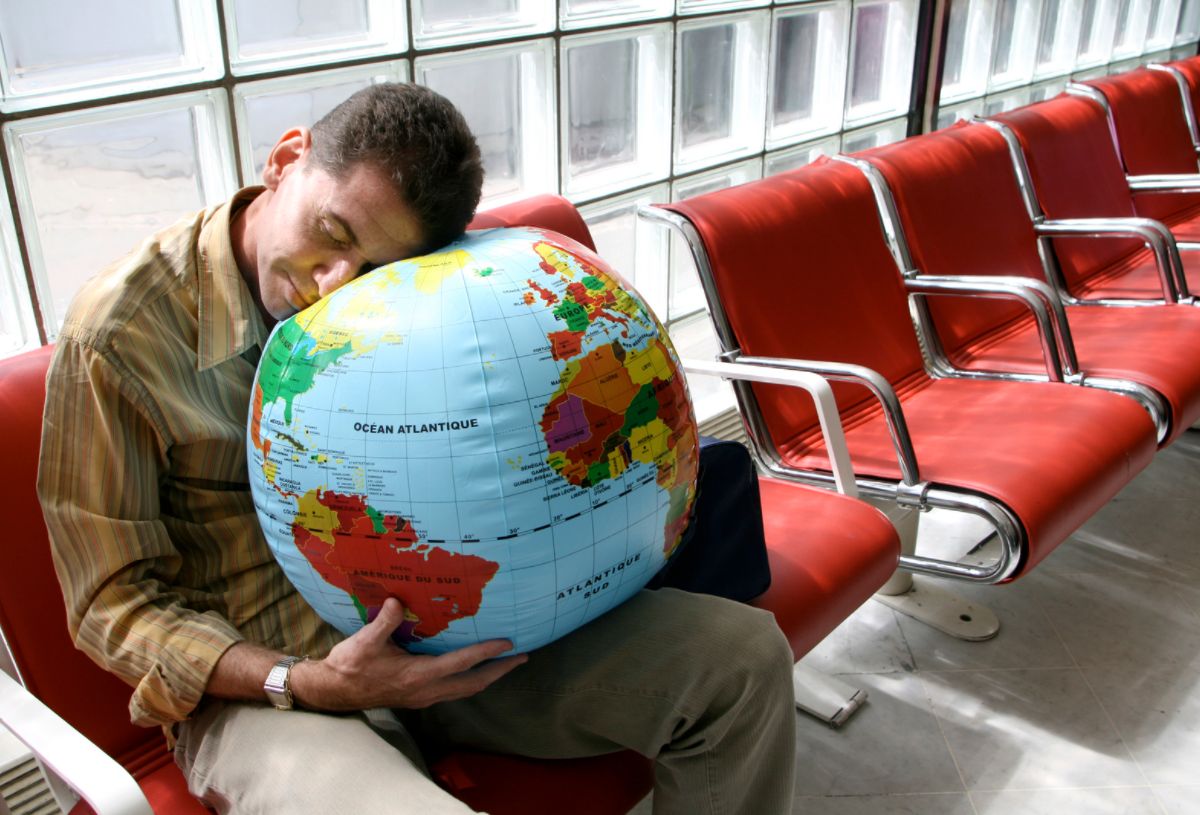
The phenomenon of jet lag extends beyond mere physical discomfort; it intertwines with cultural attitudes and practices surrounding travel. Different cultures interpret and cope with the effects of crossing multiple time zones in unique ways, shaped by their societal norms and values. Understanding these cultural perspectives not only enriches our knowledge of travel but also offers insights into how various communities manage the transition between time zones.
Perceptions and coping mechanisms across cultures
Cultural perceptions of jet lag can greatly influence how individuals experience and manage its effects. In many Western cultures, jet lag is often viewed as an unavoidable consequence of modern travel, leading to a reliance on quick fixes such as caffeine or sleep aids. In contrast, some Eastern cultures may emphasize a more holistic approach to coping with jet lag, integrating traditional practices and lifestyle adjustments into their travel routines.
For example, in Japan, travelers often prioritize a balanced diet and hydration during long flights. Traditional practices such as consuming green tea and miso soup are believed to help restore vitality and balance to the body after long-haul flights. Similarly, in many Mediterranean cultures, there is a strong emphasis on rest and taking time to acclimatize to a new environment. This approach recognizes the importance of allowing the body to adjust naturally to new time zones.
Traditional methods for combating jet lag
Various regions have developed traditional methods to mitigate the effects of jet lag, reflecting their unique cultural practices. These methods often include natural remedies and lifestyle changes that are believed to foster recovery during and after travel. Here are some notable examples:
- Ayurvedic practices in India: In India, travelers may use Ayurvedic herbs and spices, such as ginger and turmeric, which are thought to aid digestion and enhance energy levels. Daily routines, or “dinacharya,” are also emphasized to help align the body’s rhythms with local time.
- Siesta culture in Spain: The tradition of taking a siesta allows individuals to rest and recharge after long journeys, promoting better adjustment to local time zones. This built-in rest period helps mitigate fatigue often associated with jet lag.
- Mindfulness techniques in Thailand: In Thailand, practices such as meditation and yoga are commonly employed by travelers to reduce stress and promote relaxation, which can counteract the disorientation caused by jet lag.
Cultural attitudes towards travel and rest
Cultural attitudes towards travel itself can greatly influence how jet lag is perceived and managed. In cultures where travel is seen as an essential part of life or business, there is often a greater acceptance of jet lag as a natural consequence. For instance, in American corporate culture, frequent travel is commonplace, and strategies to cope with jet lag may include adjusting work schedules or using productivity apps to optimize work-life balance despite fatigue.
Conversely, in cultures that prioritize rest and reflection, such as in Scandinavian countries, there is often a more leisurely approach to travel. People may extend their trips to allow for adequate recovery time, fostering a more relaxed attitude toward potential jet lag. This cultural perspective underscores the significance of rest, viewing it as integral to overall well-being rather than merely an inconvenience.
“Cultural practices not only shape our experiences of jet lag but also influence how we adapt to the challenges of modern travel.”
Examining the impact of age on jet lag recovery
Jet lag can affect anyone who travels across time zones, but the degree to which it impacts individuals and their recovery varies significantly with age. Understanding how age influences the body’s ability to adjust to new time zones offers valuable insights for travelers, enabling them to adopt more effective strategies for managing jet lag.
The body’s circadian rhythms change as we age, impacting how quickly individuals can adjust to new time zones. Younger adults typically recover from jet lag faster than older adults and children may experience a different set of challenges. As the body ages, sleep patterns often become more entrenched, making adjustments to new time zones more difficult. Each age group has its own unique strategies for coping with the challenges of jet lag.
Recovery Strategies for Different Age Groups
Each age group has distinct recovery strategies that can aid in reducing the effects of jet lag. When considering children, adults, and seniors, tailored approaches can make a significant difference in recovery time and comfort. Below are some effective strategies for each age group.
For children:
– Gradual Adjustment: Prior to travel, gradually shifting a child’s bedtime closer to the destination’s time zone can be beneficial.
– Consistent Routine: Maintaining a consistent sleep routine, even while traveling, helps children’s bodies adjust more easily.
– Engagement in Activities: Keeping children active upon arrival can help them acclimatize faster.
For adults:
– Strategic Planning: Adults can plan travel itineraries to include a few days of adjustment time upon arrival, especially for long-distance flights.
– Light Exposure: Exposure to natural light at the destination can help reset the circadian clock more effectively.
– Hydration and Nutrition: Staying hydrated and eating light meals can ease the physical stress of travel.
For seniors:
– Rest Before Travel: Ensuring adequate rest before a trip can help seniors manage the stresses associated with travel.
– Medication Review: Seniors should consult their healthcare provider regarding any medications that might affect sleep or jet lag recovery.
– Shorter Travel Times: Opting for shorter flights or avoiding multiple time zone changes can minimize jet lag severity.
“Adjusting sleep patterns is essential for all age groups, but the methods to achieve this can vary widely.”
Travel habits also differ across generations, impacting how jet lag is experienced. Younger individuals often travel more frequently and are generally more adaptable to changing routines. In contrast, seniors may prioritize shorter trips and less frequent travel, potentially leading to more pronounced jet lag effects when they do travel. This generational shift highlights the importance of understanding each group’s unique needs and experiences when combating jet lag.
Last Point
In conclusion, while jet lag can pose significant hurdles for travelers, understanding its physiological, psychological, and cultural aspects allows for effective coping strategies. By employing personalized recovery plans and utilizing technology, individuals can mitigate the effects of jet lag and restore their well-being more swiftly. With a little preparation and knowledge, travelers can enjoy their journeys without being held back by the fatigue of crossing time zones.
Popular Questions
What is the main cause of jet lag?
Jet lag occurs primarily due to the disruption of the body’s circadian rhythms when traveling across multiple time zones, leading to a misalignment between internal and external time.
How long does jet lag typically last?
Jet lag duration varies but generally lasts for about one day for every time zone crossed, although individual experiences may differ.
Are there any foods that can help with jet lag?
Foods rich in melatonin, such as cherries and bananas, as well as hydrating foods can help regulate sleep patterns and alleviate some jet lag symptoms.
Can exercise help reduce jet lag symptoms?
Yes, engaging in light exercise can promote circulation and boost mood, which may aid in adjusting to new time zones and mitigating jet lag effects.
Is it possible to prevent jet lag completely?
While it may not be possible to completely prevent jet lag, strategies such as gradual adjustment to new time zones, staying hydrated, and using sleep aids can significantly reduce its severity.