
 Caroline Sarah
Daytime sleepiness is more than just a fleeting feeling of fatigue; it’s a phenomenon that can influence our productivity, mood, and overall quality of life. Understanding the underlying mechanisms that cause this common issue is crucial for those looking to enhance their daily functioning. By examining the physiological, lifestyle, and societal factors that play a role, we can gain valuable insights into how to tackle this challenge effectively.
The interplay between our body’s circadian rhythms and neurotransmitters, along with various lifestyle habits, shapes our levels of alertness throughout the day. By diving deeper into the physiological changes that occur during sleep and their direct impact on our waking hours, we can better appreciate the multifaceted nature of daytime sleepiness.
The physiological mechanisms behind daytime sleepiness are crucial to understanding its impact on daily life.

Daytime sleepiness can significantly affect productivity, mood, and overall quality of life. Understanding the physiological mechanisms behind this phenomenon is essential for managing its impact effectively. A key factor in this discussion is the body’s circadian rhythms, which play a vital role in regulating sleep patterns and alertness throughout the day.
Physiologically, circadian rhythms are 24-hour cycles that influence various bodily functions, including the sleep-wake cycle. These rhythms are driven by the brain’s suprachiasmatic nucleus (SCN), which responds to environmental cues such as light and darkness. During the day, exposure to natural light helps to suppress melatonin, a hormone that promotes sleep, thereby enhancing alertness. As night falls, melatonin production increases, signaling to the body that it is time to rest. Disruptions in these rhythms, often caused by irregular sleep patterns, shift work, or excessive screen time, can lead to persistent daytime sleepiness as the body struggles to adapt.
Neurotransmitters also play a critical role in regulating sleepiness. Adenosine, a byproduct of cellular metabolism, accumulates in the brain during wakefulness and promotes sleepiness. As adenosine levels rise, they inhibit arousal-promoting neurotransmitters, leading to a gradual increase in sleep pressure. This is why prolonged wakefulness can ultimately lead to a strong desire to sleep. The interaction of adenosine with other neurotransmitters, such as dopamine and norepinephrine, further influences alertness levels throughout the day.
During sleep, the body undergoes several physiological changes that are crucial for maintaining alertness when awake. Sleep is divided into various stages, including REM and non-REM sleep, each serving different restorative functions. For example, deep sleep stages are vital for physical recovery, hormone regulation, and memory consolidation. In contrast, REM sleep is essential for cognitive function and emotional regulation. Insufficient or poor-quality sleep can hinder these processes, resulting in decreased daytime alertness, impaired cognitive performance, and a higher risk of accidents.
Understanding these mechanisms helps highlight the importance of healthy sleep hygiene for optimal daily functioning.
Various lifestyle factors significantly contribute to the experience of daytime sleepiness in individuals.
Daytime sleepiness can often be linked to various lifestyle choices that people make during their daily routines. Understanding how these factors interact with our bodies can help us make informed decisions about our health and energy levels. This section delves into the effects of diet, exercise, hydration, stress, and mental health on daytime alertness.
Impact of Diet, Exercise, and Hydration on Energy Levels
The food we consume plays a pivotal role in determining our energy levels throughout the day. Eating a balanced diet rich in whole grains, fruits, vegetables, lean proteins, and healthy fats can help maintain stable energy. For instance, complex carbohydrates, like oatmeal and brown rice, provide a slow release of energy, preventing the typical post-meal slump associated with sugary or processed foods.
Hydration is equally crucial. Dehydration can lead to fatigue, diminished concentration, and even headaches. The human body is about 60% water; thus, maintaining hydration is essential for optimal physiological functions. Drinking adequate amounts of water throughout the day can enhance alertness and improve cognitive functions. A practical guideline is to aim for at least 8 cups (about 2 liters) daily, but individual needs may vary based on activity levels and climate.
Exercise is a natural energy booster. Engaging in physical activity increases blood circulation, leading to enhanced oxygen flow to the brain and muscles. Even short bouts of exercise, like a brisk 10-minute walk, can elevate mood and combat feelings of lethargy. Regular physical activity not only enhances stamina but also supports better sleep quality at night, contributing to reduced daytime sleepiness.
“Regular exercise can increase overall energy levels and improve sleep quality, making you feel more alert during the day.”
Effects of Stress and Mental Health on Daytime Sleepiness
Stress and mental health conditions can have a profound impact on how alert or drowsy one feels during the day. Stress activates the body’s fight-or-flight response, leading to increased cortisol production, which can disrupt sleep patterns and lead to feelings of fatigue. Chronic stress can result in anxiety and depression, further exacerbating sleep issues and creating a vicious cycle of sleep deprivation and daytime sleepiness.
For example, individuals experiencing high levels of stress may find it difficult to unwind at night, leading to insomnia. This lack of restful sleep causes them to feel tired and unfocused the next day. Conversely, individuals with good mental health are often better equipped to manage stress and maintain healthy sleep habits.
Daily habits can significantly influence alertness or fatigue. Here are examples of behaviors that can promote energy levels:
- Consuming small, frequent meals throughout the day to maintain stable blood sugar levels.
- Practicing mindfulness or meditation to reduce stress and improve focus.
Conversely, certain habits may lead to increased fatigue:
- Overconsumption of caffeine, which may lead to energy crashes later.
- Excessive screen time, particularly before bed, which can disrupt sleep quality.
Understanding and adjusting these lifestyle factors can significantly enhance daily energy levels and reduce the experience of daytime sleepiness, leading to a more productive and fulfilling life.
Exploring the different sleep disorders that lead to excessive daytime sleepiness can highlight their prevalence and impact.
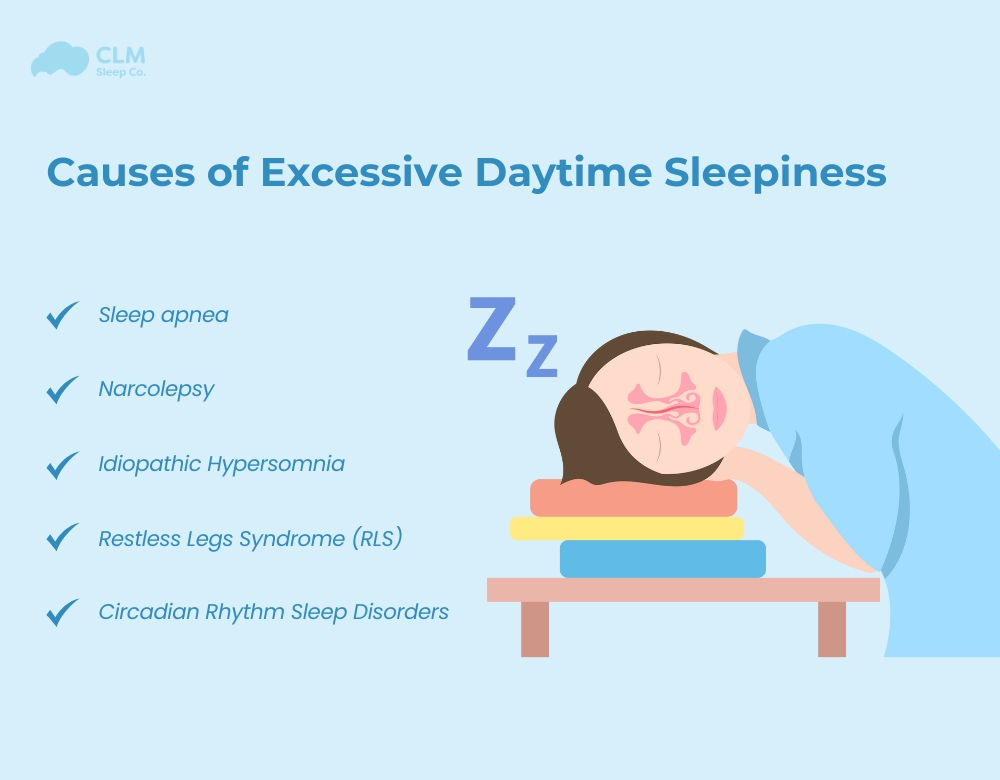
Excessive daytime sleepiness is a common symptom associated with various sleep disorders, significantly affecting individuals’ productivity and quality of life. Understanding the specific disorders that contribute to this condition can shed light on their prevalence and the crucial need for effective management. Among the most impactful disorders are sleep apnea, narcolepsy, and insomnia, each presenting its own unique characteristics and challenges.
Characteristics of Sleep Disorders
Sleep apnea, narcolepsy, and insomnia are three major sleep disorders that lead to excessive daytime sleepiness, each with distinct symptoms and treatment approaches.
Sleep apnea is characterized by repeated interruptions in breathing during sleep, often leading to fragmented sleep. Common symptoms include loud snoring, gasping for air during sleep, and chronic fatigue during the day. It’s estimated that approximately 22 million Americans suffer from sleep apnea, with many cases going undiagnosed. Treatment may involve lifestyle changes, the use of continuous positive airway pressure (CPAP) machines, or surgical interventions in more severe cases.
Narcolepsy, on the other hand, is a neurological disorder that affects the brain’s ability to regulate sleep-wake cycles. Individuals with narcolepsy experience excessive daytime sleepiness, sudden sleep attacks, and sometimes cataplexy—sudden loss of muscle tone triggered by strong emotions. The prevalence of narcolepsy is about 1 in 2,000 people, with symptoms typically appearing in adolescence or early adulthood. Treatments often include stimulant medications to help manage excessive sleepiness and lifestyle adjustments to promote better sleep hygiene.
Insomnia is characterized by difficulty falling or staying asleep, leading to inadequate restorative sleep. Symptoms include fatigue, irritability, and difficulty concentrating. Insomnia affects around 30% of adults, with chronic insomnia impacting nearly 10% of the population. Treatment options vary, including cognitive behavioral therapy for insomnia (CBT-I), sleep medications, and lifestyle changes aimed at improving sleep hygiene.
The impact of these disorders on daily life is substantial. Research indicates that individuals with untreated sleep disorders experience a 20% decrease in productivity and increased absenteeism in workplaces. Furthermore, chronic sleep deprivation is linked to serious health issues, including obesity, diabetes, and cardiovascular diseases, underscoring the importance of seeking appropriate diagnosis and treatment for sleep disorders.
The relationship between sleep quality and daytime sleepiness is vital for maintaining optimal performance.
Sleep is a cornerstone of physical and mental well-being, and its quality greatly influences daytime alertness and cognitive functioning. Understanding how sleep architecture—the structure and pattern of sleep cycles—affects restfulness is essential for addressing issues like daytime sleepiness. Poor sleep quality can lead to impairments in attention, decision-making, and overall performance.
Sleep consists of several stages, including REM (rapid eye movement) and non-REM sleep, which cycle throughout the night. Each stage serves a unique function, and the proper balance between them is crucial for restorative sleep. During non-REM sleep, the body undergoes physical repair, while REM sleep is essential for cognitive processing and memory consolidation. If an individual repeatedly experiences disruptions during these sleep stages, it can result in fragmented sleep. This disruption can lead to feelings of grogginess and decreased alertness during the day, contributing to daytime sleepiness.
Methods to assess sleep quality and tools to track sleep
Evaluating sleep quality involves several methods and tools that can provide insights into an individual’s sleep patterns. Understanding these can help individuals recognize their sleep needs and make necessary adjustments.
Sleep quality is often assessed through a combination of subjective evaluations and objective measurements. Common methods include:
1. Sleep Diaries: Keeping a sleep diary involves recording sleep and wake times, duration of sleep, and subjective feelings of restfulness upon waking. This method helps identify patterns and triggers that may affect sleep quality.
2. Actigraphy: This non-invasive tool uses a wrist-worn device to monitor sleep patterns over extended periods. It tracks movements to determine when a person is asleep or awake, providing valuable data on sleep cycles.
3. Polysomnography: Typically conducted in sleep clinics, this comprehensive test records brain waves, oxygen levels, heart rate, and breathing, as well as eye and leg movements during sleep. It is the gold standard for diagnosing sleep disorders.
4. Sleep Apps and Wearable Devices: Numerous smartphone applications and fitness trackers are available for individuals to monitor their sleep quality. These technologies often analyze sleep cycles, providing insights into deep, light, and REM sleep stages.
Establishing a consistent bedtime routine is crucial for enhancing sleep quality and reducing daytime sleepiness. A regular sleep schedule signals the body when to wind down and prepare for rest.
Key components of an effective bedtime routine include:
– Limiting Screen Time: The blue light emitted by devices can disrupt melatonin production, making it harder to fall asleep. Setting aside screens at least an hour before bed can improve sleep quality.
– Creating a Relaxing Environment: A calm and dark bedroom promotes better sleep. Consider using blackout curtains and maintaining a cool temperature.
– Incorporating Relaxation Techniques: Practices such as meditation, deep breathing, or reading a book before bed can help calm the mind and body, facilitating a smoother transition to sleep.
Establishing such routines contributes significantly to achieving quality sleep, which is essential for minimizing daytime sleepiness and enhancing overall performance.
Strategies for managing daytime sleepiness can empower individuals to improve their daily functioning.
Daytime sleepiness can significantly impact productivity and overall well-being. Implementing effective strategies to manage fatigue can enhance focus, mood, and energy levels throughout the day. By knowing how to approach this issue, individuals can take control of their daily functioning and improve their quality of life.
A combination of lifestyle adjustments and environmental considerations can play a crucial role in combating daytime sleepiness. Here are some practical tips that can help individuals feel more alert and energized throughout the day.
Actionable strategies for combating daytime fatigue
Incorporating specific practices into your daily routine can effectively reduce feelings of fatigue. Here are five actionable strategies to consider:
- Regular Physical Activity: Engaging in consistent exercise can boost energy levels by improving blood circulation and overall stamina. Aim for at least 30 minutes of moderate activity most days of the week.
- Balanced Nutrition: Consuming a diet rich in whole foods, including fruits, vegetables, whole grains, and lean proteins, can provide the necessary nutrients for sustained energy. Avoid excessive sugar and processed foods that can lead to energy crashes.
- Stay Hydrated: Dehydration can contribute to fatigue. Drinking enough water throughout the day is crucial for maintaining energy levels. Aim for at least eight 8-ounce glasses of water daily.
- Mindful Breaks: Taking short, frequent breaks during work or study sessions can help refresh the mind. Techniques like the Pomodoro Technique, which suggests working for 25 minutes followed by a 5-minute break, can enhance focus and reduce fatigue.
- Consistent Sleep Schedule: Maintaining a regular sleep routine by going to bed and waking up at the same time every day helps regulate the body’s internal clock, improving sleep quality and daytime alertness.
Effective napping techniques to boost energy levels
Napping can be a powerful tool in managing daytime sleepiness, provided it is done correctly. When structured effectively, naps can help restore alertness and improve performance. Here’s how to make the most of your naptime:
– Duration Matters: Aim for a nap length of about 20-30 minutes to avoid sleep inertia, which can leave you feeling groggy upon waking. This duration allows you to rest without entering the deeper stages of sleep.
– Optimal Timing: The best time to nap is typically in the early afternoon, when there’s a natural dip in alertness. Scheduling your nap between 1 PM and 3 PM can enhance its effectiveness.
– Create a Restful Environment: Find a quiet, dark, and comfortable space to take your nap. Using an eye mask or blackout curtains can help create a sleep-friendly atmosphere.
By strategically incorporating naps into your day, you can effectively combat daytime fatigue and enhance your overall performance.
Environmental factors in reducing sleepiness
The environment plays a significant role in influencing alertness and combating sleepiness. Here are some key factors to consider:
– Light Exposure: Natural light exposure is crucial for regulating circadian rhythms. Spending time outdoors during daylight hours or using bright light therapy can help mitigate daytime sleepiness. Aim to expose yourself to bright light in the morning to signal your body that it’s time to be awake.
– Workspace Design: A well-organized and clutter-free workspace can improve focus and reduce distractions that lead to fatigue. Ensure your workspace is ergonomically designed to promote comfort, with adequate lighting and ventilation to support alertness.
– Temperature Control: Maintaining a comfortable room temperature can also impact energy levels. Cooler environments are generally more conducive to alertness, while overly warm spaces can lead to drowsiness.
By addressing these environmental factors, individuals can create spaces that support productivity and reduce daytime sleepiness.
Understanding the societal implications of daytime sleepiness can lead to broader conversations about work-life balance.
Daytime sleepiness is often overlooked in discussions about productivity and employee satisfaction, yet it holds profound societal implications. With the increasing demands of modern life, many individuals find themselves struggling to maintain alertness throughout the day, impacting both their personal and professional lives. This widespread issue invites a closer look at how it interplays with our work-life balance.
Excessive daytime sleepiness can significantly hinder workplace productivity. Studies have shown that individuals who experience sleepiness during the day often demonstrate reduced focus, slower reaction times, and decreased cognitive function. This not only affects the quality of work produced but can also lead to increased error rates and accidents, particularly in high-stakes environments such as healthcare or transportation. Moreover, the negative impact on employee satisfaction can be substantial. When workers feel constantly fatigued, their overall morale drops, leading to higher turnover rates and increased absenteeism. According to the National Sleep Foundation, sleep deprivation costs U.S. businesses billions of dollars annually due to lost productivity and healthcare expenses.
The role of employers in addressing sleep-related issues through workplace wellness programs
Employers play a critical role in mitigating the effects of daytime sleepiness through the implementation of comprehensive workplace wellness programs. These initiatives can include flexible work hours, encouraging short breaks, and promoting a culture that values rest and recuperation.
Key components of effective wellness programs include:
- Providing designated nap areas: Allowing employees to recharge during the day can enhance productivity and reduce fatigue.
- Offering sleep education workshops: Programs that educate employees about the importance of sleep hygiene and its impact on health can foster a more aware workforce.
- Flexible scheduling: Adjusting work hours to align with employees’ natural sleep patterns can enhance overall well-being.
- Health benefits for sleep disorders: Providing access to sleep specialists or mental health resources can help employees address underlying issues contributing to daytime sleepiness.
Cultural attitudes toward napping and rest vary significantly around the world, influencing how societies view rest and its importance for health. For instance, in countries like Spain and Italy, the tradition of taking a midday siesta is deeply ingrained in the culture. This practice not only acknowledges the need for rest but also fosters a more balanced lifestyle. Conversely, in many Western cultures, napping is often stigmatized as a sign of laziness or lack of ambition. This cultural perspective can lead to increased stress and poor health outcomes as individuals feel pressured to remain constantly productive.
“Recognizing and addressing daytime sleepiness is crucial, not only for individual health but also for enhancing workplace culture and productivity.”
By fostering positive attitudes toward rest and incorporating practical solutions into workplace policies, employers can contribute to a healthier workforce and promote a more equitable work-life balance.
Ultimate Conclusion
Ultimately, managing daytime sleepiness is about more than just getting enough sleep; it encompasses a broader understanding of how our bodies, lifestyles, and even workplaces influence our energy levels. By adopting effective strategies and addressing potential sleep disorders, individuals can significantly enhance their alertness and overall well-being. Recognizing the importance of sleep quality and societal attitudes toward rest opens the door for meaningful discussions on improving productivity and health in our daily lives.
Frequently Asked Questions
What causes daytime sleepiness?
Daytime sleepiness can be caused by various factors including inadequate sleep, poor sleep quality, sleep disorders, lifestyle choices like diet and exercise, and even stress.
How much sleep do I need to avoid daytime sleepiness?
Most adults require 7 to 9 hours of sleep per night to function optimally during the day, although individual needs may vary.
Can caffeine help reduce daytime sleepiness?
Caffeine can temporarily boost alertness and reduce feelings of sleepiness, but it should be consumed in moderation to avoid disrupting sleep later.
Is daytime napping effective?
Short naps, ideally around 20-30 minutes, can help improve alertness and performance without causing sleep inertia or interfering with nighttime sleep.
What is the difference between fatigue and daytime sleepiness?
Daytime sleepiness refers specifically to the feeling of drowsiness and the urge to sleep, while fatigue encompasses a broader sense of tiredness that may not be alleviated by sleep.