
 Caroline Sarah
Delving into Midnight wakefulness, this exploration uncovers the intriguing reasons behind why many find themselves wide awake when the clock strikes twelve. From psychological triggers to physiological responses, this phenomenon impacts people differently across various age groups and cultures.
As we navigate the depths of midnight wakefulness, we will discuss not only its implications on daily functioning but also how societal norms and personal habits intertwine to create this experience. Understanding these factors can empower individuals to take control of their nighttime habits and overall well-being.
Understanding the Phenomenon of Midnight Wakefulness
Midnight wakefulness is a common experience that many individuals encounter at various points in their lives. This phenomenon can be attributed to a combination of psychological and physiological factors that disrupt normal sleep patterns. As we explore this topic, it is essential to recognize how these waking hours impact individuals differently based on their demographics and cultural contexts.
The interplay of psychological stressors, lifestyle choices, and biological rhythms significantly influences when and why people wake up at night. Factors such as anxiety, depression, or even excitement can lead to heightened alertness during traditionally restful hours. Physiologically, disruptions in circadian rhythms—our body’s internal clock—can cause individuals to feel awake and alert at night, creating a cycle that can be challenging to break. Hormonal changes and the consumption of stimulants, such as caffeine, also play a pivotal role in these nighttime awakenings.
Psychological and Physiological Contributors
Several psychological and physiological factors contribute to the experience of midnight wakefulness. These factors can vary significantly between individuals and populations:
- Anxiety and Stress: Heightened levels of stress can lead to racing thoughts, making it difficult for individuals to fall or stay asleep. This is particularly prevalent among adults facing significant life changes or pressures.
- Sleep Disorders: Conditions like insomnia or sleep apnea can disrupt sleep cycles, leading to frequent awakenings during the night. These disorders are often exacerbated by lifestyle habits or underlying health issues.
- Age-Related Changes: As individuals age, changes in sleep architecture are common. Older adults may experience lighter sleep stages, making them more susceptible to waking during the night.
- Substance Use: The intake of caffeine, nicotine, or certain medications can interfere with sleep quality, causing individuals to wake up frequently or remain alert when they should be resting.
The experiences associated with midnight wakefulness can differ widely across various demographics, with factors such as age, gender, and cultural background influencing these variations. For example, younger adults may be more prone to staying awake due to social activities or technology, while older adults may wake more frequently due to health concerns.
Cultural Perceptions of Nighttime Wakefulness
Cultural attitudes toward staying awake at night can shape how individuals perceive and respond to midnight wakefulness. In some cultures, night owls are celebrated for their late-night creativity and productivity, while in others, there is a stigma attached to being awake when one “should” be sleeping.
The cultural significance of nighttime activities can include:
- Social Gatherings: In many cultures, nighttime is synonymous with socialization, where gatherings, festivals, and events take place after sunset.
- Work and Productivity: Some professions value late-night work hours, viewing those who can handle such schedules as dedicated or ambitious.
- Spiritual Practices: Many cultures have traditions that emphasize nighttime rituals, meditation, or prayer, which can lead to intentional wakefulness.
Overall, the phenomenon of midnight wakefulness is multifaceted, influenced by an individual’s psychological state, physiological health, and cultural context. Understanding these factors can help in addressing sleep disturbances and fostering healthier sleep habits.
Exploring the Impact of Midnight Wakefulness on Daily Life
Midnight wakefulness is a phenomenon that can significantly disrupt the natural rhythms of life. Many individuals experience bouts of wakefulness during the night, which can lead to a cascade of effects that ripple through their daily routines, productivity levels, and overall mental health. Understanding these impacts is crucial for anyone grappling with this challenge, as it helps to identify effective coping mechanisms.
Effects on Productivity Levels
Midnight wakefulness can severely impact productivity throughout the day. When individuals find themselves awake at odd hours, the quality and quantity of sleep they receive often decline, leading to several productivity-related issues. Common effects include decreased concentration, sluggish cognitive function, and diminished motivation.
For instance, research has shown that sleep deprivation can reduce work performance by as much as 20%. This drop is particularly pronounced in tasks requiring sustained attention and critical thinking. The following points illustrate the specific impacts of midnight wakefulness on productivity:
- Increased Fatigue: Continuous wakefulness at night can lead to chronic fatigue, making it difficult to engage fully in daily tasks.
- Impaired Decision-Making: Lack of sleep can hinder the ability to make sound decisions, often resulting in mistakes that can affect both personal and professional responsibilities.
- Reduced Creativity: Sleep plays a crucial role in cognitive processes, including creativity. Individuals might find it harder to generate new ideas or solve problems when they are sleep-deprived.
Emotional and Mental Health Implications
The relationship between midnight wakefulness and emotional health is deeply interconnected. Persistent wakefulness during the night can exacerbate feelings of anxiety and depression. As individuals struggle to maintain a healthy sleep schedule, they may experience increased irritability and mood swings, which can affect their relationships and overall quality of life.
Research indicates that nearly 40% of people experiencing chronic insomnia report symptoms of anxiety or depression. The emotional ramifications of midnight wakefulness can manifest in several ways:
- Heightened Stress Levels: The inability to sleep can create a cycle of stress, where anxiety about not sleeping leads to further wakefulness.
- Social Withdrawal: Those who are tired and moody may retreat from social interactions, leading to isolation and strained relationships.
- Lowered Resilience: Sleep deprivation can diminish an individual’s capacity to cope with everyday stressors, making them feel overwhelmed more easily.
Strategies for Coping with Midnight Wakefulness
Individuals often turn to various strategies to manage the challenges associated with waking up at night. The effectiveness of these coping mechanisms can vary based on personal preferences and circumstances, but adopting some practical approaches can help mitigate the adverse effects of midnight wakefulness.
Some common strategies include:
- Developing a Sleep Routine: Consistency in bedtime can signal the body to prepare for sleep, making it easier to fall back asleep if awakened.
- Mindfulness and Relaxation Techniques: Practices such as meditation or deep breathing can help calm the mind, making it easier to drift back to sleep.
- Avoiding Stimulants: Reducing or eliminating caffeine and nicotine, particularly in the hours before bedtime, can promote better sleep quality.
The incorporation of these strategies into daily routines can foster healthier sleep patterns and improve overall well-being. By addressing the factors contributing to midnight wakefulness, individuals can reclaim their nights and enhance their productivity and emotional health during the day.
Investigating the Relationship Between Midnight Wakefulness and Sleep Disorders
Midnight wakefulness can often be an unsettling experience, leaving individuals feeling frustrated and fatigued. Understanding its connection to sleep disorders such as insomnia and sleep apnea is crucial for effective management. This insight not only helps in identifying underlying issues but also assists in implementing targeted treatments to improve overall sleep quality.
The relationship between midnight wakefulness and common sleep disorders is significant, particularly with conditions like insomnia and sleep apnea. Insomnia is characterized by difficulty falling asleep or staying asleep, which can lead to multiple awakenings throughout the night. In contrast, sleep apnea involves episodes of breathing cessation during sleep, often causing abrupt awakenings due to gasping or choking sensations. Both disorders can result in interrupted sleep cycles, contributing to an overall feeling of unrest and daytime fatigue.
Symptoms and Treatments of Sleep Disorders Related to Nighttime Awakenings
Understanding the symptoms and treatments of insomnia and sleep apnea provides deeper insight into their relationship with nighttime awakenings. Here’s a closer look at the characteristics of each disorder:
- Insomnia:
Symptoms include difficulty falling asleep, waking up frequently during the night, and waking up too early without being able to fall back asleep.
Treatment options for insomnia often involve cognitive behavioral therapy, lifestyle changes like establishing a bedtime routine, and occasionally the use of sleep medications as prescribed by a healthcare provider.
- Sleep Apnea:
Common signs include loud snoring, gasping for air during sleep, excessive daytime sleepiness, and difficulty concentrating.
The most effective treatments typically involve lifestyle modifications, such as weight loss and positional therapy, alongside the use of Continuous Positive Airway Pressure (CPAP) devices to maintain open airways during sleep.
Seeking professional help for persistent midnight wakefulness is imperative. Chronic issues related to sleep can have a pronounced effect on mental and physical health. Not only does lack of sleep impair cognitive functions, but it can also increase the risk of additional health problems, such as cardiovascular disease and depression. A healthcare professional can conduct sleep studies and recommend tailored treatment plans that address specific sleep disorders, ultimately leading to improved sleep quality and overall well-being. Recognizing the importance of addressing these issues proactively is essential for anyone experiencing consistent disturbances during the night.
The Role of Technology in Midnight Wakefulness
In today’s digital era, many individuals experience interruptions in their sleep patterns due to the pervasive influence of technology, especially electronic devices used before bedtime. The blue light emitted from screens of smartphones, tablets, and computers can disrupt the natural production of melatonin, the hormone responsible for regulating sleep. As a result, many find themselves battling midnight wakefulness, a phenomenon that affects their ability to fall asleep and stay asleep throughout the night.
The detrimental effects of screen time on sleep are significant, as studies have shown that prolonged exposure to screens leads to delayed sleep onset and reduced overall sleep quality. Devices such as smartphones are often used for social media, email, or even work, which keeps the mind engaged and alert when it should be winding down for rest. This mental stimulation can lead to racing thoughts and heightened anxiety, contributing to sleep disturbances.
Management of Screen Time to Mitigate Sleep Disruption
To counter the adverse effects of screen time on sleep patterns, various methods can be employed to manage technology usage effectively. It is essential to establish boundaries around device usage, particularly in the hour leading up to bedtime. The following practices can significantly enhance sleep quality:
- Set a Digital Curfew: Aim to turn off all electronic devices at least one hour before bedtime. This allows your brain to relax and prepares your body for sleep.
- Use Blue Light Filters: Many devices offer settings that reduce blue light emission. Activating these features in the evening can help minimize disruptions to melatonin production.
- Create Tech-Free Zones: Designate certain areas in your home, such as the bedroom, as tech-free zones to encourage restful environments.
- Engage in Alternative Activities: Replace screen time with relaxing activities such as reading a book, practicing meditation, or gentle stretching to ease into sleep.
Comprehensive Guide on Sleep Hygiene Practices
Adopting proper sleep hygiene practices is crucial for fostering better nighttime rest. These practices can lead to improved sleep quality and a more restful night. Below are key elements of effective sleep hygiene:
- Maintain a Consistent Sleep Schedule: Go to bed and wake up at the same time every day, even on weekends, to regulate your body’s internal clock.
- Create a Comfortable Sleep Environment: Ensure your bedroom is conducive to sleep. This includes a comfortable mattress, appropriate bedding, and a cool, dark, and quiet atmosphere.
- Avoid Stimulants: Limit intake of caffeine and nicotine in the hours leading up to sleep, as these can interfere with your ability to fall asleep.
- Practice Relaxation Techniques: Incorporate techniques such as deep breathing, progressive muscle relaxation, or guided imagery to calm the mind before sleeping.
- Limit Naps: While short naps can be beneficial, long or irregular napping during the day can negatively affect nighttime sleep.
Creating a mindful bedtime routine free from technology can significantly enhance the quality of sleep and overall well-being.
Cultural Narratives and Midnight Wakefulness Across Different Societies
Midnight wakefulness is a phenomenon deeply rooted in various cultures, each with its unique stories and significance. This cultural narrative often reflects the values, beliefs, and societal norms of different communities, shaping how individuals perceive and engage with the night. From folklore to literature, the concept of staying awake into the wee hours serves as a lens through which we can understand the interplay between human behavior and cultural identity.
The significance of midnight wakefulness varies across societies, often reflecting broader societal norms and attitudes towards night-time activity. In some cultures, late-night gatherings are a common practice, celebrated as essential for community bonding. In contrast, other societies may view staying up late as a sign of restlessness or even moral failing.
Anecdotes and Stories of Midnight Wakefulness
Numerous cultures have rich anecdotes surrounding midnight wakefulness, often passed down through generations. These narratives provide insights into how different societies interpret the act of staying awake at night.
- Japan: In Japan, there is a tradition known as “yūrei” night vigils, where families stay awake to honor the spirits of loved ones who have passed. This practice emphasizes the connection between the living and the dead, showcasing how cultural beliefs shape midnight activities.
- Mexico: The “Noche de Muertos” or Day of the Dead celebration involves all-night gatherings where families honor their ancestors. The act of staying awake is filled with significance, as it symbolizes remembrance and respect for those who have died.
- Middle Eastern Cultures: In many Middle Eastern societies, the tradition of “qiyam al-layl” involves late-night prayers and community gatherings during Ramadan. This practice illustrates the spiritual importance of the night, where individuals seek closeness to their faith during the hours of darkness.
Societal Norms and Attitudes Towards Midnight Wakefulness
Societal norms greatly influence how cultures perceive and embrace staying awake late into the night. In some societies, nighttime is seen as a time for celebration, while in others, it is associated with solitude or rest.
- Collectivist Cultures: In collectivist societies, like those found in parts of Africa and Asia, staying awake is often associated with communal activities such as storytelling, singing, and sharing meals. These practices reinforce social bonds and foster a sense of belonging.
- Individualistic Cultures: Conversely, in many Western cultures, midnight wakefulness may be more aligned with personal pursuits, such as working late or engaging in solitary hobbies. This reflects a societal emphasis on individual achievement and personal time.
The Role of Folklore and Literature
Folklore and literature play a crucial role in illustrating the concept of midnight wakefulness, often weaving tales that captivate imaginations and convey deeper meanings.
- Folklore: Many cultures have folklore that emphasizes the mystical aspects of the night. For instance, in Slavic folklore, staying awake after midnight is said to invite spirits or otherworldly beings, presenting the night as a boundary between the known and the unknown.
- Literature: Midnight is a popular motif in literature, symbolizing transformation or revelation. Works like Shakespeare’s “A Midsummer Night’s Dream” use the cover of darkness to explore themes of love and magic, exemplifying how bedtime stories and narratives often lean on the rich tapestry of midnight adventures.
Developing Personal Routines to Combat Midnight Wakefulness
Creating a personalized nighttime routine is essential for fostering better sleep hygiene and reducing instances of waking up at midnight. Establishing consistent habits can significantly improve sleep quality, making it easier to drift off and stay asleep throughout the night. Here, we will explore various strategies to help build a routine that works for you.
Designing a Personalized Nighttime Routine
A well-structured nighttime routine can greatly enhance the quality of your sleep. To create an effective routine, consider incorporating the following elements:
- Set a consistent bedtime: Going to bed at the same time each night helps regulate your body’s internal clock, making it easier to fall asleep and stay asleep.
- Engage in relaxing activities: Incorporate calming practices such as reading, gentle stretching, or meditation to signal to your body that it’s time to wind down.
- Avoid screens before bed: Reduce exposure to blue light from phones and computers at least an hour before sleep, as this light can interfere with melatonin production.
- Limit caffeine and heavy meals: Avoid consuming caffeine in the afternoon and large meals close to bedtime, as these can disrupt sleep patterns.
Creating a Comfortable Sleep Environment
Your sleep environment plays a critical role in achieving restful sleep. Focus on making your bedroom a sanctuary for relaxation by considering the following aspects:
- Optimize room temperature: Aim for a cool room temperature, typically between 60-67°F (15-20°C), which is ideal for sleep.
- Minimize noise: Use earplugs or white noise machines to block disruptive sounds that may wake you during the night.
- Control lighting: Use blackout curtains or an eye mask to keep your sleeping space dark, which can promote better sleep quality.
- Select a comfortable mattress and pillows: Invest in quality bedding that supports your preferred sleeping position, ensuring you wake up refreshed.
The Importance of Regular Sleep Schedules
Maintaining a regular sleep schedule is vital for reducing instances of midnight wakefulness. Consistency in your sleep patterns reinforces your body’s natural circadian rhythms. Here are important points to consider:
- Stick to the same wake-up time every day, even on weekends, to keep your sleep cycle stable.
- Avoid long naps during the day; if needed, limit them to 20-30 minutes to avoid disrupting nighttime sleep.
- Monitor your sleep quality: Keeping a sleep diary can help you identify patterns and make adjustments to your routine as necessary.
- Seek natural light exposure during the day, especially in the morning, which can help regulate your internal clock.
Establishing a consistent routine and optimizing your sleep environment are key factors in combatting midnight wakefulness.
The Influence of Diet and Lifestyle on Midnight Wakefulness

Diet and lifestyle choices play a significant role in affecting sleep patterns, particularly regarding instances of midnight wakefulness. Understanding how what we eat and how we behave during the day can influence our ability to sleep through the night is crucial for anyone struggling with sleep disturbances. By recognizing specific dietary components and lifestyle habits, individuals can make informed decisions to enhance their sleep quality and overall well-being.
Dietary Choices Contributing to Midnight Wakefulness
Certain dietary choices can exacerbate issues with sleep, leading to increased wakefulness during the night. Foods high in sugar and refined carbohydrates can spike blood sugar levels, causing energy bursts that disrupt sleep. Additionally, consuming heavy or spicy meals close to bedtime can lead to discomfort and indigestion, further hindering the ability to fall asleep or stay asleep.
Consider the following dietary influences:
- High Sugar Intake: Foods and beverages high in sugar can lead to energy crashes followed by wakefulness as blood sugar levels fluctuate.
- Spicy Foods: These can cause acid reflux or discomfort, which may disturb sleep cycles.
- Heavy Meals: Eating large portions late in the evening can result in an overactive digestive system, making it difficult to fall asleep.
Caffeine and Alcohol Effects on Sleep Patterns
Caffeine and alcohol are two common substances that impact sleep quality and patterns significantly. Caffeine, found in coffee, tea, and energy drinks, is a stimulant that can lead to prolonged wakefulness if consumed too late in the day. Its half-life can vary, but it can stay in the system for several hours, making it essential to monitor consumption, especially in the afternoon and evening.
Conversely, while alcohol may initially make one feel drowsy, it disrupts the sleep cycle and can lead to fragmented sleep. As the body metabolizes alcohol, it can cause wakefulness during the night, impacting overall sleep quality.
Key points regarding caffeine and alcohol include:
- Caffeine Consumption: Regular intake, especially after midday, can lead to insomnia and increased nighttime wakefulness.
- Alcohol’s Impact: Although it may induce sleepiness, it can impair REM sleep and cause early awakenings.
Physical Activity and Stress Management Techniques
Engaging in regular physical activity is beneficial for promoting better sleep. Exercise helps reduce stress levels and anxiety, which are common culprits of sleep disturbances. It can also regulate the body’s internal clock, making it easier to fall asleep at night and wake up refreshed in the morning.
Incorporating stress management techniques is equally important. Practices such as mindfulness, meditation, and deep-breathing exercises can help lower stress and anxiety levels, leading to improved sleep quality.
Here are some effective strategies for mitigating sleep disruptions:
- Regular Exercise: Aim for at least 30 minutes of moderate activity most days, avoiding intense workouts close to bedtime.
- Mindfulness Practices: Techniques such as meditation or yoga can enhance relaxation and prepare the mind for sleep.
- Consistent Sleep Schedule: Going to bed and waking up at the same time each day helps regulate the body’s circadian rhythm.
Last Point
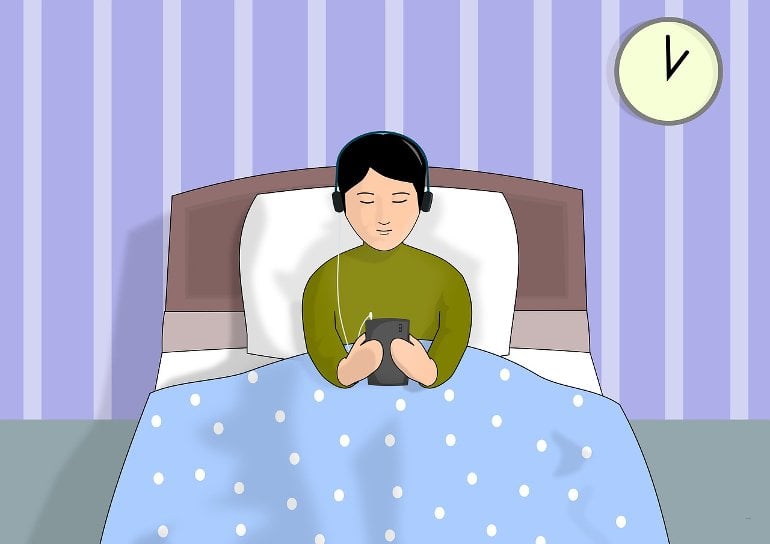
In conclusion, the journey through the intricacies of midnight wakefulness reveals not just the challenges but also the insights that can aid in better sleep hygiene and emotional balance. By recognizing the influences of technology, diet, and culture on our nighttime behaviors, we can make informed adjustments that lead to more restful nights and productive days.
Query Resolution
What causes midnight wakefulness?
Midnight wakefulness can be caused by a variety of factors, including stress, anxiety, lifestyle choices, and physiological conditions like sleep disorders.
Is midnight wakefulness a sign of a sleep disorder?
Not necessarily; while it can be associated with disorders like insomnia, many people experience it due to temporary stress or changes in routine.
How can I reduce midnight wakefulness?
Implementing a consistent sleep schedule, limiting screen time before bed, and creating a calming nighttime routine can significantly help reduce instances of waking at midnight.
Does diet affect midnight wakefulness?
Yes, certain dietary choices, particularly those high in caffeine or sugar, can contribute to increased wakefulness during the night.
Are there cultural differences in perceptions of midnight wakefulness?
Absolutely, various cultures have unique narratives and social norms surrounding nighttime activities, often viewing midnight wakefulness with differing levels of acceptance and significance.