
 Caroline Sarah
Sleep panic is a phenomenon that can strike unexpectedly, leaving individuals grappling with intense feelings of fear and disorientation during the night. It’s not just a simple nightmare; it embodies a complex interplay of psychological and physiological responses that can disrupt sleep and impact daily life. Understanding this experience is crucial, as it sheds light on the triggers, reactions, and potential coping mechanisms for those affected.
This condition often intertwines with anxiety disorders, highlighting a shared landscape of symptoms and reactions. Those who experience sleep panic may often find themselves in a cycle of anxiety and disrupted sleep, making it essential to explore how these elements are connected. By delving into sleep panic, we can better appreciate its nuances and the strategies that may help individuals regain control over their nighttime experiences.
Understanding the phenomenon of sleep panic

Sleep panic, often referred to as sleep-related panic disorder, is a distressing experience that can occur during the night, characterized by sudden episodes of intense fear. Individuals experiencing sleep panic typically wake up abruptly from sleep, often accompanied by heart palpitations, shortness of breath, and a feeling of impending doom. These episodes can be so severe that they may cause individuals to feel as though they are losing control or even dying. This phenomenon can leave lasting impacts, instilling a fear of going to sleep and leading to insomnia or other sleep disturbances.
The psychological and physiological reactions to sleep panic episodes are profound. When an individual experiences sleep panic, their body enters a heightened state of arousal. This fight-or-flight response triggers a cascade of physiological changes, including increased heart rate, elevated blood pressure, and rapid breathing. Psychologically, individuals may feel overwhelmed by anxiety, experiencing a sense of unreality or disconnection from their surroundings. Many report that upon waking, they find it difficult to distinguish between dream states and reality, exacerbating the feeling of panic. This can lead to a cycle of anxiety where the fear of experiencing another panic episode disrupts normal sleep patterns, creating a detrimental loop.
Common triggers for sleep panic can vary widely among individuals. Stressful life events, such as the loss of a loved one, job changes, or relationship issues, often act as precursors to these episodes. Additionally, certain lifestyle factors such as caffeine consumption, irregular sleep schedules, or substance abuse may increase the likelihood of experiencing sleep panic. Individuals with pre-existing anxiety disorders or those who have experienced trauma are also at a heightened risk, as their emotional and psychological responses can be more intense during periods of sleep.
Understanding the multifaceted nature of sleep panic, including its psychological roots and physiological manifestations, is crucial for addressing the issue effectively. Recognizing common triggers can empower individuals to develop strategies to manage their experiences, ultimately promoting better sleep health and emotional well-being.
The connection between sleep panic and anxiety disorders
The relationship between sleep panic and anxiety disorders, particularly generalized anxiety disorder (GAD), is a topic of increasing interest among mental health professionals. Sleep panic, often characterized by sudden awakenings accompanied by intense fear and physical symptoms, can be deeply intertwined with the chronic worry and tension that define GAD. Individuals suffering from anxiety disorders frequently experience a heightened state of alertness, which can lead to disturbances in their sleep patterns and exacerbate feelings of panic during the night.
Generalized anxiety disorder is marked by persistent and excessive worry about various aspects of daily life, which may lead to physical symptoms like restlessness, fatigue, and irritability. The connection between these anxiety symptoms and sleep panic becomes apparent when considering how anxiety elevates the overall level of stress within the body. When a person with GAD lies down to sleep, the mind may remain active and engaged, racing through worries and fears. This mental hyperactivity can facilitate sleep disturbances, resulting in episodes of sleep panic as the body reacts to perceived threats, even when they are not present.
Examples of how anxiety can exacerbate the likelihood of sleep panic incidents
The link between anxiety and sleep panic can manifest in various ways. For instance, individuals with GAD often report difficulty falling asleep or staying asleep due to racing thoughts. As anxiety levels climb, so does the likelihood of experiencing sleep disruptions that can lead to panic episodes. Some examples that illustrate this connection include:
- Increased heart rate: Anxiety causes physiological changes, such as elevated heart rates and rapid breathing. These symptoms can trigger panic when a person awakes suddenly, creating a fear response.
- Nightmares: Anxiety can contribute to vivid dreams or nightmares that evoke fear and distress, leading to sleep panic when an individual wakes up feeling terrified.
- Feelings of suffocation: Anxiety can amplify the sensation of being unable to breathe, which can become pronounced during sleep and lead to panic attacks upon waking.
Understanding these examples helps to clarify how the physical and emotional states associated with anxiety can lay the groundwork for sleep panic episodes.
Symptoms of anxiety that may overlap with sleep panic experiences
Many symptoms of anxiety disorder overlap with those of sleep panic, often blurring the lines between the two experiences. Common symptoms that can trigger or accompany sleep panic include:
- Physical tension: Chronic muscle tension often associated with anxiety can lead to discomfort during sleep, making it difficult to relax and increasing the likelihood of panic.
- Hypervigilance: The state of being excessively alert can create a heightened sensitivity to perceived dangers, resulting in panic when waking from sleep.
- Excessive worry: Constant rumination about daily stressors can prevent restful sleep and provoke panic when an individual suddenly becomes aware of their surroundings at night.
- Palpitations: Individuals experiencing anxiety may feel their heart racing, which can be misinterpreted during sleep as a sign of panic, triggering a panic response.
Recognizing these overlapping symptoms is crucial for both individuals and healthcare providers in effectively addressing sleep panic within the context of generalized anxiety disorder. Understanding the interplay between these experiences can pave the way for more tailored treatment approaches that target both the anxiety and panic aspects, ultimately fostering better sleep hygiene and emotional well-being.
Distinguishing sleep panic from sleep disorders
Sleep panic, often characterized by overwhelming anxiety during sleep, can significantly differ from other sleep disorders such as insomnia and sleep apnea. Understanding these differences is essential for proper diagnosis and treatment, as the implications on overall health and well-being can vary greatly.
Sleep panic typically manifests as a sudden awakening from sleep, accompanied by feelings of intense fear, racing heart, and difficulty breathing. This can lead to an acute sense of danger, although no real threat is present. In contrast, insomnia primarily involves difficulty falling or staying asleep, which can stem from various factors including stress, anxiety, or medical conditions. Sleep apnea, on the other hand, is a condition where breathing repeatedly stops and starts during sleep, often resulting in loud snoring, gasping, or choking sensations, which can disrupt sleep cycles and lead to daytime fatigue.
Comparative Effects on Health
Recognizing the distinct effects of sleep panic, insomnia, and sleep apnea on overall health is crucial. Each condition can lead to various negative outcomes if not addressed, impacting both mental and physical health.
- Sleep Panic: Frequent episodes can result in chronic anxiety, sleep avoidance, and can potentially lead to panic disorders if left untreated.
- Insomnia: Long-term insomnia can cause cognitive impairments, increased risk of depression, and a weakened immune system. This can lead to a cycle where anxiety about sleep exacerbates the insomnia itself.
- Sleep Apnea: This disorder poses significant health risks, including cardiovascular issues, daytime drowsiness, and an increased risk of accidents. Moreover, chronic sleep apnea can contribute to metabolic disorders and severe fatigue.
Understanding whether an individual is experiencing sleep panic or another sleep issue requires careful observation of symptoms and behaviors. For instance, if someone frequently wakes up in distress without any apparent triggering factors, they may be experiencing sleep panic. Conversely, individuals with insomnia often report persistent difficulty in maintaining sleep, while those with sleep apnea may be unaware of their breathing disruptions during the night but experience excessive daytime sleepiness.
Sleep panic attacks can feel isolating, as they are often not linked to physical causes, unlike sleep apnea, which is identifiable through observable symptoms such as snoring or gasping. Each condition has unique characteristics that, when recognized, can lead to appropriate treatment approaches and improved overall health outcomes.
Coping strategies for individuals who experience sleep panic
Experiencing sleep panic can be a distressing situation that impacts one’s overall quality of life. Recognizing effective coping strategies is crucial for managing and mitigating the symptoms associated with this anxiety. Implementing these strategies can help create a sense of security and calmness, contributing to improved sleep patterns and emotional well-being.
Effective coping mechanisms for managing sleep panic
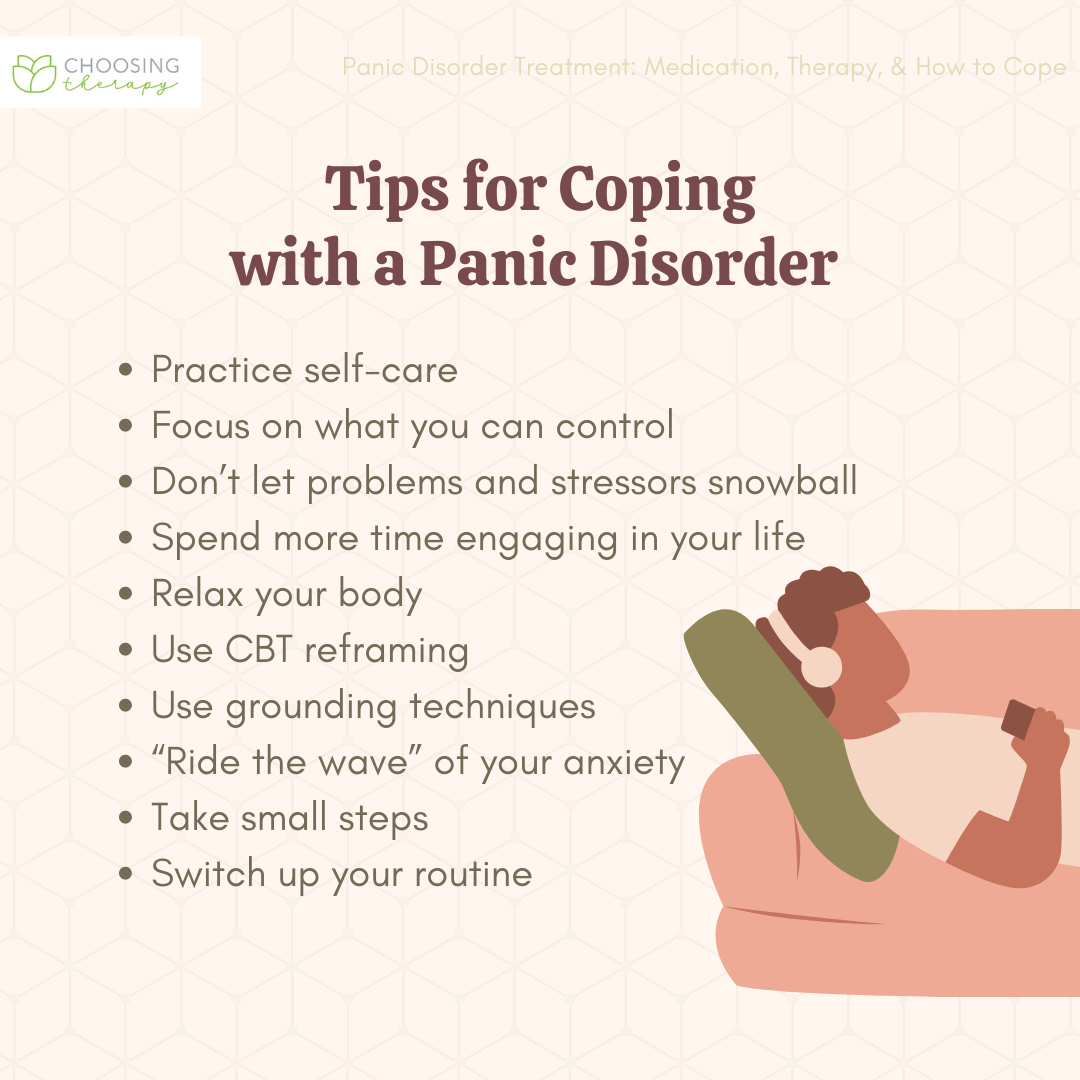
Developing a range of coping strategies is essential for individuals dealing with sleep panic. These approaches can provide immediate relief and contribute to long-term improvements in sleep quality. The following list Artikels five effective coping mechanisms:
- Deep Breathing Exercises: Practicing deep breathing helps to calm the mind and body. Focusing on slow, deep breaths can reduce anxiety and promote relaxation, making it easier to fall asleep.
- Progressive Muscle Relaxation: This technique involves tensing and then relaxing different muscle groups in the body. It can help alleviate physical tension, which is often exacerbated by anxiety during sleep.
- Journaling Before Bed: Writing down thoughts and worries before sleep can help clear the mind. This practice allows individuals to release pent-up concerns, making it easier to relax and sleep peacefully.
- Creating a Sleep-Friendly Environment: Ensuring that the bedroom is dark, quiet, and cool can enhance sleep quality. Using blackout curtains, white noise machines, and comfortable bedding contributes to a peaceful sleeping atmosphere.
- Limiting Stimulants Before Bed: Reducing caffeine and screen time in the evening can minimize anxiety and improve sleep onset. Establishing a calm pre-sleep routine helps signal the body that it’s time to wind down.
Role of relaxation techniques and mindfulness
Incorporating relaxation techniques and mindfulness into daily routines can significantly alleviate symptoms of sleep panic. These practices not only enhance mental clarity but also help individuals regain control over their thoughts and emotions.
Relaxation techniques such as yoga and meditation promote mindfulness, creating a sense of inner peace. Engaging in these activities can help lower the body’s stress response, making it easier to manage anxiety when it arises. Activities like guided imagery can also be beneficial; visualizing a serene scene can lead to feelings of tranquility and security.
“Mindfulness encourages individuals to stay present, reducing the tendency to ruminate on past experiences or future worries.”
Structured routine and lifestyle changes
Adopting a structured routine and making specific lifestyle changes can significantly reduce the frequency of sleep panic episodes. Establishing consistency in sleep patterns is vital for regulating the body’s internal clock.
- Set a Regular Sleep Schedule: Going to bed and waking up at the same time daily helps reinforce the body’s natural sleep-wake cycle, promoting better sleep quality.
- Engage in Regular Physical Activity: Incorporating physical exercise into daily routines can reduce stress and improve sleep. Aim for moderate exercise most days, but avoid vigorous activity close to bedtime.
- Practice Mindfulness and Meditation Daily: Dedicating a few minutes each day to mindfulness practices can equip individuals with tools to manage anxiety effectively, reducing the likelihood of sleep panic.
- Limit Alcohol and Nicotine Intake: Both substances can disrupt sleep patterns and exacerbate anxiety, making it important to minimize their use, especially in the evening.
- Maintain a Healthy Diet: Eating balanced meals and avoiding heavy or rich foods before bedtime can help prevent disturbances during sleep, contributing to a more restful night.
The role of therapy and professional help in managing sleep panic
Sleep panic, a distressing experience characterized by sudden episodes of intense fear during sleep, can significantly impact an individual’s quality of life. Addressing this phenomenon often requires a multifaceted approach that includes therapy and professional help. Various therapeutic methods have emerged as effective strategies for managing symptoms, providing individuals with tools to understand and combat their experiences.
Therapeutic approaches beneficial for sleep panic
Several therapeutic approaches have proven effective for those dealing with sleep panic. Recognizing the unique triggers and manifestations of sleep panic is crucial, as is understanding that different therapies can cater to individual needs. Here are some key approaches:
- Cognitive-Behavioral Therapy (CBT) is a primary treatment method that focuses on changing negative thought patterns and behaviors associated with sleep panic. By identifying and reframing irrational fears, individuals can develop healthier sleep habits.
- Exposure Therapy helps individuals gradually confront their fears in a controlled setting. For sleep panic, this might involve creating scenarios that simulate the panic experience, allowing patients to learn coping mechanisms in a safe environment.
- Relaxation Techniques such as mindfulness, meditation, and deep breathing exercises serve to reduce overall anxiety, making it easier for individuals to manage panic symptoms when they arise.
- Medication Management may be necessary in some cases, particularly for individuals experiencing severe symptoms. Psychiatrists can prescribe anxiolytics or antidepressants to help manage underlying anxiety that contributes to sleep panic.
Mental health professionals play a vital role in providing the support needed to manage sleep panic effectively. These professionals include:
- Psychologists are trained in various forms of therapy, particularly CBT, and can help individuals understand the cognitive aspects of their panic experiences.
- Psychiatrists can assess the need for medication and provide medical oversight for individuals whose symptoms may require pharmacological intervention.
- Licensed Clinical Social Workers (LCSWs) offer therapeutic support and may integrate various approaches to address both the psychological and social factors contributing to sleep panic.
- Licensed Professional Counselors (LPCs) provide individualized counseling and can assist clients in developing coping strategies tailored to their specific situations.
Benefits of Cognitive-Behavioral Therapy in addressing sleep panic
Cognitive-Behavioral Therapy (CBT) has been shown to be particularly effective for individuals struggling with sleep panic. Its structured approach enables patients to gain insight into their thought processes and behaviors associated with sleep.
CBT empowers individuals by teaching them that their thoughts, feelings, and behaviors are interconnected, allowing them to break the cycle of panic.
Through CBT, individuals learn to recognize the triggers of their panic, challenge distorted beliefs, and replace them with healthier thought patterns. The therapeutic techniques also include developing effective coping strategies, which can be instrumental when faced with nocturnal panic episodes.
Research has indicated that CBT not only reduces the frequency of panic attacks but also enhances overall sleep quality. Patients often report feeling more in control and less fearful of their sleep experiences after engaging in CBT sessions. The ability to manage anxiety in a proactive way leads to improved emotional resilience, making sleep panic episodes less daunting and more manageable over time.
In summary, therapy and professional help are critical in managing sleep panic. By utilizing various therapeutic approaches, individuals can find relief and regain control over their sleep and well-being.
Personal accounts and testimonials from sleep panic sufferers
Sleep panic is a condition that can profoundly affect individuals’ lives, manifesting in various forms and intensities. The experience of sleep panic varies widely from person to person, often leaving lasting impacts on their daily routines, relationships, and overall mental health. By sharing personal accounts, we can shed light on the struggles faced by those who suffer from this condition, as well as provide hope and support to others experiencing similar challenges.
Unique experiences of sleep panic
Every individual’s encounter with sleep panic is unique, with different triggers and consequences. Below are three personal stories that highlight the diverse experiences and impacts of sleep panic:
“I remember the first time it happened. I had just moved into a new apartment, and I thought it would be a fresh start. But one night, I woke up gasping for air, feeling like I was trapped in my own body. It took hours for me to calm down, and even after that night, I couldn’t sleep without feeling anxious.”
This account illustrates how environmental changes can trigger sleep panic. The individual reported an ongoing fear of nighttime, which led to chronic sleep deprivation and heightened anxiety during the day. Over time, the constant fatigue affected their work performance and social interactions, leading to isolation.
“After the birth of my first child, I experienced sleep panic more intensely than ever. I was terrified of falling asleep and not waking up to care for my baby. The fear became overwhelming, and I began to avoid naps and nighttime sleep altogether, which only made my anxiety worse.”
This personal story demonstrates the intersection of major life changes and sleep panic. The individual faced challenges in bonding with their newborn due to extreme fatigue, which further exacerbated mental health issues, including postpartum anxiety and depression. Sharing this experience highlights the need for support systems for new parents.
“My sleep panic started in college during finals week. The pressure was intense, and every time I tried to sleep, I’d feel like I was drowning in my own thoughts. It spiraled to the point where I had to drop out for a semester. I felt like I was losing control of my life.”
This narrative reveals how academic stress can trigger sleep panic, leading to significant consequences for the individual’s educational path and mental health. The decision to take a break from studies was a turning point, ultimately allowing for recovery and a better understanding of personal mental health needs.
Sharing these personal accounts serves multiple purposes. For those who experience sleep panic, recognizing that they are not alone can be immensely comforting. Furthermore, these stories can foster understanding among friends, family, and mental health professionals, encouraging them to offer support and empathy. By discussing their experiences openly, individuals can contribute to a broader dialogue about mental health, reducing stigma and promoting awareness around sleep disorders. This ensures that others may find solace and solutions as they navigate their own journeys with sleep panic.
The impact of lifestyle choices on sleep panic occurrences
Lifestyle choices play a pivotal role in shaping our sleep quality and overall well-being. Among these choices, diet, exercise, and sleep hygiene are particularly influential, especially for individuals experiencing sleep panic. Understanding how these elements interact can help foster healthier sleep patterns and reduce the likelihood of panic episodes during the night.
Diet significantly impacts both physical and mental health, which in turn affects sleep. Consuming a balanced diet rich in nutrients, particularly those that promote serotonin production such as tryptophan, can help regulate sleep patterns. Foods like bananas, turkey, and nuts can be beneficial. On the contrary, high-sugar and high-caffeine diets can lead to increased anxiety and restlessness, making individuals more susceptible to sleep panic.
Exercise is another critical factor that can help mitigate sleep panic occurrences. Regular physical activity promotes relaxation and can help reduce stress levels. Aerobic exercises, such as running or swimming, not only improve cardiovascular health but also enhance sleep quality. However, exercising too close to bedtime can lead to heightened energy levels, making it harder to fall asleep. It’s essential to find a balance that allows for physical activity without disrupting nighttime rest.
Habits to Adopt or Avoid
Establishing healthy habits surrounding sleep can significantly decrease the frequency of sleep panic episodes. Here are lifestyle adjustments that can help minimize these occurrences:
- Adopt a consistent sleep schedule by going to bed and waking up at the same time every day.
- Avoid caffeine and nicotine in the hours leading up to bedtime, as they can disrupt sleep.
- Limit alcohol consumption, as it can interfere with sleep stages and lead to poor sleep quality.
- Incorporate relaxation techniques, such as meditation or deep breathing exercises, into your nightly routine.
- Create a calming pre-sleep routine that signals to your body it’s time to wind down.
- Keep a sleep diary to track patterns and triggers related to sleep panic episodes.
Creating a sleep-friendly environment is equally crucial for optimal rest. A conducive sleeping space can enhance sleep quality and reduce anxiety. The room should be dark, quiet, and cool, which may involve using blackout curtains, white noise machines, or fans. Additionally, investing in a comfortable mattress and pillows can significantly improve sleep comfort.
“A peaceful environment is essential for restful sleep, as it significantly impacts the ability to relax and recharge.”
Overall, being mindful of diet, engaging in regular exercise, and maintaining a healthy sleep environment can collectively create a foundation for improved sleep quality and potentially diminish sleep panic occurrences.
Looking towards future research on sleep panic
The phenomenon of sleep panic, though increasingly recognized, still lies within a murky domain of research characterized by significant gaps in understanding. Current studies primarily focus on the identification of symptoms and the immediate impacts of sleep panic on individuals, but there is a pressing need to delve deeper into its underlying mechanisms. Research has yet to fully explore the interplay between psychological factors, such as anxiety and depression, and the physiological responses that characterize sleep panic episodes. This lack of comprehensive data leaves many questions unanswered regarding the causes and potential preventative measures for those affected.
Future research should not only aim to fill these gaps but also explore innovative methods to combat sleep panic. One promising avenue involves the use of technology in sleep studies. With the advent of sleep tracking devices and apps, researchers can gather real-time data on sleep patterns and panic incidents. This technology may enable a better understanding of the triggers that lead to sleep panic, allowing for more personalized treatment approaches. Furthermore, incorporating neuroimaging techniques could illuminate the brain’s responses during sleep panic episodes, offering insights into the neural pathways involved.
Potential areas for future studies
The significance of advancing understanding in the field of sleep panic cannot be overstated. Recognizing the multifaceted nature of sleep panic is crucial for developing effective interventions. The following areas present valuable opportunities for research exploration:
- Longitudinal Studies: Conducting long-term studies to observe how sleep panic symptoms evolve over time can help identify risk factors and protective elements related to individual lifestyles.
- Comparative Studies: Researching sleep panic across diverse demographics, including age, gender, and cultural backgrounds, could reveal variable prevalence rates and treatment responses.
- Therapeutic Interventions: Investigating the efficacy of various therapeutic approaches, such as cognitive-behavioral therapy, mindfulness practices, or pharmacological treatments, can establish best practices for managing sleep panic.
- Genetic Factors: Exploring genetic predispositions to sleep disorders and panic attacks could lead to breakthroughs in understanding who might be most vulnerable to sleep panic.
- Impact of Lifestyle Changes: Examining how modifications in diet, exercise, and sleep hygiene affect sleep panic episodes may offer practical solutions for those suffering.
Advancements in scientific understanding open doors to better support and resources for those affected by sleep panic. For instance, insights gained from genomic studies could lead to personalized medicine approaches, where treatments are tailored to an individual’s genetic makeup, potentially increasing the efficacy of interventions. Additionally, developing community programs focused on education and awareness can empower individuals to seek help and reduce stigma associated with sleep disorders. By prioritizing research in these areas, we can enhance the quality of life for individuals grappling with sleep panic and foster a more profound understanding of this complex phenomenon.
Final Summary
In summary, understanding sleep panic is vital for those who face its challenges, as it offers insights into the psychological and physiological underpinnings of this condition. By recognizing its symptoms and triggers, individuals can implement effective coping strategies and seek professional help when necessary. As research continues to evolve, the hope is for increased awareness and support for those affected by sleep panic, ultimately leading to improved sleep quality and overall well-being.
Question & Answer Hub
What are the common symptoms of sleep panic?
Common symptoms include rapid heartbeat, difficulty breathing, sweating, and feelings of dread or terror upon waking.
Is sleep panic the same as a nightmare?
No, sleep panic is more intense and involves physical reactions, while nightmares are typically just distressing dreams without the same physiological responses.
Can children experience sleep panic?
Yes, children can also experience sleep panic, though it may manifest differently compared to adults.
How can I create a sleep-friendly environment?
To create a sleep-friendly environment, ensure your bedroom is dark, quiet, and cool, and invest in comfortable bedding.
Are there any medications for sleep panic?
While some medications may help, it’s essential to consult a healthcare professional for personalized recommendations.