
 Caroline Sarah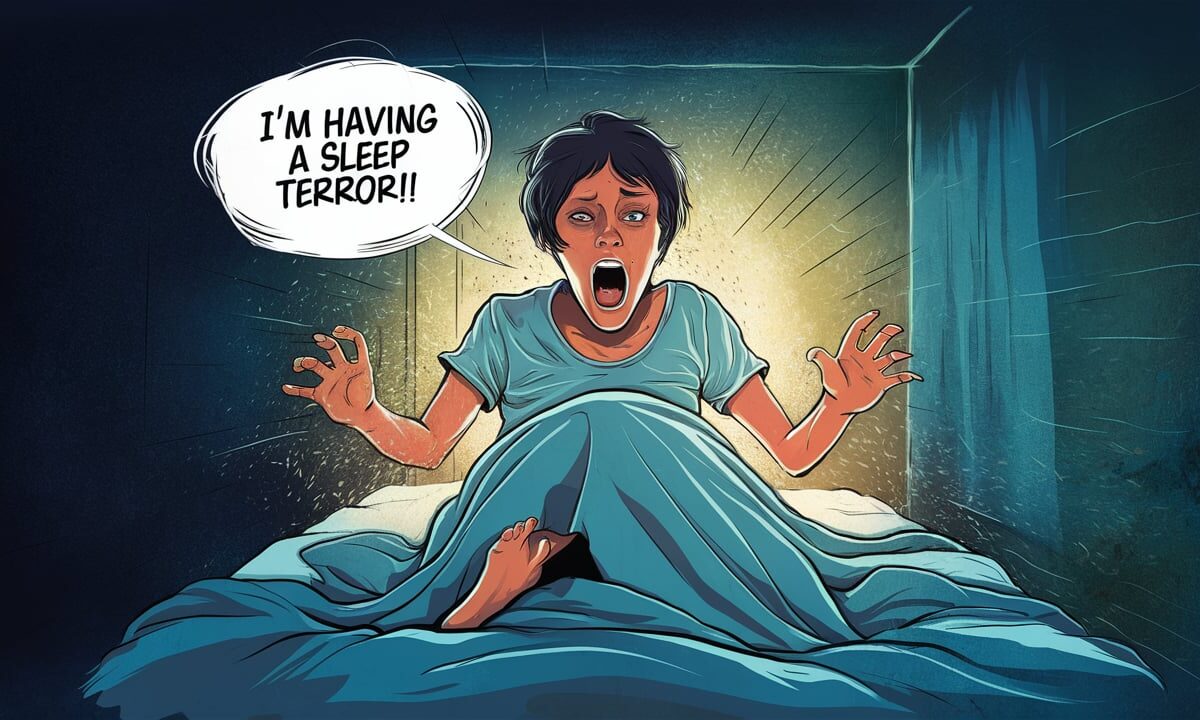
Sleep terror, an often misunderstood phenomenon, can transform a peaceful night into a terrifying experience. Unlike typical nightmares, those experiencing sleep terror typically awaken in a state of panic, unable to fully grasp their surroundings. This curious sleep disorder not only affects the individual but can also disturb loved ones, leading to a ripple effect of anxiety and confusion. Understanding sleep terror requires delving into its unique symptoms, triggers, and the biological mechanisms at play. It’s a complex interplay of physiological responses and psychological states, making it a fascinating subject for exploration.
As we journey through the intricacies of sleep terror, we will uncover the various aspects that set it apart from other sleep disturbances, the potential triggers that may lead to its onset, and the strategies for managing its occurrences. By shedding light on the experiences of those affected, we aim to foster a deeper understanding of this phenomenon and its implications on quality of life.
Sleep terror is a phenomenon that affects individuals during their sleep cycle.
Sleep terror, often referred to as night terrors, is a type of parasomnia characterized by sudden episodes of intense fear or panic that occur during sleep. Unlike nightmares, which happen during REM sleep, sleep terrors occur during non-REM sleep, particularly in the deep stages of the sleep cycle. Individuals experiencing sleep terrors often have little to no recollection of the episode upon awakening, which can make it challenging to address the underlying causes or effects on their daily life. This phenomenon primarily affects children, though it can occur in adults as well, often leading to confusion and distress not just for the person experiencing it, but also for those around them.
The physiological aspects of sleep terror involve a complex interplay between the body’s autonomic nervous system and brain activity during non-REM sleep. During an episode, individuals may exhibit symptoms such as rapid heart rate, sweating, and even sleepwalking. In contrast, the psychological aspects may include heightened stress levels and anxiety, which can be exacerbated by various factors such as sleep deprivation or emotional disturbances. The amygdala, a part of the brain responsible for processing emotions, plays a significant role in the experience of fear and panic during these episodes, often resulting in a fight-or-flight response that can be quite overwhelming.
Symptoms experienced during an episode of sleep terror
When an individual experiences a sleep terror episode, they may display a range of distressing symptoms. Understanding these symptoms is crucial for identifying sleep terrors and seeking appropriate help. Common symptoms include:
- Intense fear or panic, often accompanied by screaming or crying.
- Physical signs of distress, such as increased heart rate, sweating, and rapid breathing.
- Inability to communicate or respond to others during the episode.
- Confusion and disorientation upon awakening, typically with no memory of the event.
- Potential movement, such as sitting up in bed or walking around, which can lead to potential injury.
It’s important to highlight that while sleep terrors are often confused with nightmares, they differ significantly in their manifestation and timing within the sleep cycle. Nightmares occur during REM sleep and are typically remembered upon waking, whereas sleep terrors occur in deep sleep stages with little recall. This distinction is vital for understanding the therapeutic approaches necessary for treatment and management.
The key difference between sleep terrors and nightmares lies in the sleep stage at which they occur, as well as the level of memory retention post-episode.
In conclusion, while sleep terrors may pose challenges for individuals and their families, understanding the physiological and psychological dimensions of this phenomenon can lead to better management strategies and improved sleep health overall.
The biological mechanisms behind sleep terror involve various bodily functions.
Sleep terror, a sleep disorder characterized by sudden arousals from deep sleep with intense fear and physiological reactions, reveals fascinating insights into the interplay of biological mechanisms. The condition occurs during specific stages of sleep, primarily non-REM sleep, where the body undergoes various physiological changes. Understanding these mechanisms is crucial to unraveling the complex nature of sleep terrors.
Stages of Sleep and Prevalence of Sleep Terror
Sleep terror episodes predominantly occur during the non-REM stages of sleep, particularly in the deeper stages of NREM sleep, such as Stage 3, also known as slow-wave sleep. This stage is characterized by the following:
- Slow-wave activity: Brain activity slows significantly, allowing for restorative processes to take place.
- Reduced muscle activity: The body experiences muscle atonia, which prevents acting out dreams.
- Lowered heart rate and blood pressure: Bodily functions are reduced, providing rest and recovery, yet can lead to heightened responses during abrupt awakenings.
Sleep terrors often manifest during transitions between these sleep stages, leading to incomplete awakenings from deep sleep, resulting in confusion and intense fear.
Role of the Autonomic Nervous System
The autonomic nervous system (ANS) plays a pivotal role during sleep terror episodes, governing involuntary bodily functions. The ANS comprises two main branches: the sympathetic and parasympathetic systems. During a sleep terror episode, the following occurs:
- Sympathetic activation: The body enters a “fight or flight” response, leading to symptoms such as elevated heart rate, rapid breathing, and increased perspiration.
- Heightened arousal: The activation of the sympathetic nervous system contributes to the intensity of fear experienced during sleep terrors.
- Parasympathetic dysfunction: There may be an inability to counterbalance the sympathetic response effectively, prolonging the feelings of fear and confusion upon awakening.
The interplay between these systems during an episode creates a physiological environment that amplifies the experience of terror.
Genetic Factors and Susceptibility
Research has shown that genetic factors may contribute to an individual’s susceptibility to experiencing sleep terrors. Family studies suggest that there may be a hereditary component, as sleep terrors can run in families. Factors that influence susceptibility include:
- Family history: Individuals with relatives who have experienced sleep disturbances are more likely to encounter sleep terrors themselves.
- Genetic predisposition: Certain genetic markers may predispose individuals to heightened arousal responses during sleep.
- Neurotransmitter variations: Differences in neurotransmitter systems, which regulate sleep and emotional responses, may affect vulnerability to sleep disturbances.
Understanding the genetic underpinnings can provide insights into the prevention and management of sleep terror episodes.
Various triggers can lead to episodes of sleep terror in individuals.
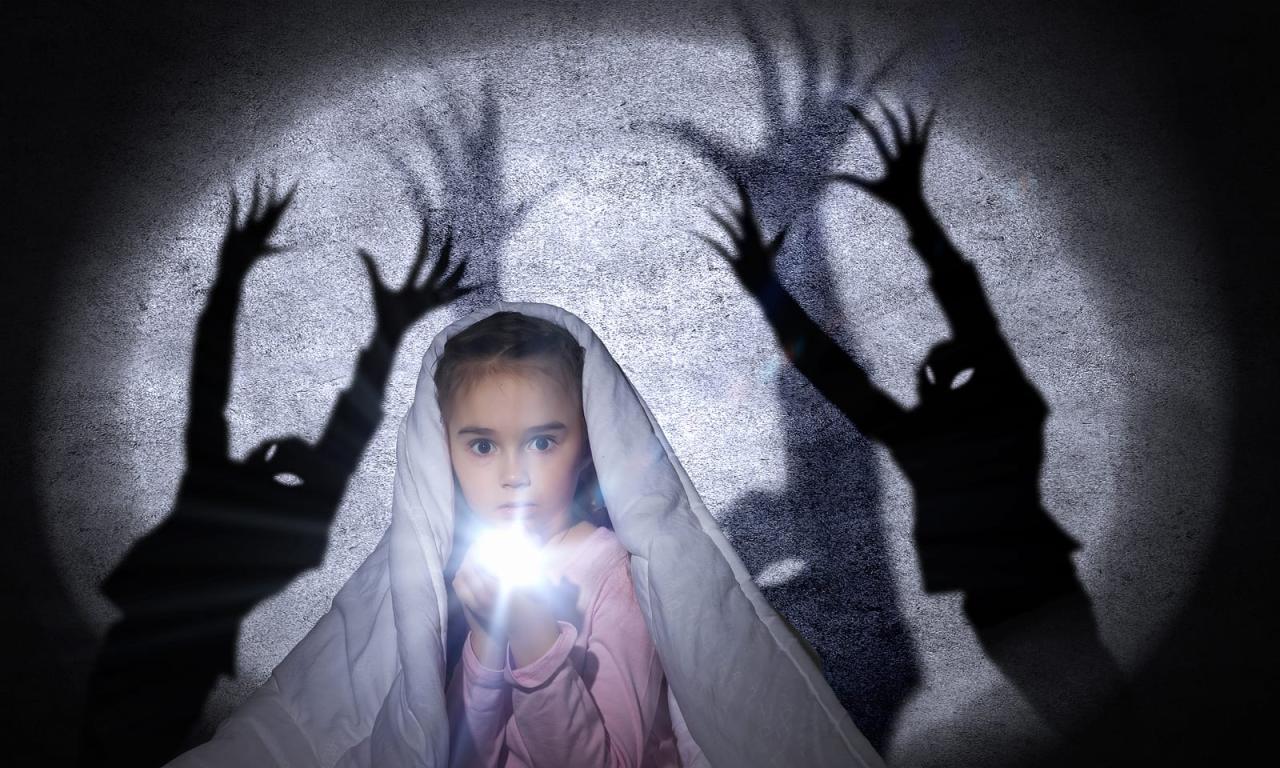
Sleep terror, also known as night terrors, is a phenomenon that can significantly disrupt an individual’s sleep and overall well-being. Understanding the various triggers that can lead to episodes of sleep terror is crucial for effective management and prevention. These triggers can be environmental, situational, or even influenced by lifestyle choices, making it essential to explore them in detail.
Environmental factors play a significant role in the occurrence of sleep terror. Changes in surroundings or disruptions in sleep patterns can lead to heightened anxiety and stress, resulting in episodes. Below are some common environmental and situational triggers associated with sleep terror:
Common Environmental and Situational Triggers
The environment in which a person sleeps can greatly influence their sleep quality and susceptibility to sleep terror. Factors like noise, temperature, and comfort level can contribute significantly.
- Loud Noises: Sudden sounds, such as sirens or thunder, can jolt individuals awake and trigger episodes.
- Unfamiliar Surroundings: Sleeping in strange environments, like hotels or new homes, can lead to heightened anxiety.
- Extreme Temperatures: Both hot and cold temperatures can disrupt sleep cycles, increasing the chances of experiencing night terrors.
- Sleep Deprivation: Lack of adequate sleep is a significant factor, as it can lead to a fragile sleep state where night terrors can manifest.
Lifestyle choices can also affect the likelihood of sleep terror episodes. These factors often interact with personal stress levels and overall health, creating a complex relationship between lifestyle and sleep disturbances.
Lifestyle Factors Increasing Likelihood of Sleep Terror
Various lifestyle choices can enhance the risk of experiencing sleep terror. It’s essential to recognize these factors as they can often be modified to promote better sleep health.
- High Stress Levels: Chronic stress from work or personal life can lead to anxiety and sleep disturbances.
- Substance Use: Consumption of alcohol, caffeine, or recreational drugs can disrupt sleep patterns.
- Irregular Sleep Schedule: Frequently changing sleep times can confuse the body’s internal clock, increasing the likelihood of night terrors.
- Certain Medications: Some medications, especially those affecting the central nervous system, can have side effects that include sleep disturbances.
To illustrate how these triggers can manifest in real life, consider the case study of a 28-year-old woman who began experiencing sleep terrors after moving into a new apartment. Initially, she enjoyed the change, but shortly thereafter, she started experiencing heightened stress levels due to work demands and the unfamiliarity of her surroundings. Her episodes occurred predominantly after nights of little sleep, where the stress and her new environment combined to create a perfect storm for night terrors.
Another account involves a college student who began experiencing sleep terrors during finals week. The combination of irregular sleep patterns, high stress due to academic pressure, and excessive caffeine consumption led to several episodes that disrupted both his sleep and academic performance.
These examples underscore the importance of recognizing triggers and making necessary lifestyle adjustments to reduce the risk of sleep terror episodes.
Sleep terror has distinct characteristics that set it apart from other sleep disturbances.
Sleep terror, also known as night terrors, is a unique sleep disorder that primarily affects children but can also occur in adults. It is characterized by intense fear and panic during sleep, often accompanied by screaming, thrashing, and an inability to awaken the individual. This condition has specific features that differentiate it from other sleep disturbances such as nightmares and night sweats.
Comparison with Nightmares and Night Sweats
Understanding the distinctions between sleep terror, nightmares, and night sweats is crucial for accurate diagnosis and treatment. While all these experiences occur during sleep, their characteristics and emotional impacts vary significantly.
- Sleep Terror: Generally occurs during non-REM sleep and is marked by sudden terror, confusion, and physical manifestations like sweating and rapid heart rate. The person often remains unresponsive to external stimuli and has little to no memory of the event upon waking.
- Nightmares: Occur during REM sleep and involve vivid and disturbing dreams, leading to awakening with clear memories of the dream’s content. Emotional responses are typically dread or fear, but the individual is fully aware of their surroundings upon waking.
- Night Sweats: Generally related to physical or medical conditions, night sweats involve excessive sweating during sleep and can be uncomfortable but are not directly tied to fear or anxiety. They do not typically involve the psychological component found in sleep terrors or nightmares.
Emotional Responses Associated with Sleep Terror Experiences
The emotional responses during sleep terror episodes are intense and often overwhelming. Those experiencing sleep terror typically feel a profound sense of fear and panic, which can result in immediate physiological reactions such as increased heart rate and rapid breathing. Unlike nightmares, where individuals can recall the dream source of their fear, sleep terror episodes leave individuals with little to no memory, adding to the confusion and anxiety surrounding the event.
“The terror experienced during sleep terror is not just a fleeting fear; it can be a profound emotional experience, often leaving individuals feeling drained and confused upon awakening.”
Prevalence of Sleep Terror Across Different Age Groups
Sleep terror is more prevalent in children, particularly between the ages of 3 and 12, with studies indicating that approximately 1-6% of children experience night terrors. Interestingly, it is less common in adults, with estimates suggesting that only about 1-2% of the adult population is affected. Factors such as stress, sleep deprivation, or certain medications can influence the occurrence of sleep terror in adults.
| Age Group | Prevalence |
|---|---|
| Children (3-12 years) | 1-6% |
| Adults | 1-2% |
Strategies for managing sleep terror include both preventative and reactive approaches.
Sleep terror, also known as night terror, can be a distressing experience for both the individual experiencing it and those around them. Understanding effective strategies for managing these episodes is crucial for minimizing their frequency and impact. This discussion will explore both preventative measures to help stop sleep terrors before they begin and reactive techniques to cope during an episode.
Preventative Methods for Sleep Terror Episodes
Establishing a reliable sleep routine can significantly reduce the likelihood of sleep terror episodes. Consistency in sleep patterns helps regulate the body’s internal clock, promoting better quality sleep.
- Regular Sleep Schedule: Going to bed and waking up at the same time every day helps to maintain a stable sleep pattern, which is beneficial for overall sleep health.
- Relaxation Techniques: Engaging in calming activities before bedtime, such as reading, meditation, or gentle yoga, can help reduce anxiety levels that may trigger sleep terrors.
- Sleep Environment Optimization: Creating a comfortable and serene sleeping environment by controlling factors like noise, light, and temperature can promote deeper sleep.
- Avoiding Stimulants: Limiting caffeine, nicotine, and heavy meals close to bedtime can decrease the potential for disturbances during sleep.
Coping Techniques During an Episode
When a sleep terror episode occurs, it’s important to have strategies in place to manage the situation effectively. These techniques can help both the individual and those nearby handle the episode.
- Remain Calm: If someone witnesses another person experiencing a sleep terror, staying calm is crucial. Reacting with panic can escalate the situation.
- Ensure Safety: Making sure the individual is in a safe environment, free from hazards, can prevent injury during an episode.
- Gently Guide Back to Sleep: While it may be challenging, gently reassuring the person without waking them can sometimes help ease their terror.
Therapeutic Options for Frequent Sleep Terror Sufferers
For individuals frequently experiencing sleep terrors, various therapeutic options can be beneficial. Consulting with a healthcare professional can provide tailored strategies based on individual needs.
- Cognitive Behavioral Therapy (CBT): This approach addresses underlying thoughts and behaviors contributing to sleep disturbances.
- Medication: In some cases, medications may be prescribed to help manage anxiety or other related conditions that contribute to sleep terrors.
- Sleep Hygiene Education: Learning about proper sleep habits and practices can empower individuals to take control of their sleep health.
- Relaxation Training: Programs focusing on relaxation techniques can aid in reducing stress and anxiety levels, contributing to fewer sleep terror occurrences.
Sleep terror may have significant impacts on the quality of life for affected individuals.
Sleep terror, often characterized by intense fear and panic during sleep, can profoundly affect an individual’s overall quality of life. Those who experience sleep terror may find that their daily functioning, relationships, and mental health are all impacted. The disruptions caused by these episodes can lead to a range of issues that extend beyond the nighttime hours, affecting both the individual and those around them.
Daily functioning can become increasingly difficult for individuals suffering from sleep terror. The episodes can lead to excessive daytime sleepiness, irritability, and difficulty concentrating. People may find it challenging to perform at work or engage in social activities, as the fear of experiencing another episode can lead to avoidance behaviors. Relationships may also be strained, as partners and family members may feel helpless when witnessing the episodes and may struggle with sleep disruption themselves. The emotional toll on both the affected individual and their loved ones can create feelings of frustration and helplessness.
Long-term psychological effects of recurrent sleep terror episodes
The psychological impact of recurrent sleep terror can be significant. Individuals may experience heightened anxiety, depression, or post-traumatic stress symptoms as a result of their episodes. The fear of experiencing sleep terror again can lead to a cycle of worry and dread, which further exacerbates the problem. Over time, this may result in chronic stress and a diminished sense of well-being.
– The following are some potential long-term effects:
- Increased anxiety: Many individuals may develop a persistent fear of sleep itself, leading to insomnia and other sleep-related issues.
- Depression: Feelings of hopelessness and sadness can arise from the ongoing struggles with sleep and the impact on daily life.
- Social withdrawal: The fear of episodes can lead individuals to isolate themselves from social situations, further exacerbating feelings of loneliness.
- Impact on self-esteem: Individuals may feel ashamed or embarrassed about their experiences, leading to decreased self-worth.
“The anxiety of knowing that you might have a sleep terror episode can be just as debilitating as the episodes themselves.”
Personal testimonials from those who have experienced sleep terror highlight the profound effects it can have on life. One individual shared their experience: “I felt like I was living in constant fear. The lack of sleep made me irritable, and I couldn’t focus on anything at work. My relationships suffered because I didn’t want to go out and risk having an episode in front of others.”
Another person reflected on their struggles, stating, “Sleep terror changed the way I view sleep entirely. I used to love going to bed, but now I dread it. The episodes take such a toll on my mental health; I often feel depressed and anxious.” These testimonies underscore the significant impacts sleep terror can have, not just on sleep, but on the broader spectrum of life experiences and relationships.
Research into sleep terror is ongoing and continues to evolve.
The field of sleep terror research is experiencing exciting advancements as scientists strive to understand the complexities of this phenomenon. Sleep terrors, or night terrors, primarily affect children but can also occur in adults. With ongoing studies, new findings are emerging that offer insights into the causes, effects, and potential treatments for this sleep disorder.
Recent investigations have revealed that sleep terrors may be more intricate than previously thought, often linked to various factors such as genetics, sleep stage disturbances, and environmental triggers. For instance, a study published in a leading sleep journal indicated that disturbances in non-REM sleep—specifically during deep sleep stages—are a significant contributor to the occurrence of sleep terrors. Additionally, researchers have identified a genetic predisposition in some individuals, suggesting that family history may play a role in susceptibility.
Recent Findings in Sleep Terror Research
Recent research has highlighted several key findings that enhance our understanding of sleep terrors. These finding include:
– Genetic Influences: Genetic markers have been identified that correlate with increased susceptibility to sleep terrors. This discovery emphasizes the need for further genetic studies to explore familial connections and hereditary patterns.
– Neurochemical Factors: Investigations have suggested that imbalances in certain neurotransmitters, particularly those involved in sleep regulation, may contribute to the onset of sleep terrors. Understanding these neurochemical pathways could lead to targeted treatments.
– Environmental and Psychological Triggers: Stress, anxiety, and environmental factors, such as irregular sleep patterns or sleep deprivation, have been recognized as potential triggers. Studies indicate that addressing these factors could reduce the frequency of episodes.
Future Directions for Sleep Terror Research
As the scientific community continues to explore sleep terrors, several promising directions for future research have emerged. These directions include:
– Longitudinal Studies: Long-term studies are essential for understanding the developmental trajectory of sleep terrors, especially in children. Tracking individuals over time could provide insight into the natural course of the disorder and potential resolutions.
– Neuroimaging Techniques: Utilizing advanced neuroimaging techniques, such as MRI and PET scans, may allow researchers to observe brain activity during sleep terror episodes, uncovering physiological abnormalities that contribute to these disturbances.
– Intervention Studies: Researching the efficacy of various interventions, including behavioral therapies and pharmacological treatments, will be crucial in developing effective strategies for managing sleep terrors.
Areas Needing Further Study
To deepen the understanding of sleep terrors, several areas require additional exploration:
– Cultural Influences on Sleep Patterns: Investigating how cultural beliefs and practices influence sleep behaviors and disturbances could reveal unique perspectives on the management of sleep terrors.
– Impact on Family Dynamics: Exploring the psychological and emotional impact of sleep terrors on families, including caregivers’ stress and children’s social development, is essential for comprehensive treatment approaches.
– Age-related Variability: Understanding how sleep terrors manifest differently across various age groups, particularly in adults, can inform tailored treatments and interventions.
Overall, the ongoing research into sleep terror provides a hopeful outlook for individuals affected by this condition. As studies continue to evolve, they will likely lead to improved understanding, prevention, and treatment options, benefiting both individuals and families dealing with the challenges of sleep terrors.
Wrap-Up
In conclusion, sleep terror is not just a fleeting experience but a significant sleep disorder that warrants attention and understanding. By recognizing the symptoms, identifying triggers, and employing effective management strategies, individuals can navigate the challenges posed by sleep terror. Whether through personal accounts or scientific research, the conversation about sleep terror continues to evolve, highlighting the need for ongoing exploration and awareness. Together, we can demystify this nocturnal enigma and support those affected in their journey towards restful nights.
FAQ Summary
What causes sleep terror?
Sleep terror can be triggered by various factors, including stress, sleep deprivation, and certain medications.
Are sleep terrors more common in children?
Yes, sleep terrors are more prevalent in children, though adults can experience them as well.
Can sleep terror be treated?
Yes, treatment options include behavioral therapy, medication, and lifestyle changes to improve sleep hygiene.
How long do sleep terror episodes last?
Episodes typically last a few minutes, but they can feel longer to the individual experiencing them.
Is there a genetic component to sleep terror?
Yes, some studies suggest that there may be a genetic predisposition to sleep terror in certain individuals.