
 Caroline Sarah
Bedtime routines are more than just rituals; they are essential practices that can dramatically enhance our sleep quality and overall health. Whether it’s winding down after a long day or creating a calming environment for children, establishing a consistent bedtime routine plays a crucial role in promoting better sleep. Research has shown that those who adhere to a structured routine experience not only improved sleep but also psychological benefits, such as reduced stress and anxiety levels.
From adults seeking a peaceful night’s rest to children developing healthy habits, the importance of a well-crafted bedtime routine cannot be overstated. With the right components in place, individuals can enjoy a tranquil transition to sleep, leading to enhanced productivity and emotional stability in their waking lives. This overview will explore the significance of bedtime routines and provide practical tips for creating and maintaining them.
Understanding the Importance of a Bedtime Routine
Establishing a bedtime routine is vital for fostering healthy sleep patterns in both children and adults. A consistent nightly routine not only signals the body that it is time to wind down but also plays a crucial role in enhancing sleep quality. By integrating specific activities before sleep, individuals can prepare their minds and bodies for a restful night, ultimately improving their overall well-being.
A well-structured bedtime routine serves to regulate the body’s internal clock, also known as the circadian rhythm. This natural cycle influences sleep-wake patterns and is significantly affected by various external factors, including light exposure and daily habits. The psychological benefits of having a bedtime routine are plentiful; for instance, engaging in calming pre-sleep activities, such as reading or meditative practices, can lower stress levels and promote relaxation. Physiologically, a bedtime routine may help to release melatonin, the hormone responsible for sleep, thereby facilitating a quicker transition from wakefulness to sleep.
Psychological and Physiological Benefits of Bedtime Routines
The advantages of a bedtime routine extend beyond mere habit formation. Research has shown that individuals who adhere to a consistent sleep schedule often experience better sleep quality. For example, a study published in the journal *Sleep* found that people who maintained a regular bedtime experienced a 75% increase in overall sleep satisfaction compared to those with erratic sleep schedules. The following points Artikel the critical benefits of having a structured bedtime routine:
- Enhanced Sleep Quality: Establishing a bedtime routine can lead to deeper, more restorative sleep phases, which are essential for physical health and cognitive function.
- Reduced Anxiety and Stress: Engaging in relaxing activities can mitigate stress, promoting a serene mental state that is conducive to sleep.
- Improved Focus and Productivity: Quality sleep achieved through a consistent bedtime routine can boost daytime alertness, enhancing overall performance in daily tasks.
- Better Mood Regulation: Individuals adhering to a bedtime routine report fewer mood swings and increased emotional stability.
- Healthier Lifestyle Choices: A well-defined routine encourages healthier habits, such as limiting screen time and incorporating calming, screen-free activities.
The correlation between bedtime routines and improved sleep outcomes is further supported by statistics: Approximately 30% of adults in the United States report chronic sleep issues, highlighting the need for effective solutions. By prioritizing a consistent bedtime routine, individuals can combat these challenges and improve their quality of life. Emphasizing the importance of a structured approach to sleep can facilitate a healthier lifestyle, promote efficient functioning, and improve overall mental and physical health.
Key Components of an Effective Bedtime Routine
An effective bedtime routine is essential for promoting restful sleep and optimal health. It helps signal the body that it is time to wind down, ensuring a smoother transition into sleep. The components of a bedtime routine can vary from person to person, but there are several key elements that commonly contribute to its effectiveness.
One should consider incorporating specific components that enhance relaxation and prepare the mind and body for sleep. These components work synergistically to establish a calming environment and promote healthy sleep habits.
Critical Elements of a Bedtime Routine
The following components are integral to an effective bedtime routine, each playing a unique role in enhancing the overall experience:
- Consistent Sleep Schedule: Going to bed and waking up at the same times each day helps regulate the body’s internal clock. This consistency reinforces the natural sleep-wake cycle, leading to more restful sleep. For instance, if you aim to wake up at 7 AM, consider establishing a bedtime of around 10 PM.
- Wind-Down Activities: Engaging in calming activities such as reading, gentle stretching, or meditation can help reduce stress and anxiety, making it easier to fall asleep. These activities should be screen-free to avoid stimulating the brain with blue light. For example, reading a few chapters of a light novel can serve as an excellent way to unwind.
- Relaxation Techniques: Incorporating relaxation techniques like deep breathing exercises or progressive muscle relaxation can further enhance the winding down process. These techniques help lower heart rate and promote a sense of calm, preparing the body for sleep. A simple exercise could involve inhaling deeply for a count of four, holding for four, and exhaling for four.
- Comfortable Sleep Environment: Creating a sleep-friendly environment is crucial. This includes dimming the lights, reducing noise, and ensuring a comfortable room temperature. For example, using blackout curtains and a white noise machine can significantly improve sleep quality.
- Limiting Stimulants: Avoiding caffeine and heavy meals close to bedtime can prevent sleep disturbances. It’s advisable to stop consuming caffeine at least six hours before sleep, allowing the body to naturally wind down without interference.
- Bedtime Hygiene: Establishing habits such as brushing teeth and taking a warm shower can signal the body that it is time to prepare for sleep. These rituals create a sense of routine and familiarity, enhancing comfort. A warm shower can also help lower body temperature post-bath, promoting sleepiness.
Crafting a Personalized Bedtime Routine for Adults
Creating a personalized bedtime routine is essential for adults seeking quality sleep. A well-tailored routine takes into account individual preferences, lifestyles, and sleep patterns, promoting better rest and overall wellbeing. By curating a sequence of activities that align with personal habits, one can enhance the transition into sleep, leading to a more restful night.
Establishing a personalized bedtime routine involves several steps that cater to one’s unique needs. It is important to assess your current habits, set a consistent bedtime, and select activities that promote relaxation. This tailored approach will help create an atmosphere conducive to sleep and improve sleep quality.
Step-by-Step Guide to Create a Bedtime Routine
When designing your routine, consider the following steps to effectively craft your personalized bedtime ritual. Each step serves to build a pathway that prepares your body and mind for restful sleep.
- Assess Current Habits: Take a week to track your current sleep patterns and evening activities. Note what time you go to bed, how long it takes you to fall asleep, and how often you wake up during the night.
- Set a Consistent Sleep Schedule: Choose a specific bedtime and wake-up time, even on weekends, to regulate your body’s internal clock. Aim for 7-9 hours of sleep per night.
- Create a Relaxation Zone: Identify a calming space in your home where you can unwind. This area should be free of distractions, comfortably dark, and at a cool temperature to facilitate sleep.
- Incorporate Calming Activities: Choose activities that promote relaxation such as reading a book, practicing gentle yoga, or enjoying a warm bath. These activities signal to your body that it’s time to wind down.
- Limit Screen Time: Avoid screens at least 30-60 minutes before bedtime. The blue light emitted by devices can interfere with melatonin production, making it harder to fall asleep.
- Adjust Lighting: Dim the lights in your home as bedtime approaches. Consider using soft lighting or candles to create a serene atmosphere.
- Reflect and Journal: Spend a few minutes reflecting on your day or journaling your thoughts. This practice can help clear your mind and alleviate stress.
- Practice Gratitude: Before bed, consider jotting down three things you’re grateful for. This positive practice promotes relaxation and may enhance sleep quality.
Importance of Individual Preferences in Bedtime Routines
Recognizing individual preferences is crucial in developing a successful bedtime routine. Each person has unique triggers and responses to different relaxation techniques. By understanding what works best for you, the likelihood of sticking to your routine increases significantly.
“A routine should be a reflection of personal preferences and comfort.”
Different factors affect sleep readiness, such as lifestyle, work demands, and cultural practices. Tailoring your routine ensures it is not only practical but enjoyable, which is key to consistency. For example, some may prefer quiet solitude, while others might enjoy listening to calming music or nature sounds before sleep.
Comparison of Relaxation Techniques for Sleep Readiness
Incorporating effective relaxation techniques is vital for enhancing sleep readiness. Below is a comparison of various approaches that can be used to improve your bedtime routine.
| Technique | Description | Benefits |
|---|---|---|
| Deep Breathing | Focus on taking slow, deep breaths to calm the mind and reduce stress. | Promotes relaxation, lowers heart rate, and helps to clear the mind. |
| Meditation | Engaging in mindfulness meditation to center thoughts and achieve mental clarity. | Improves emotional health, reduces anxiety, and enhances overall sleep quality. |
| Gentle Yoga | Practicing light stretches and poses to release tension in the body. | Increases flexibility, relieves physical stress, and prepares the body for sleep. |
| Reading | Reading a physical book or magazine as a form of escapism before bed. | Shifts focus away from daily stresses and promotes relaxation. |
| Aromatherapy | Using essential oils (like lavender or chamomile) to create a calming environment. | Enhances relaxation and can promote deeper sleep. |
Bedtime Routines for Children
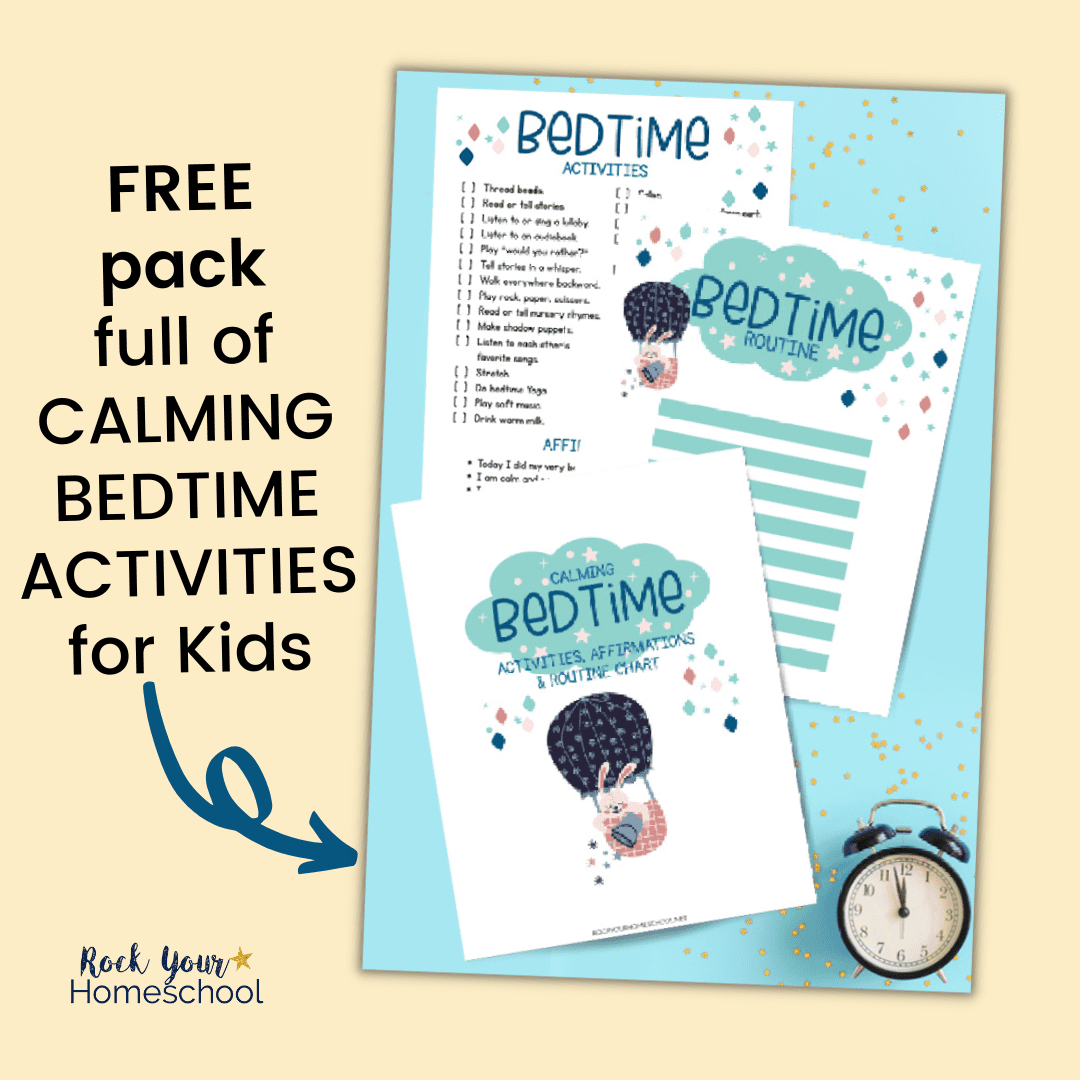
Establishing a bedtime routine for children is an essential aspect of fostering their overall development and well-being. A consistent routine not only helps children wind down after a busy day, but it also signals to their bodies that it is time to sleep, promoting healthier sleep patterns.
A well-crafted bedtime routine can significantly impact a child’s emotional and cognitive growth. It creates a sense of security and stability, which is crucial for their development. Children who have established bedtime routines tend to experience less anxiety at bedtime, are more willing to go to sleep, and often sleep more soundly through the night. Moreover, these routines can help develop important life skills such as self-discipline and time management.
Methods to Create Enjoyable and Effective Bedtime Routines
Parents can incorporate various methods to make bedtime routines both enjoyable and effective for their children. Personalizing the routine to fit the child’s interests and preferences can enhance engagement. Here are some strategies for parents to consider:
– Allow children to choose their pajamas or select a special stuffed animal to take to bed.
– Integrate relaxation techniques such as deep breathing or gentle stretching.
– Set a consistent bedtime and stick to it, ensuring the routine becomes an expected part of the day.
Engaging activities can transform a mundane routine into a delightful experience. Below is a list of activities that can be seamlessly integrated into a child’s bedtime routine:
- Storytime: Reading a favorite story can spark imagination and create bonding moments.
- Bedtime Songs: Singing soothing lullabies can help relax the child and create a calming atmosphere.
- Quiet Play: Engaging in quiet activities like puzzles or coloring can provide a gentle wind-down.
- Reflective Conversations: Discussing the day’s events can help children process their thoughts and feelings.
- Gratitude Practice: Encouraging children to express what they are thankful for can foster positive thinking.
- Meditation or Mindfulness: Simple mindfulness exercises can help calm the mind and prepare for sleep.
Overcoming Common Challenges in Maintaining a Bedtime Routine
Establishing a consistent bedtime routine is essential for achieving quality sleep and improving overall well-being. However, many individuals encounter various obstacles that hinder their ability to stick to a set schedule. Understanding these challenges and implementing effective strategies can significantly enhance the likelihood of maintaining a bedtime routine.
Factors such as busy lifestyles, electronic device usage, and stress can disrupt sleep patterns and prevent adherence to a bedtime routine. Each of these challenges not only affects the ability to sleep well but can also lead to a cycle of fatigue and irritability. To tackle these issues, it is important to recognize them and adopt tailored solutions that promote discipline and consistency.
Common Challenges and Solutions
Identifying typical challenges faced when trying to maintain a bedtime routine is key to finding practical solutions. The following table Artikels these common obstacles alongside actionable strategies to address them:
| Challenge | Practical Suggestion |
|---|---|
| Busy Schedules | Prioritize sleep by scheduling it like an important meeting; plan early wind-down activities to signal bedtime. |
| Screen Time | Implement a technology curfew; turn off devices at least an hour before bed to reduce blue light exposure. |
| Stress and Anxiety | Incorporate relaxation techniques such as deep breathing, meditation, or light reading to calm the mind before sleep. |
| Inconsistent Sleep Patterns | Set a consistent bedtime and wake-up time, even on weekends, to regulate your body’s internal clock. |
| Environmental Distractions | Create a conducive sleep environment; use blackout curtains, white noise machines, or aromatherapy to enhance comfort. |
By understanding and addressing common obstacles, individuals can create a more effective bedtime routine that promotes better sleep quality.
The Role of Technology in Modern Bedtime Routines
In today’s fast-paced world, technology plays a significant role in shaping bedtime routines. While it can foster better sleep hygiene, it also brings challenges that may interfere with relaxation and restorative sleep. Understanding how to navigate these influences is essential for establishing a healthy nightly routine.
One of the notable influences of technology on bedtime routines includes the introduction of sleep-tracking devices and applications. These innovations help individuals monitor their sleep patterns, offering insights that can lead to improved sleep quality. However, there are also concerns surrounding the impact of screen time and the blue light emitted by devices, which can disrupt natural sleep cycles. To fully leverage technology for better sleep, individuals must strike a balance between utilizing helpful tools and minimizing potential distractions.
Apps and Devices for Sleep Management
Various apps and devices have emerged to aid users in managing their sleep. They provide functionalities ranging from tracking sleep cycles to offering guided meditations. The following is a selection of notable tools that can enhance bedtime routines:
- Sleep Cycle: This app analyzes sleep patterns and wakes users up during their lightest sleep phase, helping them feel more refreshed.
- Calm: Known for its guided meditations, Calm also provides soothing sounds and bedtime stories to help users wind down before sleep.
- Pillow: A sleep tracking app that integrates with Apple devices, Pillow offers detailed insights on sleep quality and suggestions for improvements.
- Smart Sleep Lights: Devices like Philips Hue allow users to customize lighting, gradually dimming to signal bedtime and promoting relaxation.
- White Noise Machines: These devices create a consistent sound environment that masks disruptive noises, fostering a more tranquil sleep setting.
Integrating these technologies into nightly routines can enhance relaxation and improve sleep quality. Nevertheless, users should remain mindful of their technology habits close to bedtime, as excessive use can lead to increased alertness rather than relaxation.
Balancing Technology Use and Relaxation Techniques
Finding the right balance between using technology and engaging in relaxation techniques is crucial for an effective bedtime routine. While many applications can support sleep preparation, it is essential to limit the use of screens in the hour leading up to bedtime to mitigate the impacts of blue light.
Incorporating relaxation techniques can complement the benefits of sleep-related technology. The following strategies are effective for transitioning into a restful state:
- Mindfulness and Meditation: Practicing mindfulness can help clear the mind, reducing anxiety and promoting a sense of calm.
- Reading: Opting for physical books rather than digital screens can be soothing and aids in winding down.
- Gentle Yoga or Stretching: Engaging in light physical activity can relieve tension built up during the day.
- Aromatherapy: Using essential oils, such as lavender, can create a relaxing atmosphere conducive to sleep.
- Establishing a Consistent Routine: Going to bed and waking up at the same time every day helps regulate the body’s internal clock.
By thoughtfully blending the use of technology with these relaxation techniques, individuals can create a more effective and enjoyable bedtime routine that promotes restorative sleep while minimizing potential disruptions.
The Cultural Variations in Bedtime Practices Around the World
Bedtime routines serve as an essential aspect of daily life across various cultures, often reflecting deep-seated values and beliefs. These practices not only impact sleep quality but also influence family dynamics, children’s development, and overall well-being. Understanding how bedtime routines vary globally can provide insights into the cultural fabric that shapes these practices.
Bedtime rituals are informed by a range of factors, including societal norms, parenting styles, and historical contexts. For example, in some cultures, bedtime routines are primarily focused on creating a soothing environment for sleep, while in others, they may emphasize family bonding or educational activities. The following sections explore different cultural approaches to bedtime routines and their implications for sleep.
Variations in Bedtime Practices
Different cultures exhibit distinct bedtime practices that reflect their values and beliefs. Here are three notable examples:
- Japanese Bedtime Practices: In Japan, a common practice involves children taking a warm bath before bed. This ritual not only relaxes the body but also emphasizes cleanliness, which is significant in Japanese culture. Parents often read stories or engage in quiet conversations to foster emotional connections before sleep, promoting both relaxation and bonding.
- Scandinavian Bedtime Routines: In countries like Sweden and Norway, bedtime often includes a specific “bedtime story” period where parents read to their children. This practice enhances literacy and reinforces cultural narratives. Additionally, children frequently sleep in their own rooms from an early age, which is believed to foster independence and self-regulation.
- Hispanic Family Traditions: In many Hispanic cultures, bedtime routines are more communal. Families may gather to share stories or engage in prayers before sleep, emphasizing the importance of family unity and spiritual connection. This practice can create a comforting environment that promotes security and emotional health in children.
Understanding these cultural variations highlights the importance of recognizing and respecting diverse bedtime practices. Each approach has its own set of benefits and challenges, which can influence sleep patterns and overall family dynamics. By examining these cultural beliefs, one can appreciate how deeply ingrained values shape the way societies approach bedtime routines, ultimately affecting individual well-being and familial relationships.
The Long-Term Benefits of a Consistent Bedtime Routine

A consistent bedtime routine is more than just a nightly habit; it lays the foundation for long-term health and well-being. Over the years, maintaining such a routine can yield numerous benefits that extend beyond just sleep quality. By creating a stable environment for rest, individuals can experience a profound impact on their physical health, emotional state, and overall productivity.
Establishing a regular sleep schedule helps to regulate the body’s internal clock, which can lead to improved sleep quality and duration. This consistency has been linked to a variety of health benefits, including lower stress levels, enhanced cognitive function, and even a stronger immune system. Over time, individuals who prioritize their sleep by adhering to a consistent routine often find themselves more energized and focused throughout the day, allowing them to tackle tasks more efficiently.
Health Benefits of a Consistent Bedtime Routine
The long-term health implications of a consistent bedtime routine are significant. Regular sleep patterns play a crucial role in several areas of health, which can be illustrated through the following points:
- Reduced Stress and Anxiety: A stable routine can diminish levels of cortisol, the stress hormone, leading to a calmer mind and better emotional regulation.
- Improved Cognitive Function: Consistent sleep helps enhance memory, learning, and problem-solving skills, contributing to better performance in work and daily tasks.
- Stronger Immune System: Adequate rest boosts the immune system, making one less susceptible to illnesses over time.
- Weight Management: Regular sleep patterns can help regulate hormones that control appetite, potentially leading to healthier weight management.
- Heart Health: Improved sleep quality over years can lead to lower blood pressure and a reduced risk of heart disease.
Real-life testimonials highlight the transformative effects of a consistent bedtime routine. For instance, Sarah, a busy professional, reported that after committing to a regular sleep schedule, she noticed a 40% increase in her productivity at work, along with a marked decrease in her anxiety levels. Similarly, John, a college student, found that sticking to a bedtime routine not only improved his grades but also enhanced his overall mood and social interactions.
“A consistent bedtime routine is the first step toward reclaiming your health and well-being. It’s not just about sleep; it’s about living better.” – Dr. Emily Carter, Sleep Specialist
Adopting a consistent bedtime routine can lead to a cascade of positive effects that enhance every aspect of life. As evidenced by various studies and real-life experiences, the commitment to a nightly routine can shape a healthier, more balanced lifestyle that pays dividends for years to come.
Summary
In conclusion, a consistent bedtime routine is a cornerstone for achieving optimal sleep and overall well-being. By understanding the key components and overcoming common challenges, individuals can tailor their routines to fit their unique lifestyles. Embracing these practices not only fosters better sleep but also nurtures a healthier, more balanced life. Ultimately, the time invested in establishing a bedtime routine pays off in the form of improved health and happiness.
FAQ Resource
What is a bedtime routine?
A bedtime routine is a series of activities performed before sleep to signal the body that it’s time to wind down and prepare for rest.
How long should a bedtime routine last?
A typical bedtime routine can last anywhere from 20 to 60 minutes, depending on individual preferences and needs.
Can a bedtime routine help with sleep disorders?
Yes, establishing a consistent bedtime routine can improve sleep quality and help manage some sleep disorders by promoting relaxation and signaling sleep readiness.
Is it necessary to follow the same routine every night?
While consistency is beneficial, it’s okay to adjust your routine occasionally to suit your lifestyle or preferences, as long as you maintain the core elements that promote relaxation.
What activities should I include in my bedtime routine?
Consider including calming activities such as reading, meditation, light stretching, or listening to soothing music to enhance your bedtime experience.
Can technology be a part of my bedtime routine?
Technology can be beneficial with sleep apps or calming sounds, but it’s essential to limit screen time before bed to avoid disrupting your sleep cycle.