 Caroline Sarah
Noise machines have become increasingly popular in recent years, serving as an effective tool for enhancing relaxation and productivity in our daily lives. These devices generate a variety of sounds that can help mask distracting noises, creating a soothing environment for work, sleep, or relaxation. Understanding what a noise machine is and how it functions opens the door to exploring its many benefits and applications.
From aiding sleep quality to improving focus in busy workspaces, noise machines offer a multitude of advantages. With various types available on the market, it’s essential to know how they work and the unique features they provide to find the right fit for your needs.
Understanding the concept of a noise machine
Noise machines are devices designed to generate soundscapes that can mask background noise, promote relaxation, and improve sleep quality. These machines produce sounds that range from white noise to nature sounds, creating an auditory environment that can help individuals focus, relax, or drift off to sleep. They are particularly useful in urban settings where ambient noise levels can be disruptive.
Various types of noise machines are available in the market, catering to different preferences and needs. They can be broadly categorized into digital sound machines, mechanical noise generators, smartphone apps, and hybrid devices that combine features from both analog and digital technologies. Each type offers unique functionalities that appeal to a variety of users.
Types of noise machines
Different types of noise machines serve specific functions and provide various sound options. Understanding these types helps individuals choose the right machine for their needs. Here’s a detailed look at the prominent categories:
- Digital sound machines: These devices typically offer a wide range of pre-recorded sounds, including white noise, pink noise, and various nature sounds like rain, ocean waves, or forest ambiance. They often come with features such as timers and volume control, allowing users to customize their experience.
- Mechanical noise generators: These machines use physical mechanisms to produce sound, often resulting in a more natural sound quality. They can include fan-based machines or those that utilize mechanical parts to generate noise without digital input.
- Smartphone apps: A popular choice due to their convenience, these apps can produce various sounds and are often free or low-cost. They allow users to mix sounds, set timers, and even play them in the background while using other applications.
- Hybrid devices: These combine features from both digital and mechanical machines, offering a variety of sounds, user interfaces, and added functionalities such as Bluetooth connectivity or smart home integration.
Noise machines operate by generating sound frequencies that can mask unwanted noise, providing a soothing backdrop for various activities. The technology behind these machines often involves sound synthesis, where electronic circuits create specific sound waves, or sound sampling, where recorded sounds are played back at adjustable volumes.
Noise machines work by emitting sounds that can cover or blend with disruptive environmental noises, creating a more pleasing auditory environment.
For instance, users seeking to improve sleep quality might find that a white noise machine helps drown out the sound of traffic or neighbors, allowing for a more restful night. Similarly, students in a busy library may use a nature sounds app to enhance their concentration while studying.
Overall, the effectiveness of noise machines lies in their ability to create a personalized sound environment tailored to individual preferences and needs.
Exploring the benefits of using a noise machine
Noise machines have emerged as a popular tool for enhancing both sleep quality and productivity in various settings. By generating consistent sound patterns, these devices can mask disruptive environmental noises, paving the way for a more tranquil atmosphere. As we delve into the benefits of noise machines, it becomes clear that their applications extend beyond mere sound masking; they also play a crucial role in mental wellness and productivity.
Advantages for Sleep Improvement
The primary role of noise machines in promoting better sleep is their ability to create a soothing auditory environment. Many individuals struggle with falling asleep due to sudden noises, such as traffic, barking dogs, or creaking floors. Noise machines can effectively help with this by providing a steady sound that drowns out these disturbances.
- White noise and other sound patterns, like nature sounds, promote relaxation by creating a consistent auditory backdrop.
- The steady sound can signal the brain that it is time to wind down, facilitating the transition into sleep.
- Many users report experiencing deeper sleep cycles, leading to improved overall rest and recovery.
Enhancement of Focus and Productivity
In work environments, noise machines can help improve focus and productivity by minimizing distractions. When working in open spaces or shared offices, many people find it challenging to concentrate due to surrounding conversations and movement. Noise machines can assist in counteracting these disruptions, allowing individuals to maintain their focus on tasks.
- Background noise helps foster a sense of privacy, which can enhance concentration levels.
- Individuals report increased productivity as they are able to block out distracting sounds.
- Incorporating noise machines into workspaces has been shown to improve mental clarity and cognitive performance.
Therapeutic Uses for Anxiety Reduction
The therapeutic benefits of noise machines extend into the realm of anxiety management as well. The calming sounds produced by these devices can help individuals cope with stress by creating a peaceful auditory environment.
- Soft and rhythmic sounds can trigger the body’s relaxation response, reducing the physiological symptoms of anxiety.
- Listening to soothing noise can help ground individuals in the present moment, distracting them from anxious thoughts.
- Noise machines have been used effectively in therapeutic settings to assist clients dealing with anxiety disorders or stress-related issues.
“The consistent sound of a noise machine can become a powerful tool for relaxation and focus, providing an environment conducive to both sleep and productivity.”
Comparing different noise machine features and specifications
When considering the purchase of a noise machine, it’s essential to understand the variety of features and specifications available. Selecting the right machine can significantly impact its effectiveness in providing relaxation, focus, or sleep improvement. This comparison will highlight crucial features to look for, the differences between portable and stationary models, and the significance of sound quality and variety.
Crucial features to consider when purchasing a noise machine
A variety of features can influence the functionality and user experience of noise machines. Key features to consider include:
- Sound Options: Look for machines that offer a wide range of sounds, such as white noise, nature sounds, and ambient sounds, to suit personal preferences.
- Volume Control: Adjustable volume levels are crucial for tailoring the sound intensity to your needs, ensuring comfort and effectiveness.
- Timer Settings: The ability to set a timer allows users to control the duration of sound play, which can be beneficial for sleep routines.
- Portability: Consider whether the machine is easy to transport if you plan to use it in various locations.
- Power Source: Check if the device is battery-operated, USB-powered, or requires an electrical outlet, depending on your usage environment.
Comparison of portable vs. stationary noise machines
The choice between portable and stationary noise machines significantly affects usability and application. Each type has distinct advantages and limitations:
- Portable Noise Machines: These devices are designed for easy transport, making them ideal for travel or use in different rooms. They typically run on batteries or USB power, ensuring convenience on the go.
- Stationary Noise Machines: These machines are usually more robust, providing better sound quality and a broader range of features. They are ideal for home use, particularly in bedrooms or offices where a consistent sound environment is desired.
In summary, portable models offer flexibility, while stationary machines provide enhanced sound quality and features.
Importance of sound quality and variety in a noise machine
Sound quality and variety play critical roles in the effectiveness of noise machines. A noise machine that produces high-quality audio ensures that sounds are pleasant and not distracting, which can help users achieve better relaxation or concentration.
- High Fidelity Sound: Machines with superior sound quality avoid distortion and provide a clearer audio experience, enhancing the overall effectiveness of white noise or nature sounds.
- Diverse Sound Library: A variety of sound options prevents monotony and allows users to choose sounds best suited for their preferences and needs. Popular options include rain, ocean waves, or soft instrumental music.
- Adaptive Sound Technology: Some advanced machines utilize technology that adapts sound based on ambient noise levels, ensuring a consistent auditory environment regardless of external disturbances.
Investing in a noise machine with quality sound and variety can greatly enhance your experience, helping to create the desired atmosphere for sleep or focus.
The science behind sound and its effects on humans
Sound is an omnipresent phenomenon that significantly influences our lives in various ways. It not only shapes our environment but also impacts our physiological and psychological well-being. Understanding how sound interacts with the human body can shed light on its profound effects, from promoting healing to fostering relaxation and improving sleep quality.
Physiological and psychological impact of sound on human health
The effects of sound on human health can be categorized into physiological and psychological impacts. Physiologically, sound waves enter the ear and are processed by the auditory system. This processing can trigger various bodily responses, such as increased heart rate or changes in blood pressure. For example, soothing sounds can lead to reduced stress levels and lower cortisol, the stress hormone, promoting overall health.
Psychologically, sound has the power to evoke emotions and memories. Certain types of music or sounds can elicit feelings of happiness, nostalgia, or even sadness. Research has indicated that sound can influence brain activity and emotions, with specific frequencies associated with particular emotional responses. Music therapy utilizes these principles, helping individuals cope with anxiety, depression, and other mental health issues.
Role of white noise versus other noise types in promoting relaxation
White noise, characterized by a consistent sound that covers a wide range of frequencies, has been shown to aid relaxation by masking disruptive background noises. This consistent auditory backdrop promotes a sense of calm and can improve focus. In environments where sudden noises can be distracting, white noise creates a stable sound environment that helps individuals concentrate better.
In contrast, other noise types, such as pink noise or brown noise, have different sound profiles. Pink noise, for instance, has equal intensity across frequencies, which can be more pleasant to the ear and is often used in sleep aids. Brown noise, deeper and more bass-heavy, is also effective for relaxation and is commonly utilized to soothe anxiety. It is essential to understand these noise types as they serve specific functions in promoting relaxation and enhancing the quality of life.
Influence of consistent sound exposure on sleep cycles
Consistent exposure to certain sounds can significantly influence sleep cycles by promoting deeper sleep and reducing awakenings during the night. Studies have shown that individuals who sleep with consistent sound environments, such as white noise, often experience fewer disturbances in their sleep patterns. The masking effect of steady sounds helps to drown out sudden noises that might wake a person.
Furthermore, sound can help regulate circadian rhythms, the body’s internal clock that governs sleep-wake cycles. For instance, listening to calming sounds before bedtime can signal the brain to prepare for sleep, facilitating the transition into deeper sleep stages. In environments like hospitals, where noise can be disruptive, the implementation of consistent sound can enhance patient recovery by improving sleep quality.
“Sound has the potential to be a powerful tool for promoting well-being, influencing both physiological responses and psychological states.”
Practical applications of noise machines in daily life
Noise machines have found their way into many aspects of daily living, providing a blend of comfort and enhancement to various environments. These devices are designed to generate consistent ambient sounds, which can mask disruptive noise and create a calming atmosphere. As more individuals recognize their benefits, the applications of noise machines continue to expand, making them valuable tools in both personal and shared spaces.
Scenarios for effective use of noise machines
Noise machines can serve multiple practical purposes across different scenarios, making them versatile in their applications. Here are some key areas where these devices can be particularly beneficial:
- Bedtime routines: Integrating a noise machine into a bedtime routine can help create a soothing sleep environment, especially for those struggling with insomnia or light sleep. The gentle hum of white noise or nature sounds can disguise jarring noises from outside, promoting deeper sleep.
- Office environments: In open-concept offices, noise machines can provide a barrier against distracting conversations and electronic sounds. This helps improve concentration and overall productivity for employees working in shared spaces.
- Baby nursery: Noise machines are often used in nurseries to help soothe infants to sleep. The consistent sound can mimic the comforting noises they experienced in the womb, aiding in creating a tranquil sleeping environment.
- Travel settings: When staying in hotels or during travel, noise machines can be a great companion. They help mask unfamiliar sounds that can disrupt sleep or relaxation, making it easier to rest in new environments.
- Shared living spaces: In homes where multiple people live together, noise machines can help ensure that everyone’s activities don’t disturb others, allowing for a harmonious living situation.
Incorporating noise machines into bedtime routines
Setting up a noise machine as part of a bedtime routine can significantly enhance sleep quality. Here are some steps to seamlessly integrate these devices into nightly rituals:
- Establish a consistent schedule: Aim to go to bed and wake up at the same time every day. This consistency helps train your body for restful sleep.
- Select calming sounds: Choose sounds that resonate personally, such as ocean waves, rain, or white noise. Experiment to find what aids relaxation best.
- Position the machine strategically: Place the noise machine at a distance that allows the sound to envelop the room without being overwhelming. It should provide a backdrop, not a focal point.
- Set a timer: Many noise machines feature timers. Use this function to ensure the sound plays for a specific duration, helping to facilitate sleep without running through the night unnecessarily.
- Combine with other relaxation techniques: Enhance the effect of the noise machine by pairing it with activities like reading, meditating, or gentle stretching before bed to promote a calm mindset.
Using noise machines in shared living spaces
In environments where multiple individuals share living quarters, noise machines can help maintain peace and privacy. Here are some effective strategies for their use:
- Adjust volume levels: Keep the volume at a moderate level that masks disruptive noises without overpowering conversations or activities happening in the space.
- Designate quiet zones: Use noise machines in specific areas, like bedrooms or study rooms, to create designated quiet spaces that allow for focused activities without distractions.
- Communicate with housemates: Discuss the use of the noise machine with others in the living space to determine the best times and sounds that suit everyone’s preferences, promoting harmony.
- Utilize portable options: Choose portable noise machines that can be moved from room to room, allowing flexibility depending on activities and the need for sound masking.
- Experiment with sound types: Different sounds can have varying effects on mood and focus. Consider using nature sounds in common areas to create a relaxing atmosphere that benefits all inhabitants.
Evaluating noise machine technology advancements
In recent years, noise machine technology has significantly evolved, enhancing their effectiveness and user experience. These advancements reflect not only improvements in sound quality but also the integration of intelligent features that cater to diverse user needs. As we assess these developments, it becomes evident that the future of noise machines holds promising potential for even greater functionality and usability.
Recent technological developments in noise machine design
The design of modern noise machines has seen notable enhancements, primarily driven by advancements in sound engineering and portable technology. Key developments include:
- High-fidelity sound quality: Contemporary noise machines utilize advanced speaker systems and audio processing technologies that deliver richer and more immersive soundscapes. This allows users to experience a more natural auditory environment, which is crucial for relaxation and sleep.
- Compact and portable designs: Innovations in materials and miniaturization have led to lightweight and easily transportable units. Many modern noise machines can now fit into a pocket or bag, allowing users to carry their preferred sound environments anywhere.
- Durability and battery life: Enhanced battery technology has contributed to longer usage times, making it feasible for users to rely on these devices without frequent recharging. Moreover, durable materials ensure longevity, even in varied environments.
Integration of smart features in modern noise machines
The integration of smart technology into noise machines has revolutionized how users interact with these devices. Features commonly seen in modern products include:
- App connectivity: Many noise machines now have companion applications that allow users to customize sound profiles, set timers, and control volume via their smartphones, adding a layer of convenience and personalization.
- Voice activation: With the rise of smart home technology, voice-activated noise machines can easily be controlled through popular virtual assistants, enhancing user accessibility and engagement.
- Adaptive sound technology: Some advanced models analyze the surrounding noise environment and adjust sound output to mask disruptive noises, effectively improving the overall user experience.
Potential future trends in noise machine functionality and usability
Looking ahead, several potential trends are emerging in the field of noise machine technology. These trends indicate a shift towards more integrated and user-centric designs:
- Personalized sound profiles: Future devices may feature AI-driven algorithms that learn user preferences and adapt sounds accordingly, providing a uniquely tailored auditory experience that aligns with individual needs.
- Health monitoring integration: As health technology evolves, noise machines may incorporate biometric sensors to monitor user sleep patterns or stress levels, enabling proactive adjustments to sound environments for optimal relaxation.
- Sustainability initiatives: Increasingly, manufacturers are likely to focus on eco-friendly materials and energy-efficient designs to appeal to environmentally conscious consumers, making noise machines both effective and responsible.
User experiences and testimonials regarding noise machines
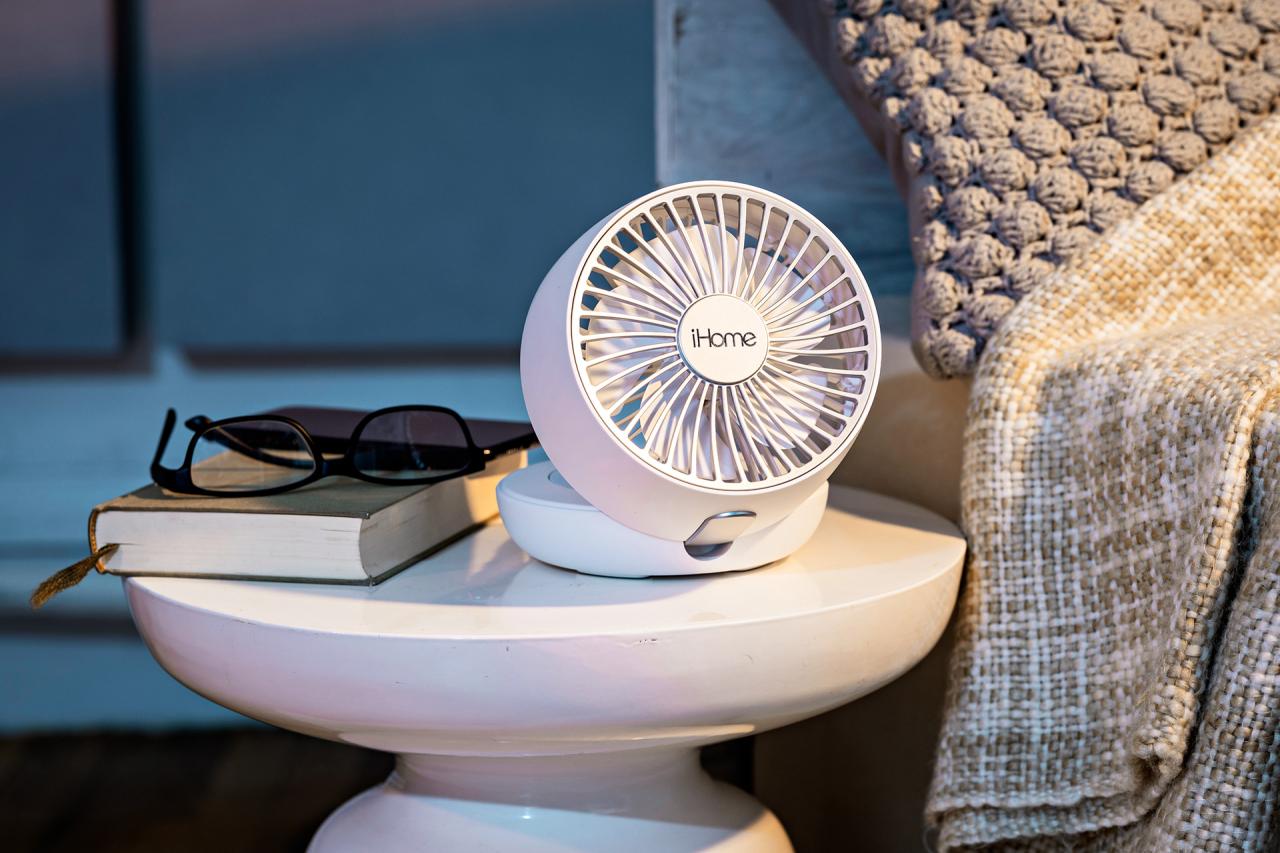
Noise machines have gained popularity among individuals seeking relief from sleep disturbances, productivity distractions, and anxiety relief. Personal stories reveal how these devices have transformed lives by providing a peaceful auditory environment conducive to relaxation and focus. Many users have shared their positive experiences, highlighting the diverse applications of noise machines in everyday life.
User experiences often provide insight into the practical benefits of noise machines beyond mere anecdotal evidence. These devices not only mask disruptive sounds but also enhance overall well-being through tailor-made soundscapes. Users have reported improved sleep quality, heightened concentration, and reduced stress levels, illustrating the broader implications of noise machines in enhancing quality of life.
Personal Stories from Users
A collection of testimonials showcases the varied experiences of users across different demographics. These accounts demonstrate the effectiveness of noise machines in diverse settings:
- Alice, a college student: “With roommates who study at all hours, my noise machine has been a lifesaver. I can finally focus on my assignments without distractions.”
- John, a new parent: “Our baby was waking up every time a car passed by. The white noise machine helped soothe him to sleep, allowing both of us to get some much-needed rest.”
- Linda, a professional working from home: “I used to struggle with concentration due to outside noises. Now, I can work for hours on end with my noise machine playing in the background.”
Common Misconceptions about Noise Machines
Despite their growing popularity, several misconceptions persist regarding noise machines. These misunderstandings can lead potential users to overlook the benefits these devices offer:
- Noise machines are only for people with insomnia: In reality, noise machines benefit anyone needing to block out distractions, such as students, professionals, and parents.
- All noise machines sound the same: Many users are surprised to find a variety of sound options, from white noise to nature sounds, allowing for personalization based on individual preferences.
- Noise machines can be harmful to hearing: When used at reasonable volumes, noise machines are safe and can actually promote better sleep and relaxation.
Feedback from Different User Demographics
User feedback indicates that preferences for noise types vary significantly among different demographics. Understanding these preferences can help in selecting the right noise machine for individual needs:
- Young Adults: Often prefer white noise or ambient sounds to aid in studying or working.
- Parents with Infants: Commonly gravitate towards gentle lullabies or heartbeat sounds to soothe their babies.
- Older Adults: May favor nature sounds, like rain or ocean waves, which evoke a sense of calm and nostalgia.
“The right noise machine can transform an environment, making it a sanctuary of peace amidst the chaos.”
How to choose the right noise machine for your needs
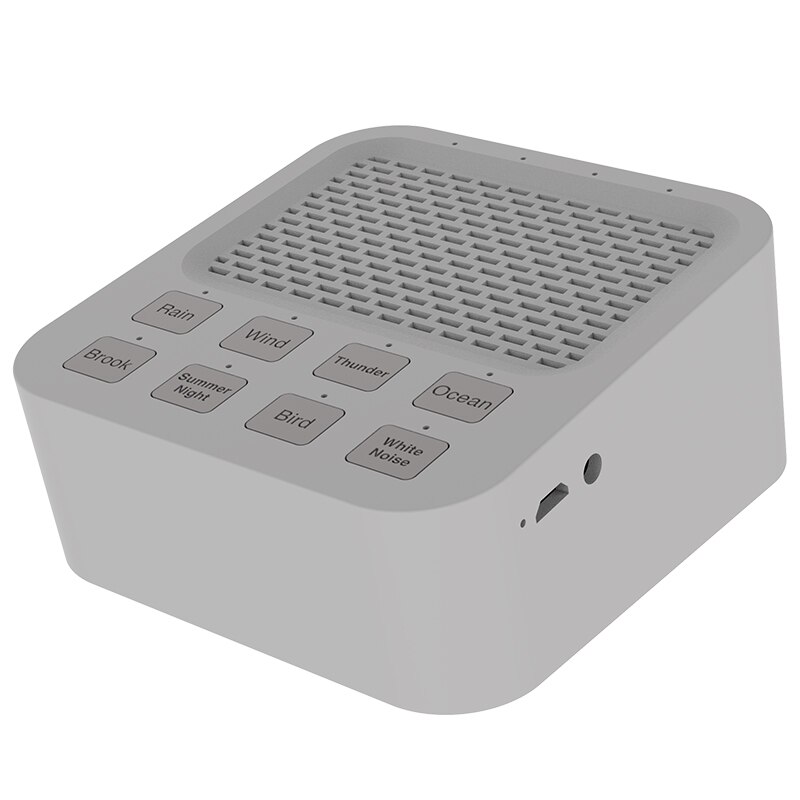
Selecting the ideal noise machine can significantly enhance your sleep quality and overall well-being. With numerous options available, it’s essential to understand your preferences and requirements to make an informed decision. This guide will help you navigate through the selection process step-by-step, ensuring you find a noise machine that caters to your specific needs.
When choosing a noise machine, it’s important to consider various factors that align with your lifestyle and environment. Here’s a step-by-step guide to help you make the right choice.
Step-by-step guide to selecting a noise machine
The first step in choosing the right noise machine involves evaluating your personal preferences and needs. Consider the following aspects:
- Identify the primary purpose: Determine whether you need the noise machine for sleep, relaxation, focus, or masking other sounds. This will narrow down your options significantly.
- Noise types: Different machines offer various sound options, such as white noise, nature sounds, or fan sounds. Experimenting with these can help you identify what soothes you the most.
- Portability: If you plan to use the machine while traveling, look for a compact, lightweight model that is easy to carry.
- Volume control: Ensure the noise machine has adjustable volume settings to suit your preference without being too disruptive.
- Timer settings: Some machines come with timers to turn off after a set duration. This feature can be beneficial for those who prefer a quiet environment once they fall asleep.
Budget considerations
Budget plays a key role in your decision-making process when selecting a noise machine. Prices can vary widely based on features and brand reputation.
It’s helpful to set a budget that reflects your needs while also considering the quality and durability of the machine.
“Investing in a quality noise machine can lead to improved sleep quality, making it a worthwhile expense.”
Checklist of essential factors
To ensure you make an informed decision, here’s a checklist of essential factors to evaluate:
- Sound quality: Test the clarity and richness of the sounds produced.
- Warranty and customer support: Look for machines that offer warranties and reliable customer service.
- Reviews and recommendations: Research user reviews and ratings to gauge real-life performance and satisfaction.
- Power source: Consider whether you prefer battery-operated, plug-in, or USB-powered machines based on your usage environment.
- Ease of use: Ensure the controls are intuitive and user-friendly, so you can adjust settings with ease.
By following this guide, you can confidently choose a noise machine that fits your lifestyle and enhances your experience, whether for sleep, relaxation, or concentration. Take the time to consider each factor carefully, and you’ll find the perfect noise machine tailored to your needs.
Final Conclusion
In conclusion, noise machines are more than just simple sound devices; they are tools that can significantly enhance our quality of life. Whether you’re looking to improve your sleep, boost your productivity, or create a calming atmosphere, the right noise machine can make all the difference. By understanding their features and benefits, you can choose the perfect noise machine tailored to your lifestyle.
FAQ Resource
What is a noise machine?
A noise machine is a device that produces various soundscapes to mask unwanted noise and promote relaxation or focus.
Can noise machines help with anxiety?
Yes, noise machines can create a soothing environment that may help reduce anxiety and promote a sense of calm.
Are noise machines portable?
Many noise machines are designed to be portable, allowing users to take them on the go for travel or use in different spaces.
Do noise machines use a lot of electricity?
Most noise machines are energy-efficient and consume very little electricity, making them cost-effective for regular use.
Can I use a noise machine with other sleep aids?
Absolutely! Noise machines can be used alongside other sleep aids, such as sleep masks or aromatherapy, to enhance relaxation.