 Caroline Sarah
Relaxing routine serves as an essential foundation for achieving mental clarity and emotional balance in our fast-paced lives. By effectively carving out time for relaxation, we not only enhance our well-being but also foster resilience against daily stressors.
This guide delves into the concept of a relaxing routine, exploring its psychological benefits, key elements, and practical methods for establishing one that suits individual needs. Whether it’s through mindfulness, various relaxation techniques, or creating a calming environment, we’ll uncover the best practices for integrating relaxation into your daily life.
Understanding the Concept of a Relaxing Routine
A relaxing routine is a structured set of activities designed to foster a sense of calm and tranquility in daily life. This concept is essential for mental well-being as it allows individuals to step back from the stresses of everyday tasks and take time for themselves. Establishing such a routine not only enhances mood but also leads to a more balanced lifestyle, allowing for productivity and relaxation to coexist harmoniously.
The psychological benefits of maintaining a regular relaxing routine are numerous. By dedicating time to relaxation, individuals can lower stress levels, increase resilience against anxiety, and enhance overall emotional stability. Engaging in consistent relaxation practices helps the mind to reset, leading to improved focus and creativity. Furthermore, it has been shown that people who incorporate relaxation techniques into their daily lives often experience greater overall life satisfaction.
Psychological Benefits of a Relaxing Routine
Maintaining a relaxing routine offers multiple psychological advantages that contribute positively to mental health. Some of these benefits include:
- Reduced Stress Levels: Regular relaxation practices can significantly lower cortisol levels, which are associated with stress. This reduction in stress contributes to a calmer mindset and greater emotional resilience.
- Improved Mood: Engaging in relaxing activities triggers the release of endorphins, leading to a more positive outlook on life. Individuals often report feeling happier and more content as a result of their routines.
- Enhanced Concentration: A clear, relaxed mind is better equipped to focus on tasks, leading to improved productivity. Techniques such as mindfulness and meditation help sharpen attention and enhance cognitive functions.
- Better Sleep Quality: Incorporating relaxation into the evening routine can improve sleep quality, as it prepares the body and mind for rest. A well-rested individual is more likely to face daily challenges effectively.
- Increased Self-Awareness: Taking time for relaxation allows for reflection, promoting a better understanding of one’s thoughts and emotions. This self-awareness is critical for personal growth and emotional intelligence.
The integration of relaxation techniques such as mindfulness, yoga, or deep-breathing exercises into daily life can greatly enhance overall life satisfaction. For instance, individuals who practice mindfulness meditation regularly have reported lower levels of anxiety and a deeper appreciation for everyday experiences. Such practices create a mental space where individuals can process their thoughts, leading to a more fulfilling and enriched life experience.
“The mind is everything. What you think you become.” – Buddha
Key Elements of an Effective Relaxing Routine
Creating a relaxing routine is essential for maintaining mental and physical well-being. It allows individuals to unwind and recharge, providing a much-needed break from the hustle and bustle of daily life. An effective relaxing routine incorporates various elements that contribute to a sense of tranquility and peace.
A successful relaxing routine is built on several crucial components that work together to enhance the overall experience. The inclusion of specific activities, a calming environment, and atmospheric factors all play significant roles in fostering relaxation. Understanding these elements can help to create a routine that effectively reduces stress and promotes a sense of calm.
Crucial Components of a Relaxing Routine
To develop an effective relaxing routine, it is important to consider various activities that can contribute to relaxation. These activities not only help to alleviate stress but also promote a sense of well-being. The following list Artikels some key activities to include:
- Mindfulness and Meditation: Engaging in mindfulness practices or meditation can significantly reduce stress levels and enhance mental clarity.
- Gentle Exercise: Activities such as yoga or tai chi promote relaxation through gentle movements and deep breathing.
- Reading: Dedicating time to read a book or listen to an audiobook can be a wonderful escape from daily pressures.
- Nature Walks: Spending time outdoors, surrounded by nature, can rejuvenate the mind and body.
- Art and Craft: Engaging in creative activities, such as painting or knitting, allows for self-expression and relaxation.
Creating the right environment and atmosphere is essential to enhance the effectiveness of any relaxing routine. The following factors contribute to a calming space:
Importance of Environment and Atmosphere
A soothing environment plays a pivotal role in promoting relaxation. Factors such as lighting, sound, and scent can significantly affect the overall ambiance. Here are some key elements to consider when setting up a calming space:
- Lighting: Soft, warm lighting encourages a peaceful atmosphere. Consider using dimmable lights or candles to create a cozy environment.
- Scent: Incorporating calming scents, such as lavender or chamomile, through essential oils or candles can enhance relaxation.
- Sound: Soft music or nature sounds, like flowing water or birdsong, can create a serene backdrop for relaxation.
- Comfort: Ensure your space is comfortable by using soft cushions, blankets, and ergonomic furniture.
By focusing on these key elements—specific activities and the surrounding environment—individuals can effectively cultivate a relaxing routine that promotes overall well-being and helps to manage stress.
Methods to Establish a Consistent Relaxing Routine
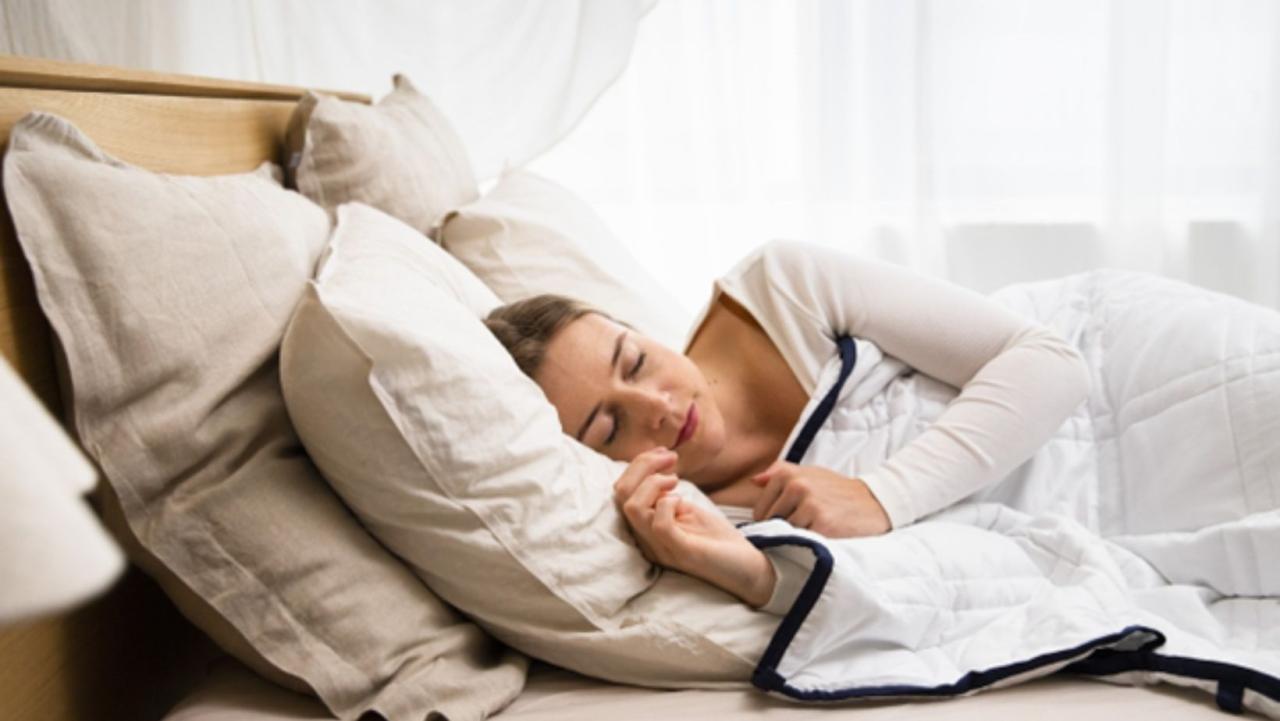
Establishing a consistent relaxing routine is essential for maintaining mental and physical well-being. It allows individuals to unwind, recharge, and ultimately enhance their productivity and mood. This guide offers practical steps to help you build a reliable routine that promotes relaxation amidst daily life’s challenges.
Step-by-Step Guide to Building a Relaxing Routine
Creating a structured relaxing routine involves deliberate planning and execution. Follow these steps to establish a routine that fits seamlessly into your lifestyle:
- Identify Relaxation Activities: Start by listing activities that help you relax, such as reading, meditation, yoga, or taking a leisurely walk. Choose those that resonate most with you.
- Set a Specific Time: Designate a particular time each day for your relaxing routine. This could be early in the morning or before bedtime, ensuring it becomes a habit over time.
- Create a Comfortable Space: Set up a designated area for relaxation. This could be a cozy corner in your home equipped with cushions, soft lighting, and soothing decor.
- Limit Distractions: Turn off electronic devices and eliminate any noise that could disturb your relaxation time. Consider using noise-canceling headphones or calming music to enhance the atmosphere.
- Practice Mindfulness: Incorporate mindfulness techniques during your relaxation time. Focus on your breath or engage in guided meditation to help clear your mind and enhance the experience.
- Track Your Progress: Keep a journal to document your relaxation journey. Note how you feel before and after each session, which can motivate you to maintain the routine.
Overcoming Barriers to Maintaining a Routine
Despite the intention to maintain a relaxing routine, various barriers may arise. Addressing these challenges proactively is key to staying committed.
Some common barriers include time constraints and lack of motivation. Here are strategies to overcome these obstacles:
- Prioritize Your Relaxation: Treat relaxation as an essential part of your day, similar to eating or sleeping, to ensure it remains a priority.
- Start Small: If time is limited, begin with just five to ten minutes of relaxation daily. Gradually increase the duration as it becomes integrated into your routine.
- Be Flexible: If your designated time doesn’t work on a particular day, adjust it rather than skipping the session altogether. Consistency is important, but flexibility reinforces commitment.
- Find Accountability: Share your relaxation goals with friends or family who can encourage you to stick with your routine. Consider joining a relaxation group for added support.
The Importance of Consistency
Consistency is vital for making relaxation a lasting habit. Incorporating relaxation into daily life helps reduce stress and improves overall health.
Regularly engaging in relaxation practices can lead to significant benefits, such as:
“Consistency transforms a relaxing routine into a lifestyle choice that fosters resilience and enhances your quality of life.”
Establishing a relaxing routine means integrating short breaks throughout the day. This could include:
- Taking deep breaths between tasks to reset your focus.
- Incorporating stretching exercises during work breaks to relieve tension.
- Setting aside a few minutes for a calming activity during lunch.
By weaving relaxation into your daily schedule, you create a sustainable practice that not only alleviates stress but also enhances your overall well-being.
The Role of Mindfulness in a Relaxing Routine
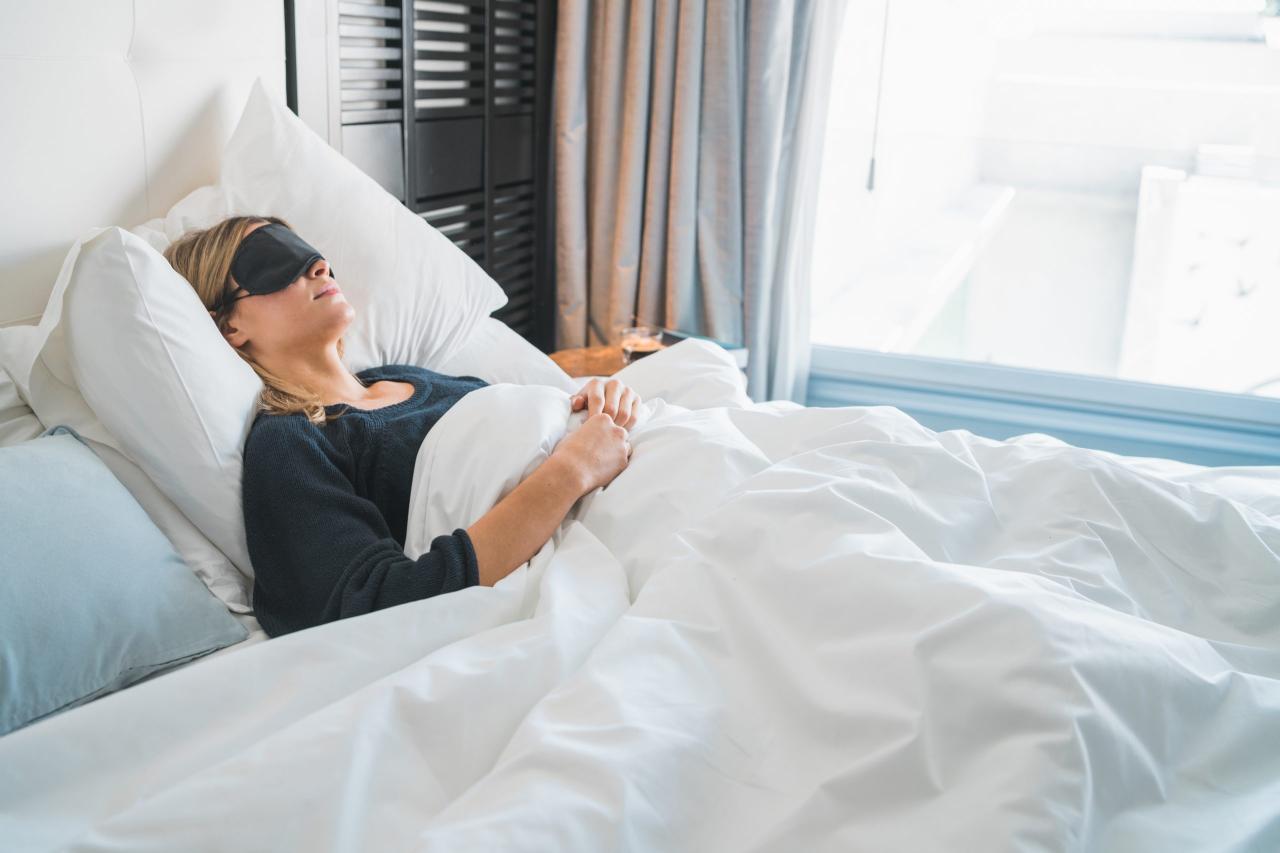
Mindfulness is a powerful practice that involves focusing one’s awareness on the present moment, acknowledging thoughts, feelings, and sensations without judgment. In a relaxing routine, mindfulness plays a crucial role by fostering a deep sense of awareness and tranquillity, which can enhance the overall experience of relaxation. By integrating mindfulness into daily practices, individuals can cultivate a more profound connection with their inner selves, leading to greater emotional balance and reduced stress levels.
The relevance of mindfulness to relaxation is evident in its ability to shift attention away from stressors and distractions. When individuals engage in mindful practices during their relaxation routines, they learn to observe their thoughts and feelings more clearly. This observation helps in diminishing anxiety and promotes a more serene state of mind, allowing for deeper relaxation and rejuvenation.
Techniques for Practicing Mindfulness During Relaxation
Incorporating mindfulness into a relaxing routine can be achieved through various techniques that emphasize awareness and presence. These methods can significantly enhance the effectiveness of relaxation practices.
Start with mindful breathing. Focusing on each breath as it comes in and out creates a calming effect. Pay attention to the sensation of air entering your nostrils and filling your lungs. This simple act can ground you in the present moment and clear your mind.
Engage in body scanning. This technique involves mentally scanning your body from head to toe, noticing areas of tension or discomfort. By acknowledging these sensations without judgment, you can gradually release the tension and promote relaxation.
Practice mindful meditation. Set aside time to sit quietly and focus on your breath or a specific mantra. When thoughts arise, acknowledge them and gently redirect your focus back to your breath. This practice helps in training the mind to maintain focus and calmness.
Incorporate mindful movement or yoga. Engaging in slow, deliberate movements while paying attention to your body’s sensations can enhance relaxation. Focus on how your body feels with each pose or movement, allowing a sense of peace to envelop you.
Consider journaling as a mindfulness practice. Writing down thoughts and feelings can help clarify emotions and promote self-reflection. This can be particularly useful in recognizing patterns of stress and how to address them effectively.
Mindfulness is the practice of being aware and present, creating a pathway to deeper relaxation and emotional balance.
Long-Term Benefits of Mindfulness in Daily Life
Integrating mindfulness into a relaxing routine offers a wealth of long-term benefits that positively impact overall well-being. Regular practice can lead to significant enhancements in both mental and physical health.
One of the primary benefits is reduced stress. Numerous studies have shown that mindfulness practices can lower cortisol levels, the hormone associated with stress. As individuals become more adept at managing stress through mindfulness, they experience a greater sense of calm in daily life.
Mindfulness also improves emotional regulation. By fostering awareness of one’s thoughts and feelings, individuals can respond to situations more thoughtfully rather than reactively. This shift enhances interpersonal relationships and promotes healthier communication.
Additionally, mindfulness has been linked to better mental clarity and focus. Individuals who practice mindfulness often report an improved ability to concentrate on tasks, leading to greater productivity and efficiency in both personal and professional settings.
The cultivation of self-compassion and empathy is another long-term benefit. Mindfulness encourages individuals to be kinder to themselves, which in turn fosters compassion towards others. This can enhance social connections and lead to a more fulfilling life.
Incorporating mindfulness into a daily routine ultimately nurtures a more resilient mindset. As individuals become more accustomed to navigating life’s challenges with mindfulness, they develop coping strategies that enhance their overall quality of life, making it easier to face adversity with poise and grace.
Exploring Different Relaxation Techniques
In our quest for tranquility, various relaxation techniques have emerged to help individuals manage stress and enhance overall well-being. Each technique offers unique benefits, catering to different preferences and lifestyles. This exploration delves into several popular relaxation techniques, their effectiveness, and personal experiences that highlight their impact.
Deep Breathing
Deep breathing is a foundational relaxation technique that emphasizes slow and controlled inhalation and exhalation. This practice helps activate the body’s relaxation response and can be done anywhere at any time. By focusing on the breath, individuals can reduce anxiety and promote a sense of calmness.
– Benefits of Deep Breathing:
– Lowers heart rate and blood pressure.
– Reduces feelings of anxiety and stress.
– Enhances mental clarity and focus.
Yoga
Yoga is a mind-body practice that combines physical postures, breathing exercises, and meditation. It encourages physical flexibility and strength while promoting mental clarity and emotional stability. Different styles of yoga, from gentle Hatha to more vigorous Vinyasa, cater to varying preferences.
– Benefits of Yoga:
– Increases flexibility and muscle strength.
– Improves mental well-being and reduces stress.
– Promotes connection between mind, body, and spirit.
Meditation
Meditation involves focusing the mind to achieve a mentally clear and emotionally calm state. There are numerous forms of meditation, such as mindfulness meditation, transcendental meditation, and guided imagery. Each form serves to enhance self-awareness and promote relaxation.
– Benefits of Meditation:
– Reduces stress and anxiety.
– Improves attention and concentration.
– Enhances emotional well-being and resilience.
Effectiveness Based on Personal Preferences
The effectiveness of each relaxation technique often depends on individual preferences and lifestyles. Some may find deep breathing most accessible, while others may connect more with yoga or meditation. Personal experiences play a crucial role in determining which techniques resonate most.
– Case Study Examples:
– Deep Breathing: A busy executive found that practicing deep breathing exercises during breaks significantly reduced stress and improved focus during meetings.
– Yoga: A college student struggling with anxiety discovered that regular yoga sessions helped improve her mood and academic performance through stress relief and enhanced concentration.
– Meditation: An individual dealing with chronic pain reported that a daily meditation practice helped manage discomfort and promote a sense of peace.
“The journey to relaxation is personal; finding what works best for you can transform your daily experience.”
Tailoring a Relaxing Routine to Individual Needs
Creating a relaxing routine is not a one-size-fits-all endeavor. It’s essential to customize your approach based on personal preferences and lifestyle factors. This customization ensures that your routine is effective and sustainable, making it easier to integrate relaxation into your daily life. By considering your unique circumstances, you can develop a routine that truly resonates with you and helps in effectively managing stress.
Different stress levels and life circumstances call for varied approaches to relaxation. For instance, someone facing high-pressure work demands may benefit from more structured activities, such as scheduled meditation or yoga sessions. On the other hand, a person experiencing low to moderate stress might find joy in spontaneous walks or leisurely reading. Below are some adjustments that can be made to accommodate various stress levels:
Adjusting Routine for Different Stress Levels
Understanding how to modify your routine based on your current stress level is crucial for maximizing its effectiveness. The following examples illustrate how you can adapt your relaxing practices to suit your needs:
- High Stress: Engage in daily meditation or deep-breathing exercises lasting 15-30 minutes, complemented by moderate-intensity physical activities like jogging or dancing. Incorporating time for journaling can also help in processing emotions and thoughts.
- Moderate Stress: Opt for relaxing activities such as listening to soothing music or practicing gentle yoga a few times a week. Creating a calming evening ritual, such as a warm bath with essential oils, can help signal your body to unwind after a busy day.
- Low Stress: Allow yourself to indulge in leisurely activities like gardening, painting, or simply enjoying nature. Consider setting aside time for casual social interactions, as connecting with friends can enhance relaxation.
Common pitfalls exist when personalizing a relaxing routine, and being aware of them can help you create a more effective practice. Many individuals may inadvertently over-schedule their relaxation time, leading to additional stress rather than relief. It’s vital to maintain flexibility; forcing yourself to adhere strictly to a routine might counteract its intended benefits.
Additionally, neglecting to assess one’s own preferences can lead to engagement in activities that aren’t genuinely enjoyable, reducing the overall effectiveness of the routine. It’s also important to avoid comparing your routine with others, as each person’s needs and preferences are distinct.
“The best relaxation routine is the one that feels right for you. Listen to your body and mind, and adapt accordingly.”
The Impact of Technology on Relaxation Practices
In today’s fast-paced world, technology plays a crucial role in shaping our relaxation routines. While it can provide valuable tools for enhancing our leisure time, it can also introduce distractions that hinder our ability to unwind. Understanding the dual nature of technology’s impact on relaxation is essential for creating a balanced approach to downtime.
Technology offers numerous benefits that can enhance relaxation experiences. Devices such as smart speakers and sound machines can create calming environments by playing soothing music or nature sounds. Apps designed specifically for meditation, mindfulness, and sleep can guide users through practices that promote mental and emotional well-being. The convenience of having these resources at our fingertips can significantly contribute to a more effective relaxation routine.
Advantages of Technology in Relaxation
Several technological innovations help individuals establish a relaxing atmosphere and foster mindfulness. The following are notable examples:
- Meditation Apps: Applications like Headspace and Calm offer guided sessions that help users focus and de-stress, making meditation accessible for individuals of all experience levels.
- Sleep Aids: Devices such as white noise machines or sleep tracking wearables monitor sleeping patterns and provide feedback to improve sleep quality.
- Smart Lighting: Adjustable lighting systems can create a soothing environment by simulating natural light patterns, promoting relaxation and better sleep.
- Virtual Reality (VR): VR experiences immerse users in calming environments, such as serene beaches or tranquil forests, offering a unique escape from daily stress.
On the flip side, technology can also introduce barriers to relaxation. The constant barrage of notifications, emails, and social media updates can create stress and make unwinding challenging. The pervasive nature of technology can lead to an ‘always-on’ mentality, where individuals struggle to disconnect and recharge effectively.
Setting Boundaries with Technology
Establishing boundaries around technology usage is vital for enhancing relaxation and ensuring quality downtime. The following strategies can help individuals manage their tech interactions:
- Tech-Free Zones: Designate specific areas in the home, such as bedrooms or relaxation spaces, where technology is not allowed to encourage a peaceful environment.
- Scheduled Downtime: Allocate specific times in the day to disconnect from devices, allowing for uninterrupted relaxation and mindfulness practices.
- Mindful Consumption: Be intentional about the content consumed, opting for positive and uplifting media that promotes well-being rather than distressing news or negative social interactions.
- Digital Detox Days: Implement regular breaks from all electronic devices, allowing for a full day dedicated to offline activities that foster relaxation and connection with nature.
“Setting boundaries with technology not only promotes relaxation but also enhances overall well-being by allowing individuals to engage fully in the present moment.”
By recognizing the potential benefits and drawbacks of technology in relaxation practices, individuals can create a more mindful approach to their downtime, ultimately leading to improved mental health and a more fulfilling life.
Evaluating the Effectiveness of Your Relaxing Routine
Assessing the effectiveness of your relaxing routine is essential for ensuring that it meets your relaxation and well-being goals. A well-evaluated routine can help mitigate stress, enhance productivity, and contribute to a balanced lifestyle. By understanding how to measure the success of your relaxation practices, you can make informed adjustments that lead to more effective outcomes.
Monitoring the effectiveness of your routine involves both subjective and objective criteria. It’s important to track how you feel before and after engaging in relaxation activities, as well as other factors that might influence your overall well-being. Consistent evaluation can help you identify areas for improvement and make necessary changes.
Framework for Assessing Effectiveness
Establishing a framework to assess the effectiveness of your relaxation routine is fundamental in ensuring its success. This framework should include both quantitative and qualitative measures to provide a holistic view of your experience. Consider the following components that can contribute to your evaluation:
- Self-Reflection: Regularly take time to reflect on how you feel after your relaxation sessions. Journaling can be an effective way to track your emotions, stress levels, and overall mental state.
- Physical Indicators: Pay attention to any physical changes such as muscle tension, heart rate, or sleep quality. Improved physical health often indicates an effective relaxation routine.
- Consistency: Monitor how regularly you engage in your relaxation practices. Consistency often correlates with stronger outcomes in stress relief and mental clarity.
- Goal Achievement: Set specific relaxation goals and assess whether you are achieving them. These could include feeling more peaceful, experiencing less anxiety, or improving sleep quality.
Signs for Routine Adjustments
Recognizing signs that your relaxation routine may need adjustments is vital for maintaining its effectiveness. Some indicators that your routine isn’t working as well as it could include:
- Increased Stress Levels: If you find that stress is accumulating despite your efforts, it may be time to reassess the activities you are engaging in.
- Lack of Enjoyment: A routine that feels like a chore rather than a source of joy is often a sign that adjustments are needed.
- Physical Discomfort: If relaxation practices lead to discomfort or frustration rather than relief, consider trying different techniques.
- Feeling Unmotivated: A drop in motivation to engage in your routine can indicate that it’s no longer serving its intended purpose.
Strategies for Maintaining Motivation and Commitment
Staying motivated and committed to your relaxation routine is key to its long-term effectiveness. Here are strategies that can help sustain your dedication:
- Variety: Incorporate different relaxation techniques to prevent boredom. Mixing practices such as meditation, yoga, and mindful breathing can keep the routine fresh and engaging.
- Set Realistic Goals: Create achievable goals to provide a clear purpose for your relaxation efforts. Recognizing small successes can motivate you to continue.
- Accountability: Share your relaxation goals with friends or join a community with similar interests. Having support can enhance commitment and motivation.
- Regular Reassessment: Schedule periodic evaluations of your routine to ensure it meets your evolving needs and preferences. Adjusting your routine in response to these evaluations can keep you engaged.
“A routine that evolves with your needs will always serve you best.”
Closing Summary
In conclusion, adopting a relaxing routine is not merely a luxury; it’s a necessity for maintaining mental and emotional health. By understanding the components and methods that contribute to effective relaxation, individuals can tailor their routines to foster a more peaceful and fulfilling life.
Q&A
What are some quick relaxation techniques I can try?
Techniques like deep breathing, progressive muscle relaxation, and short mindfulness exercises can be easily integrated into your day for quick relief.
How long should my relaxing routine be?
Even a short routine of 10-15 minutes can be effective, but ideally, aim for 20-30 minutes to fully unwind.
Can I use technology to help with my relaxing routine?
Yes, apps for meditation, calming music, and guided relaxation can enhance your experience, but be mindful of screen time.
What if I find it hard to stick to my routine?
Start small, set reminders, and make adjustments as needed to keep the routine enjoyable and manageable.
Is it better to have my relaxing routine in the morning or evening?
It depends on your personal preference; some prefer morning routines to set a positive tone, while others find evening routines better for winding down.