
 Caroline Sarah
Exploring the concept of a Screen-free zone brings to light the vital need for spaces in our homes where digital distractions are absent, allowing us to reconnect with ourselves and those around us. In today’s fast-paced digital age, where screens dominate our lives, these dedicated areas can serve as sanctuaries for relaxation and genuine interaction.
By limiting screen time, families can experience a multitude of psychological and physical benefits, ranging from reduced stress levels to improved communication. Establishing a screen-free zone is not just a trendy idea; it’s a necessary step towards enhancing well-being and fostering stronger relationships.
The Importance of Establishing a Screen-free Zone in Modern Life
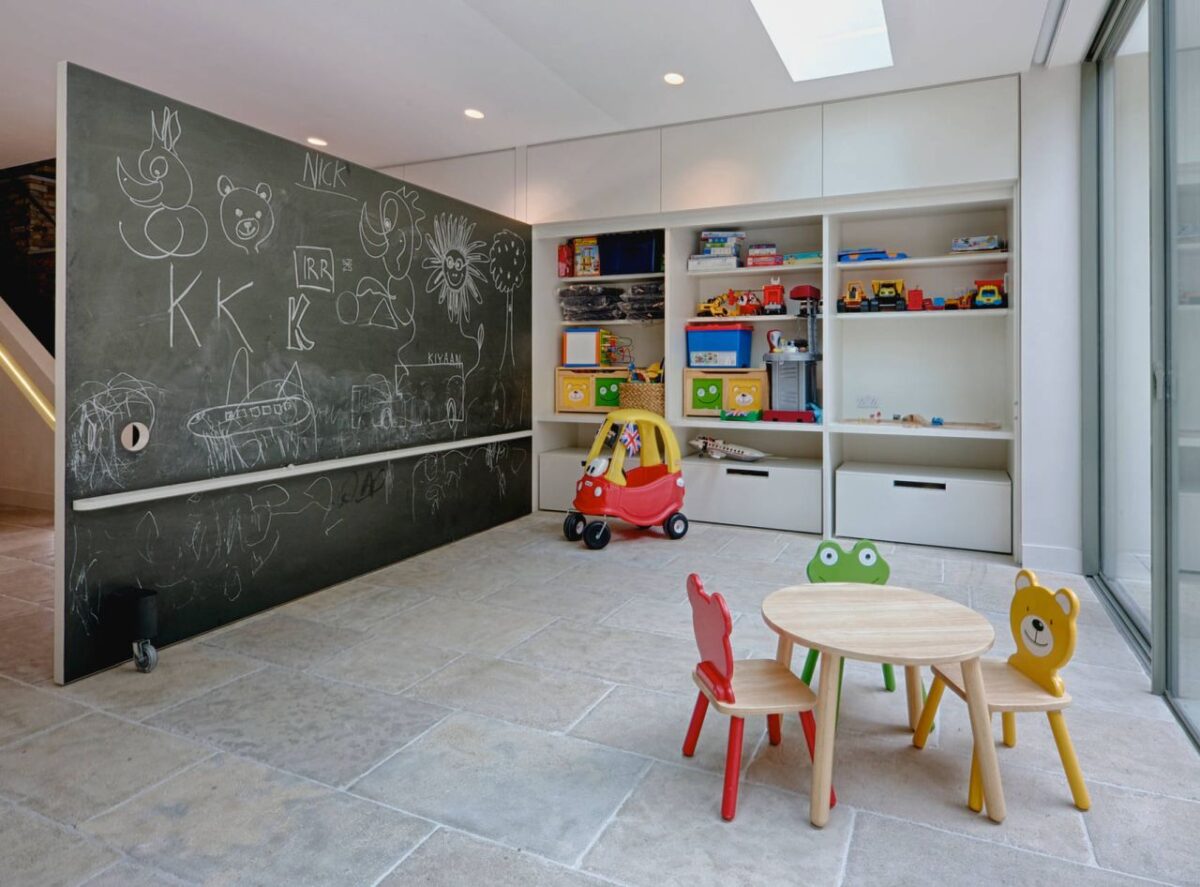
In an era dominated by digital interactions, creating a screen-free zone has become essential for maintaining a balanced lifestyle. With screens becoming an integral part of our daily routines, it’s crucial to designate spaces away from these devices to foster better mental and physical well-being. Screen-free zones encourage real-life interactions, creativity, and mindful living, allowing individuals to reconnect with themselves and their surroundings.
Establishing a screen-free zone can significantly improve both psychological and physical health. For instance, excessive screen time has been linked to various health issues, including eye strain, sleep disturbances, and increased anxiety levels. By implementing a space free from screens, individuals can reduce these risks and promote healthier habits, such as reading, engaging in hobbies, or spending quality time with loved ones. A few key benefits include improved focus, better sleep quality, and enhanced interpersonal relationships.
Statistics on Screen Time and Its Effects on Health
Understanding the impact of screen time on health is vital for motivating the establishment of screen-free zones. Recent studies have shown that the average adult spends over 11 hours a day interacting with screens, whether through computers, tablets, or smartphones. This excessive usage can lead to:
- Eye Strain: Prolonged screen exposure can cause digital eye strain, often referred to as computer vision syndrome, affecting an estimated 50% to 90% of individuals who work at computers.
- Sleep Problems: The blue light emitted from screens can disrupt sleep patterns. Research indicates that individuals who use screens before bedtime experience lower sleep quality, with 20% experiencing severe sleep disturbances.
- Mental Health Issues: Studies reveal a correlation between high screen time and increased levels of anxiety and depression. For example, a survey found that 72% of teens feel overwhelmed by their digital lives, leading to significant emotional distress.
- Physical Health Concerns: Sedentary lifestyles linked to excessive screen usage contribute to various health problems, including obesity. The CDC reports that physical inactivity is responsible for approximately 1 in 4 deaths from heart disease.
By fostering awareness about the importance of reducing screen time and encouraging the adoption of screen-free zones, individuals can take proactive steps to ensure their well-being in an increasingly digital world. It’s essential to remember that disconnecting from screens doesn’t mean disconnecting from life; rather, it opens up opportunities for genuine connections, creativity, and self-discovery.
Strategies for Designing a Screen-free Zone in Your Home

Creating a screen-free zone in your home offers a unique opportunity to foster connection, creativity, and mindfulness. In today’s fast-paced digital world, designating an area without screens encourages face-to-face interactions and promotes activities that do not rely on technology. This guide provides practical steps to transform various rooms into inviting, screen-free spaces that inspire engagement.
Practical Steps for Creating a Dedicated Screen-free Area
Designing a screen-free zone can be achieved through thoughtful planning and creativity. Consider the following practical steps to establish a dedicated area within different rooms of your home:
- Select the Right Location: Choose a quiet corner or a spacious area in your living room, bedroom, or even outdoors. The location should be away from the hustle and bustle of daily activities to encourage relaxation and focus.
- Maximize Natural Light: If possible, position your screen-free zone near windows to take advantage of natural light. This enhances the ambiance and makes the space more inviting.
- Establish Clear Boundaries: Use furniture arrangement or decorative elements to create a distinct boundary for the screen-free zone. A bookshelf or a comfortable rug can serve as a visual cue.
Creative Ideas for Furniture Arrangements and Decor
The arrangement and decor of your screen-free zone play a significant role in its effectiveness. Here are some creative ideas to enhance the space:
- Cozy Seating: Incorporate comfortable seating options such as bean bags, floor cushions, or a small loveseat. This encourages lounging and conversation.
- Incorporate Natural Elements: Use plants and natural materials like wood and stone to create a calming atmosphere. A small indoor fountain can also add a soothing sound.
- Interactive Decor: Add elements like a chalkboard wall or a large pinboard for creative expression. This invites participation and makes the space feel more engaging.
Essential Items to Encourage Interaction and Engagement
In order to foster interaction without screens, consider integrating specific items into your screen-free zone. These essentials can spark creativity and conversation:
- Board Games and Puzzles: Keep a selection of board games and puzzles handy. They encourage group participation and can provide hours of entertainment.
- Art Supplies: Stock up on art materials such as colored pencils, sketchbooks, or craft kits. This allows for creative projects that can be enjoyed solo or collaboratively.
- Books and Magazines: Create a small library or reading nook with a variety of books and magazines. This not only promotes reading but can also serve as a cozy escape.
Transforming a section of your home into a screen-free zone nurtures personal connections and encourages a healthier lifestyle.
Activities to Enjoy in a Screen-free Zone
Creating a screen-free zone opens up a world of possibilities for engaging and fulfilling activities that promote connection and well-being. Stepping away from screens encourages individuals and families to interact in meaningful ways, fostering creativity and enhancing mental health. The following activities not only offer enjoyment but also contribute to personal growth and the strengthening of social bonds.
Creative Arts and Crafts
Engaging in creative arts and crafts is a fantastic way to express oneself and explore creativity. These activities allow individuals to tap into their artistic side, whether through painting, drawing, sculpting, or crafting.
- Painting and Drawing: Utilizing various mediums like watercolors, pastels, or charcoal encourages free expression and can be therapeutic. This process can reduce stress levels and improve overall mood.
- DIY Crafts: Creating handmade items, such as jewelry or home decor, enhances fine motor skills and can be an excellent way to bond as a family while learning together.
- Scrapbooking: Compiling memories into a scrapbook not only preserves family history but also encourages storytelling and reflection, enhancing emotional connections.
“Art enables us to find ourselves and lose ourselves at the same time.” – Thomas Merton
Outdoor Activities
Spending time outdoors is crucial for mental and physical well-being. Outdoor activities provide opportunities to connect with nature and family, while also promoting physical health.
- Hiking: Exploring local trails fosters physical fitness, teaches navigation skills, and provides a serene environment to connect with nature.
- Parks and Picnics: Enjoying a meal outdoors cultivates relaxation and enjoyment of nature. Picnicking encourages social interaction and quality family time.
- Gardening: Tending to a garden can be highly rewarding. It teaches responsibility and patience while providing a sense of accomplishment as plants flourish.
Board Games and Puzzles
Board games and puzzles are perfect for enhancing social skills and critical thinking. They encourage cooperation and friendly competition among family members.
- Strategy Games: Games like chess or Settlers of Catan require strategic thinking and planning, which can sharpen cognitive skills.
- Trivia Games: Trivia can be both entertaining and educational, encouraging learning and retention of new facts in a fun format.
- Puzzles: Working together to solve a jigsaw puzzle can foster teamwork and enhance problem-solving skills, all while providing a sense of achievement upon completion.
Reading and Storytelling
Reading and storytelling nurture imagination and literacy, making them vital activities for individuals of all ages.
- Reading Together: Family reading sessions can enhance vocabulary and comprehension skills while creating a cozy bonding experience.
- Storytelling: Sharing stories from one’s life or fabricating imaginative tales promotes creativity and allows family members to connect on a deeper level.
“Reading is a passport to countless adventures.” – Mary Pope Osborne
Overcoming Challenges in Maintaining a Screen-free Zone
Establishing a screen-free zone can be a rewarding effort, but it often comes with its own set of challenges. The goal is to create a space where individuals can connect without the distractions that screens typically bring. Understanding the obstacles and developing strategies to overcome them is crucial for maintaining this environment in a technology-driven world.
One common obstacle to upholding a screen-free zone is resistance from family members or peers who are accustomed to constant digital engagement. It can be challenging to shift perspectives, especially if technology is integrated into daily routines. Additionally, the fast-paced nature of the digital world can create a sense of urgency that makes it hard for individuals to step away from screens.
Identifying Common Obstacles
Several factors can impede the establishment of a screen-free zone. Recognizing these challenges can facilitate proactive measures. Here are some common obstacles:
- Habitual Use: Many people have become so used to being on their devices that the idea of disconnecting seems foreign.
- Social Pressure: There may be a fear of missing out on social interactions that primarily occur online.
- Lack of Alternative Activities: Without engaging alternatives, individuals may struggle to find reasons to put down their screens.
- Resistance to Change: Changing established habits can create discomfort and pushback from those involved.
To effectively address these challenges, it’s essential to cultivate an understanding environment. Open conversations about the benefits of a screen-free zone can help reduce resistance. Discussing personal motivations for creating this space encourages buy-in from all members of the household or group.
Techniques for Addressing Resistance
When attempting to maintain a screen-free zone, especially in family settings, it’s useful to employ strategic techniques to address any resistance. Consider the following approaches:
- Involve Everyone: Include all family members in the decision-making process to foster a sense of ownership and accountability.
- Create Engaging Alternatives: Develop a list of fun, screen-free activities (like board games, outdoor adventures, or creative projects) that can be enjoyed together.
- Set Clear Guidelines: Establish specific times or areas where screens are not allowed to help set clear boundaries.
- Celebrate Small Wins: Acknowledge and celebrate the efforts and successes of family members in adhering to the screen-free zone.
Incorporating these techniques can significantly reduce resistance and create a positive atmosphere around the screen-free initiative.
Strategies for Commitment in a Technology-Driven World
Staying committed to the screen-free zone concept requires intentionality and resilience. Here are some strategies to enhance commitment:
- Lead by Example: Demonstrating a commitment to the screen-free zone by minimizing your own screen time can inspire others to follow suit.
- Set Regular Digital Detox Times: Designate certain times of the week for everyone to unplug and focus on screen-free interactions.
- Reflect on Benefits: Regularly discuss or reflect on the positive impacts experienced in the screen-free zone, fostering a collective appreciation for the change.
- Utilize Reminders: Placing visual reminders around the home, such as signs or artwork, can reinforce the importance of maintaining the screen-free space.
Establishing a screen-free zone in a technology-driven environment requires consistent effort and dedication. By understanding common challenges, employing effective resistance strategies, and committing to the initiative, maintaining a screen-free zone becomes an achievable goal that can foster deeper connections and a more mindful way of living.
The Role of Mindfulness in a Screen-free Zone
Creating a screen-free zone provides an opportunity for individuals to disconnect from the digital world and reconnect with themselves and their surroundings. Mindfulness, which emphasizes present-moment awareness and acceptance, can significantly enhance the experience of being in such a space. By integrating mindfulness practices, individuals can cultivate a deeper sense of presence, reduce stress, and foster a more enriching environment for personal reflection and interaction with others.
Mindfulness practices can enhance the experience of being in a screen-free zone by promoting mental clarity and emotional regulation. Engaging in mindfulness allows individuals to observe their thoughts and feelings without judgment, leading to increased self-awareness and a greater appreciation of the moment. This practice encourages participants to focus on their immediate experiences, making activities more fulfilling and meaningful.
Incorporating Mindfulness Exercises in a Screen-free Zone
Several mindfulness exercises can be seamlessly integrated into activities within a screen-free zone, enhancing the overall experience. Implementing these practices not only enriches individual engagement but also strengthens connections with others in the environment.
- Breath Awareness: Taking a few moments to focus on the breath can help ground individuals in the present. Participants can sit comfortably, close their eyes, and pay attention to the sensation of the breath entering and leaving the body. This simple practice can reduce anxiety and promote relaxation.
- Nature Observation: Encourage individuals to spend time in nature, observing their surroundings with a sense of curiosity. This could involve noticing the colors of leaves, the sound of birds, or the texture of bark. Such observation fosters a deep connection to the environment and encourages mindfulness.
- Mindful Eating: During meal times, practice savoring each bite, paying attention to flavors, textures, and the process of eating. This exercise promotes gratitude and awareness of food choices, enhancing the overall dining experience.
- Body Scan Meditation: This practice involves lying down comfortably and systematically focusing on different parts of the body. By tuning into sensations, individuals can develop a greater awareness of their physical state and release tension.
- Gratitude Journaling: Encourage individuals to write down three things they are grateful for each day. This practice can shift attention from negative thoughts to positive experiences, fostering a more appreciative mindset.
Long-term benefits of integrating mindfulness into daily routines are profound. Regular mindfulness practice can lead to reduced stress levels, improved emotional resilience, and enhanced cognitive functioning. Studies have shown that individuals who practice mindfulness regularly report greater life satisfaction and improved interpersonal relationships. By cultivating a habit of mindfulness, individuals can transform their approach to daily challenges, making them more adaptable and less reactive. This shift not only enhances personal well-being but also positively influences social interactions, creating a harmonious and supportive atmosphere in the screen-free zone.
The Impact of a Screen-free Zone on Family Dynamics
Creating a screen-free zone within a household can dramatically enhance family relationships and communication. In a world dominated by screens, establishing a space where family members can engage without digital distractions fosters stronger connections and more meaningful interactions. This initiative allows families to nurture their bonds through shared experiences, conversations, and activities, ultimately strengthening their unity.
One significant aspect of a screen-free zone is the improvement in communication among family members. These designated areas serve as a backdrop for quality time, discussions, and an open exchange of thoughts and feelings. By removing screens, families can focus on each other, leading to a deeper understanding of one another’s perspectives and needs.
Strategies for Involving All Family Members
Establishing a screen-free zone is most effective when every family member feels included and invested in the process. Here are several strategies that can encourage participation and commitment:
- Joint Decision-Making: Involve every family member in discussions about where and when to establish the screen-free zone. This can be a central place in the home, like the dining room or living room, and having input ensures that everyone feels their preferences have been considered.
- Activity Planning: Collaborate on a schedule of activities that can take place in the screen-free zone. Whether it’s game nights, reading sessions, or crafting, having scheduled events gives something for everyone to look forward to.
- Setting Ground Rules: Create clear guidelines about the use of screens and the purpose of the zone. By establishing rules together, each member can contribute to the boundaries and understand the importance of the space.
- Regular Feedback: Schedule family meetings to discuss how the screen-free zone is working. Encourage everyone to share their experiences and suggest improvements, ensuring the zone evolves according to family needs.
- Showcase Success Stories: Share personal anecdotes or examples from other families who have successfully implemented a screen-free zone. Highlight changes they’ve experienced in relationships, such as improved communication or increased family activities.
“A screen-free zone isn’t just about limiting device use; it’s about fostering connection, understanding, and joy within the family.”
Families that embrace these strategies often see remarkable transformations. For instance, one family reported spending more time engaged in board games and storytelling, leading to laughter and shared moments that they had previously overlooked. This change not only brought them closer but also allowed for a space where children’s voices were heard and valued, promoting a sense of belonging.
Creating and maintaining a screen-free zone can be a rewarding endeavor for families. By ensuring that all members are engaged in the process, families can cultivate an environment ripe for bonding, communication, and growth, ultimately leading to a more harmonious living space.
Future Trends in Screen-free Living
As society becomes increasingly reliant on screens for communication, entertainment, and work, a counter-movement towards screen-free living is emerging. This shift signifies not only a desire for a healthier lifestyle but also a response to the overwhelming presence of technology. Understanding the future trends in this domain can provide insights into how individuals and communities might prioritize well-being in the years to come.
Emerging trends in screen-free living highlight a growing awareness of the negative impacts of excessive screen time, including mental health issues and decreased social interaction. People are seeking innovative ways to engage with the world around them without the interference of digital devices. The rise of wellness retreats focused on digital detoxes and organized screen-free events demonstrates this desire for a reconnection with nature and human interaction.
Innovations Supporting Screen-free Activities
Innovations that facilitate screen-free living are gaining traction, reflecting a shift in consumer interest towards more tangible experiences. Noteworthy advancements include:
- Outdoor Adventure Programs: These programs offer immersive experiences such as hiking, camping, and rock climbing that promote physical activity and engagement with nature.
- Board Games and Puzzles: The resurgence of analog games provides an avenue for social interaction and cognitive stimulation without screens, fostering family bonding and camaraderie.
- DIY Craft Kits: These kits encourage creativity and hands-on engagement, allowing individuals and families to explore new hobbies while reducing screen time.
- Mindfulness and Meditation Apps: While initially screen-based, many of these apps promote mindfulness practices that can be done offline, encouraging users to find calm and focus without screens.
- Workshops and Skill-building Classes: Community centers and local organizations are increasingly offering classes on arts, cooking, gardening, and more, providing opportunities for learning and socialization away from screens.
The implications of these innovations extend beyond individual lifestyle choices; they may reshape societal norms regarding technology use. As people prioritize real-life interactions and tactile experiences, we could see a cultural shift toward valuing presence over digital connectivity.
Evolving Societal Attitudes Toward Screens and Technology
The societal attitude towards screens and technology is likely to evolve significantly in the coming years. As awareness grows about the potential downsides of excessive screen time, there may be a greater emphasis on balance and moderation. This shift could manifest in various ways:
- Increased Advocacy for Screen-free Days: More organizations and schools might adopt screen-free days, encouraging communities to disconnect and engage in offline activities.
- Policy Changes: Governments may introduce regulations regarding screen time in educational settings, promoting a healthier balance between digital and physical learning.
- Mindful Technology Use: There is a likelihood of increased focus on tech mindfulness, where individuals consciously choose when and how to engage with technology, rather than allowing it to dictate their time.
- Promotion of Digital Well-being: Companies may develop and market products that support healthy tech habits, such as tools that limit screen time or apps that encourage breaks and mindful use.
As these trends continue to unfold, they will play a crucial role in shaping a future where digital connectivity exists alongside meaningful offline experiences. This balance could foster healthier lifestyles and more connected communities, benefitting society as a whole.
Conclusion
In conclusion, creating and maintaining a Screen-free zone can significantly enhance personal and family dynamics, promoting healthier interactions and increased mindfulness. As we embrace these spaces, we pave the way for long-lasting connections and a more balanced approach to technology in our daily lives.
Essential Questionnaire
What is a Screen-free zone?
A Screen-free zone is a designated area in your home where screens are not allowed to promote interaction and engagement without digital distractions.
How can I encourage my family to use the Screen-free zone?
Encourage participation by suggesting fun, screen-free activities and leading by example, demonstrating the joys of spending time together without screens.
What activities are best suited for a Screen-free zone?
Activities like board games, reading, art projects, or simply having conversations are great for a Screen-free zone, fostering connection and creativity.
How do I deal with resistance from family members regarding the Screen-free zone?
To address resistance, communicate openly about the benefits of the zone and involve everyone in the decision-making process to make them feel included.
Can a Screen-free zone benefit mental health?
Yes, by reducing screen time and encouraging face-to-face interactions, a Screen-free zone can lower stress, anxiety, and improve overall mental well-being.