
 Caroline Sarah
Creating the perfect bedroom setup is essential for fostering relaxation, rejuvenation, and personal expression. It’s not just about aesthetics; the right configuration significantly impacts our sleep quality and overall well-being. From the calming influence of appropriate lighting to the comfort provided by a high-quality mattress, every detail contributes to crafting a space that feels uniquely yours. This exploration will reveal innovative design ideas, personalization tips, and sustainable choices that can transform your bedroom into a serene sanctuary.
In this guide, we’ll delve into the importance of various elements like room temperature, decluttering strategies, and the role of textiles, all while ensuring your space reflects your individual style. Whether you’re working with a compact area or looking to enhance functionality, we have you covered with practical advice and creative solutions to elevate your bedroom experience.
The Importance of Bedroom Setup in Enhancing Sleep Quality
Creating an optimal bedroom setup is essential for enhancing sleep quality, as the environment in which we sleep can significantly influence our ability to rest and rejuvenate. A well-arranged bedroom not only promotes relaxation but also supports the physiological processes that contribute to restorative sleep. With the right elements in place, individuals can experience deeper sleep and wake up feeling more refreshed.
Various factors in a bedroom play a crucial role in determining sleep quality. One of the most significant elements is lighting. Exposure to bright lights during the evening can disrupt the body’s natural circadian rhythm. A dimly lit room with soft, warm lighting creates a calming atmosphere conducive to winding down. Furthermore, blackout curtains can help eliminate any external light sources, creating an ideal environment for sleep.
Another vital aspect to consider is mattress quality. A comfortable mattress that provides adequate support is essential for maintaining healthy sleep posture and reducing disturbances caused by discomfort. As a general rule, one should replace a mattress every 7-10 years or sooner if it shows signs of wear. Additionally, mattress firmness preferences can vary widely among individuals; thus, testing out different options can lead to finding the perfect fit for one’s sleeping style.
Room temperature is equally important, as it can influence the body’s ability to fall and stay asleep. The ideal sleeping temperature for most people is between 60 to 67 degrees Fahrenheit (15 to 19 degrees Celsius). Keeping the bedroom cool helps to lower the body’s core temperature, which is essential for initiating sleep. Utilizing fans, air conditioning, or even breathable bedding materials can contribute to maintaining the desired temperature throughout the night.
To assess the current bedroom setup for optimal sleep, consider the following methods:
Evaluating Bedroom Elements for Sleep Quality
An effective assessment of your bedroom setup involves critically analyzing various components that contribute to sleep quality. This process includes observing lighting conditions, mattress comfort, and room temperature.
- Conduct a lighting audit: Check for harsh overhead lights and consider replacing them with softer, warmer bulbs. Evaluate window treatments, ensuring they block out unwanted light.
- Test mattress comfort: Spend time on your mattress in different positions to determine whether it supports your body adequately. Look for any signs of sagging or discomfort that might indicate it’s time for a replacement.
- Monitor room temperature: Use a thermometer to gauge the room temperature during sleep hours. Make adjustments as necessary, utilizing fans or thermostat settings to create a comfortable environment.
Innovative Bedroom Design Ideas for Maximizing Space
In today’s world, where living spaces are often limited, maximizing the functionality and aesthetic appeal of a bedroom is essential. Innovative design ideas can turn even the tiniest bedroom into an oasis of comfort and style. By cleverly utilizing the available space, choosing multifunctional furniture, and applying effective color schemes, you can create a bedroom that feels larger and more inviting.
Creative design strategies can significantly impact how a small bedroom is perceived and utilized. One effective approach is to incorporate multifunctional furniture that serves more than one purpose. For instance, a bed with built-in storage drawers can eliminate the need for bulky dressers, freeing up floor space. Similarly, wall-mounted desks can provide a workspace without occupying valuable ground space.
Examples of Multifunctional Furniture and Storage Solutions
When it comes to optimizing small bedrooms, the right furniture can make all the difference. Here are some innovative options that enhance both functionality and style:
These beds fold up into the wall when not in use, providing ample floor space for movement or additional furniture. - An ottoman can serve both as seating and a hidden storage compartment for blankets or books.
- Lofted Beds: Elevating the bed creates space underneath for a desk, seating area, or added storage, making the most of vertical space.
- Storage Headboards: Headboards with shelves or compartments allow for easy access to books and decorative items without taking up extra space.
- Expandable Tables: A small table can be expanded during gatherings and tucked away when not in use, maintaining a spacious feel.
Incorporating creative storage solutions is equally important. Floating shelves can be installed above furniture to keep items off the floor, while under-bed storage boxes can utilize often-overlooked spaces. Utilizing vertical storage solutions, such as tall bookcases, draws the eye upward and creates an illusion of height, making the room feel larger.
Influence of Color Schemes and Layout on Perception of Space
The color scheme and layout of a bedroom play crucial roles in how spacious it feels. Lighter colors, such as soft whites, light blues, and pastels, tend to reflect more light and create an airy atmosphere. Dark colors, while warm and cozy, can make a small room feel more confined.
Arranging furniture thoughtfully can also enhance the sense of space. For example, positioning the bed against the longest wall can create more open floor space, while keeping pathways clear encourages movement throughout the room. Additionally, using mirrors strategically can amplify natural light and make the bedroom feel more expansive.
Incorporating these innovative design ideas not only enhances the functionality of a small bedroom but also elevates its aesthetic value. By integrating multifunctional furniture and considering the color scheme and layout, you can transform even the smallest spaces into stylish and inviting sanctuaries.
The Role of Personalization in Bedroom Setup
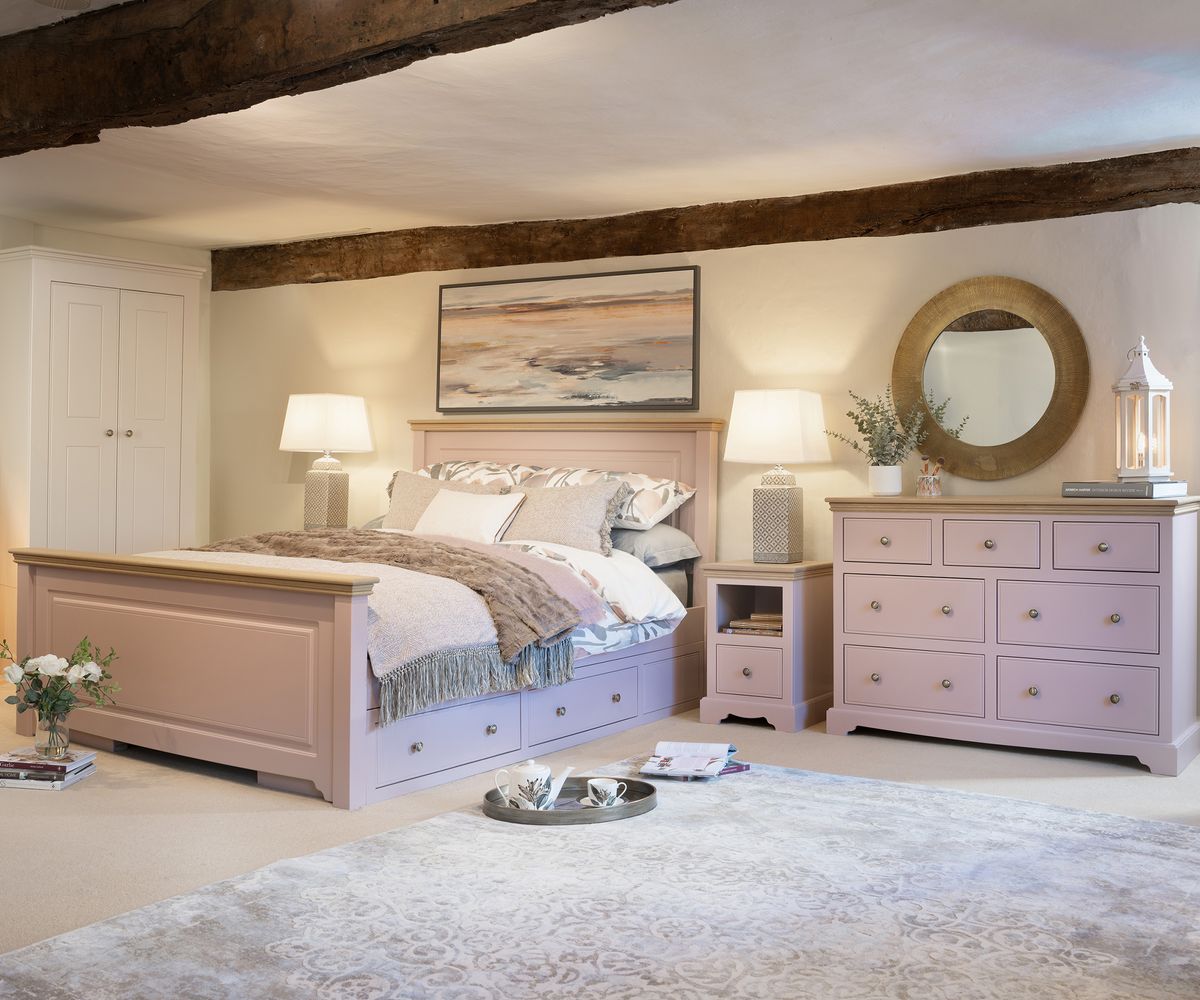
Creating a personalized bedroom setup is essential for cultivating a space that feels uniquely yours. Personalization reflects individual style, preferences, and comfort levels, allowing for a sanctuary that resonates with your personality. Whether it’s the choice of colors, the arrangement of furniture, or the incorporation of personal memorabilia, each element contributes to a cohesive atmosphere that enhances relaxation and rejuvenation. This careful curation of one’s surroundings not only promotes well-being but also fosters a sense of ownership and pride in one’s living space.
Personal items, artwork, and decor play a significant role in influencing mood and comfort within a bedroom. Research in environmental psychology indicates that our surroundings can profoundly affect our emotions and behaviors. For instance, incorporating artwork that resonates with personal experiences or brings joy can uplift the spirit. Similarly, decorative pieces that evoke nostalgia or precious memories can create a comforting ambiance, making the bedroom a haven for unwinding after a long day. The color palette also impacts mood; warm tones can induce feelings of warmth and intimacy, while cool tones may promote calmness and tranquility.
Key Personal Touches for a Bedroom Atmosphere
Adding personal touches to your bedroom can greatly enhance its overall atmosphere and comfort. The following elements can be pivotal in creating a space that reflects your personality and fosters a sense of peace:
- Artwork: Choose pieces that resonate with your style—these could be framed photographs, paintings, or prints that inspire you.
- Textiles: Utilize bedding, curtains, and rugs in patterns and colors that you love, ensuring they complement the overall theme of your space.
- Personal Memorabilia: Incorporate items like souvenirs from travels or gifts from loved ones to remind you of cherished memories.
- Plants: Adding greenery not only improves air quality but also brings a sense of life and vibrancy to the room.
- Lighting: Use lamps or fairy lights to create a warm, inviting glow that sets the mood for relaxation.
- Books: Display a collection of your favorite reads; they can serve as both decor and a source of inspiration.
- Personalized Accessories: Items like monogrammed pillows or custom wall art can add a unique flair to your bedroom.
Feng Shui Principles for a Harmonious Bedroom Environment
Feng Shui, the ancient Chinese practice of arranging space to promote harmony and balance, can be a powerful tool in creating a tranquil bedroom environment. By consciously applying Feng Shui principles, you can enhance the flow of energy, or “Chi,” and foster a peaceful atmosphere conducive to rest and rejuvenation. This delicate interplay between space, energy, and intention can significantly impact your overall well-being.
Understanding the basic Feng Shui principles is essential for achieving the desired balance in your bedroom. At its core, Feng Shui emphasizes the importance of energy flow, which can be significantly influenced by furniture placement, color choices, and room layout. Each element has a role in promoting a serene environment. Proper furniture arrangement allows energy to circulate freely, while color selection can evoke specific emotions. Applying these principles can transform your bedroom into a sanctuary that promotes relaxation and harmony.
Furniture Placement and Energy Flow
The placement of furniture in your bedroom is crucial for maintaining a balanced energy flow. A well-arranged room can create a welcoming atmosphere, while poor placement may obstruct energy movement. Here are some guidelines for effective furniture placement according to Feng Shui principles:
– Bed Positioning: Place your bed in the “command position,” which means it should be against a solid wall, allowing you to see the door while lying down. This position enhances feelings of safety and control.
– Avoid Clutter: Ensure there is enough space around furniture to facilitate energy flow. Clutter can obstruct Chi, leading to feelings of stress and restlessness.
– Create Balance: Use nightstands of equal height on either side of the bed to create symmetry, promoting balance and harmony in the space.
– Limit Electronics: Minimize the presence of electronics near the bed, as they can disrupt sleep and create negative energy.
To visualize this concept, imagine a room where the bed is positioned beneath a window, exposed to the elements, and with a nightstand cluttered with books and devices. The energy in such a space is likely to feel chaotic and uninviting, contrasting sharply with a well-structured room where everything is thoughtfully positioned.
Color Choices According to Feng Shui
Color is an essential factor in creating a harmonious bedroom environment. The colors you choose can influence your mood and energy levels, making them a vital component of Feng Shui. Here are some popular color choices and their significance:
– Soft Whites and Creams: These colors evoke a sense of calm and serenity, promoting relaxation and restful sleep.
– Pastel Blues and Greens: Known for their soothing qualities, these colors help reduce stress and create a tranquil ambiance.
– Warm Earth Tones: Colors like terracotta and muted browns foster grounding energy, providing a sense of stability and comfort.
– Soft Pinks: Symbolizing love and intimacy, soft pinks can enhance romantic energy in the bedroom.
When choosing colors, consider how each hue resonates with you personally. A harmonious color palette not only reflects your style but also supports your emotional and psychological well-being.
Creating a balanced and peaceful bedroom atmosphere through Feng Shui principles involves careful consideration of furniture placement, energy flow, and color selection. By intentionally arranging your space, you can cultivate an environment that promotes relaxation, rejuvenation, and harmony, encouraging restful nights and peaceful days.
The Impact of Technology on Bedroom Setup and Comfort
In today’s fast-paced world, the integration of technology into our living spaces has revolutionized how we approach comfort and functionality, especially in our bedrooms. With the rise of smart devices, the concept of a restful sanctuary has transformed dramatically, offering both advantages and disadvantages that are worth exploring. This evolution has the potential to enhance our sleep quality and overall comfort, but it also introduces challenges that can affect our well-being.
The incorporation of technology into bedroom setups can significantly enhance comfort and convenience, yet it is essential to consider its drawbacks. On one hand, smart devices can regulate lighting, temperature, and even sound, creating an ideal sleeping environment tailored to individual preferences. For instance, smart lighting systems can adjust brightness levels according to circadian rhythms, promoting better sleep. Additionally, smart thermostats can maintain optimal room temperatures, which is crucial for quality rest.
However, the reliance on technology brings certain disadvantages. The presence of electronic devices in the bedroom can lead to distractions, negatively impacting sleep quality. Blue light emitted from screens can disrupt melatonin production, making it harder to fall asleep. Furthermore, the constant connectivity that technology provides can contribute to a heightened sense of stress and anxiety, particularly if individuals find themselves checking notifications or social media before bed.
Examples of Smart Devices for Improved Sleep Quality
Several innovative devices have emerged that aim to enhance both sleep quality and comfort within the bedroom. Understanding these devices and their functionalities can help create a more restful environment. Here are some notable examples:
- Smart Mattresses: These mattresses can adjust firmness, support levels, and even temperature, providing personalized comfort for sleepers.
- White Noise Machines: These devices help mask disruptive sounds, promoting a tranquil sleeping environment.
- Smart Sleep Trackers: Wearable technology that monitors sleep patterns can provide insights into sleep quality and suggest improvements.
- Automated Blinds: These can be programmed to open or close at specific times, allowing for natural light exposure in the morning and darkness at night.
- Smart Sleep Aids: Devices like smart lamps can simulate sunrise to wake the user gradually, improving wakefulness and mood.
The comparison between traditional bedroom setups and modern technology-integrated designs highlights a significant shift in how we prioritize comfort. Traditional methods relied heavily on physical elements like bedding quality and room layout, while modern approaches leverage technology to create customizable environments. For example, whereas traditional lighting could only be adjusted manually, today’s smart lighting can be programmed for various scenarios, enhancing both aesthetics and functionality.
“Technology in the bedroom can serve as both a comfort enhancer and a source of distraction, thus requiring a balanced approach to integration.”
The balance between traditional comforts and modern technological conveniences is crucial in shaping our daily rest and relaxation experiences. By understanding the potential benefits and drawbacks, individuals can create a bedroom environment that supports restful sleep and overall well-being.
Sustainable Material Choices for Eco-Friendly Bedroom Design
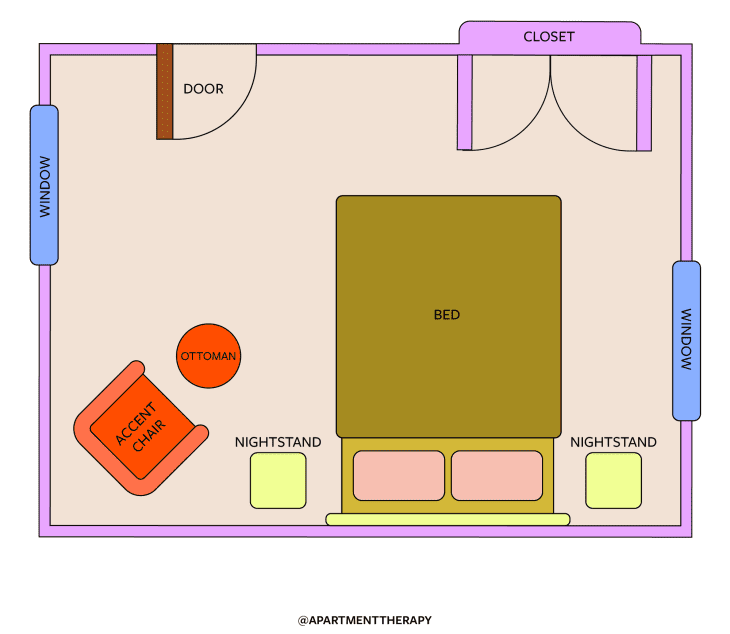
Creating an eco-friendly bedroom is not just a trend; it’s a commitment to health and sustainability. The right material choices can transform your personal space into a sanctuary that resonates with nature, promotes wellness, and minimizes environmental impact. Sustainable materials are crucial in achieving this goal, as they often involve renewable resources, lower emissions, and non-toxic components that contribute positively to both our health and the planet.
When considering sustainable materials for bedroom design, there are various options that stand out for their environmental benefits and aesthetic appeal. Natural textiles, reclaimed wood, and low-VOC (Volatile Organic Compounds) finishes are just a few examples that help create a serene and eco-conscious space.
Eco-Friendly Materials for Bedroom Design
Choosing the right materials is essential for creating a sustainable bedroom. Here are some notable options that contribute to an eco-friendly environment:
- Bamboo: This rapidly renewable resource is known for its strength and durability. Bamboo furniture and flooring are biodegradable and require minimal pesticides to grow, making it an excellent choice for eco-conscious consumers.
- Reclaimed Wood: Utilizing reclaimed wood not only reduces deforestation but also adds character and history to your decor. Each piece is unique, and it often comes from sources like old barns or factories, giving it a rustic charm.
- Organic Cotton: Ideal for bedding and upholstery, organic cotton is grown without harmful pesticides and synthetic fertilizers. This choice supports healthier farming practices and results in softer, hypoallergenic fabrics.
- Hemp: A versatile plant that grows quickly and requires minimal water, hemp fabrics are durable and naturally resistant to mold and UV light. Hemp is perfect for linens and curtains, providing both functionality and sustainability.
- Natural Latex: For mattresses and pillows, natural latex made from rubber tree sap is biodegradable and free from harmful chemicals. This material offers excellent support and comfort while being eco-friendly.
- Recycled Metals: Using metals that have been recycled for furniture frames or decorative elements can significantly reduce the carbon footprint associated with mining and manufacturing new materials.
The benefits of using these sustainable materials extend beyond the environment. They often contribute to better indoor air quality, which is crucial for maintaining health in your living space. Materials free from harmful chemicals lessen the risk of allergic reactions and respiratory issues, promoting a healthier lifestyle.
Several brands prioritize sustainability in their bedroom furniture and decor, providing appealing options for eco-friendly design:
- West Elm: Known for its commitment to sustainable sourcing, West Elm offers a range of eco-friendly furniture made from reclaimed wood and organic materials.
- Avocado Green Mattress: This brand specializes in organic and natural mattresses, ensuring that no harmful chemicals are present in their products.
- Fjords: Renowned for its use of sustainable materials, Fjords creates modern, stylish furniture pieces that are both functional and environmentally friendly.
- Emeco: Known for its iconic chairs, Emeco produces furniture made from recycled materials, including aluminum and plastic waste, combining durability with sustainability.
- Parachute: This brand focuses on high-quality bedding made from natural and organic fabrics that are gentle on the skin and the environment.
By opting for sustainable materials and brands in your bedroom setup, you can create a space that is not only beautiful and comfortable but also a responsible choice for our planet.
Creating a Cozy Atmosphere Through Textiles and Accessories
Creating a warm and inviting bedroom atmosphere is essential for relaxation and comfort. Textiles and accessories play a significant role in achieving this cozy vibe. By carefully selecting materials, layering fabrics, and incorporating thoughtful accessories, you can transform your bedroom into a serene retreat that promotes both rest and rejuvenation.
Textiles such as curtains, bedding, and rugs are crucial in setting the tone for your bedroom. They not only add visual interest but also contribute to the overall comfort of the space. Soft fabrics can create a sense of warmth, while the right accessories can enhance the room’s aesthetic appeal. Choosing textiles that complement your color palette and design theme is essential for a cohesive look. For example, natural materials like cotton, linen, and wool are known for their breathability and softness, making them excellent choices for bedding and upholstery. Incorporating plush throw pillows and cozy blankets can further enhance the comfort level, inviting you to curl up and unwind.
Types of Fabrics and Materials for Comfort
Understanding the different types of fabrics and materials is key to creating that cozy atmosphere. Here are some fabrics that contribute to comfort and coziness in a bedroom setup:
- Cotton: Known for its softness and breathability, cotton is an excellent choice for sheets and pillowcases. Its versatility makes it suitable for any season, providing comfort year-round.
- Linen: This natural fabric is lightweight and has a relaxed look. Linen curtains can billow softly, allowing natural light while maintaining privacy.
- Wool: Ideal for rugs and blankets, wool adds warmth and texture to the room. It is particularly effective in colder climates due to its insulating properties.
- Faux Fur: Adding a faux fur throw or pillow can introduce a touch of luxury and coziness. Its texture encourages tactile comfort, making it perfect for snuggling.
- Velvet: This plush fabric can elevate the aesthetic of your bedroom. Velvet curtains or cushions add depth and richness, making the space feel more inviting.
To create a visually rich and inviting atmosphere, layering textiles is essential. Start with a base layer, like a soft duvet or comforter, and then add decorative elements such as throws or quilts. Mix and match different textures and patterns to create depth. For instance, a chunky knit throw paired with a smooth velvet pillow can produce a beautiful contrast.
“Layering textiles effectively creates a dynamic visual space that radiates warmth and comfort.”
Incorporate rugs to define areas within the room and to add softness underfoot. A plush area rug can anchor your space while providing comfort and warmth. Accessorize with decorative items like wall art, plants, and lighting to enhance the coziness further. Soft, ambient lighting can provide a warm glow, making the space feel more inviting.
By thoughtfully selecting the right fabrics and layering them effectively, you can create a cozy bedroom atmosphere that feels like a personal haven.
Organizing a Bedroom for Improved Functionality and Clarity
Creating an organized bedroom space is essential for fostering a peaceful and productive environment. An effectively organized bedroom not only promotes relaxation but also enhances functionality, allowing you to access your belongings easily while maintaining clarity in the space. By implementing decluttering strategies and a minimalist approach, you can transform your bedroom into a haven that meets your needs seamlessly.
Decluttering is the first step toward enhancing the functionality of your bedroom. It involves sorting through your belongings and deciding what to keep, discard, or donate. A clutter-free space minimizes distractions and creates an inviting atmosphere. A great approach is to categorize your items into various groups such as clothing, accessories, books, and personal items. This method not only helps identify what you truly need but also facilitates a more organized storage system.
Categorizing Belongings and Establishing a Minimalist Approach
To establish a minimalist approach, consider the following methods for categorizing and organizing your belongings:
1. The Four-Box Method: This method involves labeling four boxes as “Keep,” “Donate,” “Trash,” and “Relocate.” As you go through your items, place each into the appropriate box. This strategy helps you make quick decisions and reduces the emotional burden often associated with decluttering.
2. One-In, One-Out Rule: Adopt the principle where for every new item you bring into your bedroom, you remove one item. This practice helps maintain your space and prevents accumulation of unnecessary belongings over time.
3. Seasonal Review: At the change of each season, review your belongings. Set aside time to assess what you have used and what can be donated or discarded. Items that haven’t been used in the last six months may be candidates for removal.
4. Storage Solutions: Invest in storage solutions that promote easy access and organization. Use under-bed storage boxes for seasonal clothing, decorative baskets for smaller items, and multi-functional furniture like ottomans with storage capabilities.
5. Create Zones: Organize your bedroom into distinct zones. For example, establish a sleeping area, a workspace, and a relaxation corner. This segmentation helps in maintaining order as each area serves a specific purpose.
Implementing these strategies will significantly enhance the functionality and clarity of your bedroom. Here’s a step-by-step guide to organizing your bedroom efficiently:
1. Set a Timer: Allocate a specific amount of time for decluttering each day. Short bursts of focused activity can yield impressive results without overwhelming you.
2. Empty Your Space: Start by removing everything from surfaces like your bedside table, dresser, and floor. This creates a blank canvas for organizing.
3. Sort Through Items: As you empty the space, sort items into the four boxes previously mentioned. Be honest with yourself about what you truly need and value.
4. Clean the Surfaces: Before returning items, take the opportunity to clean all surfaces. Dust and vacuum to create a fresh environment.
5. Return Items Intelligently: Place items back into the room based on the zones you’ve created. Keep frequently-used items within easy reach and store less frequently-used items in harder-to-reach areas.
6. Personalize Thoughtfully: Add personal touches without overcrowding. Limit decorative items to a few meaningful pieces that reflect your personality.
7. Maintain Regularly: Set a regular schedule for maintenance. A quick ten-minute tidy-up each day can prevent clutter from building up again.
By following these methods and steps, you can achieve an organized bedroom that enhances functionality and brings clarity to your space. Remember, the goal is to create an environment that supports your lifestyle and provides a serene retreat at the end of the day.
Conclusive Thoughts
In summary, an optimized bedroom setup goes beyond mere decoration; it’s about creating a harmonious environment that promotes restful sleep and reflects personal aesthetics. By considering factors like layout, color schemes, and even Feng Shui principles, you can achieve a perfect blend of functionality and comfort. Remember, a well-thought-out bedroom is not just a place to rest; it’s a sanctuary that nurtures your mind and spirit.
FAQ Guide
What is the best lighting for a bedroom setup?
Soft, dimmable lighting is ideal for creating a relaxing atmosphere, while task lighting should be bright enough for reading or other activities.
How often should I change or update my bedroom decor?
Refreshing your decor every season or whenever you feel the need for a change can keep your space feeling new and invigorating.
Can I have a home office in my bedroom?
Yes, but it’s important to create a distinct area for work to maintain a boundary between rest and productivity.
What are some affordable ways to personalize my bedroom?
Incorporating personal items, such as photographs, art, or handmade decor, can add a unique touch without breaking the bank.
How can I improve the air quality in my bedroom?
Using plants, ensuring proper ventilation, and utilizing air purifiers can significantly enhance the air quality in your room.