
 Caroline Sarah
Proper lighting is more than just an aesthetic decision; it plays a pivotal role in shaping the atmosphere and functionality of any space. Whether you’re transforming a cozy living room or optimizing a bustling workspace, the right lighting can create a sense of warmth and invite productivity. By exploring various lighting techniques and understanding the impact of both natural and artificial light, we can discover how illumination influences our moods, enhances our surroundings, and even boosts our well-being.
From the calming embrace of soft hues in a bedroom to the energizing brightness of an office environment, proper lighting can significantly alter our perception and experience in different settings. This exploration will delve into the essentials of effective lighting design, techniques for maximizing natural light, and practical tips for both indoor and outdoor spaces, ensuring that every corner shines at its best.
Proper lighting in interior design enhances aesthetics and functionality.
Proper lighting is a fundamental element in interior design that not only beautifies a space but also greatly affects how it functions. The right lighting can make a room feel inviting, cozy, or even energizing, depending on the desired ambiance. It acts as a functional necessity while also contributing to the overall aesthetic appeal. Understanding the different types and techniques of lighting can empower designers and homeowners alike to create spaces that are not only visually stunning but also practical for everyday use.
Effective lighting can transform a room’s ambiance by highlighting architectural features, creating focal points, and influencing the perception of space. By integrating layers of lighting—ambient, task, and accent—it is possible to achieve a well-balanced and versatile environment. For instance, in a living room, ambient lighting can set the mood, task lighting can provide illumination for reading, and accent lighting can draw attention to artwork or decorative elements.
Lighting Techniques and Their Applications
Various lighting techniques can be utilized in different room types to enhance both aesthetics and functionality. Understanding these techniques allows for a more tailored approach to design that caters to specific needs.
1. Ambient Lighting: This is the primary source of light in a room, providing general illumination. It can come from ceiling fixtures, wall sconces, or even lamps. In a kitchen, for example, recessed lighting can create an even wash of light, making the area functional and safe for cooking.
2. Task Lighting: Specifically designed to illuminate work areas, task lighting is essential in spaces like home offices, kitchens, or reading nooks. Under-cabinet lights in a kitchen can provide focused brightness for food preparation, enhancing both usability and safety.
3. Accent Lighting: This technique highlights specific features or areas, such as artwork or architectural details. Using spotlights to illuminate a piece of art on the wall adds visual drama and creates a captivating focal point.
4. Natural Lighting: Incorporating natural light through windows, skylights, or glass doors enhances the overall atmosphere of a room. In a dining area, large windows can create an inviting, airy feel, while also reducing reliance on artificial lighting during the day.
“The right lighting can turn a mundane space into an extraordinary one, significantly impacting mood and perception.”
Impact of Lighting Color Temperature on Mood
The color temperature of lighting plays a crucial role in influencing mood and perception within a space. Measured in Kelvin (K), lighting can range from warm (around 2700K) to cool (above 4000K).
– Warm White (2700K–3000K): This softer, yellowish light creates a cozy and inviting atmosphere, ideal for bedrooms and living rooms. It encourages relaxation and comfort.
– Neutral White (3000K–4000K): This range is balanced and versatile, making it suitable for areas like kitchens and bathrooms where a clean and functional feel is desired. It enhances visibility without being overly harsh.
– Cool White (4000K–5000K): Often used in offices or workspaces, this bluish light promotes alertness and focus, making it perfect for environments requiring concentration.
– Daylight (5000K and above): Mimicking natural daylight, this bright light is ideal for creative spaces, art studios, or any area where true color representation is important.
Understanding and implementing these color temperatures can significantly shape the experience of a room, from inviting relaxation to boosting productivity. By carefully selecting lighting based on its application and color temperature, designers can create spaces that not only look appealing but also enhance the overall emotional experience of their occupants.
The impact of natural lighting on productivity and well-being.
Natural lighting has a profound impact on our daily lives, especially in work and home environments. Its ability to enhance mood and increase productivity makes it a vital element in any space. Studies show that exposure to natural light can significantly affect both mental health and overall well-being, encouraging a more positive and efficient atmosphere.
Research indicates that employees who work in environments with ample natural light report higher levels of satisfaction and productivity. A study conducted by the Department of Energy found that workers in offices with windows received 173% more white light exposure during work hours compared to those in windowless environments. This exposure is linked to improved mood, higher energy levels, and a decreased likelihood of eye strain and headaches, further promoting better performance and job satisfaction.
Benefits of Natural Lighting on Mental Health
The connection between natural light and mental health is well documented, primarily due to its effects on circadian rhythms and vitamin D production. Natural light influences the production of serotonin, a neurotransmitter responsible for feelings of happiness and relaxation. Here are some notable benefits supported by various studies:
- Enhanced mood: Exposure to natural light is known to combat symptoms of depression and anxiety, providing a more uplifting work environment.
- Improved sleep quality: Natural light helps regulate the body’s internal clock, leading to better sleep patterns and overall health.
- Reduced stress levels: Natural lighting creates a serene ambiance that can reduce workplace stress and promote a sense of well-being.
Statistics Supporting Natural Lighting Benefits
Several statistics highlight the advantages of natural lighting in both office and home settings. For instance, a survey by Ki Research revealed that 68% of employees felt that natural light positively impacted their productivity. Moreover, a report from the University of Oregon stated that workers with access to daylight reported a 15% increase in productivity. Such compelling data illustrates that prioritizing natural light in workspace design is not just beneficial but essential.
Maximizing Natural Light in Spaces
To leverage the benefits of natural light in residential and commercial settings, several strategies can be employed. Implementing these practical solutions can create brighter, more inviting spaces:
- Use reflective surfaces: Incorporate mirrors and light-colored walls to bounce natural light around the room.
- Optimize window placement: Design spaces with large windows that face the sun, allowing maximum light to enter throughout the day.
- Choose appropriate window treatments: Utilize sheer curtains or blinds that can be easily adjusted to control light levels without blocking it completely.
- Incorporate skylights: Install skylights in rooms that may lack sufficient windows to enhance daylight availability.
“Natural light is a key component of a healthy workspace, directly influencing employee well-being and productivity.”
By focusing on these elements, both residential and commercial environments can significantly improve their natural lighting, ultimately fostering better health and productivity for the occupants.
Techniques for achieving proper lighting in photography.
Proper lighting is crucial in photography, as it determines the mood, clarity, and overall quality of an image. Without adequate lighting, even the most well-composed shot can appear flat or lifeless. Understanding how to manipulate and utilize light effectively can elevate photos from ordinary to extraordinary, making lighting techniques essential for any photographer, amateur or professional.
The source of light significantly impacts the characteristics of an image. Natural light, such as sunlight, can create soft, diffused effects, especially during golden hour—shortly after sunrise or before sunset—when the light is warm and gentle. Conversely, artificial light sources, such as flash units or studio lights, provide more control over intensity and direction but can sometimes produce harsh shadows or unnatural color casts if not managed correctly. Knowing the strengths and weaknesses of each source allows photographers to choose the right lighting for their specific needs.
Comparative effects of natural and artificial lighting
Understanding the differences between natural and artificial lighting is essential to achieving desired photographic effects. Each type of light offers distinct benefits and challenges:
- Natural Light:
Natural light provides a wide range of color temperatures and intensities. It is often preferred for outdoor photography due to its ability to create soft shadows and vibrant colors. For instance, shooting in an open space under a blue sky can yield bright, lively images with depth and texture. The changing conditions throughout the day can add dynamic qualities to photography, enhancing the storytelling aspect of the image. - Artificial Light:
While artificial lighting allows for greater control over the environment, it requires more expertise to use effectively. Examples include studio strobes, LED panels, or speedlights, which can be adjusted to different power levels and color temperatures. This versatility makes them ideal for portrait or product photography, where precision is critical. However, improper use can lead to overexposure or unflattering shadows.
Common lighting mistakes and their solutions
Lighting mistakes can significantly detract from the potential quality of photographs. Recognizing and addressing these issues ensures more successful outcomes:
- Overexposure: This occurs when too much light hits the camera sensor, resulting in washed-out images. To avoid this, use exposure compensation settings or adjust the aperture and shutter speed to allow less light in, especially in bright conditions.
- Harsh Shadows: Strong, direct lighting can create unflattering shadows on subjects. To mitigate this issue, utilize diffusers or reflectors to soften the light, or choose to photograph during softer light conditions, such as cloudy days.
- Mixed Lighting: Combining different light sources (like tungsten and daylight) can lead to unwanted color casts. To avoid this, it’s vital to use white balance settings that align with the predominant light source or use gels to correct the color temperature of artificial lights.
“Good lighting is the foundation of great photography; it can transform an ordinary scene into something extraordinary.”
Proper lighting solutions for outdoor spaces and landscaping.
Creating the perfect outdoor ambiance requires not just good design but also effective lighting solutions. Proper outdoor lighting enhances safety, security, and aesthetic appeal, making spaces more inviting while highlighting the beauty of landscaping elements. Understanding the various types of outdoor lighting and how to implement them properly will ensure that your outdoor areas shine, even after the sun goes down.
Types of outdoor lighting and their purposes
Outdoor lighting can be classified into several categories, each serving distinct functions. The right combination of these lighting types can transform your outdoor space into a welcoming and functional environment:
- Pathway Lighting: This type provides illumination along walkways and driveways, improving visibility and safety while guiding guests through your outdoor area.
- Spotlights: Used to highlight specific features, such as trees, sculptures, or architectural elements, spotlights create focal points and enhance the aesthetics of the landscape.
- Floodlights: Ideal for security, floodlights cast broad beams of light over larger areas, deterring intruders and increasing safety during nighttime.
- Wall Sconces: Mounted on walls, these fixtures offer ambient light and can accentuate architectural features, providing both style and functionality.
- String Lights: Often used for casual gatherings, string lights create a warm and inviting atmosphere, perfect for patios and decks.
- Step Lights: These small fixtures are designed to illuminate stairs and changes in elevation, preventing accidents in the dark.
- Deck and Patio Lighting: Integrated into the design of decks and patios, this lighting enhances the usability of these spaces for evening activities.
Best practices for installing outdoor lighting
To ensure that outdoor lighting installations are effective and long-lasting, it’s crucial to adhere to best practices. Proper installation not only enhances the functionality of lights but also ensures energy efficiency and safety.
- Plan the layout: Before installation, sketch a layout that Artikels where each type of light will be placed, considering both aesthetics and practicality.
- Use energy-efficient bulbs: Opt for LED bulbs which provide superior brightness and longevity while consuming less energy.
- Consider light direction: Position lights to minimize glare and direct light toward the areas you want to illuminate while avoiding light pollution.
- Install on a timer or smart system: Automating lighting can prevent energy waste and enhance security by mimicking your presence at home.
- Test lighting effects: Before finalizing installation, test the lights at night to ensure they meet your intended illumination goals.
- Secure wiring: Ensure all wires are properly buried or secured to avoid tripping hazards and weather-related damage.
Choosing fixtures that complement landscaping aesthetics
Selecting lighting fixtures that harmonize with your landscaping design is essential for creating a cohesive outdoor environment. The right fixtures can enhance the overall beauty of your space while providing functionality.
- Match materials: Choose fixtures made from materials that complement existing outdoor elements, such as wood, stone, or metal.
- Consider the style: Whether your landscaping is modern, rustic, or traditional, select fixtures that align with the chosen style to create a unified look.
- Size matters: Ensure that fixtures are appropriately sized for their surroundings; oversized fixtures can overwhelm a small garden, while tiny ones may get lost in larger spaces.
- Color temperature: Choose bulbs with a warm color temperature for a cozy atmosphere, or cooler tones for a more modern feel.
- Landscape integration: Select fixtures that can be integrated into the landscape, such as in-ground lights or those that mimic natural elements like rocks or plants.
The role of lighting in creating safe environments in public spaces.
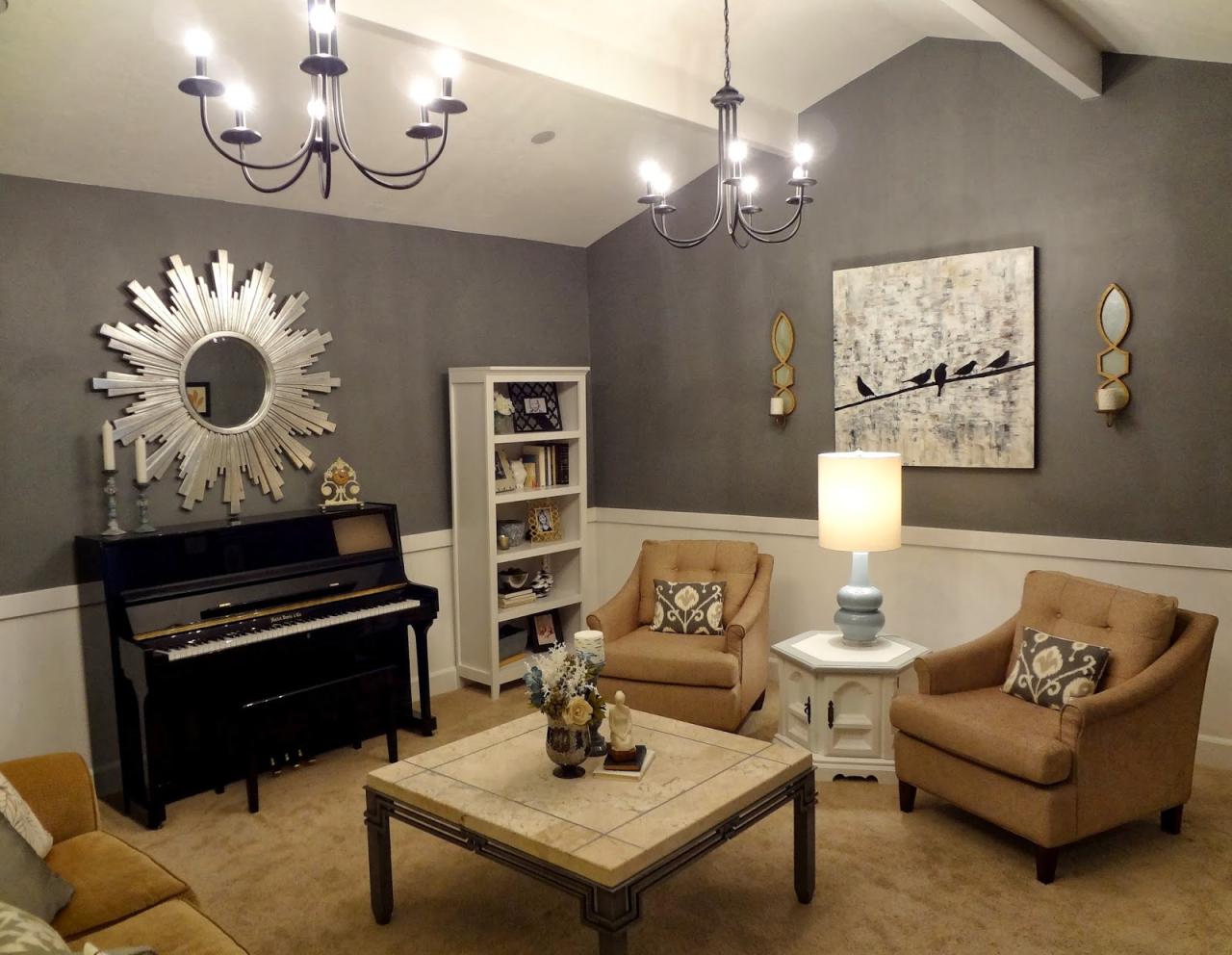
Proper lighting is essential in public spaces to enhance safety and visibility for all individuals. Adequate illumination not only helps to prevent accidents but also creates an environment that fosters a sense of security within the community. Well-lit areas enable pedestrians to navigate safely, reducing the risk of falls and collisions while also allowing them to be more aware of their surroundings. This highlights the vital role that lighting plays in promoting safety in urban environments.
The importance of lighting in enhancing safety is multifaceted. It increases visibility, which is crucial for both pedestrians and drivers. In addition, strategically placed lighting can deter criminal activity, as illuminated areas are less likely to be targeted by offenders. Research has shown that well-lit public spaces lead to a significant reduction in crime rates, making communities safer and more welcoming.
Impact of Lighting on Crime Deterrence
Effective lighting can play a significant role in crime prevention. When public spaces are brightly lit, potential criminals may think twice before engaging in illegal activities. Here are some ways in which lighting can deter crime:
- Enhanced Visibility: Properly lit environments improve the ability of individuals to see and be seen, which acts as a natural deterrent to crime.
- Community Engagement: Brightly lit areas encourage more foot traffic, fostering a sense of community. The presence of more people can deter criminal behavior.
- Surveillance Opportunities: Well-lit areas make it easier for surveillance cameras to capture clear footage, thereby increasing the likelihood of identifying offenders.
- Crime Pattern Disruption: Areas that are consistently illuminated can disrupt patterns of criminal behavior, as offenders tend to prefer darker, unlit locations.
Innovative lighting technologies are also emerging, offering new ways to enhance public safety. The integration of smart lighting systems into urban planning is on the rise, utilizing sensors and adaptive lighting controls. These systems automatically adjust brightness based on the time of day or the level of pedestrian activity. For example:
- Smart LEDs: These energy-efficient lights can change intensity based on real-time conditions, ensuring optimal visibility during peak hours and saving energy during low-traffic times.
- Motion Sensors: Lights that detect movement can illuminate dark areas only when necessary, providing safety while conserving energy.
- Connected Infrastructure: Integrating lighting with city-wide networks allows for better management and control of public safety measures, such as emergency response coordination.
In summary, proper lighting in public spaces serves as a critical component in creating safe environments. By enhancing visibility, deterring crime, and utilizing innovative technologies, communities can ensure that their public spaces are welcoming and secure for everyone.
Energy-efficient lighting options and their benefits.
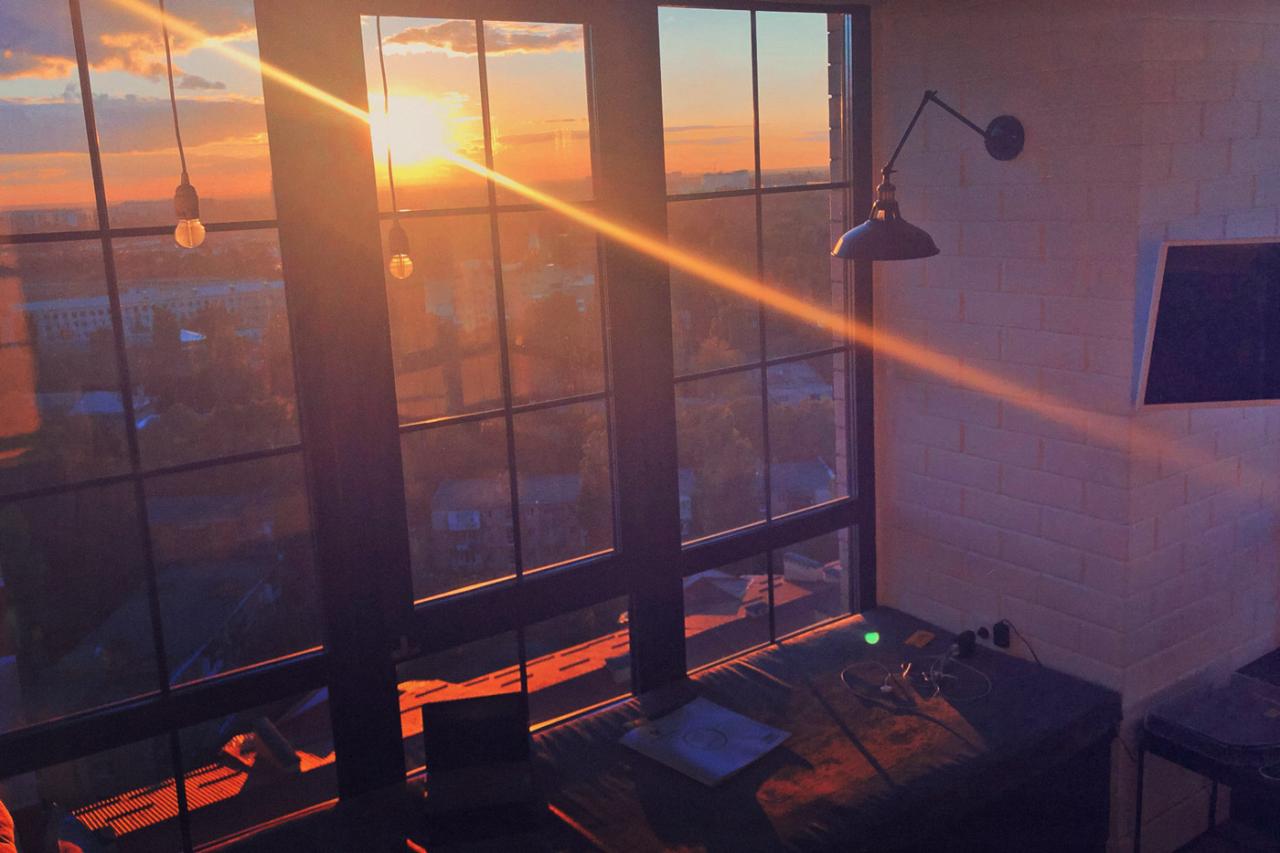
Energy-efficient lighting has become a popular choice for residential and commercial spaces alike, driven by the need for sustainability and cost savings. These advancements in lighting technology not only provide adequate illumination but also contribute significantly to reducing energy consumption and lowering electricity bills.
The advantages of energy-efficient lighting options, such as LED and CFL bulbs, over traditional incandescent bulbs are substantial. They consume less electricity and last much longer, making them a more economical choice over time. For instance, an LED bulb can use up to 80% less energy than its incandescent counterpart, which translates into reduced operational costs for consumers. Moreover, lower energy consumption means less demand on power plants, which helps to decrease greenhouse gas emissions.
Environmental impact of energy-efficient lighting solutions
The environmental impact of energy-efficient lighting is significant, particularly in the context of climate change and energy conservation. By utilizing less energy, these lighting solutions contribute to a decrease in fossil fuel consumption, which is a major source of greenhouse gas emissions. The transition to energy-efficient lighting can lead to several key benefits for the environment:
– Reduction in CO2 Emissions: Energy-efficient lighting contributes to lower carbon dioxide emissions, which is crucial in combating global warming. For example, replacing just one incandescent bulb with an LED bulb can save over 50 kg of CO2 emissions annually.
– Decreased Energy Demand: As more people adopt energy-efficient lighting, the overall demand for electricity decreases. This can lead to fewer power plants being built and less strain on existing infrastructure.
– Waste Reduction: Most energy-efficient bulbs have a longer lifespan, which means they need to be replaced less frequently. This results in less waste entering landfills.
To illustrate the advantages further, here’s a comparison chart of popular energy-efficient bulbs and their specifications:
| Bulb Type | Wattage (Equivalent) | Lifespan (Hours) | Energy Savings | Average Cost |
|---|---|---|---|---|
| LED | 10-12W (60W equivalent) | 15,000-25,000 | 80% less than incandescent | $2-$5 |
| CFL | 13-15W (60W equivalent) | 7,000-10,000 | 75% less than incandescent | $1-$3 |
| Halogen | 29-32W (60W equivalent) | 2,000-4,000 | 30% less than incandescent | $1-$2 |
The transition to energy-efficient lighting not only promotes economic benefits but also plays a crucial role in fostering a sustainable future. By understanding the advantages and environmental impact, consumers can make informed decisions that benefit both their wallets and the planet.
Proper lighting in theatrical productions and its significance.
Lighting in theatrical productions plays a crucial role in shaping the overall experience for the audience. It is not just a practical necessity; it is an art form in its own right. Proper lighting enhances the mood, highlights emotions, and directs the audience’s attention, making it a vital component of storytelling. By manipulating light and shadow, lighting designers help to create an atmosphere that complements the narrative, allowing the audience to fully immerse themselves in the performance.
The significance of lighting design cannot be overstated. It can transform a simple stage into a dynamic landscape, guiding the audience through different scenes and emotional arcs. The way a scene is illuminated can suggest time of day, convey a character’s psychological state, or even foreshadow events to come. In this way, lighting is an essential storytelling tool, seamlessly blending with other elements of a production.
Impact of Lighting on Storytelling and Engagement
The impact of lighting on storytelling and audience engagement is profound. Effective lighting can elevate a performance by enhancing key moments, creating tension, or establishing a specific tone. Here are some key aspects to illustrate this importance:
- Emotional Resonance: Lighting can amplify the emotional weight of a scene. For example, soft, warm lighting can create intimacy, while harsh, cold lighting may evoke feelings of alienation or fear.
- Focus and Attention: By using spotlights or contrasting colors, lighting designers can guide the audience’s gaze towards pivotal moments or characters, ensuring that critical narrative elements are highlighted.
- Time and Place: Lighting can suggest the transition of time or changes in location, enabling the audience to follow the storyline intuitively. For instance, a gradual shift from blue tones to warm hues can signify sunset, marking the passage of time.
Famous theatrical productions have showcased the transformative power of lighting. For instance, “The Lion King” is renowned for its vibrant colors and innovative use of shadows to bring the African savannah to life. The lighting design in “Hamilton” effectively enhances the emotional depth of the music and lyrics, using light to underscore key moments of the story. In “Les Misérables,” the stark contrasts between light and shadow reflect the characters’ struggles and triumphs, making the audience acutely aware of the emotional landscape.
Collaboration between Lighting Designers and Directors
The collaboration between lighting designers and directors is essential in realizing a production’s vision. This partnership is built on clear communication and a mutual understanding of the narrative’s emotional core. Together, they work to ensure that lighting not only serves the practical needs of the stage but also enhances the artistic expression of the story.
During the creative process, lighting designers will often consult with directors to grasp their interpretation of the script and characters. This collaboration may involve the following key stages:
- Concept Development: The initial meetings allow both parties to share their visions and brainstorm ideas, establishing a cohesive aesthetic for the production.
- Design Drafts: Lighting designers create drafts and sketches that illustrate how light will interact with the set, actors, and overall atmosphere, which the director reviews for feedback.
- Tech Rehearsals: During tech rehearsals, lighting designers adjust cues and effects based on the director’s guidance, ensuring that the final product aligns with their vision.
In summary, the synergy between lighting designers and directors is vital to crafting a compelling theatrical experience. Through their collaboration, they create a visual language that enhances the storytelling, drawing the audience deeper into the world of the play.
Concluding Remarks
In conclusion, proper lighting is an integral component that can elevate the quality and functionality of our environments. By thoughtfully selecting and positioning different light sources, we can enhance aesthetics, improve well-being, and create safer, more inviting spaces. As we continue to innovate lighting solutions and embrace energy-efficient technologies, the potential for transformation in our homes, workplaces, and public areas is limitless. Let us appreciate the power of light as we strive to illuminate our lives with intention and creativity.
Essential FAQs
Why is proper lighting important in interior design?
Proper lighting enhances aesthetics, functionality, and mood, ultimately transforming a space into a more inviting environment.
How does natural lighting affect productivity?
Natural light positively influences mental health and productivity, leading to improved focus and energy levels in workspaces.
What are some common mistakes in photography lighting?
Common mistakes include not using enough light, relying solely on harsh artificial sources, and failing to consider shadows in composition.
How can outdoor lighting improve safety?
Effective outdoor lighting enhances visibility, deters crime, and promotes safer environments in public and private spaces.
What are energy-efficient lighting options?
Energy-efficient options include LED and CFL bulbs, which consume less energy and have a longer lifespan compared to traditional incandescent bulbs.