
 Caroline Sarah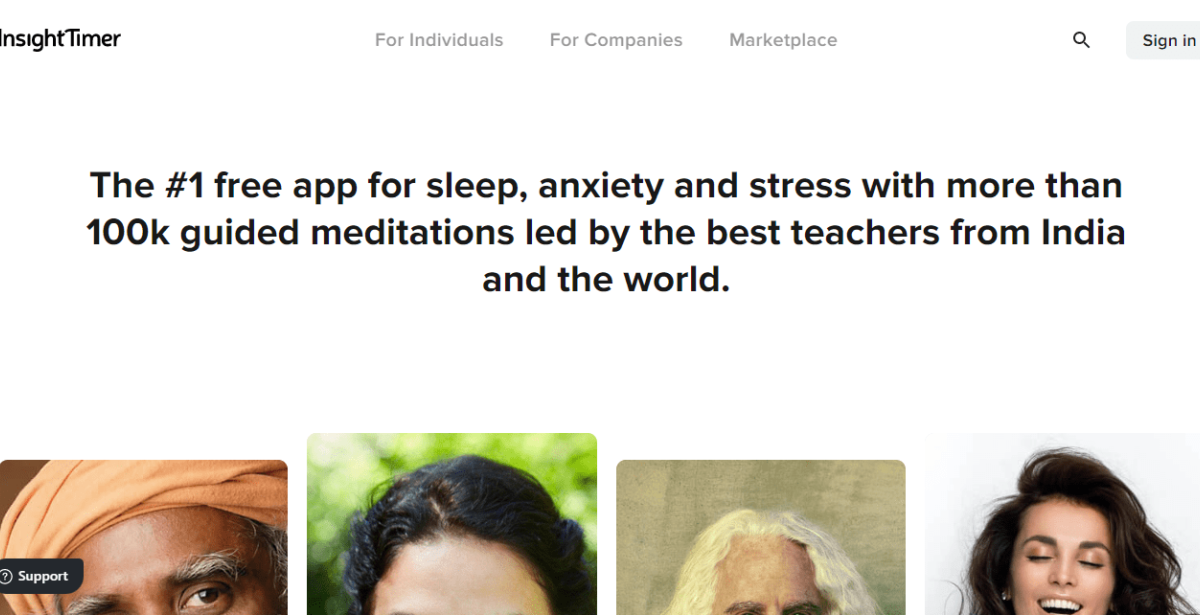
Sleep meditation apps have become essential tools for improving mental well-being in our fast-paced lives. As technology intertwines with wellness, more individuals are turning to these apps to foster relaxation and elevate sleep quality. With features designed to soothe and guide users into a state of calm, sleep meditation apps cater to a diverse audience, from busy professionals to students, helping them navigate the challenges of restless nights.
These applications utilize various techniques, such as soundscapes and guided meditations, to create a serene environment that promotes restful slumber. Users are increasingly embracing this trend, recognizing the significant role that mental health plays in overall well-being. By incorporating the art of meditation into their nightly routines, many are discovering the profound impact it can have on their lives, enhancing not only their sleep but also their daily functioning.
The Importance of Sleep Meditation Apps in Modern Life
In today’s fast-paced world, the significance of quality sleep cannot be overstated. With the increasing demands of work, family, and social commitments, many individuals find it challenging to achieve restorative sleep. This is where sleep meditation apps play a crucial role in enhancing mental well-being and promoting relaxation. These tools not only aid in improving sleep quality but also provide users with strategies to manage stress and anxiety effectively.
Sleep meditation apps contribute to mental well-being by offering guided meditations, soothing sounds, and relaxation techniques specifically designed to help users unwind before bedtime. Research has shown that regular meditation can lead to decreased levels of stress hormones such as cortisol, thereby fostering a sense of calm and emotional stability. The inclusion of mindfulness practices within these apps encourages users to focus on the present moment, allowing them to detach from the worries of their daily lives. This shift in focus can significantly reduce the mental clutter that often disrupts sleep.
Technology’s Role in Improving Sleep Quality
The growing trend of utilizing technology to enhance sleep quality is evident in the proliferation of sleep meditation apps. These applications serve as a bridge between technology and wellness, making relaxation and mindfulness accessible to a broader audience. Technology has transformed the way individuals approach sleep, offering a variety of features that cater to different preferences and needs.
Among the essential features provided by these apps are personalized sleep plans, ambient soundscapes, and bedtime stories that create an inviting atmosphere for rest. Users can choose from various meditation techniques, such as deep breathing, progressive muscle relaxation, or visualization exercises, to find what works best for them. This versatility allows individuals to tailor their experience according to their specific sleep challenges, whether it’s trouble falling asleep, staying asleep, or dealing with nighttime awakenings.
Key demographics benefit from these sleep meditation apps, including busy professionals, college students, and parents. Busy professionals often face relentless work schedules that lead to chronic stress and sleep deprivation. By integrating sleep meditation into their nightly routines, they can cultivate a sense of peace that enhances their productivity and mental clarity. College students, frequently grappling with academic pressures, find that these apps provide the mental respite needed to recharge, enabling them to perform better in their studies. Parents, especially those with young children, can leverage these apps to carve out moments of tranquility amidst the chaos of family life, promoting healthier sleep patterns for themselves and setting a positive example for their children.
In conclusion, sleep meditation apps represent an innovative solution for improving sleep quality and overall mental health. By harnessing the power of technology, these apps empower individuals to take charge of their sleep, fostering relaxation and resilience in an increasingly demanding world.
Features That Make an Effective Sleep Meditation App
In today’s fast-paced world, a good night’s sleep can often feel elusive. A sleep meditation app can be a valuable tool in helping users achieve relaxation and tranquility, leading to improved sleep quality. When searching for an effective sleep meditation app, there are several key features that can significantly enhance the user experience and overall effectiveness of the app.
One of the most important aspects of a sleep meditation app is its variety of soundscapes and guided meditations. These elements play a crucial role in creating an immersive and calming environment that promotes relaxation.
Importance of Soundscapes and Guided Meditations
Soundscapes and guided meditations are instrumental in easing the mind and preparing the body for sleep. While soundscapes can consist of soothing nature sounds, such as ocean waves, rain, or gentle winds, guided meditations provide users with structured audio experiences designed to focus the mind and relieve stress.
Here are some key features to consider:
- Diverse Sound Options: A good sleep meditation app should offer a range of soundscapes, including nature sounds, ambient music, and white noise, allowing users to customize their experience based on personal preferences.
- Guided Meditation Variety: The app should include different types of guided meditations tailored for various needs, such as those for relaxation, anxiety relief, or deep sleep. This diversity helps cater to individual user experiences and preferences.
- Length Options: Users often have different time constraints, so a variety of meditation lengths—from quick 5-minute sessions to longer 30-minute or hour-long meditations—can significantly enhance usability.
- Offline Access: The ability to download content for use without an internet connection is crucial, especially for users who may want to meditate while traveling or in areas with limited connectivity.
- User-Friendly Interface: An intuitive and easy-to-navigate interface enhances the overall experience, making it simple for users to find what they need quickly, even when they are feeling tired.
User feedback and expert reviews are vital for assessing the effectiveness of different sleep meditation apps. Many users highlight particular features that contribute to their overall satisfaction and sleep improvement.
For instance, apps like Calm and Headspace often receive praise for their user-friendly design and extensive libraries of guided meditations and soundscapes. Calm, specifically, is noted for its bedtime stories that can help lull users into sleep with engaging narratives. Meanwhile, Headspace is recognized for its structured programs that lead users through a progressive journey toward better sleep habits.
In contrast, some newer apps like Sleep Cycle focus on sleep tracking alongside meditation, offering insights into sleep patterns that can further enhance the meditation experience. Expert reviews suggest that combining meditation with sleep analysis can provide users with a more holistic approach to improving sleep quality.
In summary, when selecting a sleep meditation app, users should prioritize features like diverse soundscapes, a variety of guided meditations, and a user-friendly interface, while also considering feedback from other users and expert reviews.
The Science Behind Sleep Meditation and Its Effects
Sleep meditation combines mindfulness practices with relaxation techniques to enhance sleep quality. The effectiveness of sleep meditation can be understood through both psychological and physiological lenses. As stress and anxiety are common barriers to a good night’s sleep, meditation serves as a tool to calm the mind and prepare the body for rest by promoting relaxation and emotional well-being. Numerous studies highlight the significant improvements that individuals experience in sleep quality through regular meditation practices.
Psychological and Physiological Effects of Meditation
Engaging in sleep meditation has profound effects on both mental and physical health. The psychological benefits include decreased anxiety levels and improved emotional regulation, which collectively contribute to better sleep. Physiologically, meditation can lead to a decrease in the production of stress hormones such as cortisol, fostering a more conducive environment for sleep. The relaxation response triggered by meditation lowers heart rate and blood pressure, paving the way for more restorative sleep.
Research indicates that sleep meditation can alter sleep architecture—enhancing slow-wave sleep, which is crucial for physical restoration, and increasing REM sleep, important for cognitive functions. One study published in the journal “JAMA Internal Medicine” found that participants who practiced mindfulness meditation reported significant improvements in sleep quality compared to those who did not. This underscores the importance of meditation as a viable strategy for combating insomnia and improving overall sleep health.
Brain Function During Meditation
During meditation, brain activity shifts, impacting sleep cycles. Functional MRI studies reveal that meditation activates regions of the brain associated with attention, self-awareness, and emotional regulation, such as the prefrontal cortex and insula. These changes contribute to a relaxed state of mind and enhance the ability to fall asleep more easily.
Moreover, meditation can influence brainwaves, promoting the production of alpha and theta waves that are associated with deep relaxation and sleep onset. This transition facilitates the body’s natural sleep cycle, helping individuals not only to fall asleep quicker but also to maintain deeper sleep throughout the night.
“Meditation fosters a state of deep relaxation that allows the brain to reset and prepare for restorative sleep.”
In conclusion, ongoing research into sleep meditation continues to affirm its efficacy in enhancing sleep quality. By understanding the intricate relationship between meditation and sleep, individuals can harness these techniques to improve their overall well-being and ensure a restful night.
Creating a Personalized Sleep Meditation Routine
Creating a personalized sleep meditation routine can significantly enhance your ability to fall asleep and improve the quality of your rest. By tailoring your meditation practices to your individual needs, you can address specific sleep challenges, promote relaxation, and cultivate a peaceful mindset before bed. Here’s how to craft a routine that aligns with your unique sleep requirements.
To begin, it’s important to assess your current sleep patterns and identify the areas where you struggle. Consider factors such as how long it takes you to fall asleep, the quality of your sleep, and any recurring issues like anxiety or restlessness. Once you have a clearer picture, you can integrate meditation practices that specifically target these concerns. Here are some effective strategies for building your personalized sleep meditation routine.
Methods for Tailoring Meditation Practices
To customize your meditation experience, consider the following methods:
- Identify Your Preferences: Determine which types of meditation resonate with you—guided, silent, or even visualization techniques. Personal preferences can greatly influence your comfort level and effectiveness.
- Set Clear Intentions: Define what you hope to achieve with your meditation practice. Whether it’s reducing anxiety, improving sleep duration, or enhancing relaxation, having clear goals helps focus your sessions.
- Use Relaxation Techniques: Incorporate deep breathing, progressive muscle relaxation, or gentle yoga stretches to release physical tension and calm the mind.
- Adjust Duration and Timing: Start with shorter sessions, perhaps 5 to 10 minutes, and gradually increase as you become more comfortable. Aim to meditate at the same time each night to establish a consistent routine.
Steps to Integrate Sleep Meditation into a Nightly Routine
Incorporating meditation into your nightly routine can amplify its effectiveness. Consider these steps:
- Create a Soothing Environment: Prepare your sleep space by dimming the lights, reducing noise, and ensuring the temperature is comfortable to foster a tranquil atmosphere.
- Establish a Pre-Sleep Ritual: Develop a calming pre-sleep routine that includes activities such as reading, sipping herbal tea, or taking a warm bath to signal to your body that it’s time to wind down.
- Allocate Time for Meditation: Dedicate a specific time each night for meditation—ideally 30 minutes before bed. Consistency helps train your mind to associate meditation with sleep.
- Utilize Technology Wisely: Consider using sleep meditation apps that offer guided sessions. These can provide structure and variety, helping you stay engaged with your practice.
Common Obstacles and Ways to Overcome Them
Many individuals face challenges when starting their meditation practices. Recognizing these obstacles and preparing strategies to address them is essential for success. Here are some common issues and solutions:
- Difficulty Focusing: It’s common for thoughts to wander during meditation. Try using a mantra or focusing on your breath to help anchor your mind and regain focus.
- Restlessness or Discomfort: If sitting still is challenging, experiment with different positions—lying down, sitting in a chair, or even practicing a walking meditation.
- Impatience with Results: Meditation is a skill that takes time to develop. Be patient with yourself and acknowledge that progress may be gradual.
- External Distractions: Combat distractions by minimizing noise and interruptions. Use earplugs or white noise machines if necessary to create a more conducive environment.
User Experiences and Testimonials on Sleep Meditation Apps

Sleep meditation apps have gained immense popularity as tools for improving sleep quality and promoting relaxation. Users from diverse backgrounds have shared their experiences, highlighting both the positive impacts and challenges they’ve faced while using these applications. Testimonials reveal the transformative potential of sleep meditation, illustrating how these apps can significantly enhance sleep habits and overall well-being.
The feedback collected from users of various sleep meditation apps shows a broad spectrum of satisfaction levels and outcomes. Many users report a marked improvement in their ability to fall asleep and stay asleep, while others express frustrations regarding certain functionalities or content. Analyzing these trends provides insight into how these apps are shaping sleep practices and what users value most in their sleep routines.
Real-life Testimonials from Users
User testimonials emphasize the tangible benefits of sleep meditation apps. Many users have experienced significant changes in their sleep patterns. Here are some notable testimonials:
-
“After using the app for just a week, I fell asleep faster and woke up feeling more refreshed than I have in years.” – Sarah, 32
-
“The guided meditations help calm my racing thoughts, and I find that I sleep deeper. It’s become a necessary part of my nightly routine.” – Michael, 45
-
“While the app has great features, I sometimes struggle with the selection of sleep sounds. More variety would be beneficial.” – Laura, 28
User feedback reveals several trends regarding satisfaction and the impact of these apps on sleep habits.
Trends in User Satisfaction
Across multiple platforms, users frequently cite the following aspects as key contributors to their overall satisfaction:
- Convenience of access, allowing users to meditate anywhere and anytime.
- Variety of content, including different meditation styles and voices.
- Customizability, enabling users to tailor their experience according to personal preferences.
- Integration of sleep tracking features, offering insights into sleep quality.
On the other hand, some common weaknesses noted by users highlight areas of improvement:
- Technical issues, such as app crashes or slow loading times, which can disrupt the meditation experience.
- Limited offline capabilities, making it challenging for users without consistent internet access.
- In-app purchases or subscription models that users find restrictive.
Thematic Highlights in User Feedback
Several themes emerge consistently in user reviews, indicating what users appreciate and where they seek improvement:
- The calming effect of guided meditations is frequently praised, with many users noting a decrease in anxiety.
- Community features, such as forums and chat options, enhance user engagement and support.
- Clear instructions and soothing voices contribute positively to the overall user experience.
- Users often suggest enhancing content diversity, including more culturally inclusive practices or specialized programs for specific sleep issues.
In summary, user experiences with sleep meditation apps underline their potential to facilitate better sleep and mental health. While many users celebrate their effectiveness, constructive feedback points to areas where developers can enhance these valuable tools for a broader audience.
The Future of Sleep Meditation Apps in a Tech-Savvy World
As technology continues to advance, the future of sleep meditation apps seems promising and innovative. These applications are poised to adapt and evolve, merging seamlessly with emerging technologies to enhance user experience and effectiveness. With a focus on optimizing sleep health, it’s crucial to explore how these tools can evolve to meet the demands of a tech-savvy audience.
Emerging technologies like artificial intelligence and machine learning are set to revolutionize sleep meditation apps. AI’s capability to analyze user data will allow for highly personalized meditation experiences, tailoring techniques to individual sleep patterns and preferences. This could mean users receive customized meditation scripts based on their specific stress levels, sleep quality, or even the time of night. As these technologies improve, the effectiveness of sleep meditation practices is likely to increase, making them more accessible and beneficial for a broader audience.
Integration with Wearable Technology
The integration of sleep meditation apps with wearable technology marks a significant leap forward in achieving optimal sleep health. Wearable devices, such as smartwatches and fitness trackers, collect real-time data on sleep quality, heart rate, and more. This information can be invaluable for sleep meditation apps in several ways:
- Real-Time Feedback: Wearables can provide instant feedback about the user’s physiological state, which can help the app adjust meditation sessions dynamically based on how well the user is sleeping.
- Personalized Recommendations: By analyzing a user’s sleep patterns, apps can suggest specific meditation techniques or duration to enhance sleep quality.
- Holistic Health Integration: These apps can integrate mindfulness meditation with physical health data, offering a more comprehensive approach to wellness by combining sleep, stress management, and physical activity.
- Automated Sleep Environment Adjustments: As wearables identify poor sleep conditions, they could trigger smart home devices to adjust the environment—like dimming the lights or adjusting the thermostat—to create a more conducive sleep atmosphere.
“The synergy between sleep meditation apps and wearable technology is paving the way for an enhanced understanding of personal wellness.”
With these advancements, users can expect a more interactive and responsive approach to sleep meditation. The potential for these technologies to work together encourages not only better sleep outcomes but also fosters a deeper awareness of the connection between mind and body, ultimately leading to improved overall health. The future is bright for sleep meditation as it embraces innovation and continues to adapt to the needs of modern users.
Comparing Sleep Meditation Apps
In today’s fast-paced world, getting a good night’s sleep is more crucial than ever. Sleep meditation apps have emerged as popular tools to help individuals unwind, relax, and ultimately enhance their sleep quality. With numerous options available on the market, understanding the key features, pricing, and user satisfaction ratings can empower users to make informed decisions tailored to their personal needs.
When evaluating sleep meditation apps, it’s essential to compare their specific functionalities, user-friendly designs, and overall effectiveness. Below is a comprehensive comparison table that highlights popular sleep meditation apps, featuring their unique selling points alongside pricing and user ratings.
Comparison of Popular Sleep Meditation Apps
The following table summarizes various sleep meditation apps, focusing on features, pricing, and user ratings to provide a clear comparison for potential users.
| App Name | Key Features | Pricing | User Rating |
|---|---|---|---|
| Calm | Sleep stories, meditation, soothing music | $14.99/month or $69.99/year | 4.8/5 |
| Headspace | Guided meditations, sleep sounds, progress tracking | $12.99/month or $69.99/year | 4.9/5 |
| Insight Timer | Free courses, community features, customizable timers | Free with optional donations | 4.9/5 |
| Pzizz | Sleep-optimized music, guided meditations, remixing | $9.99/month or $89.99/year | 4.7/5 |
Understanding the unique selling points of these apps can significantly aid users in selecting the right one for their sleep needs.
Unique Selling Points of Sleep Meditation Apps
Each sleep meditation app offers distinct features that cater to various user preferences. The following list highlights the unique selling points of popular apps:
- Calm: Offers a vast library of sleep stories narrated by well-known voices, enhancing the sleep experience through storytelling.
- Headspace: Provides a structured program that combines mindfulness with sleep techniques, making it suitable for beginners.
- Insight Timer: Features an extensive community of teachers and users, allowing for social engagement and diverse meditation styles.
- Pzizz: Utilizes a unique algorithm that mixes music, sound effects, and voiceovers to create customized sleep soundtracks.
Pros and Cons of Popular Sleep Meditation Apps
Understanding the advantages and disadvantages of each app can help users align their choice with personal preferences and goals. Below is a summary of the pros and cons based on user satisfaction:
- Calm:
- Pros: High-quality audio, variety of content
- Cons: Higher subscription cost compared to some alternatives
- Headspace:
- Pros: User-friendly interface, evidence-based practices
- Cons: Limited free content compared to others
- Insight Timer:
- Pros: Extensive free content, community-driven
- Cons: Ads in the free version may disrupt the experience
- Pzizz:
- Pros: Innovative sound design, effective for sleep
- Cons: Subscription required for full access, limited free trial
Concluding Remarks
In summary, sleep meditation apps offer a vital solution to the complexities of modern living by promoting better sleep through innovative technology. As we explore the effects of meditation and personalize our routines, these apps stand as companions on the journey to enhanced mental wellness and improved sleep quality. With an eye towards the future, the integration of emerging technologies promises even greater advancements in how we approach sleep meditation, making it an exciting field to watch.
FAQ Overview
How do I choose the best sleep meditation app?
Look for apps with positive user reviews, diverse meditation options, customizable features, and compatibility with your devices.
Can sleep meditation apps really improve my sleep?
Yes, many users report better sleep quality as these apps help reduce stress and anxiety, facilitating relaxation before bedtime.
Are sleep meditation apps suitable for beginners?
Absolutely! Most apps offer beginner-friendly options and guided sessions that make it easy to start your meditation practice.
Do I need to pay for these apps?
While many sleep meditation apps offer free basic versions, premium features typically require a subscription or one-time purchase.
How long should I meditate for better sleep?
Even short sessions of 10-15 minutes can be beneficial, but you can adjust the duration based on your comfort and schedule.