
 Caroline Sarah
Bedtime tea has been a comforting tradition in various cultures for centuries, serving not only as a soothing beverage but also as a ritual that promotes relaxation and prepares the mind for sleep. Whether it’s chamomile in Europe, rooibos in South Africa, or a blend of herbs in Asia, these teas carry rich histories and significance that enhance our nighttime routines.
In today’s fast-paced world, the simple act of sipping a warm cup of tea before bed can be a powerful tool for winding down. This guide explores the cultural significance, health benefits, and practical tips for selecting or brewing your own bedtime tea, ensuring that you embrace this delightful ritual with all its calming effects.
The Historical Significance of Bedtime Tea in Various Cultures
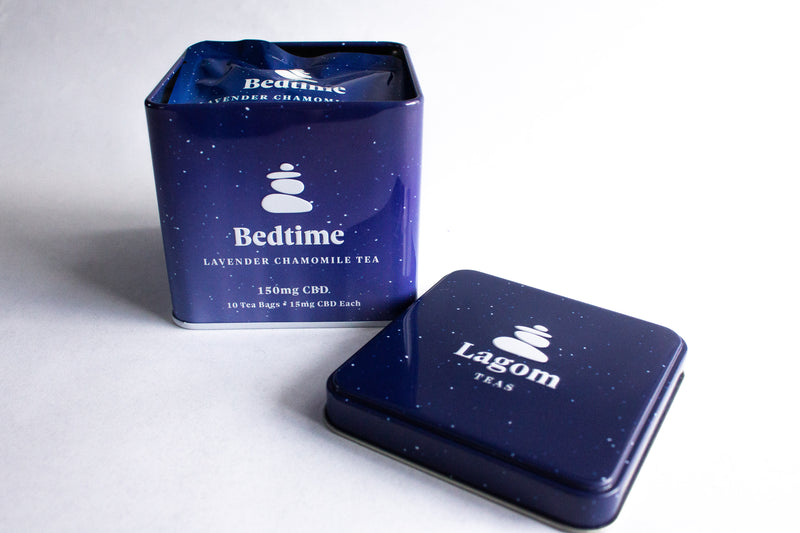
Bedtime tea has been a cherished ritual in numerous societies, often regarded as a soothing way to transition from the day’s hustle to a peaceful night. This practice not only fosters relaxation but also reflects the cultural values and traditions of different communities around the world. The roots of bedtime tea are deep and varied, offering a glimpse into how civilizations have integrated this calming beverage into their nightly routines.
Historically, the consumption of tea before bed has evolved remarkably, with different cultures developing their own unique practices. In many Asian countries, tea is an integral part of the culinary experience, and its influence permeates through various aspects of life, including bedtime rituals. In Western societies, herbal infusions have gained popularity, showcasing a blend of modern convenience and traditional wisdom. These practices not only highlight the significance of tea as a beverage but also underscore its role as a cultural emblem of hospitality, relaxation, and social connection.
Examples of Traditional Bedtime Teas and Cultural Relevance
Throughout history, diverse cultures have embraced specific types of tea that serve as bedtime beverages, each with unique properties and meanings. Here are some notable examples:
- Chamomile Tea: Originating from ancient Egypt, chamomile tea is renowned for its calming effects and is often consumed in the evening to promote sleep. Its use as a bedtime tea has persisted through generations, symbolizing tranquility and restfulness.
- Mint Tea: In North African cultures, mint tea is a staple that signifies hospitality. Served after meals, it is often enjoyed in the evening, reflecting the importance of relaxation and community during nighttime gatherings.
- Lemon Balm Tea: Traditionally used in European herbal medicine, lemon balm tea is celebrated for its ability to reduce anxiety and insomnia. Its soothing properties have made it a popular choice for bedtime rituals across various European nations.
- Rooibos Tea: Hailing from South Africa, rooibos is caffeine-free and rich in antioxidants, making it an ideal bedtime beverage. Its integration into evening routines underscores the cultural importance of health and wellness in South African traditions.
- Valerian Root Tea: Valerian has been used since ancient times, particularly in Europe, for its sedative properties. Its consumption before bed is a reflection of the cultural practices aiming to achieve better sleep quality.
The preparation and enjoyment of these teas often involve specific rituals that enhance their cultural significance. For instance, the ceremonial pouring of Moroccan mint tea showcases elaborate hospitality traditions, while the simple steeping of chamomile reflects a more personal, introspective practice. In essence, bedtime tea encapsulates the values of comfort, community, and well-being, serving as a bridge between daily life and the restful embrace of night.
The Health Benefits Associated with Drinking Bedtime Tea
Drinking bedtime tea is not just a comforting ritual; it also offers various health benefits that can enhance your overall well-being. The right blend of herbs can promote relaxation, improve sleep quality, and assist in digestion. This makes bedtime tea an excellent choice for anyone looking to wind down after a long day.
When consumed before sleep, bedtime tea can be an effective addition to a nighttime routine. The ingredients often present in these teas are known for their calming properties, helping to prepare the body for restful slumber. Beyond simply aiding sleep, many of the herbs have additional health benefits that contribute to both mental and physical health.
Key Ingredients and Their Therapeutic Properties
The specific herbs or ingredients found in bedtime teas often play a crucial role in their health benefits. Below are some commonly used ingredients, along with their therapeutic properties:
- Chamomile: Known for its sedative effects, chamomile can help reduce anxiety and improve sleep quality. It contains antioxidants that may promote better overall health.
- Valerian Root: This herb has been used for centuries to treat insomnia and anxiety. It may help decrease the time it takes to fall asleep and improve sleep quality.
- Lemon Balm: A member of the mint family, lemon balm is often used for its calming effects on the body and mind, which can reduce stress levels and promote relaxation.
- Lavender: Frequently used for its soothing aroma, lavender can also aid in reducing anxiety and enhancing sleep quality. Its essential oils are known to promote relaxation.
- Passionflower: This herb is often used to treat anxiety and insomnia. It may increase levels of gamma-aminobutyric acid (GABA) in the brain, which helps calm the mind.
Numerous scientific studies support the health claims associated with these herbs. For example, a study published in the “Journal of Clinical Psychopharmacology” found that valerian root significantly improved sleep quality among participants. Similarly, research in the “Journal of Alternative and Complementary Medicine” highlighted that lemon balm effectively reduced stress and anxiety levels among subjects.
“Bedtime tea, with its blend of natural ingredients, not only encourages relaxation but also enhances sleep quality, contributing to overall health benefits.”
Anecdotal evidence also backs the effectiveness of bedtime teas. Many individuals report experiencing improved sleep patterns and reduced nighttime awakenings after incorporating these herbal blends into their nightly routines. As a simple, natural remedy, bedtime tea offers a delightful way to promote health and relaxation before sleep.
How to Choose the Right Bedtime Tea for Your Needs
Selecting the right bedtime tea can significantly enhance your relaxation and improve your sleep quality. With a plethora of options available, it’s essential to understand your unique needs and preferences before making a choice. The right blend can help soothe your mind and body, creating the perfect environment for a good night’s rest.
When choosing a bedtime tea, consider factors such as your taste preferences, any specific sleep-related concerns you may have, and potential allergies or sensitivities to certain herbs. Additionally, it’s helpful to understand the properties of different ingredients and how they can affect your body.
Common Ingredients and Their Effects on Sleep Quality
Various ingredients are renowned for their calming effects, which can be beneficial for promoting sleep. Below are some of the most common herbal ingredients found in bedtime teas, along with their effects:
- Chamomile: Known for its calming properties, chamomile can help reduce anxiety and promote relaxation, making it easier to fall asleep.
- Lavender: The soothing aroma of lavender is linked to improved sleep quality and can help reduce stress and anxiety levels.
- Valerian Root: Often used as a natural remedy for insomnia, valerian root can decrease the time it takes to fall asleep and improve sleep quality.
- Lemon Balm: This herb can promote relaxation and improve sleep quality by reducing anxiety levels.
- Passionflower: Used for its sedative effects, passionflower may help improve sleep quality by increasing levels of gamma-aminobutyric acid (GABA) in the brain.
Understanding these ingredients can help you select a tea that aligns with your sleep goals, whether it’s reducing anxiety or enhancing relaxation.
Popular Bedtime Teas Categorized by Benefits
With numerous options available, it’s beneficial to categorize bedtime teas based on their intended effects. Below is a collection of popular bedtime teas grouped by their specific benefits:
- Relaxation:
- Celestial Seasonings Sleepytime Tea
- Tazo Calm Chamomile Herbal Tea
- Sleep Aid:
- Traditional Medicinals Nighty Night Tea
- Yogi Bedtime Tea
- Stress Relief:
- Stash Tea Lemon Grove Herbal Tea
- Bigelow Sweet Dreams Tea
Choosing the right bedtime tea can be a delightful journey of exploration, allowing you to discover flavors and blends that resonate with your body and mind. Remember to listen to your body’s responses and enjoy the calming ritual that bedtime tea can offer.
Recipes for Making Your Own Bedtime Tea Blends
Creating your own bedtime tea blends can be a delightful and calming ritual, allowing you to unwind and prepare for sleep. By choosing the right ingredients, you can customize your tea to suit your taste preferences while reaping the benefits of calming herbs. Here are a few unique recipes for homemade bedtime tea blends, along with simple preparation methods.
Chamomile Lavender Dream Blend
This soothing blend combines chamomile and lavender, both known for their relaxation properties. It’s perfect for easing into a restful night.
“Chamomile and lavender can significantly reduce anxiety and promote better sleep.”
Ingredients:
– 1 tablespoon dried chamomile flowers
– 1 tablespoon dried lavender buds
– 1 teaspoon honey (optional)
Preparation Method:
1. In a small bowl, mix the chamomile and lavender together.
2. Boil 1 cup of water and pour it over the blended herbs in a teapot or infuser.
3. Let it steep for 5-7 minutes, allowing the flavors to meld together.
4. Strain into a cup, adding honey for sweetness if desired.
Minty Citrus Relaxation Blend
This refreshing tea blend is invigorating yet calming, featuring peppermint and lemon balm, making it ideal for winding down after a long day.
“Combining mint and lemon balm not only aids digestion but also promotes relaxation.”
Ingredients:
– 1 tablespoon dried peppermint leaves
– 1 tablespoon dried lemon balm
– 1 teaspoon fresh lemon juice
Preparation Method:
1. Mix the dried peppermint and lemon balm in a tea infuser or teapot.
2. Pour 1 cup of boiling water over the herbs.
3. Steep for 5-6 minutes, then strain into a cup.
4. Add fresh lemon juice to enhance flavor and enjoy.
Spiced Vanilla Bedtime Brew
For those who enjoy a warm and comforting spice, this blend combines chamomile, vanilla, and warming spices such as cinnamon.
“A touch of spice can make your bedtime tea not just soothing but also flavorful.”
Ingredients:
– 1 tablespoon dried chamomile flowers
– ½ teaspoon vanilla extract
– 1 small cinnamon stick (or ½ teaspoon ground cinnamon)
– 1 cup milk or almond milk (optional)
Preparation Method:
1. Combine chamomile and cinnamon in a teapot or infuser.
2. Boil 1 cup of water and pour it over the herbs.
3. Steep for 5-8 minutes, then strain into a cup.
4. Stir in vanilla extract and add warm milk for a creamier texture if preferred.
Personalizing Your Bedtime Tea
Personalizing your bedtime tea blends can enhance the experience and allow you to create something uniquely yours. Here are some tips to help you tailor your tea:
– Experiment with Herbs: Consider adding other relaxing herbs such as valerian root, passionflower, or lemon verbena for additional calming effects.
– Adjust Sweetness: Use natural sweeteners like honey, agave, or stevia to suit your taste. A little sweetness can enhance the flavors without overpowering them.
– Incorporate Fruits: Dried fruits, like apple or peach, can add a fruity note to your tea. Just be sure to balance the flavors well.
– Temperature and Steeping Time: Adjust the temperature of the water and steeping time based on the herbs used; delicate herbs like chamomile may require less time than robust spices.
By experimenting and personalizing these blends, you’ll find the perfect cup of bedtime tea for your nightly routine.
The Ritual of Drinking Bedtime Tea and Its Impact on Sleep Hygiene
Establishing a bedtime routine is essential for promoting restful sleep, and incorporating bedtime tea into this ritual can significantly enhance sleep quality. Drinking tea before sleep serves not only as a soothing practice but also primes the mind and body for a peaceful night. This ritual creates a dedicated time for winding down, which can be beneficial in signaling to your body that it’s time to transition from the busyness of the day to a state of relaxation.
The act of preparing and sipping bedtime tea can have profound effects on mental relaxation. This ritual encourages mindfulness, allowing individuals to focus on the warmth of the tea, the aroma, and the gentle process of drinking. Engaging in this simple yet intentional act can lower stress levels, ease anxiety, and foster an environment conducive to sleep. Such a calming effect on the mind is crucial for enhancing sleep hygiene, as it helps to disengage from the day’s distractions and cultivates a tranquil mindset.
Complementary Practices for Enhanced Sleep Hygiene
In addition to drinking bedtime tea, there are several practices that can further enhance sleep hygiene. These practices, when combined with tea-drinking, can create a holistic approach to achieving better sleep. Here are some effective strategies to consider:
- Establish a Consistent Sleep Schedule: Going to bed and waking up at the same time every day helps regulate the body’s internal clock, making it easier to fall asleep and wake up refreshed.
- Limit Screen Time: Reducing exposure to screens at least an hour before bedtime can minimize the impact of blue light, which can interfere with melatonin production and disrupt sleep cycles.
- Create a Relaxing Environment: Ensuring that your bedroom is dark, quiet, and cool can significantly enhance sleep quality. Consider using blackout curtains, earplugs, or a white noise machine if necessary.
- Incorporate Gentle Stretching or Yoga: Engaging in light stretching or yoga before bed can release tension in the body and promote relaxation, making it easier to drift off to sleep.
- Practice Deep Breathing or Meditation: These techniques can help quiet the mind, reduce anxiety, and prepare the body for sleep by promoting a state of calmness.
Utilizing these complementary practices alongside the ritual of drinking bedtime tea can create a comprehensive approach to improving sleep hygiene. By cultivating a peaceful pre-sleep routine, individuals have a greater chance of enjoying restorative sleep and waking up rejuvenated.
Comparing Popular Bedtime Tea Brands on the Market

Bedtime teas have gained significant popularity as natural remedies to promote relaxation and improve sleep quality. With numerous brands available, it’s essential to compare their offerings to find the perfect match for your evening routine. This comparison highlights some of the most well-known bedtime tea brands and what makes each unique.
When evaluating bedtime teas, it’s crucial to consider factors such as ingredients, taste profiles, and consumer feedback. These elements can drastically influence your overall experience and effectiveness of the tea in aiding sleep. Below is a detailed comparison that encapsulates these aspects.
Brand Comparisons
The following brands are among the most recognized in the bedtime tea market. Each brand offers distinct features, including various herbal blends and flavors.
-
Celestial Seasonings Sleepytime Tea:
This is a classic bedtime tea known for its soothing blend of chamomile, spearmint, and lemongrass. It has a gentle, floral taste with a hint of mint, making it a favorite among herbal tea drinkers. Consumers often praise its calming effects, with many reporting improved sleep after regular use. -
Twinings Sleep Tea:
This tea features a blend of chamomile, lavender, and lemon balm, creating a comforting and relaxing flavor profile. Many users appreciate the natural sweetness and floral notes, noting that it helps ease their minds before bedtime. Reviews also highlight the tea’s pleasant aroma, enhancing the overall experience. -
Yogi Bedtime Tea:
Yogi’s offering combines chamomile, passionflower, and a blend of other herbs to create a unique taste that is both soothing and aromatic. Users frequently mention its effectiveness, with many stating that it reduces anxiety and promotes restful sleep. The brand’s commitment to organic ingredients adds an appeal for health-conscious consumers. -
Pukka Night Time Tea:
This blend includes organic ingredients such as valerian root, lavender, and oat flower. It is known for its rich, earthy flavor, which many find comforting. Consumer testimonials often highlight its effectiveness in not only promoting sleep but also enhancing overall relaxation after a long day. -
Bigelow Sweet Dreams Tea:
Bigelow offers a delightful mix of chamomile and mint, providing a sweet and soothing taste. Reviewers frequently mention its calming effects and how the sweetness balances the herbal flavors. The tea is widely available in grocery stores, making it accessible for many.
Consumer preferences vary, with some favoring floral notes while others appreciate earthy flavors. Reading reviews can provide insight into how each tea affects individual sleep patterns, making it easier to choose the right one for a personalized bedtime ritual.
“Finding the right bedtime tea can transform your nightly routine into a peaceful ritual, enhancing not just sleep quality but overall well-being.”
Potential Risks or Side Effects of Bedtime Tea Consumption
Bedtime teas, often made from herbs and natural ingredients, are popular for their calming effects and ability to promote sleep. However, it is essential to be aware of potential risks and side effects that may accompany their consumption. This understanding helps individuals make informed decisions about their bedtime tea choices and avoid any adverse effects, particularly for those with underlying health conditions.
Certain herbal ingredients commonly found in bedtime teas can lead to unwanted side effects or interactions with medications. While many of these teas are safe for most individuals, it is crucial to recognize the specific risks associated with some herbs, especially for those who may have allergies, are pregnant, or are taking certain medications.
Side Effects and Contraindications of Common Ingredients
Bedtime teas may contain various herbs, each with its own profile of potential side effects. Awareness of these can help consumers choose wisely.
Some commonly used herbs and their possible side effects include:
- Chamomile: Generally safe, but can cause allergic reactions in individuals with ragweed allergies or interact with blood thinners.
- Valerian Root: May lead to drowsiness, headaches, or digestive issues. It’s best avoided when operating machinery or driving.
- Lemon Balm: Can cause nausea or abdominal pain in some individuals, particularly in large doses.
- Passionflower: Potentially causes dizziness or confusion, especially when combined with sedatives.
Understanding these risks can help individuals avoid discomfort and choose teas that align with their health needs.
Responsible Use of Bedtime Tea for Individuals with Health Conditions
For those with specific health conditions, responsible consumption of bedtime tea is vital. Individuals with chronic health issues or those taking multiple medications should be particularly cautious.
Guidelines for responsible use include:
- Consulting a healthcare professional before introducing new herbal teas, especially for individuals with liver disease or hormone-sensitive conditions.
- Monitoring for any adverse reactions when trying a new tea, especially if it contains multiple ingredients.
- Limiting consumption to a moderate quantity, typically one cup before bed, to assess tolerance and effects.
- Avoiding teas with high caffeine content, which may disrupt sleep instead of promoting it.
These considerations help mitigate risks associated with bedtime tea consumption and promote a better night’s sleep.
Consultation with Healthcare Professionals
It is essential for consumers to understand when seeking advice from a healthcare professional is necessary regarding bedtime tea use.
Indicators for consultation include:
- Experiencing adverse reactions or side effects after consuming a tea.
- Being pregnant, breastfeeding, or planning to conceive, as some herbs may not be safe during these times.
- Having pre-existing medical conditions, such as hypertension or diabetes, which may interact negatively with certain herbs.
- Taking prescription medications that may have interactions with herbal components in bedtime teas.
Staying informed and cautious about herbal tea consumption can greatly enhance one’s bedtime routine while minimizing potential health risks.
Exploring the Role of Herbal Ingredients in Bedtime Tea
Bedtime tea often serves as a comforting ritual that promotes relaxation and prepares the body for sleep. The key lies in the herbal ingredients that compose these brews, each bringing unique properties that can enhance overall well-being and encourage a peaceful night’s rest. Understanding the roles of these herbs and their effects on the mind and body is essential for maximizing their benefits.
The most common herbal ingredients found in bedtime tea include chamomile, valerian root, lavender, and lemon balm. These herbs not only contribute to the pleasant flavor of the tea but also provide various calming effects that can improve sleep quality and promote relaxation.
Common Herbal Ingredients and Their Effects
This section delves into the individual properties of popular herbs used in bedtime tea and how they influence both mind and body:
- Chamomile: Renowned for its mild sedative effects, chamomile contains antioxidants that may promote sleep and reduce insomnia. It also has anti-inflammatory properties that aid in relaxation.
- Valerian Root: Often referred to as a natural sleep aid, valerian root is believed to increase the amount of gamma-aminobutyric acid (GABA) in the brain, helping to reduce anxiety and improve sleep quality.
- Lavender: Known for its calming scent, lavender has been used for centuries to decrease stress and anxiety. Its aroma can enhance sleep quality and help you fall asleep faster.
- Lemon Balm: This herb is part of the mint family and is known for its soothing effects. It’s often used to alleviate insomnia and anxiety, making it an excellent addition to bedtime tea blends.
To maximize the benefits of these herbal ingredients, proper brewing techniques are essential. The ideal brewing time, temperature, and quantity can significantly influence the potency of the tea.
Best Practices for Brewing Herbal Teas
Implementing effective brewing practices can enhance the therapeutic effects of herbal teas. Here are key considerations for brewing:
- Water Temperature: Use water just off the boil (around 200°F or 93°C) to effectively extract the beneficial compounds from the herbs without scalding them.
- Steeping Time: Allow the tea to steep for 5 to 10 minutes. Longer steeping times can release more of the herb’s properties but may lead to a bitter taste.
- Herb Quantity: A general guideline is to use one tablespoon of dried herbs per cup of water. Adjust according to personal taste and desired potency.
- Cover While Steeping: Covering the tea while it steeps traps heat and essential oils, enhancing the flavor and potential health benefits.
“The right combination of herbs can lead to a serene evening ritual that nurtures both the body and the mind, paving the way for restful slumber.”
Incorporating these herbal ingredients thoughtfully into your bedtime tea not only guarantees a soothing experience but also sets the stage for restorative sleep, making it a vital addition to any nighttime routine.
Last Word
In conclusion, bedtime tea is more than just a drink; it’s an integral part of a holistic approach to sleep hygiene that encourages relaxation and mindfulness. As we’ve seen, the blend of history, health benefits, and personal customization make bedtime tea a timeless choice for anyone looking to improve their sleep quality. So, why not incorporate this soothing ritual into your nightly routine and discover the peace it can bring to your evenings?
Commonly Asked Questions
What types of herbs are commonly used in bedtime tea?
Common herbs include chamomile, valerian root, lavender, and lemon balm, all known for their calming properties.
Can I drink bedtime tea if I’m pregnant?
It’s best to consult a healthcare professional, as some herbs may not be safe during pregnancy.
How long before bed should I drink bedtime tea?
Drinking tea about 30 to 60 minutes before sleep is ideal for maximum relaxation.
Can I use caffeine-free tea as a bedtime tea?
Absolutely! Caffeine-free herbal teas are great options for bedtime tea.
Is it okay to sweeten bedtime tea?
Yes, if you prefer a sweeter taste, natural sweeteners like honey can enhance the flavor without disrupting sleep.