
 Caroline Sarah
Smart mattress is not just a buzzword; it represents a significant advancement in how we understand and improve our sleep. By integrating cutting-edge technology, smart mattresses are designed to enhance sleep quality through monitoring, personalization, and interaction with other smart home devices, creating an optimal sleeping environment. These innovative beds are equipped with various sensors that track sleep patterns, adjust to your body’s needs, and even provide insights to improve overall rest.
As we dive deeper into the world of smart mattresses, we’ll explore the technology that powers them, the health benefits they offer, and how they cater to diverse sleep styles. Imagine waking up refreshed, rejuvenated, and ready to tackle the day—this is what a smart mattress aims to deliver!
Understanding the Technology Behind Smart Mattresses
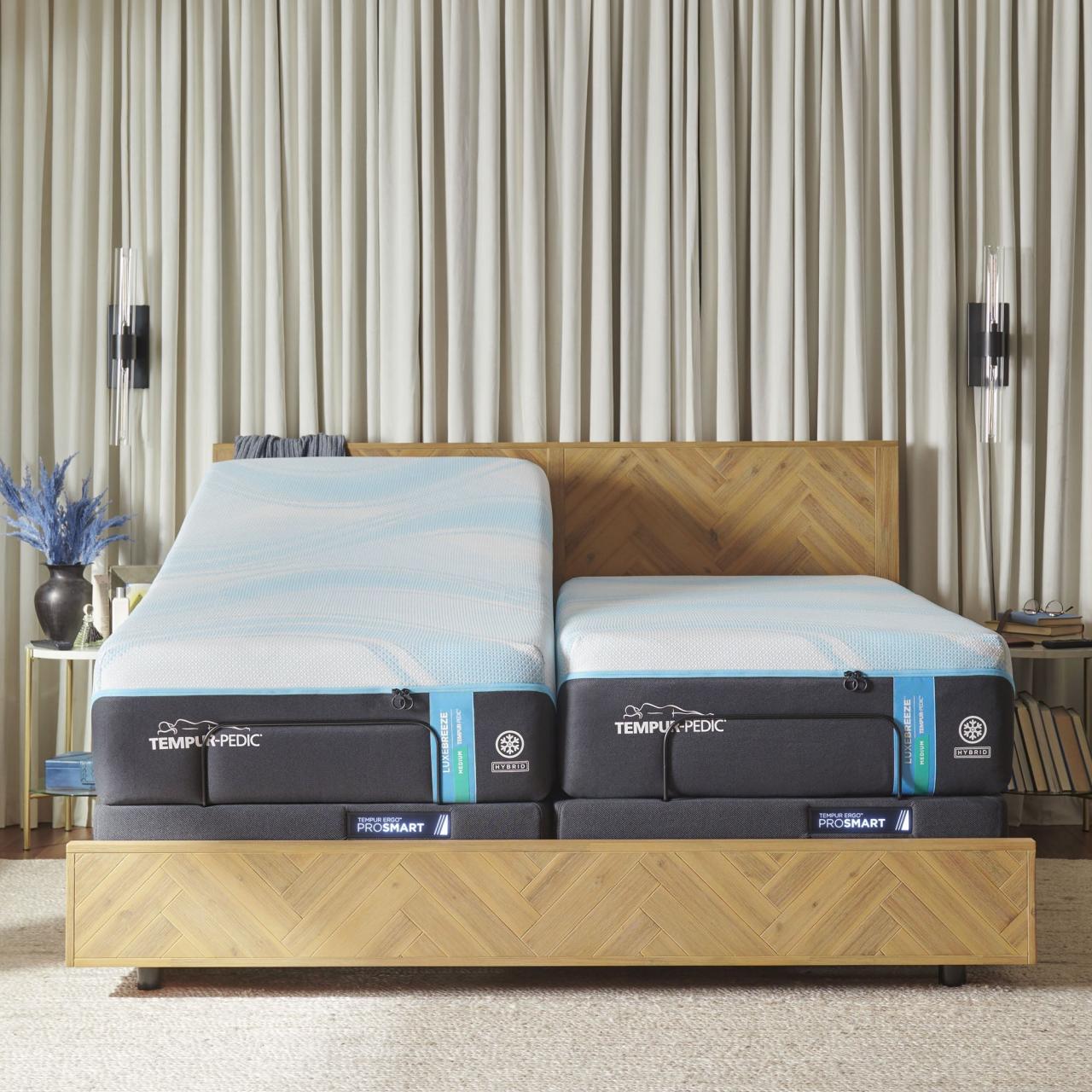
The evolution of sleep technology has led to the advent of smart mattresses, which integrate various advanced technologies to significantly enhance sleep quality. These mattresses are designed to provide personalized sleep experiences by utilizing data gathered through various sensors and devices. As a result, they not only improve comfort but also promote healthier sleeping patterns.
Smart mattresses are equipped with an array of technologies that work together to create an optimal sleeping environment. At the core of these innovations are pressure sensors, temperature regulators, and motion detectors. These sensors continuously monitor the user’s body position, sleep stages, and environmental factors such as temperature and humidity. The data collected is analyzed to provide insights into the user’s sleep quality and make necessary adjustments. For instance, if the mattress detects restlessness due to discomfort, it can adjust its firmness or temperature to help the user find a better sleeping position.
Key Sensors and Devices in Smart Mattresses
Smart mattresses incorporate several key sensors and devices that play vital roles in monitoring sleep patterns. Understanding these components is essential to appreciate the full range of benefits they offer.
- Pressure Sensors: These sensors detect body pressure points, allowing the mattress to adjust its firmness and provide optimal support for various sleeping positions.
- Temperature Control: Integrated heating and cooling systems work in tandem with temperature sensors to maintain an ideal sleep temperature, adapting to the user’s preferences throughout the night.
- Heart Rate Monitors: Some smart mattresses come equipped with heart rate sensors that track the user’s heart rate during sleep, offering insights into overall health and relaxation levels.
- Sleep Cycle Analysis: This feature uses motion sensors to track sleep stages, providing users with detailed reports on their sleep cycles, including deep sleep and REM stages.
Smart mattresses also integrate seamlessly with other smart home devices, creating a holistic sleep ecosystem. For instance, they can connect to smart thermostats to regulate room temperature automatically, or sync with smart lights to create an ideal sleep environment by dimming lights as bedtime approaches. These integrations enhance the overall sleep experience, making it possible to customize settings for each individual’s preferences.
“Smart mattresses are revolutionizing sleep by combining comfort, technology, and data-driven insights to create a personalized sleep experience.”
The Benefits of Using a Smart Mattress
Smart mattresses have emerged as a revolutionary solution for enhancing sleep quality and overall health. These advanced sleep systems combine technology with comfort, allowing users to track their sleep patterns, adjust firmness levels, and even control temperature for a more personalized sleep experience. As more people become aware of the importance of sleep in maintaining health, the adoption of smart mattresses has increased tremendously.
Smart mattresses offer several health benefits, primarily by monitoring and improving sleep quality. One of the most notable advantages is their ability to track vital sleep metrics. Features such as heart rate monitoring, sleep cycle tracking, and movement detection provide insights into how well individuals sleep. This information can be crucial for identifying sleep disorders or disturbances, allowing users to seek solutions. According to the National Sleep Foundation, good sleep hygiene, which can be aided by smart mattresses, is essential for reducing the risk of obesity, diabetes, and cardiovascular diseases.
Health Benefits of Smart Mattresses
The integration of technology in smart mattresses leads to numerous health benefits, which can significantly enhance well-being. Here are some key advantages:
- Sleep Quality Improvement: Smart mattresses can adjust firmness and temperature based on individual preferences and sleep positions, promoting deeper, more restorative sleep.
- Personalized Sleep Insights: By analyzing user data, smart mattresses provide tailored recommendations for optimizing sleep habits, helping to improve overall sleep efficiency.
- Reduction of Snoring: Many smart mattresses have adjustable features that can help alleviate snoring by raising the head position during sleep, leading to a quieter night for partners.
- Temperature Regulation: Advanced cooling and heating technologies within smart mattresses help maintain an ideal sleep temperature, which is critical for achieving quality rest.
- Pressure Relief: By offering customized support, smart mattresses can help reduce pressure points that lead to discomfort and disturbed sleep, benefiting individuals with chronic pain conditions.
In addition to their health benefits, smart mattresses contribute to improved daily performance. Quality sleep has been linked to enhanced cognitive function, better mood regulation, and increased productivity during waking hours. Studies have shown that individuals who achieve an optimal amount of restorative sleep perform better at work and have more energy throughout the day.
Comparison of Smart Mattresses and Traditional Mattresses
When comparing smart mattresses to traditional options, several distinct advantages emerge. Traditional mattresses, while they may offer comfort, lack the advanced features and functionalities that smart mattresses provide.
- Adaptability: Smart mattresses can adjust to varying sleep preferences and needs, providing a level of customization that traditional mattresses simply cannot.
- Data Collection: Unlike conventional mattresses, smart models actively collect data about sleep habits, helping users to understand and improve their sleep patterns.
- Remote Control: Many smart mattresses come equipped with mobile apps or remote controls, allowing users to change settings without leaving their bed.
- Enhanced Comfort Features: Many smart mattresses offer adjustable bases, massage functions, and memory foam layers that adapt to each sleeper’s body shape, enhancing comfort and support.
- Sleep Environment Optimization: With built-in climate control, smart mattresses can automatically adjust to create the ideal sleeping environment, something traditional mattresses cannot offer.
In summary, smart mattresses present a compelling case for anyone seeking improved health and sleep quality. The combination of technology and comfort creates a unique sleep experience that can lead to better health outcomes and enhanced daily performance. Their ability to adapt to individual needs and provide valuable insights makes them a worthwhile investment for anyone prioritizing their sleep quality.
Smart Mattresses for Different Sleep Styles
Smart mattresses have transformed the way we approach sleep, offering tailored solutions that cater to individual needs based on sleep positions. Whether you’re a back, side, or stomach sleeper, smart mattresses come equipped with features designed to enhance comfort and support. These advanced sleep systems utilize technology to monitor body movements, adjust firmness levels, and even regulate temperature, making them an essential investment for anyone seeking a restful night’s sleep.
Understanding the unique requirements of different sleep positions is crucial when selecting a smart mattress. Proper alignment and support can greatly influence the quality of sleep and overall health. Smart mattresses are designed to address the specific needs of back, side, and stomach sleepers.
Features for Various Sleep Positions
The nuances of sleep positions highlight the necessity of specific mattress features. Here are some key characteristics of smart mattresses that cater to each sleeping style:
- Back Sleepers: Back sleepers benefit from a medium-firm mattress that supports the natural curvature of the spine. Smart mattresses like the Tempur-Pedic TEMPUR-Adapt incorporate adaptive materials that conform to the body’s shape, providing optimal support for the lumbar region. This alignment helps reduce the risk of back pain and promotes a restful sleep.
- Side Sleepers: Side sleepers require a mattress that can cushion the shoulders and hips while maintaining spinal alignment. The Purple Hybrid Premier mattress features a hyper-elastic polymer grid that relieves pressure points without sacrificing support. Additionally, smart technology in these mattresses can adjust firmness levels to accommodate a side sleeper’s unique needs, enhancing comfort throughout the night.
- Stomach Sleepers: Stomach sleepers often struggle with lower back pain due to the increased pressure on the spine. A firmer mattress, such as the Saatva Classic, provides the necessary support to prevent sinking, which can lead to misalignment. Smart mattresses can also feature adjustable firmness settings that allow stomach sleepers to customize their comfort level, ensuring a flat surface that supports healthy posture.
Individuals with specific health conditions can also see substantial benefits from tailored smart mattress options. For instance, those with arthritis may find that mattresses featuring temperature regulation can alleviate joint pain, while individuals with sleep apnea can benefit from adjustable bases that elevate the head and improve airflow during the night. Smart mattresses from brands like Sleep Number offer customizable firmness and support settings that can be adjusted remotely, providing users with a personalized sleep experience that caters to their health and comfort needs.
Overall, smart mattresses offer innovative solutions that align with various sleep styles, enhancing the overall sleep experience and promoting better health.
Cost vs. Value of Smart Mattresses
Smart mattresses have gained popularity due to their advanced technology designed to enhance sleep quality. With pricing that can vary significantly, understanding the cost versus the value of these products is essential for potential buyers. While some smart mattresses can cost upwards of $3,000, others may be available for as low as $800. Consumers need to consider not only the upfront cost but also the long-term benefits associated with improved sleep.
The price range for smart mattresses is influenced by various factors, including brand, features, and materials used. Many high-end models come equipped with sensors that track sleep patterns, temperature regulation, and even adjustable firmness settings, which can significantly enhance the sleep experience. When evaluating the return on investment, it’s crucial to consider the impact quality sleep has on overall health. Better sleep quality can lead to increased productivity, improved mental health, and a reduction in long-term healthcare costs. A study published by the National Institutes of Health suggests that chronic sleep deprivation can lead to a myriad of health issues, thus emphasizing that a smart mattress could be a worthwhile investment for long-term well-being.
Long-term Savings from Better Sleep Quality
Investing in a smart mattress can lead to substantial long-term savings. Enhanced sleep quality can reduce instances of insomnia and related health problems, which in turn decreases healthcare expenses. According to the Centers for Disease Control and Prevention (CDC), adults who get adequate sleep are less likely to incur heavy medical bills. For instance, someone suffering from sleep apnea may spend thousands on treatments, whereas a smart mattress could address their sleep quality issues, saving money in the long run.
To provide a clearer picture of the cost versus value of various smart mattresses, the following table showcases several popular brands, their pricing, and key features:
| Brand | Price Range | Key Features |
|---|---|---|
| Sleep Number | $1,500 – $5,000 | Adjustable firmness, sleep tracking, dual air chambers. |
| Tempur-Pedic | $2,000 – $4,500 | Memory foam, temperature regulation, personalized support. |
| Eight Sleep | $1,200 – $2,500 | Sleep tracking, smart temperature control, integrated alarm. |
| Lucid | $500 – $1,500 | Gel memory foam, adjustable bases, affordability. |
| ChiliPad | $800 – $2,000 | Temperature control, customizable settings, dual zones. |
By evaluating these factors, potential buyers can make informed decisions regarding the purchase of smart mattresses. The initial investment may seem high, but when factoring in the potential savings on healthcare and improved daily performance, the value becomes increasingly evident. Better sleep is not just a luxurious addition to a household; it is a long-term investment in health and wellness.
User Experience and Customer Feedback on Smart Mattresses
Smart mattresses have quickly gained popularity due to their innovative features, including adjustable firmness, sleep tracking, and temperature regulation. User experiences reveal a mix of excitement and some challenges, providing valuable insights for potential buyers. Many customers appreciate the technology that enhances their sleep quality, while others have encountered issues that manufacturers have worked to resolve.
Customer testimonials highlight a wide range of experiences with smart mattresses. For instance, a recent buyer noted that their smart mattress significantly improved their sleep quality. They reported feeling more rested and awake in the mornings, attributing this to the mattress’s ability to adjust its firmness based on their body’s needs throughout the night. Another user shared how the sleep tracking feature allowed them to identify patterns in their sleep habits, leading to better lifestyle choices.
However, not all feedback is positive. Common issues faced by users include connectivity problems with the mattress app, difficulties in adjusting settings, and concerns regarding the longevity of smart components. For instance, one user expressed frustration over the app continuously disconnecting from their mattress, making it hard to control features remotely. To address these concerns, manufacturers have introduced regular software updates to improve connectivity and added troubleshooting features within their apps.
Common Issues and Solutions in Smart Mattresses
Understanding the common issues users face with smart mattresses is vital for both current and prospective owners. The following points detail these challenges along with the corresponding solutions provided by manufacturers:
– Connectivity Issues: Many users report difficulties in maintaining a stable connection between their smart mattress and mobile apps. Manufacturers have responded by enhancing their Wi-Fi connectivity features and offering more robust customer support channels.
– Calibration Problems: Some users experienced challenges when calibrating their mattress firmness settings. To counteract this, many brands have improved their user manuals and incorporated step-by-step guides within their apps for easier adjustments.
– Battery Life Concerns: Customers have expressed worries about the battery life of smart components, especially in adjustable bases. In response, manufacturers have designed more energy-efficient products and provided options for wired connections for users who prefer a constant power supply.
– Price vs. Functionality: While many users underscore the benefits of smart mattresses, others feel the high price point is not justified. In light of this, some brands have introduced introductory offers and more affordable models, allowing consumers to experience the technology without a significant financial commitment.
To summarize user sentiment regarding smart mattresses, the following table illustrates the pros and cons based on customer reviews:
| Pros | Cons |
|---|---|
| Improved sleep quality reported by many users | Connectivity issues with the companion app |
| Personalized firmness adjustments enhance comfort | Calibration can be complicated for some users |
| Innovative sleep tracking features | Higher price point compared to traditional mattresses |
| Temperature regulation for better sleep | Concerns over the durability of smart components |
“Smart mattresses can revolutionize your sleep experience, but they come with a learning curve and potential issues that shouldn’t be overlooked.”
Future Trends in Smart Mattress Technology
The smart mattress market is poised for significant advancements, driven by emerging technologies and a deeper understanding of sleep science. As consumers become increasingly aware of the importance of quality sleep for overall health and well-being, the demand for innovative sleep solutions will continue to grow. This evolution is not just about comfort; it involves a fusion of technology, AI, and personalized experiences that aim to revolutionize how we think about rest.
The integration of artificial intelligence (AI) and machine learning is at the forefront of the evolution of smart mattresses. These technologies are enabling mattresses to learn and adapt to individual sleep patterns over time, optimizing comfort and support in real-time. By analyzing data collected from sleep sensors, AI can provide personalized recommendations for sleep positions, mattress firmness, and even the ideal room temperature to enhance sleep quality.
Innovative Features in Future Smart Mattresses
Several exciting features are expected to emerge in smart mattresses, driven by advancements in technology. These innovations will not only improve comfort but also enhance the overall sleep experience.
The following futuristic features may soon be integrated into smart mattresses:
- Sleep Tracking and Analysis: Advanced sensors will be able to monitor not just sleep duration but also sleep cycles, heart rate, and breathing patterns, providing comprehensive insights into sleep health.
- Dynamic Adjustability: Mattresses that can automatically adjust their firmness based on body weight distribution and movement during the night will provide personalized support for each sleeper.
- Integrated Sleep Coaching: AI-driven personal sleep coaches could offer real-time feedback and suggestions based on collected data, helping users to improve their sleep habits progressively.
- Smart Home Integration: Future smart mattresses will seamlessly integrate with smart home devices, automatically adjusting lighting and temperature according to the user’s sleep stage.
- Health Monitoring: Beyond sleep, smart mattresses may also monitor vital signs and alert users to potential health issues, such as sleep apnea or irregular heartbeats.
- Temperature Control Technology: Advanced materials will allow for personalized temperature regulation, ensuring optimal sleeping conditions regardless of external temperatures.
- Environmentally Friendly Materials: As sustainability becomes more important, smart mattresses are likely to incorporate eco-friendly materials and manufacturing processes.
The potential for smart mattresses to improve quality of life extends beyond mere comfort. With their ability to collect and analyze data, these beds are becoming essential tools in understanding sleep health. For instance, companies are already testing prototypes that can provide real-time adjustments to firmness levels based on the user’s sleep phase, a feature that could drastically enhance sleep quality and recovery.
As we look ahead, the future of smart mattresses is not just about sleeping better, but about creating a comprehensive sleep ecosystem. By leveraging technology such as AI and machine learning, manufacturers are not only enhancing comfort but also paving the way for improved health outcomes. As these innovations unfold, the way we approach sleep will continue to evolve, paving the way for smarter, healthier living.
Closing Notes
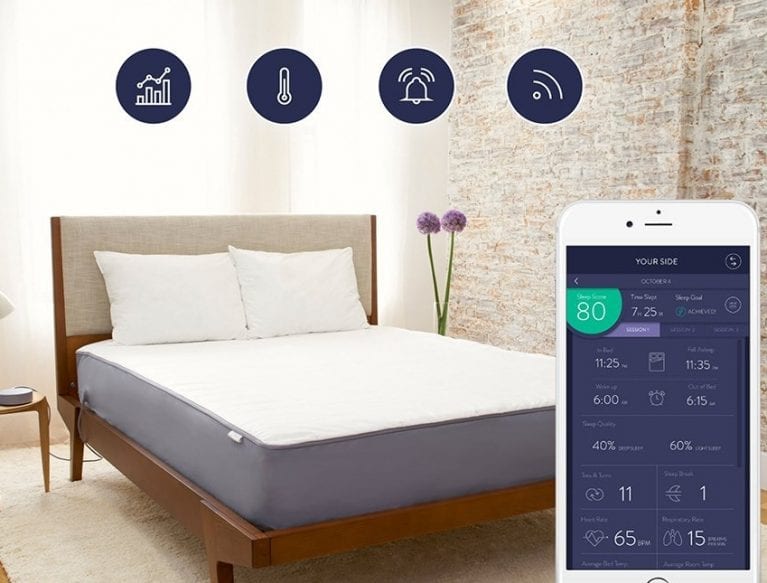
In summary, smart mattresses are transforming the sleep experience by merging technology with well-being. From personalized adjustments to health benefits supported by data, these mattresses prove to be a worthy investment for those seeking better sleep quality. As technology continues to evolve, we can only anticipate more exciting developments that will enhance our nights and improve our daily lives. Investing in a smart mattress may very well be the key to a better night’s sleep.
FAQ Explained
What features should I look for in a smart mattress?
Look for features like adjustable firmness, sleep tracking, temperature control, and integration with smart home systems.
Do smart mattresses require special bedding?
No, most smart mattresses can accommodate standard bedding sizes, but fitted sheets designed for adjustable beds may work better.
How do I clean a smart mattress?
Follow the manufacturer’s instructions, but generally, spot cleaning with mild detergents is recommended, and some covers are machine washable.
Are smart mattresses noisy?
Most smart mattresses operate quietly, but features like adjustable bases may produce some sounds during adjustment.
Can I use a smart mattress on any bed frame?
Yes, smart mattresses can usually be used with various bed frames, but check compatibility with adjustable bases if applicable.