
 Caroline Sarah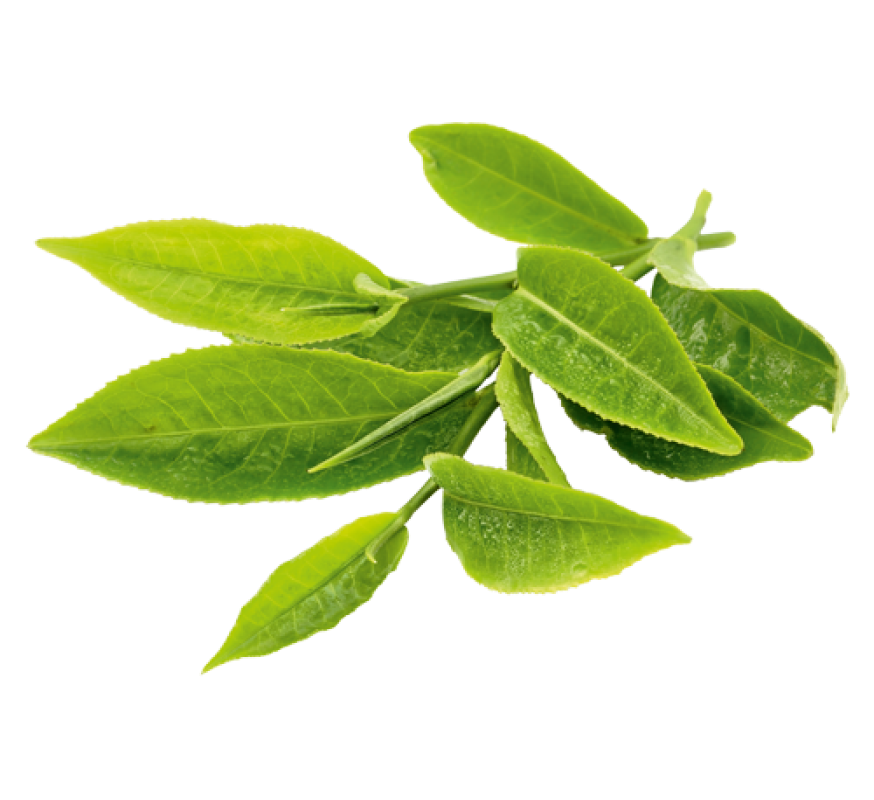
L-theanine, a remarkable amino acid primarily found in tea leaves, has gained popularity for its calming properties and cognitive benefits. This fascinating compound has a rich history intertwined with tea culture, particularly in Asia, where it’s been cherished for centuries. As we delve into the science behind L-theanine, we uncover its unique effects on the brain and how it can enhance well-being in modern life.
Research has revealed that L-theanine promotes relaxation without drowsiness, making it an attractive option for those seeking to alleviate stress and improve focus. By understanding its biochemical interactions and exploring various consumption methods, we can unlock the full potential of L-theanine to support mental clarity and emotional balance.
The Origins and Discovery of L-theanine
L-theanine, a unique amino acid primarily found in tea leaves, has captivated researchers and tea enthusiasts alike with its calming effects and cognitive benefits. The story of L-theanine begins in the lush tea gardens of East Asia, where its soothing qualities have been celebrated for centuries.
The discovery of L-theanine can be traced back to the early 20th century when Japanese scientists first isolated it from the leaves of Camellia sinensis, the tea plant. This groundbreaking achievement took place in 1949, led by Dr. Kakuko Yamada and his research team at the University of Kyoto. They recognized that the compound was distinct from other amino acids, possessing unique properties that contribute to the overall experience of drinking tea.
Cultural Significance of Tea
Tea holds a profound cultural significance in various regions, particularly in countries like Japan, China, and India. It is not merely a beverage but a vessel for tradition, social interactions, and wellness practices. The presence of L-theanine in tea enhances its appeal, as many cultures have long appreciated its calming effects.
In Japan, for instance, the practice of tea ceremonies reflects deep-rooted values such as harmony, respect, and tranquility. The consumption of green tea, rich in L-theanine, is integral to these ceremonies, promoting a state of mindfulness and relaxation. Meanwhile, in China, tea culture spans thousands of years, intertwining with philosophy, art, and medicine, where the soothing effects of L-theanine are recognized for enhancing the enjoyment of tea.
Extraction Process of L-theanine
The extraction of L-theanine from tea leaves has evolved significantly since its initial discovery. Initially, researchers relied on methods such as solvent extraction, which involved using organic solvents to separate L-theanine from other compounds in the tea. However, advancements in technology have paved the way for more efficient and sustainable extraction methods.
Modern extraction techniques include:
- Water Extraction: Utilizing hot water to extract L-theanine, this method preserves the integrity of the amino acid while minimizing the loss of other beneficial compounds found in tea.
- Supercritical Fluid Extraction: This technique employs supercritical carbon dioxide as an extracting agent, allowing for precise isolation of L-theanine with minimal environmental impact.
- Enzymatic Processes: Innovative biotechnological approaches involve using enzymes to selectively break down tea compounds, which can yield L-theanine with high purity and efficiency.
These extraction advancements not only improve the yield of L-theanine but also enhance its availability in various forms such as supplements and functional foods, making its benefits accessible to a broader audience.
“L-theanine’s unique properties contribute to the overall experience of drinking tea, promoting relaxation without drowsiness.”
The Biochemical Mechanism of L-theanine in the Brain
L-theanine, an amino acid predominantly found in tea leaves, has gained attention for its calming effects and potential cognitive benefits. Understanding how L-theanine interacts with neurotransmitters in the brain is essential to appreciating its role in enhancing mental clarity and relaxation.
L-theanine influences the brain’s neurochemistry primarily by modulating neurotransmitter levels and promoting a distinct brain wave pattern. It is known to increase levels of gamma-aminobutyric acid (GABA), dopamine, and serotonin, which are crucial for mood regulation, relaxation, and cognitive function. This amino acid promotes the synthesis of these neurotransmitters, leading to a balanced state of mind.
Effects of L-theanine on Alpha Brain Wave Activity
The unique ability of L-theanine to promote alpha brain wave activity has been well-documented. Alpha brain waves are associated with a state of relaxed alertness, often observed during meditation or light sleep. When L-theanine is ingested, it has been shown to increase alpha wave production, which reflects an optimal balance of relaxation without drowsiness.
Studies utilizing electroencephalogram (EEG) measurements have demonstrated that L-theanine can enhance alpha wave activity significantly. One such study observed that participants who consumed L-theanine experienced a marked increase in alpha waves within 30 to 40 minutes post-consumption. This effect not only fosters a state of calm but also aids in improving focus and creativity, creating an ideal cognitive environment for problem-solving.
Impact on Cognitive Function
The cognitive-enhancing effects of L-theanine are supported by various studies that highlight its potential benefits for mental performance. Research indicates that L-theanine, especially when combined with caffeine, can improve attention and focus significantly.
– A notable study published in the journal *Nutritional Neuroscience* showed that participants who consumed a combination of L-theanine and caffeine performed better on tasks requiring attention and cognitive flexibility compared to those who consumed caffeine alone.
– Another research published in *Biological Psychology* found that L-theanine supplementation resulted in improved working memory and task performance during cognitive testing.
These findings underscore the importance of L-theanine in enhancing cognitive function, particularly in stressful situations where mental clarity is paramount. By promoting relaxation and reducing anxiety, L-theanine allows individuals to maintain a higher level of cognitive performance, thereby contributing to overall mental well-being.
The Potential Health Benefits Associated with L-theanine
L-theanine, an amino acid primarily found in tea leaves, particularly green tea, has garnered attention for its potential health benefits. Supported by scientific research, these benefits range from stress reduction to enhanced cognitive function. Understanding these advantages helps illustrate why L-theanine is often integrated into wellness routines.
Research indicates that L-theanine promotes relaxation without causing drowsiness, making it distinct from other relaxants. It achieves this by increasing levels of gamma-aminobutyric acid (GABA), serotonin, and dopamine in the brain. These neurotransmitters play crucial roles in mood regulation and anxiety management.
Stress Reduction and Improved Sleep Quality
Numerous studies highlight the ability of L-theanine to reduce stress and enhance sleep quality. The calming effects of L-theanine can be attributed to its influence on brainwave patterns, promoting alpha brain waves associated with relaxation.
The following points summarize the specific benefits linked to L-theanine in stress and sleep improvement:
- Reduction of Stress Hormones: L-theanine has been shown to lower cortisol levels, which is a hormone released in response to stress. Lowering cortisol can lead to a more relaxed state.
- Improved Sleep Quality: Studies indicate that L-theanine enhances sleep quality by promoting relaxation and decreasing the time it takes to fall asleep, making it beneficial for those with insomnia.
- Enhanced Cognitive Function: The calming effect of L-theanine does not impair cognitive performance. In fact, it may improve attention and focus, making it easier to manage stressors effectively.
- Combination with Caffeine: When combined with caffeine, L-theanine can mitigate the jittery effects of caffeine, leading to a more balanced state of alertness and calm.
“Studies show that L-theanine can reduce anxiety and enhance sleep quality, making it a natural choice for those seeking relaxation.”
Comparison with Other Relaxants
L-theanine’s distinct mechanism of action sets it apart from other common relaxants and calming substances. Unlike drugs or supplements that sedate the user, L-theanine promotes a state of relaxed alertness.
Examples of common relaxants and how they compare to L-theanine include:
- Valerian Root: Often used for its sedative properties, valerian root can cause drowsiness. L-theanine, on the other hand, promotes relaxation without lethargy.
- Chamomile: Known for its calming effects, chamomile can aid sleep but may not enhance cognitive function like L-theanine does.
- Prescription Medications: Many anti-anxiety medications can lead to dependency and side effects. L-theanine, being a natural compound, offers a safer alternative for managing stress without significant side effects.
“Unlike traditional relaxants, L-theanine provides a natural way to achieve calmness while maintaining mental clarity.”
Through its unique properties, L-theanine presents a compelling option for those looking to improve their mental well-being and overall quality of life. Its ability to alleviate stress and enhance sleep, alongside a favorable safety profile, makes it an attractive addition to a healthy lifestyle.
Methods of Consuming L-theanine Effectively
L-theanine, a popular amino acid primarily found in tea leaves, has garnered attention for its potential benefits in promoting relaxation and enhancing cognitive function. Understanding the various methods of consuming L-theanine can help individuals incorporate it into their daily routines effectively, ensuring they receive optimal benefits.
Forms of L-theanine
L-theanine is available in several forms, each with unique characteristics that can suit different preferences and lifestyles. Here are the most common options:
- Capsules: L-theanine capsules offer a convenient and precise way to consume this amino acid. They are ideal for those who prefer not to taste supplements and provide a standardized dosage.
- Powder: L-theanine powder can be easily mixed into drinks or smoothies, allowing for flexible dosage adjustments. This form is particularly popular among those who enjoy experimenting with flavors.
- Tea: Traditional green and black teas are natural sources of L-theanine. Drinking tea not only provides the benefits of L-theanine but also offers hydration and other beneficial compounds present in tea leaves.
- Chewables and Gummies: These are newer forms of L-theanine that combine taste with convenience, appealing to those who prefer a more enjoyable method of supplementation.
Incorporating L-theanine into a Daily Routine
Integrating L-theanine into your daily life can maximize its benefits. Here are some best practices to consider:
- Start your day with a cup of green tea to benefit from natural L-theanine, which can promote clarity and calm as you begin your activities.
- Take L-theanine capsules or powder mid-morning or afternoon when you might experience stress or fatigue, helping to maintain focus throughout the day.
- Consider blending L-theanine powder into your post-workout smoothie or protein shake for recovery, as it may help reduce exercise-induced stress.
- For those who struggle with sleep, taking L-theanine in the evening can promote relaxation and improve sleep quality. Mixing it into a calming herbal tea can enhance the experience.
Recommended Dosages of L-theanine
Determining the right dosage of L-theanine is crucial for achieving desired effects. Here are some general recommendations based on various applications:
- General Relaxation: A typical dose ranges from 100 to 200 mg, taken as needed to promote relaxation without sedation.
- Stress and Anxiety Relief: For managing stress, doses of 200 to 400 mg may be more effective, particularly when taken during stressful situations.
- Cognitive Enhancement: To enhance focus and cognitive performance, 200 mg of L-theanine taken alongside caffeine (in a 2:1 ratio) is often recommended.
- Sleep Support: For promoting sleep, a dose of 200 to 400 mg taken before bed can support relaxation and improve overall sleep quality.
“L-theanine can be an effective tool for enhancing mental performance and relaxation, depending on the timing and dosage.”
L-theanine’s Interaction with Other Supplements and Medications
L-theanine, an amino acid primarily found in tea leaves, is noted for its calming effects and potential cognitive benefits. However, its interactions with various supplements and medications can influence its efficacy and safety. Understanding these interactions is vital for anyone considering incorporating L-theanine into their regimen, particularly when other substances are involved.
Research indicates that L-theanine may interact with several common medications and supplements, which can significantly alter their effects. The importance of consulting healthcare providers before combining L-theanine with other substances cannot be overstated, as they can provide personalized advice based on individual health profiles and medication regimens.
Potential Interactions with Common Medications
L-theanine has several notable interactions with commonly prescribed medications, particularly those affecting the central nervous system. Below are some examples of these interactions:
- Benzodiazepines: L-theanine may enhance the sedative effects of benzodiazepines, leading to increased drowsiness or sedation. Caution is advised when taking these medications together.
- Antidepressants: Some studies suggest that L-theanine may affect the metabolism of certain antidepressants, potentially altering their efficacy. Patients should consult their healthcare provider for guidance on combining these substances.
- Blood Pressure Medications: L-theanine can have a mild hypotensive effect, which may interact with medications prescribed for hypertension. Monitoring blood pressure regularly is recommended if these are taken together.
The above interactions highlight the necessity of discussing any supplement use with healthcare professionals, ensuring that individuals do not inadvertently increase the risks associated with their medications.
Interactions with Other Supplements
L-theanine also interacts with various dietary supplements, which can either enhance or diminish their effects. The following interactions are noteworthy:
- Caffeine: When taken together, L-theanine may help mitigate the jittery effects of caffeine while preserving its stimulating properties, making it popular in nootropic stacks.
- Melatonin: Combining L-theanine with melatonin may enhance sleep quality. However, dosages should be carefully managed to avoid excessive sedation.
- St. John’s Wort: This herbal supplement, used for mood enhancement, may have its effects altered by L-theanine. Monitoring mood changes is advisable when they are used together.
It’s essential to consider these interactions to maximize the benefits and minimize potential side effects when combining L-theanine with other supplements.
Case Studies and Instances of Combined Use
Several case studies have explored L-theanine’s use alongside other remedies, illustrating its potential synergistic effects. For example, a study involving patients with generalized anxiety disorder highlighted that those taking L-theanine in conjunction with prescribed medications reported reduced anxiety levels and improved cognitive performance compared to those on medications alone.
Another instance involved individuals using L-theanine alongside caffeine for enhanced focus and productivity. Participants in this scenario noted improved mental clarity without the usual side effects associated with caffeine consumption.
These examples underscore the importance of individualized approaches when combining L-theanine with other remedies, emphasizing the beneficial potential when done carefully under professional supervision.
Research and Future Studies on L-theanine
Current research on L-theanine has illuminated its potential benefits for mental health, particularly in areas such as stress reduction, anxiety management, and cognitive enhancement. Studies have focused on understanding how this amino acid, primarily found in tea, can effectively modulate brain function and promote a sense of calm without sedation. As interest grows, the exploration into the various applications of L-theanine continues to expand, presenting both exciting opportunities and notable gaps in our understanding.
Current Research Trends on L-theanine
Recent trends in research highlight L-theanine’s role in stress relief and improved cognitive performance. For instance, a number of studies have demonstrated that L-theanine can increase alpha brain wave activity, which is associated with relaxation and alertness. This has led to investigations into its effects on sleep quality and overall mood enhancement. The growing body of literature suggests L-theanine may benefit individuals experiencing high-stress environments, such as students during exams or professionals in demanding jobs.
Noteworthy findings include:
- A study published in the Journal of Clinical Psychiatry indicated that L-theanine supplementation significantly reduced levels of anxiety in participants diagnosed with generalized anxiety disorder.
- Research featured in the journal Nutrients highlighted L-theanine’s ability to improve focus and attention, particularly when combined with caffeine, suggesting a synergistic effect that enhances cognitive function.
Research Gaps in Understanding L-theanine’s Effects
Despite the promising findings, there are several gaps in the current research concerning L-theanine. Most studies have focused on short-term effects, leaving questions about the long-term implications of regular L-theanine consumption. Additionally, many studies involve small sample sizes, limiting the generalizability of the results. Furthermore, there is limited research regarding the mechanisms through which L-theanine exerts its effects, necessitating deeper exploration into its pharmacodynamics.
Key limitations currently being observed include:
- A lack of comprehensive studies exploring the interaction of L-theanine with various medications, raising concerns regarding its safety when combined with other treatments.
- Insufficient exploration of the potential differences in response to L-theanine based on genetic factors or baseline mental health status among individuals.
Future Directions for Research on L-theanine
To enhance understanding of L-theanine’s benefits, future studies should aim to address the aforementioned gaps. Longitudinal studies examining the long-term effects of daily L-theanine consumption on mental well-being could provide valuable insights. Additionally, larger, more diverse population samples should be recruited to assess variations in effectiveness based on demographics and health backgrounds.
Specific future research suggestions include:
- Investigating the effects of L-theanine on different types of anxiety disorders, including panic disorder and social anxiety, to establish broader applications in mental health treatment.
- Conducting studies to analyze how L-theanine influences neuroplasticity, which could further elucidate its cognitive enhancement properties.
- Exploring the potential of L-theanine in conjunction with other nootropics or lifestyle interventions, such as exercise or mindfulness practices, to create comprehensive mental health strategies.
“Understanding how L-theanine works not only helps in maximizing its benefits but also ensures its safe use across different populations.”
Personal Anecdotes and Testimonials of L-theanine Users
In recent years, L-theanine has gained popularity among individuals seeking to enhance their overall wellness and mental clarity. As a natural amino acid primarily found in green tea, its calming effects have inspired many users to share their personal experiences. These testimonies provide valuable insights into how L-theanine impacts various aspects of life, from stress relief to improved focus.
Users from diverse backgrounds have reported their outcomes with L-theanine, highlighting both positive and challenging experiences. Understanding these narratives can aid prospective users in determining if L-theanine aligns with their wellness goals.
Positive Experiences with L-theanine
Many users have found L-theanine to be a beneficial addition to their daily routine, particularly in managing stress and anxiety. The following accounts illustrate the positive impacts of L-theanine:
-
“Since I started taking L-theanine, my anxiety levels have significantly decreased. I feel more focused during meetings and less overwhelmed by daily tasks.”
– Sarah, a marketing professional.
-
“L-theanine has become my go-to supplement during exam season. It helps me stay calm and improves my concentration when studying.”
– Daniel, a college student.
-
“I drink green tea with L-theanine regularly and have noticed a marked improvement in my mood and sleep quality. It’s been a game-changer for my wellness.”
– Emily, a yoga instructor.
These testimonials reveal a common theme: users appreciate L-theanine’s ability to promote relaxation without causing drowsiness, making it ideal for maintaining productivity.
Challenging Experiences with L-theanine
While many users report positive outcomes, some individuals have faced challenges with L-theanine supplementation. Their experiences highlight the importance of understanding personal reactions to the amino acid:
-
“I tried L-theanine to help with my stress, but I felt unusually tired after taking it. I switched to a lower dose, which helped a bit, but it wasn’t the miracle I hoped for.”
– Mike, an IT specialist.
-
“I experienced a bit of nausea when I took L-theanine on an empty stomach. It worked well for relaxation, but I had to be mindful of my timing.”
– Jenna, an artist.
-
“For me, L-theanine didn’t have any noticeable effects. I was expecting more focus and calmness but didn’t feel a difference.”
– Tom, a freelance writer.
These accounts serve as important reminders that individual experiences with L-theanine can vary. Personal factors such as dosage, timing, and individual body chemistry play significant roles in its effectiveness.
Conclusion

In conclusion, L-theanine stands out as a versatile supplement with a plethora of potential health benefits, ranging from stress reduction to improved sleep quality. Its unique ability to enhance cognitive function while promoting relaxation makes it a valuable addition to anyone’s wellness toolkit. As research continues to unfold, the future looks promising for L-theanine and its role in mental health and overall well-being.
Quick FAQs
What is L-theanine?
L-theanine is an amino acid commonly found in tea leaves known for its calming effects.
Is L-theanine safe to consume?
Yes, L-theanine is generally considered safe for most people when taken in recommended doses.
Can L-theanine help with anxiety?
Many studies suggest that L-theanine may help reduce anxiety and promote relaxation.
How long does it take to feel the effects of L-theanine?
Effects are typically felt within 30 to 60 minutes after consumption.
Can you take L-theanine with caffeine?
Yes, L-theanine can complement caffeine by promoting calmness while enhancing focus.
Are there any side effects of L-theanine?
Side effects are rare but may include headaches or gastrointestinal discomfort in some individuals.
How should L-theanine be taken for best results?
It’s best taken in dosages of 100-400 mg, either alone or with other supplements, depending on individual needs.