
 Caroline Sarah
Sleep monitor technology has come a long way, reshaping our understanding of sleep patterns for the better. From its humble beginnings to sophisticated devices that can analyze our sleep cycles, the evolution of sleep monitoring reflects our growing interest in health and wellness. This transformation not only helps us track our sleep but also improves our overall sleep hygiene by providing insights that were once difficult to obtain.
Today, a variety of sleep monitors are accessible, ranging from wearable devices to smartphone applications and stationary trackers. Each type offers unique features and functionalities, catering to different needs and preferences. As we navigate through this world of sleep technology, understanding the distinctions, advantages, and potential limitations of these monitors can guide us in making informed decisions about our sleep health.
The evolution of sleep monitoring technology has transformed the way we understand our sleep patterns.
The journey of sleep monitoring technology has undergone a significant transformation, reflecting changes in our understanding of sleep and health. Historically, sleep tracking has roots that date back to the early 20th century when scientists began exploring the intricacies of sleep cycles. Initially, sleep monitoring was largely observational, relying on self-reported data and basic tools to gauge sleep quality. Over the decades, these primitive methods have evolved into sophisticated devices equipped with advanced technology that can capture intricate details about our sleep patterns.
The progression of sleep monitoring devices has been marked by pivotal technological advancements that have shaped their functionality and reliability. Early sleep studies utilized electroencephalography (EEG) to measure brain activity during sleep, a method that required specialized equipment and laboratory settings. While effective, this approach was impractical for everyday use. As technology advanced, simpler methods began to emerge, including the use of wristbands and bedside monitors that incorporated accelerometers to detect movement during sleep.
Comparative Analysis of Early and Modern Sleep Tracking Methods
The comparison between early methods of sleep tracking and modern devices highlights significant changes in both technology and user experience. Early sleep monitors primarily depended on mechanical devices and visual observations. Patients often had to stay overnight in sleep labs, where their sleep was monitored under stringent conditions. This setup, although accurate, was not conducive to capturing the natural sleep environment of an individual, which could distort the outcomes.
Modern sleep tracking devices leverage multiple technologies, enhancing user convenience and data accuracy. These can be categorized into two main types: wearable devices, such as smartwatches and fitness trackers, and non-wearable devices, including smart mattresses and sleep monitoring apps. Wearable devices utilize sensors that track heart rate, body temperature, and movement, while non-wearable options often use sensors embedded in mattresses to monitor sleep stages without physical contact.
Key technological advancements include:
- Sensor Technology: The integration of sophisticated sensors has improved the accuracy of sleep data collection, allowing users to understand their sleep patterns and quality better.
- Data Analysis Algorithms: Modern devices utilize AI and machine learning algorithms to analyze sleep data, providing personalized insights and recommendations for sleep improvement.
- Mobile Applications: The development of companion apps has made it easier for users to access and interpret their sleep data, fostering a greater understanding of sleep health.
- Integration with Other Health Metrics: Modern devices often synchronize with other health metrics, enabling a comprehensive view of one’s overall health and wellness.
The ability to access real-time data on sleep patterns has empowered individuals to take control of their sleep hygiene actively. As a result, modern sleep monitors not only provide valuable insights but also encourage positive behavioral changes aimed at improving sleep quality.
In summary, the evolution of sleep monitoring technology has significantly advanced our understanding of sleep. From early methods constrained by laboratory settings to today’s versatile and user-friendly devices, the transformation reflects a broader trend toward personal health management and wellness optimization.
Various types of sleep monitors are available in today’s market, each with unique features.
In the quest for better sleep, various sleep monitors have emerged in the market, catering to different preferences and needs. Understanding the types of sleep monitors available is essential for making an informed choice. This discussion focuses on wearable sleep monitors, smartphone apps, and stationary sleep trackers, highlighting their unique features, advantages, and disadvantages.
Types of Sleep Monitors
There are three primary categories of sleep monitors, each offering distinct functionalities.
- Wearable Sleep Monitors: These devices, such as fitness trackers and smartwatches, are designed to be worn on the wrist or other parts of the body. They typically measure heart rate, movement, and sometimes blood oxygen levels during sleep. The advantage of wearable monitors lies in their convenience and the ability to gather data continuously. However, one drawback is their potential discomfort for some users and the need for regular charging.
- Smartphone Apps: Many users opt for sleep-tracking apps available on smartphones. These apps utilize the phone’s sensors to monitor sleep patterns, often providing insights based on sound detection or movement. The key advantage is that they are easily accessible and often free or low-cost. However, their accuracy can vary significantly, and users may find it inconvenient to keep their phones nearby throughout the night.
- Stationary Sleep Trackers: These devices are usually placed on a bedside table or under a mattress to monitor sleep without any physical contact. They typically use sensors to track sleep stages, heart rate, and breathing. The major advantage is their non-intrusive nature, allowing for comfortable sleep without any wearable device. On the other hand, they may lack the portability and convenience of wearables and apps, and often require a more significant financial investment.
When choosing a sleep monitor, several factors come into play. First, consider the level of accuracy desired. Wearable devices often provide comprehensive data due to continuous monitoring, while apps might not be as precise. Next, think about comfort; if wearing a device disrupts your sleep, a stationary tracker could be a better choice. Additionally, evaluate the budget, as prices vary widely from free apps to premium stationary devices. It is also important to assess the features that matter most, such as heart rate monitoring, sleep stage analysis, and integration with other health apps. Lastly, user reviews and brand reputation can provide insight into the effectiveness and reliability of the sleep monitor.
The accuracy of sleep monitors can significantly vary depending on the technology used.

Sleep monitors have become increasingly popular as tools for tracking sleep patterns and improving overall sleep health. However, the accuracy of these devices can vary widely based on the technology employed. Understanding how different monitors function and their inherent limitations is crucial for users seeking to enhance their sleep quality and make informed decisions about their health.
The comparison between wearable devices and non-contact monitors highlights significant differences in accuracy when tracking sleep stages. Wearable devices, such as fitness trackers and smartwatches, typically use a combination of accelerometers, heart rate sensors, and sometimes even temperature sensors to gather data. These metrics allow them to estimate sleep stages by analyzing movement, heart rate variability, and physiological signals. In contrast, non-contact monitors, such as those utilizing infrared sensors or respiratory monitoring technologies, track sleep without any physical contact, making them more convenient but often less precise.
Accuracy Variations and Limitations in Sleep Monitoring Technologies
Both wearable and non-contact sleep monitors come with potential errors and limitations. For instance, wearable devices may misinterpret movement during the night as wakefulness or may struggle to distinguish between different sleep stages, such as light sleep and deep sleep. Additionally, their reliance on heart rate data can lead to inaccuracies, especially for users with irregular heartbeats or those who consume caffeine or alcohol before sleep.
Non-contact monitors, while more comfortable, can also face challenges. Their effectiveness can be compromised by environmental factors such as light and noise, which may affect sensor readings. Moreover, these devices may not provide detailed insights into sleep architecture, limiting their ability to inform users about specific sleep issues.
Inaccuracies in sleep monitoring can have profound effects on a user’s understanding of their sleep health. Users may rely on potentially flawed data to make lifestyle changes or medical decisions, leading to a misunderstanding of their actual sleep patterns. For example, a person may believe they are experiencing good quality sleep based on inaccurate data from their wearable device, leading to complacency in addressing underlying sleep disorders.
“The best insights come from accurate data; inaccuracies can lead to misguided health decisions.”
Users should remain aware of these variations in accuracy and consider corroborating data from sleep studies or consultations with sleep specialists to gain a more comprehensive understanding of their sleep health. A holistic approach that combines technological insights with expert medical advice can better inform users about their sleep needs and guide them toward healthier sleep habits.
Understanding sleep data can be complex and requires careful interpretation.
Interpreting sleep data from various devices can initially seem overwhelming, especially with the numerous metrics available. However, gaining insights from these readings can significantly enhance your understanding of your sleep patterns and overall health. Knowing how to read this data effectively allows you to make informed decisions about your sleep hygiene, ultimately leading to better rest and well-being.
Reading and interpreting sleep data
To effectively read and interpret sleep data, it’s crucial to focus on key metrics such as sleep cycles, duration, and quality. For most devices, sleep data includes information on light sleep, deep sleep, and REM (Rapid Eye Movement) sleep stages. Each stage plays a vital role in the restorative process of sleep.
Understanding sleep cycles is essential as they typically last about 90 minutes and consist of alternating stages of light sleep, deep sleep, and REM sleep. During deep sleep, the body focuses on physical restoration, while REM sleep is critical for cognitive functions like memory consolidation.
When reviewing your sleep data, consider the following key points:
- Sleep Duration: Aim for 7-9 hours of sleep per night, as recommended by sleep experts. Devices often highlight how much of your total sleep time was spent in each stage, which can help you identify areas for improvement.
- Sleep Quality: This metric assesses how restful your sleep was. Some devices provide a sleep score based on data collected throughout the night, which can indicate whether you’re feeling rested upon waking.
- Sleep Interruptions: Look for patterns in your sleep interruptions. Frequent awakenings might suggest anxiety, discomfort, or environmental disturbances that need addressing.
Utilizing this information effectively can significantly improve your sleep hygiene. For instance, if you notice inadequate deep sleep, consider adjusting your bedtime routine by incorporating relaxation techniques or limiting screen time before bed.
“Improving sleep hygiene can lead to more restorative sleep, positively affecting mood, cognition, and overall health.”
Another example is using sleep data to identify the optimal sleep environment. If your data shows frequent awakenings, evaluate factors like room temperature, noise levels, or your mattress’s comfort. Addressing these factors can lead to a more conducive sleeping environment.
Incorporate these insights into your daily life, and don’t hesitate to track changes over time. This reflective practice can reveal patterns and trends that will help you refine your approach to achieving better sleep quality.
The role of sleep monitors in diagnosing and managing sleep disorders is increasingly recognized.
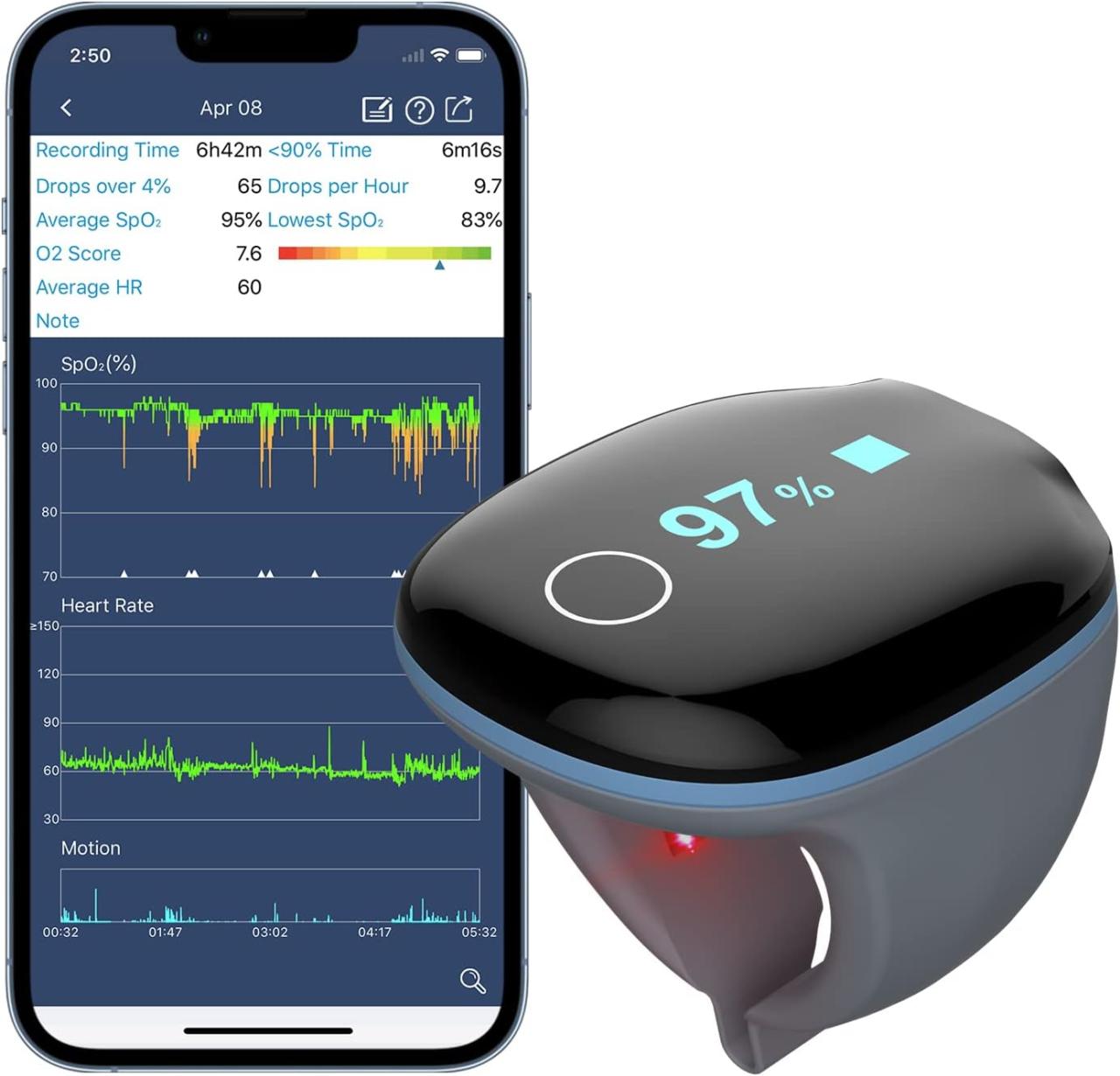
Sleep monitors have become essential tools in the healthcare industry, particularly for diagnosing and managing various sleep disorders. With the rise in awareness surrounding sleep health, these devices facilitate a deeper understanding of individual sleep patterns. Healthcare professionals increasingly rely on sophisticated sleep monitors to gather objective data, enabling them to make informed decisions regarding diagnosis and treatment plans for conditions like sleep apnea and insomnia.
Healthcare professionals utilize sleep monitors to detect the presence and severity of sleep disorders. For example, polysomnography, which is a comprehensive sleep study, incorporates data from various sleep monitors to analyze sleep stages, breathing patterns, and heart rate. This information can reveal conditions such as obstructive sleep apnea, where the monitor may indicate repeated breathing interruptions during sleep. Additionally, sleep monitors help identify insomnia by capturing data on sleep onset latency and total sleep time, allowing clinicians to assess the severity of the problem and tailor interventions accordingly.
Data Utilization and Treatment Planning
The data collected from sleep monitors plays a pivotal role in forming effective treatment plans and implementing lifestyle changes. Clinicians analyze patterns derived from monitoring devices to guide patients toward healthier sleep habits. For instance, if a patient shows signs of fragmented sleep due to environmental disturbances, healthcare providers might recommend adjustments such as creating a more conducive sleep environment or adopting relaxation techniques before bedtime.
The integration of wearable sleep technology in clinical practice offers a variety of benefits, including:
- Real-time feedback: Sleep monitors provide immediate insights into sleeping patterns, allowing patients to track their progress and adjust their behavior as needed. This instant feedback loop encourages accountability and promotes adherence to treatment.
- Customized treatment: The detailed insights gained from sleep data enable healthcare professionals to design personalized treatment strategies. For instance, patients diagnosed with sleep apnea may benefit from continuous positive airway pressure (CPAP) therapy based on specific data points like apnea-hypopnea index (AHI).
- Trend analysis: Over time, sleep monitors can help identify trends and changes in sleep quality, which can signal the effectiveness of treatment or the emergence of new issues, facilitating timely intervention.
The implications of sleep monitors extend to the realm of professional sleep studies as well. The data collected from these devices can reduce the need for overnight stays in sleep clinics, making sleep studies more accessible and less intimidating for patients. This shift towards home-based monitoring aligns with current trends in telemedicine, emphasizing convenience and efficiency.
Moreover, the widespread availability of sleep monitors encourages broader research into sleep disorders, enabling healthcare professionals to gather large datasets that can enhance understanding of these conditions. As more individuals use sleep tracking technology, the potential for aggregating data for studies on sleep health increases, ultimately leading to better diagnosis, management, and treatment outcomes for sleep disorders.
Consumer awareness and skepticism regarding sleep monitor efficacy is an ongoing discussion.
Consumer awareness surrounding sleep monitors is a critical issue as these devices become more prevalent in our daily lives. While many individuals now track their sleep for health purposes, skepticism about their effectiveness and accuracy persists. This skepticism often stems from misconceptions about how these devices work and the claims made by manufacturers. Understanding the efficacy of sleep monitors is essential for consumers who wish to improve their sleep health.
Common misconceptions and myths surrounding sleep monitoring technology
There are several prevalent misconceptions that can mislead consumers about sleep monitoring technology. Awareness of these myths is crucial for making informed decisions:
- Sleep monitors can diagnose sleep disorders: Many believe that sleep monitors can provide definitive diagnoses for conditions like sleep apnea. However, these devices are primarily for tracking sleep patterns and should not replace professional medical advice.
- All sleep monitors are equally accurate: Not all sleep tracking devices provide the same level of accuracy. Variations in technology, such as how data is collected and analyzed, can result in differing levels of reliability.
- More data equates to better sleep: Consumers sometimes think that having a plethora of sleep data automatically leads to better sleep quality. However, understanding and interpreting the data is equally, if not more, important.
- Sleep monitors can replace good sleep hygiene: Relying solely on sleep monitors can lead individuals to neglect fundamental practices for healthy sleep, such as maintaining a consistent sleep schedule and creating a restful environment.
Importance of consumer education in making informed choices regarding sleep health
Consumer education plays a significant role in empowering individuals to make informed choices about their sleep health. Understanding how sleep monitors function, what data they provide, and their limitations is essential. This knowledge enables users to better interpret their sleep patterns and utilize the information effectively.
Furthermore, education can help consumers differentiate between marketing claims and scientific evidence. Manufacturers often promote features of sleep monitors with grandiose statements, leading to inflated expectations. A well-informed consumer is less likely to fall for misleading claims and can choose products that align with their needs.
Impact of media and marketing on public perception of sleep monitors
The media and marketing strategies surrounding sleep monitors have a substantial impact on public perception. Advertisements often portray these devices as essential tools for achieving perfect sleep, which can create unrealistic expectations. This portrayal can lead to disappointment and mistrust when consumers do not experience the promised results.
Moreover, sensationalized media coverage around sleep health and the latest technology can contribute to widespread misconceptions. For instance, articles may highlight a specific product’s success without discussing the limitations or context of the data presented. As a result, consumers may overestimate the effectiveness of sleep monitors, thinking they are a magic solution to sleep problems.
“The most effective health devices are those that are used in conjunction with sound advice from healthcare professionals.”
In conclusion, while sleep monitors can offer valuable insights, a balanced understanding, coupled with realistic expectations, is key to leveraging these tools effectively. Accurate information and consumer education will empower individuals to make better decisions regarding their sleep health.
Emerging trends in sleep monitoring technology highlight future innovations and possibilities.
The landscape of sleep monitoring technology is rapidly evolving, driven by advances in artificial intelligence (AI) and machine learning (ML). These innovations are not only enhancing the accuracy of sleep data collection but are also paving the way for personalized sleep solutions that cater to individual needs. As we delve into the future of sleep health, it is essential to understand how these technologies are transforming the ways we monitor and improve our sleep.
The integration of AI and ML into sleep monitoring systems enables the analysis of vast amounts of sleep data with unprecedented precision. Wearable devices and sleep apps are increasingly leveraging these technologies to provide users with deeper insights into their sleep patterns. For instance, algorithms can detect subtle changes in heart rate variability and breathing patterns, which may indicate sleep disturbances. Such real-time analysis allows for immediate recommendations that can enhance sleep quality.
Potential developments in sleep technology
As we look ahead, several exciting developments in sleep technology are on the horizon, particularly in the realm of personalized sleep coaching. The capability of AI to process individual sleep data means users can receive tailored advice that considers their unique sleep environments, habits, and health conditions. The following points illustrate how these innovations are likely to manifest:
- Customized Sleep Programs: Advanced algorithms can create personalized sleep improvement plans based on historical sleep data. This could include recommendations for optimal sleep times, environmental adjustments, and behavioral changes.
- Sleep Environment Optimization: Future sleep devices may be able to adjust lighting, temperature, and noise levels automatically to create the ideal sleep setting, promoting deeper and more restful sleep.
- AI-Driven Sleep Therapy: AI could facilitate virtual sleep therapy sessions by analyzing user data to recommend specific cognitive behavioral techniques tailored to individual sleep challenges.
- Predictive Health Insights: Sleep data, when integrated with other health metrics, could offer predictive insights into overall health risks, prompting preventive measures before sleep-related issues escalate.
The advancements in sleep monitoring technology may significantly alter our understanding and management of sleep health. For instance, a study published in the journal Sleep found that individuals using AI-driven sleep apps reported improved sleep quality and reduced anxiety levels. Such evidence highlights the potential of personalized coaching and real-time data analysis to not just track sleep but actively enhance it.
In summary, as AI and ML continue to evolve and integrate into sleep monitoring systems, the future of sleep technology holds the promise of more effective, individualized strategies for better sleep health. This shift towards personalization is likely to empower individuals in their quest for sound sleep, ultimately leading to improvements in overall health and well-being.
Epilogue
In summary, sleep monitors have become invaluable tools in both personal and professional realms, aiding in the understanding and management of sleep disorders while enhancing our general sleep quality. As technology continues to advance, the future of sleep monitoring holds exciting possibilities, including personalized insights and improved accuracy. By staying informed and adapting to these innovations, we can take meaningful steps toward better sleep and overall wellness.
Questions Often Asked
What are sleep monitors used for?
Sleep monitors are used to track sleep patterns, analyze sleep quality, and help identify sleep disorders.
Can sleep monitors replace professional sleep studies?
While sleep monitors provide valuable insights, they should not replace professional sleep studies for diagnosing sleep disorders.
How accurate are sleep monitors?
The accuracy of sleep monitors varies based on the technology used; some may provide general estimates rather than precise data.
Do I need a prescription for a sleep monitor?
No, most consumer sleep monitors do not require a prescription and can be purchased over the counter.
How can I improve my sleep hygiene using sleep monitor data?
By analyzing metrics from your sleep monitor, such as duration and sleep cycles, you can identify areas for improvement in your bedtime routine and environment.