
 Caroline Sarah
Sleep headphones have revolutionized the way we experience rest, making our nights not just about closing our eyes, but also about immersing ourselves in soothing sounds that enhance sleep quality. Over the years, these innovative devices have evolved from simple earplugs to advanced wireless systems designed specifically for comfort and sound quality. With an increasing focus on wellness, sleep headphones are becoming essential for anyone seeking to improve their sleep environment.
From historical perspectives on sound during sleep across various cultures to the latest advancements in technology, the conversation around sleep headphones is rich and varied. Their ability to block out distractions and create a peaceful auditory landscape can significantly improve our ability to unwind, making them a popular choice for sleep enthusiasts worldwide.
The Evolution of Sleep Headphones
The development of sleep headphones has undergone significant transformation throughout the years, driven by advancements in technology and our growing understanding of sleep science. From early iterations designed for comfort to modern devices equipped with innovative features, the journey of sleep headphones reflects a commitment to improving sleep quality and enhancing relaxation.
Historically, the concept of using sound to aid sleep can be traced back to ancient cultures, where soothing sounds from nature were utilized for relaxation. In recent years, technological advancements have allowed the integration of features such as noise cancellation, Bluetooth connectivity, and even sleep tracking. The introduction of wireless technology marked a major milestone, enabling users to enjoy music or calming sounds without the hassle of tangled wires. Furthermore, advancements in materials have led to the creation of softer, more comfortable designs, allowing users to wear headphones throughout the night without discomfort.
Cultural Approaches to Sleep and Sound
Different cultures have unique practices and beliefs surrounding sleep and sound, reflecting their historical contexts and lifestyles. For instance, in many Indigenous cultures, natural soundscapes play a crucial role in promoting restful sleep. The rhythmic sounds of waves, rustling leaves, or gentle rain are often considered integral to achieving a state of tranquility conducive to sleep.
In contrast, modern urban societies frequently rely on technology to replicate these sounds, with white noise machines and smartphone applications that provide a variety of auditory experiences. These devices often simulate nature’s sounds, creating an environment that promotes relaxation and aids in blocking out disruptive noises.
Moreover, the use of music as a sleep aid is prevalent in various cultures. In some East Asian practices, traditional lullabies are sung to infants, reinforcing a connection between soothing melodies and sleep from a young age. Similarly, in Western cultures, many individuals have embraced sleep playlists featuring soft, ambient music to facilitate a smoother transition to sleep.
The understanding of sound’s impact on sleep is also reflected in various sleep studies, which have demonstrated that calming sounds can lower heart rates and reduce anxiety, ultimately leading to enhanced sleep quality. This cultural recognition of sound’s significance highlights the ongoing evolution of sleep headphones as they adapt to meet diverse needs and preferences in our increasingly noisy world.
The Impact of Sound on Sleep Quality
The connection between sound and sleep quality is supported by numerous scientific studies, revealing how different auditory stimuli can either enhance or hinder sleep. Quality sleep is critical for overall health, impacting everything from cognitive function to immune response. The right sounds can foster a peaceful sleep environment, while disruptive noises can lead to increased stress and decreased restorative sleep phases.
Research indicates that sleep quality is closely linked to the sounds we are exposed to during rest. Studies have shown that sounds, particularly those that are soothing or rhythmic, can help mask disruptive background noise, thus promoting deeper sleep. In contrast, jarring or unpredictable sounds can trigger stress responses, leading to fragmented sleep cycles. For instance, a study published in the journal *Sleep* found that white noise could improve sleep quality in individuals living in noisy environments by creating a consistent auditory backdrop that the brain learns to ignore.
Types of Sound and Their Effectiveness for Sleep
Different types of sound can significantly influence sleep quality, and understanding their effects can help individuals choose the best auditory backdrop for their rest. Here are several types of sound and their effectiveness:
- White Noise: This sound includes a consistent frequency range that masks sudden noise disturbances. It has been shown to improve sleep quality, particularly for those in urban environments or with partners who snore.
- Nature Sounds: Sounds such as rain, ocean waves, or rustling leaves can create a calming atmosphere. Research suggests that these sounds can lower anxiety levels, making it easier for listeners to fall asleep and stay asleep.
- Music: Specifically, slow tempo and soft music can enhance relaxation and decrease heart rates. Studies indicate that listening to calming music before bed can help improve sleep duration and quality.
The role of sleep headphones in enhancing auditory experiences cannot be overstated. Sleep headphones are designed to provide a comfortable and immersive sound experience, allowing users to enjoy soothing sounds without discomfort or external distractions. Unlike regular headphones, sleep headphones are often made from soft materials that fit snugly against the ears, ensuring they stay in place throughout the night.
Using sleep headphones can turn any bedroom into a serene sanctuary, making it easier to drift off into a restful slumber. The adjustable volume control allows listeners to find the perfect sound level, whether they prefer gentle nature sounds or the consistent hum of white noise. This tailored auditory experience can significantly improve the quality of sleep, leading to better health outcomes over time.
In conclusion, the choice of sound can profoundly affect sleep quality, and utilizing sleep headphones can enhance this experience, making restful sleep more accessible for individuals seeking improvement in their nightly rest.
Comfort and Design Features of Sleep Headphones
When it comes to ensuring a restful night’s sleep, sleep headphones play a crucial role. Their design and comfort must cater to users who need to block out ambient noise while still feeling comfortable throughout the night. The right combination of materials and ergonomic features can make all the difference in achieving quality sleep.
Essential Design Features for Comfort
Sleep headphones are specifically designed to provide maximum comfort, especially for those who sleep on their sides. Key features often include:
– Thin Profile: Many models are designed with a low-profile structure to avoid bulkiness. This is particularly beneficial for side sleepers, as thick headphones can create pressure points against the pillow.
– Flexible Headbands: A flexible headband can conform to the shape of the head, ensuring a snug yet comfortable fit without causing discomfort during prolonged use.
– Memory Foam Ear Pads: Soft memory foam provides cushioning that molds to the shape of the ears, creating a gentle hug around them. This reduces the likelihood of irritation or soreness that may occur with prolonged wear.
The combination of these design features significantly enhances the overall user experience, allowing for extended use without discomfort.
Materials Enhancing User Experience
The materials used in sleep headphones are essential for both comfort and functionality. Common materials include:
– Bamboo Fabric: Known for its breathability and softness, bamboo fabric is a popular choice for the outer layer of sleep headphones. It helps regulate temperature and wick away moisture, providing comfort during all seasons.
– Silicone and Soft Plastics: These materials are often used in the construction of the headphone components to ensure flexibility and durability while providing a lightweight feel.
– Cotton Blends: Cotton is naturally breathable and hypoallergenic, making it an ideal choice for anyone with sensitive skin. Its softness enhances the comfort level, especially for those wearing headphones for extended periods.
Utilizing these materials not only contributes to comfort but also enhances the overall experience when trying to relax or fall asleep.
Significance of Ergonomic Design for Different Sleeping Positions
Ergonomic design is vital in the world of sleep headphones as it addresses the needs of various sleeping positions. Sleepers may find themselves in different poses, including back, side, or stomach sleeping. Each position demands particular considerations in headphone design to avoid discomfort.
– Back Sleepers: For those who prefer sleeping on their back, headphones with a more traditional design that offers a slight padding can work well. They should remain secure without excessive pressure on the head or neck.
– Side Sleepers: Ergonomic headphones for side sleepers must focus on minimizing bulk while ensuring that ear cups are soft enough to avoid creating pressure points. This is often achieved through a combination of a low-profile design and soft, flexible materials.
– Stomach Sleepers: This group may benefit from ultra-thin, flat headphones, which can prevent obstruction and discomfort. The lack of protruding parts helps facilitate a comfortable experience, allowing users to rest their head directly on the pillow without interference.
In essence, well-designed sleep headphones with ergonomic features cater to the needs of various sleeping positions, ensuring comfort and better sleep quality for all users. It is crucial for manufacturers to consider these aspects to create products that promote relaxation and restorative sleep.
Wireless Technology and Sleep Headphones
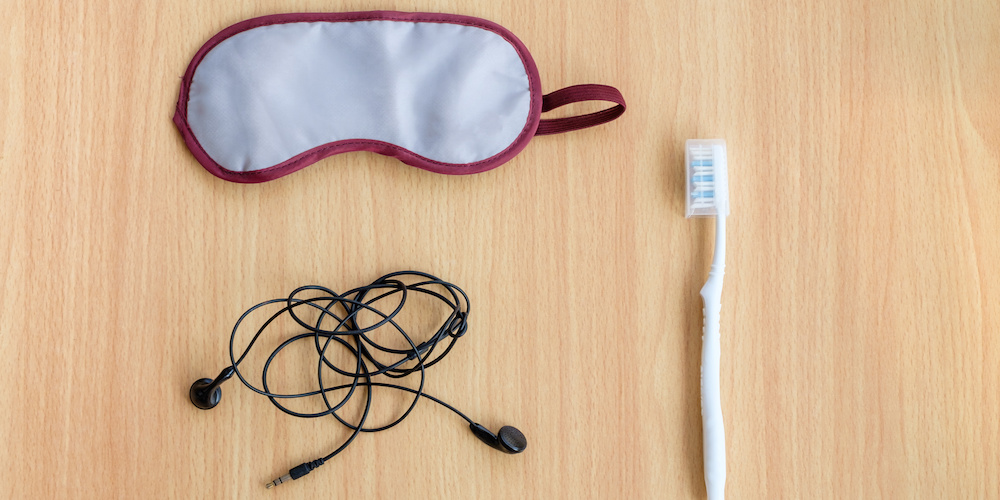
In today’s fast-paced world, the integration of wireless technology into sleep headphones has revolutionized the way users experience relaxation and sleep. Wireless sleep headphones offer unparalleled freedom and convenience, allowing users to enjoy their favorite sounds or soothing melodies without the hassle of tangled wires. This advancement not only enhances comfort but also promotes a more tranquil bedtime environment conducive to better sleep.
Wireless sleep headphones utilize advanced technologies such as Bluetooth and Near Field Communication (NFC), which provide different benefits to users. Bluetooth technology enables devices to connect wirelessly over short distances, allowing for seamless streaming of audio from smartphones, tablets, or other compatible devices. On the other hand, NFC offers a quick pairing process by simply tapping the headphone with a compatible device, making it incredibly user-friendly.
With the rise of wireless sleep headphones, users can significantly enhance their bedtime routine. Here are some key advantages of incorporating wireless technology into sleep headphones:
- Increased Comfort: The absence of wires eliminates the discomfort of entangled cords while lying down, allowing for a more restful sleep.
- Freedom of Movement: Wireless headphones enable users to move freely without the restrictions of a wired connection, perfect for those who may turn or shift during their sleep.
- Multi-Device Connectivity: Many wireless sleep headphones can connect to multiple devices, allowing users to switch between their phone, tablet, or even a smart TV without any hassle.
- Enhanced Sound Quality: Advanced wireless technologies often provide higher sound fidelity, ensuring that soothing sounds or calming music enhance relaxation.
- Easy Storage: Wireless headphones can be easily stored and transported, making them ideal for travel or sleepovers.
Moreover, wireless sleep headphones can significantly improve the bedtime routine by promoting a calming atmosphere. By eliminating the physical barriers of cords, users can enjoy their sleep environment without distractions. Listening to calming audio or guided meditations can help signal to the brain that it’s time to wind down, making it easier to transition into sleep. The flexibility offered by wireless headphones also encourages the use of sleep aids like white noise or nature sounds, further enhancing the relaxation experience.
Additionally, the compact design of many wireless models allows for easy wear throughout the night, ensuring that users can drift into a peaceful slumber without discomfort. As a result, the integration of wireless technology into sleep headphones not only enhances user freedom but also contributes to a more effective and enjoyable bedtime routine.
Features to Look for When Buying Sleep Headphones
When purchasing sleep headphones, understanding their features is crucial for enhancing your sleep experience. Sleep headphones are designed to help you drift off peacefully, blocking out distractions and providing soothing sounds or music. Not all models are created equal, and several key features can make a significant difference in comfort and sound quality.
One of the most important aspects to consider is the design of the headphones. Look for lightweight and comfortable options that won’t cause discomfort during long periods of use. Some sleep headphones come in a headband style, which can be especially useful as they conform to your head and can be worn comfortably even if you’re a side sleeper. Additionally, consider the material used in the headphones. Soft, breathable fabrics can enhance comfort and prevent overheating during the night.
Comparison of Budget-Friendly Versus Premium Models
When it comes to sleep headphones, there are distinct differences between budget-friendly and premium models. Understanding these differences can help you make an informed decision based on your needs and budget. Below is a comparison of key features in both categories.
Budget-friendly models generally focus on basic functionality. They often come with:
- Decent sound quality with limited noise cancellation.
- Basic Bluetooth connectivity, if wireless.
- Simple, non-adjustable designs.
- Lower battery life, typically lasting around 6-8 hours.
In contrast, premium models offer enhanced features and benefits, including:
- Superior sound quality with advanced noise cancellation technology.
- Customizable sound profiles for a personalized listening experience.
- High-quality materials and ergonomic designs for better comfort.
- Longer battery life, often exceeding 12 hours, and faster charging options.
Evaluating Sound Quality in Sleep Headphones
Evaluating sound quality in sleep headphones is essential to ensure a restful night. The primary factors to consider include frequency response, sound isolation, and overall audio balance.
Frequency response refers to the range of sounds the headphones can reproduce. A wider frequency range can enhance the listening experience by delivering more detail in both lows and highs. Look for headphones with a frequency response between 20Hz to 20kHz, as this range is generally optimal for most music and sounds.
Sound isolation is another critical aspect. Good sleep headphones should block out ambient noise effectively, allowing you to concentrate on the soothing sounds. This is particularly important if you live in a noisy environment or share a bed. Noise-cancelling features can significantly improve this aspect.
Finally, audio balance is crucial for an immersive experience. The headphones should provide a balanced mix of bass, mids, and treble. Listen for models that maintain clarity across various genres of sound, from white noise to soft melodies. Testing headphones with diverse sound types will offer insights into their performance across different audio spectrums.
“The right headphones can transform your sleep routine, making it not just restful, but also enjoyable.”
The Role of Sleep Headphones in Relaxation Techniques
Integrating sleep headphones into relaxation practices can significantly enhance your overall experience, whether you’re meditating, engaging in sleep therapy, or simply looking to unwind after a long day. These headphones have been designed not just for comfort but also to aid in achieving deeper states of relaxation. By using sleep headphones, one can immerse themselves in calming sounds and guided sessions that promote tranquility and peace of mind.
Many relaxation practices benefit from the use of audio, making sleep headphones an essential tool. For instance, guided meditations often utilize soothing voiceovers paired with ambient sounds to facilitate enhanced relaxation. Users can access various applications designed specifically for these practices. Popular apps such as Calm, Headspace, and Insight Timer offer a plethora of audio content including sleep stories, ambient soundscapes, and guided meditation sessions that can be easily navigated and enjoyed through sleep headphones. Such content not only enhances the listening experience but also aids in achieving a more profound state of relaxation.
Effects of Guided Meditations and Sleep Stories
Listening to guided meditations or sleep stories through sleep headphones has transformative effects on relaxation. The immersive nature of headphones allows users to focus solely on the audio, effectively blocking out external distractions. This sensory isolation is crucial as it helps the mind to disengage from daily stressors, paving the way for mental clarity and emotional calmness.
Guided meditations often include techniques like visualization and breathing exercises which can lead to decreased anxiety levels and a notable improvement in sleep quality. Research indicates that individuals who regularly engage in guided meditation report significant reductions in insomnia symptoms. On the other hand, sleep stories combine narrative elements with soothing sounds, creating a narrative-rich environment that can ease the transition into sleep. The stories are crafted to captivate the imagination, allowing the listener to escape into a world of calm, while their minds gently drift away from tension.
The overall impact of these practices when paired with sleep headphones is substantial. Users commonly experience a reduction in heart rate and a decrease in cortisol levels – the stress hormone – which collectively contribute to enhanced relaxation. The tranquil sounds and soothing narratives supplied through sleep headphones provide a powerful tool for anyone seeking to improve their mental health and well-being.
Potential Downsides of Sleep Headphones
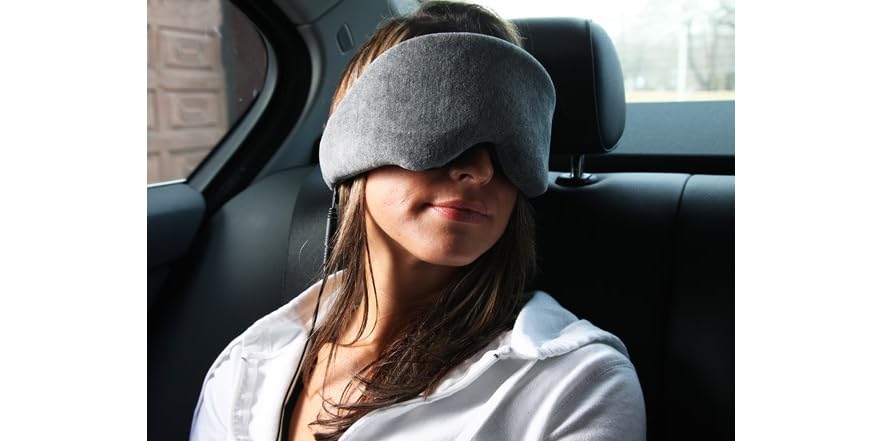
While sleep headphones can provide a serene auditory environment for a good night’s rest, they are not without potential downsides. Users may encounter various challenges that could affect their overall sleep quality and comfort. It’s essential to examine these concerns thoughtfully, as sleep hygiene is vital for overall health and well-being.
One of the primary drawbacks of sleep headphones is their physical comfort. Depending on the design and materials used, they can cause discomfort during prolonged wear. For example, over-ear headphones may feel bulky against the pillow, leading to soreness in the ears or head. Additionally, in-ear models may cause irritation or even lead to ear infections, especially if not cleaned regularly. These issues become particularly significant when considering the length of time individuals spend asleep, often eight hours or more.
Comparative Alternatives to Sleep Headphones
For those seeking less intrusive options for enhancing their bedtime routine, several alternatives exist that may provide comfort without the drawbacks associated with sleep headphones.
The following options are worth considering:
- White Noise Machines: These machines create a consistent sound environment that can drown out disruptive noises without the need for headphones. They allow for a more natural sleep posture and can be positioned away from the bed.
- Sound Pillows: These pillows are designed to integrate speakers within the fabric, allowing users to listen to calming sounds without external devices. They are often more comfortable and can be adjusted to individual preferences.
- Sleep Apps: Mobile applications can provide ambient sounds, guided meditations, or sleep stories. Placing a smartphone on a bedside table allows for a non-intrusive listening experience, although care should be taken to manage screen time before sleep.
The suitability of sleep headphones significantly hinges on user preferences and comfort levels. Individuals vary in their sensitivity to pressure, noise, and discomfort, meaning what works for one person may not work for another. For instance, some may find the soothing sounds of a sleep app on a speaker more relaxing than wearing headphones, while others might prefer the isolation that headphones provide.
Moreover, fabric and fit play a crucial role in comfort. Soft materials are generally preferable, but if the fit is too loose or tight, it can lead to disturbances during sleep. Preferences regarding sound quality and volume control should also be factored in, as these can influence how well someone can relax and fall asleep. Ultimately, understanding personal comfort is essential in determining whether sleep headphones will be a beneficial addition to one’s nightly routine.
User Reviews and Testimonials on Sleep Headphones
User reviews and testimonials provide valuable insights into the effectiveness of sleep headphones, showcasing real-life experiences that can guide potential buyers in their decision-making process. Many users report varying degrees of satisfaction, which can often be attributed to individual preferences and needs when it comes to sleep aids.
The effectiveness of sleep headphones often hinges on personal comfort, sound quality, and the specific features of the product. For instance, some users may prefer headphones with noise-canceling capabilities, while others might opt for softer fabric materials that enhance comfort during sleep. Many popular brands have garnered attention in the market, including Bose, SleepPhones, and CozyPhones. User feedback on these brands varies, highlighting aspects such as sound quality, comfort, and battery life.
User Feedback on Popular Brands
When examining user testimonials, it’s clear that preferences and expectations play a significant role in shaping perceptions of sleep headphone effectiveness. Below are key observations from user experiences:
- Bose Sleepbuds II: Users often praise the sound quality and noise-canceling features. Many appreciate the subtle, soothing sounds designed specifically for sleep, but some mention the high price point as a drawback.
- SleepPhones: This brand receives positive feedback for its soft, comfortable headband design, making it ideal for side sleepers. However, some users feel that the sound quality is not as robust as other models.
- CozyPhones: Known for their affordability and comfort, CozyPhones often attract users looking for a budget-friendly option. Feedback indicates a good balance of comfort and decent sound quality, although durability may be a concern for some users.
The perception of sleep headphone effectiveness can vary widely from person to person. Factors such as personal comfort preferences, sensitivity to noise, and even individual sleep patterns significantly influence how users experience these products. For instance, someone accustomed to using traditional earplugs may find the transition to headphones challenging, impacting their overall satisfaction. Conversely, users who prioritize sound quality and are willing to invest in higher-end models often report enhanced sleep quality as a result.
Furthermore, the psychological aspect of expecting a product to improve sleep can also shape user experiences. Individuals who believe that sleep headphones will help them relax may find greater success with them compared to those who are skeptical. Thus, personal preferences and psychological factors intertwine, ultimately affecting the perceived effectiveness of sleep headphones in enhancing sleep quality.
Future Trends in Sleep Headphone Technology
As the importance of quality sleep continues to gain recognition, the demand for advanced sleep headphones is on the rise. Emerging technologies are set to reshape the next generation of these devices, promising enhanced user experience and improved sound quality. Innovations in audio engineering, materials science, and connectivity are paving the way for a more immersive and beneficial sleep environment.
Emerging Technologies in Sleep Headphones
Several cutting-edge technologies are influencing the future landscape of sleep headphones. These advancements focus on delivering superior sound experiences while maintaining comfort and usability during sleep.
1. Adaptive Soundscapes: Future headphones may incorporate adaptive soundscapes that adjust based on real-time noise levels and user preferences. This feature can create a personalized auditory environment that promotes relaxation and sleep while blocking external disturbances.
2. Biofeedback Integration: The integration of biofeedback sensors can enable headphones to monitor physiological signals such as heart rate and breathing patterns. This data can be used to tailor sound output in real-time, creating an optimal listening experience that aligns with the user’s physiological state.
3. Advanced Noise Cancelling Technology: Upcoming models are likely to feature adaptive noise-canceling technology that utilizes machine learning algorithms to analyze the surrounding sound environment. This technology can proactively filter out disruptive noises, enhancing the listener’s ability to fall asleep.
4. Wireless Charging and Extended Battery Life: Future headphones may adopt wireless charging capabilities and enhanced battery life, allowing uninterrupted usage throughout the night without the hassle of cords or frequent recharging.
5. Sleep Tracking Integration: The synergy of sleep tracking and headphone technology is anticipated to revolutionize how users understand and improve their sleep patterns. Headphones equipped with sleep tracking features can track sleep cycles, providing insights and suggestions based on the collected data.
Advancements in sleep tracking technology have profound implications for user experience. As sleep headphones evolve to encompass tracking capabilities, they can deliver comprehensive reports on sleep quality by analyzing factors such as duration, disturbance frequency, and REM cycles. This data can be visualized through accompanying mobile apps, enabling users to make informed decisions to enhance their sleep hygiene.
These advancements not only foster better sleep but also encourage healthier lifestyles by allowing users to identify patterns and triggers that affect their rest. The integration of artificial intelligence can further enhance this experience by offering personalized recommendations based on historical sleep data.
In summary, the future of sleep headphones promises a merging of comfort, technology, and health monitoring, setting the stage for a new era of restorative sleep solutions.
Recommendations for Sleep Headphone Care and Maintenance
Proper care and maintenance of sleep headphones are essential to prolong their lifespan and maintain their performance. Just like any personal accessory, sleep headphones need regular attention to ensure they remain functional and comfortable. Neglecting their upkeep may lead to compromised sound quality, uncomfortable wear, or even health issues from inadequate hygiene.
Maintaining sleep headphones involves straightforward cleaning practices and thoughtful storage techniques. Regularly cleaning your headphones not only enhances their sound quality but also prevents the buildup of dirt and bacteria that can affect your health. Additionally, proper storage protects your headphones from damage when they are not in use. Below are key recommendations for effective care and maintenance of your sleep headphones.
Cleaning Practices and Storage Tips
To keep your sleep headphones in optimal condition, it’s important to follow specific cleaning and storage guidelines. Here are some practical recommendations:
- Regular Cleaning: Wipe down the ear cushions and headband with a soft, damp cloth. Avoid using harsh chemicals. A gentle soap solution can be used for more stubborn stains.
- Deep Cleaning: For headphones with removable cushions, take them off and clean them separately. Check the manufacturer’s instructions for specific cleaning methods.
- Drying: After cleaning, allow your headphones to air dry completely before reassembling or storing them. This helps prevent moisture buildup that can lead to mold.
- Storage: Store your headphones in a protective case or pouch to avoid tangling or damage. Keep them in a cool, dry place, away from direct sunlight.
- Battery Care: If your headphones are wireless, ensure the battery is charged correctly by following the recommended charging times to enhance battery longevity.
Proper maintenance significantly impacts both the performance and hygiene of sleep headphones. Regular cleaning can prevent the accumulation of sweat and oils, which can degrade materials over time. Moreover, maintaining hygiene by cleaning ear pads can help prevent skin irritations and infections.
In essence, consistent care fosters a better listening experience, reduces the likelihood of repairs, and ensures that your sleep headphones remain a dependable companion during your nightly routine. Remember, investing a little time into their upkeep will reward you with comfort, clarity, and quality sleep for years to come.
Last Recap
As we continue to explore the potential of sleep headphones, it becomes clear that they are more than just a luxury; they are a valuable tool in promoting better sleep quality. With features that cater to comfort, sound experience, and relaxation techniques, these headphones can transform the nighttime routine for many. As technology advances, the future of sleep headphones promises even greater enhancements, ensuring that restful nights are within easy reach for everyone.
Top FAQs
What are sleep headphones?
Sleep headphones are designed specifically for use during sleep, featuring comfortable materials and sound technology to help improve sleep quality.
Can sleep headphones be used for meditation?
Yes, they are great for meditation, as they can enhance the experience through soothing sounds and guided sessions.
Are there any health risks associated with using sleep headphones?
Generally, they are safe; however, concerns can arise from prolonged use or improper fitting, which can cause discomfort.
How can I clean my sleep headphones?
Most sleep headphones can be wiped down with a damp cloth and mild soap, while fabric covers may be machine washable.
Do sleep headphones work for everyone?
While many users find sleep headphones effective, individual preferences and comfort levels can vary, so it’s important to choose the right model.
How do I choose the right sleep headphones?
Consider factors such as comfort, sound quality, materials, and whether you prefer wired or wireless options.